Author Archives: nfnaAdmin

how much protein in 1 glass milk

How Much Protein in 1 Glass Milk? Complete Guide to Milk Protein, Benefits and Daily Requirements

Quick Answer: A standard glass of milk (250 ml) contains approximately 8 grams of protein. Milk is a complete protein source with both whey and casein, supporting muscle growth, bone strength, and overall health. Skimmed, semi-skimmed, and whole milk all provide high-quality protein, making milk an easy and accessible way to meet daily protein requirements.

Are you wondering how much protein in 1 glass milk and whether it is enough for your daily nutrition? A typical 250 ml glass of milk provides about 8 grams of high-quality protein, making it a convenient source for both adults and children. This protein is complete, meaning it contains all essential amino acids your body needs to function optimally.

In this guide, we will explore how much protein in 1 glass milk, the types of proteins found in milk, their health benefits, how milk compares to other protein sources, and practical tips on including milk in your daily diet to meet protein goals.

Protein — The Building Block of Life

Protein plays an essential role in our bodies, acting as the building block for muscles, skin, enzymes, hormones, and the immune system. It is vital for tissue repair, maintaining muscle mass, and ensuring overall bodily functions run smoothly.

Milk is a convenient and natural source of protein, containing high-quality amino acids in forms that are easy for the body to digest and absorb. By understanding how much protein in 1 glass milk you are consuming, you can effectively plan your daily nutrition to meet your protein requirements. If you want to deepen your understanding of macronutrients, meal planning, and evidence-based diet strategies, enrolling in a professional dietician course in india can help you build strong practical and scientific knowledge in nutrition.

Types of Protein in Milk

Milk contains two main types of protein, each with unique benefits:

  • Whey Protein: This is a fast-digesting protein that is ideal for post-workout recovery. It quickly provides amino acids to your muscles, helping in repair and growth.
  • Casein Protein: This is a slow-digesting protein that provides a steady supply of amino acids over several hours. Casein is especially beneficial when consumed before bedtime to support overnight muscle repair.

The combination of whey and casein in milk makes it a complete protein source, ensuring your body receives all essential amino acids necessary for optimal health.

How Much Protein in 1 Glass Milk

Protein Content in a Standard Glass (250 ml)

If you are specifically asking how much protein in 1 glass milk, here is a detailed breakdown based on milk types:

  • Whole Milk: Approximately 7.7 to 8 grams of protein per 250 ml glass
  • Semi-Skimmed Milk: Approximately 8 grams of protein per 250 ml glass
  • Skimmed Milk: Approximately 8 to 8.5 grams of protein per 250 ml glass

Skimmed milk contains slightly more protein per calorie because it has less fat, while whole milk provides additional energy and fat-soluble vitamins. Regardless of type, milk is a reliable and easy source of high-quality protein for most daily needs. If you want to gain deeper expertise in nutrition science and understand how to structure balanced diets professionally, you can explore a comprehensive dietician course in kolkata to build practical skills in meal planning, nutrient analysis, and client guidance.

Nutritional Breakdown of Milk

What Else Does a Glass of Milk Provide?

Beyond protein, milk is packed with essential nutrients that support overall health:

  • Calories: 90 to 120 per glass depending on milk type
  • Calcium: Around 300 milligrams per glass
  • Vitamin D: Fortified in most milk brands to support bone health
  • Vitamin B12: Supports energy metabolism and nerve function
  • Carbohydrates: Approximately 12 grams, mainly lactose
  • Fats: Between 3 and 5 grams depending on whole, semi-skimmed, or skimmed milk

Milk not only provides protein but also essential vitamins and minerals that support bone health, immunity, and general wellbeing.

Calorie vs Protein Ratio — What It Means for You

When considering how much protein in 1 glass milk, the calorie-to-protein ratio is important. Milk provides protein efficiently without excessive calories, making it ideal for those managing their weight or looking to build muscle while maintaining balanced nutrition. For those who want to combine nutrition knowledge with hands-on fitness expertise, enrolling in professional personal training courses can help you understand body composition, muscle development, and structured workout planning in a more practical way.

Why Milk Protein Is Valuable

Benefits of Protein in Milk

Milk protein offers several key health benefits:

  • Muscle Repair and Growth: Whey and casein proteins in milk help repair muscle tissues after exercise and support muscle growth.
  • Satiety and Weight Management: Protein-rich milk can help you feel full, reducing the tendency to snack on less nutritious foods.
  • Bone Health Support: Protein works alongside calcium and vitamin D to maintain strong bones and prevent fractures.
  • Easy Daily Source: Milk is widely available, affordable, and can be consumed in various forms such as smoothies, cereal, or simply as a drink.

Who Should Prioritise Milk Protein?

Certain groups can particularly benefit from incorporating milk into their diet:

  • Athletes and fitness enthusiasts looking for fast and sustained protein
  • Older adults aiming to maintain muscle mass and prevent age-related decline
  • Individuals seeking to manage their weight through increased satiety

Milk Compared to Other Protein Sources

When considering how much protein in 1 glass milk versus other common foods — including whether curd has as much protein as milk — milk stands out because of its digestibility and completeness:

Protein Source

Protein per Serving

Digestibility

Bioavailability

Milk (1 glass)

8 g

High

Complete

Eggs (1 large)

6 g

High

Complete

Greek Yogurt (150 g)

10 g

High

Complete

Soy Milk (1 cup)

7 g

Moderate

Complete

Almond Milk (1 cup)

1 g

Low

Incomplete

Milk is not only high in protein but also delivers it in a form that the body can efficiently use, making it an excellent choice to meet daily protein needs — much like the protein content in paneer, another dairy staple worth comparing.

How Much Milk Protein You Need Daily

Daily Protein Requirements

Understanding how much protein in 1 glass milk helps in meeting your daily intake:

  • General Recommendation: 0.8 grams of protein per kilogram of body weight for average adults
  • Active Adults and Athletes: 1.2 to 2 grams per kilogram of body weight for muscle growth or recovery
  • Older Adults: Higher protein intake helps maintain muscle and prevent age-related loss

Combining Milk With Other Protein Foods

To meet daily protein needs effectively, milk can be combined with other protein sources such as eggs, yogurt, legumes, nuts, or lean meats. This ensures you get a variety of amino acids and maintain a balanced diet.

Want to Take Your Nutrition Knowledge to the Next Level?

Understanding how much protein in 1 glass milk is just the beginning of a strong nutrition foundation. If you want to dive deeper into how nutrients like protein, fats, and carbohydrates affect health, metabolism, and fitness outcomes, NFNA (National Fitness & Nutrition Academy) is here to guide you.

At NFNA, you can:

  • Become a certified nutrition expert through evidence-based courses
  • Master nutrient science, diet planning, and client consultation skills
  • Gain career-boosting credentials in applied nutrition and fitness coaching
  • Learn from India’s top nutrition and fitness educators

Turn your passion for nutrition into a professional career and help others lead healthier, stronger lives.

Enroll now with NFNA and start your journey to becoming a certified nutrition and fitness professional.

Conclusion

To summarize, how much protein in 1 glass milk is approximately 8 grams, making milk a simple, affordable, and high-quality protein source. Milk protein supports muscle repair, bone strength, satiety, and overall nutrition. Including milk alongside other protein-rich foods ensures you meet your daily protein requirements efficiently and enjoy all the health benefits that come with it.

Read Our Latest Blogs:

High Protein Vegetarian Foods In India | Protein Rich Indian Breakfast | Upper Body Strength Training | Gym Workout For Belly Fat | 5 Day Gym Workout Schedule | Gym Workout Diet Chart | 6 Day Gym Workout Schedule For Beginners | Difference Between Strength Training And Weight Training | Strength Training For PCOS | Strength Training For Athletes

Frequently Asked Questions

Q1. How much protein in 1 glass of milk helps with muscle growth?

A standard 250 ml glass with 8 grams of protein supports muscle repair when consumed alongside other protein sources, particularly after exercise.

While milk is a rich protein source, most adults require additional protein from other foods to meet daily requirements. Combining milk with eggs, nuts, or lean meats is ideal.

Milk protein is complete and highly digestible, whereas many plant-based proteins may lack one or more essential amino acids or have lower bioavailability.

Yes, milk protein contributes to muscle growth, especially when combined with strength training and a balanced diet.

Skimmed and semi-skimmed milk typically provide slightly more protein per calorie than whole milk, although the difference is minor.

Protein helps prevent muscle loss, supports bone health, and improves recovery from injuries or illnesses in older adults.

One to three glasses per day can provide 8 to 24 grams of protein, depending on individual needs and other dietary protein sources.

For fast-acting whey protein, drink milk after workouts. For slow-digesting casein, milk before bed can provide overnight muscle repair.

how much protein in soya chunks

How Much Protein in Soya Chunks? Complete Guide on Nutrition, Benefits, and Daily Use (2026)

Quick Answer: If you are looking to know how much protein in soya chunks, the answer is that 100 grams of dry soya chunks contain approximately 52 grams of high-quality protein. Cooked soya chunks provide about 17 grams per 100 grams due to water absorption. Soya chunks are low in fat, high in fiber, rich in minerals like iron and calcium, and are an excellent plant-based protein source for vegetarians and vegans.

Protein is one of the most essential nutrients for the human body, supporting muscle growth, tissue repair, metabolism, and overall health. For vegetarians, vegans, and fitness enthusiasts, finding a high-protein, plant-based food is critical. If you are asking how much protein in soya chunks you can consume in a day, the answer is around 52 grams per 100 grams of dry soya chunks. These versatile chunks can be easily included in daily meals. In this article, we will discuss the full nutritional profile of soya chunks, their health benefits, comparisons with other protein sources, possible side effects, and practical ways to add them to your diet.

For those interested in building deeper knowledge of nutrition science and diet planning, a structured dietician course in india can help develop strong fundamentals in applied and clinical nutrition.

What Are Soya Chunks?

Soya chunks, also known as textured soy protein or textured vegetable protein, are made from defatted soy flour, which is the byproduct obtained after extracting soybean oil. These chunks are highly valued for their protein content and versatility.

Soya chunks are widely used in vegetarian and vegan diets as a replacement for meat because of their texture and high protein concentration. They have a neutral taste and can absorb the flavors of spices, sauces, and herbs, making them ideal for curries, stir-fries, soups, salads, and snacks. Including soya chunks in your diet is one of the easiest ways to meet daily protein requirements without consuming animal products, especially when compared to dairy options like checking how much protein in paneer.

Learning how to guide others on plant-based protein choices is a key skill taught in a dietician course in kolkata. Soya chunks are also considered a complete protein source because they contain all nine essential amino acids necessary for the human body, making them especially important for those who do not consume meat or dairy products.

How Much Protein Is There in Soya Chunks Per 100 Grams?

If you are specifically searching for how much protein in soya chunks, here is the detailed answer. Dry soya chunks are extremely protein-rich.

Protein content in soya chunks:

  • Dry soya chunks contain approximately 52 grams of protein per 100 grams
  • Cooked soya chunks contain approximately 17 grams of protein per 100 grams because they absorb water and expand in size

It is important to note that the protein content decreases per 100 grams after cooking due to water absorption, but the overall protein intake remains high if the portion of dry soya chunks is measured correctly. Soya chunks are considered one of the highest protein vegetarian foods and are often recommended for athletes, bodybuilders, and individuals looking to increase their protein intake without consuming animal products.

Understanding protein timing and portion control is also a core concept covered in a certified fitness trainer course.

Full Nutritional Profile of Soya Chunks Per 100 Grams Dry

Soya chunks are not only rich in protein but also contain other important nutrients that contribute to overall health. Understanding their complete nutritional profile helps in planning a balanced diet. Here is what 100 grams of dry soya chunks contain:

  • Protein content in soya chunks: 52 grams of protein, which is a complete protein containing all nine essential amino acids
  • Calories: 336 calories per 100 grams, making them a high-energy food
  • Carbohydrates: 33 grams of carbohydrates, providing energy for daily activities
  • Dietary fiber: 13 grams of fiber, aiding in digestion and promoting gut health
  • Fat: 0.5 grams of fat, making them extremely low in fat and heart-healthy
  • Minerals: Calcium 160 mg, essential for strong bones and teeth
  • Iron 16 mg, which supports blood health and prevents anemia

Because of this nutritional profile, soya chunks are an excellent food to include in vegetarian and vegan diets, especially for those who want high protein content with minimal fat intake. Professionals who want to combine nutrition planning with strength training often enhance their skills through personal training courses.

Why Soya Chunks Protein Is Important

The protein content in soya chunks makes them highly beneficial for multiple aspects of health and fitness.

Benefits of protein in soya chunks:

  • Supports muscle growth and repair after exercise
  • Helps in weight management by promoting a feeling of fullness
  • Reduces cholesterol levels and supports heart health
  • Provides essential minerals like iron and calcium
  • Maintains overall metabolic functions

Soya chunks can also be compared to other protein sources to understand their value:
Protein comparison in soya chunks:

  • Dry soya chunks provide 52 grams of protein per 100 grams
  • Paneer provides 18 grams per 100 grams and is rich in calcium
  • Tofu provides 8 grams per 100 grams and is versatile in cooking
  • Eggs provide 13 grams per 100 grams but are not suitable for vegans
  • Chicken provides 27 grams per 100 grams as an animal-based protein

Soya chunks outperform many vegetarian sources of protein in terms of density and completeness, making them an ideal choice for high-protein diets.

Health Benefits of Soya Chunks Beyond Protein

Apart from protein, soya chunks offer several other health benefits:

  • Muscle repair and growth: The high protein content in soya chunks supports recovery after workouts and helps build lean muscle mass
  • Weight management and appetite control: The combination of protein and fiber promotes satiety, reducing the likelihood of overeating
  • Heart health: Low in fat and cholesterol-free, soya chunks help maintain healthy cholesterol levels
  • Digestive health: Dietary fiber in soya chunks supports regular bowel movements and improves gut health
  • Hormonal balance: Contains phytoestrogens that may benefit hormonal health, particularly in women

Soya chunks are therefore not only a rich protein source but also a food that supports overall health and wellness comparable in some ways to protein in 200g chicken breast for those who eat meat.

Are There Any Side Effects of Too Much Soya Chunks?

While soya chunks are generally safe and healthy, consuming them in excessive amounts may cause mild side effects. These include:

  • Hormonal effects: High intake of phytoestrogens from soya may slightly influence hormone levels in sensitive individuals
  • Thyroid considerations: Overconsumption could affect thyroid function in people with existing thyroid conditions
  • Digestive discomfort: Eating large amounts may lead to gas or bloating due to high fiber content

To enjoy the benefits of soya chunks safely, it is recommended to consume around 25 to 50 grams of dry soya chunks per day. This ensures you receive enough protein without causing unwanted side effects pairing them with dairy sources like checking the protein content in curd can help balance your overall intake.

How to Include Soya Chunks in Your Daily Diet

Soya chunks can be easily included in meals to boost protein intake. Here are some practical tips:

Preparation

  • Soak or boil soya chunks in water for 10 to 15 minutes before cooking
  • Squeeze out excess water to improve texture and absorb spices better

Meal ideas

  • Add to curries, stir-fries, and soups for a high-protein boost
  • Include in salads or wraps for a quick and nutritious meal
  • Use in snacks like soya cutlets or protein balls

Pairing

  • Combine with grains like rice or quinoa and vegetables for a balanced meal
  • Add herbs, spices, and sauces to enhance flavor and nutrition

Consuming soya chunks regularly is one of the most effective ways to increase daily protein intake naturally.

Who Should Eat Soya Chunks and Who Should Be Cautious

Soya chunks are ideal for:

  • Vegetarians and vegans seeking plant-based protein
  • Athletes, bodybuilders, and fitness enthusiasts
  • Individuals looking to manage weight or cholesterol

Caution is advised for:

  • People with thyroid disorders
  • Individuals with soy allergies
  • Those sensitive to high-fiber foods who may experience digestive discomfort

Ready to Deepen Your Nutrition Knowledge? 

Understanding foods like soya chunks is just the beginning. If you want to learn the science behind nutrition, design effective diets, or build a professional career in fitness and health, NFNA India’s expert-led academy offers certified courses with lifetime mentorship and industry support. 

Enroll with NFNA today and transform your passion for health into a rewarding profession. Explore courses, learn from top dietitians and trainers, and unlock your potential in the booming world of nutrition and fitness.

Conclusion

If you want to know how much protein in soya chunks is packed per serving, 100 grams of dry soya chunks provide around 52 grams of complete, high-quality protein. They are low in fat, rich in fiber, contain essential minerals, and are extremely versatile in cooking. Including soya chunks in daily meals is an effective way to meet protein requirements, support muscle growth, aid weight management, and maintain overall health.

Soya chunks are one of the best vegetarian protein sources available today, offering both nutritional value and versatility in everyday diets.

Read Our Latest Blogs:

High Protein Vegetarian Foods In India | Protein Rich Indian Breakfast | Upper Body Strength Training | Gym Workout For Belly Fat | 5 Day Gym Workout Schedule | Gym Workout Diet Chart | 6 Day Gym Workout Schedule For Beginners | Difference Between Strength Training And Weight Training | Strength Training For PCOS | Strength Training For Athletes

Frequently Asked Questions

Q1. How much protein is in 100 grams of cooked soya chunks?

 Cooked soya chunks provide approximately 17 grams of protein per 100 grams because water absorption reduces protein density compared to dry soya chunks.

Yes. The high-quality protein in soya chunks supports muscle repair and growth, making it suitable for bodybuilders and fitness enthusiasts.

Yes. Dry soya chunks contain around 52 grams of protein per 100 grams, which is much higher than paneer, which contains only 18 grams per 100 grams.

Excessive consumption of soya chunks may slightly affect hormones due to phytoestrogens, but moderate intake is safe for most people.

Possible side effects include digestive issues such as gas or bloating and mild hormonal effects in sensitive individuals. Moderation is key.

Soya chunks contain all nine essential amino acids, making them a complete protein source, which is rare in plant-based foods.

Soak or boil the soya chunks until soft, then cook in curries, stir-fries, or salads without overcooking to preserve protein content.

Absolutely. Soya chunks are entirely plant-based and provide a high-protein alternative suitable for vegan diets.

how much protein in a banana

How Much Protein in a Banana: Complete Nutrition Facts, Benefits, and Expert Guide

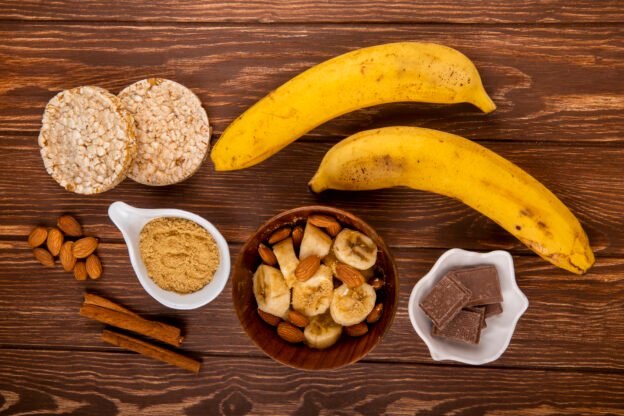
Quick Answer: If you are searching for how much protein is in a banana, the simple answer is this: a medium-sized banana contains about 1.3 grams of protein. A small banana provides roughly 1 gram, while a large banana may offer up to 1.6 grams. Bananas are not high-protein foods, but they do contribute small amounts of protein along with carbohydrates, fiber, potassium, and essential vitamins.

Many people tracking their diet often ask how much protein in a banana because bananas are one of the most commonly eaten fruits in the world. The direct answer is that a medium banana contains about 1.3 grams of protein. While this amount is modest, bananas still play an important role in a healthy eating pattern. If you want to understand how to balance fruits with adequate protein intake in structured meal plans, enrolling in a dietician course in kolkata can help you build strong practical and clinical nutrition knowledge.

Understanding how much protein in a banana is helpful for individuals who monitor macronutrients for muscle building, weight loss, or overall wellness. Although bananas are primarily a carbohydrate-rich fruit, they offer valuable nutrients that support digestion, heart health, and energy production. In this detailed guide, you will learn exactly how much protein in a banana based on size, its complete nutrition profile, health benefits, comparisons with other fruits, and practical dietary applications.

What Is a Banana

A banana is a tropical fruit that grows in warm climates and belongs to the Musa species. It is widely consumed because it is affordable, portable, naturally sweet, and easy to digest. Bananas require no preparation, making them one of the most convenient snack options available.

People consume bananas in many different ways:

  • As a standalone snack
  • Blended into smoothies
  • Sliced over breakfast cereals or oatmeal
  • Combined with nut butter
  • Added to baked goods
  • Consumed before or after workouts

Although many individuals focus on how much protein in a banana, the fruit is primarily valued for its carbohydrates and potassium content. Still, even small amounts of protein contribute to total daily intake.

How Much Protein in a Banana Based on Size

When calculating how much protein in a banana, size matters. Here is a clear breakdown:

Banana Size

Approximate Weight

Protein Content

Small

81g

~1.0 g

Medium

118g

~1.3 g

Large

136g

~1.6 g

If you are carefully tracking your macros, knowing how much protein in a banana ensures better dietary accuracy. However, it is important to understand that bananas are not considered a significant protein source. They contribute small amounts, but they cannot replace high protein foods such as eggs, dairy, legumes, poultry, fish, or soy products.

Even though how much protein in a banana is a common search query, the fruit’s real strength lies in its ability to provide sustained energy and essential micronutrients.

Complete Banana Nutrition Profile

To better understand how much protein in a banana fits into the overall nutrition picture, here is the full breakdown of a medium banana:


Nutrient

Amount

Calories

~105 kcal

Carbohydrates

27 g

Sugars

14 g

Fiber

3 g

Protein

1.3 g

Fat

0.3 g

Potassium

422 mg

Vitamin B6

~20% DV

Vitamin C

~10% DV

While protein content is modest, bananas are rich in potassium, which supports muscle contraction and blood pressure regulation. They also provide fiber, which aids digestion and promotes fullness.

When evaluating how much protein in a banana, it becomes clear that bananas should be considered a supportive food rather than a primary protein source.

Health Benefits of Bananas

Supports Digestive Health

Bananas contain soluble fiber that helps regulate bowel movements and nourish beneficial gut bacteria. This makes them gentle on the digestive system and suitable for most individuals.

Provides Natural Energy

Because bananas are high in carbohydrates, they deliver quick and sustained energy. Athletes often eat bananas before workouts due to their easily digestible carbohydrate content. Even though how much protein in a banana is low, the energy value is significant.

Promotes Heart Health

The potassium in bananas plays an essential role in maintaining normal blood pressure levels. Adequate potassium intake helps counteract excess sodium in the diet.

Helps Maintain Electrolyte Balance

Potassium also supports proper fluid balance in the body. This is particularly important for individuals who sweat heavily during exercise.

Supports Metabolism and Immunity

Vitamin B6 assists in protein metabolism, while vitamin C contributes to immune defense. Although people focus on how much protein in a banana, these vitamins provide equally important health benefits.

Protein Comparison with Other Fruits

If you are comparing how much protein in a banana with other fruits, the differences are small because fruit generally contains limited protein.

  • A medium banana provides about 1.3 grams of protein.
  • A medium apple provides around 0.5 grams.
  • A medium orange provides roughly 1.2 grams.
  • One cup of strawberries provides about 1 gram.
  • One cup of grapes provides about 1 gram.

This comparison shows that bananas are slightly higher in protein than some fruits, but overall, fruit is not a major protein contributor.

Who Should Include Bananas in Their Diet

Bananas are suitable for many groups:

  • Athletes who need quick energy before training
  • Students and professionals seeking convenient snacks
  • Individuals on weight management plans due to fiber content
  • People needing potassium-rich foods
  • Endurance exercisers looking for electrolyte support

If your main concern is how much protein in a banana for muscle gain, consider pairing bananas with higher protein foods such as Greek yogurt, whey protein, milk, or nuts. Structured learning through a certified fitness trainer course can help you understand how to combine carbohydrates and proteins effectively for performance goals.

Smart Ways to Increase Protein with Bananas

Since how much protein in a banana is relatively low, combining bananas with protein rich foods creates a balanced meal or snack.

You can try:

  • Banana with Greek yogurt
  • Banana blended with protein powder in smoothies
  • Banana with peanut butter
  • Banana added to oatmeal with nuts and seeds
  • Banana with cottage cheese

For those who want deeper expertise in designing balanced diet plans, enrolling in a dietician course in india provides structured knowledge about macronutrient distribution and clinical nutrition principles.

Transform Your Nutrition Knowledge Into Expertise

If you’re passionate about understanding not just how much protein in a banana, but what every nutrient means for human health, consider professional education.

NFNA (National Fitness and Nutrition Academy) is an evidence-based nutrition and fitness education academy in India offering industry-relevant programs designed by experienced doctors, dieticians, and qualified trainers.

Whether you’re a fitness enthusiast or aspiring health professional, NFNA equips you with practical skills in applied nutrition, diet planning, and client consulting.

Summary

If you have been searching for how much protein is in a banana, the answer remains consistent. A medium banana provides approximately 1.3 grams of protein. While that amount is modest, bananas offer many other nutritional advantages, including potassium, fiber, vitamin B6, and natural energy.

Understanding how much protein in a banana helps you make informed dietary decisions. Bananas are excellent for energy and micronutrients, but they should be paired with stronger protein sources for muscle growth or higher protein goals.

A balanced diet focuses on overall nutrient intake rather than a single food item. Knowing how much protein in a banana is useful, but understanding the complete nutritional picture is even more important for long term health and performance.

Read Our Latest Blogs:

High Protein Vegetarian Foods In India | Protein Rich Indian Breakfast | Upper Body Strength Training | Gym Workout For Belly Fat | 5 Day Gym Workout Schedule | Gym Workout Diet Chart | 6 Day Gym Workout Schedule For Beginners | Difference Between Strength Training And Weight Training | Strength Training For PCOS | Strength Training For Athletes

Frequently Asked Questions

Q1. What is the exact protein content in a banana?

A medium banana contains about 1.3 grams of protein. Smaller bananas contain close to 1 gram, while larger bananas may contain up to 1.6 grams.

If you calculate how much protein in a banana per 100 grams, the amount is approximately 1.1 grams of protein.

One egg contains about 6 grams of protein, which is significantly higher than the 1.3 grams found in a medium banana.

Bananas alone are not sufficient for muscle building because of their low protein content. However, they provide carbohydrates that fuel workouts and support recovery when combined with protein-rich foods.

No, bananas are not classified as high-protein fruits. They are mainly carbohydrate-rich fruits with small amounts of protein.

Eating bananas daily will contribute small amounts of protein, but they should not be relied upon as a major protein source.

Athletes consume bananas primarily for carbohydrates and potassium, which provide energy and prevent muscle cramps, not for protein.

The best way is to combine bananas with protein-rich foods such as yogurt, milk, nuts, or seeds to create a nutritionally balanced snack.

strength training for athletes

Strength Training for Athletes: The Science, Benefits, and How to Master It the Right Way

Strength training for athletes is the foundation of excellence in sports. It transforms raw talent into measurable performance, enhancing power, endurance, and resilience while preventing injuries. Mastering strength training for athletes is not just about lifting heavier weights; it is about understanding movement mechanics, applying progressive training principles, and integrating proper nutrition to achieve sustainable results.

In the world of competitive sports, natural talent alone is no longer enough. Today’s athletes require scientifically designed programs that combine physical conditioning and strategic planning. Strength training for athletes ensures optimal performance across all sports, from sprinting and swimming to cricket and martial arts. NFNA, India’s leading Nutrition and Fitness Academy, trains aspiring fitness professionals to guide athletes safely and effectively, blending evidence-based practices with hands-on expertise.

What Is Strength Training for Athletes

Strength training for athletes is a targeted approach to improving physical performance in sports. Unlike general fitness routines aimed at weight loss or overall health, athlete-focused strength programs are designed to improve muscle power, speed, endurance, and coordination, directly impacting performance on the field or court.

Key physiological benefits of strength training for athletes include:

  • Increased muscular endurance to perform repetitive high-intensity actions
  • Enhanced joint stability to reduce the risk of injuries
  • Improved neural activation for better coordination and faster reaction times
  • Optimized body mechanics for efficiency and agility during movements

Types of strength training commonly used by athletes:

  • Isometric training, which involves holding positions to strengthen muscles and stabilize joints
  • Dynamic resistance training, including squats, presses, and lunges to develop functional strength
  • Plyometric training, which emphasizes explosive movements like jump squats or medicine ball throws to increase power and speed

Common myths about strength training for athletes:

  • Strength training makes athletes bulky and slows them down
  • Cardio is more important than strength for performance
  • Only professional athletes benefit from strength training

When properly understood and applied, strength training for athletes enhances every aspect of physical performance and ensures long-term athletic success.

Why Strength Training Is a Game-Changer for Every Athlete

Strength training for athletes is more than building muscles. It directly impacts performance, reduces injuries, and develops mental resilience. Athletes who focus on strength enjoy benefits that go far beyond the gym.

Core benefits of strength training for athletes:

  • Enhanced Power and Speed: Increased muscle strength allows athletes to sprint faster, jump higher, and react quicker during competition
  • Injury Prevention: Strengthening muscles, tendons, and ligaments protects joints from strains, sprains, and overuse injuries
  • Improved Endurance: Trained muscles utilize energy more efficiently, delaying fatigue during games and practice sessions
  • Mental Resilience: Discipline and consistency in training build focus, determination, and confidence
  • Better Body Composition: Strength training reduces excess body fat and improves muscle-to-fat ratio, enhancing agility and overall athletic ability

By consistently applying strength training for athletes, individuals can achieve measurable improvements in performance while reducing injury risk. Athletes gain a physical edge and develop the mental discipline needed for success.

Key Strength Exercises for Athletes

The right exercises are critical for effective strength training for athletes. Incorporating targeted exercises ensures that muscles are prepared for the specific demands of each sport.

Essential exercises for strength training for athletes:

  • Squats to strengthen quads, glutes, and core, building lower body power and stability
  • Deadlifts to enhance posterior chain strength, promoting explosive movements and overall functional power
  • Bench Press to develop chest, shoulders, and triceps, improving pushing strength and upper body endurance
  • Walking Lunges to improve balance, unilateral leg strength, and core activation
  • Pull-Ups to target lats and biceps, enhancing pulling strength and grip
  • Planks to stabilize the core and protect the spine during dynamic athletic movements

Key principles for training smarter:

  • Focus on correct form to maximize effectiveness and reduce injury risk
  • Apply progressive overload to gradually increase strength and performance
  • Use periodization to vary intensity during off-season and competitive season
  • Prioritize rest and recovery, allowing muscles to repair and grow stronger

Strength training for athletes is most effective when programs are tailored to the individual’s sport, body type, and goals. A balanced approach ensures sustained improvement and peak performance.

Nutrition: The Forgotten Half of Strength Training

Even the best strength training for athletes cannot achieve maximum results without proper nutrition. Fueling the body with the right nutrients enhances performance, accelerates recovery, and supports muscular growth.

Key nutrition principles for athletes engaged in strength training:

  • Adequate protein intake to support muscle repair and growth
  • Proper hydration to maintain strength, focus, and endurance
  • Micronutrients like calcium, magnesium, and zinc to optimize energy metabolism and recovery
  • Post-workout nutrition combining proteins and carbohydrates to promote muscle adaptation

NFNA emphasizes an evidence-based approach to nutrition, ensuring that athletes learn the scientific principles behind fueling strength. Through Applied Nutrition and Personal Training courses, students gain expertise in designing holistic programs that integrate training, nutrition, and recovery strategies for measurable performance improvements.

Common Mistakes Athletes Make in Strength Training

Even experienced athletes make mistakes that limit results or increase injury risk. Awareness and guidance are essential.

Common errors in strength training for athletes:

  • Overtraining without sufficient rest, leading to fatigue and injury
  • Ignoring mobility and flexibility, which reduces movement efficiency
  • Neglecting nutrition, undermining strength gains and recovery
  • Failing to use periodization, causing plateaus in performance

Structured guidance and mentorship, such as that provided by NFNA’s certified programs, help athletes avoid these mistakes and achieve consistent, safe improvements.

The Future of Athletic Training in India

Strength training for athletes is transforming the Indian sports landscape. Champions like Neeraj Chopra and Mirabai Chanu combine modern strength techniques with disciplined nutrition and recovery strategies to outperform global competition.

NFNA is at the forefront of this transformation, training professionals to educate, guide, and elevate India’s next generation of athletes. By providing evidence-based certifications and practical knowledge, NFNA ensures that coaches and nutritionists are equipped to maximize athletic potential and support a healthier, stronger sporting community.

Conclusion  

Strength training for athletes builds more than physical power. It enhances performance, prevents injuries, and fosters mental resilience. Combining science-backed training with proper nutrition ensures long-term results and sets athletes apart from competitors.

NFNA provides aspiring professionals with the knowledge, certifications, and practical skills to guide athletes safely and effectively. Through dedicated programs, students learn to create high-performance routines that integrate strength, conditioning, and nutrition, shaping champions for India and beyond.

Frequently Asked Questions

Q1. How often should athletes do strength training?

Athletes should aim for two to four strength training sessions per week, adjusting intensity and volume based on sport requirements and season. Rest and recovery are essential for optimal results.

Yes. Strengthening muscles, tendons, and joints provides better support during high-impact movements, significantly reducing the risk of sprains, strains, and overuse injuries.

No. Strength training for athletes can be customized for all individuals. Women benefit equally from resistance training, improving power, endurance, and injury prevention.

With consistent training and proper nutrition, noticeable improvements in strength, endurance, and performance typically appear within six to eight weeks.

Both are important. Strength training builds foundational power and resilience, while cardio enhances endurance. A balanced program that combines both is ideal.

Absolutely. Integrating strength exercises with skill training improves overall athletic performance and ensures functional, sport-ready strength.

Both are critical. Strength training and nutrition work together—exercise builds muscle and performance, while proper nutrition supports recovery, growth, and energy levels.

Yes. NFNA equips students with the knowledge, practical skills, and certifications required to safely and effectively guide athletes, preparing them for a high-impact career in sports and fitness.

strength training for pcos

Strength Training for PCOS: How Resistance Exercise Can Balance Hormones and Boost Health

Polycystic Ovary Syndrome, or PCOS, affects millions of women worldwide, causing a variety of symptoms including hormonal imbalance, weight gain, insulin resistance, fatigue, and mood fluctuations. Many women are told that cardio or dieting alone is the solution, but research shows that strength training for PCOS is one of the most effective ways to address the root causes of this condition.

By incorporating resistance exercises into a regular fitness routine, women with PCOS can improve insulin sensitivity, regulate hormone levels, build lean muscle, and boost metabolism. Unlike cardio alone, strength training for PCOS targets both physical and hormonal aspects of the condition, helping women achieve long-term health improvements. With consistent training and proper nutrition, strength training empowers women to take control of their symptoms and improve overall well-being naturally.

Understanding PCOS: The Science Behind the Symptoms

Polycystic Ovary Syndrome is a hormonal disorder that impacts women of reproductive age and is associated with a variety of metabolic, reproductive, and emotional challenges. Key features of PCOS include irregular menstrual cycles, elevated androgen levels, insulin resistance, difficulty losing weight, fatigue, and anxiety or mood changes.

Hormonal imbalances in PCOS disrupt the normal function of the ovaries. High insulin levels signal the ovaries to produce more testosterone, leading to acne, excessive hair growth, and other metabolic complications. This is where strength training for PCOS becomes critical. Resistance exercises improve the body’s sensitivity to insulin, which in turn helps regulate testosterone levels and reduces the severity of symptoms.

Other benefits of strength training in PCOS include:

  • Improving insulin sensitivity and reducing the risk of type 2 diabetes
  • Supporting healthy weight management through increased metabolism
  • Enhancing mood by promoting the release of endorphins
  • Increasing energy levels and reducing fatigue
  • Supporting bone health and reducing the risk of osteoporosis

By understanding the underlying hormonal and metabolic issues of PCOS, women can appreciate why strength training for PCOS is more than just a fitness routine, it is a key strategy for long-term health management.

Why Strength Training is a Game-Changer for PCOS

Strength training for PCOS is not just about muscle building; it is a highly effective intervention for regulating hormones, improving metabolism, and managing insulin resistance. While cardio is beneficial for overall cardiovascular health, it does not have the same profound effects on hormone regulation as resistance exercise.

The main benefits of strength training for women with PCOS include:

  • Building lean muscle mass which improves insulin sensitivity
  • Increasing metabolism and promoting sustainable fat loss
  • Regulating hormone levels including testosterone and cortisol
  • Improving mental health and reducing stress through endorphin release
  • Supporting long-term weight management without extreme dieting

Research shows that women with PCOS who engage in regular strength training for PCOS experience measurable improvements in insulin function, reduced androgen levels, and improved menstrual regularity. Resistance training also helps with body composition, allowing women to gain muscle while reducing excess fat, which further enhances metabolic health.

Unlike cardio-focused routines, strength training for PCOS addresses both physical and hormonal components simultaneously, making it a powerful tool in managing this complex condition.

The Best Strength Training Exercises for PCOS

For women starting a strength training for PCOS routine, it is important to focus on exercises that target large muscle groups. These movements not only help build muscle but also stimulate metabolism and improve insulin sensitivity.

Bodyweight Exercises

  • Squats for glutes and thighs
  • Push-ups for chest, shoulders, and arms
  • Planks for core strength and stability

Resistance Training with Equipment

  • Dumbbell presses for upper body strength
  • Resistance band rows for back and shoulder muscles
  • Bicep curls to strengthen arms

Functional and Compound Movements

  • Deadlifts for hamstrings, glutes, and lower back
  • Lunges for balance and lower body strength
  • Overhead presses to strengthen shoulders and arms

Consistency is essential. Women should aim for 3 to 4 sessions per week, gradually increasing resistance or weights over time. This progressive overload ensures continued improvement in muscle mass, metabolism, and insulin sensitivity. By prioritizing strength training for PCOS, women address both metabolic and hormonal health while improving overall fitness.

Creating a PCOS-Friendly Strength Training Routine

A structured approach to strength training for PCOS ensures maximum results without overtraining. Here is a step-by-step guide:

Warm-Up
Spend 5 to 10 minutes warming up with light cardio or dynamic stretching to prepare muscles and prevent injury.

Workout Split

  • Day 1: Lower body exercises such as squats, lunges, and glute bridges
  • Day 2: Upper body exercises including push-ups, dumbbell rows, and shoulder presses
  • Day 3: Full-body circuit combining compound movements like deadlifts, planks, and band rows

Rest and Recovery
Rest days are critical to prevent cortisol spikes and allow muscles to repair and grow. Active recovery with gentle yoga, walking, or stretching is highly recommended.

Cool Down
End each session with stretching or yoga to improve flexibility, reduce stress, and enhance recovery.

Weekly Routine Example

  • Monday: Lower body strength training
  • Tuesday: Rest or light yoga
  • Wednesday: Upper body strength training
  • Thursday: Active recovery such as walking or mobility exercises
  • Friday: Full-body circuit training
  • Saturday: Optional light activity
  • Sunday: Rest and mindfulness practice

By following this routine, women practicing strength training for PCOS can target muscle groups effectively, improve insulin sensitivity, and maintain hormonal balance.

Nutrition and Strength Training: Maximizing PCOS Results

Nutrition is a key component of any strength training for PCOS program. A balanced diet supports muscle growth, regulates blood sugar, and helps manage weight.

Essential Nutritional Guidelines for PCOS:

  • Include protein sources such as lean meats, eggs, and legumes to support muscle repair
  • Choose low-glycemic carbohydrates such as oats, quinoa, and sweet potatoes to regulate blood sugar
  • Incorporate healthy fats from nuts, seeds, and olive oil to support hormonal health
  • Prioritize hydration and adequate sleep for recovery and metabolism
  • Consider micronutrients such as vitamin D, magnesium, and omega-3s to enhance overall health

Combining strength training for PCOS with a nutrient-rich diet helps women achieve better results, including improved hormone balance, reduced insulin resistance, and sustainable weight management. Working with a certified nutritionist can also ensure a personalized approach tailored to individual needs and goals.

Common Mistakes to Avoid

Even with a solid plan, women often make mistakes that reduce the benefits of strength training for PCOS. Avoid the following:

  • Overtraining without sufficient rest, which increases cortisol and worsens symptoms
  • Lifting too heavy too soon, which can cause injury
  • Relying solely on cardio and neglecting resistance training
  • Neglecting recovery, hydration, or sleep, which are crucial for hormonal regulation

Quick Tips for Effective Strength Training:

  • Focus on consistent workouts and gradual progression
  • Prioritize proper form over heavier weights
  • Combine resistance training with a balanced diet and recovery strategies

Expert Insights: NFNA’s Recommendation

At NFNA, we advocate for evidence-based fitness and nutrition strategies. Strength training for PCOS is one of the most effective interventions for women looking to manage insulin resistance, balance hormones, and improve metabolic health naturally.

Women who include resistance exercises in their routines often report improvements in energy, mood, body composition, and menstrual regularity. Strength training empowers women with PCOS to take control of their health and make sustainable, long-term changes.

Empower Your PCOS Journey

Strength training for PCOS is about more than weight loss. It helps women reclaim energy, confidence, and hormonal balance. By combining consistent resistance exercise with proper nutrition and recovery, women can achieve sustainable improvements in metabolism, insulin sensitivity, and overall well-being.

Strength training is not a short-term solution. It is a lifestyle approach that addresses the root causes of PCOS, ensuring long-term health benefits and empowerment.

Frequently Asked Questions

Q1. How often should I do strength training for PCOS?

 Women should aim for 3 to 4 sessions per week, allowing rest days in between to support muscle recovery and prevent cortisol spikes. Consistency over time is key for hormonal and metabolic benefits.

Yes. Resistance exercise builds lean muscle, which improves insulin sensitivity. This allows the body to regulate blood sugar more effectively, reducing the severity of PCOS symptoms.

Cardio is beneficial for heart health, but strength training for PCOS should be the main focus. Combining both can be effective, but resistance training has a greater impact on hormonal regulation and metabolism.

Initial improvements in energy, mood, and strength can appear within 4 to 6 weeks. Hormonal balance and body composition improvements usually take 3 to 6 months of consistent training.

Yes. Bodyweight exercises like squats, lunges, planks, and push-ups are effective for beginners. As strength improves, adding weights or resistance bands enhances results.

Regular resistance training improves insulin sensitivity. Since high insulin triggers excess testosterone production, lowering insulin through strength training indirectly helps reduce androgen levels.

Before workouts, consume a balanced meal with protein and low-glycemic carbohydrates for energy. After training, focus on protein and complex carbs to aid muscle recovery and stabilize blood sugar.

Absolutely. Starting with light weights or bodyweight exercises and focusing on proper form ensures safety. Gradual progression in intensity allows beginners to gain strength without injury.

difference between strength training and weight training

Difference Between Strength Training and Weight Training: What You Need to Know

Fitness enthusiasts and beginners often get confused between strength training and weight training. While the two terms are related, understanding the difference between strength training and weight training can dramatically improve the results of your workouts. Making the right choice ensures you target your muscles effectively, prevent injuries, and achieve your fitness goals efficiently.

In simple terms, strength training includes any exercise that improves muscle performance and endurance, whereas weight training is a specialized form of strength training that focuses on lifting external weights like dumbbells, barbells, and machines. This article will help you understand the difference between strength training and weight training, their unique benefits, and how to incorporate both into a comprehensive fitness routine. By the end, you will know which approach suits your personal goals, lifestyle, and level of experience.

What Is Strength Training?

Strength training is a broad category of exercises designed to improve overall muscular strength, endurance, and functional performance. The focus is not only on building muscle but also on enhancing your ability to perform everyday movements safely and efficiently. Unlike weight training, strength training does not always require heavy equipment and can often be done with bodyweight exercises or simple tools such as resistance bands, medicine balls, or kettlebells.

Examples of strength training include push-ups, pull-ups, lunges, squats, Pilates, rowing, resistance band exercises, and functional fitness circuits. These exercises improve your balance, coordination, and stability, which are essential for long-term health and mobility. Strength training is highly recommended for beginners, older adults, or anyone looking to build a solid foundation of physical fitness.

Benefits of Strength Training

Strength training provides a wide range of benefits that extend beyond just muscle building. Key benefits include:

  • Improvement in overall mobility and balance, reducing the risk of falls or injuries
  • Strengthening bones and joints, which helps prevent osteoporosis and age-related weakening
  • Increased metabolism, promoting better fat management and calorie burn even when resting
  • Enhanced endurance and stamina, making daily tasks easier and more efficient
  • Support for long-term health, including cardiovascular wellness, posture, and mental health
  • Reduced risk of injuries through strengthening stabilizing muscles
  • Development of functional strength that supports real-life movements

Regular strength training is essential for anyone looking to achieve holistic fitness. Understanding the difference between strength training and weight training ensures that you choose exercises that align with your goals.

What Is Weight Training?

Weight training is a focused form of strength training that uses external resistance in the form of weights, such as dumbbells, barbells, kettlebells, and weight machines. While all weight training falls under the umbrella of strength training, not all strength training is weight training. The primary aim of weight training is to increase muscle size, strength, and power through progressive overload and structured resistance programs.

Common types of weight training include:

  • Powerlifting, which emphasizes maximal strength through squats, deadlifts, and bench presses
  • Bodybuilding, which focuses on muscle hypertrophy, symmetry, and overall physique
  • Olympic lifting, which develops explosive power, coordination, and athletic performance

Benefits of Weight Training

Weight training provides targeted improvements that can complement general fitness:

  • Significant muscle growth, leading to increased size and definition
  • Improved fat loss as lean muscle mass increases overall calorie expenditure
  • Measurable strength gains that improve performance in sports or daily activities
  • Enhanced bone density, supporting long-term joint health
  • Increased metabolic rate and overall physical performance

Understanding the difference between strength training and weight training is critical because it allows individuals to tailor their workouts based on whether their focus is functional strength, endurance, or muscle development.

The Core Difference Between Strength Training and Weight Training

The main differences between strength training and weight training revolve around the equipment used, training goals, and the style of exercises performed. Recognizing these distinctions helps you design workouts that are effective, safe, and aligned with your objectives.

Strength Training Characteristics

  • Exercises focus on overall endurance, balance, and functional strength
  • Can be performed using bodyweight, resistance bands, or simple functional tools
  • Improves flexibility, mobility, and real-life movement capabilities
  • Often involves circuits, dynamic exercises, and multi-muscle engagement

Weight Training Characteristics

  • Uses external weights such as dumbbells, barbells, kettlebells, or machines
  • Primarily aims to build muscle size, strength, and power
  • Focuses on muscle isolation and progressive overload for growth
  • Follows structured sets and repetitions for measurable results

In summary, all weight training is a form of strength training, but not all strength training involves weights. Understanding the difference between strength training and weight training allows you to select the right exercises for your personal fitness goals.

Which Type of Training Is Right for You?

Choosing between strength training and weight training depends on your fitness goals, level of experience, and lifestyle.

  • Beginners or older adults benefit from strength training, as it develops foundational strength and improves functional movement
  • Athletes and bodybuilders should focus on weight training to build muscle size, strength, and power
  • Everyday fitness enthusiasts often benefit from combining both approaches to improve overall strength, endurance, and aesthetics

How to Combine Strength and Weight Training

A balanced approach can integrate both methods effectively:

  • Strength training exercises like squats, lunges, push-ups, and resistance band workouts can be performed at the beginning of the week
  • Weight training exercises using dumbbells, barbells, and machines can be included in later sessions
  • Progressive overload ensures continuous improvement in both strength and muscle development
  • Rest and recovery are crucial to prevent overtraining and promote optimal gains

By combining both types of training, you can achieve functional strength, muscle growth, and overall fitness. Understanding the difference between strength training and weight training helps you structure your workouts for maximum effectiveness.

Common Mistakes to Avoid

Avoiding common mistakes ensures safe and efficient training:

  • Overtraining without adequate recovery, which can lead to fatigue and injuries
  • Prioritizing heavier weights over proper technique, increasing the risk of strain
  • Skipping warm-ups or stretching, reducing mobility and flexibility
  • Following random or unstructured workout programs without guidance
  • Neglecting nutrition, which is crucial for muscle growth and recovery

Correcting these mistakes allows you to maximize results while preventing injuries, whether you are focusing on strength training, weight training, or both.

How Education and Certification Can Elevate Your Training

Understanding the science behind exercise, anatomy, and nutrition elevates your training effectiveness. Professional knowledge ensures that workouts are safe, targeted, and sustainable.

  • Learning proper exercise techniques prevents injuries and improves outcomes
  • Knowledge of nutrition and recovery strategies supports muscle growth and fat loss
  • Certification programs equip individuals with skills to design effective programs for themselves or clients

At NFNA (National Fitness and Nutrition Academy), students gain internationally recognized certifications in personal training, applied nutrition, and dietetics, learning directly from doctors and experienced trainers. By understanding the difference between strength training and weight training in a professional context, you can maximize results for yourself or clients while building a rewarding career.

Conclusion 

Understanding the difference between strength training and weight training is essential for designing an effective fitness plan. Strength training develops endurance, balance, and functional strength, while weight training focuses on muscle growth and power. By incorporating both into your routine, you can achieve balanced strength, improved performance, and overall well-being.

Take Action with NFNA

Turn your passion for fitness into a professional career with NFNA. Our courses in personal training, applied nutrition, and dietetics provide internationally recognized certifications and hands-on learning from experts.

Learn the science behind exercise, understand the difference between strength training and weight training, and build a rewarding career. Join NFNA today and transform your fitness journey into a purpose-driven profession.

Frequently Asked Questions

Q1. Is weight training the same as strength training?

No. Weight training is a type of strength training that specifically involves lifting external weights. Strength training can also include bodyweight exercises, resistance bands, and functional workouts.

Yes. Bodyweight exercises like push-ups, squats, lunges, and resistance band workouts are effective forms of strength training.

Both methods support fat loss. Strength training improves overall metabolism and endurance, while weight training builds muscle mass, which increases calorie burn.

For most adults, 2 to 4 times per week is ideal, ensuring adequate rest between sessions to support recovery and muscle growth.

Absolutely. Weight training improves bone density, muscle strength, balance, and overall mobility, reducing the risk of falls and injuries.

Begin with low-resistance exercises, focus on proper form, and gradually increase intensity to prevent injury and build a strong foundation.

A certified trainer is not mandatory but can provide guidance on proper technique, program design, and injury prevention, especially for beginners.

Yes. Combining bodyweight and functional exercises with weight training is an effective strategy for building both functional strength and muscle size.

6 day gym workout schedule for beginners

6 Day Gym Workout Schedule for Beginners – Build Strength, Stay Consistent and Transform Your Fitness Journey

Starting your fitness journey can feel overwhelming if you are unsure where to begin. The 6 day gym workout schedule for beginners is designed to provide structure, consistency, and a clear plan to help you achieve real results. This beginner-friendly schedule ensures that all major muscle groups are trained efficiently while allowing for adequate recovery. Many beginners struggle with skipping workouts, feeling fatigued, or not knowing which exercises to focus on. Following this 6 day gym workout schedule for beginners helps solve these problems by creating a balanced approach that builds strength, improves endurance, and establishes healthy habits. By committing to this schedule, beginners can develop discipline, avoid plateaus, and gradually see measurable improvements in fitness, energy levels, and overall health. Whether your goal is muscle building, fat loss, or general fitness, this schedule provides a structured path to success.

Understanding the Basics of a 6-Day Gym Workout Schedule

Before diving into exercises, it is important to understand why the 6 day gym workout schedule for beginners is highly effective. A 6-day split focuses on training specific muscle groups on different days, allowing each muscle enough time to recover while ensuring a high level of training frequency. It also helps to understand strength training vs weight training so you know what each session is designed to achieve. This type of schedule is particularly effective for beginners because it provides structure, encourages consistency, and prevents overtraining

Benefits of following a 6 day gym workout schedule for beginners include:

  • Builds discipline and establishes a consistent fitness habit
  • Trains all major muscle groups efficiently
  • Helps prevent workout plateaus by rotating focus areas
  • Improves endurance and strength gradually
  • Ensures adequate recovery while maintaining frequent activity

Compared to 3-day or 5 day gym workout schedule, a 6-day routine allows beginners to train all body parts without overloading any single muscle group.

By following this approach, beginners develop a strong foundation for more advanced routines and learn proper exercise techniques. As you progress, you can eventually graduate to strength training for athletes for performance-focused programming. The 6 day gym workout schedule for beginners is a well-rounded plan that balances intensity, recovery, and progression.

The Ideal 6 Day Gym Workout Schedule for Beginners

A structured 6 day gym workout schedule for beginners ensures that each muscle group receives proper attention while reducing the risk of injury or fatigue. Several of the training days build directly on upper body strength training fundamentals like pressing, rowing, and overhead work. Here is a detailed breakdown of a typical beginner-friendly weekly plan:

Day 1 – Chest and Triceps

  • Bench Press
  • Dumbbell Flyes
  • Push-ups
  • Tricep Dips

Day 2 – Back and Biceps

  • Lat Pulldown
  • Dumbbell Rows
  • Pull-ups
  • Hammer Curls

Day 3 – Legs (Hamstrings Focus)

  • Deadlifts
  • Glute Bridges
  • Hamstring Curls

Day 4 – Shoulders and Core

  • Shoulder Press
  • Plank
  • Side Raises

Day 5 – Push-Pull Supersets

  • Chest Press followed by Rows
  • Tricep Extensions followed by Bicep Curls

Day 6 – Legs (Quad Focus)

  • Squats
  • Lunges
  • Leg Press
  • Calf Raises

Day 7 – Active Rest

  • Yoga
  • Walking
  • Stretching

Pro Tip: Always spend 5–10 minutes warming up before each session to prepare your muscles and joints. Cooling down and stretching after workouts reduces soreness and improves flexibility. Following this 6 day gym workout schedule for beginners will build overall strength, improve endurance, and help establish a sustainable fitness habit. For beginners, the focus should always be on proper form, controlled movements, and gradually increasing intensity rather than lifting heavy weights too soon.

Importance of Rest and Recovery

While training is essential, rest and recovery are equally critical components of the 6 day gym workout schedule for beginners. Muscles grow and repair during rest, making recovery essential to prevent overtraining, reduce fatigue, and promote long-term results.

Why rest days matter:

  • Muscle repair and growth occur during rest, not during workouts
  • Prevents injuries caused by overtraining or muscle fatigue
  • Helps maintain energy levels and mental focus

Signs of overtraining include persistent soreness, a drop in performance, irritability, and poor sleep. To recover effectively while following a 6 day gym workout schedule for beginners, beginners should:

  • Sleep 7–9 hours every night
  • Eat a balanced diet rich in protein, carbohydrates, and healthy fats
  • Stay hydrated throughout the day
  • Include active recovery such as light walking, yoga, or stretching

By following these recovery strategies, beginners can ensure that the 6 day gym workout schedule for beginners is safe, effective, and sustainable over the long term.

Nutrition Tips to Support Your 6-Day Gym Routine

Nutrition plays a critical role in maximizing the benefits of the 6 day gym workout schedule for beginners. Proper nutrition fuels your workouts, aids in recovery, and helps build muscle efficiently pairing your training with a dedicated gym workout diet chart makes this easier to plan.

Macronutrients for beginners:

  • Protein supports muscle growth and repair. Examples: chicken, eggs, fish, beans
  • Carbohydrates provide energy for workouts. Examples: rice, oats, sweet potatoes, fruits
  • Healthy fats support hormone production and joint health. Examples: nuts, avocado, olive oil

Sample daily nutrition plan for beginners following a 6 day gym workout schedule for beginners:

  • Breakfast: Oatmeal, eggs, and fruit
  • Snack: Greek yogurt with nuts
  • Lunch: Grilled chicken or tofu with brown rice and vegetables
  • Snack: Protein shake with a banana
  • Dinner: Fish or lentils with quinoa and steamed vegetables
  • Hydration: Drink 2–3 liters of water throughout the day

Supplements like whey protein can be considered but are optional. The priority for beginners should always be whole foods to support growth and energy. Following this nutrition guidance alongside a 6 day gym workout schedule for beginners ensures faster recovery, better performance, and sustainable results.

Common Mistakes Beginners Should Avoid

Many beginners make mistakes that slow their progress or lead to injury. To achieve maximum results with the 6 day gym workout schedule for beginners, avoid the following errors:

  • Skipping warm-ups and cool-downs
  • Lifting weights that are too heavy too soon
  • Ignoring proper form and breathing techniques
  • Not tracking progress or nutrition
  • Expecting rapid results instead of focusing on long-term growth

By avoiding these mistakes, beginners can safely follow the 6 day gym workout schedule for beginners and steadily progress toward their fitness goals. Mastering these basics early is also the first step for anyone curious about how to become a fitness trainer.

Staying Consistent and Motivated

Consistency is the key to success with the 6 day gym workout schedule for beginners. Without regular workouts and proper nutrition, results will be limited. Here are some strategies to maintain motivation:

  • Set small, achievable weekly goals
  • Track progress using photos, journals, or fitness apps
  • Workout with a partner or join a fitness community for accountability
  • Reward yourself for consistent effort
  • Focus on patience and gradual improvement

By building a routine around these habits, beginners can integrate the 6 day gym workout schedule for beginners into a lifestyle that promotes long-term health and fitness. Once you’ve built a base, an advanced 6 day gym workout schedule is the natural next step.

Some go on to turn that lifestyle into a profession by learning how to become a certified personal trainer in India.

Learn the Science Behind Training with NFNA

The National Fitness and Nutrition Academy (NFNA) trains future fitness professionals with a strong focus on science and evidence-based methods. The principles used in the 6 day gym workout schedule for beginners are taught to aspiring trainers and nutritionists at NFNA, helping them understand the why behind effective routines.

NFNA emphasizes:

  • Evidence-based training and nutrition
  • Proper techniques for beginners and advanced learners
  • Sustainable approaches to fitness and health
  • Courses like Diploma in Personal Training and Nutrition Certification

Following a NFNA-approved schedule ensures that beginners not only train effectively but also understand the science behind their results, making progress safer and more sustainable. Thinking of becoming a trainer yourself? Start by checking the fitness trainer course eligibility criteria.

Final Thoughts

The 6 day gym workout schedule for beginners is a structured, practical, and effective plan for anyone starting their fitness journey. It balances training, recovery, and nutrition to build strength, improve endurance, and establish lifelong healthy habits. Beginners should focus on proper form, consistency, and a balanced diet to maximize results. Over time, following this schedule will increase confidence, energy levels, and overall fitness while laying the foundation for more advanced routines. And if coaching others appeals to you, pursuing personal trainer certification in India is a natural next step.

Frequently Asked Questions

Q1. Can beginners follow a 6-day gym workout schedule safely?

Yes. The 6 day gym workout schedule for beginners is designed to provide structured training, appropriate rest, and manageable intensity for new trainees.

A typical session should last between 45 to 60 minutes, including warm-up and cool-down periods.

While some exercises can be adapted at home, access to basic gym equipment ensures full coverage of all muscle groups in the 6 day gym workout schedule for beginners.

Supplements like whey protein are optional. Beginners should prioritize whole foods to meet nutrition and energy needs.

Missing a day is not the end of progress. Resume your schedule the following day, keeping the focus on consistency over perfection.

Beginners typically notice strength improvements, better endurance, and muscle tone within 4 to 6 weeks when following the 6 day gym workout schedule for beginners consistently.

Yes. Cardio can be added after strength training or on active rest days without affecting recovery or performance.

Form is critical for preventing injuries and maximizing results. Beginners should focus on controlled movements and correct technique before increasing weights.

gym workout diet chart

The Ultimate Gym Workout Diet Chart: Fuel Your Fitness Goals with the Right Nutrition

If you want to see real results in the gym, it is not enough to rely solely on workouts. Nutrition plays an equally important role in determining your fitness outcomes. Studies and fitness experts suggest that up to 70–80 percent of your progress is determined by what you eat. This is why a well-designed gym workout diet chart is essential for anyone serious about fitness pair it with a 5 day gym workout plan to follow with this diet, whether your goal is building lean muscle, burning fat, or improving overall stamina.

A gym workout diet chart provides a structured approach to nutrition, detailing which foods to consume, in what quantity, and at what times to maximize performance and recovery. By combining proper meals with a disciplined training routine, you can achieve faster and more sustainable results. At NFNA (National Fitness and Nutrition Academy), we emphasize science-backed nutrition strategies, helping you design a gym workout diet chart that truly works for your body type and fitness goals. Want to combine fitness with science? Our nutrition courses for gym trainers are NFNA certified.

What Is a Gym Workout Diet Chart?

A gym workout diet chart is a personalized nutrition plan tailored to complement your exercise routine. Unlike general diet advice, it ensures that every meal and snack you consume supports your fitness goals.

The purpose of a gym workout diet chart is to provide the right balance of macronutrients including proteins, carbohydrates, and fats, along with micronutrients such as vitamins and minerals, which are essential for optimal performance and recovery. For gym-goers living with diabetes, these fundamentals overlap closely with nutrition for diabetes management, where balancing macronutrients is equally critical.

A well-structured gym workout diet chart can help you:

  • Build and repair muscles more efficiently
  • Improve energy levels for longer, more effective workouts
  • Enhance recovery and reduce fatigue
  • Maintain hormonal balance and overall health

Customization is key. A gym workout diet chart is not the same for everyone. It varies based on your body type, metabolism, fitness level, and goals. Health conditions matter too — someone with a thyroid imbalance, for example, may need to adapt their meals using a thyroid diet chart alongside their training plan. At NFNA, we teach how to create personalized gym workout diet charts that align with your workouts and lifestyle, ensuring your efforts in the gym are not wasted.

Key Nutrients Every Gym-Goer Needs

A successful gym workout diet chart is built around understanding and including the nutrients your body needs for optimal performance. Every gym-goer must focus on proteins, carbohydrates, fats, and hydration, as these elements directly influence strength, endurance, and recovery.

Protein – The Building Block of Muscle

Protein is the most important macronutrient in a gym workout diet chart because it repairs and builds muscle tissues. It also aids in recovery after intense workouts and helps prevent muscle breakdown.

Top protein sources to include in your gym workout diet chart are:

  • Eggs and egg whites
  • Chicken breast, lean beef, and fish
  • Plant-based proteins such as tofu, tempeh, and legumes
  • Whey protein or plant-based protein powders for convenience

For most gym-goers, aiming for 1.2 to 2 grams of protein per kilogram of body weight daily is ideal. Including protein in every meal ensures steady muscle repair and growth.

Carbohydrates – The Body’s Energy Source

Carbohydrates are essential in a gym workout diet chart as they fuel your workouts and replenish glycogen stores in muscles. Proper carbohydrate intake ensures you have enough energy to complete intense training sessions and recover afterward.

In your gym workout diet chart, include:

  • Complex carbohydrates such as oats, brown rice, sweet potatoes, and whole-grain bread for sustained energy
  • Simple carbohydrates like fruits or honey around workouts for immediate energy
  • Proper timing of carbs, especially 1–2 hours before a workout and immediately after, to maximize energy and recovery

Healthy Fats – Support Hormones and Recovery

Healthy fats are often overlooked but are crucial in a gym workout diet chart. Fats regulate hormones such as testosterone, which are important for muscle growth, and support overall recovery.

Sources of healthy fats to include in your gym workout diet chart:

  • Avocados
  • Nuts and seeds
  • Olive oil, coconut oil, and fatty fish such as salmon

Hydration and Electrolytes

Proper hydration is a cornerstone of any effective gym workout diet chart. Water supports digestion, nutrient absorption, and temperature regulation during exercise. Electrolytes like sodium, potassium, and magnesium help prevent cramping and fatigue.

Guidelines for hydration in a gym workout diet chart:

  • Drink at least 2 to 3 liters of water daily
  • Include electrolyte-rich foods or beverages, especially after intense workouts
  • Watch for signs of dehydration such as fatigue, dizziness, or dry mouth

Sample Gym Workout Diet Chart

Here is a sample daily gym workout diet chart that can be adapted for your goals. This plan includes timing, nutrients, and portion guidelines.

  • Early Morning: Warm lemon water with soaked almonds for detoxification and hydration
  • Breakfast: Oats with banana and whey protein for energy and sustained focus
  • Mid-Morning Snack: Fresh fruit with a handful of nuts to maintain energy levels
  • Pre-Workout: Whole-grain toast with peanut butter or a banana for workout fuel
  • Post-Workout: Protein shake with banana or grilled chicken to support recovery
  • Lunch: Brown rice, dal or tofu, and vegetables for a balanced meal with carbs and protein
  • Evening Snack: Greek yogurt with seeds for steady energy and muscle repair
  • Dinner: Grilled fish or chicken with salad to support lean muscle recovery
  • Bedtime: Warm milk or casein shake for night-time recovery and protein supply

This gym workout diet chart can be customized according to your goals, body type, and calorie needs. By following a structured plan like this, you ensure your workouts translate into tangible results. Pairing it with upper body strength training ensures the extra protein and calories are put to work building muscle.

Pre-Workout and Post-Workout Nutrition Tips

Meal timing is a critical component of any effective gym workout diet chart. Proper pre- and post-workout nutrition ensures that your body has the fuel to perform at its best and recover efficiently afterward.

Pre-Workout Nutrition:

  • Consume your pre-workout meal 1 to 2 hours before training
  • Include easily digestible carbohydrates for energy
  • Examples for a gym workout diet chart: oatmeal with fruits, whole-grain toast with peanut butter, banana with yogurt

Post-Workout Nutrition:

  • Eat within 30 to 60 minutes after training to maximize recovery
  • Focus on protein and simple carbohydrates to repair muscles and replenish glycogen
  • Examples for a gym workout diet chart: protein shake with banana, grilled chicken with brown rice, smoothie with whey protein

The post-workout phase is sometimes referred to as the anabolic window, a period where nutrient absorption is at its peak and recovery is optimized. Proper planning within your gym workout diet chart can significantly accelerate results.

Common Diet Mistakes to Avoid

Even with a well-designed gym workout diet chart, common mistakes can hinder your progress. Avoiding these pitfalls ensures your nutrition supports your fitness goals.

  • Skipping meals, which slows metabolism and reduces energy for workouts
  • Over-relying on supplements instead of whole foods
  • Drinking insufficient water, leading to dehydration and decreased performance
  • Ignoring portion sizes, resulting in overeating or under-eating
  • Neglecting meal timing, which affects energy and recovery

Being mindful of these mistakes while following a gym workout diet chart ensures consistent progress and better results. If you are also watching your blood sugar, combining your plan with a sugar diet chart helps keep glucose levels steady while you train.

Customizing Your Gym Workout Diet Chart for Specific Goals

Every individual has unique fitness objectives. A gym workout diet chart should be customized based on your personal goals. If reducing belly fat is your main objective, pairing your nutrition with a gym workout for belly fat can speed up visible results.

For Muscle Gain:

  • Calorie surplus to promote muscle growth
  • High protein intake from meats, fish, eggs, and protein supplements
  • Balanced intake of carbohydrates and fats to fuel workouts

For Fat Loss:

  • Calorie deficit while preserving lean muscle
  • Focus on high-protein meals to prevent muscle breakdown
  • Reduce simple carbohydrates and processed foods

For General Fitness and Maintenance:

  • Balanced macronutrients to support overall health
  • Adequate hydration and nutrient variety
  • Flexible diet to sustain long-term adherence

By tailoring your gym workout diet chart to your objectives, you ensure that your efforts in the gym are complemented by nutrition, accelerating results and avoiding plateaus. If you’re looking to build this expertise professionally, our fitness and nutrition courses provide the knowledge and credentials to guide others toward their fitness goals.

Supplements: Do You Really Need Them?

Supplements can complement a gym workout diet chart, but they should not replace whole foods. NFNA emphasizes a food-first approach for nutrition.

  • Whey protein for convenient post-workout protein
  • Creatine for strength and muscle gains
  • BCAAs to reduce post-exercise muscle soreness
  • Multivitamins to fill gaps in micronutrient intake

Use supplements only when necessary and under proper guidance. A thoughtfully designed gym workout diet chart can meet most nutritional needs naturally without overdependence on supplements.

Pro Tips to Maximize Results with Your Gym Workout Diet Chart

  • Maintain consistency in meal timing and portion sizes
  • Track calories and macronutrients with nutrition apps
  • Rotate foods to prevent monotony and nutrient gaps
  • Pair your gym workout diet chart with both resistance and cardiovascular training for optimal results

Following these tips ensures that your nutrition plan supports your workout routine efficiently and effectively. Advanced lifters and competitive athletes can take this further with strength training for athletes, where nutrition and programming work hand in hand.

How NFNA Can Help You Master Nutrition and Fitness

NFNA (National Fitness and Nutrition Academy) is India’s leading fitness and nutrition education institute. With NFNA, you can learn how to design personalized gym workout diet charts that deliver real results.

NFNA offers:

  • Courses in Applied Nutrition, Dietetics, and Personal Training
  • Over 8,000 certified students across India
  • Expert guidance from doctors and certified trainers
  • Flexible online and offline classes
  • Career-ready certifications recognized across the fitness industry

Take your fitness passion to a professional level. Enroll in NFNA’s Diploma in Nutrition and Fitness today and master how to create gym workout diet charts backed by science. Visit NFNA.in or call +91 9836168971 to get started.

Conclusion

A gym workout diet chart is a roadmap to achieving your fitness goals faster and more effectively. By combining a personalized nutrition plan with consistent workouts, you can maximize muscle growth, enhance recovery, and maintain energy throughout the day. Remember that nutrition needs change with health status — someone recovering from illness, for instance, should follow a diet for a typhoid patient before returning to intense training. NFNA provides expert guidance to help you design scientifically-backed gym workout diet charts that are tailored to your unique needs. Start today, follow a structured plan, and fuel your fitness journey with the right nutrition for real, lasting results.

Frequently Asked Questions

Q1: How often should I update my gym workout diet chart?

You should revise your gym workout diet chart every 6 to 8 weeks or whenever your fitness goals, weight, or training intensity change. This ensures it continues to meet your body’s needs.

Yes. Beginners can follow a simplified gym workout diet chart that gradually increases protein, healthy carbs, and fats according to their activity levels.

Not always. Supplements are optional and should only be used to fill nutrient gaps. A well-planned gym workout diet chart provides most nutrients naturally.

Absolutely. A vegetarian or vegan gym workout diet chart can include lentils, beans, tofu, nuts, seeds, whole grains, and plant-based protein powders.

Meal timing is crucial. Proper pre- and post-workout meals enhance energy, performance, and recovery, allowing your body to make the most of your workouts.

Yes. A calorie-controlled gym workout diet chart with high protein intake helps maintain muscle while promoting fat loss.

Yes, but focus on meals rich in protein, complex carbs, and healthy fats while avoiding fried and highly processed foods.

Use measuring cups, a food scale, or nutrition tracking apps to ensure accurate portions and proper macronutrient distribution.

5 day gym workout schedule

The Ultimate 5 Day Gym Workout Schedule for Strength and Muscle Gain (NFNA Guide)

Are you training hard but not seeing the results you deserve? Following a 5 day gym workout schedule is one of the most effective ways to build muscle, increase strength, and ensure proper recovery throughout the week. This schedule allows you to work all major muscle groups efficiently while balancing training intensity with recovery, making it ideal for individuals who are serious about hypertrophy and strength gains.

In this comprehensive guide, we will break down the perfect 5 day gym workout schedule for beginners, intermediates, and advanced lifters. You will find structured exercises, expert guidance, and detailed tips for maximizing results. By following this guide, you will understand how to structure your workouts, manage recovery, and fuel your body properly. Incorporating a 5 day gym workout schedule into your routine ensures steady progress, reduces the risk of overtraining, and improves overall fitness.

NFNA’s Diploma in Personal Training plus CPR offers professional insights into training safely and effectively, allowing you to apply these principles not only for yourself but also professionally in fitness coaching.

Why Choose a 5 Day Gym Workout Schedule?

A 5 day gym workout schedule is designed to maximize training frequency while balancing recovery choosing the best time to do this gym workout further sharpens your results. Unlike shorter weekly routines, a five-day split allows you to train each muscle group with enough intensity and volume for noticeable results. This schedule is ideal for individuals aiming for consistent strength gains, muscle hypertrophy, and long-term fitness progress.

Key benefits of a 5 day gym workout schedule include:

  • Targeting all major muscle groups efficiently, ensuring balanced development
  • Allowing enough rest for each muscle group to recover and grow stronger
  • Time-efficient sessions, typically lasting between 60 and 75 minutes
  • Structured progression that supports both beginners and advanced lifters
  • Supporting hypertrophy through optimal training frequency backed by scientific evidence

Studies from fitness programs like BetterMe and Anytime Fitness show that training five times per week leads to superior hypertrophy and strength outcomes compared to less frequent training. The 5 day gym workout schedule is particularly effective because it balances intensity, recovery, and volume, which are all essential for long-term results. NFNA emphasizes these evidence-based principles to ensure that every workout is safe, effective, and tailored to real-world goals.

Understanding the Science Behind Muscle Growth

To make the most of your 5 day gym workout schedule, understanding the science behind muscle growth is essential. It also helps to know the difference between strength training vs weight training so each session targets the right adaptation. Muscle hypertrophy occurs when three main factors are consistently applied: progressive overload, recovery, and nutrition.

Progressive overload involves gradually increasing the weight, sets, or repetitions over time. Without challenging your muscles, growth will plateau. Recovery is equally important because muscles repair and grow during rest, not during workouts. Proper nutrition fuels both your workouts and recovery. A high-protein diet, adequate carbohydrates, and healthy fats support muscle repair, energy production, and overall performance.

NFNA’s Diploma in Applied Nutrition, Food Science, and Dietetics provides professional guidance on nutrition strategies specifically tailored to enhance muscle growth, recovery, and performance. Following a structured 5 day gym workout schedule alongside proper nutrition ensures that you maximize your gains and avoid setbacks caused by under-eating or overtraining.

For more detailed nutritional guidance, explore NFNA’s Nutrition Courses, which help you understand the role of diet in achieving fitness goals.

Structuring Your 5 Day Gym Workout Schedule

The 5 day gym workout schedule can be structured in multiple ways depending on your fitness level, goals, and availability. Below are three effective splits:

Option A: Classic Push/Pull/Legs Split

This split is highly popular for intermediate lifters because it allows focused training on specific muscle groups.

  • Day 1: Push (Chest, Shoulders, Triceps)
  • Day 2: Pull (Back, Biceps)
  • Day 3: Legs (Quads, Hamstrings, Glutes, Calves)
  • Day 4: Rest or Active Recovery (mobility, stretching, light cardio)
  • Day 5: Upper Body plus Core (Chest, Back, Shoulders, Abs)

This structure ensures that each muscle group receives enough stimulation while preventing overtraining. Day 5 in particular draws on upper body strength training principles to hit the chest, back, and shoulders together. Volume should be controlled, with 10 to 15 working sets per muscle group per week.

Option B: Upper/Lower Hybrid Split

The Upper/Lower Hybrid Split is ideal for beginners transitioning to intermediate levels. It allows each muscle group to be trained twice a week while providing sufficient rest.

  • Day 1: Upper Body (Chest, Back, Shoulders, Arms)
  • Day 2: Lower Body (Quads, Hamstrings, Glutes, Calves)
  • Day 3: Rest
  • Day 4: Upper Body
  • Day 5: Lower Body

Pairing this split with proper nutrition, as taught in NFNA’s Certification in Applied Nutrition, ensures that your body recovers effectively and grows stronger with each session.

Option C: Advanced Athlete’s Split

For advanced lifters, the 5 day gym workout schedule can focus on power, hypertrophy, strength, and conditioning within the same week.

  • Day 1: Heavy Push (Strength-focused Chest and Shoulders)
  • Day 2: Heavy Pull (Back and Biceps)
  • Day 3: Lower Body Power (Squats, Deadlifts, Glutes)
  • Day 4: Hypertrophy Legs and Abs
  • Day 5: Upper Body Conditioning Circuit

This split is ideal for athletes who want maximum results and can be combined with professional guidance from NFNA’s Diploma in Personal Training plus CPR.

Sample 5 Day Gym Workout Schedule

Here is an example of a complete 5 day gym workout schedule for maximum strength and hypertrophy:

Day 1: Chest, Shoulders, Triceps

  • Barbell Bench Press 5 sets of 8 to 10 reps
  • Incline Dumbbell Press 4 sets of 10 reps
  • Overhead Press 4 sets of 8 to 10 reps
  • Cable Flys 3 sets of 12 reps
  • Triceps Dips 3 sets of 12 reps

Day 2: Legs and Core

  • Squats 5 sets of 8 to 10 reps
  • Romanian Deadlifts 4 sets of 10 reps
  • Leg Press 4 sets of 12 reps
  • Seated Calf Raises 4 sets of 15 reps
  • Cable Crunch and Plank Superset 3 rounds

Day 3: Back and Biceps

  • Deadlifts 5 sets of 6 reps
  • Bent-Over Rows 4 sets of 10 reps
  • Lat Pulldown 4 sets of 12 reps
  • Dumbbell Curl 3 sets of 12 reps
  • Hammer Curl 3 sets of 12 reps

Day 4: Legs (Glute and Power Focus)

  • Bulgarian Split Squat 4 sets of 10 reps per leg
  • Hip Thrust 4 sets of 12 reps
  • Walking Lunges 3 sets of 15 reps
  • Leg Extension 3 sets of 12 reps

Day 5: Full Upper Body and Abs

  • Bench Press, Rows, Shoulder Press Circuit 3 rounds
  • Ab Rollouts 3 sets of 15 reps
  • Hanging Leg Raises 3 sets of 12 reps

Tracking progressive overload weekly ensures continuous improvement in strength and muscle development.

Recovery, Nutrition, and Progress Tracking

Recovery, nutrition, and consistent progress tracking are key components of any 5 day gym workout schedule. Proper recovery prevents overtraining and enhances muscle growth. Adequate sleep, hydration, and active rest days are crucial. Getting these fundamentals right is also the secret to building muscle while losing fat at the same time.

Nutrition should include sufficient protein (1.6 to 2.2 grams per kilogram of body weight), carbohydrates for energy, and healthy fats for hormone regulation. For a meal-by-meal structure that matches your training days, follow a complete gym diet plan. For example:

  • Sleep 7 to 9 hours per night
  • Hydrate with 2 to 3 liters of water daily
  • Include high-protein foods like chicken, eggs, and legumes
  • Consume complex carbohydrates for energy
  • Include healthy fats such as nuts, seeds, and olive oil

NFNA courses such as the Diploma in Applied Nutrition and Child Nutrition Course provide detailed strategies for nutrition planning, whether for yourself, clients, or family members.

Common Mistakes in a 5 Day Gym Workout Schedule

Following a 5 day gym workout schedule incorrectly can reduce results and increase injury risk. Common mistakes include:

  • Training too intensely without proper rest
  • Ignoring warm-up and mobility exercises
  • Neglecting nutrition and hydration
  • Failing to track progress and adjust workouts accordingly

Taking a fitness trainer certification course teaches proper biomechanics, injury prevention, and program design to avoid these pitfalls and ensure every client or personal training session is safe, effective, and results-driven.

Who Should Follow This Schedule

The 5 day gym workout schedule is ideal for individuals with some lifting experience who can commit to consistent training. If trimming your midsection is a priority, you can adapt the split with a gym workout for belly fat.

  • Suitable for intermediate lifters seeking hypertrophy and strength gains
  • Requires access to gym equipment
  • Not recommended for absolute beginners or individuals recovering from injury

NFNA’s online courses provide foundational knowledge to prepare beginners before attempting this schedule.

Expert Tips from NFNA Trainers

  1. Focus on training movement patterns rather than just individual muscles
  2. Treat recovery as an essential part of your workout
  3. Fuel your body with proper nutrition to enhance performance
  4. Apply the NFNA philosophy: Learn, Apply, Teach, for sustainable fitness and professional growth

Final Thoughts

A 5 day gym workout schedule is highly effective for building muscle and strength when paired with proper knowledge, consistency, and nutrition. NFNA offers professional courses including:

  • Diploma in Personal Training plus CPR
  • Diploma in Applied Nutrition, Food Science, and Dietetics
  • Certification in Applied Nutrition

With over 8,000 students certified, NFNA empowers individuals to transform their fitness goals into long-term careers. Want a personal coach’s expertise for yourself or a career in coaching? Explore gym trainer certification online to get started.

Frequently Asked Questions

Q1. How long should each workout last in a 5 day gym workout schedule?

Each session should last between 60 and 75 minutes to ensure sufficient volume and intensity.

Beginners should start with 2 to 3 days per week and gradually increase frequency before attempting a full 5 day gym workout schedule.

10 to 15 working sets per muscle group per week provide optimal hypertrophy without overtraining.

Yes, low to moderate intensity cardio supports recovery, cardiovascular health, and fat management.

Track weights lifted, reps completed, and body measurements weekly to monitor strength gains and muscle growth.

Yes, with adequate protein intake from plant-based sources such as legumes, tofu, and quinoa.

Yes, proper nutrition on rest days is essential for muscle recovery and growth.

Consistent training, proper nutrition, and recovery typically lead to visible strength and muscle gains within 6 to 8 weeks.

gym workout for belly fat

Gym Workout for Belly Fat: Effective Exercises, 7-Day Plan and Nutrition Tips

Losing belly fat is one of the most common fitness goals, yet it is also one of the most challenging areas to target. If you are looking for a gym workout for belly fat that actually works, you are in the right place. Belly fat is not just a cosmetic concern; it can be dangerous to your health. Excess fat around your abdomen, particularly visceral fat, increases the risk of heart disease, type 2 diabetes, and hormonal imbalances.

The key to reducing belly fat is a combination of consistent workouts, proper nutrition, and lifestyle adjustments. This guide will show you a step-by-step approach to the most effective gym workout for belly fat, including exercises, a 7-day plan, nutrition strategies, common mistakes to avoid, and tips for staying motivated. By following this guide, you will not only target belly fat but also improve overall fitness, metabolism, and core strength.

Understanding Belly Fat: The Science Behind It

To effectively lose belly fat, you need to understand the types of fat in your abdominal area. Belly fat consists of two primary types:

Subcutaneous fat is the layer of fat located just under the skin. This fat is soft, pinchable, and the type most people notice visually. While it is less dangerous than visceral fat, excessive subcutaneous fat can still affect your appearance and confidence.

Visceral fat is deeper, surrounding your internal organs such as the liver, pancreas, and intestines. High levels of visceral fat are linked to serious health risks, including heart disease, insulin resistance, inflammation, and hormonal disruption.

One important scientific fact is that spot reduction does not work. Doing endless sit-ups or crunches alone will not reduce belly fat. A successful gym workout for belly fat must combine cardiovascular exercises, strength training, and high-intensity interval training (HIIT). This combination maximizes calorie burn, builds lean muscle, and boosts metabolism even at rest. Understanding this science ensures you focus your efforts on workouts that actually target fat loss effectively.

The Best Gym Workout for Belly Fat: Core Training Types

To lose belly fat, your gym routine must be balanced, targeting all major components of fat loss. A proper gym workout for belly fat consists of three main types of training: cardio, strength training, and HIIT.

Cardio Workouts for Fat Loss

Cardio is one of the most effective ways to burn calories and stimulate fat loss. Including cardio in your gym workout for belly fat plan accelerates calorie expenditure and supports overall cardiovascular health.

Examples of cardio exercises include:

  • Treadmill sprints. Alternate between one-minute sprints and two-minute walking intervals for 30 to 45 minutes.
  • Cycling intervals. Alternate between high-resistance and moderate-resistance cycling to engage both legs and core.
  • Rowing machine. Rowing engages your core, back, and legs, providing a full-body workout while targeting belly fat.

For optimal results, perform cardio 4 to 5 times per week. Cardio not only helps burn calories during the session but also improves stamina, heart health, and energy levels.

Strength Training for Muscle Building and Fat Loss

Strength training is a vital component of any gym workout for belly fat because it builds lean muscle mass. Muscles burn more calories at rest than fat tissue, meaning you continue to burn calories even outside the gym.

Recommended strength exercises include:

  • Compound lifts such as squats, deadlifts, and bench press. These exercises engage multiple muscle groups simultaneously and boost metabolism.
  • Core-focused exercises such as planks, leg raises, and Russian twists. Strengthening the core supports posture, stability, and overall abdominal toning.
  • Upper and lower body strength exercises using free weights or machines to improve muscle balance and overall calorie burn.

Include strength training 3 to 4 times per week. Proper form and controlled movements are essential to prevent injuries and maximize results.

HIIT for Maximum Fat Burn

High-intensity interval training (HIIT) involves alternating between short bursts of intense activity and brief rest periods. HIIT is highly effective in a gym workout for belly fat because it increases calorie burn, stimulates fat loss, and boosts metabolism for hours after the workout.

Sample HIIT routine:

  • Perform 30 seconds of burpees, jump squats, or mountain climbers.
  • Rest for 15 seconds and repeat the cycle 4 to 5 rounds.
  • Include HIIT 2 to 3 times per week. Gradually increase intensity as your fitness improves.

HIIT is particularly effective for stubborn belly fat because it triggers the EPOC effect (Excess Post-Exercise Oxygen Consumption), causing the body to burn calories even after exercise.

Sample 7-Day Gym Workout Plan for Belly Fat

Here is a detailed 7-day gym workout plan for belly fat designed to combine cardio, strength, and HIIT for maximum results.

  • Monday: HIIT followed by core-focused exercises. This session focuses on high-calorie burn and abdominal toning.
  • Tuesday: Strength training targeting upper body. Build lean muscle in the arms, chest, and back, which also helps increase resting metabolism.
  • Wednesday: Cardio combined with abs exercises. Focus on treadmill, cycling, or rowing, followed by planks, leg raises, and bicycle crunches.
  • Thursday: Rest day or light activity such as yoga or stretching. Active recovery prevents fatigue and promotes muscle repair.
  • Friday: HIIT followed by lower body strength exercises. Squats, lunges, and jump squats target glutes, legs, and abs simultaneously.
  • Saturday: Full-body strength training. Compound movements like deadlifts, bench press, and overhead press stimulate multiple muscle groups and enhance fat loss.
  • Sunday: Light cardio such as walking, swimming, or cycling at a moderate pace. Maintain momentum and support recovery while staying active.

Consistency with this plan ensures that your gym workout for belly fat targets all relevant muscle groups, burns calories effectively, and promotes overall fitness.

Nutrition Tips to Support Belly Fat Loss

Exercise alone cannot eliminate belly fat. Nutrition is equally important for a successful gym workout for belly fat plan. Focus on the following strategies:

  • Consume high-protein meals including chicken, fish, eggs, lentils, and low-fat dairy. Protein supports muscle repair and keeps you full longer.
  • Avoid refined carbohydrates and sugary drinks, which contribute to fat accumulation.
  • Limit intake of bread, pastries, sodas, and sugary snacks.
  • Include fiber-rich foods such as oats, vegetables, and fruits to improve digestion and promote satiety.
  • Drink plenty of water and consider green tea, which may boost metabolism and support fat loss.
  • Maintain a calorie deficit by consuming fewer calories than you burn, but avoid extreme restriction that could harm metabolism.

Nutrition combined with a proper gym workout for belly fat is the most effective approach for safe and sustainable fat loss.

Common Mistakes to Avoid in Belly Fat Workouts

Even the best gym workout for belly fat will be ineffective if these mistakes are made:

  • Overtraining without proper rest. Muscles need time to recover and grow, and overtraining can cause injuries.
  • Focusing only on ab exercises. Crunches alone do not reduce belly fat; full-body workouts are essential.
  • Neglecting diet. Poor nutrition can undermine even the most consistent workout routine.
  • Skipping warm-ups or cool-downs. Stretching and warming up prevent injuries and improve performance.
  • Inconsistent routines. Fat loss requires regular exercise and adherence to a plan over time.

Avoiding these mistakes ensures your gym workout for belly fat delivers measurable and long-lasting results.

Mindset, Motivation, and Lifestyle Habits

Achieving a toned midsection is not only a physical challenge but also a mental one. Maintaining motivation and adopting healthy habits are crucial for success.

  • Prioritize stress management and quality sleep. Poor sleep increases hormones that promote fat storage around the belly.
  • Track your progress weekly using measurements, photos, or strength milestones. This helps maintain motivation and ensures accountability.
  • Focus on consistency rather than intensity. Regular workouts and healthy eating habits outweigh sporadic high-intensity efforts.

By combining mindset, motivation, and a structured gym workout for belly fat, you will achieve results that are sustainable and realistic.

Expert Insight: Why Professional Guidance Matters

Professional guidance can accelerate your results and ensure safety while performing a gym workout for belly fat.

  • Certified trainers help you maintain proper form and reduce the risk of injury.
  • Customized workout plans consider your body type, fitness level, and metabolism, making fat loss more efficient.
  • Expert supervision ensures sustainable fat loss by combining exercise, nutrition, and lifestyle adjustments.

At NFNA, fitness and nutrition professionals provide science-backed education, helping you achieve long-term results while building a stronger core and leaner body.

Conclusion 

Reducing belly fat is achievable with the right combination of gym workouts, nutrition, and healthy lifestyle habits. A program that combines cardio, strength training, and HIIT, supported by a high-protein, low-sugar diet, ensures effective fat loss and muscle toning. Start with small steps, stay consistent, and focus on both your workouts and diet. With dedication, a structured gym workout for belly fat will help you achieve a stronger, healthier, and more confident core.

Turn Your Passion for Fitness into a Career with NFNA

NFNA offers comprehensive training for individuals who want to combine fitness knowledge with a professional career. Learn from certified trainers, nutritionists, and medical professionals through online and offline courses. With over 8,000 certified professionals, NFNA supports your journey toward becoming a fitness expert.

Enroll today at NFNA to start your journey in nutrition, fitness, and holistic health education.

Frequently Asked Questions

Q1. Can a gym workout alone reduce belly fat?

No. Exercise is important, but diet and lifestyle changes are equally critical. A combination of cardio, strength training, and proper nutrition is most effective.

4 to 5 times per week combining cardio, strength, and HIIT exercises is optimal.

Crunches strengthen abdominal muscles but do not burn belly fat alone. Full-body fat loss strategies are essential.

Consistent effort typically shows visible changes within 6 to 8 weeks, depending on diet and exercise adherence.

Yes, but start with lower intensity and fewer repetitions, gradually increasing intensity as your fitness improves.

Light, protein-rich meals with carbohydrates, such as yogurt with fruit or a banana, provide energy without causing discomfort.

Both are necessary. Strength training builds muscle and boosts metabolism, while cardio burns calories and improves cardiovascular health.

While not mandatory, professional guidance ensures proper form, reduces risk of injury, and helps create a personalized, effective workout plan.