
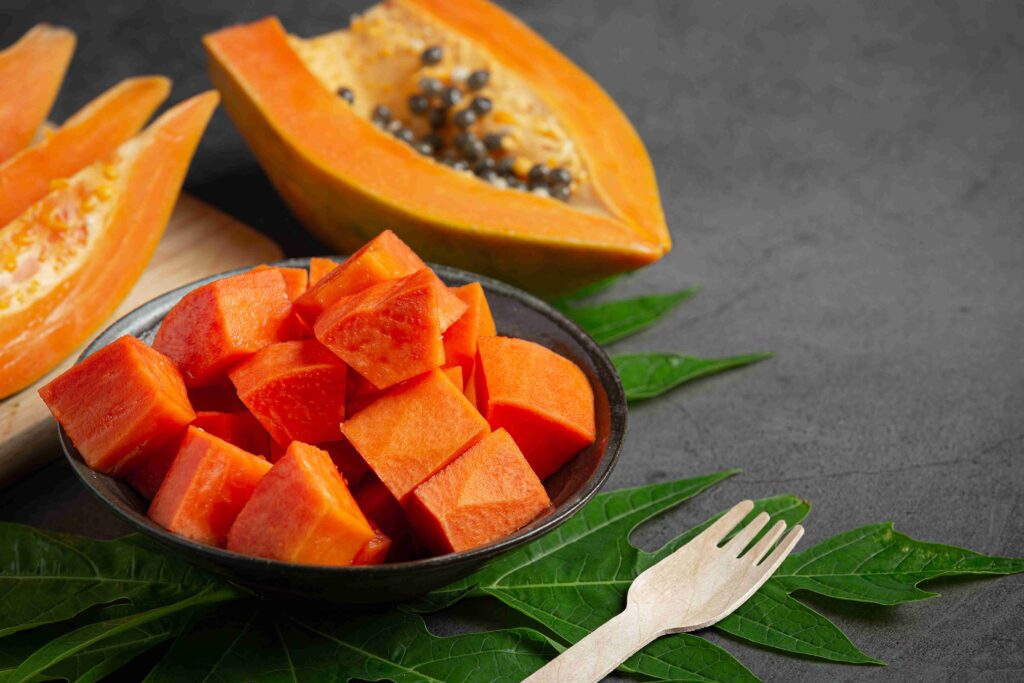
Papaya nutrition facts 100g show that this tropical fruit is naturally low in calories, rich in vitamin C, vitamin A, dietary fiber, antioxidants, and water. A 100g serving provides approximately 43 calories, making papaya a nutrient-dense fruit that supports digestion, immunity, heart health, healthy skin, and balanced weight management when included as part of a healthy diet.
Papaya is one of the most nutritious fruits you can include in your daily diet. If you’re looking for papaya nutrition facts 100g, a standard serving contains essential vitamins, minerals, and antioxidants with very few calories. At NFNA (National Fitness and Nutrition Academy), we believe understanding nutrition goes beyond memorizing food facts. Our evidence-based nutrition and fitness courses in delhi help learners understand how foods like papaya fit into a balanced lifestyle and overall wellness.
Papaya Nutrition Facts 100g
Knowing papaya nutrition facts 100g helps you make informed dietary choices. Whether you’re trying to improve your eating habits, maintain a healthy weight, or simply increase your fruit intake, papaya offers an impressive nutritional profile.
Nutritional Value of Papaya (Per 100g)
|
Nutrient |
Amount (Approx.) |
|
Calories |
43 kcal |
|
Carbohydrates |
10.8 g |
|
Protein |
0.5 g |
|
Fat |
0.3 g |
|
Dietary Fiber |
1.7 g |
|
Natural Sugars |
7.8 g |
|
Water |
88 g |
|
Vitamin C |
60.9 mg |
|
Vitamin A |
47 µg |
|
Folate |
37 µg |
|
Potassium |
182 mg |
|
Magnesium |
21 mg |
|
Calcium |
20 mg |
This nutrient combination makes papaya a refreshing fruit packed with vitamins, minerals, and antioxidants while remaining naturally low in calories.
Calories in Papaya 100g
One of the biggest reasons papaya is popular among health-conscious individuals is its low calorie content.
A serving of papaya nutrition facts 100g contains approximately 43 calories, making it a satisfying option for people aiming to manage calorie intake without compromising nutrition.
Is Papaya a Low-Calorie Fruit?
Yes. Compared to many packaged snacks and desserts, papaya delivers natural sweetness with relatively few calories. It also contains plenty of water and fiber, which contribute to fullness.
Raw vs. Fully Ripe Papaya
Raw and ripe papaya have similar calorie values, although ripe papaya tastes sweeter because of its naturally developed sugars. Both forms can be included in a balanced diet depending on your recipe and preference. If you’re curious how this compares to other common foods, how many calories in maggi offers a useful reference point.
Macronutrients in Papaya
Understanding the macronutrients in papaya nutrition facts 100g gives a better picture of how this fruit contributes to your daily nutritional needs.
- Carbohydrates: Papaya provides healthy carbohydrates that supply energy for everyday activities.
- Protein: Although papaya is not a significant protein source, it contributes small amounts that complement an overall balanced diet.
- Fat: Papaya contains negligible fat, making it suitable for various eating patterns. Pairing this awareness with hydration habits matters too does water have calories is worth understanding alongside your daily food choices.
- Dietary Fiber: The fiber content supports digestive health, promotes satiety, and contributes to overall gut wellness.
Vitamins and Minerals Found in Papaya
Papaya is often appreciated for its impressive vitamin profile.
- Vitamin C: Papaya is exceptionally rich in vitamin C, which supports immune function and helps protect cells from oxidative stress.
- Vitamin A: Vitamin A contributes to healthy vision, skin maintenance, and normal immune function.
- Folate: Folate supports normal cell growth and plays an important role in DNA synthesis.
- Potassium: Potassium helps maintain normal muscle function and supports healthy blood pressure regulation.
- Magnesium: Magnesium contributes to muscle function, nerve health, and energy metabolism.
-
Antioxidants: Papaya contains naturally occurring antioxidants such as beta-carotene and lycopene that help protect cells from free radical damage. Those wanting to study such nutrient science in depth can explore a nutrition and dietician course to build relevant expertise.
Top Health Benefits of Papaya
The impressive papaya nutrition facts 100g explain why this fruit is widely recommended as part of a balanced diet.
Supports Digestive Health
Papaya contains dietary fiber and the natural enzyme papain, which may assist in breaking down proteins and supporting normal digestion.
May Support Healthy Weight Management
Its combination of low calories, fiber, and water content can help increase feelings of fullness while fitting comfortably into calorie-conscious meal plans.
Supports Immune Function
The high vitamin C content helps support the body’s natural immune defenses.
Promotes Heart Health
Potassium, antioxidants, and fiber work together as part of an overall heart-friendly dietary pattern.
Helps Maintain Healthy Skin
Vitamin C supports collagen production, while vitamin A contributes to healthy skin maintenance.
Supports Eye Health
Beta-carotene, which the body converts into vitamin A, helps maintain normal vision.
Rich in Antioxidants
The antioxidants found in papaya help reduce oxidative stress caused by everyday environmental factors.
Is Papaya Good for Weight Loss?
Many people searching for papaya nutrition facts 100g are also interested in weight management.
Papaya can be a smart addition to a calorie-controlled eating plan because it is:
- Naturally low in calories
- High in water content
- A source of dietary fiber
- Naturally sweet without added sugars
However, no single food causes weight loss on its own. Sustainable weight management depends on overall dietary habits, regular physical activity, adequate sleep, and lifestyle choices. If you’re focused on activity levels, learning how many steps to burn 500 calories can help you plan your routine.
Is Papaya Suitable for People with Diabetes?
Papaya contains natural fruit sugars but also provides fiber, which slows digestion.
People living with diabetes can often enjoy papaya in appropriate portions as part of an individualized meal plan. Since everyone’s nutritional needs differ, portion size and overall carbohydrate intake should always be considered. Professionals trained through a dietician course in delhi are well-equipped to offer this kind of personalised guidance.
Best Time to Eat Papaya
There is no universally “best” time to eat papaya. It can fit into different meals throughout the day.
Popular options include:
- Breakfast with yogurt or oats
- Mid-morning snack
- Afternoon fruit bowl
- Post-workout meal alongside protein
- Fresh dessert after lunch
The key is choosing a time that fits your daily routine and overall dietary pattern.
Easy Ways to Include Papaya in Your Diet
Adding papaya to your meals is simple and delicious.
Try these ideas:
- Fresh fruit slices
- Smoothies
- Fruit salads
- Yogurt parfaits
- Overnight oats
- Chia pudding toppings
- Cottage cheese bowls
- Fresh salsa
- Homemade fruit bowls
These options allow you to enjoy the benefits highlighted in papaya nutrition facts 100g while keeping meals colourful and nutritious.
Who Should Be Careful When Eating Papaya?
Although papaya is generally safe for most people, some individuals should exercise caution.
These include:
- Individuals with latex allergies, as papaya may trigger cross-reactions.
- Pregnant women should avoid unripe papaya unless advised otherwise by their healthcare provider.
- People taking certain medications should consult their healthcare professional regarding dietary interactions.
For most healthy adults, ripe papaya can be safely enjoyed as part of a varied diet. Those wanting to guide others through such dietary nuances can consider a dietician course to build relevant expertise.
Final Thoughts
Understanding papaya nutrition facts 100g makes it easier to appreciate why this tropical fruit is considered nutrient-dense. Rich in vitamins, antioxidants, fiber, and water while remaining naturally low in calories, papaya supports overall health when included as part of a balanced eating pattern.
Rather than focusing on individual “superfoods,” aim for a varied diet that includes plenty of fruits, vegetables, whole grains, lean proteins, and healthy fats. Small, consistent food choices often have the greatest long-term impact on health. For those wanting to build this kind of nutrition knowledge further, nutrition courses in kolkata offers a great starting point.
Learn Nutrition the Right Way with NFNA
Reading about papaya nutrition facts 100g is a great starting point, but true nutrition knowledge comes from understanding how foods, nutrients, and lifestyle work together. At National Fitness and Nutrition Academy (NFNA), our evidence-based nutrition and fitness courses are designed to help aspiring nutrition professionals, fitness enthusiasts, and health-conscious individuals build practical, science-backed expertise.
Whether you’re looking to advance your career or make informed decisions about your own health, NFNA’s expert-led courses provide the knowledge and skills you need to confidently understand nutrition beyond food labels and calorie counts. Explore our programs today and take the next step toward becoming a well-informed nutrition professional.
Q1. How many calories are there in 100g of papaya?
A 100g serving of papaya contains approximately 43 calories, making it a naturally low-calorie fruit suitable for most balanced diets.
Q2. How much papaya should you eat daily?
A serving of around 100–150g of ripe papaya can comfortably fit into a healthy diet, depending on your nutritional needs and fruit intake recommendations.
Q3. Can papaya help with digestion?
Yes. Papaya contains dietary fiber and the enzyme papain, which may support normal digestion as part of a balanced diet.
Q4. Can people with diabetes eat papaya?
Yes, many people with diabetes can enjoy papaya in moderation. Portion size and total carbohydrate intake should always be considered, preferably with guidance from a healthcare professional.
Q5. Is papaya rich in vitamin C?
Yes. Papaya is an excellent source of vitamin C, which supports immune function, collagen formation, and antioxidant protection.
Q6. Will eating papaya every day improve health?
Regularly including papaya as part of a varied, balanced diet can contribute valuable nutrients, but no single food alone guarantees better health.
Q7. What nutrients are found in papaya?
Papaya provides vitamin C, vitamin A, folate, potassium, magnesium, dietary fiber, antioxidants, and natural carbohydrates.
Q8. Why is papaya considered a healthy fruit?
Papaya is considered healthy because it combines low calories with high levels of vitamins, antioxidants, fiber, and water, making it a nutrient-dense choice that supports overall wellness.