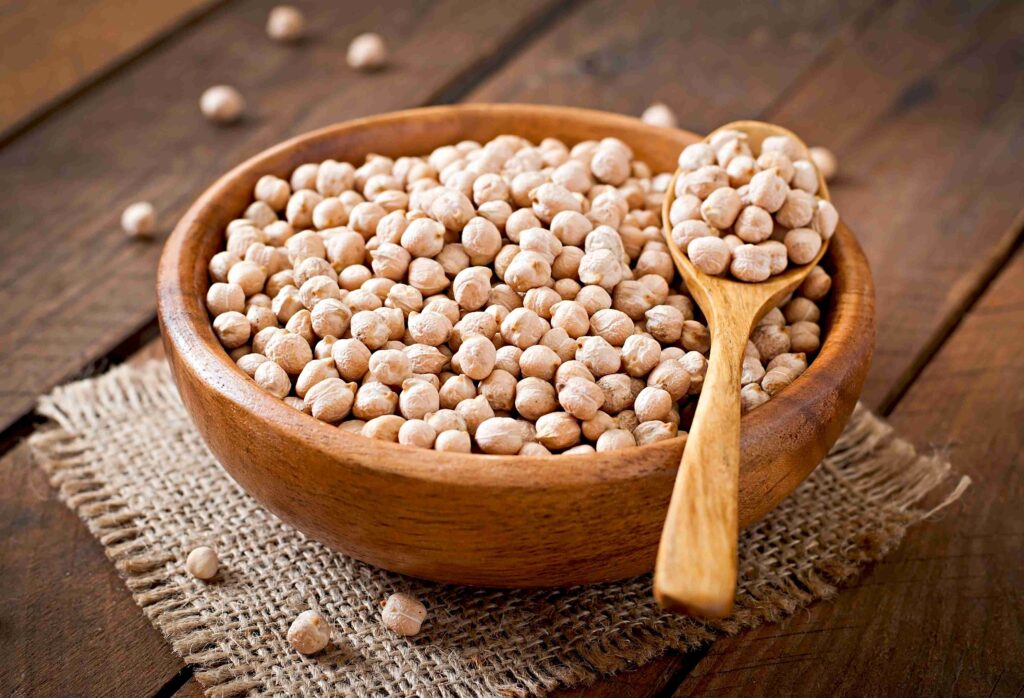
Chana nutrition facts 100g show that chana is a nutrient-rich legume packed with plant-based protein, dietary fiber, complex carbohydrates, vitamins, and minerals like iron, magnesium, and folate. Regularly including properly cooked chana in a balanced diet can support muscle health, digestion, heart health, weight management, and sustained energy.
If you’re wondering about chana nutrition facts 100g, you’re looking at one of the most nutritious and affordable plant-based foods available. At NFNA, we believe understanding nutrition helps people make informed food choices. This guide explains the nutritional value of chana, its health benefits, protein content, and the best ways to include it in a healthy lifestyle. If you’d like to build a career around this kind of guidance, NFNA’s nutrition and fitness courses in delhi can help you get started.
What Are Chana Nutrition Facts Per 100g?
Understanding chana nutrition facts 100g can help you make smarter dietary decisions, whether your goal is improving overall health, supporting fitness, or maintaining a balanced diet. Chana, commonly known as chickpeas, is naturally rich in protein, fiber, and essential micronutrients that contribute to overall well-being.
The nutritional values can vary slightly depending on whether chana is raw, boiled, roasted, or sprouted. The values below represent approximate nutrition for 100 grams of boiled chana.
|
Nutrient |
Approximate Value (100g Boiled Chana) |
|
Calories |
164 kcal |
|
Protein |
8.9 g |
|
Carbohydrates |
27.4 g |
|
Dietary Fiber |
7.6 g |
|
Fat |
2.6 g |
|
Calcium |
49 mg |
|
Iron |
2.9 mg |
|
Magnesium |
48 mg |
|
Potassium |
291 mg |
|
Folate |
172 mcg |
These nutrients work together to support muscle recovery, digestive health, bone strength, and energy production.
Protein in 100g Chana
One of the main reasons people search for chana nutrition facts 100g is to understand its protein content.
Chana is an excellent plant-based protein source, making it particularly valuable for vegetarians and individuals looking to diversify their protein intake. While it doesn’t contain all essential amino acids in ideal proportions on its own, pairing it with whole grains like rice or whole wheat creates a more complete protein profile.
Approximate protein content:
- Raw chana: 19–21 g
- Boiled chana: 8–9 g
- Roasted chana: 20–22 g
For those following an active lifestyle, chana can be a nutritious addition to meals or snacks throughout the day. Those wanting to study protein science like this in depth can explore nutrition courses in mumbai for structured learning.
Calories, Carbohydrates and Healthy Fats
Despite being calorie-dense compared to leafy vegetables, chana provides slow-digesting carbohydrates that release energy gradually.
Its carbohydrate content is primarily made up of complex carbohydrates, which help maintain stable energy levels and support satiety.
The small amount of healthy fat present in chana also contributes to nutrient absorption while keeping overall fat intake relatively low.
Because of its balance of carbohydrates, protein, and fiber, chana fits well into many healthy eating patterns. If you’re curious how this compares to everyday staples, how much calories in 1 roti offers a useful reference point.
Vitamins and Minerals in Chana
The impressive chana nutrition facts 100g extend beyond protein and carbohydrates. Chana contains several essential vitamins and minerals that support normal body functions.
- Iron: Iron helps transport oxygen throughout the body and supports healthy red blood cell production.
- Magnesium: Magnesium contributes to muscle function, nerve health, and hundreds of metabolic processes.
- Folate: Folate plays an important role in DNA synthesis and cell growth, making it particularly important during pregnancy.
- Potassium: Potassium supports healthy blood pressure and proper muscle function.
- Zinc: Zinc contributes to immune function, wound healing, and healthy skin.
Together, these nutrients make chana a wholesome addition to a balanced diet. Building deeper expertise in such micronutrient science is exactly what a dietician course is designed to offer.
Health Benefits of Chana
- Supports Muscle Health: The protein found in chana contributes to muscle maintenance and recovery when combined with regular physical activity and adequate overall protein intake.
- Promotes Better Digestion: Chana is naturally rich in dietary fiber, which helps support regular bowel movements and promotes a healthy digestive system.
- Helps Manage Weight: Protein and fiber increase feelings of fullness, which may help reduce unnecessary snacking and support healthy weight management.
- Supports Heart Health: The combination of fiber, potassium, and plant compounds found in chana may contribute to cardiovascular wellness as part of an overall healthy diet.
- Helps Maintain Healthy Blood Sugar: Because chana has a relatively low glycemic index, it releases glucose more gradually than many refined carbohydrate foods.
- Supports Bone Health: Minerals such as magnesium, phosphorus, and calcium contribute to maintaining strong bones.
Is Chana Good for Weight Loss?
Many people researching chana nutrition facts 100g are interested in weight management.
Chana can be a satisfying food because it combines protein, fiber, and complex carbohydrates. This combination slows digestion, helping you stay fuller for longer.
Instead of relying on highly processed snacks, replacing them with boiled or roasted chana may help improve overall diet quality.
However, portion control remains important, as consuming excessive calories from any food may contribute to weight gain. For a quick comparison with another common snack, how many calories in one banana is worth checking out.
Different Types of Chana
Several varieties of chana are commonly consumed.
|
Type |
Main Characteristics |
|
Kala Chana |
Higher fiber, earthy flavour |
|
Kabuli Chana |
Larger, cream-colored, commonly used in curries and hummus |
|
Roasted Chana |
Crunchy snack with concentrated nutrients |
|
Sprouted Chana |
Improved digestibility and increased vitamin availability |
Each variety offers valuable nutrients and can be included in a healthy meal plan. Those interested in exploring such food variety professionally can consider nutrition courses in kerala to build relevant expertise.
Best Ways to Include Chana in Your Diet
Adding chana to your meals is simple and versatile.
Healthy ideas include:
- Boiled chana salad
- Sprouted chana salad
- Homemade hummus
- Chana curry
- Roasted chana as a snack
- Vegetable stir-fries
- Grain bowls
- Soups
Preparing chana with vegetables, herbs, and healthy fats creates balanced, nutrient-rich meals.
How Much Chana Should You Eat?
There isn’t a universal serving size suitable for everyone.
Individual requirements depend on factors such as:
- Age
- Physical activity
- Overall calorie needs
- Protein requirements
- Medical conditions
For many healthy adults, moderate servings several times a week can comfortably fit into a balanced eating pattern. If you’re tracking intake closely, knowing how many calories in 1 kg of a food can help put daily servings into perspective.
Expert Tips to Maximize Chana Nutrition
To get the most from chana nutrition facts 100g, consider these practical tips:
- Soak dried chana before cooking to improve digestibility.
- Cook thoroughly to reduce naturally occurring anti-nutrients.
- Pair chana with vitamin C-rich foods like tomatoes or lemon to support iron absorption.
- Combine chana with whole grains for a more balanced amino acid profile.
- Include a variety of legumes in your diet for broader nutrient diversity.
These simple practices can help improve both nutrient availability and overall meal quality. For those wanting to deepen this kind of everyday nutrition knowledge further, nutrition courses in kolkata offers a great starting point.
Conclusion
Understanding chana nutrition facts 100g helps you appreciate why this humble legume is a valuable part of a balanced diet. Rich in plant-based protein, dietary fiber, essential vitamins, and minerals, chana supports muscle health, digestion, heart wellness, and sustained energy. Whether you enjoy it boiled, roasted, sprouted, or in traditional recipes, including chana regularly can contribute to healthier eating habits when combined with an overall nutritious lifestyle.
Learn Nutrition with NFNA
Knowing the nutritional value of foods like chana is only the beginning. At NFNA (National Fitness and Nutrition Academy), we are committed to promoting evidence-based nutrition education that empowers individuals to make informed health decisions. Whether you’re passionate about personal wellness or aspire to build a career in nutrition and fitness, NFNA offers industry-focused programs designed by experienced professionals. Explore our courses to deepen your understanding of nutrition science and develop practical skills that support healthier lives.
Q1. How much protein is there in 100g of chana?
Boiled chana provides approximately 8–9 grams of protein per 100 grams, while raw and roasted chana contain considerably higher protein concentrations due to lower water content.
Q2. Can I eat chana every day?
Yes. Most healthy individuals can enjoy moderate portions of properly cooked chana as part of a varied and balanced diet, unless advised otherwise by a healthcare professional.
Q3. Is chana good for weight loss?
Yes. Its combination of protein, dietary fiber, and complex carbohydrates can promote fullness and help support healthy weight management when included in a calorie-balanced diet.
Q4. Will eating chana help build muscle?
Chana contributes plant-based protein that supports muscle maintenance and recovery. Combining it with other protein-rich foods and regular strength training provides the best results.
Q5. What are the most important chana nutrition facts 100g?
The key highlights include plant-based protein, dietary fiber, complex carbohydrates, iron, magnesium, potassium, folate, and several other essential nutrients that support overall health.
Q6. Why is chana considered a healthy food?
Chana provides a balanced combination of protein, fiber, vitamins, minerals, and slow-digesting carbohydrates, making it a nutrient-dense food choice.
Q7. How should chana be prepared for maximum nutrition?
Soaking, cooking thoroughly, and pairing chana with vegetables or vitamin C-rich foods helps improve digestibility and nutrient absorption.
Q8. Can roasted chana be healthier than fried snacks?
Yes. Plain roasted chana is generally lower in unhealthy fats than many fried snack foods while providing protein and fiber, making it a nutritious snack option.