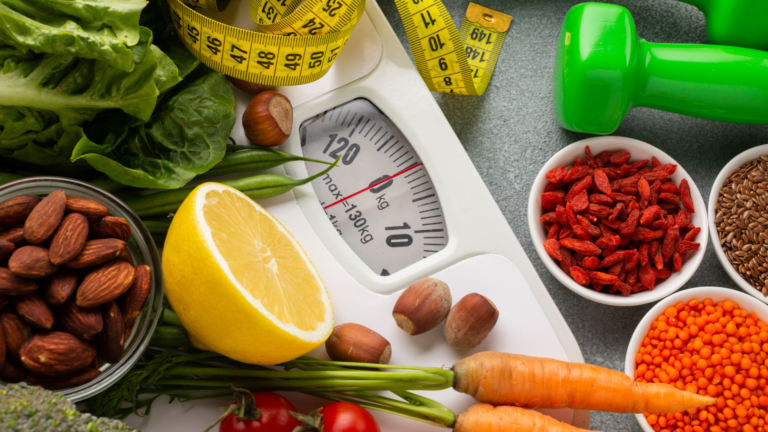
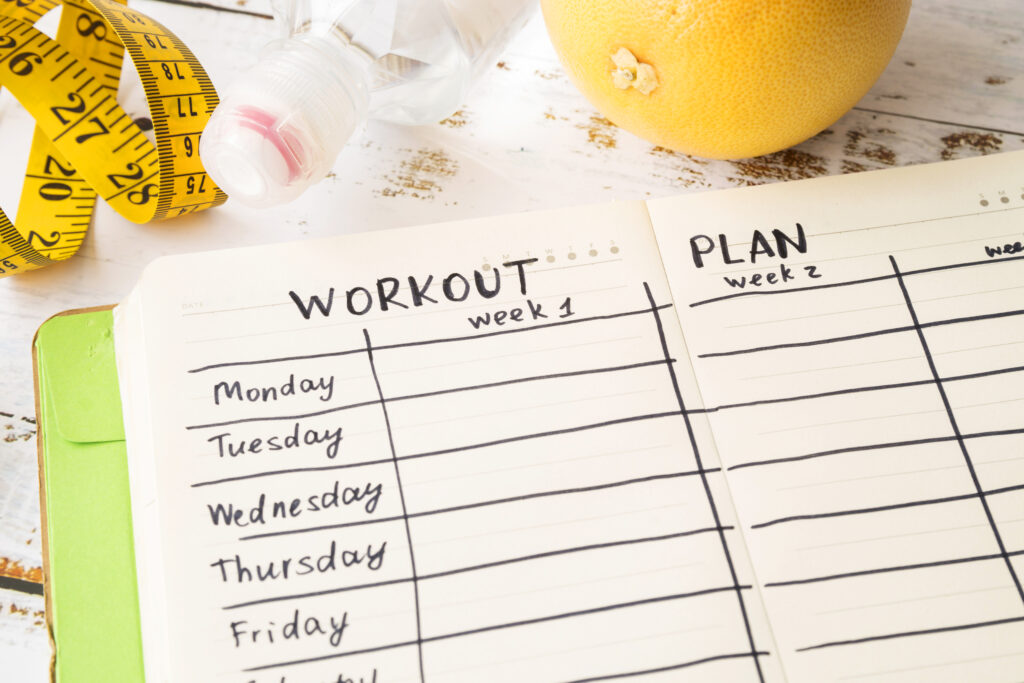
A gym workout diet chart is a structured meal plan designed to provide the right balance of protein, carbohydrates, healthy fats, and hydration to support muscle gain, fat loss, recovery, and overall fitness. The ideal diet depends on your body weight, workout intensity, and personal fitness goals. This is why a well-designed gym workout diet chart is essential for anyone serious about fitness pair it with a 5 day gym workout plan to follow with this diet, whether your goal is building lean muscle, burning fat, or improving overall stamina.
Whether you’re aiming to build lean muscle, lose body fat, or improve athletic performance, following a gym workout diet chart can help you get better results from your training. The right nutrition fuels workouts, supports muscle recovery, and keeps your energy levels consistent throughout the day. Understanding what to eat and when to eat is just as important as your workout routine. Want to combine fitness with science? Our nutrition courses for gym trainers are NFNA certified.
What Is a Gym Workout Diet Chart?
A gym workout diet chart is a personalized nutrition plan designed to complement your workout routine. Rather than following a generic diet, it outlines balanced meals, portion sizes, and meal timings based on your body type, activity level, and fitness objectives.
The goal is to provide the right balance of macronutrients proteins, carbohydrates, and healthy fats along with essential vitamins and minerals that support energy production, muscle recovery, and overall health. For gym-goers living with diabetes, these fundamentals overlap closely with nutrition for diabetes management, where balancing macronutrients is equally critical.
A well-planned nutrition strategy can help you:
- Build and repair muscle more efficiently
- Improve workout performance and endurance
- Enhance recovery and reduce fatigue
- Maintain hormonal balance and overall wellness
- Support sustainable progress toward your fitness goals
Customization is essential because every individual has different calorie requirements, metabolism, and fitness objectives. Health conditions matter too someone with a thyroid imbalance, for example, may need to adapt their meals using a thyroid diet chart alongside their training plan At NFNA, students learn how to create personalized nutrition plans that align with scientific principles instead of relying on one-size-fits-all diets.
Key Nutrients Every Gym-Goer Needs
A successful gym workout diet chart is built around understanding and including the nutrients your body needs for optimal performance. Every gym-goer must focus on proteins, carbohydrates, fats, and hydration, as these elements directly influence strength, endurance, and recovery.
|
Nutrient |
Why It Matters |
Best Food Sources |
|
Protein |
Muscle growth and recovery |
Eggs, chicken, fish, tofu, paneer |
|
Carbohydrates |
Workout energy |
Oats, rice, sweet potato, fruits |
|
Healthy Fats |
Hormonal health |
Nuts, seeds, avocado, olive oil |
|
Water & Electrolytes |
Hydration and performance |
Water, coconut water, fruits |
Protein – The Building Block of Muscle
Protein plays a vital role in repairing muscle tissue and supporting muscle growth after resistance training. It also aids in recovery after intense workouts and helps prevent muscle breakdown.
Top protein sources to include in your gym workout diet chart are:
- Eggs and egg whites
- Chicken breast, lean beef, and fish
- Plant-based proteins such as tofu, tempeh, and legumes
- Whey protein or plant-based protein powders for convenience
For most gym-goers, aiming for 1.2 to 2 grams of protein per kilogram of body weight daily is ideal. Including protein in every meal ensures steady muscle repair and growth.
Carbohydrates – The Body’s Energy Source
Carbohydrates provide the primary source of energy during workouts and help replenish muscle glycogen after exercise. Proper carbohydrate intake ensures you have enough energy to complete intense training sessions and recover afterward.
In your gym workout diet chart, include:
- Complex carbohydrates such as oats, brown rice, sweet potatoes, and whole-grain bread for sustained energy
- Simple carbohydrates like fruits or honey around workouts for immediate energy
- Proper timing of carbs, especially 1–2 hours before a workout and immediately after, to maximize energy and recovery
Healthy Fats – Support Hormones and Recovery
Healthy fats support hormone production, brain function, and the absorption of fat-soluble vitamins, making them an important part of a balanced fitness diet. Fats regulate hormones such as testosterone, which are important for muscle growth, and support overall recovery.
Sources of healthy fats to include in your gym workout diet chart:
- Avocados
- Nuts and seeds
- Olive oil, coconut oil, and fatty fish such as salmon
Hydration and Electrolytes
Proper hydration is a cornerstone of any effective gym workout diet chart. Water supports digestion, nutrient absorption, and temperature regulation during exercise. Electrolytes like sodium, potassium, and magnesium help prevent cramping and fatigue.
Guidelines for hydration in a gym workout diet chart:
- Drink at least 2 to 3 liters of water daily
- Include electrolyte-rich foods or beverages, especially after intense workouts
- Watch for signs of dehydration such as fatigue, dizziness, or dry mouth
Sample Gym Workout Diet Chart
|
Time |
Meal |
Purpose |
|
Early Morning |
Warm water with lemon and soaked almonds |
Hydration and healthy fats |
|
Breakfast |
Oats with banana and whey protein |
Energy and protein |
|
Mid-Morning |
Fresh fruit with mixed nuts |
Sustained energy |
|
Pre-Workout |
Whole-grain toast with peanut butter |
Workout fuel |
|
Post-Workout |
Protein shake with banana |
Muscle recovery |
|
Lunch |
Brown rice, dal or tofu, vegetables |
Balanced nutrition |
|
Evening Snack |
Greek yogurt with seeds |
Protein and healthy fats |
|
Dinner |
Grilled chicken or fish with vegetables |
Recovery |
|
Bedtime |
Warm milk or casein protein |
Overnight muscle repair |
This sample meal plan can be adjusted according to your calorie requirements, dietary preferences, and fitness objectives.
Best Pre-Workout Foods
Choosing the right meal before training helps improve energy levels and workout performance.
|
Food |
Benefit |
Best Time |
|
Banana |
Quick energy |
30–60 minutes before workout |
|
Oats with milk |
Long-lasting energy |
1–2 hours before workout |
|
Whole-grain toast with peanut butter |
Balanced carbs and healthy fats |
60–90 minutes before workout |
|
Greek yogurt with berries |
Protein and carbohydrates |
60 minutes before workout |
|
Sweet potato |
Slow-release carbohydrates |
1–2 hours before workout |
Best Post-Workout Foods
The post-workout meal should combine protein and carbohydrates to support muscle recovery.
|
Food |
Benefit |
Best Time |
|
Whey protein with banana |
Muscle recovery and glycogen replenishment |
Within 30 minutes |
|
Grilled chicken with brown rice |
Protein and complex carbohydrates |
Within 1 hour |
|
Paneer with whole wheat roti |
Vegetarian recovery meal |
Within 1 hour |
|
Eggs with toast |
Complete protein and carbohydrates |
Within 60 minutes |
|
Greek yogurt with fruit |
Fast-digesting recovery meal |
Within 45 minutes |
By following a structured plan like this, you ensure your workouts translate into tangible results. Pairing it with upper body strength training ensures the extra protein and calories are put to work building muscle.
Pre-Workout and Post-Workout Nutrition Tips
Meal timing is a critical component of any effective gym workout diet chart. Proper pre- and post-workout nutrition ensures that your body has the fuel to perform at its best and recover efficiently afterward.
Pre-Workout Nutrition:
- Consume your pre-workout meal 1 to 2 hours before training
- Include easily digestible carbohydrates for energy
- Examples for a gym workout diet chart: oatmeal with fruits, whole-grain toast with peanut butter, banana with yogurt
Post-Workout Nutrition:
- Eat within 30 to 60 minutes after training to maximize recovery
- Focus on protein and simple carbohydrates to repair muscles and replenish glycogen
- Examples for a gym workout diet chart: protein shake with banana, grilled chicken with brown rice, smoothie with whey protein
The post-workout phase is sometimes referred to as the anabolic window, a period where nutrient absorption is at its peak and recovery is optimized. Proper planning within your gym workout diet chart can significantly accelerate results.
7-Day Gym Workout Diet Chart
|
Day |
Breakfast |
Lunch |
Snack |
Dinner |
|
Monday |
Oats with banana |
Brown rice, chicken & vegetables |
Greek yogurt |
Fish with salad |
|
Tuesday |
Vegetable poha & milk |
Chapati, dal & paneer |
Mixed nuts |
Chicken with quinoa |
|
Wednesday |
Whole wheat toast & eggs |
Rice, tofu & vegetables |
Fruit bowl |
Grilled chicken |
|
Thursday |
Smoothie with oats |
Millet, dal & vegetables |
Boiled eggs |
Fish with sweet potato |
|
Friday |
Idli with sambar |
Chicken, rice & vegetables |
Yogurt |
Paneer stir-fry |
|
Saturday |
Oatmeal with berries |
Quinoa & chickpeas |
Apple & almonds |
Salmon with broccoli |
|
Sunday |
Vegetable omelette |
Brown rice with lean meat |
Cottage cheese |
Soup with grilled chicken |
Tip: Adjust portion sizes according to your calorie needs, training intensity, age, and fitness goals. Personalized nutrition plans are always more effective than generic diet charts.
Common Diet Mistakes to Avoid
Even with a well-designed gym workout diet chart, common mistakes can hinder your progress. Avoiding these pitfalls ensures your nutrition supports your fitness goals.
- Skipping meals, which slows metabolism and reduces energy for workouts
- Over-relying on supplements instead of whole foods
- Drinking insufficient water, leading to dehydration and decreased performance
- Ignoring portion sizes, resulting in overeating or under-eating
- Neglecting meal timing, which affects energy and recovery
Being mindful of these mistakes while following a gym workout diet chart ensures consistent progress and better results. If you are also watching your blood sugar, combining your plan with a sugar diet chart helps keep glucose levels steady while you train.
Customizing Your Gym Workout Diet Chart for Specific Goals
Every individual has unique fitness objectives. A gym workout diet chart should be customized based on your personal goals. If reducing belly fat is your main objective, pairing your nutrition with a gym workout for belly fat can speed up visible results.
For Muscle Gain:
- Calorie surplus to promote muscle growth
- High protein intake from meats, fish, eggs, and protein supplements
- Balanced intake of carbohydrates and fats to fuel workouts
For Fat Loss:
- Calorie deficit while preserving lean muscle
- Focus on high-protein meals to prevent muscle breakdown
- Reduce simple carbohydrates and processed foods
For General Fitness and Maintenance:
- Balanced macronutrients to support overall health
- Adequate hydration and nutrient variety
- Flexible diet to sustain long-term adherence
By tailoring your gym workout diet chart to your objectives, you ensure that your efforts in the gym are complemented by nutrition, accelerating results and avoiding plateaus. If you’re looking to build this expertise professionally, our fitness and nutrition courses provide the knowledge and credentials to guide others toward their fitness goals.
Supplements: Do You Really Need Them?
Supplements can complement a gym workout diet chart, but they should not replace whole foods. NFNA emphasizes a food-first approach for nutrition.
- Whey protein for convenient post-workout protein
- Creatine for strength and muscle gains
- BCAAs to reduce post-exercise muscle soreness
- Multivitamins to fill gaps in micronutrient intake
Use supplements only when necessary and under proper guidance. A thoughtfully designed gym workout diet chart can meet most nutritional needs naturally without overdependence on supplements.
Pro Tips to Maximize Results with Your Gym Workout Diet Chart
- Maintain consistency in meal timing and portion sizes
- Track calories and macronutrients with nutrition apps
- Rotate foods to prevent monotony and nutrient gaps
- Pair your gym workout diet chart with both resistance and cardiovascular training for optimal results
Following these tips ensures that your nutrition plan supports your workout routine efficiently and effectively. Advanced lifters and competitive athletes can take this further with strength training for athletes, where nutrition and programming work hand in hand.
How NFNA Can Help You Master Nutrition and Fitness
NFNA (National Fitness and Nutrition Academy) is India’s leading fitness and nutrition education institute. With NFNA, you can learn how to design personalized gym workout diet charts that deliver real results.
NFNA offers:
- Courses in Applied Nutrition, Dietetics, and Personal Training
- Over 8,000 certified students across India
- Expert guidance from doctors and certified trainers
- Flexible online and offline classes
- Career-ready certifications recognized across the fitness industry
Take your fitness passion to a professional level. Enroll in NFNA’s Diploma in Nutrition and Fitness today and master how to create gym workout diet charts backed by science. Visit NFNA.in or call +91 9836168971 to get started.
Conclusion
A gym workout diet chart is a roadmap to achieving your fitness goals faster and more effectively. By combining a personalized nutrition plan with consistent workouts, you can maximize muscle growth, enhance recovery, and maintain energy throughout the day. Remember that nutrition needs change with health status — someone recovering from illness, for instance, should follow a diet for a typhoid patient before returning to intense training. NFNA provides expert guidance to help you design scientifically-backed gym workout diet charts that are tailored to your unique needs. Start today, follow a structured plan, and fuel your fitness journey with the right nutrition for real, lasting results.
Frequently Asked Questions
Q1: How often should I update my gym workout diet chart?
You should revise your gym workout diet chart every 6 to 8 weeks or whenever your fitness goals, weight, or training intensity change. This ensures it continues to meet your body’s needs.
Q2: Can beginners follow a gym workout diet chart?
Yes. Beginners can follow a simplified gym workout diet chart that gradually increases protein, healthy carbs, and fats according to their activity levels.
Q3: Is it necessary to take supplements?
Not always. Supplements are optional and should only be used to fill nutrient gaps. A well-planned gym workout diet chart provides most nutrients naturally.
Q4: Can I follow a vegetarian or vegan gym workout diet chart?
Absolutely. A vegetarian or vegan gym workout diet chart can include lentils, beans, tofu, nuts, seeds, whole grains, and plant-based protein powders.
Q5: How important is meal timing in a gym workout diet chart?
Meal timing is crucial. Proper pre- and post-workout meals enhance energy, performance, and recovery, allowing your body to make the most of your workouts.
Q6: Will a gym workout diet chart help with weight loss?
Yes. A calorie-controlled gym workout diet chart with high protein intake helps maintain muscle while promoting fat loss.
Q7: Can I eat out while following a gym workout diet chart?
Yes, but focus on meals rich in protein, complex carbs, and healthy fats while avoiding fried and highly processed foods.
Q8: How do I calculate portion sizes for a gym workout diet chart?
Use measuring cups, a food scale, or nutrition tracking apps to ensure accurate portions and proper macronutrient distribution.