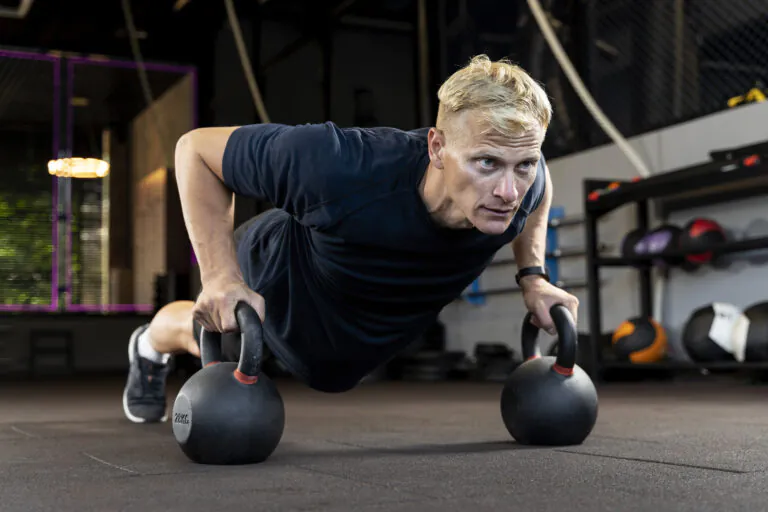

Building muscle while losing fat is possible through a process called body recomposition. A combination of resistance training, high-protein nutrition, proper recovery, and a slight calorie deficit helps preserve lean muscle while reducing body fat. Consistency, progressive workouts, and balanced nutrition are the key factors for sustainable body composition changes.
Building muscle and losing fat at the same time is one of the most common fitness goals today. The good news is that body recomposition is absolutely achievable with the right strategy. Instead of focusing only on weight loss, the goal should be improving body composition through smart training, nutrition, and recovery.
At NFNA, we believe sustainable fitness results come from evidence-based nutrition and practical lifestyle habits—not extreme diets or quick fixes. Whether you are a beginner, returning to training, or trying to improve your physique, this guide will help you understand the science and strategy behind building muscle losing fat effectively. Those who want to deepen their understanding of this science can explore structured health and nutrition courses that cover body composition, macronutrient planning, and evidence-based fat loss strategies in detail.
What Is Body Recomposition?
Body recomposition refers to the process of reducing body fat while increasing lean muscle mass simultaneously. Unlike traditional “bulking” or “cutting” phases, body recomposition focuses on improving your overall physique rather than simply changing the number on the scale. Understanding which is true of fitness and health helps clarify why body weight alone is never a reliable indicator of progress during recomposition.
Many people assume they must first lose weight and then build muscle separately. However, with the correct training and nutrition approach, building muscle losing fat can happen together—especially for beginners, people returning after a long break, or individuals carrying higher body fat percentages.
The main objective is to:
- Preserve or increase muscle mass
- Reduce stored body fat
- Improve strength and metabolism
- Create a healthier and more athletic body composition
The Science Behind Building Muscle and Losing Fat
To understand body recomposition, it’s important to understand how the body uses energy.
Fat loss typically requires a calorie deficit, meaning you consume slightly fewer calories than your body burns. Muscle growth, on the other hand, requires sufficient protein, resistance training, and recovery.
The balance lies in maintaining a small calorie deficit while prioritizing muscle-preserving habits such as:
- Strength training
- High protein intake
- Sleep and recovery
- Progressive overload
This is why building muscle losing fat requires a structured and sustainable approach rather than crash dieting.
Why Protein Intake Matters
Protein is essential for muscle repair, recovery, and growth. It also helps maintain fullness and reduces muscle breakdown during fat loss. Practitioners who have completed a diploma in nutrition and dietetics are trained to calculate precise protein targets based on individual body weight, training intensity, and body composition goals.
Daily Protein Intake=1.6–2.2g×Body Weight (kg)
Consuming adequate protein supports muscle protein synthesis, especially when combined with resistance training.
Good protein sources include:
- Eggs
- Chicken breast
- Fish
- Greek yogurt
- Paneer
- Lentils
- Whey protein
Best Nutrition Strategy for Body Recomposition
Nutrition plays a central role in body recomposition. The goal is not starvation—it is strategic fueling.
A successful muscle gain fat loss diet should include:
- High-quality protein
- Moderate carbohydrates
- Healthy fats
- Proper hydration
- Sustainable calorie control
Macronutrient Balance
Your body needs all three macronutrients to perform optimally.
Calories=(4×Protein)+(4×Carbohydrates)+(9×Fat)
- Protein: Supports muscle repair and lean mass retention.
- Carbohydrates: Provide training energy and improve workout performance.
- Healthy Fats: Support hormones, recovery, and overall health.
Best Foods for a Lean Muscle Nutrition Plan
A well-designed lean muscle nutrition plan focuses on nutrient-dense whole foods rather than restrictive eating patterns. Graduates of food science courses understand how food processing, nutrient bioavailability, and meal composition directly affect muscle retention and fat metabolism during body recomposition.
Best Protein Sources
- Chicken
- Fish
- Eggs
- Paneer
- Tofu
- Lentils
- Greek yogurt
Best Carbohydrate Sources
- Rice
- Oats
- Potatoes
- Fruits
- Whole grains
Healthy Fat Sources
- Nuts
- Seeds
- Olive oil
- Peanut butter
- Avocados
Hydration is equally important. Even mild dehydration can affect workout performance and recovery.
Best Workout Strategy for Body Recomposition
Exercise is the stimulus that tells your body to retain and build muscle while burning fat.
Prioritize Strength Training
Resistance training should be the foundation of your routine. Compound exercises recruit multiple muscle groups and burn more calories.
Effective exercises include:
- Squats
- Deadlifts
- Bench press
- Pull-ups
- Rows
- Lunges
Progressive overload—gradually increasing weights, repetitions, or intensity—is essential for building muscle losing fat successfully.
Add Smart Cardio
Cardio supports heart health and calorie expenditure, but excessive cardio can interfere with recovery.
The best options include:
- Walking
- Incline treadmill walks
- Cycling
- Moderate HIIT sessions
Recovery Matters
Sleep is one of the most overlooked parts of body recomposition. Poor sleep can negatively affect:
- Recovery
- Hunger hormones
- Energy levels
- Muscle growth
Aim for 7–9 hours of quality sleep consistently.
Common Mistakes That Prevent Results
- Eating Too Little: Extreme calorie deficits may help you lose weight quickly, but they often reduce muscle mass and energy levels.
- Avoiding Strength Training: Cardio alone is not enough for body recomposition. Resistance training is necessary for preserving lean muscle.
- Inconsistent Nutrition: Frequent cheat meals, poor protein intake, and inconsistent eating habits can slow progress significantly.
- Unrealistic Expectations: Body recomposition takes time. Sustainable progress is always better than aggressive short-term results.
Sample Lean Muscle Nutrition Plan
Here is a simple example of a beginner-friendly lean muscle nutrition plan.
Breakfast
- Oats with whey protein
- Eggs or paneer
- Fruit
Lunch
- Rice or roti
- Chicken, fish, tofu, or dal
- Vegetables
Pre-Workout
- Banana
- Coffee or yogurt
Post-Workout
- Whey protein shake
- Rice cakes or fruit
Dinner
- Lean protein source
- Vegetables
- Healthy fats
This type of balanced meal structure supports energy, recovery, and long-term building muscle losing fat goals.
How Long Does Body Recomposition Take?
Visible results depend on:
- Starting body composition
- Training experience
- Consistency
- Nutrition quality
- Sleep and stress levels
Most people notice measurable changes within 8–12 weeks when following a structured plan consistently.
Instead of focusing only on body weight, monitor:
- Strength improvements
- Waist measurements
- Progress photos
- Energy levels
- Muscle definition
Remember, building muscle losing fat is a gradual process that rewards patience and consistency. Those interested in turning this knowledge into a profession should look into how to become a fitness trainer, as body recomposition coaching is one of the most sought-after specializations in the fitness industry today.
Evidence-Based Tips from NFNA Experts
At NFNA, fitness and nutrition education is built around scientific principles rather than trends or misinformation.
Here are some expert-backed recommendations:
- Focus on consistency over perfection
- Prioritize protein intake daily
- Train with progressive overload
- Avoid crash dieting
- Build sustainable habits
- Sleep adequately
- Track progress realistically
NFNA’s nutrition and fitness programs help students and professionals understand the real science behind body composition, fat loss, and performance nutrition. Those exploring entry points into this field can start by understanding what is fitness certificate and which credentials carry the most credibility for coaching roles for a deeper clinical grounding in nutrition science.
Want to Learn Body Composition and Nutrition Scientifically?
If you want to deepen your understanding of nutrition, fitness, fat loss, and muscle-building strategies, explore the expert-led programs offered by NFNA.
Whether your goal is:
- improving your own fitness,
- becoming a certified nutrition professional,
- learning evidence-based diet planning,
- or building a career in health and fitness,
NFNA provides practical, science-backed education designed for real-world application.
Explore NFNA Courses
- Diploma in Applied Nutrition
- Certification in Applied Nutrition
- Personal Training Certifications
- Health & Fitness Courses
Start your transformation with structured learning and evidence-based guidance from NFNA Fitness & Nutrition Courses.
Frequently Asked Questions
Q1. How can I build muscle and lose fat at the same time?
You can achieve body recomposition by combining resistance training, high-protein nutrition, proper recovery, and a slight calorie deficit. Consistency is the key to building muscle losing fat successfully.
Q2. How much protein do I need for body recomposition?
Most people benefit from consuming 1.6–2.2 grams of protein per kilogram of body weight daily to support muscle recovery and fat loss.
Q3. Can beginners build muscle and lose fat faster?
Yes. Beginners often experience faster body recomposition results because their bodies respond quickly to proper training and nutrition.
Q4. Can cardio help with body recomposition?
Yes, moderate cardio supports calorie expenditure and heart health. However, strength training should remain the primary focus.
Q5. Is body recomposition better than traditional bulking and cutting?
For many people, yes. Body recomposition promotes sustainable progress, better health habits, and gradual physique improvement without extreme dieting phases.
Q6. Is it possible to lose fat without losing muscle?
Yes. Maintaining adequate protein intake and strength training helps preserve lean muscle during fat loss.
Q7. Will I gain weight while building muscle and losing fat?
Not necessarily. Some people maintain their weight while improving body composition because muscle gain and fat loss can occur simultaneously.
Q8. Why is sleep important for muscle gain and fat loss?
Sleep supports hormone regulation, muscle recovery, workout performance, and appetite control. Poor sleep can slow body recomposition progress significantly.