Introduction to Strength Training for Women
Strength training is a type of exercise designed to enhance muscle strength and endurance by working against resistance. This resistance can come from different sources, such as weight machines, free weights, resistance bands, or even your body weight through exercises like push-ups and squats. One of the great advantages of strength training is its flexibility—you don’t need a gym to achieve an effective workout, as many strength exercises can be easily done at home.
Why Women Need Strength Training
Strength training provides a wide range of health benefits that go far beyond muscle building, making it especially beneficial for women:
- Lower Risk of Chronic Diseases: Regular strength training helps reduce the likelihood of conditions like heart disease and diabetes.
- Boosted Metabolism: It increases metabolism, promoting efficient calorie burning and better weight management.
- Improved Circulation and Reduced Inflammation: Strength exercises enhance blood flow and help combat inflammation, supporting overall health.
- Enhanced Balance and Stability: Improved coordination and balance reduce the risk of falls.
- Greater Endurance: Strength training boosts muscular endurance, improving sports performance and daily activities.
- Mental Health Benefits: It supports mental well-being by enhancing mood, reducing anxiety, and increasing self-esteem.
Strength Training at Different Life Stages
Women can reap unique benefits from strength training at every stage of life:
- Adolescence and Youth: Strength training can boost self-esteem and body confidence in teenage girls while promoting physical and mental health. Beyond building strength, it enhances sports performance, prevents injuries, and supports long-term well-being. Benefits include improved cardiovascular fitness, body composition, bone density, blood lipid profiles, and mental health.
- Pregnancy and Childbirth: During the childbearing years, strength training helps prepare the body for a healthy pregnancy, labor, and delivery. It can alleviate fatigue, improve energy levels, and lower the likelihood of requiring a cesarean birth. Additionally, it reduces the risk of pregnancy-related complications such as gestational diabetes, preeclampsia, and postpartum depression. While generally safe for most low-risk pregnancies, women should consult their healthcare provider before starting any new exercise routine.
- Perimenopause, Menopause, and Postmenopause: Strength training becomes essential as women age, helping to combat muscle loss and prevent metabolic diseases like diabetes. It supports weight management, activates bone-forming cells for denser, stronger bones, and reduces the risk of osteoporosis. Strength training also improves balance and mobility, reduces fall risk, alleviates joint and muscle pain, lowers the risk of certain cancers, and even helps protect against cognitive decline.
Common Myths Surrounding Women and Weightlifting
Myth 1: Lifting Weights Makes Women Bulky
The belief that weightlifting causes women to become “bulky” is a widespread myth. In reality, lifting weights, whether light or heavy, does not lead to excessive muscle mass for most women. This misconception often arises from outdated stereotypes and the misrepresentation of muscular women. As weightlifting gained popularity, marketers exploited these fears by using phrases like “lean muscle” and “tone up” to appeal to women who wanted to exercise without looking “too muscular.” The idea that women shouldn’t appear strong or muscular is both sexist and antiquated. Weightlifting offers incredible physical and mental health benefits, it’s time to embrace strength and redefine what it means to be fit.
Myth 2: Strength Training Is Dangerous for Women
The notion that strength training is unsafe or inappropriate for women is entirely unfounded. In reality, weight training is highly beneficial for everyone, including women, and can support a wide range of fitness goals. Incorporating exercises like free weights, resistance bands, bodyweight movements, and weightlifting into your routine offers numerous advantages, including improved strength, endurance, and overall health. Far from being dangerous, strength training empowers women to challenge outdated myths and take control of their physical and mental well-being.
Myth 3: Women Should Avoid Heavy Weights
The idea that women should steer clear of heavy weights is another baseless myth. Women are fully capable of excelling in weightlifting, and the sport is not exclusive to men. While men may lift heavier weights overall, many women weightlifters demonstrate exceptional strength relative to their body weight, often surpassing their male counterparts in this category. With proper technique and guidance, women can safely and effectively lift heavy weights, unlocking a host of benefits such as increased muscle strength, improved bone density, and enhanced mental resilience.
Evidence-Based Facts About Female Strength Training
Fact 1: Strength Training Offers Numerous Benefits for Women
Strength training is a vital part of a balanced fitness routine, offering a range of physical and mental benefits. From building strength to improving mood, here are some of the key advantages:
- Stronger Muscles: Strength training enhances muscle development, boosting stamina, agility, strength, and power for everyday activities.
- Better Athletic Performance: Regular weightlifting improves overall athletic abilities and performance.
- Increased Calorie Burn: Strength training not only burns calories during workouts but also increases muscle mass, which elevates your resting energy expenditure, resulting in continuous calorie burn throughout the day.
- Mood Boost: Lifting weights triggers the release of endorphins, promoting better mood and improved mental health.
- Improved Bone Health: Women, who are more susceptible to osteoporosis as they age, can benefit from strength training, as it increases muscle mass and enhances bone mineral density, reducing the risk of fractures.
Fact 2: Strength Training Supports Hormonal Balance
Strength training is about more than just building muscle, it plays a crucial role in regulating hormones and supporting overall health for women. Including strength training in your routine offers several hormonal benefits:
- Regulates Key Hormones: It helps balance estrogen and progesterone, essential for reproductive health and functions like blood sugar control.
- Boosts Growth Hormone Production: Regular strength training stimulates the release of growth hormone, which aids in muscle growth, fat metabolism, and maintaining energy levels.
- Improves Insulin Sensitivity: Strength training enhances the body’s ability to regulate blood sugar, benefiting women managing conditions such as PCOS or type 2 diabetes.
- Reduces Stress and Manages Cortisol: By lowering stress levels and managing cortisol (the stress hormone), it promotes better mental health, improved sleep, and reduces the risk of stress-related illnesses.
- Maintains Healthy Testosterone Levels: It helps sustain optimal testosterone levels, which are key to muscle tone, strength, and energy.
- Supports Protein and Carbohydrate Needs: A diet rich in protein helps stabilise hormone levels, particularly during the menstrual cycle. Adjusting carbohydrate intake to meet your body’s needs can also improve energy levels and hormonal balance.
Fact 3: The Importance of Proper Form and Technique
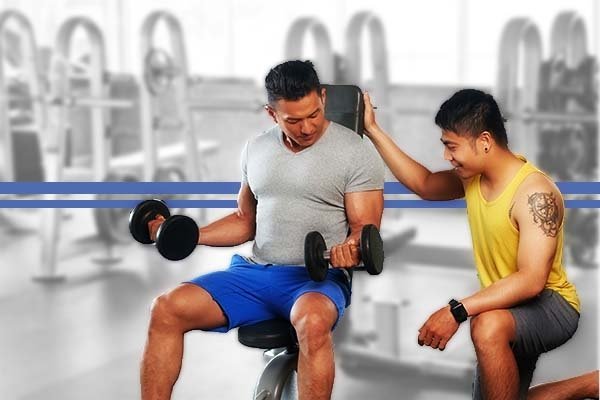
Using proper form and technique during strength training is essential for maximising results and minimising the risk of injuries. For women, maintaining correct alignment and movement patterns ensures safe and effective workouts, contributing to long-term health and fitness.
- Prevents Injuries: Proper form reduces the likelihood of overuse injuries, such as strains or tendonitis, by ensuring correct alignment during exercises.
- Maximises Muscle Engagement: Correct technique helps target muscles efficiently, minimising the risk of acute injuries like muscle pulls or tears.
- Enhances Body Awareness: Maintaining good form fosters a strong mind-muscle connection, improving both workout performance and everyday movements.
- Supports Long-Term Progress: By using proper technique, you can achieve consistent strength and muscle gains, avoid setbacks, and enjoy sustainable physical improvements.
Learn more about strength training at NFNA
The National Fitness and Nutrition Academy (NFNA) offers a comprehensive Diploma in Personal Training (DPT) course designed to help you become a confident and effective personal trainer. This course covers the art and science of fitness training, including biomechanics, kinesiology, human anatomy, training protocols, and nutrition. You’ll learn how to design effective training programs, communicate with clients, and build long-lasting relationships. Additionally, the course includes training in Cardiopulmonary Resuscitation (CPR), First Aid, and the use of Automated External Defibrillators (AED), which are crucial skills for fitness professionals.
For those interested in strength training for women, this course offers valuable insights and practical guidance on creating tailored programs to address the unique needs of female clients. It ensures that their fitness goals are achieved safely and effectively. By enrolling in NFNA’s DPT course, you’ll not only gain in-depth knowledge but also develop essential skills in communication and client management, equipping you for a thriving career in fitness training.
In summary, strength training is a versatile and highly effective form of exercise for women. Incorporating various types of resistance, such as weight machines, free weights, resistance bands, or bodyweight exercises like push-ups and squats, it focuses on building muscle strength and endurance. Its flexibility makes it accessible to everyone, offering effective workout options both at home and in the gym. Adding strength training to a fitness routine provides women with a wide range of physical and mental health benefits, promoting overall well-being through a holistic approach.