A balanced Indian diet can provide protein, fiber, healthy fats, vitamins, and minerals through foods like dal, millets, curd, vegetables, legumes, and traditional spices. When prepared mindfully, Indian meals support digestion, weight management, immunity, and long-term health while offering strong nutritional diversity.
Indian cuisine is naturally rich in nutrients when built around whole grains, lentils, vegetables, dairy, and traditional cooking practices. This indian foods nutrition guide explains how everyday Indian meals can support better health, energy, digestion, and balanced nutrition. At NFNA, we believe evidence-based nutrition education helps people make smarter food choices without giving up traditional Indian eating habits.
From protein-rich dals to fibre-packed millets and probiotic-rich fermented foods, Indian diets offer a wide range of health benefits when balanced correctly. Those who want to understand the science behind these benefits more deeply can explore structured health and nutrition courses that cover Indian dietary patterns, macronutrient balance, and evidence-based wellness strategies.
Why Indian Food Can Be One of the Healthiest Diets in the World
Traditional Indian meals are built around diversity, seasonal eating, and nutrient balance. Unlike restrictive diets that focus on eliminating food groups, Indian cuisine naturally combines carbohydrates, proteins, fats, fiber, herbs, and spices within a single meal.
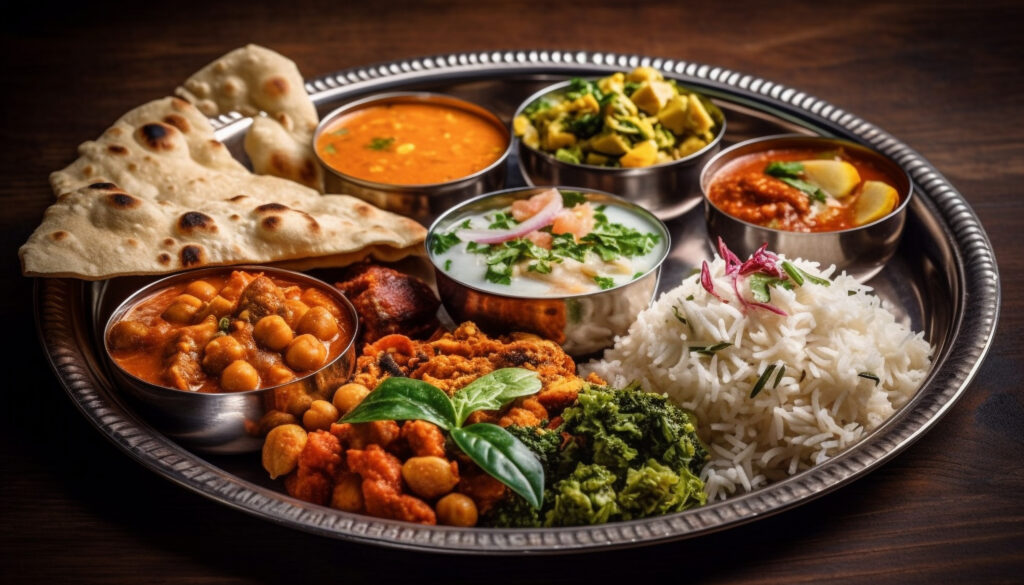
A typical Indian thali often includes:
- Whole grains
- Lentils or legumes
- Vegetables
- Curd or buttermilk
- Healthy fats
- Functional spices
This balance supports:
- Sustained energy
- Better digestion
- Improved gut health
- Blood sugar regulation
- Long-term satiety
Indian cooking also relies heavily on turmeric, cumin, ginger, garlic, fenugreek, and coriander, many of which contain antioxidant and anti-inflammatory compounds.
In many ways, traditional indian foods health principles align closely with modern nutrition science. Those interested in weight management through traditional eating patterns can also explore how an indian keto diet plan adapts low-carbohydrate principles using locally available ingredients like paneer, coconut oil, and non-starchy vegetables.
Essential Nutrients Found in Indian Foods
Indian foods offer a broad nutritional profile when meals are prepared using minimally processed ingredients.
Protein-Rich Indian Foods
Protein is essential for muscle repair, immunity, hormone production, and satiety.
Common Indian protein sources include:
- Dal
- Rajma
- Chole
- Paneer
- Curd
- Sprouts
- Soy products
- Moong dal chilla
Vegetarian Indian diets can meet protein needs effectively when meals combine grains and legumes.
Fiber-Rich Foods in Indian Diets
Fiber improves digestion, gut health, cholesterol levels, and appetite control.
High-fiber Indian foods include:
- Millets
- Oats
- Whole wheat roti
- Vegetables
- Fruits
- Beans
- Lentils
- Flaxseeds
Traditional Indian meals naturally contain higher fiber compared to ultra-processed diets.
Healthy Fats in Indian Cuisine
Healthy fats support brain function, hormones, and nutrient absorption.
Nutritious fat sources include:
- Ghee in moderation
- Nuts
- Seeds
- Coconut
- Groundnut oil
- Sesame seeds
Balanced Indian meals do not require extreme fat restriction.
Vitamins and Minerals
The indian diet nutrition value becomes especially strong because of its micronutrient diversity. Practitioners who hold a diploma in nutrition and dietetics are trained to assess micronutrient gaps in Indian dietary patterns and design practical meal plans that address deficiencies without requiring supplementation.
Examples include:
- Iron from spinach and lentils
- Calcium from ragi and curd
- Magnesium from nuts and seeds
- Potassium from bananas and coconut water
- Vitamin C from amla and citrus fruits
Best Indian Foods for Nutrition and Overall Health
Dal and Lentils
Dal remains one of the most nutrient-dense staples in Indian households. Rich in protein, fiber, iron, and complex carbohydrates, lentils support satiety and stable energy levels.
Popular healthy choices:
- Moong dal
- Masoor dal
- Toor dal
- Urad dal
Pairing dal with rice or roti improves amino acid balance.
Millets: The Traditional Superfoods
Millets such as ragi, bajra, and jowar are making a strong comeback in modern nutrition discussions.
Benefits include:
- High fiber content
- Better blood sugar management
- Rich mineral profile
- Improved digestion
Millets are among the best indian foods nutrition experts recommend for sustainable eating.
Curd and Fermented Foods
Fermented foods support gut microbiome diversity and digestion.
Healthy options include:
- Curd
- Buttermilk
- Idli
- Dosa batter
- Kanji
Daily probiotic intake may improve digestion and nutrient absorption.
Paneer and Dairy Foods
Paneer offers:
- Protein
- Calcium
- Healthy fats
- Vitamin B12
Homemade paneer can be an excellent addition to balanced vegetarian diets.
Seasonal Vegetables
Traditional Indian cooking emphasizes seasonal vegetables, which often provide better nutrient density and freshness.
Examples:
- Lauki
- Bhindi
- Palak
- Methi
- Pumpkin
- Cabbage
Cooking methods matter. Light sautéing, steaming, and pressure cooking generally preserve nutrients better than deep frying.
Indian Spices with Nutritional Benefits
Indian spices do more than add flavour.
- Turmeric: Contains curcumin with antioxidant properties.
- Ginger: Supports digestion and nausea management.
- Fenugreek: May help regulate blood sugar levels.
- Cumin: Supports digestion and metabolism.
Traditional spice use is one reason traditional indian foods health patterns continue to gain global attention.
Indian Foods That Support Weight Management
Indian meals can support healthy weight management when portions and cooking methods are balanced.
High-Protein Indian Foods
Protein-rich meals improve fullness and reduce unnecessary snacking.
Examples:
- Sprouts chaat
- Paneer bhurji
- Dal khichdi
- Chickpea salad
- Besan chilla
Low-Calorie Indian Foods
Nutrient-dense yet lower-calorie foods include:
- Vegetable soups
- Idli
- Sambhar
- Stir-fried vegetables
- Moong dal
- Curd bowls
Smart Eating Habits
Healthy Indian eating is not only about ingredients but also about eating behaviour.
Helpful practices:
- Eating slowly
- Including protein in every meal
- Reducing sugary beverages
- Limiting fried snacks
- Maintaining meal consistency
Common Nutrition Mistakes in Modern Indian Diets
Despite the strong nutritional foundation of Indian cuisine, modern lifestyles have introduced unhealthy patterns.
- Overdependence on Refined Carbohydrates: Excessive consumption of white rice, refined flour, bakery products, and sugary snacks can lower the overall nutritional quality of the diet. These foods are often low in fiber and may contribute to energy crashes and unhealthy weight gain when consumed frequently.
- Low Protein Intake: Many Indian diets continue to be heavily centred around carbohydrates while lacking adequate protein intake. Insufficient protein consumption may affect muscle health, satiety, metabolism, and overall energy levels.
- Excessive Fried Foods: Regular intake of deep-fried foods such as pakoras, samosas, chips, and fried sweets can significantly increase calorie consumption and unhealthy fat intake, especially when paired with a sedentary lifestyle.
- Sedentary Lifestyle Patterns: Even nutritious meals need to be supported by healthy daily habits. Physical activity, quality sleep, proper hydration, and stress management all play an important role in overall health. Nutrition works most effectively when combined with a balanced lifestyle.
Healthy Indian Meal Plate for Balanced Nutrition
- A balanced Indian plate should ideally include approximately 40% vegetables, 25% protein sources, 25% whole grains, and 10% healthy fats to support overall nutrition and energy balance.
- Balanced Indian breakfast ideas include vegetable poha with peanuts, moong dal chilla, idli with sambhar, oats upma, and dahi paired with fruits and seeds. These meals provide a good mix of carbohydrates, protein, fiber, and healthy fats to start the day on a balanced note.
- For lunch, nutritious options can include roti with dal and sabzi, brown rice with rajma, millet khichdi, or salad and curd combinations. These meals help maintain satiety while supporting digestive and metabolic health.
- Dinner choices are best kept lighter to support digestion and sleep quality. Suitable options include vegetable soup with paneer, dal with sautéed vegetables, or khichdi served with curd.
Traditional Indian Foods vs Processed Foods
Traditional Indian meals typically contain:
- Fresh ingredients
- Fewer preservatives
- Better nutrient density
- More fiber
In contrast, highly processed foods often contain:
- Excess sodium
- Added sugars
- Refined oils
- Artificial additives
Returning to homemade meals is one of the most effective ways to improve nutrition quality.
How to Build a Sustainable Indian Diet
Sustainable eating focuses on consistency rather than restriction.
- Eat Seasonal Foods: Seasonal produce is often fresher and more nutrient-rich.
- Include Variety: Different grains, dals, vegetables, and fruits improve nutrient diversity.
- Prioritize Home-Cooked Meals: Cooking at home improves ingredient control and portion awareness.
- Practice Mindful Eating: Avoid distracted eating and overeating.
Small daily habits create long-term health outcomes.
Conclusion
Indian cuisine has always had the foundation for balanced nutrition. With the right food combinations, portion awareness, and cooking methods, traditional Indian meals can support energy, digestion, immunity, and long-term wellness.
This indian foods nutrition guide highlights how everyday foods like dal, millets, curd, vegetables, and spices can contribute to a healthier lifestyle without abandoning cultural eating habits.
As nutrition awareness continues to grow, understanding the value of traditional Indian foods becomes increasingly important for building sustainable and practical health habits. For those looking to formalize this knowledge professionally, enrolling in nutrition courses provides a strong evidence-based foundation for guiding others toward healthier Indian dietary choices.
Learn Evidence-Based Nutrition with NFNA
If you want to deepen your understanding of nutrition science, meal planning, and evidence-based dietary practices, NFNA – National Fitness and Nutrition Academy offers industry-focused nutrition education designed for practical application.
NFNA helps aspiring nutrition professionals develop:
- Real-world nutrition knowledge
- Diet planning expertise
- Client consultation skills
- Scientific understanding of food and health
- Practical career-oriented nutrition training
Whether you are passionate about personal wellness or building a professional career in nutrition, NFNA provides structured learning backed by modern nutritional science.
Frequently Asked Questions
Q1. How can I make Indian food healthier?
Use whole grains, increase vegetables, include protein in every meal, reduce deep frying, and moderate sugar intake. Simple cooking changes can significantly improve nutrition quality.
Q2. Can Indian food support weight loss?
Yes. Balanced Indian meals with controlled portions, high protein, and fiber-rich foods can support healthy weight management and satiety.
Q3. Is traditional Indian food healthy?
Traditional Indian food can be highly nutritious because it includes lentils, vegetables, fermented foods, spices, and whole grains that support overall wellness.
Q4. Will eating Indian food daily affect health negatively?
Not necessarily. Health outcomes depend more on portion size, ingredient quality, cooking methods, and overall lifestyle habits rather than cuisine alone.
Q5. What are the best indian foods nutrition experts recommend?
Experts commonly recommend dal, millets, curd, seasonal vegetables, sprouts, nuts and seeds and fermented foods. These provide balanced nutrition and long-term health benefits.
Q6. Why are millets considered healthier than refined grains?
Millets contain more fiber, minerals, and slow-digesting carbohydrates compared to refined grains, which may support better blood sugar control and digestion.
Q7. How much protein does a vegetarian Indian diet provide?
A balanced vegetarian Indian diet with lentils, dairy, soy, nuts, and legumes can provide adequate protein for most individuals when meals are properly planned.
Q8. What is the indian diet nutrition value compared to modern processed diets?
Traditional Indian diets generally offer higher fiber, micronutrients, and ingredient diversity compared to ultra-processed diets that are often high in sodium, sugar, and unhealthy fats.