Category Archives: Nutrition

whey protein side effects

Whey Protein Side Effects: Myths, Facts and Safe Consumption Tips

Whey protein has become a staple supplement for fitness enthusiasts, athletes, and beginners aiming to improve muscle growth, strength, and recovery. However, many people are concerned about whey protein side effects. The truth is that while whey protein is safe for most individuals, improper usage, overconsumption, or sensitivity to dairy can lead to certain side effects.

Understanding the potential risks of whey protein side effects allows you to enjoy its numerous benefits such as enhanced muscle recovery, convenient protein intake, and improved workout performance while avoiding digestive discomfort, allergic reactions, or other health issues. In this article, we will break down the most common whey protein side effects, explain who should be cautious, and provide expert tips on consuming whey safely. By the end, you will know how to use whey protein effectively without compromising your health.

What Exactly Is Whey Protein?

Whey protein is a high-quality protein derived from milk during the process of cheese production. When milk is separated into curds and whey, the liquid whey is collected and processed into powders that are widely used in nutritional supplements. It is considered a complete protein because it contains all nine essential amino acids that the body cannot produce naturally. This makes whey protein particularly effective for muscle repair, growth, and overall health.

There are different types of whey protein, each with unique characteristics:

  • Whey Protein Concentrate: Contains around 70 to 80 percent protein, has moderate digestibility, and is suitable for general use and beginners.
  • Whey Protein Isolate: Contains over 90 percent protein, highly digestible, and recommended for individuals who are lactose-intolerant or athletes looking for fast absorption.
  • Whey Protein Hydrolysate: Contains 80 to 90 percent protein, pre-digested for very high absorption, ideal for post-workout recovery.

Despite its benefits, overconsumption or incorrect usage can cause whey protein side effects. Being aware of how your body reacts and understanding the right type of whey protein to use can significantly reduce these risks.

Common Whey Protein Side Effects

Although whey protein is generally safe, certain side effects may appear depending on dosage, sensitivity, or health conditions. Understanding these side effects is essential for safe supplementation.

Digestive Issues

Digestive discomfort is the most frequently reported whey protein side effect. Common digestive problems include:

  • Bloating and gas, often caused by lactose or additives in the protein powder
  • Nausea or stomach cramps when large doses are consumed at once
  • Constipation or diarrhea, particularly in individuals with lactose intolerance

Switching to whey protein isolate, which contains very low lactose, and starting with small amounts can help minimize these digestive issues. Staying hydrated and avoiding protein powders with artificial additives also reduces digestive discomfort.

Allergic Reactions

Whey protein contains milk proteins, which may trigger allergic reactions in some individuals. Symptoms of an allergic response include:

  • Skin rashes or hives
  • Swelling of the lips, tongue, or throat
  • Difficulty breathing or shortness of breath

It is important to distinguish between lactose intolerance and milk protein allergy. Individuals with known milk allergies should avoid whey protein entirely.

Skin Problems

Some studies suggest that excessive whey protein intake can lead to skin issues, including acne. This is linked to a hormone called insulin-like growth factor-1 (IGF-1), which can increase oil production and contribute to acne flare-ups. While not everyone will experience this, those prone to hormonal acne may need to monitor their intake carefully.

Kidney and Liver Concerns

There is a common misconception that whey protein harms the kidneys or liver. For healthy individuals, moderate consumption of whey protein does not damage these organs. However, consistently consuming very high doses of protein without adequate hydration can put a strain on the kidneys and liver over time. People with pre-existing kidney or liver conditions should consult a healthcare professional before using whey protein.

Long-Term Overuse Risks

Overconsumption of whey protein may lead to several long-term effects. These include:

  • Nutrient imbalance if whey protein replaces whole foods in the diet
  • Dehydration due to increased protein metabolism
  • Calcium loss which may impact bone health
  • Changes to the gut microbiome affecting digestion and overall gut health

Moderation and careful monitoring of protein intake are key to avoiding these long-term whey protein side effects.

Who Should Limit or Avoid Whey Protein

Although whey protein is safe for most people, certain groups should exercise caution:

  • Individuals with milk allergies or lactose intolerance
  • People with kidney or liver conditions
  • Pregnant or breastfeeding women without medical supervision
  • Minors who are using whey protein without professional guidance

By recognizing these risk factors, you can make informed decisions and prevent potential whey protein side effects.

Safe Consumption Guidelines

Following safe consumption practices helps reduce the risk of whey protein side effects. Experts recommend:

  • Determining the appropriate protein intake based on body weight and activity level
  • Consuming whey protein post-workout or alongside meals to aid digestion
  • Starting with small doses and gradually increasing as your body adjusts
  • Staying well-hydrated throughout the day
  • Choosing high-quality whey protein powders that are certified, additive-free, and free of unnecessary fillers

Consistent adherence to these guidelines ensures that you reap the benefits of whey protein while minimizing any negative side effects.

Natural and Plant-Based Alternatives

For individuals who experience side effects or are sensitive to dairy, plant-based protein powders offer excellent alternatives. These include:

  • Pea protein, which is moderately digestible and suitable for vegans
  • Soy protein, which is highly digestible and contains a complete amino acid profile
  • Hemp protein, rich in fiber and healthy fats but with slightly lower protein content
  • Brown rice protein, which is plant-based but may need to be combined with other proteins to ensure a complete amino acid profile
  • Mixed plant protein blends, offering balanced nutrition and high digestibility

Plant-based alternatives can be particularly useful for those who experience whey protein side effects like digestive issues or allergic reactions.

Expert Tips to Reduce Whey Protein Side Effects

  • Use whey protein isolate if you are lactose-intolerant
  • Avoid protein powders with artificial sweeteners, flavors, or additives
  • Pair whey protein with probiotics or fiber-rich foods to support digestion
  • Keep a daily log of your protein intake and monitor how your body responds
  • Take breaks from whey supplementation if you notice skin, digestive, or hormonal issues

Applying these expert tips can help reduce the likelihood of experiencing whey protein side effects while maximizing the supplement’s benefits.

When to See a Doctor or Nutritionist

It is important to seek professional advice if you experience:

  • Persistent digestive discomfort
  • Allergic reactions such as swelling or hives
  • Unexplained fatigue, weakness, or changes in energy levels

Consulting a certified nutritionist or healthcare professional ensures that your protein intake is safe and tailored to your personal health needs, helping prevent long-term whey protein side effects.

Conclusion 

Whey protein is a highly effective supplement that supports muscle growth, recovery, and overall health. However, awareness of whey protein side effects, proper dosing, and choosing high-quality products are essential. By using whey protein responsibly, monitoring your body’s response, and consulting professionals when needed, you can enjoy all the benefits without negative consequences.

Take Your Nutrition Knowledge to the Next Level with NFNA

Turn your passion for fitness and nutrition into a rewarding career with NFNA’s Diploma or Certification in Applied Nutrition.

  • Learn from experienced doctors, nutritionists, and fitness trainers
  • Build a successful career in health, fitness, and dietetics
  • Access online and offline courses with lifetime support via WhatsApp

Explore courses here: Explore Nutrition Courses at NFNA

Turn your passion for fitness into a profession with India’s trusted name in nutrition education.

Frequently Asked Questions

Q1. Is whey protein safe for daily use?

Yes, whey protein is safe for daily use when consumed within recommended protein intake levels based on your body weight and activity level. Overuse can lead to digestive issues or other side effects.

Some individuals may develop acne due to hormonal changes linked to IGF-1. Monitoring intake and staying hydrated can help reduce this risk.

People with milk allergies, lactose intolerance, kidney or liver problems, pregnant or breastfeeding women, and minors without professional guidance should avoid whey protein.

Moderate whey protein intake is safe for healthy individuals. Excessive consumption without proper hydration may strain the kidneys or liver over time.

Whey protein isolate and hydrolysate contain very low lactose and are suitable for those with lactose intolerance.

Yes, side effects such as bloating, gas, constipation, or diarrhea may occur, especially if consuming large doses or low-quality powders.

Yes, pea protein, soy protein, hemp protein, brown rice protein, and mixed plant protein blends are excellent alternatives for those sensitive to dairy.

Choose high-quality whey protein, start with small doses, drink plenty of water, pair with fiber or probiotics, and monitor your body’s reaction to adjust intake as needed.

diabetic diet chart

Diabetic Diet Chart: The Ultimate Indian Guide to Manage Blood Sugar Naturally

Managing blood sugar is one of the most crucial aspects of living with diabetes. A structured and well-planned diabetic diet chart can help individuals stabilize glucose levels, prevent sudden spikes, and maintain energy throughout the day. By following a carefully designed Indian meal plan, you can enjoy traditional foods without compromising on health. Whether you are newly diagnosed or have been managing diabetes for years, this comprehensive guide provides everything you need to know about building a sustainable, evidence-based diabetic diet chart.

This guide emphasizes foods that naturally control blood sugar, balanced nutrition, portion control, and meal timing. By adhering to a structured diabetic diet chart, you can effectively reduce the risk of complications, improve your overall well-being, and enjoy a healthy lifestyle without feeling deprived.

Understanding Diabetes and Nutrition

Diabetes is a condition where the body is unable to properly regulate blood sugar due to insulin deficiency or insulin resistance. Insulin is a hormone that helps transport glucose from the blood into cells, where it is used for energy. When this process is disrupted, blood sugar levels rise, increasing the risk of complications such as cardiovascular disease, nerve damage, kidney problems, and vision impairment.

Nutrition plays a fundamental role in managing diabetes. A carefully designed diabetic diet chart ensures that every meal provides the right balance of carbohydrates, proteins, and fats while keeping blood sugar levels stable.

The Role of Insulin and Glycemic Index

Insulin is the key to maintaining healthy blood sugar levels. Understanding how your food affects insulin is vital in creating an effective diabetic diet chart. Foods with a high glycemic index, such as white rice, sugary drinks, and refined flour, cause rapid spikes in blood sugar. On the other hand, low-GI foods such as oats, ragi, legumes, and most vegetables release sugar gradually, helping maintain steady energy levels throughout the day.

Why Indian Diets Can Be Diabetes-Friendly

Traditional Indian diets, when carefully planned, can be highly compatible with diabetes management. Whole grains, lentils, legumes, and low-GI vegetables provide sustained energy and fiber, which helps control sugar absorption. Spices such as turmeric, cinnamon, and fenugreek not only add flavor but also support metabolic health. By integrating these foods into your diabetic diet chart, you can enjoy the richness of Indian cuisine while keeping your blood sugar in check.

Core Principles of a Healthy Diabetic Diet Chart

Creating a successful diabetic diet chart is not just about restricting foods but focusing on the right choices, portion sizes, and meal timings. Here are the core principles:

Balanced Macronutrients

A healthy diabetic diet chart should include:

  • Complex carbohydrates such as oats, ragi, bajra, quinoa, and whole wheat
  • Lean proteins such as dal, legumes, paneer, and low-fat dairy
  • Healthy fats such as olive oil, flaxseeds, walnuts, and almonds

Fiber-Rich Foods

Fiber slows digestion, reduces sugar spikes, improves gut health, and promotes satiety. Include fiber-rich foods such as:

  • Whole grains like millets, brown rice, and oats
  • Pulses, lentils, and legumes
  • Non-starchy vegetables such as spinach, bottle gourd, cauliflower, and broccoli

Portion Control and Meal Timing

Portion control is essential to prevent overeating and blood sugar spikes. Use smaller plates, eat slowly, and maintain consistent meal timing. Your diabetic diet chart should ideally include 5-6 small meals spread across the day to maintain stable energy levels.

Hydration

Adequate hydration is vital for blood sugar management. Drink plenty of water throughout the day. Limit sweetened beverages and choose unsweetened herbal teas or buttermilk.

Foods to Include in a Diabetic Diet Chart

  • Whole grains: ragi, bajra, oats, quinoa
  • Pulses and legumes: moong dal, masoor dal, chickpeas, kidney beans
  • Vegetables (non-starchy): spinach, bottle gourd, cauliflower, broccoli, green beans
  • Fruits with low glycemic index: apple, guava, pear, berries
  • Healthy fats and nuts: almonds, walnuts, flaxseeds, olive oil

Foods to Avoid in a Diabetic Diet Chart

  • Refined flour, white rice, and processed foods
  • Deep-fried items and Indian sweets with added sugar
  • Sweetened beverages such as soda, packaged juices, and sweet tea

Sample Indian Diabetic Diet Chart

Here is a practical, day-wise diabetic diet chart suitable for Indian patients:

Early Morning

  • Warm water with lemon or soaked fenugreek seeds
  • 5 almonds or walnuts

Breakfast

  • Moong dal chilla or oats upma with low-fat curd
  • Unsweetened green tea or herbal tea

Mid-Morning Snack

  • Guava, apple, or pear
  • Buttermilk or a glass of low-fat milk

Lunch

  • 2 whole wheat chapatis
  • Dal or lentil curry
  • Mixed vegetable sabzi
  • Fresh salad and a small portion of curd

Evening Snack

  • Roasted chana or sprouts salad
  • Herbal tea without sugar

Dinner

  • Vegetable soup
  • Grilled paneer or dal
  • Steamed non-starchy vegetables

Bedtime

  • Half cup of low-fat milk with a pinch of turmeric

Following this diabetic diet chart consistently can help regulate blood sugar levels, reduce cravings, and maintain overall health.

Modern Innovations in Diabetic Diet Management

With technological advancements, managing diabetes has become more precise and personalized. Modern approaches include:

  • Continuous Glucose Monitoring (CGM) to track real-time sugar response and customize your diabetic diet chart
  • Personalized nutrition plans based on metabolic response, weight, and lifestyle
  • Online consultations and nutrition coaching that provide professional guidance for meal planning
  • Digital tools that help track food intake, portion sizes, and glucose levels to improve adherence

These innovations complement a traditional diabetic diet chart, making management more effective and individualized.

Common Mistakes in Following a Diabetic Diet Chart

Even with the best diabetic diet chart, people often make mistakes that hinder results:

  • Skipping meals or inconsistent eating patterns
  • Overeating “healthy” snacks like dried fruits or low-fat treats
  • Neglecting hydration, sleep, or physical activity
  • Not consulting a certified nutritionist for guidance

Avoiding these mistakes ensures that your diabetic diet chart remains effective and sustainable.

Expert Tips for Long-Term Diabetes Management

  • Maintain a daily food and blood sugar journal
  • Focus on traditional Indian foods rather than following short-term fad diets
  • Practice mindful eating by chewing slowly and recognizing hunger and fullness cues
  • Include moderate physical activity such as walking, yoga, or strength training
  • Regularly consult certified nutrition professionals to refine your diabetic diet chart

Conclusion

A well-structured diabetic diet chart is essential for managing blood sugar naturally and maintaining overall health. By choosing low-GI foods, balancing macronutrients, practicing portion control, and following consistent meal timings, individuals with diabetes can enjoy a healthy and flavorful lifestyle. Managing diabetes through diet requires expert knowledge, and our health and nutrition courses equip you to help patients make informed choices. Combine this diet plan with physical activity, hydration, and guidance from certified professionals to achieve long-term results.

NFNA — Empower Your Nutrition Journey

Want to become a certified nutrition expert or guide others in diabetes care? Join NFNA (National Fitness and Nutrition Academy), India’s most trusted platform for Nutrition and Fitness Certification Courses. Learn from top doctors, dietitians, and fitness mentors to transform your knowledge into a professional career.  

Frequently Asked Questions  

Q1. What is the best diabetic diet chart for Indian patients?

 The best diabetic diet chart includes low-GI whole grains, pulses, non-starchy vegetables, low-sugar fruits, and healthy fats. Portion control and meal timing are key.

 Typically 5-6 small meals including early morning, breakfast, mid-morning snack, lunch, evening snack, and dinner help maintain stable blood sugar.

 Yes, fruits with a low glycemic index such as apple, guava, pear, and berries are safe when consumed in moderation.

Ragi, oats, bajra, moong dal, chickpeas, spinach, bottle gourd, cauliflower, and most nuts are low-GI foods suitable for a diabetic diet chart.

Type 2 diabetes can often be managed or even reversed with consistent dietary changes, regular physical activity, weight management, and adherence to a diabetic diet chart.

Not completely. Replace white rice with brown rice or millets, and maintain portion control within your diabetic diet chart.

Fiber slows down glucose absorption, prevents rapid sugar spikes, promotes fullness, and aids in better glycemic control.

Occasionally, small portions of homemade or low-sugar sweets can be included without compromising blood sugar control. It is important to balance them with other low-GI meals.

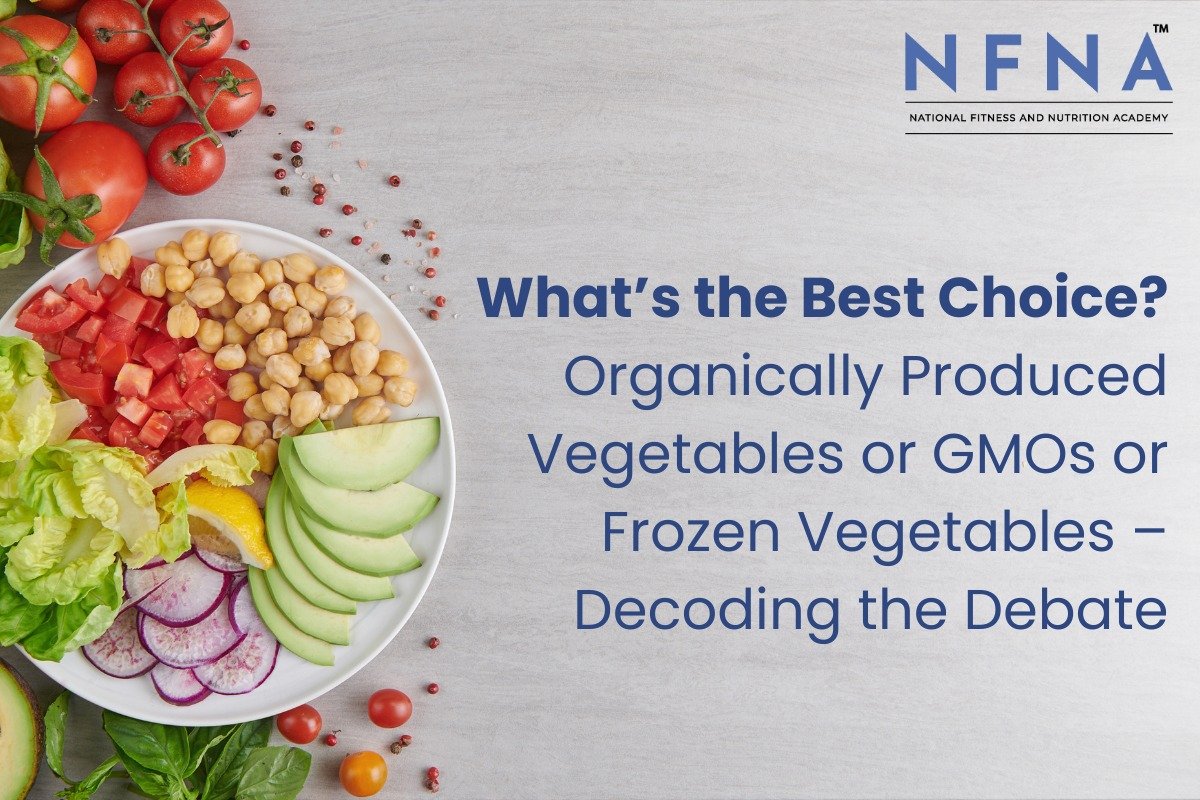
What’s the Best Choice: Organically Produced Vegetables or GMO’s or Frozen Vegetables – Decoding the Debate

As we step have stepped into the fast-moving world, nutrition has become a critical concept in each one of our lives. With the evolving research and innovative methods of agriculture, food quality is considered as one of the major concerns. The question always arises, ‘I am eating, but is it good enough, is it providing me with all the nutrition I need?’ and then the evergreen discussion about which kind of food to consume and which is the best.

A higher intake of vegetables reduces the risk of cancer, cardiovascular diseases, and various health conditions. It is also linked with improved mental health and quality of life. In a way you may say – “Want a good mood? Have more vegetables as food.”

One of the factors that affects the nutritional quality of vegetables is the way they are grown and harvested. Different farming methods can have different impacts on the health and safety of the consumers. Therefore, it is important to understand the differences between the types of vegetables available in the market and how they are produced. In this article, we will compare 3 kinds of vegetables: organically grown, conventionally grown, and genetically modified. We will look at their advantages and disadvantages, and how they affect the environment and human health.

ORGANIC VEGETABLES

Organic vegetables have been always considered as the purest form of produce as their production relies on ecological processes, biodiversity, and cycles adapted to local conditions, which combines tradition and scientific innovation and is guided by principles for sustainable health, holistic farming, and sustainable ecosystem.

Are Organic Vegetables Free of Insecticides?

Organic vegetables are not completely free from insecticides. Although they are strictly prohibited from the use of synthetic insecticides, some residual insecticides are still allowed.

Synthetic insecticides are man-made chemicals that are used to kill or control pests, such as insects, weeds, fungi, or rodents, they are the primary agents used to protect the crops, but evidence shows that these may be harmful to us. On the other hand, residual insecticides are insecticides that remain active on the surface of plants, soil, or other materials for some time after application. They can provide long-term protection against pests, but they can also pose a risk to humans. Residual insecticides can be synthetic or natural. The FSSAI asks to limit the use of these residual insecticides to 5% of the maximum allowed for those insecticides.

Impact of Organic Vegetables on Health

According to a 2020 systematic review, the consumption of organic food does not provide a significant nutritional advantage compared to a conventional diet. Although, regular and frequent consumption of organic products is linked to the reduction in the risk of being overweight and obese, both for women and men. Although organic vegetables are nutritionally similar to conventional ones, some studies suggest that they tend to have more antioxidants.

Another advantage of organic produce is that they have less harmful metabolites. Metabolites are substances produced by the metabolic processes of living organisms, including plants. Some of these plant metabolites can be harmful to human health. When crops are treated with insecticides, they can alter their metabolism and produce more harmful metabolites than normal. For example, some studies have found that insecticide-treated crops have higher levels of nitrate, which can cause methemoglobinemia, a blood disorder.

The studies show that organic produce is linked to lower BMI and better blood nutrition levels for different age groups. When people eat these regularly and make healthy changes to their lifestyle, they can improve their health and live longer.

GENETICALLY MODIFIED ORGANISMS (GMOs)

According to the WHO, “genetically modified organisms (GMOs) can be defined as organisms (i.e. plants, animals, or microorganisms) in which the genetic material (DNA) has been altered in a way that does not occur naturally by mating and/or natural recombination. It allows selected individual genes to be transferred from one organism into another, also between nonrelated species.” Foods produced from or using GM organisms are referred to as GMOs.

The aim is to introduce new genetic material into the plant cells. It allows scientists to modify plants to have specific characteristics they desire, which can have various benefits in agriculture, medicine, and other fields.

One example is a genetically modified corn plant. The genetic specialist might put some genes from a bacterium into a regular corn plant that might make it resistant to pests or give extra advantages for the plant’s growth and its use.

Why are GMOs produced?

The reason why GM foods are created and sold is that they offer some benefit to either the producer or consumer. It usually leads to lower cost, higher quality, or both. Genetically modified crops possess advantages for the crop such as –

  • ·Crops become resistant to herbicides which otherwise would have harmed them. The herbicides kill only the surrounding weeds but leave the cultivated crop intact.
  •  They attain tolerance towards harmful insects bacteria, viruses and other organisms.
  • ·Abiotic stress includes the exposure of plants to salinity, heat, cold, drought etc.. conditions which ultimately leads to plant death and developing tolerance against them makes the plant live longer.
  • Increase in the nutritional content of the crop.

Safety of GMOs

The latest research on the impact and safety of GMOs for human health is still inconclusive and often contradictory. Some studies have found that GMOs have no adverse effects on human health and may even provide some benefits. Other studies have reported that GMOs can cause allergic reactions, toxicity, antibiotic resistance, and gene transfer to human cells or gut bacteria. Moreover, the long-term effects of GMOs on human health are still unknown, as most of the studies have been conducted for short periods and with limited sample sizes and methods. Therefore, more research is needed to assess the safety and benefits of GMOs for human health, as well as their environmental and social implications.

Currently the only approved GM crop in India is cotton. Others are still being researched for their safety. However, one study reported the illegal cultivation and consumption of other GM crops, such as corn, soybean, brinjal (eggplant), and mustard. Therefore, it is possible that many Indians are unknowingly consuming GM foods that have not been adequately tested for their safety and environmental impact.

Thus, there are 2 takeaways from the above –

  • Legally speaking, India doesn’t currently have any GM food crops. So, if you stay in India, you can’t choose to have GM foods since they are not there on the market. Although you may end up consuming them unknowingly due to illegal circulation.
  • If you live in other countries, then consuming GM foods can be considered to be a personal choice because the research currently doesn’t offer a conclusive answer.

GMO Labelling in India

According to the Centre for Science and Environment, a gazette notification from the Ministry of Consumer Affairs makes it mandatory for packaged foods using genetically modified products as ingredients to carry such labels from January 1, 2013.

FROZEN VEGETABLES

Frozen vegetables are those that have been frozen below their freezing point so they can be stored and transported (sometimes for much longer than they would normally last) until they are needed for eating. These are often found in the frozen part of grocery stores, in sliced, grated, or chopped forms, which are our convenient option when we don’t have time for pre-prep or have guests coming over.

Nutritional Content of Frozen Foods

Fruits and vegetables are picked at peak ripeness and often frozen within hours, locking in their nutrients and flavor. Generally, frozen foods retain their vitamins and minerals and there is no change to the carbohydrate, protein, or fat content. In some cases, frozen foods have more vitamins and minerals compared to fresh foods because fresh foods lose vitamins and minerals over time while freezing preserves nutrients.

Advantages of Frozen Foods

Many people think that frozen vegetables and fruits are inferior to their fresh counterparts. The truth is that the lower temperatures help to preserve the nutrient quality rather than degrade it and they also help to prevent bacteria in from spoiling the food, thus, extending its shelf life. Most bacteria can’t grow below a temperature of 10 degree Celsius and the temperature of freezers is kept at minus 18 degree Celsius. Downside of Frozen Foods

Although frozen foods have better retention of nutrients, there are some downsides. There is loss of moisture on the surface of food which occurs due to faster conversion of ice to vapour which causes ‘freezer burn’. To avoid freezer burn, food can be tightly wrapped to limit air exposure.

Another issue is the treatment this produce undergoes before freezing as treatments such as blanching can alter the nutrient profile, especially the water-soluble vitamins and antioxidant content. The foods are blanched before freezing to kill off any existing bacteria. This may also affect its taste profile and make it taste less fresh upon defrosting.

FINAL COMPARISON

In conclusion, it’s difficult to definitively state which is the best type since each type has its own pros and cons –

Organic Vegetables

Pros

  • They may contain higher levels of antioxidants, vitamins, and minerals than conventional vegetables.
  • They may reduce the exposure to harmful chemicals that can affect human health and the environment.
  • They may support sustainable farming practices and biodiversity.

Cons

  • They are usually more expensive than conventional vegetables due to higher production costs and lower yields.
  •  They may not be available all year round or in every location due to seasonal and geographical limitations.
  • They may have shorter shelf life and higher risk of spoilage due to the limited use of pesticides.

GMO Vegetables

Pros

  • They may increase crop productivity.
  • They may improve the nutritional quality and diversity of food crops by enhancing their macronutrients, micronutrients, or bioactive compounds.
  • They may reduce the environmental impact of agriculture by lowering the use of land and energy.

Cons

  • They may pose potential risks to human health.
  • They may negatively affect the genetic diversity and natural balance of ecosystems. Frozen Vegetables

Pros

  •  They may retain more of their original nutrients than fresh vegetables due to minimal processing and exposure to heat, light, air, or water.
  •  They may offer convenience and variety by being available all year round and in different forms, such as whole, sliced, diced, or mixed.
  • ·They may reduce food waste and save money by having longer shelf life.

Cons

  • They may lose some of their sensory attributes, such as color, texture, flavor, or aroma, due to freezer burn.

In conclusion, organic, GMO, and frozen vegetables have different pros and cons that may influence the consumers’ preferences and choices. Depending on the availability, affordability, quality, safety, nutrition, and environmental impact of each option, you may decide which one suits your needs and values better.

References

  1. 1. Glibowski P. Organic food and health. Rocz Panstw Zakl Hig. 2020;71(2):131-6.
  2. 2. Crinnion WJ. Organic foods contain higher levels of certain nutrients, lower levels of pesticides, and may provide health benefits for the consumer. Altern Med Rev. 2010;15(1):4-12.
  3. 3. Kumar K, Gambhir G, Dass A, Tripathi AK, Singh A, Jha AK, et al. Genetically modified crops: current status and future prospects. Planta. 2020;251(4):91.
  4. 4. Qiujie Zheng & H. Holly Wang (2021) Do Consumers View the Genetically Modified Food Labeling Systems Differently? “Contains GMO” Versus “Non-GMO” Labels, The Chinese Economy, 54:6, 376-388.
  5. 5. Bawa AS, Anilakumar KR. Genetically modified foods: safety, risks and public concerns-a review. J Food Sci Technol. 2013;50(6):1035-46.
  6. 6. Bouzari A, Holstege D, Barrett DM. Vitamin retention in eight fruits and vegetables: a comparison of refrigerated and frozen storage. J Agric Food Chem. 2015;63(3):957-62.
  7. 7. Grover Y, Negi PS. Recent developments in freezing of fruits and vegetables: Striving for controlled ice nucleation and crystallization with enhanced freezing rates. J Food Sci. 2023;88(12):4799-826.
  8. 8. Rahman, A.; Baharlouei, P.; Koh, E.H.Y.; Pirvu, D.G.; Rehmani, R.; Arcos, M.; Puri, S. A Comprehensive Analysis of Organic Food: Evaluating Nutritional Value and Impact on Human Health. Foods 2024, 13, 208. https://doi.org/10.3390/foods13020208
  9. 9. Naveen, A. K., & Sontakke, M. (2024). A review on regulatory aspects, challenges and public perception in acceptance of genetically modified foods. Food science and biotechnology, 33(4), 791–804. https://doi.org/10.1007/s10068-023-01481-0
  10. 10. Alsailawi, Hasan & Mudhafar, Mustafa & Abdulrasool, Mustafa. (2020). Effect of Frozen Storage on the Quality of Frozen Foods—A Review. Journal of Chemistry and Chemical Engineering. 14. 10.17265/1934-7375/2020.03.002.
nutrition and fitness course

Understanding the Symbiotic Relationship between Fitness and Nutrition

When it comes to leading a healthy lifestyle, it is essential to understand that nutrition and fitness are interconnected to achieve a healthy lifestyle.. Together, they play a crucial role in achieving overall well-being of the body.

Proper nutrition provides the necessary fuel and building blocks for our bodies’ maintenance and growth while fitness ensures that the body becomes stronger, fitter and more active.

To gain a deeper understanding of this relationship and its importance, individuals can benefit from enrolling in a nutrition and fitness course.

In this blog, we will explore how nutrition and fitness go hand in hand and why striking a balance between the two is crucial for overall well-being.

The Role of Nutrition in Fitness

  • Macronutrients

Macronutrients, including carbohydrates, proteins, and fats, play a crucial role in providing energy for survival and for physical activity, providing the building blocks for the growth and maintenance of the body and to run and maintain certain key functions in the body.. Carbohydrates are the primary fuel source for our muscles, while proteins aid in muscle repair and growth. Healthy fats give energy and support hormone and antibody production. Consuming the right balance of these macronutrients ensures that our bodies have the energy and resources needed to support physical activity and recovery.

  • Micronutrients

Micronutrients such as vitamins and minerals are essential for overall health and proper functioning of the body. They help facilitate biochemical reactions and support various physiological processes.

For example, iron is necessary for the transport of oxygen in the blood, while calcium is crucial for maintaining strong bones and muscles. A deficiency in any of these micronutrients can lead to decreased energy levels, impaired performance, and increased risk of injury.

  • Hydration

Proper hydration is often overlooked but is vital for both exercise performance and recovery. Water is involved in nearly every bodily function and is necessary for maintaining body temperature, lubricating joints, and transporting nutrients.

During exercise, we lose water through sweat, so it is important to drink enough fluids to replenish what is lost. Dehydration can lead to decreased endurance, muscle cramps, and impaired cognitive function.

The Impact of Fitness on Nutrition

  • Increased Nutrient Needs

Engaging in regular physical activity increases our bodies’ demand for nutrients. Exercise promotes muscle growth, repair, and overall tissue development. Consequently, the body requires additional protein to support these processes.

Furthermore, intense exercise increases the utilisation of vitamins and minerals involved in energy production, such as B vitamins and magnesium.

  • Appetite Regulation

Exercise has been shown to influence appetite and food intake. Intense physical activity can increase hunger, while moderate exercise may have a suppressive effect on appetite. Understanding how exercise affects individual appetite is crucial for maintaining energy balance and achieving specific fitness goals, whether it be weight loss, muscle gain, or overall health maintenance.

  • Body Composition

Regular exercise not only helps improve cardiovascular fitness and strength but also plays a significant role in body composition. Combining exercise with a balanced diet can lead to reductions in body fat, increased muscle mass, and improved overall body composition. This positive transformation not only enhances physical appearance but also contributes to improved metabolic health and reduced risk of chronic diseases.

  • Embracing Personalization

Recognizing that every individual is unique, it is crucial to adopt a personalised approach when seeking the ideal balance between nutrition and fitness. Various factors such as age, sex, body composition, activity level, and specific goals should be taken into consideration.

Embracing personalization allows individuals to tailor their nutrition and fitness routines to meet their specific needs and optimise their overall well-being.

Consulting with a dietitian or a fitness professional who holds a certification of nutrition and fitness course can provide valuable guidance in designing an individualised plan.

Optimising Meal Timing and Pre/Post-Workout Nutrition

The timing of meals and snacks in relation to exercise can significantly impact performance and recovery. Strategic nutrition before and after workouts plays a vital role in supporting energy levels.

  • Pre-workout Nutrition

Consuming a balanced meal or snack before exercise provides the necessary energy to fuel the workout. The timing and composition of pre-workout meals vary depending on individual preferences and digestive tolerance. Ideally, the meal should be consumed 1-3 hours before exercise to allow for digestion. It should include a combination of carbohydrates for energy, proteins for muscle support, and healthy fats for sustained energy release.

  • Post-workout Nutrition

The post-workout period is crucial for muscle repair and recovery. Consuming a balanced meal or snack within 30-60 minutes after exercise helps replenish glycogen stores, initiates muscle protein synthesis, and aids in recovery. The ideal post-workout meal should include a combination of carbohydrates to restore energy stores and proteins to promote muscle repair and growth.

Conclusion

It is evident that nutrition and fitness are deeply interconnected and mutually dependent. Achieving a balance between the two is vital for optimal health and well-being. By personalising the approach, considering individual needs and goals, and optimising meal timing and pre/post-workout nutrition, we can maximise the benefits of both nutrition and fitness.

Moreover, recognizing the significance of this relationship, pursuing a nutrition and fitness course is beneficial for those involved in personal training as well as nutrition.

Is It Worth Pursuing A Certified Nutritionist Course?

A 2021 survey by Habbit said that 71% of the survey’s respondents felt that their health was worse off than during pre-COVID times. They were, however, willing to give priority to dietary changes over going to the gym or fitness centres.

As busy Indians look to get healthy by managing what they eat rather than by slogging it out at the gym, it makes sense that a nutritionist career will become increasingly popular in this country in the days to come.

While this may be just one example of how India is waking up to the importance of healthy eating, a nutritionist’s role is growing not only because of those who want to get healthy but also because of those who want to use diet to recover from illnesses and manage various health conditions.

In this regard, pursuing a certified nutritionist course in India can help you to take advantage of a career in this field and get on the right path to success. Keeping this in mind, let’s take a look at whether it is worth pursuing a nutritionist course.

5 Reasons To Pursue A Certified Nutritionist Course

A nutritionist course can help you to gain the necessary credentials and skills required to build your career in the sector either offline or online. With adequate training in this field, you can build a successful career for yourselves.

  • The Health and Wellness Industry is Booming

The value of the global wellness industry is estimated to be at $ US 4.5 trillion. It is growing and growing. Not only do people want to be healthy from the inside, but they also want to be “Insta-healthy” in a world that’s kinder to fit-looking people.

Wellness has now entered the mainstream, and it looks like it is going to stay. This is the best time to make the most of the opportunity and prepare for a career in an industry that is taking off in a big way.

  • It Can Benefit Your Job As A Personal Trainer

If you are a personal trainer, then a course in nutrition is a must for you. You will be aware of the best foods to consume to change your clients’ body composition, for example – losing body fat or gaining lean muscle mass.

At NFNA, we also offer a course for personal training that you must enquire about. Nutrition and fitness training can give you and your clients better and quicker results. If you are interested in personal training, it makes perfect sense to pursue a course in nutrition as well.

  • You Need To Learn Before You Teach

If you are gearing up to teach everyone what to eat, how to eat, and when to eat, you should know about the intricacies of nutrition science to change body composition first. It’s obvious but worth mentioning that it is essential to learn all you can about nutrition before you begin to guide others.

NFNA’s certified nutritionist course in India is just that kind of course that will teach you the basics and the advanced aspects of nutrition. You will be well-prepared to tackle most questions on nutrition that your clients shall be throwing at you as you shall be doing a comprehensive course on clinical and sports nutrition.

  • Channel Your Passion for Healthy Living Into A Career

If your passion is about eating healthy, living healthy, and being healthy, then why not transform that passion into a career? You can easily pursue a career as a nutritionist with the best certifications and knowledge from us. NFNA offers some of the top certificate courses in nutrition which you can choose for your career.

  • Give Authentic Advice, not Misleading Ideas

There are so many people who are peddling incorrect nutrition advice. While they cannot be stopped, they can be challenged with authentic advice from a trained and certified nutritionist. Hence, if you want to get trained in this subject, to teach the right concepts about nutrition, choose a science-based diploma course in the same.

nutrition course

  • Challenges in a Nutrition Career in India

In India, there is a lack of standardised education in the field of nutrition. However, NFNA, which is an independently ISO-certified organization aims to provide standard education in the same.

Apart from the shortage of good institutes and courses, there is also a lack of trained and knowledgeable nutritionists. NFNA was set up with the aim of bridging this gap and ensuring that those who are on the lookout for professional nutrition courses find a reputed institute where they can pursue and achieve their dreams of a career in this segment.

The Final Word

If your career goal is to become a certified nutritionist and to professionally consult clients, then you must pursue a certified nutritionist course in India from NFNA. We offer a Diploma and Certification in Nutrition. Depending on your career goal, you can consider pursuing either of these courses.

Enrolling in our courses will give you an advantage over other nutritionists who are offering unscientific advice, propagating myths, and misleading people.

Always provide science-based and proven methods to your lients. At NFNA, we firmly believe that. Become the best nutritionist you deserve to be. Enroll in our courses today!