
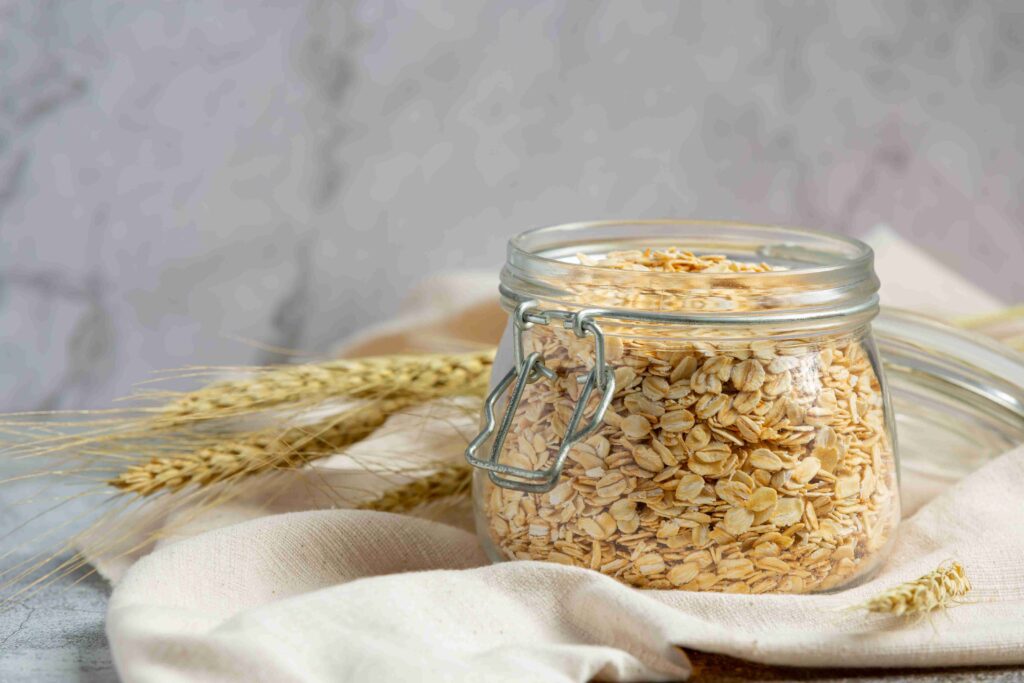
Oats nutrition facts 100g show that oats are a nutrient-dense whole grain containing approximately 389 calories, 16.9g protein, 66.3g carbohydrates, 10.6g dietary fiber, and 6.9g healthy fats. Rich in vitamins, minerals, and beta-glucan fiber, oats support heart health, digestion, sustained energy, and overall wellness when included as part of a balanced diet.
Understanding oats nutrition facts 100g helps you make smarter dietary choices, whether your goal is weight management, muscle building, or simply eating healthier. At NFNA, we believe that nutrition education starts with understanding the foods you eat every day. Oats are among the most nutrient-rich whole grains, offering an excellent balance of protein, fiber, complex carbohydrates, and essential micronutrients that contribute to overall health. If you’d like to build a career guiding others toward such choices, NFNA’s nutrition and fitness courses in delhi can help you get started.
Oats Nutrition Facts 100g (Complete Nutrition Breakdown)
If you’re wondering what makes oats such a popular breakfast choice, their impressive nutritional profile tells the story. Here’s a general nutritional breakdown of oats nutrition facts 100g (raw oats).
|
Nutrient |
Amount per 100g |
|
Calories |
389 kcal |
|
Protein |
16.9 g |
|
Carbohydrates |
66.3 g |
|
Dietary Fiber |
10.6 g |
|
Total Fat |
6.9 g |
|
Saturated Fat |
1.2 g |
|
Natural Sugars |
0.9 g |
|
Water |
8% |
Vitamins in Oats
Oats naturally provide several B vitamins that help convert food into energy, including:
- Vitamin B1 (Thiamine)
- Vitamin B5 (Pantothenic Acid)
- Folate (Vitamin B9)
- Small amounts of Vitamin E
Essential Minerals
Oats are also rich in important minerals such as:
- Iron
- Magnesium
- Phosphorus
- Zinc
- Copper
- Selenium
- Manganese
- Potassium
These nutrients work together to support healthy bones, muscles, metabolism, immunity, and normal body functions.
Why Oats Are Considered a Nutritional Powerhouse
One of the biggest reasons nutrition experts recommend oats is their excellent balance of macronutrients and micronutrients. Those looking to gain this kind of expertise from the southern region can explore nutrition courses in kerala to build a strong foundation in food science.
Unlike refined cereals, oats retain their bran and germ, making them a true whole grain. They provide:
- Slow-digesting complex carbohydrates
- High-quality plant protein
- Soluble fiber called beta-glucan
- Natural antioxidants
- Essential vitamins and minerals
Because of this combination, oats nutrition facts 100g reveal why oats are often included in balanced diets for people of all age groups.
Protein in Oats Per 100g
Protein plays an important role in muscle repair, tissue growth, hormone production, and overall body maintenance.
With nearly 17 grams of protein per 100 grams, oats contain more protein than many other commonly consumed cereals. For those exploring other plant-based protein options, checking out soya chunks nutrition facts can offer a useful comparison.
Although oats are not considered a complete protein because they are relatively low in lysine, they can easily become part of a complete meal when paired with foods such as:
- Milk
- Greek yogurt
- Eggs
- Soy products
- Nuts and seeds
- Lentils
This combination provides a more balanced amino acid profile that supports muscle recovery and overall nutrition.
Are Oats Good for Muscle Building?
Yes. Oats are widely consumed by athletes and fitness enthusiasts because they provide:
- Long-lasting energy before workouts
- Carbohydrates that replenish glycogen stores
- Plant-based protein for recovery
- Fiber that promotes satiety
Pairing oats with protein-rich foods makes them an excellent pre- or post-workout meal. Anyone wanting to design such meal plans professionally might consider a dietician course to gain the right expertise.
Carbohydrates and Fiber in Oats
Many people avoid carbohydrates unnecessarily, but the type of carbohydrate matters.
Oats contain complex carbohydrates, which digest slowly and provide a steady release of energy instead of causing rapid spikes in blood sugar.
Beta-Glucan: The Star Nutrient
One of the most valuable components found in oats is beta-glucan, a soluble fiber associated with several health benefits. Understanding nutrients at this depth is exactly what a nutrition and dietician course is designed to teach.
Beta-glucan may help:
- Maintain healthy cholesterol levels
- Support normal blood sugar responses
- Promote digestive health
- Increase feelings of fullness
- Feed beneficial gut bacteria
The fiber content shown in oats nutrition facts 100g makes oats one of the best whole grains for supporting digestive wellness.
Health Benefits of Eating Oats
Oats are more than just a filling breakfast—they offer a variety of health benefits when consumed as part of a balanced diet.
- Supports Heart Health: Beta-glucan fiber may help reduce LDL (“bad”) cholesterol levels while supporting overall cardiovascular health. Replacing refined grains with whole grains like oats can contribute to a heart-friendly eating pattern.
- Helps Manage Blood Sugar: Because oats have a relatively low glycemic index compared to many processed breakfast cereals, they release glucose more gradually into the bloodstream. This helps maintain more stable energy levels throughout the day.
- Promotes Healthy Digestion: With over 10 grams of fiber per 100 grams, oats support regular bowel movements and contribute to a healthy digestive system.
- Keeps You Feeling Full Longer: The combination of fiber, protein, and complex carbohydrates promotes satiety, making oats a satisfying meal option that may help reduce unnecessary snacking.
- Supports Healthy Weight Management: While no single food causes weight loss, oats can fit well into a calorie-controlled eating plan because they are filling, versatile, and nutrient-dense.
- Provides Sustained Energy: Unlike sugary breakfast options that often lead to energy crashes, oats provide slow-releasing carbohydrates that fuel the body for longer periods.
- Supports Gut Health: The soluble fiber in oats acts as a prebiotic, helping nourish beneficial bacteria in the gut. A healthy gut microbiome plays an important role in digestion, immunity, and overall well-being.
- Rich in Antioxidants: Oats contain unique antioxidants known as avenanthramides, which are naturally found almost exclusively in oats. These compounds may help protect cells from oxidative stress and support overall health.
Are Oats Good for Weight Loss?
Many people choose oats as part of their weight management plan because they are naturally filling and nutritious. While no single food can cause weight loss on its own, oats can support healthy eating habits when combined with a balanced diet and regular physical activity. For a refreshing alternative on a weight-conscious day, you might also look at mango shake nutrition facts.
The nutritional profile highlighted in oats nutrition facts 100g explains why oats are often recommended for those looking to manage their weight.
Here are a few reasons why oats can be a smart choice:
- High in dietary fiber, helping you stay full for longer
- Rich in complex carbohydrates that provide steady energy
- Contains plant-based protein that supports satiety
- Versatile enough to be combined with fruits, nuts, seeds, and yogurt
For a healthier bowl of oats, try adding fresh berries, sliced banana, chia seeds, flaxseeds, or a handful of almonds instead of sugar-heavy toppings.
Are Oats Good for Muscle Gain?
Yes. Oats are a popular staple among athletes, fitness enthusiasts, and active individuals because they provide both carbohydrates and protein—two essential nutrients for exercise performance and recovery.
Complex carbohydrates help replenish glycogen stores after workouts, while protein supports muscle repair and maintenance.
For a balanced post-workout meal, combine oats with foods such as:
- Greek yogurt
- Milk
- Whey or plant-based protein powder
- Peanut butter
- Mixed nuts
- Fresh fruits
This combination creates a nutrient-rich meal that supports recovery while keeping you energized throughout the day.
Can People with Diabetes Eat Oats?
Oats can be included as part of a diabetes-friendly eating pattern, provided portion sizes and preparation methods are considered. Those wanting to specialise in such condition-specific guidance can explore nutrition courses in kolkata to build relevant clinical knowledge.
The soluble fiber beta-glucan slows the digestion and absorption of carbohydrates, which may help support steadier blood sugar levels.
For the best nutritional value:
- Choose steel-cut or rolled oats over flavored instant varieties.
- Avoid adding excessive sugar or sweetened syrups.
- Pair oats with protein sources such as milk, yogurt, or nuts.
- Include healthy fats like seeds or nut butter to create a balanced meal.
Individuals with diabetes should always follow personalized dietary advice from their healthcare professional or registered dietitian.
Different Types of Oats and Their Nutrition
Although all oats come from the same whole grain, the level of processing affects cooking time and texture rather than significantly changing their nutritional value.
|
Type of Oats |
Cooking Time |
Texture |
Best For |
|
Steel-Cut Oats |
20–30 minutes |
Chewy |
Traditional breakfast |
|
Rolled Oats |
5–10 minutes |
Soft |
Oatmeal, baking, overnight oats |
|
Quick Oats |
2–3 minutes |
Soft |
Quick breakfasts |
|
Instant Oats |
1–2 minutes |
Very soft |
Convenience meals |
Generally, steel-cut and rolled oats are preferred because they undergo less processing and provide a slower release of energy.
Best Ways to Eat Oats
One of the biggest advantages of oats is their versatility. They can be enjoyed in both sweet and savory recipes.
Some delicious ways to include oats in your daily diet include:
- Classic oatmeal with fruit and nuts
- Overnight oats prepared with yogurt or milk
- Protein oats with whey or plant-based protein powder
- Fruit smoothies blended with oats
- Homemade granola
- Oat pancakes
- Vegetable oats upma
- Savory oats with vegetables and herbs
Adding seeds, nuts, seasonal fruits, and dairy or plant-based protein sources can further improve the nutritional quality of your meal.
How Much Oats Should You Eat Per Day?
The ideal serving depends on your age, activity level, and overall nutritional requirements.
General recommendations include:
- Adults: 40–60g of dry oats per serving
- Active individuals: 60–80g depending on calorie needs
- Athletes: May consume larger portions based on training demands
- Children: Smaller servings according to age and appetite
Rather than focusing only on portion size, consider the balance of your entire meal by including protein, healthy fats, and fruits or vegetables.
Are There Any Side Effects of Eating Too Many Oats?
Oats are considered safe and nutritious for most people. However, consuming very large quantities may lead to a few digestive issues.
Possible concerns include:
- Bloating in people not accustomed to high-fiber diets
- Gas or abdominal discomfort if fiber intake increases too quickly
- Inadequate hydration when consuming high-fiber foods
- Cross-contamination with gluten during processing for people with celiac disease or gluten sensitivity
Introducing oats gradually and drinking enough water can help your digestive system adjust comfortably.
Expert Tips to Get the Most Nutrition from Oats
If you want to maximize the benefits shown in oats nutrition facts 100g, keep these practical tips in mind:
- Choose minimally processed oats whenever possible.
- Pair oats with protein-rich foods for a more balanced meal.
- Add fruits for natural sweetness instead of refined sugar.
- Include healthy fats from nuts and seeds.
- Rotate oats with other whole grains for dietary variety.
- Read labels carefully and avoid heavily sweetened instant oat products.
Small improvements in meal preparation can make a significant difference to the overall nutritional value of your breakfast.
Final Thoughts
Understanding oats nutrition facts 100g makes it easier to appreciate why oats have earned their place among the healthiest whole grains. Their combination of plant protein, complex carbohydrates, dietary fiber, vitamins, minerals, and antioxidants makes them a nourishing choice for people of different ages and lifestyles. If you’re curious how a whole grain like oats compares to a dairy-based protein source, Paneer Nutrition Facts offers a helpful side-by-side perspective.
Whether your goal is maintaining energy, supporting digestion, improving heart health, or simply enjoying a wholesome breakfast, oats can fit naturally into a balanced diet. Remember that overall dietary patterns matter more than any single food, so pair oats with a variety of nutrient-rich ingredients to build satisfying and well-rounded meals.
Build Your Nutrition Knowledge with NFNA
Knowing the oats nutrition facts 100g is a valuable starting point, but true nutrition expertise goes beyond understanding calories and nutrients. Learning how foods interact with metabolism, exercise, health conditions, and lifestyle choices empowers you to make informed decisions and guide others effectively.
NFNA (National Fitness and Nutrition Academy) is committed to providing evidence-based education in nutrition, health, and fitness through industry-relevant certification programs. Whether you’re an aspiring nutrition coach, fitness professional, or someone passionate about healthy living, NFNA’s expert-led courses are designed to build practical knowledge rooted in scientific principles.
Explore NFNA’s nutrition and fitness programs to deepen your understanding of food science, wellness, and human nutrition, and take the next step toward achieving your personal or professional goals in the health and fitness industry.
Q1. What are the oats nutrition facts 100g?
A 100g serving of raw oats provides approximately 389 calories, 16.9g protein, 66.3g carbohydrates, 10.6g dietary fiber, and 6.9g fat, along with essential vitamins and minerals like iron, magnesium, phosphorus, and manganese.
Q2. How much protein is present in 100g of oats?
Raw oats contain about 16–17 grams of protein per 100g, making them one of the higher-protein cereal grains.
Q3. Can I eat oats every day?
Yes. Oats can be enjoyed daily as part of a balanced diet. Their fiber, vitamins, minerals, and complex carbohydrates make them a nutritious breakfast or snack option for most healthy individuals.
Q4. Is oatmeal healthier than processed breakfast cereals?
In many cases, yes. Plain oats are generally higher in fiber and lower in added sugars than many packaged breakfast cereals, making them a more wholesome choice.
Q5. Will eating oats help with weight management?
Oats may support weight management because they are rich in fiber and promote fullness. However, maintaining a healthy weight depends on overall calorie intake, balanced nutrition, and regular physical activity.
Q6. Why are oats considered good for heart health?
Oats contain beta-glucan, a soluble fiber that has been shown to help maintain healthy cholesterol levels when consumed as part of a balanced diet.
Q7. How should I prepare oats for maximum nutrition?
Prepare oats with milk or yogurt and add fruits, nuts, and seeds for extra protein, healthy fats, vitamins, and minerals. Limiting added sugar helps preserve their nutritional value.
Q8. Can people with diabetes include oats in their diet?
Yes, many people with diabetes can include oats in moderation. Choosing minimally processed oats and pairing them with protein and healthy fats may help support balanced blood sugar levels. Always follow advice from your healthcare provider.