Paneer nutrition facts show that 100g of paneer provides approximately 18–21g of protein, 250–320 calories, healthy fats, calcium, phosphorus, and vitamin B12. As a high-quality vegetarian protein source, paneer supports muscle growth, bone health, and satiety, making it a nutritious addition to a balanced diet when consumed in appropriate portions.
Paneer is one of the most nutritious dairy foods for vegetarians, offering an excellent combination of protein, healthy fats, and essential minerals. In this guide, NFNA (National Fitness and Nutrition Academy) explains the science behind paneer nutrition facts, helping you understand its nutritional value, health benefits, and the best ways to include it in your daily diet. If you’re inspired to turn this passion for nutrition into a career, NFNA’s nutrition and fitness courses in delhi can help you build the expertise to guide others toward healthier food choices.
What Are Paneer Nutrition Facts?
Paneer, also known as Indian cottage cheese, is a fresh cheese prepared by curdling milk with a natural acidic ingredient such as lemon juice or vinegar. Unlike aged cheeses, paneer retains most of its nutrients because it undergoes minimal processing.
Understanding paneer nutrition facts can help you make informed dietary choices, whether your goal is weight management, muscle building, or maintaining overall health. Since paneer is made from milk, it naturally contains high-quality protein, calcium, phosphorus, and several essential vitamins that support numerous body functions. Aspiring nutrition professionals based in the eastern region can also explore nutrition courses in kolkata to deepen their understanding of such dietary concepts.
The exact nutritional profile may vary depending on whether the paneer is homemade, low-fat, or commercially produced, but it remains one of the richest vegetarian protein sources.
Paneer Nutrition Facts Per 100g
The following values are approximate and may differ slightly depending on the type of milk used.
|
Nutrient |
Approximate Amount (Per 100g) |
|
Calories |
265–320 kcal |
|
Protein |
18–21 g |
|
Fat |
20–25 g |
|
Saturated Fat |
12–15 g |
|
Carbohydrates |
2–4 g |
|
Sugar |
1–2 g |
|
Calcium |
450–500 mg |
|
Phosphorus |
200–250 mg |
|
Vitamin B12 |
Present |
|
Potassium |
100–120 mg |
|
Magnesium |
15–20 mg |
These paneer nutrition facts highlight why it is widely recommended as part of a balanced vegetarian eating pattern.
How Much Protein Is There in 100g of Paneer?
One of the biggest reasons people include paneer in their diet is its impressive protein content. On average, 100 grams of paneer contains 18–21 grams of protein, making it an excellent option for vegetarians looking to meet their daily protein needs.
The protein found in paneer is primarily casein, a slow-digesting protein that releases amino acids gradually. This helps support muscle repair and provides a longer-lasting feeling of fullness.
Protein levels can vary depending on:
- Full-fat or low-fat paneer
- Homemade versus packaged paneer
- Milk quality
- Manufacturing process
Regardless of the variety, paneer remains a reliable source of complete dairy protein.
Paneer Calories Per 100g
Calories in paneer mainly come from its healthy fat and protein content. Full-fat paneer generally contains more calories than low-fat varieties. If you’re curious how paneer compares to other everyday foods, you can check out how many calories in maggi for a quick comparison.
Approximate calorie comparison
|
Type |
Calories (Per 100g) |
|
Homemade Full-Fat Paneer |
290–320 kcal |
|
Store-Bought Paneer |
265–310 kcal |
|
Low-Fat Paneer |
180–220 kcal |
Although calorie content may appear high, paneer is nutrient-dense, meaning it provides valuable nutrients alongside energy.
Is Paneer a Good Source of Protein?
Absolutely. Paneer is considered one of the best vegetarian protein foods because it contains all the essential amino acids required by the body.
Its slow-digesting casein protein offers several advantages:
- Supports muscle recovery
- Helps maintain lean muscle mass
- Keeps you satisfied for longer
- Provides sustained energy
- Contributes to daily protein intake
For people following vegetarian diets, paneer can be an excellent alternative to meat-based protein sources.
Health Benefits of Paneer
Understanding paneer nutrition facts also means recognising the many health benefits this dairy food offers.
- Supports Muscle Growth: Protein plays an important role in repairing and building muscles. Individuals involved in regular exercise often include paneer in meals to help meet their protein requirements.
- Strengthens Bones and Teeth: Paneer is naturally rich in calcium and phosphorus, two minerals essential for maintaining strong bones and healthy teeth.
- Promotes Weight Management: High-protein foods can increase feelings of fullness, helping reduce unnecessary snacking between meals.
- Keeps You Full for Longer: Because casein digests slowly, paneer provides long-lasting satiety, making it easier to manage hunger throughout the day.
- Supports Healthy Metabolism: Protein requires more energy to digest than carbohydrates or fats, which contributes to a higher thermic effect of food as part of a balanced diet.
- Rich Source of Vitamin B12: Vitamin B12 supports nerve function and red blood cell production. Since vegetarian diets may contain fewer B12-rich foods, paneer can help contribute to daily intake.
Is Paneer Good for Weight Loss?
Paneer can be included in a weight-loss diet when eaten in suitable portions.
Its high protein content promotes fullness, while its relatively low carbohydrate content makes it suitable for many balanced eating plans. Pairing it with simple habits, like understanding does water have calories, can further support your overall weight management approach.
For healthier preparation:
- Grill instead of deep-frying
- Pair with vegetables
- Avoid heavy cream-based gravies
- Choose low-fat paneer if advised by a healthcare professional
- Monitor portion sizes
Rather than avoiding paneer altogether, focus on overall calorie balance and dietary quality. For structured, expert-led advice on striking this balance, working with a professional trained through a dietician course in delhi can offer personalised support.
Paneer vs Other Protein Foods
|
Food |
Protein (Per 100g) |
Calories |
|
Paneer |
18–21 g |
265–320 |
|
Tofu |
8–10 g |
75–90 |
|
Eggs |
13 g |
155 |
|
Chicken Breast |
31 g |
165 |
|
Greek Yogurt |
10 g |
95 |
|
Cooked Lentils |
9 g |
116 |
Each food offers unique nutritional benefits. Paneer stands out for combining high-quality protein with significant amounts of calcium.
Homemade Paneer vs Store-Bought Paneer
Both homemade and packaged paneer can be nutritious, but there are some differences.
|
Homemade |
Store-Bought |
|
Fresh taste |
Longer shelf life |
|
Greater control over ingredients |
Convenient |
|
No preservatives |
Consistent texture |
|
Can adjust fat content |
Nutritional values may vary |
Reading nutrition labels can help you choose products that align with your dietary preferences.
Best Time to Eat Paneer
There is no single “perfect” time to eat paneer. It depends on your daily routine and nutritional needs.
Many people enjoy paneer:
- At breakfast for sustained energy
- During lunch as a protein-rich meal
- After exercise as part of a balanced recovery meal
- At dinner in moderate portions
- As a healthy snack paired with vegetables
The key is consistency and portion control rather than timing alone.
How Much Paneer Can You Eat Daily?
The ideal amount varies according to age, activity level, and overall diet.
Generally, 50–100 grams of paneer can fit comfortably into a balanced diet for many healthy adults. Individuals with specific health conditions or dietary restrictions should consult a qualified healthcare professional or registered dietitian for personalised guidance. Those interested in becoming that trusted expert themselves might consider enrolling in a dietician course to build a strong foundation in clinical and sports nutrition.
Tips to Make Paneer Healthier
You can maximise the nutritional value of paneer with a few simple habits:
- Grill, bake, or sauté instead of deep-frying.
- Combine paneer with colourful vegetables.
- Choose fresh ingredients.
- Limit heavy sauces and excess oil.
- Balance your meal with whole grains and salads.
- Watch portion sizes.
These practical habits help you enjoy the benefits highlighted by paneer nutrition facts while maintaining an overall healthy eating pattern.
Common Myths About Paneer
Does Paneer Always Cause Weight Gain?
No. Weight gain depends on total calorie intake and lifestyle rather than one food alone. If your goal is fat loss, learning how to burn 1000 calories a day through exercise and activity can be more impactful than eliminating a single food like paneer.
Is Paneer Better Than Tofu?
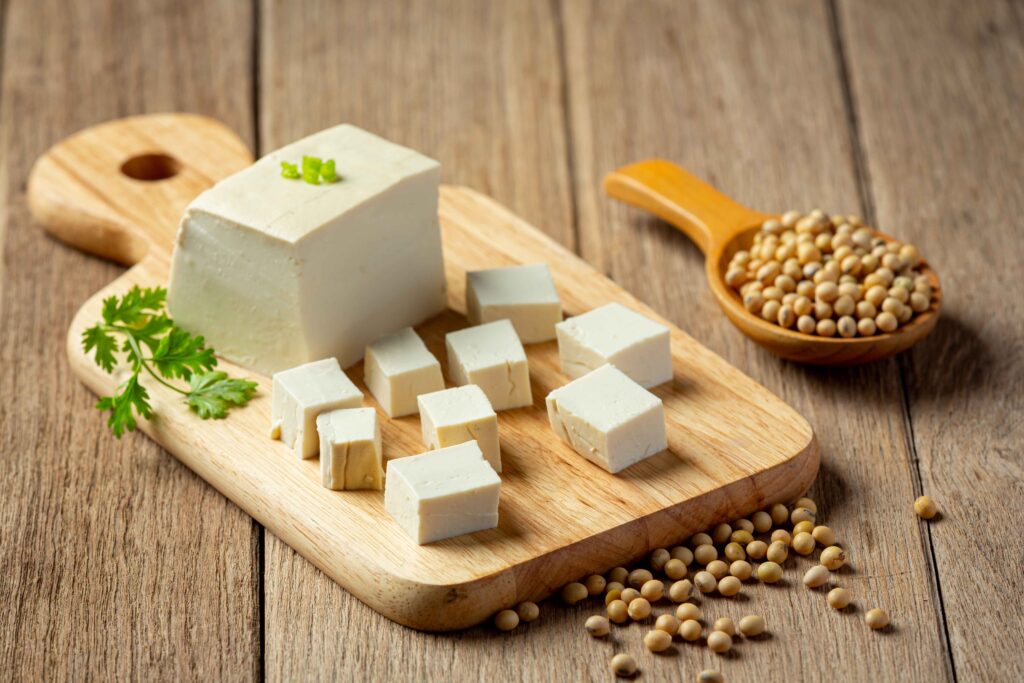
Both have nutritional advantages. Paneer generally contains more protein and calcium, while tofu is lower in calories and suitable for vegan diets.
Can People with Diabetes Eat Paneer?
Paneer can often be included as part of a balanced diet because it is relatively low in carbohydrates. Individual dietary needs may vary, so professional guidance is recommended. A comprehensive nutrition and dietician course can equip you with the skills to offer such tailored advice confidently.
Is Paneer Healthy Every Day?
For most healthy individuals, moderate daily consumption can fit within a balanced diet when combined with a variety of nutritious foods.
Conclusion
Understanding paneer nutrition facts allows you to make smarter food choices based on your personal health goals. Rich in protein, calcium, and essential nutrients, paneer is a valuable addition to many balanced diets. Whether you’re aiming to build muscle, support bone health, or simply increase your protein intake, moderate portions of paneer can contribute to overall nutritional well-being.
Learn Nutrition the Right Way with NFNA
Reading about nutrition is a great first step, but truly understanding how nutrients affect the body requires scientific knowledge and practical application. At National Fitness and Nutrition Academy (NFNA), you’ll gain evidence-based nutrition education from experienced professionals through industry-focused courses designed for aspiring nutritionists, fitness coaches, healthcare professionals, and wellness enthusiasts.
If you’re passionate about nutrition and want to build the skills to make informed dietary decisions or pursue a rewarding career in health and fitness, NFNA offers the knowledge, practical learning, and expert guidance to help you achieve your goals with confidence.
Q1. How much protein is there in 100g of paneer?
Most varieties provide approximately 18–21 grams of protein per 100 grams, making paneer one of the richest vegetarian protein sources.
Q2. Can paneer help with weight loss?
Yes. Its high protein content may increase satiety and help support weight management when eaten in appropriate portions as part of a calorie-controlled diet.
Q3. Is paneer healthier than cheese?
Paneer is generally lower in sodium than many aged cheeses and contains valuable protein and calcium, although nutritional values differ between products.
Q4. What are the main paneer nutrition facts?
The key nutrients include protein, healthy fats, calcium, phosphorus, vitamin B12, potassium, and small amounts of carbohydrates.
Q5. Why is paneer considered a healthy food?
Paneer provides complete dairy protein, supports bone health, contributes calcium and vitamin B12, and can help promote fullness after meals.
Q6. Will eating paneer build muscle?
Paneer supports muscle growth by providing high-quality protein, especially when combined with regular resistance training and an overall balanced diet.
Q7. How much paneer should I eat daily?
For many adults, 50–100 grams can fit into a balanced diet, although individual nutritional requirements vary.
Q8. Can I eat paneer every day?
Yes, many healthy individuals can include paneer daily in moderation as part of a varied, balanced eating pattern rich in fruits, vegetables, whole grains, and other protein sources.