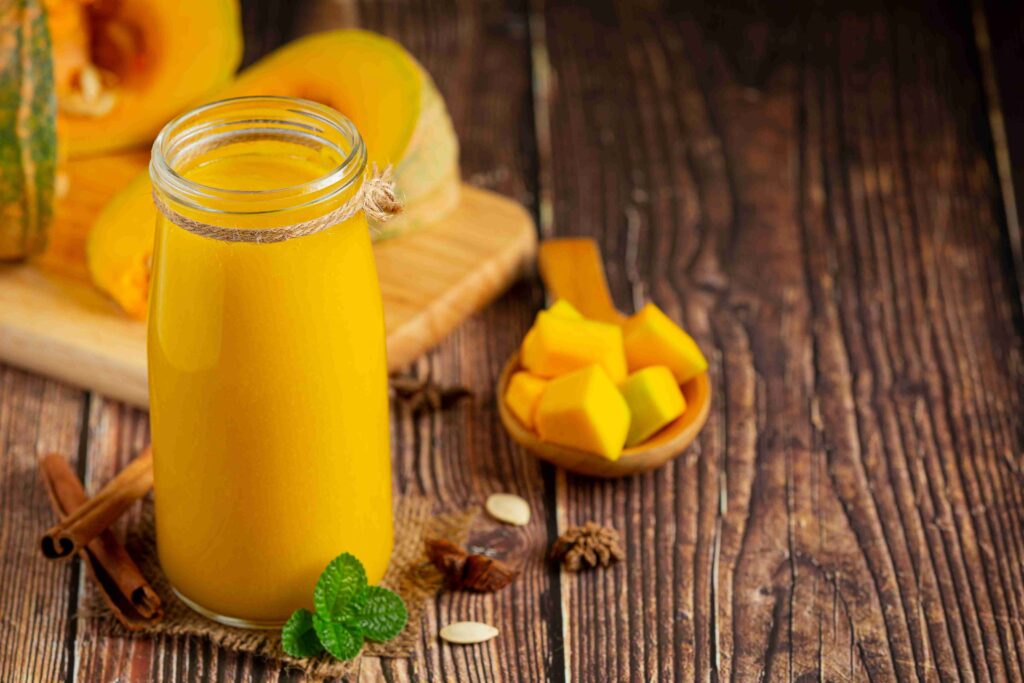
Mango shake nutrition facts vary depending on the ingredients used, but a standard homemade glass (250–300 ml) typically contains 180–280 calories, carbohydrates, protein, healthy fats, vitamins A and C, calcium, and potassium. Made with fresh mangoes and milk, it can be a nutritious beverage when enjoyed in moderation and prepared without excessive added sugar.
Mango shakes are a favourite summer drink enjoyed for their rich flavour and creamy texture. Understanding mango shake nutrition facts helps you make informed dietary choices, whether your goal is maintaining a balanced diet, supporting fitness, or simply enjoying seasonal fruits. At NFNA (National Fitness and Nutrition Academy), we believe nutrition education should be based on science, and this exact kind of food-science depth is what our dietician course covers, making it easier to choose foods that support your overall health.
What Are the Nutrition Facts of a Mango Shake?
The exact mango shake nutrition facts depend on the type of milk, the amount of mango used, and whether sugar, ice cream, or other ingredients are added. A homemade mango shake prepared with fresh mango and milk offers a good balance of carbohydrates, protein, vitamins, and minerals.
Average Nutrition in One Glass (250–300 ml)
|
Nutrient |
Approximate Amount |
|
Calories |
180–280 kcal |
|
Carbohydrates |
35–45 g |
|
Protein |
6–8 g |
|
Fat |
4–8 g |
|
Dietary Fibre |
2–4 g |
|
Natural Sugar |
28–35 g |
|
Calcium |
220–300 mg |
|
Vitamin C |
35–45 mg |
|
Vitamin A |
900–1200 IU |
|
Potassium |
450–550 mg |
These values are approximate and can vary depending on the ingredients and serving size.
Calories in a Mango Shake
Calories are one of the first things people look for when checking mango shake nutrition facts. While mangoes naturally contain fruit sugars, the total calorie count depends largely on the ingredients added during preparation.
Homemade Mango Shake
A simple homemade shake made with ripe mangoes and low-fat milk generally contains around 180–220 calories per serving. To put that in context, knowing how many calories in 1 kg of body weight can help you see how a single shake fits into your broader calorie goals.
Mango Shake with Sugar
Adding two teaspoons of sugar increases the calorie count by approximately 30–35 calories, making the drink sweeter but more energy-dense.
Mango Shake with Ice Cream
A mango shake blended with vanilla ice cream can easily exceed 300–400 calories per serving due to added sugar and fat.
Low-Calorie Alternative
For a lighter version, use:
- Low-fat or skimmed milk
- No added sugar
- Fresh ripe mangoes
- Ice cubes for extra volume
This helps retain flavour while reducing overall calories.
Macronutrient Breakdown
A closer look at mango shake nutrition facts shows that this beverage provides several essential macronutrients that support everyday health.
- Carbohydrates: Mangoes are naturally rich in carbohydrates, providing quick energy. These carbohydrates come mainly from natural fruit sugars and make mango shakes an excellent option before physical activity or during hot weather when energy levels need replenishment.
- Protein: Milk contributes protein, which supports muscle maintenance, growth, and tissue repair. Increasing protein content by adding Greek yoghurt or protein powder can make a mango shake more filling, a balance often explained in more depth in a nutrition and dietician course.
- Healthy Fats: The fat content depends on the milk used. Whole milk contains more healthy fats, while skimmed milk offers a lower-fat alternative without significantly affecting nutritional quality.
- Dietary Fibre: Fresh mango contains dietary fibre that supports digestive health and promotes satiety. Although blending slightly reduces fibre compared to eating whole fruit, homemade mango shakes still contribute beneficial fibre.
Vitamins and Minerals Found in Mango Shake
One of the biggest advantages of understanding mango shake nutrition facts is recognising the valuable micronutrients this drink provides.
- Vitamin A: Mangoes are an excellent source of Vitamin A, which supports healthy vision, skin, and immune function.
- Vitamin C: Vitamin C acts as a powerful antioxidant that helps strengthen the immune system and supports collagen production for healthy skin.
- Calcium: Milk contributes calcium, an essential mineral for maintaining strong bones and teeth while supporting normal muscle function, a topic covered in structured detail in a dietician diploma course.
- Potassium: Potassium helps regulate fluid balance, supports nerve function, and contributes to healthy blood pressure levels.
- Magnesium: Magnesium plays a role in energy production, muscle function, and hundreds of enzymatic reactions throughout the body.
- Folate: Folate supports healthy cell growth and DNA synthesis, making it particularly important during periods of rapid growth and development.
Health Benefits of Mango Shake
When prepared with wholesome ingredients, mango shakes can be part of a balanced diet. Understanding mango shake nutrition facts also helps explain why this refreshing beverage offers several health benefits.
- Provides Natural Energy: The natural carbohydrates found in mangoes provide readily available energy, making mango shakes a suitable snack before exercise or during busy days.
- Supports Immunity: Vitamin C and antioxidants found in mangoes contribute to normal immune function and help protect cells from oxidative stress.
- Promotes Bone Health: Milk supplies calcium and protein, two nutrients essential for maintaining healthy bones throughout life, an area of focus in a professional dietician course in mumbai.
- Aids Muscle Recovery: Adding a quality protein source such as milk or Greek yoghurt makes mango shakes suitable as a post-workout beverage, helping support muscle repair.
- Supports Healthy Digestion: Mangoes contain dietary fibre and natural enzymes that may assist digestion when consumed as part of a balanced diet.
- Rich in Antioxidants: Mangoes contain beneficial plant compounds such as carotenoids and polyphenols, which help combat oxidative stress and support overall wellbeing.
Is Mango Shake Healthy?
Many people wonder whether mango shakes are healthy or simply high in sugar. The answer depends on how they’re prepared.
A homemade mango shake made with fresh fruit, milk, and no added sugar can be a nutritious addition to a balanced eating plan. However, commercially prepared versions often contain added sugars, syrups, or ice cream, which significantly increase calorie content.
To make your shake healthier:
- Choose fresh ripe mangoes.
- Skip refined sugar whenever possible.
- Use low-fat or unsweetened milk based on your dietary needs.
- Keep portion sizes moderate.
- Pair your shake with a balanced meal instead of consuming it alongside sugary snacks.
Understanding mango shake nutrition facts allows you to enjoy this delicious beverage while keeping your overall nutrition goals in mind, the kind of practical knowledge taught in a dietician course in delhi.
Can Mango Shake Help with Weight Loss or Weight Gain?
Mango shakes can fit into both weight-loss and weight-gain plans depending on their ingredients and serving size.
For Weight Loss
To make a mango shake suitable for a calorie-controlled diet:
- Use skimmed or low-fat milk.
- Avoid added sugar.
- Limit the serving size.
- Add Greek yoghurt for extra protein and satiety.
-
Include chia seeds or flaxseeds for additional fibre. For comparison, it also helps to know how many calories in one banana when planning a balanced snack alongside a shake like this.
For Weight Gain
If your goal is healthy weight gain, you can increase the nutritional value by adding:
- Whole milk
- Oats
- Peanut butter
- Almonds or cashews
- Whey protein (if appropriate for your nutritional needs)
The key is ensuring the shake fits within your daily calorie and nutrient requirements rather than relying on it alone.
How to Make a Healthy Mango Shake at Home
Ingredients
- 1 ripe mango (peeled and chopped)
- 250 ml low-fat or whole milk
- 2–3 ice cubes
- Optional: Greek yoghurt, chia seeds, or a pinch of cardamom
Method
- Add the mango pieces to a blender.
- Pour in the milk.
- Blend until smooth.
- Add ice cubes and blend again.
- Serve immediately for the best flavour and nutritional value.
Nutrition Per Serving
- Calories: Approximately 190–220 kcal
- Protein: 7–8 g
- Carbohydrates: 36–40 g
- Fat: 4–6 g
Common Mistakes People Make While Drinking Mango Shake
Although mango shakes can be nutritious, certain habits may reduce their health benefits:
- Adding excessive sugar
- Using sweetened syrups or flavoured milk
- Choosing large serving sizes
- Adding ice cream regularly
-
Treating the shake as a replacement for a balanced meal without considering overall nutrient intake. If you’re weighing up quick snack options, it’s also useful to know how many calories in maggi when deciding what to pair with your shake.
Who Should Drink Mango Shake?
A homemade mango shake can be enjoyed by many individuals, including:
- Children who need energy and calcium
- Athletes and active individuals
- Gym-goers after exercise
- Underweight individuals looking for nutritious calories
- Older adults who prefer easy-to-consume, nutrient-rich foods
People managing diabetes or following a calorie-restricted diet should pay close attention to portion size and avoid unnecessary added sugars.
Final Thoughts
Understanding mango shake nutrition facts helps you enjoy this popular drink more healthily. Fresh mangoes provide vitamins, antioxidants, fibre, and natural sweetness, while milk adds protein and calcium. The nutritional value depends largely on the ingredients and portion size. When prepared with fresh fruit and minimal added sugar, a mango shake can be a delicious addition to a balanced diet that supports both taste and nutrition.
Learn Nutrition Beyond the Basics with NFNA
Knowing the mango shake nutrition facts is just one step towards making informed food choices. At NFNA (National Fitness and Nutrition Academy), we believe that understanding nutrition goes beyond counting calories. Our expert-led nutrition and fitness programs are designed to help aspiring nutrition professionals, fitness enthusiasts, and health-conscious individuals build a strong foundation in evidence-based nutrition, meal planning, metabolism, and lifestyle management. Whether you’re looking to enhance your own wellbeing or pursue a rewarding career in nutrition and fitness, NFNA equips you with practical knowledge and industry-relevant skills to make a meaningful impact.
Q1. What are the nutrition facts of a mango shake?
A homemade mango shake typically contains 180–280 calories, carbohydrates, protein, calcium, Vitamin A, Vitamin C, potassium, and small amounts of healthy fats, depending on the ingredients used.
Q2. How can I make a healthier mango shake?
Use fresh ripe mangoes, low-fat milk, avoid added sugar, and consider adding Greek yoghurt or chia seeds for extra protein and fibre.
Q3. Can mango shake help with weight gain?
Yes. Adding whole milk, nuts, oats, or nut butter increases calories and nutrients, making it suitable for healthy weight gain.
Q4. Can I drink a mango shake every day?
Yes, if it fits within your daily calorie and nutrient requirements and is prepared with minimal added sugar.
Q5. Is mango shake good after a workout?
Yes. The carbohydrates replenish energy, while milk provides protein that supports muscle recovery.
Q6. Will adding sugar increase the calories in a mango shake?
Yes. Even small amounts of added sugar increase the calorie content without adding significant nutritional value.
Q7. Why is mango shake rich in Vitamin C?
Fresh mangoes naturally contain Vitamin C, an antioxidant that supports immune function, collagen production, and overall health.
Q8. What is the healthiest way to prepare a mango shake?
The healthiest version uses fresh ripe mangoes, low-fat or unsweetened milk, no refined sugar, and optional protein-rich additions like Greek yoghurt.