Author Archives: nfnaAdmin

gym diet

Gym Diet: The Complete Guide to Fueling Your Fitness Journey

A well-structured gym diet is the foundation of any successful fitness journey. Whether your goal is muscle gain, fat loss, endurance, or overall fitness, the food you consume plays a pivotal role in determining your results. Simply exercising without paying attention to what you eat can slow progress, reduce energy, and impair recovery.

A proper gym diet provides the necessary nutrients your body needs to perform optimally, recover efficiently, and adapt to physical stress. By combining the right balance of proteins, carbohydrates, fats, vitamins, and minerals, you can enhance muscle growth, lose fat effectively, and maintain high energy levels throughout the day. In the next sections, we will guide you through everything you need to know about a gym diet, including components, meal planning, pre- and post-workout nutrition, supplements, and expert tips.

Understanding the Basics of a Gym Diet

What Is a Gym Diet?

A gym diet is not just about eating less or counting calories; it is a carefully designed nutrition plan that fuels workouts, aids recovery, and supports your fitness goals. Unlike general diets, a gym diet focuses on providing sufficient macronutrients and micronutrients in the right proportions to ensure your body functions at its peak.

A good gym diet emphasizes:

  • Adequate protein intake for muscle repair and growth
  • Complex carbohydrates for sustained energy during workouts
  • Healthy fats for hormone regulation and joint health
  • Essential vitamins and minerals to support overall body function
  • Proper hydration for energy and recovery

Following a structured gym diet ensures that the hard work you put into the gym translates into tangible results. Without the right nutrition, your body cannot build muscle, burn fat efficiently, or sustain high-intensity workouts.

Why a Gym Diet Is Crucial for Results

Many people assume that spending hours at the gym guarantees results. In reality, diet contributes equally, if not more, to achieving fitness goals. A gym diet directly affects:

  • Energy levels during workouts
  • Muscle repair and growth after training
  • Fat loss while maintaining lean muscle mass
  • Hormonal balance and metabolism
  • Recovery and reduction in post-exercise fatigue

Without a proper gym diet, even a well-planned workout routine can fail to produce visible results. Nutrition provides the fuel and building blocks your body needs to grow stronger, leaner, and healthier.

Key Components of an Effective Gym Diet

Protein – The Building Block of Muscles

Protein is the most critical macronutrient in a gym diet because it repairs damaged muscles, promotes growth, and supports recovery. Consuming enough protein ensures that your workouts lead to tangible muscle gains.

Protein Sources:

  • Eggs and egg whites
  • Chicken, fish, and lean meats
  • Paneer, tofu, lentils, chickpeas
  • Whey protein supplements

Recommended Intake: Aim for 1.6 to 2.2 grams of protein per kilogram of body weight daily, depending on your fitness goals and training intensity. For example, a 70 kg individual should consume approximately 112–154 grams of protein each day.

Carbohydrates – The Body’s Primary Fuel

Carbohydrates are the main energy source in a gym diet, essential for high-intensity workouts and optimal performance. They replenish glycogen stores in muscles and prevent fatigue.

Carbohydrate Sources:

  • Oats, quinoa, brown rice, and whole wheat bread
  • Fruits such as bananas, apples, and berries
  • Sweet potatoes and legumes

Complex carbohydrates are preferable over simple sugars, as they provide sustained energy without causing blood sugar spikes. Including the right amount of carbs in your gym diet ensures you can train harder and recover faster.

Healthy Fats – Supporting Hormones and Recovery

Healthy fats are essential for hormone production, joint health, and overall wellbeing. A proper gym diet includes fats to balance testosterone levels, which are crucial for muscle growth.

Healthy Fat Sources:

  • Olive oil and avocado
  • Nuts and seeds
  • Fatty fish like salmon and mackerel

Fats should make up a moderate portion of your gym diet, contributing to energy levels and nutrient absorption without compromising fat loss goals.

Micronutrients and Hydration

Micronutrients such as vitamins and minerals are vital for energy metabolism, immunity, and recovery. Hydration plays a key role in maintaining performance during workouts and aiding muscle recovery.

Key hydration and micronutrient tips for a gym diet:

  • Drink at least 2 to 3 liters of water daily
  • Include a variety of fruits and vegetables for vitamins and minerals
  • Replenish electrolytes during long or intense workouts

A well-balanced gym diet that includes these components ensures your body functions optimally and recovers efficiently.

Pre- and Post-Workout Nutrition

Pre-Workout Nutrition

Pre-workout meals are crucial for providing energy and enhancing endurance during exercise. A proper gym diet emphasizes eating 1–2 hours before training with a combination of carbohydrates and moderate protein.

Pre-Workout Meal Examples:

  • Oats with whey protein and fruits
  • Banana with peanut butter
  • Boiled eggs with whole-grain toast

Eating the right foods before training helps maintain stamina, improves focus, and prevents early fatigue, allowing you to perform at your best during workouts.

Post-Workout Nutrition

Post-workout nutrition is essential for recovery, muscle repair, and glycogen replenishment. Consuming protein and fast-digesting carbohydrates within 30–60 minutes of exercise maximizes results.

Post-Workout Meal Examples:

  • Whey protein shake with a banana
  • Paneer or tofu with steamed vegetables
  • Grilled chicken with brown rice

Following this strategy ensures your body has the nutrients required to recover and grow stronger after intense workouts.

Sample Gym Diet Plan (Indian Context)

  • Early Morning: Warm water with lemon and soaked almonds
  • Breakfast: Oats with milk and chia seeds
  • Mid-Morning Snack: Fresh fruit with green tea
  • Lunch: Brown rice with dal and grilled chicken or paneer
  • Pre-Workout Snack: Banana with whey protein
  • Post-Workout Meal: Whey protein shake with boiled egg whites
  • Dinner: Fish or tofu with mixed vegetables
  • Bedtime Snack: Skim milk or casein protein

Adjust portion sizes according to your fitness goals. Individuals aiming for muscle gain should increase portions, while those focusing on fat loss should control calories while maintaining nutrient balance.

Common Gym Diet Mistakes to Avoid

Avoiding mistakes can make your gym diet far more effective. Common pitfalls include:

  • Skipping meals or under-eating, which slows metabolism
  • Over-reliance on supplements instead of whole foods
  • Ignoring hydration, leading to decreased energy and performance
  • Failing to track calories and macronutrients
  • Consuming too many processed foods or refined carbohydrates

Correcting these mistakes ensures that your gym diet produces maximum results and supports sustainable fitness goals.

Supplements That Support a Gym Diet

While a gym diet should prioritize whole foods, supplements can be beneficial when used correctly. Recommended supplements include:

  • Whey protein for muscle recovery
  • Creatine for improved strength and endurance
  • Omega-3 fatty acids for joint health and inflammation reduction
  • Multivitamins to fill micronutrient gaps

Consult a certified nutritionist before incorporating supplements into your gym diet to ensure safety and effectiveness.

Customizing Your Gym Diet by Goal

  • For Muscle Gain: Focus on a calorie surplus, high protein intake, and strength-based training. Include lean meats, paneer, eggs, and protein shakes in your gym diet.
  • For Fat Loss: Maintain a calorie deficit, prioritize protein and fiber, and reduce refined carbohydrates. Consistency with portion control is key.
  • For General Fitness: Follow a balanced gym diet with moderate protein, carbs, and fats. Ensure hydration and regular consumption of fruits and vegetables for micronutrients.

Expert Tips to Maximize Gym Diet Results

  • Track your food intake using apps or journals to maintain consistency
  • Prioritize whole, unprocessed foods over packaged or fast foods
  • Include protein in every meal every 3–4 hours
  • Get 7–8 hours of sleep daily to support recovery
  • Reassess your gym diet plan every 4–6 weeks to adapt to progress and goals

Conclusion 

A proper gym diet is the foundation of any fitness journey. Training alone cannot deliver results without the right nutrition. By balancing proteins, carbohydrates, fats, and micronutrients, and strategically timing meals, you can maximize energy, muscle growth, and recovery.

Start following a structured gym diet today to combine workouts with smart nutrition and achieve sustainable, long-term fitness goals.

Ready to turn your passion for fitness and nutrition into a professional career?

Enroll with NFNA – The National Fitness & Nutrition Academy, India’s most trusted institute for nutrition and fitness education. Learn from expert doctors, dietitians, and fitness trainers. Build your brand, transform lives, and become a certified fitness professional.

Join thousands of students who have elevated their careers with NFNA. Enquire today and start your transformation journey!

Frequently Asked Questions  

Q1. What is a gym diet and why is it important?

A gym diet is a nutrition plan designed to fuel workouts, aid recovery, and achieve fitness goals. It is important because it ensures energy, muscle growth, fat loss, and optimal performance.

Eating 5–6 small meals spaced every 2–3 hours helps maintain energy, supports metabolism, and aids muscle recovery.

Yes, by maintaining a calorie deficit, eating protein-rich meals, and limiting refined carbs, a gym diet can help you lose fat while preserving muscle.

Supplements are not mandatory. They are useful to fill gaps or support recovery but should not replace whole foods.

Consume a post-workout meal within 30–60 minutes after exercise to maximize recovery and support muscle growth.

Absolutely. Paneer, lentils, tofu, eggs, and whey protein provide sufficient protein for muscle growth in a vegetarian gym diet.

Monitor energy levels, strength, endurance, body composition, and recovery. If improvements are consistent, your gym diet is effective.

Yes, a properly structured gym diet provides sustained energy, supports recovery, and enhances physical performance, improving overall fitness and stamina.

1 scoop of whey protein calories

1 Scoop of Whey Protein Calories – Complete Guide for Fitness and Nutrition Enthusiasts

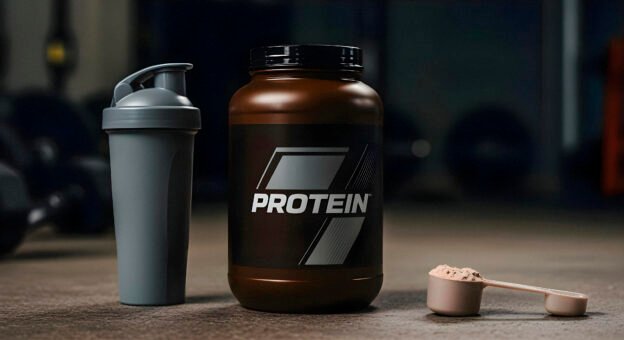
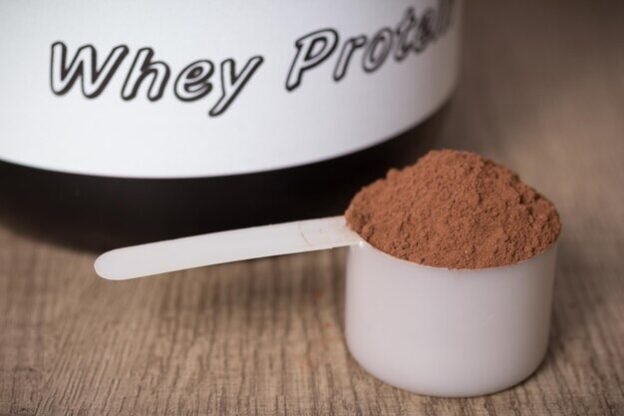
Understanding 1 scoop of whey protein calories is essential for anyone serious about fitness, nutrition, and body composition goals. On average, 1 scoop of whey protein calories ranges between 100 and 150, depending on the type and brand. Knowing this helps you plan your daily calorie intake accurately, whether your goal is muscle gain, fat loss, or maintenance.

Whey protein is one of the most popular supplements in the fitness world because it provides a concentrated source of high-quality protein that supports muscle repair, recovery, and overall health. Tracking 1 scoop of whey protein calories allows you to align your supplementation with your personal nutrition plan, avoid overconsumption, and maximize the benefits of your training. At NFNA, we focus on evidence-based nutrition to help you make informed choices and achieve your fitness goals efficiently.

What Is Whey Protein and Why It’s Popular

Whey protein is a protein derived from milk during the cheese-making process. It is a complete protein, which means it contains all nine essential amino acids that the body cannot produce on its own. This makes whey protein highly valuable for muscle repair, recovery, and growth, and explains why it has become a staple in fitness nutrition.

Types of Whey Protein

  • Whey Protein Concentrate; Typically contains 70 to 80 percent protein, with small amounts of carbohydrates and fats. It is often more flavorful and more affordable than other forms. The calorie content varies, so tracking 1 scoop of whey protein calories is important for accuracy.
  • Whey Protein Isolate: Highly purified protein, usually 90 percent or higher, with very low carbohydrates and fats. Ideal for those who want to minimize calorie intake while maximizing protein content. 1 scoop of whey protein calories in isolates is often lower than concentrates.
  • Whey Protein Hydrolysate: Pre-digested whey that is absorbed quickly by the body, often used in post-workout recovery formulas. 1 scoop of whey protein calories for hydrolysate usually falls between 100 and 120, making it a light but effective option.

Whey protein is widely used because it helps improve muscle synthesis, recovery, and overall performance. It is suitable for beginners and professional athletes alike. By knowing 1 scoop of whey protein calories, you can plan your nutrition with precision.

The Calorie Content: How Many Calories in 1 Scoop of Whey Protein

When it comes to 1 scoop of whey protein calories, understanding the differences between protein types and brands is key. On average, calories per scoop range from 100 to 150. The exact calorie content depends on factors like protein type, flavoring, and serving size.

Typical calorie and nutrient breakdown for 1 scoop of whey protein:

Whey Protein Concentrate

  •  Calories per scoop: 130 to 150
  •  Protein: 20 to 25 grams
  •  Carbohydrates: 3 to 5 grams
  •  Fat: 2 to 4 grams

Whey Protein Isolate

  •  Calories per scoop: 100 to 120
  •  Protein: 24 to 27 grams
  •  Carbohydrates: 1 to 3 grams
  •  Fat: 0.5 to 1 gram

Whey Protein Hydrolysate

  •  Calories per scoop: 100 to 120
  •  Protein: 25 to 28 grams
  •  Carbohydrates: 1 to 2 grams
  •  Fat: 0.5 to 1 gram

Knowing 1 scoop of whey protein calories is essential for tracking your macronutrients and ensuring that you meet your protein requirements without exceeding your calorie goals.

Nutritional Breakdown of 1 Scoop of Whey Protein

A single scoop of whey protein offers more than just protein; it provides a balance of macronutrients and micronutrients to support overall health and fitness.

Protein

Protein in whey is a complete source, rich in essential amino acids such as leucine, isoleucine, and valine. These amino acids help with muscle repair, recovery, and growth, making whey protein ideal for post-workout supplementation. 1 scoop of whey protein calories often delivers 20 to 28 grams of protein, depending on the type.

Carbohydrates

While the carbohydrate content is low, it provides a small amount of energy to support workouts and recovery. Concentrates have slightly higher carbs than isolates and hydrolysates.

Fats

Fat content in whey protein is minimal, but it contributes to hormone production and cellular function, supporting overall wellness.

Micronutrients

Some whey proteins also provide minerals and vitamins like calcium, magnesium, and B-complex vitamins, which support bone health, energy metabolism, and recovery.

A single scoop is a nutrient-dense option, providing essential nutrients in a convenient form while keeping calorie intake controlled.

Factors That Affect Calorie Count in Whey Protein

The calorie content of whey protein can vary based on several factors. Understanding these helps you make better decisions about your intake of 1 scoop of whey protein calories.

  • Brand and Formulation: Sweeteners, flavorings, and other additives can increase the calorie content.
  • Processing Method: Whey protein concentrates generally have slightly higher calories than isolates.
  • Serving Size Accuracy: Using a heaping scoop instead of a level scoop can add 20 to 30 calories.
  • Mixing Liquid: Mixing whey with water keeps calories minimal, while milk or juice increases total calories.

Tracking 1 scoop of whey protein calories carefully ensures accurate nutrition planning and helps you achieve your fitness goals.

How to Incorporate Whey Protein into Your Diet

Integrating whey protein into your diet is easy and versatile. Here are some ways to make the most of 1 scoop of whey protein calories:

  • For Muscle Gain: Mix whey protein with milk, a banana, and oats for a post-workout recovery shake.
  • For Weight Loss: Blend whey protein with water and fiber-rich ingredients like chia seeds or psyllium husk to keep calories low.
  • As a Meal Replacement: Combine whey protein with fruits, nut butter, and oats for a convenient and nutrient-dense meal.
  • Creative Options: Use whey protein in pancakes, smoothies, and baked goods to enhance taste while controlling 1 scoop of whey protein calories.

Proper planning helps you maximize the benefits of whey protein while staying within your caloric targets.

Choosing the Right Whey Protein for Your Goals

Different whey proteins are suited for specific fitness objectives. Choosing the right type ensures that 1 scoop of whey protein calories fits your goals.

  • Lean Muscle: Whey isolate is ideal because of its high protein and low carbohydrate and fat content.
  • Bulking: Whey concentrate or blended proteins provide extra calories for energy surplus and muscle growth.
  • Recovery: Hydrolysate is absorbed quickly, perfect for post-workout nutrition.
  • Vegan Alternatives: Plant-based proteins can serve as an alternative for those avoiding dairy, though calorie content may vary.

Reading nutrition labels and checking for certifications ensures that you get a quality product while accurately tracking 1 scoop of whey protein calories.

Expert Insight from NFNA

Understanding 1 scoop of whey protein calories is key for personalized nutrition. NFNA instructors emphasize the importance of tracking calories and macronutrients to ensure every scoop contributes effectively to your fitness and wellness objectives.

“Tracking calorie content in supplements is essential for aligning nutrition with fitness goals. Each scoop of whey protein can make a difference when used strategically.” – NFNA Instructor

Conclusion

Whey protein is a versatile, nutrient-dense supplement that goes beyond simply providing protein. By understanding 1 scoop of whey protein calories, you can make informed decisions for muscle gain, weight management, or recovery. Proper tracking ensures that your protein intake aligns with your overall dietary goals, maximizing the benefits of your training. Incorporate whey protein strategically, and each scoop can contribute to a healthier, stronger, and fitter you. If you want to deepen your understanding of supplementation, macronutrient planning, and clinical nutrition, pursuing a nutrition and dietetics certification at NFNA gives you the evidence-based expertise and practical skills to turn your passion for fitness nutrition into a professional career.

Visit NFNA.in to start your journey to becoming a certified nutrition expert today.

Frequently Asked Questions  

Q1. How many calories are in 1 scoop of whey protein?

On average, 1 scoop of whey protein calories ranges from 100 to 150, depending on the type and brand.

Yes, whey protein can support weight loss by providing satiety and helping maintain lean muscle mass while keeping calories in check.

Flavored whey proteins often contain sweeteners and additives, which slightly increase 1 scoop of whey protein calories compared to unflavored versions.

Whey isolate generally has fewer calories and less fat and carbohydrate, making it ideal for those closely monitoring 1 scoop of whey protein calories.

Whey protein can supplement meals, but whole foods are recommended for a balanced intake of micronutrients.

Typically, 1 scoop of whey protein provides 20 to 28 grams of high-quality protein, depending on the type.

Yes, mixing with milk adds carbohydrates and fat, increasing the total 1 scoop of whey protein calories.

Absolutely. The amino acids in whey protein support muscle repair, reduce recovery time, and improve strength gains.

pcod diet

PCOD Diet: The Ultimate Guide to Balancing Hormones Naturally

If you are struggling with Polycystic Ovarian Disease, what you eat every day can be your strongest tool for managing symptoms naturally. A carefully planned PCOD diet can help regulate hormones, support healthy weight, improve insulin sensitivity, and reduce inflammation. Many women with PCOD experience irregular periods, acne, fatigue, hair loss, and difficulty managing weight. While medication can assist, research highlights that the right diet is the cornerstone of symptom management and long-term wellness.

This guide explores the best foods to eat and avoid, a detailed Indian-style PCOD diet plan, lifestyle strategies, and expert tips to empower women to take control of their health. By following a structured PCOD diet, women can achieve hormonal balance, improve metabolic health, and regain confidence in their wellness journey.

What Is PCOD and Why Diet Matters

Polycystic Ovarian Disease (PCOD) is a hormonal disorder characterized by an imbalance in reproductive hormones, which can affect ovulation and metabolic processes. The primary concerns in PCOD include elevated androgen levels, insulin resistance, weight gain, and irregular menstrual cycles. These hormonal disruptions can lead to long-term health complications such as diabetes, cardiovascular problems, and infertility.

The role of diet in managing PCOD cannot be overstated. A carefully structured PCOD diet helps regulate blood sugar levels, reduce androgen production, and lower inflammation in the body. Research shows that women who adopt low-glycemic, fiber-rich, and nutrient-dense foods experience better menstrual regularity, improved ovulation, and gradual, sustainable weight loss. Unlike fad diets or crash diets, a PCOD diet focuses on balance, sustainability, and long-term hormonal harmony.

By prioritizing whole foods, lean proteins, healthy fats, and anti-inflammatory ingredients, women can directly influence their hormonal health. Diet is not just a tool for weight management; it is a fundamental part of managing PCOD at its core.

Foods to Eat in a PCOD Diet

Eating the right foods is critical for anyone following a PCOD diet. Proper nutrition can stabilize blood sugar, reduce androgen levels, support metabolism, and promote overall well-being. Here are the recommended foods:

Low-GI Carbohydrates

  •  Whole grains such as oats, quinoa, brown rice, and barley
  •  Millets like ragi, jowar, and bajra
  •  Sweet potatoes instead of white potatoes
  •  Legumes such as lentils, chickpeas, and kidney beans

Lean Proteins

  •  Eggs and fish for non-vegetarians
  •  Paneer, tofu, soy products, and legumes for vegetarians
  •  Low-fat dairy options like yogurt and cottage cheese

Healthy Fats

  •  Avocado, olive oil, and coconut oil in moderation
  •  Seeds including flaxseeds, chia seeds, pumpkin seeds, and sunflower seeds
  •  Nuts such as almonds, walnuts, and pistachios

Fibre-Rich Foods

  •  Fresh vegetables like spinach, broccoli, zucchini, and bell peppers
  •  Fruits including berries, guava, apples, and pears in moderate portions

Anti-Inflammatory Foods

  •  Turmeric, ginger, and garlic
  •  Green tea, cinnamon, and cinnamon-spiced beverages
  •  Foods rich in omega-3 fatty acids such as flaxseeds, walnuts, and fatty fish

Pairing proteins with fiber in each meal is a key strategy in a PCOD diet to prevent insulin spikes and promote steady energy throughout the day. Consistent inclusion of these foods can significantly improve metabolic health and hormonal balance.

Foods to Avoid in a PCOD Diet

Equally important in a PCOD diet is avoiding foods that exacerbate hormonal imbalance, insulin resistance, and inflammation. Key foods to limit or eliminate include:

  • Refined carbohydrates such as white bread, pasta, pastries, and sugary cereals
  •  Fried foods, fast food, and heavily processed snacks
  •  Sugary beverages including sodas, packaged juices, and energy drinks
  •  Red and processed meats
  •  Artificial sweeteners and excessive dairy products

Avoiding these foods can improve insulin sensitivity, lower androgen levels, reduce inflammation, and support weight management. Women often see improvements in energy levels, menstrual regularity, and overall well-being once these foods are minimized in a PCOD diet.

Sample 7-Day PCOD Diet Plan (Indian Meal Chart)

Here’s a 7-day PCOD-friendly meal plan with easily available Indian foods:

Day

Breakfast

Lunch

Dinner

Snacks

Day 1

Vegetable poha + green tea

Multigrain roti + dal + sabzi

Grilled paneer + soup

Almonds + apple

Day 2

Moong dal chilla

Brown rice + rajma + salad

Tofu stir-fry

Cucumber sticks + hummus

Day 3

Ragi porridge

Chapati + methi dal + veggies

Baked fish + sweet potatoes

Walnuts + herbal tea

Day 4

Oats upma

Quinoa + vegetable pulao

Paneer tikka + salad

Roasted chickpeas

Day 5

Besan cheela + mint chutney

Brown rice + chana dal + sabzi

Grilled chicken/fish + veggies

Carrot sticks + nuts

Day 6

Masala omelette + green tea

Chapati + mixed dal + salad

Stir-fried tofu + broccoli

Apple slices + peanut butter

Day 7

Ragi dosa + coconut chutney

Millet khichdi + curd

Palak paneer + chapati

Mixed seeds + herbal tea

Tip: Stick to smaller, frequent meals to maintain insulin balance.

Lifestyle Tips Along with a PCOD Diet

A PCOD diet is most effective when paired with a holistic lifestyle. Key strategies include:

Exercise Daily

  •  Incorporate yoga, strength training, brisk walking, or cardio
  •  Exercise improves insulin sensitivity and supports weight management

Adequate Sleep

  •  Aim for 7-8 hours of sleep every night
  •  Sleep is crucial for hormonal repair and stress reduction

Stress Management

  •  Practice meditation, deep breathing exercises, or journaling
  •  Reducing stress helps lower cortisol levels, which can worsen PCOD symptoms

Hydration

  •  Drink at least 2-3 liters of water daily
  •  Adequate hydration supports metabolism and detoxification

Combining these habits with a structured PCOD diet improves hormone balance, boosts energy, and enhances overall well-being.

Common Mistakes to Avoid in a PCOD Diet

Women often make mistakes that undermine the effectiveness of a PCOD diet:

  • Skipping Meals: Leads to blood sugar spikes and cravings
  • Crash Dieting: Can worsen hormonal imbalance and metabolic health
  • Overeating “Healthy” Processed Foods: Items like flavored yogurts or granola bars may seem healthy but often contain sugar
  • Neglecting Strength Training: Muscle mass supports metabolism and insulin sensitivity

Avoiding these mistakes ensures that a PCOD diet provides consistent and long-term benefits.

Conclusion 

A PCOD diet is more than a weight-loss plan; it is a holistic approach to restoring hormonal balance, improving metabolism, and enhancing overall well-being. By choosing the right foods, avoiding harmful triggers, staying active, managing stress, and maintaining consistent habits, women can manage PCOD effectively. To counsel PCOD patients professionally, formal training matters explore our health and nutrition courses to build the clinical expertise needed for women’s health nutrition. With patience and discipline, a structured PCOD diet empowers women to reclaim control over their health and transform their lives naturally.

Frequently Asked Questions

Q1. Can I drink milk if I have PCOD?

Yes, but choose low-fat milk or plant-based alternatives like almond, soy, or oat milk. Avoid full-fat and sweetened dairy products.

Fruits low in sugar such as berries, guava, apples, pears, and pomegranate are ideal. Consume in moderation to prevent blood sugar spikes.

Absolutely. Vegetarians can rely on paneer, tofu, lentils, beans, nuts, and seeds to meet protein and nutrient needs.

Most women notice improvements in 4-8 weeks with consistency, including better energy levels, improved menstrual regularity, and gradual weight loss.

Intermittent fasting may help some women regulate insulin, but it should be done cautiously and under guidance to avoid hormonal imbalance.

Yes, choose grilled, steamed, or baked options and avoid fried, sugary, or processed foods. Prioritize vegetables and lean protein.

Supplements like omega-3 fatty acids, vitamin D, and inositol may help, but the focus should be on nutrient-rich whole foods.

Portion control is crucial. Eating the right quantity supports insulin balance, prevents overeating, and enhances the effectiveness of a PCOD diet.

where are proteins synthesised inside the cell

Where Are Proteins Synthesised Inside the Cell? The Science of Muscle Growth and Nutrition

Proteins are the fundamental building blocks of life and are essential for muscle growth, hormone regulation, enzyme activity, and overall metabolic function. But where are proteins synthesised inside the cell? The answer lies in specialized cellular structures called ribosomes, which act as tiny protein factories. Understanding this process is not only vital for biology students but also for nutritionists, fitness professionals, and anyone looking to maximize recovery and muscle development.

Every time you consume a protein-rich meal or perform resistance training, your cells begin the intricate process of protein synthesis. Ribosomes read the genetic instructions carried by mRNA and assemble amino acids into functional proteins. Knowing where are proteins synthesised inside the cell gives insight into how nutrition and exercise influence muscle repair, metabolism, and overall health. This article will explain the exact location of protein synthesis, the detailed process involved, and why this knowledge is crucial for nutrition and fitness professionals.

Understanding Proteins: The Building Blocks of Life

Proteins are complex macromolecules made of chains of amino acids, and they are indispensable for nearly every biological function. In the context of fitness and nutrition, proteins play several critical roles:

  • Muscle tissue repair and growth: Proteins help rebuild micro-tears in muscle fibers caused by exercise, supporting strength and hypertrophy.
  • Enzyme function: Proteins act as catalysts in biochemical reactions, such as digestion, energy metabolism, and detoxification.
  • Hormone regulation: Many hormones, including insulin, glucagon, and growth hormone, are composed of proteins and regulate metabolism, energy balance, and growth.
  • Immune system support: Proteins help produce antibodies and other molecules essential for defending the body against pathogens.

Nutrition directly affects protein synthesis. Consuming a balanced diet with high-quality protein sources ensures the body has sufficient amino acids for synthesis. Understanding where are proteins synthesised inside the cell allows nutritionists and fitness professionals to plan diets that supply amino acids effectively, maximizing muscle growth and recovery.

Protein-rich foods that support efficient protein synthesis include:

  • Eggs and dairy products
  • Lean meats such as chicken, turkey, and fish
  • Plant-based proteins like legumes, quinoa, and tofu
  • Protein supplements such as whey or casein for convenience and high biological value

By knowing where are proteins synthesised inside the cell, professionals can align dietary strategies with cellular processes to enhance physical performance and recovery.

Inside the Cell: The Machinery of Protein Synthesis

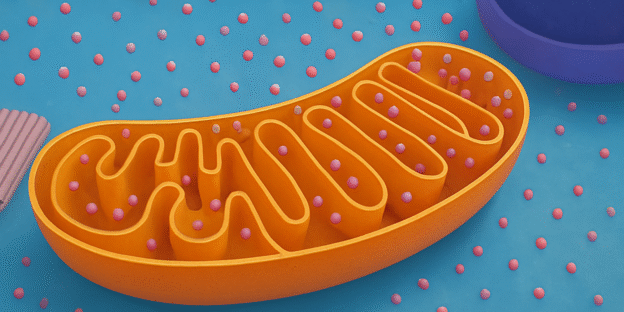
The question where are proteins synthesised inside the cell is answered by looking at the cell’s which organelle makes proteins ribosomes which are small, specialized organelles responsible for protein assembly. Ribosomes read the instructions encoded in mRNA and link amino acids together in the precise order to form functional proteins. They are the cell’s primary site of protein synthesis, playing a vital role in muscle repair, enzyme production, and hormone regulation.

There are two main types of ribosomes in the cell:

  • Free ribosomes: Found floating in the cytoplasm, these ribosomes produce proteins used internally within the cell for metabolic processes and structural functions.
  • Ribosomes attached to the Rough Endoplasmic Reticulum (RER): These ribosomes synthesize proteins destined for secretion outside the cell or for incorporation into cell membranes.

Visualizing the cell, free ribosomes act like internal workers producing proteins for the cell’s own needs, while RER-bound ribosomes are responsible for products shipped out to other cells or tissues. Understanding where are proteins synthesised inside the cell helps fitness and nutrition professionals connect cellular biology to practical applications, such as nutrient timing and protein intake.

The Process: From DNA to Protein

Protein synthesis occurs in two major stages: transcription and translation. Both stages are crucial for creating the proteins that support muscle repair, hormone function, and overall metabolism.

Transcription: DNA to mRNA

Transcription takes place in the nucleus of the cell. During this stage, the DNA code for a specific protein is copied into messenger RNA (mRNA). This mRNA serves as a blueprint, carrying the genetic instructions from the nucleus to the ribosomes, where the protein will be assembled. Without this step, ribosomes would have no instructions for protein assembly.

Translation: mRNA to Protein

Translation occurs at the ribosomes, the cellular sites where proteins are synthesised inside the cell. During translation, ribosomes read the mRNA sequence and link amino acids together in the correct order to form a polypeptide chain. These chains then fold into functional proteins capable of performing vital biological roles.

The amino acids required for this process are obtained from the diet. Consuming adequate protein ensures that the ribosomes have sufficient raw materials to synthesize proteins efficiently. This is why understanding where are proteins synthesised inside the cell is directly relevant for fitness and nutrition planning.

Steps of Protein Synthesis:

  • Transcription in the nucleus creates mRNA from DNA.
  • mRNA travels to ribosomes in the cytoplasm or attached to the RER.
  • Ribosomes translate mRNA into a chain of amino acids.
  • The amino acid chain folds into a functional protein.
  • Proteins are delivered to their required location in the cell or secreted for use elsewhere.

This process highlights the link between proper nutrition, cellular biology, and muscle growth, reinforcing why protein timing and quality matter for fitness outcomes.

Why This Matters for Fitness and Nutrition Professionals

Understanding where are proteins synthesised inside the cell has practical applications for anyone working in nutrition, fitness coaching, or sports science. It helps professionals optimize muscle growth, recovery, and metabolic efficiency.

Key Applications:

  • Protein intake timing: Consuming protein before and after exercise ensures amino acids are available when ribosomes are actively synthesizing proteins.
  • High biological value proteins: Foods that provide all essential amino acids support optimal protein synthesis.
  • Muscle recovery and growth: Ensuring adequate protein intake post-workout allows ribosomes to repair and build muscle tissue efficiently.
  • Metabolic support: Protein-rich diets promote enzyme function and hormone balance, enhancing energy production and overall health.

For example, if a client consumes a high-protein meal after strength training, ribosomes have the amino acids required to rebuild and strengthen muscle fibers. Skipping protein or consuming it at the wrong time may slow this process, reducing training efficiency.

Common Misconceptions About Protein Synthesis

  • Myth: More protein always means more muscle.
    Fact: Protein synthesis depends on exercise stimulus, hormonal balance, and nutrient timing. Excess protein without proper training does not increase muscle growth.
  • Myth: Protein supplements are required to synthesize proteins.
    Fact: Whole foods with complete amino acids can provide sufficient raw materials for protein synthesis if intake is adequate.
  • Myth: Protein synthesis occurs at the same rate constantly.
    Fact: Protein synthesis rates increase after exercise and with adequate nutrition, highlighting the importance of timing.
  • Myth: Only animal proteins are effective.
    Fact: Plant-based proteins, when combined correctly, can supply all essential amino acids necessary for efficient protein synthesis.

Key Takeaways

  • Proteins are synthesised in ribosomes, either free in the cytoplasm or attached to the RER.
  • Protein synthesis involves transcription (DNA → mRNA) and translation (mRNA → protein).
  • Amino acids from the diet are critical raw materials for protein assembly.
  • Understanding where are proteins synthesised inside the cell helps professionals plan effective nutrition and fitness strategies.
  • Proper timing, high-quality protein intake, and resistance training maximize protein synthesis, recovery, and muscle growth.

Learn the Science Behind Nutrition and Fitness with NFNA

At NFNA, we teach the science behind every cell in your body, including where are proteins synthesised inside the cell. Our courses bridge the gap between biology and practical fitness and nutrition coaching.

If you want to go deeper into how food interacts with cellular biology, our food and nutritional science course at NFNA covers the science of nutrition from the molecular level up, giving you the tools to apply it professionally.

Join India’s leading nutrition and fitness academy to master protein synthesis, metabolism, diet planning, and applied nutrition techniques. Build a career in fitness and nutrition grounded in scientific evidence.

Enroll now at NFNA and become a certified expert in Applied Nutrition and Fitness Coaching.

Frequently Asked Questions

Q1. Where are proteins synthesised inside the cell?

Proteins are synthesised in ribosomes, which may float freely in the cytoplasm or attach to the Rough Endoplasmic Reticulum (RER).

Free ribosomes produce proteins for internal cellular use, while RER-bound ribosomes synthesize proteins destined for secretion or incorporation into cell membranes.

Transcription in the nucleus converts DNA instructions into messenger RNA (mRNA), which then guides ribosomes in assembling proteins.

Translation is the process in which ribosomes read mRNA sequences and link amino acids to form polypeptide chains that become functional proteins.

Consuming protein before or after exercise ensures amino acids are available when ribosomes are actively synthesizing proteins, enhancing muscle recovery and growth.

Yes, plant-based proteins, when combined to provide all essential amino acids, can efficiently support protein synthesis.

No, protein synthesis depends on exercise stimulus, amino acid availability, hormonal balance, and nutrient timing rather than simply eating more protein.

It allows nutritionists and fitness coaches to design evidence-based diet plans, optimize recovery, and improve muscle growth outcomes scientifically.

pregnancy diet chart

Pregnancy Diet Chart – Complete Indian Guide for a Healthy and Safe Pregnancy

Maintaining proper nutrition during pregnancy is not about eating for two but about eating right for the health of both mother and baby. A carefully planned pregnancy diet chart ensures that the growing baby gets all essential nutrients while supporting the mother’s energy, immunity, and overall well-being. Following a structured pregnancy diet chart can reduce pregnancy-related complications, enhance fetal growth, and prepare the body for labor and breastfeeding.

This article provides a comprehensive pregnancy diet chart designed specifically for Indian mothers. It includes trimester-wise recommendations, foods to eat, foods to avoid, and practical tips for maintaining a balanced and healthy diet. By following this guide, expectant mothers can achieve a smooth pregnancy journey and promote lifelong health for their child.

Why Nutrition Matters During Pregnancy

Nutrition plays a pivotal role during pregnancy as it affects both the mother’s health and the baby’s development. A properly designed pregnancy diet chart ensures that essential vitamins, minerals, and nutrients are consumed in adequate amounts. Proper nutrition during pregnancy can

  • Reduce the risk of complications such as anemia, gestational diabetes, preeclampsia, and low birth weight
  • Support healthy fetal development including brain, bone, and organ formation
  • Improve maternal energy levels, immunity, and mental health
  • Build nutrient stores necessary for breastfeeding after delivery

A well-planned pregnancy diet chart goes beyond calorie counting. It focuses on the quality and balance of nutrients, ensuring both mother and baby receive the right support for a healthy pregnancy.

Essential Nutrients Every Pregnant Woman Needs

A complete pregnancy diet chart includes nutrients that support both the mother and the growing baby. Some of the most essential nutrients include:

  • Folic Acid: Folic acid is vital for the development of the baby’s neural tube and helps prevent birth defects. Indian sources include spinach, methi leaves, lentils, chickpeas, and citrus fruits. Incorporating these foods into your pregnancy diet chart from the first trimester is crucial for early fetal development.
  • Iron: Iron is required to prevent anemia and support the increased blood volume during pregnancy. Iron-rich foods in an Indian diet include jaggery, pomegranate, rajma, chana dal, and green leafy vegetables. Including iron in your pregnancy diet chart is essential for maintaining energy levels and overall health.
  • Calcium and Vitamin D: Calcium and vitamin D strengthen maternal and fetal bones, teeth, and overall skeletal health. Indian sources include milk, curd, paneer, ragi, sesame seeds, and exposure to sunlight for vitamin D. A well-structured pregnancy diet chart ensures adequate calcium intake to prevent deficiencies.
  • Protein: Protein supports the growth of fetal tissues, muscles, and organs. Indian sources of protein include paneer, lentils, eggs, tofu, and soy products. Protein should be included in every meal in your pregnancy diet chart to maintain optimal development.
  • Omega-3 Fatty Acids: Omega-3 fatty acids aid in brain and eye development for the baby. Include sources such as walnuts, flaxseeds, chia seeds, and low-mercury fish in your pregnancy diet chart to promote neurological development.
  • Fiber, Vitamins, and Minerals: Fiber promotes healthy digestion and prevents constipation. Include fruits, vegetables, and whole grains in your pregnancy diet chart to ensure proper digestion and overall maternal wellness. Vitamins and minerals from these foods support immunity and fetal growth.

A detailed pregnancy diet chart balances all these nutrients to create a comprehensive nutrition plan for expectant mothers.

Trimester-Wise Pregnancy Diet Chart

Following a trimester-wise pregnancy diet chart ensures that nutritional needs are met at each stage of pregnancy. Each trimester has specific requirements that must be considered.

First Trimester Weeks 1 to 12

Focus on folic acid, vitamin B6, hydration, and light frequent meals to combat nausea and fatigue. Include:

  • Breakfast: Poha with vegetables, a glass of milk
  • Snack: Banana or coconut water
  • Lunch: Chapati, dal, spinach curry
  • Snack: Fresh fruit or roasted chickpeas
  • Dinner: Khichdi or vegetable soup

Tips: Incorporate ginger to reduce nausea, avoid caffeine and unripe papaya, and eat smaller meals more frequently. Maintaining this first trimester pregnancy diet chart sets a strong foundation for fetal development.

Second Trimester Weeks 13 to 26

The second trimester requires higher intake of iron, calcium, protein, and Omega-3 fatty acids. Include:

  • Breakfast: Vegetable paratha with curd
  • Snack: Fresh fruit smoothie with flaxseeds
  • Lunch: Brown rice, dal, mixed vegetables
  • Snack: Nuts and seeds
  • Dinner: Chapati with paneer curry or tofu stir-fry

Tips: Include Omega-3 sources for brain development, pair iron-rich foods with vitamin C for better absorption, and maintain proper hydration. A second trimester pregnancy diet chart ensures sufficient nutrient intake for fetal growth.

Third Trimester Weeks 27 to 40

The third trimester focuses on fiber, iron, calcium, and hydration to support energy, digestion, and preparation for labor. Include:

  • Breakfast: Oats porridge with nuts and fruits
  • Snack: Roasted makhana or fresh fruits
  • Lunch: Rice, rajma, or dal with salad
  • Snack: Buttermilk or a small portion of sprouts
  • Dinner: Vegetable soup with chapati

Tips: Eat small and frequent meals, avoid excess sugar and salt, and drink plenty of water. A detailed third trimester pregnancy diet chart helps prevent constipation, maintain energy levels, and support healthy birth weight.

Foods to Avoid During Pregnancy

A safe pregnancy diet chart should also include foods to avoid to protect both mother and baby. Avoid:

  • High-mercury fish such as swordfish, king mackerel, and shark
  • Raw or undercooked meat, seafood, and eggs
  • Unpasteurized dairy products
  • Excess caffeine and all alcoholic beverages
  • Highly processed foods and junk foods

Following these guidelines ensures that the pregnancy diet chart prioritizes safety and optimal health.

Common Pregnancy Diet Myths

Many myths circulate about pregnancy nutrition. A scientifically backed pregnancy diet chart helps clarify the facts:

  • Eating for two is unnecessary; focus on nutrient-rich meals
  • Unripe papaya can be risky, but ripe papaya is safe
  • Saffron or other spices do not influence baby’s skin color
  • Moderate use of spices is safe; avoid extremely spicy food only

Understanding the truth behind these myths ensures that the pregnancy diet chart is both safe and effective.

Practical Tips for Maintaining a Balanced Pregnancy Diet

To maintain a healthy pregnancy diet chart, follow these practical tips:

  • Eat small and frequent meals to maintain energy
  • Stay hydrated by drinking 2.5 to 3 liters of water daily
  • Pair iron-rich foods with vitamin C sources for better absorption
  • Include a variety of colorful fruits and vegetables in every meal
  • Consult a qualified nutrition expert for a personalized pregnancy diet chart
  • Include moderate amounts of nuts, seeds, and dairy for protein and calcium
  • Limit processed foods, fried foods, and excess sugar for better overall health

These tips ensure that the pregnancy diet chart is not only comprehensive but also practical and sustainable throughout pregnancy.

Trimester-Wise Nutrient Focus

First Trimester

  • Folic acid and vitamin B6
  • Include spinach, lentils, chickpeas, citrus fruits
  • Avoid excessive caffeine

Second Trimester

  • Iron, calcium, and protein
  • Include paneer, dal, brown rice, milk
  • Avoid fried foods and highly processed items

Third Trimester

  • Fiber, iron, calcium, and hydration
  • Include oats, fruits, vegetables, ragi, buttermilk
  • Avoid excessively spicy foods, junk food, and added sugars

A properly balanced pregnancy diet chart ensures that each trimester addresses the specific nutritional requirements of the mother and developing baby.

Learn from Experts at NFNA

Empower yourself with evidence-based nutrition knowledge. If you are passionate about maternal and prenatal nutrition, or want to guide others through healthy pregnancies, join NFNA’s Prenatal & Postnatal Nutrition Course. At NFNA – The National Fitness & Nutrition Academy, you will:

  • Learn from experienced doctors, dieticians, and certified trainers
  • Access both online and offline learning modes
  • Receive lifetime mentorship and career support

Take your next step toward becoming a certified nutrition professional today.  

Frequently Asked Questions

Q1. Can I follow a vegetarian pregnancy diet chart?

Yes, a vegetarian pregnancy diet chart can meet all essential nutrient requirements using lentils, dairy, eggs, paneer, soy products, nuts, seeds, fruits, and vegetables.

It is recommended to have 5 to 6 small, balanced meals per day. This helps maintain energy levels and prevents nausea or indigestion.

Occasional sweets are acceptable, but prioritize natural sugars from fruits. Excess processed sugar should be avoided to maintain healthy weight gain.

Caffeine should be limited to under 200 mg per day, which is roughly one cup of coffee. Overconsumption may increase the risk of low birth weight.

Healthy snacks include fruits, nuts, seeds, roasted chickpeas, makhana, smoothies, and buttermilk. These provide energy and essential nutrients without excess calories.

Hydration is crucial to prevent constipation, urinary tract infections, and maintain amniotic fluid. Drink at least 2.5 to 3 liters of water daily.

Yes, moderate spices are safe unless you have digestive issues like heartburn. Avoid extremely spicy foods only if they cause discomfort.

Supplements such as folic acid, iron, vitamin D, and DHA may be recommended by your doctor. Always consult a healthcare professional before starting supplements.

diet chart for pregnant women

Diet Chart for Pregnant Women: Trimester-Wise Indian Meal Plan for a Healthy Pregnancy

Pregnancy is a life-changing journey that brings both excitement and responsibility. One of the most important responsibilities is ensuring proper nutrition for both the mother and the growing baby. Following a diet chart for pregnant women is essential because it provides a structured approach to meeting daily nutritional needs. A well-planned pregnancy diet helps prevent deficiencies, supports fetal growth, and boosts maternal energy levels. By following an effective diet chart for pregnant women, mothers can navigate the challenges of pregnancy while promoting the health and development of their babies.

Eating for two does not mean doubling your portions but choosing nutrient-dense foods that provide essential vitamins, minerals, proteins, and healthy fats. This article provides a detailed trimester-wise diet chart for pregnant women tailored for Indian meals, practical tips for daily nutrition, and guidance on foods to avoid during pregnancy. Following this guide ensures a safe, healthy, and energized pregnancy.

Why a Pregnancy Diet Chart Matters

A pregnancy diet chart is more than just a list of foods; it is a carefully designed plan that ensures both the mother and the baby receive essential nutrients throughout the pregnancy. Following a structured diet chart for pregnant women is especially beneficial for Indian mothers, where dietary habits, food availability, and cultural preferences play a significant role.

The benefits of adhering to a diet chart for pregnant women include:

  • Supporting fetal growth and proper development of organs, brain, and bones
  • Reducing the risk of pregnancy complications such as anemia, gestational diabetes, preeclampsia, and preterm birth
  • Enhancing maternal energy, mood, and immunity
  • Preparing the body for breastfeeding by building nutrient stores for lactation

A thoughtfully prepared diet chart for pregnant women provides a roadmap for eating right, making nutrition manageable and less stressful. It allows mothers to focus on balanced meals rather than random food choices, ensuring optimal outcomes for both mother and child.

Essential Nutrients for Expectant Mothers

During pregnancy, the need for specific nutrients increases significantly. Following a diet chart for pregnant women ensures that these nutrients are consistently included in the diet. Key nutrients and their benefits include:

Folic Acid

  • Prevents neural tube defects in the baby
  • Found in spinach, lentils, citrus fruits, broccoli, and fortified cereals

Iron

  • Helps prevent anemia and supports oxygen delivery to both mother and baby
  • Sources include beetroot, jaggery, pomegranate, spinach, and red lentils

Calcium

  • Builds strong bones and teeth for the baby and supports maternal bone health
  • Found in milk, paneer, ragi, sesame seeds, and yogurt

Protein

  • Supports tissue and muscle growth in both mother and baby
  • Sources include eggs, lentils, paneer, tofu, chickpeas, and nuts

Omega-3 Fatty Acids

  • Crucial for brain and eye development of the fetus
  • Found in walnuts, flaxseeds, chia seeds, and fatty fish like salmon

Fiber

  • Prevents constipation, a common pregnancy complaint
  • Sources include whole grains, oats, fruits, vegetables, and legumes

Vitamin D and B6

  • Promote bone health, reduce nausea, and improve mood
  • Found in eggs, bananas, fortified milk, and exposure to sunlight

Following a diet chart for pregnant women that includes these nutrients ensures balanced nutrition and reduces the risk of deficiencies that may affect both mother and baby.

Trimester-Wise Diet Chart for Pregnant Women

A trimester-wise diet chart for pregnant women is essential because nutritional needs change throughout pregnancy. Each phase requires specific nutrients to support both maternal health and fetal growth.

First Trimester (Weeks 1–12): Building Foundations

Focus on folic acid, vitamin B6, and iron. During the first trimester, nausea, fatigue, and food aversions are common. The following diet chart for pregnant women can help:

Early Morning

  • Warm water with lemon
  • Soaked almonds or walnuts

Breakfast

  • Vegetable poha with a sprinkle of peanuts
  • Oats porridge with milk and fruits

Mid-Morning Snack

  • Fresh fruit such as papaya, apple, or pear

Lunch

  • Lentil soup or dal
  • Brown rice or chapati
  • Spinach or bottle gourd sabzi
  • Cucumber and tomato salad

Evening Snack

  • Coconut water
  • Roasted chickpeas or a handful of nuts

Dinner

  • Clear vegetable soup
  • Soft chapati or khichdi with vegetables

Tips for the first trimester

  • Eat smaller, frequent meals to manage nausea
  • Avoid oily and spicy foods that may trigger discomfort
  • Stay hydrated and rest as needed

Second Trimester (Weeks 13–26): Growth and Energy Phase

Focus on protein, calcium, iron, and omega-3 fatty acids. The second trimester is when energy demands increase, and the baby undergoes rapid growth.

Breakfast

  • Stuffed paratha with curd
  • Fruit smoothie with nuts

Mid-Morning Snack

  • Handful of nuts or seeds
  • Fresh fruit like papaya, watermelon, or apple

Lunch

  • Brown rice or quinoa
  • Paneer curry with mixed vegetables
  • Salad with carrots, cucumber, and tomatoes

Evening Snack

  • Sprout salad or boiled chickpeas
  • Buttermilk or tender coconut water

Dinner

  • Khichdi with vegetables and lentils
  • Chapati and steamed vegetables

Tips for the second trimester

  • Include calcium-rich foods to support the developing fetal skeleton
  • Moderate exercise like walking or prenatal yoga improves digestion and energy
  • Keep snacks healthy to avoid excess sugar and processed foods

Third Trimester (Weeks 27–40): Strength and Preparation

Focus on fiber, healthy fats, and iron. The third trimester is crucial for preparing the body for labor and ensuring the baby gains adequate weight.

Early Morning

  • Fenugreek water or warm water with lemon

Breakfast

  • Besan chilla with mint chutney
  • Oatmeal with nuts and fruits

Mid-Morning Snack

  • Dates or soaked almonds
  • Fresh fruit

Lunch

  • Rajma or chole with chapati
  • Seasonal vegetable sabzi
  • Salad with leafy greens

Evening Snack

  • Fruit smoothie or milkshake
  • Handful of roasted seeds or nuts

Dinner

  • Vegetable khichdi with a glass of milk before bed
  • Light, easy-to-digest meals to avoid heartburn

Tips for the third trimester

  • Focus on high-fiber foods to prevent constipation
  • Stay hydrated to prevent swelling
  • Avoid heavy, greasy meals that may lead to discomfort

Following a detailed diet chart for pregnant women throughout all trimesters ensures optimal nutrition, improves energy levels, and supports a smooth pregnancy journey.

Foods to Avoid During Pregnancy

To maximize the benefits of a diet chart for pregnant women, it is equally important to know which foods should be avoided:

High-Mercury Fish

  • Shark, king mackerel, and swordfish
  • Mercury can affect fetal brain development

Raw or Undercooked Foods

  • Sushi, raw eggs, or undercooked meat
  • Risk of bacterial infections and foodborne illnesses

Caffeine and Alcohol

  • Coffee, tea in large quantities, wine, and beer
  • Can increase the risk of low birth weight and miscarriage

Unpasteurized Dairy Products

  • Soft cheeses and raw milk
  • May contain harmful bacteria like listeria

Processed and Junk Foods

  • Packaged snacks, fried foods, and sweets with high sugar
  • Can lead to excessive weight gain and gestational complications

Avoiding these foods and following a diet chart for pregnant women will help maintain maternal and fetal health throughout pregnancy.

Common Pregnancy Diet Myths (Busted)

Many myths circulate about pregnancy diets. Following a diet chart for pregnant women can help distinguish fact from fiction:

  • Myth: Eating papaya causes miscarriage
    Truth: Ripe papaya in moderation is safe and provides nutrients
  • Myth: Saffron milk improves baby’s complexion
    Truth: Baby’s skin color is genetically determined
  • Myth: Pregnant women should avoid all exercise
    Truth: Moderate exercise supports circulation, mood, and delivery preparation
  • Myth: Eating double portions is necessary
    Truth: Focus on nutrient-dense foods rather than excess calories

By relying on evidence-based nutrition through a diet chart for pregnant women, mothers can make informed choices for themselves and their babies.

Tips for Maintaining a Balanced Pregnancy Diet

  • Prioritize home-cooked meals with fresh ingredients
  • Eat smaller, frequent meals to maintain energy and prevent nausea
  • Drink 3 to 3.5 liters of water daily for hydration
  • Pair iron-rich foods with vitamin C sources to improve absorption
  • Limit caffeine, especially near meal times
  • Include seasonal fruits and vegetables for variety and antioxidants
  • Avoid heavily processed or fried foods
  • Consult a nutritionist for a personalized plan that complements your diet chart for pregnant women

Indian Superfoods for Pregnancy

Incorporating Indian superfoods into your diet chart for pregnant women provides concentrated nutrition:

  • Ragi: High in calcium to strengthen bones and teeth
  • Amla: Rich in vitamin C to boost immunity
  • Flaxseeds: Source of omega-3 fatty acids essential for brain development
  • Paneer: Excellent protein source for tissue growth
  • Dates: High in iron to prevent anemia
  • Coconut water: Hydrating and replenishes electrolytes

These superfoods can be included in meals, snacks, or drinks to support a well-rounded pregnancy diet.

Conclusion

A well-structured diet chart for pregnant women is essential for a safe and healthy pregnancy. By including nutrient-rich foods, following trimester-specific meal plans, and avoiding harmful foods, mothers can support their own health and their baby’s development. Nutrition is not about eating more but about making smart, balanced choices. Following a comprehensive diet chart for pregnant women ensures optimal growth, prevents deficiencies, and prepares the mother’s body for delivery and breastfeeding.

Frequently Asked Questions

Q1. How much weight should I gain during pregnancy?

Weight gain depends on pre-pregnancy BMI. Generally, women with normal BMI may gain 10 to 15 kg. Consult your doctor for a personalized plan.

Yes, a vegetarian diet is safe if it includes protein, iron, calcium, vitamin B12, and other essential nutrients as part of a structured diet chart for pregnant women.

Dry fruits, toast, fruit slices, nuts, and mild soups are gentle on the stomach and help maintain energy.

Prolonged fasting is not recommended. Consult a doctor before any dietary restrictions. Small healthy snacks are preferred.

No. Supplements should only be taken under medical supervision to avoid overdosing or nutrient imbalances.

Include fiber-rich foods such as oats, whole grains, lentils, vegetables, and fruits. Drink plenty of water and exercise lightly.

Spinach, beetroot, dates, jaggery, lentils, chickpeas, and fortified cereals are excellent sources of natural iron.

Only certain herbal teas, such as ginger and chamomile, are considered safe. Avoid herbal blends without consulting a doctor.

how much protein in 100 gm paneer

How Much Protein in 100 gm Paneer? Complete Guide for Fitness, Health, and Nutrition Enthusiasts

If you are curious about how much protein in 100 gm paneer and why it is considered a staple in Indian fitness and health diets, this article provides the answer in detail. Paneer is one of the richest vegetarian protein sources, offering approximately 18 to 25 grams of high-quality protein per 100 grams, depending on the type and preparation.

Protein is essential for muscle building, repair, and overall body function. Paneer not only provides protein but also supplies calcium, phosphorus, vitamin B12, and healthy fats, making it an ideal food for vegetarians, athletes, and fitness enthusiasts. In this guide, we will explore how much protein in 100 gm paneer, compare it with other protein sources, discuss its health benefits, and share practical tips for incorporating paneer into your daily diet to maximize nutrition and wellness.

What is Paneer and Why is It Important?

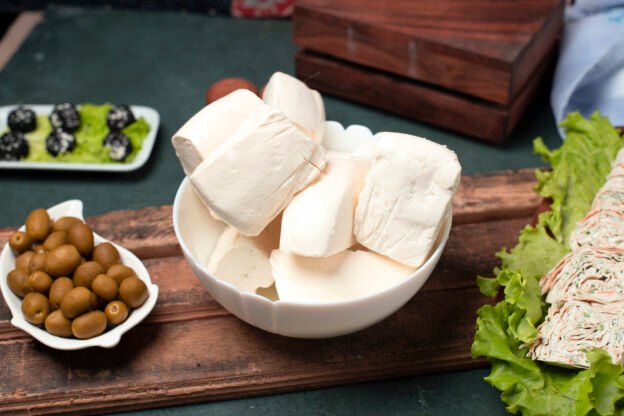
Paneer, also called Indian cottage cheese, is made by curdling milk with an acidic ingredient like lemon juice or vinegar. It is widely used in Indian cuisine for its versatility, flavor, and nutritional value. Knowing how much protein in 100 gm paneer is particularly important for those who aim to meet their daily protein requirements through vegetarian sources.

Paneer is not just a source of protein but also a nutrient-dense food that contributes to overall health. Key nutrients in paneer include:

  • Protein: 18 to 25 grams per 100 grams depending on fat content and preparation
  • Calcium: Essential for strong bones and teeth
  • Phosphorus: Supports energy metabolism and cell function
  • Vitamin B12: Important for red blood cell formation and nerve health
  • Healthy fats: Provide energy and support hormone production

Paneer is also culturally significant in India, forming part of traditional meals and snacks. Its combination of high-quality protein and essential nutrients makes it an excellent food for fitness enthusiasts, dietitians, and anyone interested in a balanced, nutritious diet.

How Much Protein in 100 gm Paneer?

Understanding how much protein in 100 gm paneer is crucial for anyone trying to build muscle, lose weight, or maintain overall health. The protein content can vary depending on the type of milk used, whether it is full-cream or low-fat, and the method of preparation. On average:

  • Full-cream paneer contains approximately 25 grams of protein per 100 grams
  • Low-fat paneer contains approximately 18 grams of protein per 100 grams

Paneer provides a slow-digesting protein called casein, which releases amino acids gradually. This makes it ideal for muscle recovery, sustained energy, and satiety.

Protein content of paneer compared to other vegetarian and non-vegetarian sources:

  • Full-cream paneer: 25 grams protein per 100 grams
  • Low-fat paneer: 18 grams protein per 100 grams
  • Tofu: 8 grams protein per 100 grams
  • Chicken (cooked): 27 grams protein per 100 grams
  • Eggs: 13 grams protein per 100 grams
  • Lentils: 9 grams protein per 100 grams

Clearly, paneer is among the top vegetarian protein sources. Knowing how much protein in 100 gm paneer helps you calculate daily protein intake and meet nutritional goals efficiently.

Paneer vs Other Protein Sources

Paneer stands out as a high-protein vegetarian food, but it is also useful to compare it with other protein sources to understand its value:

  • Chicken and fish have slightly higher protein per 100 grams but are not vegetarian
  • Eggs are moderately high in protein but may not fit vegan or vegetarian diets
  • Tofu is a plant-based option with less protein than paneer
  • Lentils and pulses provide protein but in lower amounts and often need combination with other foods for a complete amino acid profile

Advantages of Paneer:

  • Rich in protein and calcium
  • Easily digestible
  • Ideal for vegetarians and those avoiding meat
  • Supports muscle growth, bone strength, and overall health

Knowing how much protein in 100 gm paneer allows vegetarians and fitness enthusiasts to plan meals that match their dietary needs without compromising on protein quality.

Health Benefits of Paneer Protein

Muscle Building and Repair

Paneer is an excellent source of casein protein, which is absorbed slowly by the body. Eating paneer after a workout provides sustained amino acids that help repair muscles and stimulate growth. If you are tracking how much protein in 100 gm paneer for muscle gain, incorporating full-cream or low-fat paneer can make a noticeable difference in recovery and strength development.

Weight Management

High-protein foods like paneer increase satiety, helping you feel fuller for longer and potentially reducing overall calorie intake. For people aiming to control weight, understanding how much protein in 100 gm paneer can help structure meals that support metabolism and fat loss.

Bone Health and Calcium Support

Paneer provides a combination of protein and calcium, essential for strong bones and teeth. Protein supports the structure of bone, while calcium ensures density and strength. Consuming paneer regularly can be particularly beneficial for older adults or children, helping prevent bone-related health issues.

Hormonal and Metabolic Health

Paneer is rich in vitamin B12, potassium, and healthy fats, which play an important role in hormonal balance, nerve function, and metabolism. Including paneer in your diet ensures your body gets high-quality protein along with micronutrients essential for overall health.

Best Ways to Include Paneer in Your Diet

Paneer is incredibly versatile and can be easily incorporated into meals to meet protein requirements:

  • Bhurji or scrambled paneer for breakfast or snacks
  • Paneer tikka or grilled paneer for a high-protein snack
  • Salads, wraps, and sandwiches combined with vegetables
  • Paneer smoothies with milk or yogurt for post-workout recovery
  • Curries and stir-fries paired with high-fiber foods

Tips for Meal Planning:

  • For muscle gain, choose full-cream paneer to increase protein and calorie intake
  • For weight management, use low-fat paneer and pair it with vegetables
  • Combine paneer with vitamin C-rich foods to improve protein absorption

Tracking how much protein in 100 gm paneer in each meal ensures you meet daily protein targets efficiently.

Expert Tips to Maximize Protein Absorption

  • Pair paneer with vitamin C-rich foods like bell peppers or citrus fruits
  • Avoid deep-frying; prefer grilling, baking, or sautéing
  • Consume post-workout or before bedtime to maximize muscle recovery
  • Include a mix of paneer and other protein sources for balanced nutrition

These strategies ensure your body gets the full benefit of how much protein in 100 gm paneer in each meal.

Who Should Include Paneer in Their Diet?

Paneer is highly beneficial for:

  • Gym-goers, athletes, and bodybuilders looking for vegetarian protein
  • Vegetarians and vegans transitioning to include dairy
  • Children and older adults for bone health and growth
  • Individuals managing weight or blood sugar

Knowing how much protein in 100 gm paneer helps these groups structure meals to meet specific health and fitness goals.

Final Thoughts

Paneer is a protein powerhouse that provides 18 to 25 grams of high-quality protein per 100 grams along with essential vitamins and minerals. Understanding how much protein in 100 gm paneer allows you to plan meals effectively for muscle building, weight management, and overall wellness. Whether you are a vegetarian, athlete, or health-conscious individual, paneer is a versatile food that should have a place in your daily diet.

Take Your Nutrition Knowledge to the Next Level with NFNA

If you are passionate about nutrition, fitness, and food science, it’s time to transform your knowledge into a career. NFNA, India’s leading institute for Nutrition and Fitness Education, offers certified courses with expert guidance to help you achieve your professional goals.

  • Learn from certified doctors, dietitians, and fitness experts
  • Gain industry-recognized certifications
  • Build your own fitness and nutrition brand online or offline

Explore NFNA courses today and turn your passion for nutrition into a successful career.

Frequently Asked Questions  

Q1. How much protein in 50 gm paneer?

50 grams of paneer provides approximately 9 to 12 grams of protein depending on whether it is full-cream or low-fat.

Yes, 200 grams of paneer provides 36 to 50 grams of protein, making it suitable for active adults, but ensure overall calorie intake is balanced.

Paneer generally contains more protein and calcium than tofu. However, tofu is lower in fat, so the choice depends on dietary goals.

 Minimal reduction occurs with cooking. Light grilling, sautéing, or steaming preserves most protein content.

Yes, especially low-fat paneer, as it contains minimal carbohydrates and provides protein without spiking blood sugar.

Yes, paneer supports growth and bone development, making it an ideal daily protein source for children.

Whey protein is faster-digesting and higher in protein per gram, but paneer is a natural, whole-food source that provides additional nutrients like calcium and vitamin B12.

Yes, due to its high protein content, paneer increases satiety, helping control hunger and reduce calorie intake, which supports weight management.

diet chart for weight loss for female

Diet Chart for Weight Loss for Female: A Comprehensive Step-by-Step Nutrition Guide

Achieving healthy and sustainable weight loss as a female requires more than simply reducing calorie intake. A structured and well-planned diet chart for weight loss for female ensures that women receive the right balance of nutrients necessary to support metabolism, hormonal health, and overall energy levels. Women face unique challenges in losing weight due to hormonal fluctuations, menstrual cycles, menopause, thyroid variations, and differences in muscle mass compared to men.

Following a scientifically designed diet chart for weight loss for female can help women manage fat reduction effectively while preserving muscle mass, boosting energy, and improving overall health. This guide provides a step-by-step approach to creating a personalized nutrition plan, complete with a 7-day Indian diet plan, expert tips, lifestyle recommendations, and guidance from certified nutritionists. By adhering to a proper diet chart for weight loss for female, you can achieve sustainable fat loss without compromising your health.

Why a Diet Chart Matters for Female Weight Loss

A diet chart for weight loss for female is crucial because women have specific nutritional requirements that differ from men. Hormonal changes during the menstrual cycle, menopause, or thyroid disorders can affect metabolism, appetite, and fat storage. Without a structured approach, women often experience weight loss plateaus, nutrient deficiencies, or lack of energy.

A properly designed diet chart for weight loss for female offers several benefits

  • Supports hormone balance and reduces fluctuations in energy and mood
  • Maintains lean muscle mass while reducing fat
  • Provides sustained energy throughout the day
  • Reduces unhealthy cravings and emotional eating
  • Promotes long-term, sustainable weight loss

Calorie restriction alone is not enough for female weight loss. A diet chart for weight loss for female focuses on balanced nutrition, including proteins, complex carbohydrates, healthy fats, fiber, and proper hydration. With a structured plan, women can achieve weight loss that is healthy, gradual, and sustainable.

Components of a Balanced Female Diet

A successful diet chart for weight loss for female ensures that every meal is balanced and nutrient-dense. Women require a combination of macronutrients and micronutrients to support metabolism, muscle retention, hormonal health, and fat reduction.

Proteins
Proteins are essential for maintaining muscle mass and promoting satiety. A diet chart for weight loss for female should include:

  • Eggs
  • Lentils and legumes
  • Paneer and tofu
  • Chicken or fish for non-vegetarians
  • Greek yogurt or low-fat dairy

Healthy Fats
Healthy fats are critical for hormone production and brain health. Include:

  • Nuts such as almonds, walnuts, and cashews
  • Seeds such as chia, flax, and pumpkin seeds
  • Olive oil and avocado
  • Coconut oil in moderation

Complex Carbohydrates
Complex carbs provide sustained energy and help prevent energy crashes. Include:

  • Oats
  • Brown rice
  • Quinoa
  • Millets and whole-grain roti

Fiber
Fiber promotes digestion, satiety, and fat loss. Include:

  • Fresh fruits such as apples, berries, and guava
  • Vegetables such as spinach, carrots, and broccoli
  • Whole grains and legumes

Hydration
Proper hydration is crucial for metabolism and toxin elimination. A diet chart for weight loss for female should include:

  • Water throughout the day
  • Lemon water in the morning
  • Green tea or herbal tea
  • Buttermilk as a snack option

Including all these nutrients ensures that a diet chart for weight loss for female is well-rounded, promotes health, and prevents nutrient deficiencies.

Sample 7-Day Diet Chart for Weight Loss for Female

A structured diet chart for weight loss for female should be simple, practical, and based on Indian foods for easy adherence. Here is a sample plan:

Day 1

  • Early Morning: Lemon water
  • Breakfast: Oats with fresh fruits and a sprinkle of nuts
  • Lunch: Brown rice with dal and mixed vegetable sabzi
  • Snack: Green tea with a small handful of nuts
  • Dinner: Vegetable soup with a fresh salad

Day 2

  • Early Morning: Jeera water
  • Breakfast: Poha with added vegetables
  • Lunch: Whole wheat roti with paneer bhurji and salad
  • Snack: Buttermilk
  • Dinner: Khichdi with stir-fried vegetables

Day 3

  • Early Morning: Warm water with lemon
  • Breakfast: Idli with sambar and coconut chutney
  • Lunch: Quinoa salad with grilled vegetables and sprouts
  • Snack: Fruit smoothie
  • Dinner: Roti with mixed vegetable curry

Day 4

  • Early Morning: Herbal tea
  • Breakfast: Moong dal chilla with mint chutney
  • Lunch: Brown rice with rajma and fresh salad
  • Snack: Handful of nuts and seeds
  • Dinner: Light vegetable soup with green salad

Day 5

  • Early Morning: Lemon water
  • Breakfast: Upma with vegetables
  • Lunch: Roti with palak paneer and salad
  • Snack: Buttermilk
  • Dinner: Stir-fried tofu with quinoa

Day 6

  • Early Morning: Warm water
  • Breakfast: Vegetable sandwich on whole grain bread
  • Lunch: Brown rice with dal and sautéed vegetables
  • Snack: Fresh fruit with nuts
  • Dinner: Khichdi with plain yogurt

Day 7

  • Early Morning: Green tea
  • Breakfast: Poha or Upma with vegetables
  • Lunch: Roti with mixed vegetable curry and salad
  • Snack: Fruit smoothie
  • Dinner: Vegetable soup with salad

Following a consistent diet chart for weight loss for female ensures balanced nutrition, supports metabolism, and promotes sustainable fat loss.

Exercise and Lifestyle Habits that Boost Weight Loss

A diet chart for weight loss for female becomes more effective when combined with daily physical activity and healthy lifestyle habits. Exercise helps maintain muscle mass, boosts metabolism, and accelerates fat loss.

  • Engage in 30–45 minutes of daily exercise such as yoga, brisk walking, jogging, or strength training
  • Prioritize 7–8 hours of sleep for optimal metabolism and hormonal balance
  • Drink sufficient water throughout the day to support digestion and detoxification
  • Follow mindful eating practices by eating slowly and avoiding distractions
  • Reduce stress through meditation or breathing exercises, as stress can increase fat storage

Incorporating these habits alongside a diet chart for weight loss for female maximizes results and promotes overall well-being.

Common Weight Loss Mistakes Women Make

Even with a diet chart for weight loss for female, women often make mistakes that prevent progress. Avoiding these errors is key to achieving lasting results:

  • Skipping meals or drastically reducing calories, which can slow metabolism
  • Following fad diets or detox programs that are unsustainable
  • Ignoring adequate protein intake, leading to muscle loss
  • Not tracking progress, hydration, or portion sizes
  • Neglecting physical activity, which reduces fat loss efficiency

Being aware of these common mistakes ensures that a diet chart for weight loss for female is followed safely and effectively.

Expert Tips from Nutrition Coaches

Certified nutritionists recommend the following to enhance the effectiveness of a diet chart for weight loss for female:

  • Eat small, frequent meals to maintain energy and prevent overeating
  • Focus on whole, unprocessed foods for nutrient density
  • Plan meals in advance to avoid unhealthy snacking
  • Track calories and macronutrients mindfully without becoming obsessive
  • Ensure proper hydration and sleep to support metabolism

NFNA trains individuals to become certified in applied nutrition and dietetics, providing guidance for women to follow a diet chart for weight loss for female safely and successfully.

When to Seek Professional Guidance

While following a diet chart for weight loss for female, professional guidance may be necessary in certain cases:

  • Women with PCOS, thyroid disorders, or postnatal weight gain
  • If weight loss plateaus despite consistent adherence to diet and exercise
  • Need for personalized calorie goals and macronutrient adjustments
  • To monitor progress and prevent nutritional deficiencies

Consulting a certified nutritionist ensures that a diet chart for weight loss for female is tailored to individual needs and promotes safe, long-term results.

Conclusion

A balanced diet chart for weight loss for female, combined with consistent exercise, hydration, and mindful eating, leads to healthy and sustainable fat loss. Women can achieve weight reduction while maintaining muscle mass, boosting energy, and improving hormonal balance. Starting a structured diet plan today sets the foundation for lifelong health and fitness.

Frequently Asked Questions

Q1. How effective is a diet chart for weight loss for female?

A diet chart provides structure and ensures proper nutrient intake, making weight loss more sustainable and effective for women.

While diet alone can result in weight loss, combining a diet chart for weight loss for female with exercise accelerates fat loss and preserves muscle mass.

Yes, including high-protein vegetarian foods such as lentils, paneer, tofu, and legumes makes vegetarian plans highly effective.

Most women notice results in 4–6 weeks with consistent adherence to a well-balanced diet chart for weight loss for female.

Skipping meals can slow metabolism and lead to nutrient deficiencies. A structured diet chart for weight loss for female ensures proper energy and nutrient intake.

Hydration is essential for metabolism, digestion, and toxin elimination. Drinking sufficient water complements a diet chart for weight loss for female.

Yes, hormonal imbalances in PCOS make fat loss more challenging. A structured diet chart for weight loss for female tailored to PCOS can help manage weight effectively.

Yes, professional guidance ensures that a diet chart for weight loss for female is personalized, safe, and effective, especially for women with medical conditions.

whey protein side effects

Whey Protein Side Effects: Myths, Facts and Safe Consumption Tips

Whey protein has become a staple supplement for fitness enthusiasts, athletes, and beginners aiming to improve muscle growth, strength, and recovery. However, many people are concerned about whey protein side effects. The truth is that while whey protein is safe for most individuals, improper usage, overconsumption, or sensitivity to dairy can lead to certain side effects.

Understanding the potential risks of whey protein side effects allows you to enjoy its numerous benefits such as enhanced muscle recovery, convenient protein intake, and improved workout performance while avoiding digestive discomfort, allergic reactions, or other health issues. In this article, we will break down the most common whey protein side effects, explain who should be cautious, and provide expert tips on consuming whey safely. By the end, you will know how to use whey protein effectively without compromising your health.

What Exactly Is Whey Protein?

Whey protein is a high-quality protein derived from milk during the process of cheese production. When milk is separated into curds and whey, the liquid whey is collected and processed into powders that are widely used in nutritional supplements. It is considered a complete protein because it contains all nine essential amino acids that the body cannot produce naturally. This makes whey protein particularly effective for muscle repair, growth, and overall health.

There are different types of whey protein, each with unique characteristics:

  • Whey Protein Concentrate: Contains around 70 to 80 percent protein, has moderate digestibility, and is suitable for general use and beginners.
  • Whey Protein Isolate: Contains over 90 percent protein, highly digestible, and recommended for individuals who are lactose-intolerant or athletes looking for fast absorption.
  • Whey Protein Hydrolysate: Contains 80 to 90 percent protein, pre-digested for very high absorption, ideal for post-workout recovery.

Despite its benefits, overconsumption or incorrect usage can cause whey protein side effects. Being aware of how your body reacts and understanding the right type of whey protein to use can significantly reduce these risks.

Common Whey Protein Side Effects

Although whey protein is generally safe, certain side effects may appear depending on dosage, sensitivity, or health conditions. Understanding these side effects is essential for safe supplementation.

Digestive Issues

Digestive discomfort is the most frequently reported whey protein side effect. Common digestive problems include:

  • Bloating and gas, often caused by lactose or additives in the protein powder
  • Nausea or stomach cramps when large doses are consumed at once
  • Constipation or diarrhea, particularly in individuals with lactose intolerance

Switching to whey protein isolate, which contains very low lactose, and starting with small amounts can help minimize these digestive issues. Staying hydrated and avoiding protein powders with artificial additives also reduces digestive discomfort.

Allergic Reactions

Whey protein contains milk proteins, which may trigger allergic reactions in some individuals. Symptoms of an allergic response include:

  • Skin rashes or hives
  • Swelling of the lips, tongue, or throat
  • Difficulty breathing or shortness of breath

It is important to distinguish between lactose intolerance and milk protein allergy. Individuals with known milk allergies should avoid whey protein entirely.

Skin Problems

Some studies suggest that excessive whey protein intake can lead to skin issues, including acne. This is linked to a hormone called insulin-like growth factor-1 (IGF-1), which can increase oil production and contribute to acne flare-ups. While not everyone will experience this, those prone to hormonal acne may need to monitor their intake carefully.

Kidney and Liver Concerns

There is a common misconception that whey protein harms the kidneys or liver. For healthy individuals, moderate consumption of whey protein does not damage these organs. However, consistently consuming very high doses of protein without adequate hydration can put a strain on the kidneys and liver over time. People with pre-existing kidney or liver conditions should consult a healthcare professional before using whey protein.

Long-Term Overuse Risks

Overconsumption of whey protein may lead to several long-term effects. These include:

  • Nutrient imbalance if whey protein replaces whole foods in the diet
  • Dehydration due to increased protein metabolism
  • Calcium loss which may impact bone health
  • Changes to the gut microbiome affecting digestion and overall gut health

Moderation and careful monitoring of protein intake are key to avoiding these long-term whey protein side effects.

Who Should Limit or Avoid Whey Protein

Although whey protein is safe for most people, certain groups should exercise caution:

  • Individuals with milk allergies or lactose intolerance
  • People with kidney or liver conditions
  • Pregnant or breastfeeding women without medical supervision
  • Minors who are using whey protein without professional guidance

By recognizing these risk factors, you can make informed decisions and prevent potential whey protein side effects.

Safe Consumption Guidelines

Following safe consumption practices helps reduce the risk of whey protein side effects. Experts recommend:

  • Determining the appropriate protein intake based on body weight and activity level
  • Consuming whey protein post-workout or alongside meals to aid digestion
  • Starting with small doses and gradually increasing as your body adjusts
  • Staying well-hydrated throughout the day
  • Choosing high-quality whey protein powders that are certified, additive-free, and free of unnecessary fillers

Consistent adherence to these guidelines ensures that you reap the benefits of whey protein while minimizing any negative side effects.

Natural and Plant-Based Alternatives

For individuals who experience side effects or are sensitive to dairy, plant-based protein powders offer excellent alternatives. These include:

  • Pea protein, which is moderately digestible and suitable for vegans
  • Soy protein, which is highly digestible and contains a complete amino acid profile
  • Hemp protein, rich in fiber and healthy fats but with slightly lower protein content
  • Brown rice protein, which is plant-based but may need to be combined with other proteins to ensure a complete amino acid profile
  • Mixed plant protein blends, offering balanced nutrition and high digestibility

Plant-based alternatives can be particularly useful for those who experience whey protein side effects like digestive issues or allergic reactions.

Expert Tips to Reduce Whey Protein Side Effects

  • Use whey protein isolate if you are lactose-intolerant
  • Avoid protein powders with artificial sweeteners, flavors, or additives
  • Pair whey protein with probiotics or fiber-rich foods to support digestion
  • Keep a daily log of your protein intake and monitor how your body responds
  • Take breaks from whey supplementation if you notice skin, digestive, or hormonal issues

Applying these expert tips can help reduce the likelihood of experiencing whey protein side effects while maximizing the supplement’s benefits.

When to See a Doctor or Nutritionist

It is important to seek professional advice if you experience:

  • Persistent digestive discomfort
  • Allergic reactions such as swelling or hives
  • Unexplained fatigue, weakness, or changes in energy levels

Consulting a certified nutritionist or healthcare professional ensures that your protein intake is safe and tailored to your personal health needs, helping prevent long-term whey protein side effects.

Conclusion 

Whey protein is a highly effective supplement that supports muscle growth, recovery, and overall health. However, awareness of whey protein side effects, proper dosing, and choosing high-quality products are essential. By using whey protein responsibly, monitoring your body’s response, and consulting professionals when needed, you can enjoy all the benefits without negative consequences.

Take Your Nutrition Knowledge to the Next Level with NFNA

Turn your passion for fitness and nutrition into a rewarding career with NFNA’s Diploma or Certification in Applied Nutrition.

  • Learn from experienced doctors, nutritionists, and fitness trainers
  • Build a successful career in health, fitness, and dietetics
  • Access online and offline courses with lifetime support via WhatsApp

Explore courses here: Explore Nutrition Courses at NFNA

Turn your passion for fitness into a profession with India’s trusted name in nutrition education.

Frequently Asked Questions

Q1. Is whey protein safe for daily use?

Yes, whey protein is safe for daily use when consumed within recommended protein intake levels based on your body weight and activity level. Overuse can lead to digestive issues or other side effects.

Some individuals may develop acne due to hormonal changes linked to IGF-1. Monitoring intake and staying hydrated can help reduce this risk.

People with milk allergies, lactose intolerance, kidney or liver problems, pregnant or breastfeeding women, and minors without professional guidance should avoid whey protein.

Moderate whey protein intake is safe for healthy individuals. Excessive consumption without proper hydration may strain the kidneys or liver over time.

Whey protein isolate and hydrolysate contain very low lactose and are suitable for those with lactose intolerance.

Yes, side effects such as bloating, gas, constipation, or diarrhea may occur, especially if consuming large doses or low-quality powders.

Yes, pea protein, soy protein, hemp protein, brown rice protein, and mixed plant protein blends are excellent alternatives for those sensitive to dairy.

Choose high-quality whey protein, start with small doses, drink plenty of water, pair with fiber or probiotics, and monitor your body’s reaction to adjust intake as needed.

6 day gym workout schedule

6 Day Gym Workout Schedule: Build Strength, Stamina, and a Sustainable Fitness Routine

Struggling to stay consistent with your workouts and not seeing the results you desire? Following a 6 day gym workout schedule can completely transform your approach to fitness by providing structure, focus, and measurable results. A well-designed 6-day routine targets all major muscle groups, allows proper recovery, and keeps you motivated to push your limits every session.

The key to a successful 6 day gym workout schedule is combining progressive strength training, cardiovascular conditioning, core exercises, and recovery techniques. At NFNA, we advocate an evidence-based approach to training and nutrition, ensuring that every workout is efficient, safe, and results-driven. Whether you are a fitness enthusiast, an aspiring professional, or an athlete looking to improve performance, a structured 6 day gym workout schedule will guide you toward long-term success.

In this comprehensive guide, you will learn how to design and follow a 6 day gym workout schedule, understand the importance of nutrition, avoid common mistakes, and maintain consistency through mindset and recovery strategies.

Why a 6 Day Gym Workout Schedule Works

The effectiveness of a 6 day gym workout schedule lies in its ability to combine consistent muscle stimulation with adequate rest. Research shows that training each muscle group multiple times per week maximizes muscle hypertrophy, improves endurance, and accelerates metabolism.

A 6 day gym workout schedule allows you to:

  • Focus on individual muscle groups for optimal strength gains
  • Incorporate both strength and cardiovascular training to improve overall fitness
  • Ensure adequate recovery for each muscle group to prevent overtraining
  • Maintain high energy and motivation levels by having a clear plan

Recovery is an essential component of a 6 day gym workout schedule. Rest days, or active recovery sessions, allow muscles to repair, joints to recover, and the nervous system to rejuvenate. Without proper recovery, performance decreases, fatigue accumulates, and risk of injury increases. NFNA emphasizes that understanding the balance between workout intensity and recovery is critical for long-term success.

Following a 6 day gym workout schedule ensures you achieve consistent progress while reducing the risk of plateaus and injuries. It allows you to train with purpose rather than randomly exercising, making every session count.

How to Structure Your 6 Day Gym Workout Schedule

A well-structured 6 day gym workout schedule provides a blueprint for your week and ensures each muscle group receives targeted attention. Here is a detailed layout you can follow:

Day 1 Upper Body Strength

  • Focus on chest, shoulders, and back
  • Exercises include bench press, dumbbell rows, shoulder press, and lateral raises
  • Emphasize progressive overload and proper form

Day 2 Lower Body Power

  • Focus on legs and glutes
  • Exercises include squats, lunges, deadlifts, leg presses, and calf raises
  • Include both compound and isolation movements

Day 3 Cardio and Core

  • Focus on cardiovascular endurance and core strength
  • Exercises include high-intensity interval training, planks, mountain climbers, Russian twists, and bicycle crunches
  • Helps improve stamina and metabolic efficiency

Day 4 Active Rest or Yoga

  • Focus on flexibility, mobility, and light activity
  • Activities include yoga, stretching, foam rolling, and light walking
  • Supports recovery, reduces muscle soreness, and improves range of motion

Day 5 Push-Pull Superset

  • Combine pushing and pulling exercises to efficiently target multiple upper body muscles
  • Exercises include chest press, pull-ups, tricep dips, barbell rows, and shoulder flys
  • Enhances muscle symmetry and strength balance

Day 6 Functional Training

  • Focus on full-body functional movements and conditioning
  • Exercises include kettlebell swings, medicine ball throws, bodyweight circuits, and agility drills
  • Improves coordination, balance, and athletic performance

Day 7 Rest and Recovery

  • Complete rest day with optional light walking or mobility work
  • Focus on sleep, hydration, and nutrition
  • Ensures readiness for the following week of intense training

A 6 day gym workout schedule not only balances muscle groups but also allows room for progressive overload and skill improvement. Tracking performance, weights, reps, and intensity is critical to maximizing results and avoiding stagnation.

Nutrition: Fueling Your 6 Day Gym Workout Schedule

A 6 day gym workout schedule is most effective when paired with proper nutrition. Diet provides the energy needed for intense training, aids recovery, and supports muscle growth.

Key principles for fueling your 6 day gym workout schedule include:

  • Protein: Supports muscle repair and growth. Sources include chicken, fish, eggs, Greek yogurt, and whey protein.
  • Carbohydrates: Provide energy for workouts. Include brown rice, oats, quinoa, and whole grains.
  • Fats: Aid in hormone production and joint health. Include avocado, nuts, seeds, and olive oil.
  • Hydration: Water is essential for energy, digestion, and recovery. Drink regularly throughout the day.

Pre-Workout Nutrition

  • Consume a combination of complex carbs and moderate protein 60-90 minutes before training
  • Example: Oats with protein powder and fruit, or a whole-grain toast with peanut butter

Post-Workout Nutrition

  • Include protein and carbs immediately after training to replenish glycogen and aid recovery
  • Example: Grilled chicken with brown rice, or a protein shake with a banana

Supplements may enhance performance but should only complement a balanced diet. Whey protein, creatine, BCAAs, and omega-3 fatty acids are commonly used to support recovery and muscle growth on a 6 day gym workout schedule. NFNA emphasizes that diet remains the foundation for results.

Common Mistakes to Avoid on a 6 Day Gym Workout Schedule

Even the best 6 day gym workout schedule can fail if mistakes are made. Common errors include:

  • Skipping rest or active recovery days, leading to overtraining
  • Ignoring proper form, increasing the risk of injury
  • Following fad diets or inconsistent nutrition
  • Not tracking progress, which prevents measurable improvements
  • Over-relying on supplements rather than food-based nutrition

Avoiding these mistakes ensures that your 6 day gym workout schedule delivers consistent strength, muscle growth, and endurance improvements.

The Mindset for Consistency

Consistency is the most important factor in seeing results from a 6 day gym workout schedule. Developing the right mindset will help you stick to the program and overcome challenges.

Key strategies include:

  • Goal Setting: Set clear, realistic, and measurable goals
  • Journaling: Track workouts, nutrition, and recovery progress
  • Accountability: Partner with a trainer or workout buddy
  • Motivation: Focus on long-term results rather than short-term perfection

NFNA integrates mindset coaching with physical training to ensure fitness becomes a sustainable lifestyle, not a short-term task. A strong mindset ensures that a 6 day gym workout schedule translates into real, lasting results.

Who Should Follow a 6 Day Gym Workout Schedule

A 6 day gym workout schedule is ideal for:

  • Intermediate gym-goers who want structured progression
  • Fitness professionals and personal trainers developing strength and endurance
  • Athletes seeking improved performance and stamina

It is not suitable for:

  • Complete beginners who require an adaptation period
  • Individuals recovering from injury without professional guidance

For beginners, a 4 or 5-day version of a 6 day gym workout schedule can be used to gradually increase training volume and intensity.

Sample Supplement and Recovery Recommendations

Supplements are optional but can support a 6 day gym workout schedule when used correctly:

  • Whey protein to aid muscle repair
  • Creatine to improve strength and power
  • BCAAs to reduce muscle soreness
  • Omega-3 fatty acids for joint health and inflammation

Recovery is equally important:

  • Sleep 7-9 hours per night
  • Include stretching and foam rolling on rest days
  • Engage in light mobility work to maintain flexibility

Recovery strategies combined with proper nutrition enhance the effectiveness of a 6 day gym workout schedule and reduce the risk of fatigue and injury.

Conclusion

Following a 6 day gym workout schedule is one of the most effective ways to achieve sustainable fitness results. With a structured approach, proper nutrition, adequate recovery, and a consistent mindset, you can build strength, stamina, and muscle efficiently.

This schedule is a roadmap to progress, helping you stay disciplined, motivated, and focused. Integrating these strategies ensures long-term results while reducing the risk of injury. A 6 day gym workout schedule is more than just a plan—it is a sustainable lifestyle for anyone serious about fitness.

Take the Next Step with NFNA

At NFNA, we create fitness professionals, not just gym-goers. Whether your passion is personal training or nutrition science, our certified courses give you the knowledge and confidence to succeed. Enroll today in our Diploma in Personal Training + CPR or Applied Nutrition Program and take your fitness career to the next level.

Frequently Asked Questions 

Q1. Can beginners follow a 6 day gym workout schedule?

Beginners should start with 3 to 4 days per week and gradually build up to a 6-day schedule to avoid overtraining and injuries.

Supplements are optional. Proper nutrition with sufficient protein, carbs, and fats is the foundation for results. Supplements only enhance progress.

Each session should last between 45 and 75 minutes, including warm-up, main exercises, and cool-down.

Yes. You can swap exercises for alternatives targeting the same muscle groups while keeping the schedule balanced.

Yes. The combination of strength, cardio, and core training boosts metabolism, improves body composition, and aids fat loss.

Missing a day is not catastrophic. Resume your plan the next day and do not double up exercises, as recovery is crucial.

A trainer is not mandatory but can ensure proper form, prevent injuries, and help optimize progression.

Yes. The 6 day gym workout schedule is flexible and can be adapted for strength, endurance, or athletic performance goals.