
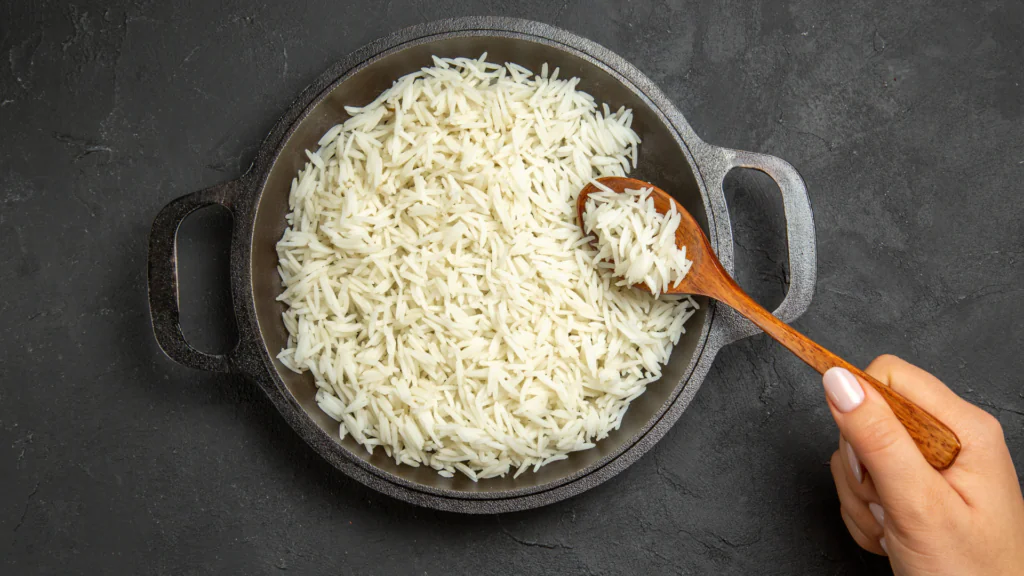
The calorie content of rice depends on its type, serving size, and cooking method. On average, 100g of cooked white rice contains about 130 calories, while one bowl of cooked rice typically provides 200–250 calories. Brown rice offers slightly fewer calories with more fibre, making both varieties suitable for a balanced diet when eaten in appropriate portions.
Rice is a staple food enjoyed by millions worldwide, but many people wonder how many calories in rice they are actually consuming. Whether your goal is weight management, better nutrition, or improved fitness, understanding rice calories can help you make informed choices. At NFNA (National Fitness and Nutrition Academy), we believe nutrition education should be based on science, not myths, empowering people to build healthier eating habits the same foundation taught in our dietician diploma course.
What Are Rice Calories?
Calories measure the amount of energy your body receives from food. Rice is primarily a carbohydrate-rich food, making it an excellent source of energy for daily activities, exercise, and overall body function.
When people search how many calories in rice, they are often trying to balance their meals without giving up one of their favourite foods. The good news is that rice can fit into a healthy diet when eaten in suitable portions and combined with nutrient-rich ingredients.
How Many Calories in Rice?
The answer depends on whether the rice is cooked or raw and the variety you choose.
|
Serving |
Approximate Calories |
|
100g cooked white rice |
130 calories |
|
100g cooked brown rice |
111 calories |
|
100g raw white rice |
360–370 calories |
|
1 cup cooked rice |
200–210 calories |
|
1 bowl cooked rice |
220–250 calories |
Cooked rice contains fewer calories per 100g than raw rice because it absorbs water during cooking, increasing its weight without adding calories.
If you’ve been asking how many calories in rice, remember that portion size matters just as much as the type of rice you choose.
Rice Nutrition Facts
Besides calories, rice contains several nutrients that contribute to a balanced diet, a topic explored in much greater depth in a dietician course in mumbai.
Average nutrition in 100g cooked white rice:
- Calories: 130
- Carbohydrates: 28g
- Protein: 2.7g
- Fat: 0.3g
- Fibre: 0.4g
- Iron: Small amount
- Magnesium: Small amount
- B Vitamins: Naturally present, especially in enriched rice
Brown rice contains more fibre, magnesium, and antioxidants because it retains its bran layer during processing.
Calories in Different Types of Rice
Different varieties of rice offer slightly different nutritional profiles.
White Rice
White rice is the most commonly consumed variety. It provides quick energy and has a soft texture, making it suitable for many meals.
Brown Rice
Brown rice contains more fibre and nutrients than white rice. It promotes fullness and supports digestive health while offering slightly fewer calories.
Basmati Rice
Basmati rice is popular for its fragrant aroma and long grains. It has calorie levels similar to white rice but is often preferred for its lighter texture.
Jasmine Rice
Jasmine rice is another aromatic variety commonly used in Asian cuisine. Its calorie content is comparable to other white rice varieties.
Red Rice
Red rice is rich in antioxidants and fibre, making it a nutritious alternative for those seeking more whole grains.
Black Rice
Black rice contains naturally occurring antioxidants called anthocyanins, along with fibre and essential minerals.
White Rice vs Brown Rice
Both white and brown rice can be part of a healthy eating pattern.
|
Feature |
White Rice |
Brown Rice |
|
Calories |
Slightly higher |
Slightly lower |
|
Fibre |
Lower |
Higher |
|
Protein |
Moderate |
Slightly higher |
|
Vitamins & Minerals |
Lower |
Higher |
|
Digestibility |
Easier |
Slower digestion |
|
Feeling of Fullness |
Moderate |
Higher |
Choosing between them depends on your nutritional needs, preferences, and overall dietary pattern rather than calories alone.
Is Rice Good for Weight Loss?
Many people assume rice should be avoided when trying to lose weight, but that isn’t necessarily true, as explained in our detailed breakdown of is rice good for weight loss.
When considering how many calories in rice, remember that weight management depends on your total daily calorie intake, physical activity, and overall eating habits.
Rice can support weight loss when you:
- Control portion sizes.
- Pair it with vegetables.
- Include lean protein.
- Limit high-calorie sauces and fried preparations.
- Eat balanced meals.
A moderate serving of rice alongside nutrient-dense foods is often more satisfying than eliminating carbohydrates completely, especially when paired with protein sources for instance, knowing how much protein in 100 gm paneer can help you round out the meal.
Does Cooking Method Affect Rice Calories?
Yes. While plain boiled or steamed rice contains relatively consistent calories, added ingredients can significantly increase the total calorie count.
- Boiled Rice: Boiled rice contains minimal added calories and is one of the healthiest preparation methods.
- Steamed Rice: Steamed rice retains its nutrients and remains low in fat.
- Fried Rice: Oil, butter, eggs, and sauces can nearly double the calorie content of fried rice.
- Rice with Ghee or Butter: Adding ghee or butter increases calories substantially, so moderation is important if you’re watching your energy intake.
Health Benefits of Rice
Rice offers several health benefits beyond simply providing energy, many of which are covered extensively in a dietician course in kerala.
- Excellent source of carbohydrates for fuel
- Naturally gluten-free
- Easy to digest
- Suitable for active individuals
- Versatile for balanced meals
- Can be included in healthy eating plans
- Provides essential vitamins and minerals
Understanding how many calories in rice is only one part of healthy eating. The overall nutritional quality of your meal matters just as much.
Can People with Diabetes Eat Rice?
People with diabetes do not always need to eliminate rice completely, and similarly, other groups such as expecting mothers often benefit from a professionally guided diet chart for pregnant women that includes suitable rice portions.
Instead, they can focus on:
- Smaller portions
- Brown or whole-grain rice where appropriate
- Pairing rice with vegetables and protein
- Monitoring blood sugar responses
- Following personalised advice from qualified healthcare professionals
Balanced meals often have a greater impact than avoiding one specific food.
Healthy Ways to Include Rice in Your Diet
If you’re wondering how many calories in rice while trying to eat healthier, these simple habits can help.
- Measure your serving instead of estimating.
- Add colourful vegetables for extra fibre.
- Include beans, lentils, fish, or lean chicken.
- Avoid excessive frying.
- Choose whole-grain varieties when suitable.
- Balance rice with other nutritious foods.
Rather than fearing rice, focus on creating well-rounded meals that meet your nutritional needs.
Common Myths About Rice
Several misconceptions continue to circulate about rice, which is why building strong nutrition fundamentals through a dietician course in kolkata can help separate fact from fiction.
Myth: Rice always causes weight gain.
Fact: Excess calorie intake not rice alone contributes to weight gain.
Myth: Brown rice contains no calories.
Fact: Brown rice still contains calories, though it provides more fibre.
Myth: Carbohydrates should always be avoided.
Fact: Carbohydrates are the body’s preferred energy source and are an important part of many healthy diets.
Myth: White rice has no nutritional value.
Fact: White rice still provides energy and several essential nutrients, especially when enriched.
Learn Nutrition the Scientific Way with NFNA
Knowing how many calories in rice is helpful, but true nutrition goes beyond counting calories. Understanding food quality, portion sizes, metabolism, and balanced meal planning enables better long-term health decisions, and those inspired to build this expertise professionally can explore a dietician course in pune.
At NFNA (National Fitness and Nutrition Academy), nutrition is taught through an evidence-based approach by experienced doctors, registered dietitians, certified nutritionists, and fitness professionals. Whether you want to improve your personal health or build a career in nutrition and fitness, NFNA’s practical certification programs provide the knowledge and skills needed to make informed, science-backed decisions with confidence.
Frequently Asked Questions
Q1. How many calories are in 100g of cooked rice?
About 130 calories are found in 100g of cooked white rice, while cooked brown rice contains around 111 calories.
Q2. How many calories are in one bowl of rice?
A typical bowl of cooked rice contains approximately 220–250 calories, depending on serving size and rice variety.
Q3. Can I eat rice every day?
Yes. Rice can be eaten daily as part of a balanced diet that includes vegetables, protein, healthy fats, and appropriate portion sizes.
Q4. Is brown rice healthier than white rice?
Brown rice generally contains more fibre, vitamins, and minerals, but both varieties can be included in healthy eating plans.
Q5. Will eating rice make me gain weight?
Weight gain depends on your total calorie intake and lifestyle rather than one food alone. Moderate portions of rice can fit into a balanced diet.
Q6. What is the healthiest type of rice?
Brown, red, and black rice are often considered more nutrient-dense because they contain more fibre and antioxidants than refined white rice.
Q7. Why does cooked rice have fewer calories than raw rice?
Cooked rice absorbs water during cooking, increasing its weight while the total calories remain the same, resulting in fewer calories per 100g.
Q8. Can rice be included in a weight-loss diet?
Yes. Rice can be part of a calorie-controlled weight-loss diet when served in moderate portions and paired with vegetables and lean protein.