Masoor dal contains approximately 24–25g of protein per 100g in its raw (dry) form, while 100g of cooked masoor dal provides around 8–9g of protein due to water absorption during cooking. Rich in fibre, iron, folate, and complex carbohydrates, masoor dal is one of India’s most nutritious plant-based protein sources for supporting muscle health, energy, and overall wellness. With approximately 24–25 grams of protein per 100g, masoor dal is one of the richest plant-based proteins available, making it an essential food for high protein vegetarian foods in India including vegetarians, athletes, and fitness enthusiasts.
If you’re looking for a high-quality vegetarian protein source, understanding masoor dal protein per 100g is essential. The protein content varies depending on whether you’re measuring raw or cooked masoor dal. Raw (dry) masoor dal provides around 24–25g of protein per 100g, whereas cooked masoor dal contains approximately 8–9g per 100g because it absorbs water during cooking. According to the Indian Food Composition Tables (IFCT) published by the Indian Council of Medical Research–National Institute of Nutrition (ICMR-NIN), masoor dal is one of the richest protein sources among commonly consumed Indian dals. Along with protein, it supplies dietary fibre, iron, folate, and essential minerals that support muscle recovery, heart health, digestion, and sustained energy. Whether you’re a vegetarian, fitness enthusiast, or simply aiming to eat healthier, understanding its nutritional value can help you make smarter food choices. Let’s explore why masoor dal deserves a regular place on your plate.
What is Masoor Dal?
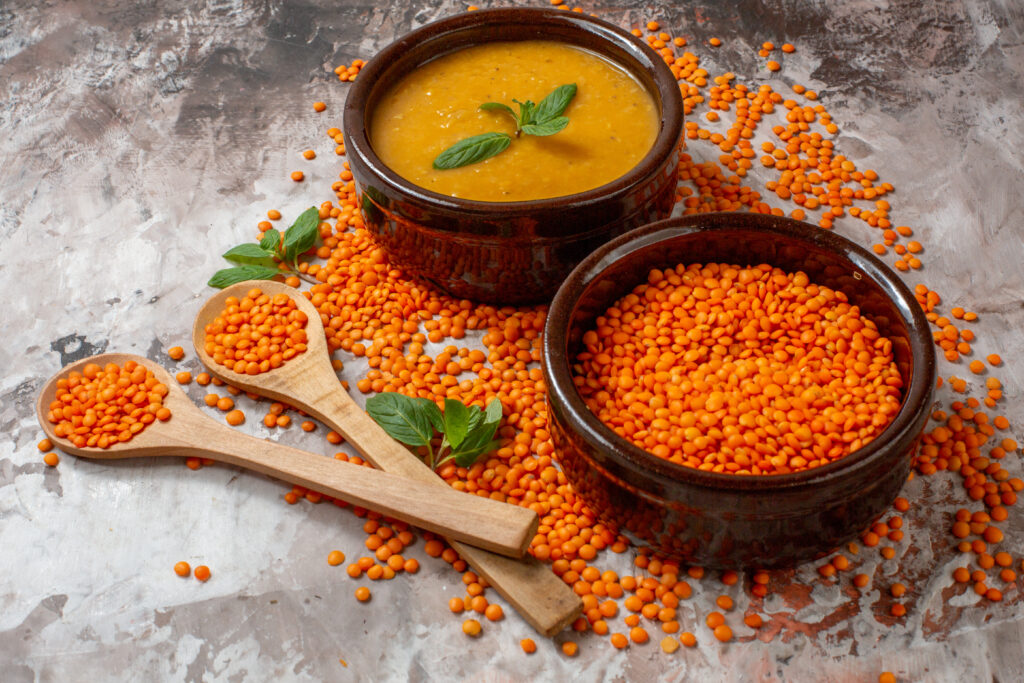
Masoor dal, commonly referred to as red lentils, is a versatile legume widely used across India and South Asia. It comes in two main varieties: whole masoor dal, which retains its brown outer skin, and split masoor dal, which is orange-red in color and cooks faster. Both varieties are nutritionally rich, but split masoor dal is particularly popular for soups, stews, khichdi, and even fusion dishes.
Masoor dal has a long history in Indian diets, forming an essential component of vegetarian meals. It is easy to digest, cooks quickly, and blends well with a variety of spices and grains. For fitness enthusiasts, masoor dal offers a natural, plant-based source of protein, essential for muscle repair, energy maintenance, and overall wellness.
Masoor dal is not only a culinary staple but also an important Indian superfood for anyone looking to meet daily protein requirements naturally. Understanding masoor dal protein per 100g helps highlight why this humble lentil is a powerhouse for vegetarians and health-conscious individuals alike.
Masoor Dal Protein per 100g: Raw vs Cooked
One of the most common reasons for confusion is that different sources mention different protein values for masoor dal. The difference lies in whether the lentils are measured before or after cooking.
When masoor dal is cooked, it absorbs water and increases in weight. Although the total amount of protein remains the same, the protein concentration per 100g decreases, resulting in a lower value for cooked dal.
|
Form of Masoor Dal |
Protein per 100g |
Why It Differs |
|
Raw (Dry) Masoor Dal |
24–25g |
Protein is concentrated before cooking. |
|
Cooked Masoor Dal |
8–9g |
Water absorption increases the weight, reducing protein per 100g. |
Source: Indian Food Composition Tables (IFCT), Indian Council of Medical Research–National Institute of Nutrition (ICMR-NIN).
In addition to its impressive protein content, masoor dal is packed with essential nutrients that contribute to overall health.
|
Nutrient |
Amount per 100g (Raw) |
Benefits |
|
Protein |
24–25g |
Supports muscle growth and recovery |
|
Fibre |
10g |
Promotes digestive health and satiety |
|
Carbohydrates |
59g |
Provides slow-release energy |
|
Fat |
1g |
Naturally low in fat and heart-friendly |
|
Iron |
6–7mg |
Supports healthy red blood cell production |
|
Calories |
343 kcal |
Provides sustained energy |
Masoor Dal Protein Compared to Other Popular Indian Dals
Masoor dal is among the highest-protein lentils commonly eaten in Indian households. Here’s how it compares with other popular dals.
|
Dal (Raw) |
Protein per 100g* |
Key Benefit |
|
Masoor Dal |
24–25g |
High protein, easy to digest, cooks quickly |
|
Moong Dal |
~24g |
Light on digestion and suitable for daily meals |
|
Urad Dal |
~24–25g |
Rich in protein and iron |
|
Toor (Arhar) Dal |
~22g |
Balanced nutrition for everyday cooking |
|
Chana Dal |
~20–21g |
Higher fibre and excellent for satiety |
*Protein values are approximate and may vary slightly depending on variety and processing. Source: Indian Food Composition Tables (IFCT), Indian Council of Medical Research–National Institute of Nutrition (ICMR-NIN).
Why Masoor Dal is a Complete Fitness Food
Masoor dal is considered a complete fitness food because it delivers not only high protein but also a balanced amino acid profile, essential for body repair and growth. Many plant-based proteins lack certain amino acids, but masoor dal, when paired with grains, provides a complete protein source suitable for vegetarians and vegans.
Key benefits of incorporating masoor dal protein per 100g into a fitness diet include:
- Supports muscle repair and growth after exercise
- Aids in weight management by providing high satiety and low fat
- Improves metabolic health by stabilizing blood sugar levels
- Enhances energy levels through slow-digesting carbohydrates
- Provides essential vitamins and minerals that support overall body function
For bodybuilders, athletes, and fitness enthusiasts, masoor dal is a natural and affordable alternative to animal protein supplements especially for those concerned about whether does whey protein cause hair loss and other side effects linked to synthetic protein sources. Its easy digestibility ensures that nutrients are absorbed efficiently, making it an excellent option for pre- and post-workout meals.
Top Health Benefits of Masoor Dal
Including masoor dal in your diet offers multiple health benefits beyond protein. Some of the most notable benefits include:
- Improves heart health by lowering cholesterol levels
- Helps regulate blood sugar, making it beneficial for diabetics
- Supports digestion due to its high fiber content
- Boosts skin health through antioxidants and essential vitamins
- Enhances pregnancy nutrition by providing folate and iron
- Strengthens immunity and overall vitality
- Aids in weight management due to its protein and fiber balance
The rich nutritional profile of masoor dal demonstrates why it is often considered an Indian superfood. Regular consumption not only meets protein needs but also contributes to long-term health and well-being.
Masoor Dal in Your Daily Diet: Smart Ways to Add It
Masoor dal is incredibly versatile and can be incorporated into a variety of meals. Some simple ways to include it are:
- Cooked into soups and stews for a protein-rich broth
- Added to khichdi or rice-millet combinations for a complete protein meal
- Blended into dosa or pancake batter for savory or sweet dishes
- Mixed into salads or protein bowls for added texture and nutrition
For fitness enthusiasts, masoor dal protein per 100g makes it an ideal ingredient for pre- and post-workout meals. Consuming it as part of a balanced meal ensures muscle recovery, sustained energy, and satiety throughout the day.
Masoor Dal vs Other Lentils: Which is Best for Protein
When comparing masoor dal with other lentils, it stands out as one of the highest protein dal options, particularly for its digestibility and overall nutritional benefits.
|
Lentil Type |
Protein per 100g |
Glycemic Index |
Notes |
|
Masoor Dal |
24–25 g |
35 |
Easy to digest & versatile |
|
Moong Dal |
24 g |
38 |
Great for light meals |
|
Chana Dal |
21 g |
35 |
Slightly higher fiber content |
|
Urad Dal |
25 g |
40 |
Richer in iron |
In addition to protein, masoor dal has a lower glycemic index than some other pulses, making it suitable for those managing blood sugar levels. Its balance of protein, fiber, and essential nutrients makes it the top choice for a vegetarian diet.
Side Effects and Best Practices
Masoor dal is safe for most individuals, but overconsumption can occasionally cause bloating or digestive discomfort due to its fiber content. People with a tendency toward high uric acid levels should consume it in moderation.
Safe intake recommendations include consuming 4–5 servings per week as part of a balanced diet if you want a personalised plan, consult a certified dietician to tailor your intake to your specific health goals. Soaking masoor dal before cooking can further improve digestibility and reduce cooking time, ensuring that masoor dal protein per 100g is absorbed efficiently without digestive issues.
Scientific Insights: What Experts Say
Nutrition experts emphasize that the protein in masoor dal is highly beneficial, particularly for vegetarians and athletes, and combining it with other plant-based sources such as protein in nuts and dry fruits creates a well-rounded diet that meets daily amino acid requirements with ease. Scientific studies indicate that masoor dal protein per 100g provides a balanced amino acid profile, supporting muscle repair, energy maintenance, and overall health.
Ayurvedic perspectives also highlight red lentils for their easy digestibility, energy-boosting properties, and ability to support long-term health. Research-backed studies suggest that including masoor dal regularly can improve cardiovascular health, maintain healthy blood sugar levels, and enhance overall nutritional status.
Conclusion
Masoor dal protein per 100g provides approximately 24 grams of high-quality plant protein, making it an indispensable addition to a balanced diet. Beyond protein, masoor dal is rich in fiber, iron, and essential vitamins, promoting heart health, digestion, and overall vitality. Regular consumption ensures a reliable, affordable, and natural way to meet protein needs, particularly for vegetarians and fitness-focused individuals. Including masoor dal in weekly meals is a practical and nutritious choice for anyone seeking a healthy lifestyle.
Take your nutrition knowledge to the next level with NFNA. Whether you are an athlete, health coach, or fitness enthusiast, enrolling in a diploma in nutrition and dietetics at NFNA helps you understand macronutrients like masoor dal protein per 100g and how to create science-backed meal plans for real results.
Frequently Asked Questions
Q1. Is masoor dal a complete protein?
Masoor dal is a high-quality protein source and becomes a complete protein when paired with grains like rice or millet, providing all essential amino acids.
Q2. How much protein is in masoor dal per 100g?
Masoor dal provides 24–25 grams of protein per 100 grams, making it an excellent choice for vegetarians and fitness enthusiasts.
Q3. Can I eat masoor dal daily?
Yes, moderate daily consumption is safe. Including one to two servings a day provides ample protein without overloading the digestive system.
Q4. Does masoor dal help in weight loss?
Yes, due to its high fiber and protein content, masoor dal promotes satiety, reduces overeating, and supports healthy weight management.
Q5. Is masoor dal good for diabetics?
Yes, masoor dal has a low glycemic index, which helps regulate blood sugar levels and prevent spikes after meals.
Q6. How should masoor dal be cooked for maximum nutrition?
Soak the lentils for a few hours before cooking to improve digestibility. Cooking does not significantly reduce protein content, and adding spices can enhance nutrient absorption.
Q7. Can athletes rely on masoor dal for protein?
Absolutely. Masoor dal provides a dense source of plant protein to support muscle growth, recovery, and energy levels without relying on animal products.
Q8. What are some quick ways to include masoor dal in meals?
Cook it into soups, stews, khichdi, pancakes, or mix it into salads and protein bowls. Its versatility allows it to fit easily into any diet.