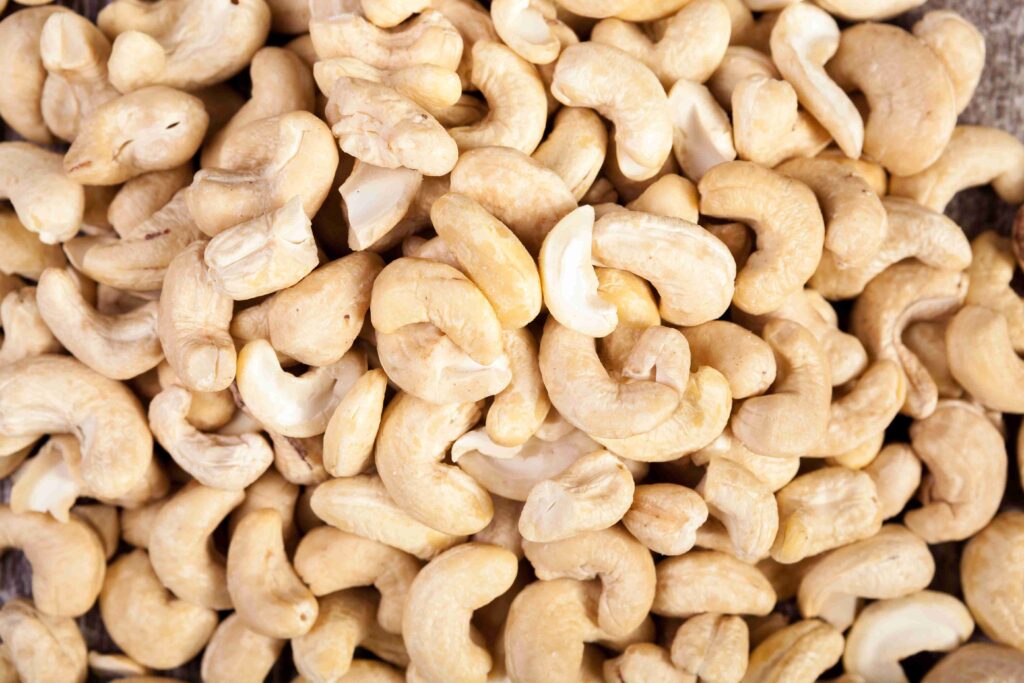
Cashew nutrition facts 100g reveal that cashews are packed with healthy fats, plant-based protein, dietary fiber, vitamins, and essential minerals like magnesium, copper, iron, and zinc. While 100g provides a detailed nutritional reference, most adults benefit from a moderate daily serving of around 28–30g as part of a balanced diet.
Cashews are more than just a delicious snack they’re a powerhouse of nutrition. Understanding cashew nutrition facts 100g helps you make informed dietary choices, whether your goal is better health, fitness, or balanced nutrition. At NFNA, we believe that learning the science behind everyday foods empowers people to build healthier lifestyles and make evidence-based nutrition decisions. If you’d like to turn this understanding into a profession, NFNA’s nutrition and fitness courses in delhi can help you get started.
What Are Cashew Nutrition Facts 100g?
If you’ve ever wondered what makes cashews such a popular superfood, the answer lies in their impressive nutritional profile. Looking at cashew nutrition facts 100g provides a complete picture of the nutrients these kidney-shaped nuts offer.
Nutritional Value of Cashews (Per 100g)
|
Nutrient |
Approximate Amount |
|
Calories |
553 kcal |
|
Protein |
18.2 g |
|
Total Fat |
43.8 g |
|
Saturated Fat |
7.8 g |
|
Carbohydrates |
30.2 g |
|
Dietary Fiber |
3.3 g |
|
Natural Sugars |
5.9 g |
|
Calcium |
37 mg |
|
Iron |
6.7 mg |
|
Magnesium |
292 mg |
|
Phosphorus |
593 mg |
|
Potassium |
660 mg |
|
Zinc |
5.8 mg |
|
Copper |
2.2 mg |
|
Manganese |
1.7 mg |
Although these values are based on a 100g serving, most people consume a much smaller portion in a single sitting. Still, understanding cashew nutrition facts 100g makes it easier to compare cashews with other nuts and plan a balanced diet.
Complete Nutritional Breakdown of Cashews (100g)
Calories in 100g Cashews
A 100g serving contains approximately 553 calories, making cashews an energy-dense food. Most of these calories come from healthy unsaturated fats, which provide long-lasting energy and help keep you feeling satisfied.
Protein Content
Cashews provide about 18 grams of plant-based protein per 100g. Protein plays an important role in supporting muscle maintenance, tissue repair, and overall body function. While cashews shouldn’t be your only protein source, they make a nutritious addition to vegetarian and balanced diets. Those wanting to study such nutrient roles in depth can explore nutrition courses in mumbai for structured learning.
Healthy Fats
One of the standout features of cashew nutrition facts 100g is the presence of heart-friendly unsaturated fats. These healthy fats support cardiovascular health and help the body absorb fat-soluble vitamins. Unlike trans fats, unsaturated fats can be part of a healthy eating pattern when enjoyed in moderation.
Carbohydrates and Dietary Fiber
Cashews contain around 30 grams of carbohydrates, including approximately 3 grams of dietary fiber. Fiber supports digestive health, contributes to fullness, and helps maintain regular bowel function.
Vitamins Found in Cashews
Although they are not the richest source of vitamins, cashews provide valuable amounts of:
- Vitamin B6
- Vitamin K
- Vitamin E
- Small amounts of folate
These vitamins support normal metabolism, immune function, and overall well-being.
Essential Minerals
Minerals are where cashews truly shine.
- Magnesium: Magnesium contributes to muscle function, nerve health, bone strength, and energy production.
- Copper: Cashews are one of the richest natural sources of copper, a mineral essential for red blood cell formation, collagen production, and immune function.
- Iron: Iron helps transport oxygen throughout the body and supports normal energy levels.
- Zinc: Zinc contributes to immune health, wound healing, and healthy skin.
-
Phosphorus and Potassium: These minerals help support healthy bones, muscle contractions, and fluid balance within the body. Building a career around such mineral and metabolic science is exactly what a dietician course can help you achieve.
Top Health Benefits of Cashews
Understanding cashew nutrition facts 100g becomes even more valuable when you look at how these nutrients contribute to overall health.
1. Supports Heart Health
Cashews contain predominantly unsaturated fats, which are associated with supporting heart health when consumed as part of a balanced diet. They also provide magnesium and antioxidants that contribute to normal cardiovascular function.
2. Helps Build Strong Bones
The combination of magnesium, phosphorus, and copper supports bone development and maintenance. These minerals work together to help maintain healthy bone structure over time.
3. Rich in Antioxidants
Cashews contain naturally occurring antioxidants that help protect cells from oxidative stress. These compounds support the body’s natural defense systems and contribute to overall wellness.
4. Supports Muscle Recovery
Protein, magnesium, and phosphorus make cashews a smart snack for active individuals. These nutrients help support normal muscle function and recovery after exercise.
5. Helps Maintain Healthy Weight
Although calorie-dense, cashews contain a combination of protein, healthy fats, and fiber that promotes satiety. When enjoyed in appropriate portions, they can fit into a balanced weight-management plan.
6. Supports Brain Function
Healthy fats and minerals like magnesium and copper play an important role in supporting the nervous system and normal brain function. Including nutrient-rich foods like cashews can contribute to a well-balanced diet.
7. May Help Support Healthy Blood Sugar Levels
Cashews have a relatively low glycaemic impact and contain healthy fats and protein that slow digestion. When consumed in moderation as part of an overall healthy diet, they may help support balanced blood sugar responses.
8. Boosts Immune Function
Zinc, copper, and antioxidants found in cashews contribute to the normal functioning of the immune system, helping the body perform its natural protective functions.
9. Promotes Healthy Skin
Copper plays an important role in collagen production, while healthy fats help maintain skin hydration. Together, these nutrients support healthy-looking skin.
10. Supports Healthy Hair
Minerals such as copper, zinc, and iron contribute to normal hair health. A nutrient-rich diet that includes nuts can help provide the building blocks needed for healthy hair growth.
11. Helps Reduce Fatigue
Iron is essential for oxygen transport throughout the body. Adequate iron intake supports normal energy production and helps reduce tiredness associated with iron deficiency.
12. Provides Sustained Energy
Because they combine healthy fats, protein, and complex carbohydrates, cashews release energy gradually, making them an excellent snack between meals or before physical activity.
Is Eating 100g of Cashews Daily Healthy?
While cashew nutrition facts 100g provide a useful nutritional reference, eating 100g of cashews every day may not be necessary for most adults. A serving of 28–30g (about a small handful) is generally sufficient to enjoy their nutritional benefits while keeping calorie intake balanced.
People with higher energy requirements, such as athletes or highly active individuals, may include larger portions depending on their overall dietary needs. Choosing unsalted or dry-roasted cashews is often a healthier option compared to heavily salted or sugar-coated varieties. If you’re tracking your intake closely, knowing how many calories in 1 kg of a food can help put daily servings into perspective.
Cashews vs Other Popular Nuts
Understanding cashew nutrition facts 100g becomes even more useful when comparing them with other commonly consumed nuts. Each variety has its own nutritional strengths, making a mix of nuts an excellent addition to a balanced diet.
|
Nutrient (Per 100g) |
Cashews |
Almonds |
Walnuts |
Pistachios |
|
Calories |
553 kcal |
579 kcal |
654 kcal |
562 kcal |
|
Protein |
18.2 g |
21.2 g |
15.2 g |
20.2 g |
|
Healthy Fat |
43.8 g |
49.9 g |
65.2 g |
45.4 g |
|
Dietary Fiber |
3.3 g |
12.5 g |
6.7 g |
10.6 g |
|
Magnesium |
292 mg |
270 mg |
158 mg |
121 mg |
|
Iron |
6.7 mg |
3.7 mg |
2.9 mg |
4.2 mg |
Cashews stand out for their impressive magnesium, copper, and iron content, making them a great option for individuals looking to support energy production, bone health, and normal body functions.
Are Cashews Good for Weight Loss?
Many people avoid nuts because they are calorie-dense, but that doesn’t mean they should be excluded from a healthy eating plan. In fact, cashews can support weight management when eaten in moderation. For comparison with another popular snack, how many calories in one banana is worth checking out.
Here’s why:
- Their protein and healthy fats help you stay full for longer.
- Dietary fiber supports satiety and healthy digestion.
- They make a satisfying alternative to highly processed snacks.
- They provide sustained energy, reducing the urge to snack frequently.
The key is portion control. A handful of cashews (around 28–30g) is generally enough to enjoy their nutritional benefits without consuming excess calories.
Are Cashews Good for People with Diabetes?
Cashews can be included in a diabetes-friendly eating plan when consumed in appropriate portions.
Some reasons include:
- They have a relatively low glycaemic impact.
- Healthy fats and protein help slow digestion.
- They contain magnesium, which supports normal metabolic functions.
- Their fiber content contributes to steady digestion.
However, it’s always best to choose unsalted, unflavoured, or dry-roasted cashews instead of sugar-coated or heavily seasoned varieties. Individuals with diabetes should also consider their total daily carbohydrate intake and consult a healthcare professional or registered dietitian for personalised dietary advice. Those wanting to offer this kind of guidance professionally can explore nutrition courses in kerala to build the right expertise.
Best Ways to Eat Cashews
Cashews are incredibly versatile and can be enjoyed in many delicious ways.
- Raw Cashews: Raw or naturally processed cashews are ideal for snacking and cooking, preserving their creamy texture and natural flavour.
- Dry-Roasted Cashews: Dry roasting enhances the nutty flavour without adding unnecessary oils. They make a healthy snack when unsalted.
- Cashew Butter: Cashew butter can be spread on whole-grain toast, added to smoothies, or used as a dip for fruits and vegetables.
- Smoothies: Blend a handful of cashews into smoothies for extra creaminess, protein, and healthy fats.
- Salads: Sprinkle chopped cashews over salads to add crunch, flavour, and valuable nutrients.
- Homemade Trail Mix: Combine cashews with almonds, pumpkin seeds, raisins, and dried cranberries for a balanced snack that’s easy to carry.
Possible Side Effects of Eating Too Many Cashews
Although cashews are highly nutritious, consuming excessive amounts may not be beneficial.
Potential concerns include:
- Increased calorie intake that may contribute to weight gain.
- Digestive discomfort due to overeating.
- High sodium intake if consuming salted varieties regularly.
- Nut allergies in susceptible individuals.
- People prone to kidney stones may need to monitor foods containing oxalates as advised by their healthcare provider.
Enjoying cashews in moderate portions allows you to benefit from their nutrients while maintaining a balanced diet. Comparing this to everyday staples, such as how much calories in 1 roti, can help you plan a well-rounded daily meal.
How to Store Cashews Properly
Proper storage helps maintain freshness, flavour, and nutritional quality.
Follow these simple tips:
- Store cashews in an airtight container.
- Keep them in a cool, dry place away from direct sunlight.
- Refrigerate them if you plan to store them for several months.
- Freeze them for long-term storage to preserve freshness.
- Avoid exposure to moisture, as it can reduce quality and cause spoilage.
Correct storage ensures that your cashews remain crisp and delicious for longer.
Who Should Include Cashews in Their Diet?
Cashews can be enjoyed by a wide range of individuals as part of a balanced eating pattern, including:
- Fitness enthusiasts looking for plant-based protein.
- Athletes needing nutrient-rich snacks.
- Vegetarians seeking additional sources of minerals.
- Growing children with increased nutritional needs.
- Older adults aiming to maintain bone and muscle health.
- Busy professionals who need convenient, wholesome snacks.
As with any food, portion size and overall dietary balance remain important.
Expert Tips for Including Cashews in a Healthy Diet
Small dietary habits can make a big difference over time. Here are a few practical ways to include cashews in your meals:
- Enjoy a small handful as a mid-morning or evening snack.
- Pair them with fresh fruits for a balanced combination of healthy fats and natural carbohydrates.
- Add chopped cashews to oatmeal or yoghurt for extra texture and nutrition.
- Use them in homemade curries, stir-fries, and grain bowls.
- Replace processed snacks with unsalted cashews to improve overall diet quality.
- Rotate cashews with other nuts and seeds to enjoy a wider variety of nutrients.
For those looking to deepen this kind of everyday nutrition knowledge further, nutrition courses in kolkata offers a great starting point.
Conclusion
Understanding cashew nutrition facts 100g helps you appreciate why cashews are considered one of the most nutrient-dense nuts. Rich in plant-based protein, heart-friendly fats, magnesium, copper, iron, and antioxidants, they offer a wide range of nutritional benefits that can support overall health when enjoyed in moderation.
While the nutritional values per 100g serve as a useful reference, most adults can benefit from a smaller daily serving of around 28–30g. Pairing cashews with a balanced diet, regular physical activity, and healthy lifestyle habits is the best way to maximise their nutritional value.
Whether you enjoy them raw, dry-roasted, blended into smoothies, or added to your favourite meals, cashews are a wholesome and versatile addition to everyday eating.
Learn the Science Behind Everyday Nutrition with NFNA
Knowing the cashew nutrition facts 100g is just the beginning of understanding how food influences health and well-being. If you’re passionate about nutrition, fitness, or helping others make informed dietary choices, building a strong foundation in nutritional science can open up exciting opportunities.
At NFNA (National Fitness and Nutrition Academy), we offer industry-relevant nutrition and fitness education designed by experienced professionals. Our evidence-based courses combine scientific knowledge with practical learning, empowering aspiring nutrition coaches, fitness professionals, healthcare practitioners, and wellness enthusiasts to develop real-world skills and confidence.
Whether you’re looking to advance your career, deepen your understanding of nutrition, or make a positive impact on people’s health, NFNA provides the knowledge, guidance, and practical expertise to help you succeed. Explore our courses today and take the next step towards becoming a trusted nutrition and fitness professional.
Q1. What are the nutrition facts of 100g cashews?
A 100g serving of cashews provides approximately 553 calories, 18.2g protein, 43.8g healthy fats, 30.2g carbohydrates, 3.3g fiber, and significant amounts of magnesium, copper, iron, phosphorus, and zinc.
Q2. How much protein is in 100g of cashews?
A 100g serving contains approximately 18 grams of plant-based protein, making cashews a nutritious addition to vegetarian and balanced diets.
Q3. How many cashews should you eat daily?
Most healthy adults can enjoy about 28–30g (roughly a handful) of unsalted cashews each day as part of a balanced diet.
Q4. Can cashews help with weight management?
Yes. Their combination of protein, healthy fats, and fiber promotes fullness, which may help reduce unnecessary snacking when eaten in appropriate portions.
Q5. Can people with diabetes eat cashews?
Yes. Unsalted cashews can fit into a diabetes-friendly meal plan when consumed in moderation alongside a balanced diet and professional dietary guidance.
Q6. Is eating 100g of cashews every day healthy?
While cashew nutrition facts 100g provide a useful nutritional reference, consuming 100g daily may provide more calories than many people require. Moderate portions are generally recommended.
Q7. Why are cashews considered a healthy snack?
Cashews contain healthy fats, protein, fiber, antioxidants, vitamins, and minerals that support overall health while offering long-lasting energy and satiety.
Q8. Will eating cashews every day improve overall health?
Including moderate portions of cashews as part of a varied and balanced diet may support heart health, energy production, bone health, and overall nutrition. However, no single food alone determines good health.