Many nutrition myths in India continue to influence food choices despite lacking scientific evidence. Misconceptions about protein, carbohydrates, fats, detox diets, meal timing, and weight loss can lead to poor dietary decisions. Understanding evidence-based nutrition helps individuals make informed choices, build sustainable eating habits, and support long-term health and wellness.
Nutrition myths India continues to encounter often stem from cultural beliefs, social media trends, and outdated dietary advice. While some of these ideas may seem harmless, they can affect health outcomes and eating habits. At NFNA, we believe nutrition should be guided by science, not assumptions. Understanding the facts behind common dietary misconceptions can help you make smarter food choices and maintain better overall health.
Why Nutrition Myths Continue to Thrive in India
Nutrition advice is everywhere. Family members, fitness influencers, celebrities, and online communities often share diet recommendations with confidence. However, confidence does not always equal credibility.
Many common nutrition misconceptions India experiences today have been passed down through generations without scientific validation. Some are rooted in traditional beliefs, while others emerge from viral social media trends. This is one reason why structured learning through a nutrition course for homemakers in India is gaining popularity it gives everyday people the tools to separate evidence-based guidance from misinformation within their own households.
The challenge is not a shortage of information—it is distinguishing evidence-based guidance from misinformation.
Nutrition science continues to evolve as researchers learn more about how food affects the human body. What was considered healthy twenty years ago may not align with current evidence.
That is why relying on qualified nutrition professionals and scientifically supported recommendations is essential.
Myth #1: Vegetarians Cannot Meet Their Protein Requirements
One of the most widespread protein myths India vegetarian diet discussions often focus on is the belief that vegetarian diets lack sufficient protein.
The Truth About Vegetarian Protein Sources
Protein is found in a wide variety of plant-based and dairy foods commonly consumed in India.
Excellent vegetarian protein sources include:
- Lentils and dals
- Chickpeas
- Kidney beans
- Soybeans
- Tofu
- Paneer
- Milk and yogurt
- Peanuts
- Almonds
- Seeds
When consumed as part of a balanced diet, these foods can easily help individuals meet their daily protein requirements.
Building a Protein-Rich Vegetarian Plate
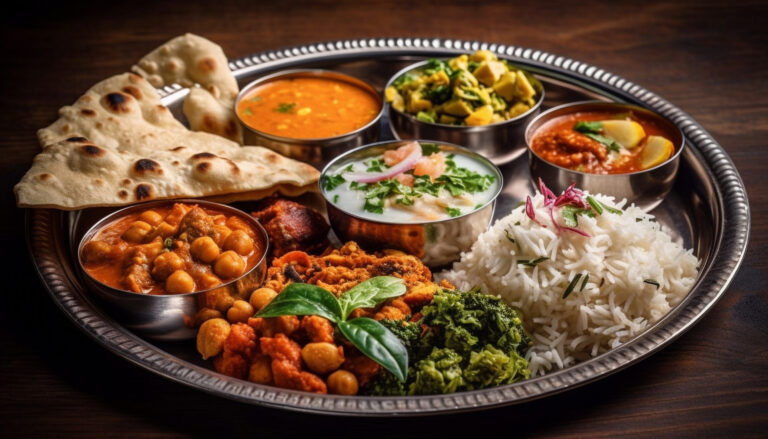
A simple Indian meal consisting of dal, roti, paneer, vegetables, and curd can provide a significant amount of protein while also delivering essential vitamins, minerals, and fibre.
The key is variety and consistency rather than relying on a single protein source.
Myth #2: Protein Supplements Are Necessary for Everyone
Walk into any gym and you will likely hear someone recommending protein powders. While supplements can be useful in specific situations, they are not essential for everyone.
Who Actually Needs Protein Supplements?
Protein supplements may benefit:
- Competitive athletes
- Bodybuilders
- Individuals with increased protein needs
- People struggling to consume enough protein through food
For most healthy adults, whole foods remain the preferred source of nutrition. Those with performance-specific goals can find more tailored guidance through a nutrition course for athletes in India, which addresses supplementation within the broader context of sports nutrition.
Food First Is Still the Best Approach
Foods such as:
- Dairy products
- Pulses
- Legumes
- Soy products
- Nuts
- Seeds
provide protein along with fibre, vitamins, minerals, and other beneficial nutrients.
Supplements should support a healthy diet, not replace it.
Myth #3: Carbohydrates Always Cause Weight Gain
Carbohydrates have become one of the most misunderstood nutrients in modern nutrition.
Why Carbohydrates Are Important
Carbohydrates are the body’s primary source of energy. They fuel physical activity, support brain function, and help maintain overall performance throughout the day.
Healthy carbohydrate sources include:
- Whole grains
- Millets
- Oats
- Brown rice
- Fruits
- Vegetables
- Legumes
What Actually Causes Weight Gain?
Weight gain occurs when calorie intake consistently exceeds energy expenditure.
Factors contributing to weight gain include:
- Excess calorie consumption
- Sedentary lifestyle
- Poor sleep
- Chronic stress
- Hormonal imbalances
Whole-food carbohydrates are not inherently responsible for weight gain.
Myth #4: Eating Fat Makes You Fat
For years, dietary fat was blamed for obesity and heart disease. Today, research paints a much more balanced picture.
Why Healthy Fats Matter
Healthy fats support:
- Brain function
- Hormone production
- Cell growth
- Nutrient absorption
- Energy balance
Healthy Fat Sources
Examples include:
- Nuts
- Seeds
- Avocados
- Olive oil
- Fatty fish
The goal is not to eliminate fat but to choose healthier sources while maintaining appropriate portion sizes.
Myth #5: Skipping Meals Helps You Lose Weight Faster
Many people believe that eating less frequently automatically results in weight loss.
What Happens When You Skip Meals?
Skipping meals often leads to:
- Increased hunger
- Low energy levels
- Difficulty concentrating
- Overeating later in the day
Sustainable Weight Management Matters
Healthy weight management focuses on:
- Balanced meals
- Adequate protein intake
- Regular physical activity
- Consistent eating habits
Extreme restriction is rarely sustainable and may negatively impact long-term health. For professionals whose schedules make regular eating difficult, a nutrition course for corporate professionals can offer practical strategies for maintaining balanced nutrition within demanding workdays.
Myth #6: Detox Diets and Juice Cleanses Remove Toxins
Detox products have become increasingly popular, but scientific evidence does not support many of their claims.
How Your Body Naturally Detoxifies
The human body already has highly effective detoxification systems.
These include:
- Liver
- Kidneys
- Digestive tract
- Skin
- Lungs
These organs continuously process and eliminate waste products without requiring expensive detox programs.
The Problem With Detox Diets
Many detox plans are:
- Extremely restrictive
- Nutritionally inadequate
- Difficult to sustain
Rather than detoxing, focus on supporting your body’s natural systems through balanced nutrition, hydration, sleep, and physical activity.
Myth #7: Gluten-Free Foods Are Healthier for Everyone
The popularity of gluten-free products has led many people to believe they are inherently healthier.
Who Actually Needs a Gluten-Free Diet?
A gluten-free diet is medically necessary for individuals with:
- Celiac disease
- Non-celiac gluten sensitivity
- Certain digestive disorders diagnosed by healthcare professionals
Why Going Gluten-Free Without Reason May Not Help
Many gluten-free products contain:
- Added sugars
- Refined starches
- Lower fibre content
Unless medically indicated, eliminating gluten offers little benefit for most healthy individuals.
Myth #8: Fruits Should Never Be Eaten After Meals
This belief remains common in many households.
Where Did This Myth Come From?
Some people believe eating fruit after meals causes:
- Poor digestion
- Fermentation
- Bloating
However, there is little scientific evidence supporting these claims for healthy individuals.
What Research Suggests
Fruits provide:
- Vitamins
- Minerals
- Fibre
- Antioxidants
The timing of fruit consumption is far less important than regularly including fruits in your diet.
Myth #9: Eating Late at Night Automatically Causes Weight Gain
Many people avoid eating after a specific hour because they believe late-night meals directly lead to weight gain.
What Really Matters
Weight management is influenced primarily by:
- Total calorie intake
- Food quality
- Physical activity
- Overall lifestyle habits
Eating at night does not automatically cause weight gain.
When Late-Night Eating Becomes a Problem
Issues may arise when late-night eating involves:
- Excessive snacking
- High-calorie foods
- Emotional eating habits
The focus should be on overall dietary patterns rather than the clock.
Myth #10: Healthy Eating Is Expensive
One of the most damaging nutrition myths India faces is the belief that healthy eating is only for those with large budgets.
Affordable Healthy Foods Available in India
Nutritious options include:
- Lentils
- Chickpeas
- Seasonal vegetables
- Local fruits
- Millets
- Eggs
- Peanuts
- Curd
These foods are often more affordable than highly processed packaged snacks.
Smart Budget Nutrition Tips
- Buy seasonal produce
- Cook meals at home
- Plan weekly meals
- Prioritize whole foods
- Reduce food waste
Healthy eating is more about food choices than spending power. Educators play a powerful role in reinforcing these habits early, which is why a nutrition course for school teachers in India helps professionals address diet myths directly within classroom and community settings.
How to Identify Nutrition Misinformation
The rise of social media has increased exposure to nutrition misinformation.
Watch out for advice that:
- Promises rapid results
- Eliminates entire food groups unnecessarily
- Claims miracle cures
- Relies on celebrity endorsements instead of evidence
- Uses fear-based marketing
Before following any nutrition advice, ask:
- Is it supported by research?
- Does it come from a qualified professional?
- Is it realistic and sustainable?
Evidence-based nutrition should always prioritize long-term health over short-term trends.
Expert Tips for Building a Balanced Indian Diet
A healthy Indian diet does not need to be complicated.
Focus on:
- Prioritizing Protein: Include protein sources in every meal whenever possible.
- Eating More Whole Foods: Choose foods closer to their natural state.
- Including Fruits and Vegetables Daily: for a variety of colours to maximize nutrient intake.
- Staying Physically Active: Nutrition and movement work together to support health.
- Avoiding Extreme Diet Trends: Sustainable habits consistently outperform restrictive diets.
By focusing on practical, evidence-based choices, individuals can avoid many nutrition myths India commonly encounters and build healthier eating patterns. If you are considering formalizing your nutrition knowledge, understanding nutrition course fees and duration in India is a useful first step before committing to a program.
Conclusion: Focus on Facts, Not Food Myths
Nutrition can sometimes feel overwhelming due to the sheer volume of conflicting advice available today. However, understanding the science behind common misconceptions allows individuals to make informed decisions that support long-term health.
Many nutrition myths India continues to encounter persist because they are repeated frequently, not because they are scientifically accurate. Whether it is concerns about carbohydrates, protein, fats, detox diets, or meal timing, the best approach is to rely on evidence rather than assumptions. For those interested in turning this knowledge into a credential, exploring which nutrition certification is best in India can help identify the right program for your goals.
The next time you hear a nutrition claim, pause and ask whether it is supported by credible research. Building healthy habits based on facts rather than myths is one of the most powerful investments you can make in your well-being.
Learn Evidence-Based Nutrition With NFNA
In a world filled with misinformation, credible nutrition education has never been more important.
The National Fitness and Nutrition Academy (NFNA) is committed to helping aspiring nutrition professionals, fitness experts, healthcare practitioners, and wellness enthusiasts develop a strong foundation in evidence-based nutrition science.
Through industry-relevant courses, expert-led learning, practical applications, and comprehensive nutrition education, NFNA equips students with the knowledge and skills needed to make informed decisions and support healthier communities.
Whether you are looking to build a career in nutrition, expand your professional expertise, or deepen your understanding of food and health, NFNA provides the educational foundation to help you succeed.
Explore NFNA’s nutrition programs today and take the next step toward becoming a trusted nutrition professional.
Frequently Asked Questions
Q1. How can I identify nutrition misinformation online?
Look for information from qualified dietitians, nutritionists, healthcare professionals, and reputable health organizations. Be cautious of advice that promises quick results or lacks scientific evidence.
Q2. How much protein does a vegetarian need daily?
Protein requirements vary based on age, activity level, and health status. Most healthy adults require approximately 0.8–1.0 grams of protein per kilogram of body weight, which can be achieved through a balanced vegetarian diet.
Q3. Can vegetarians get enough protein without supplements?
Yes. Lentils, legumes, dairy products, soy foods, nuts, and seeds can provide adequate protein when consumed regularly as part of a balanced diet.
Q4. Can carbohydrates be part of a weight-loss diet?
Absolutely. Whole grains, fruits, vegetables, and legumes provide essential nutrients and fibre while supporting healthy weight management.
Q5. Is skipping meals an effective way to lose weight?
Not necessarily. Skipping meals can increase hunger and lead to overeating later. Sustainable weight loss is usually achieved through balanced eating habits and regular physical activity.
Q6. Will eating after 8 PM cause weight gain?
Eating after a specific time does not automatically cause weight gain. Total calorie intake, food quality, and lifestyle habits play a much larger role.
Q7. What is the most common nutrition misconception in India?
One of the most common misconceptions is that vegetarians cannot consume enough protein. In reality, many vegetarian foods provide high-quality protein.
Q8. Why do nutrition myths spread so easily?
Nutrition myths often spread because they offer simple explanations for complex health issues. Social media, anecdotal experiences, and outdated beliefs can also contribute to misinformation.