A nutrition course is ideal for students interested in wellness, fitness, lifestyle coaching, and flexible career opportunities, while a dietician course is better suited for clinical healthcare and hospital-based nutrition practice. The right choice depends on your career goals, preferred work environment, and how deeply you want to specialize in medical nutrition.
The health and wellness industry in India is growing rapidly, and institutions like NFNA are helping students build professional careers through practical and evidence based nutrition education. If you are searching for answers to “nutrition course vs dietician course which is better,” it is important to understand that both fields offer excellent opportunities but lead to very different career paths.
A what is nutrition and dietetics course question is best answered by understanding that nutrition focuses more on wellness, fitness, lifestyle management, and preventive health, whereas a dietician course is designed around clinical nutrition, therapeutic diet planning, and patient care. Choosing the right option depends on your interests, long term career goals, and the type of work environment you prefer.
Understanding the Difference Between Nutrition and Dietician Course
Although people often use the terms “nutritionist” and “dietician” interchangeably, understanding what is nutrition and dietetics course helps clarify that they are not exactly the same, with different education pathways, work responsibilities, and career opportunities.
What Is a Nutrition Course?
A nutrition course focuses on:
- Food science courses and healthy eating
- Lifestyle and wellness management
- Sports and fitness nutrition
- Weight management strategies
- Preventive healthcare
- Client coaching and behavioural change
These courses are usually flexible and can range from short-term certifications to advanced diploma programs. They are ideal for students who want to work in:
- Fitness and wellness centres
- Online nutrition coaching
- Corporate wellness
- Sports nutrition
- Freelance consulting
Nutrition programs often emphasize practical lifestyle transformation rather than clinical medical treatment.
What Is a Dietician Course?
A dietician diploma course is generally more detailed academically, clinically structured, longer in duration, and focused on healthcare applications.
- Medical nutrition therapy
- Disease-specific diet planning
- Clinical patient management
- Hospital nutrition protocols
- Therapeutic nutrition
Dieticians typically work alongside doctors and healthcare professionals in:
- Hospitals
- Clinics
- Rehabilitation centres
- Healthcare institutions
This path is more suitable for students interested in evidence-based clinical healthcare and patient recovery support.
Difference Between Nutrition and Dietician Course
|
Feature |
Nutrition Course |
Dietician Course |
|
Primary Focus |
Wellness & preventive health |
Clinical nutrition & therapy |
|
Career Type |
Flexible & lifestyle-oriented |
Healthcare & hospital-oriented |
|
Work Environment |
Gyms, wellness centres, online |
Hospitals, clinics |
|
Learning Style |
Practical coaching-based |
Medical & clinical |
|
Ideal For |
Fitness and wellness careers |
Clinical healthcare careers |
|
Flexibility |
High |
Moderate |
|
Client Type |
Healthy individuals |
Patients with medical conditions |
Nutrition Course vs Dietician Course Which Is Better for Career Growth?
Both career paths are growing rapidly due to increasing awareness around health, obesity, diabetes, gut health, and preventive healthcare.
The better option depends on your career vision.
Career Opportunities After a Nutrition Course
A nutrition course opens opportunities in multiple fast-growing wellness industries.
Popular Career Options
- Certified Nutrition Coach
- Sports Nutrition Consultant
- Weight Management Expert
- Corporate Wellness Coach
- Online Nutrition Consultant
- Fitness Nutrition Advisor
- Health Content Creator
The rise of social media and digital health platforms has created strong demand for nutrition professionals who can guide people on sustainable lifestyle changes.
Benefits of Choosing Nutrition
- Faster career entry
- Flexible online work
- Freelancing opportunities
- Personal brand building
- Lower educational barriers
Career Opportunities After a Dietician Course
Dietician programs prepare students for more structured clinical healthcare careers.
Common Career Roles
- Clinical Dietician
- Hospital Nutritionist
- Renal Dietician
- Therapeutic Nutrition Specialist
- Diabetes Educator
- ICU Nutrition Consultant
Benefits of Choosing Dietetics
- Stable healthcare career
- Clinical specialization opportunities
- Hospital employment
- Strong medical exposure
- Higher authority in patient dietary management
Which Career Has Better Earning Potential?
Both professions offer strong income potential, but the income model differs.
Nutrition Professionals
Income often depends on:
- Client base
- Online consulting
- Social media presence
- Freelancing ability
- Entrepreneurship
Dieticians
Income is generally linked to:
- Hospital experience
- Clinical specialization
- Healthcare institutions
- Seniority level
Professionals who combine clinical knowledge with strong communication skills often perform best in today’s health industry.
Should I Do Nutrition or Dietician?
One of the most common questions students ask is: “Should I do nutrition or dietician?”
The answer depends on your interests, strengths, and preferred career path.
Choose a Nutrition Course If:
You should consider nutrition if you:
- Enjoy fitness and wellness
- Want flexible career opportunities
- Prefer lifestyle coaching over clinical settings
- Want to start working faster
- Are interested in online consulting
- Like preventive healthcare
Nutrition is also ideal for fitness trainers, wellness enthusiasts, and individuals interested in entrepreneurship.
Choose a Dietician Course If:
You may prefer dietetics if you:
- Want to work in hospitals
- Enjoy clinical healthcare
- Are interested in disease management
- Prefer structured healthcare environments
- Want to specialize medically
Dietetics is often a better fit for students interested in patient recovery and therapeutic nutrition.
Nutrition Certification vs Dietician Diploma
Understanding the difference between nutrition certification vs dietician diploma is important before choosing a program.
What Is a Nutrition Certification?
A nutrition certification is usually:
- Short-term
- Skill-focused
- Flexible
- Practical and application-oriented
These programs are suitable for:
- Beginners
- Fitness professionals
- Career switchers
- Wellness entrepreneurs
They help students enter the industry quickly and start building practical consultation skills.
What Is a Dietician Diploma?
A dietician diploma is generally:
- More detailed academically
- Clinically structured
- Longer in duration
- Focused on healthcare applications
These programs are suitable for students seeking deeper clinical expertise.
Which One Is Better?
There is no universal answer.
Choose Certification If:
- You want faster industry entry
- You prefer flexible learning
- You want practical coaching skills
Choose Diploma If:
- You want clinical depth
- You prefer healthcare environments
- You aim for structured medical nutrition roles
Skills Required to Succeed in Nutrition and Dietetics
Success in both nutrition and dietetics requires more than theoretical knowledge. Professionals must develop practical expertise, communication skills, and scientific understanding.
Technical Skills
Important technical skills include:
- Meal planning
- Nutritional assessment
- Supplement understanding
- Clinical nutrition basics
- Reading food labels
- Understanding body composition
- Client progress tracking
Communication Skills
Strong communication is extremely important because nutrition professionals regularly interact with clients who need motivation and guidance.
Important soft skills include:
- Active listening
- Empathy
- Confidence
- Behaviour coaching
- Public speaking
- Client motivation
- Critical thinking
Professionals who combine scientific knowledge with strong interpersonal skills usually build the most successful careers.
Why Evidence-Based Education Matters
The nutrition industry is filled with misinformation and fad diets. This is why evidence-based education is critical.
A strong program should teach students how to:
- Interpret scientific research
- Understand human physiology
- Avoid misinformation
- Build ethical consultation practices
- Create sustainable nutrition plans
Students should always choose institutions that focus on practical learning, scientific accuracy, and real-world application.
Best Nutrition and Dietician Courses in India
India’s wellness industry is expanding rapidly, creating strong opportunities for a career in nutrition and dietetics in india for skilled nutrition professionals with practical expertise.
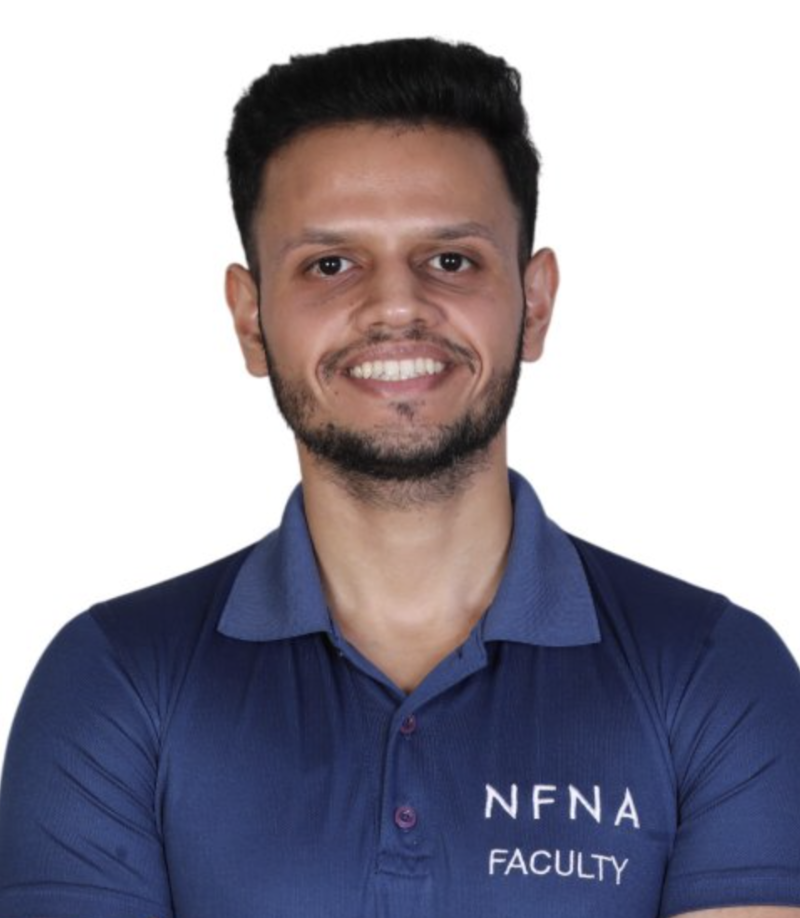
One institution gaining recognition for evidence-based nutrition education is NFNA (National Fitness and Nutrition Academy).
NFNA offers a diploma in nutrition and dietetics and other industry-oriented programs designed for students, fitness professionals, and aspiring wellness coaches.
Diploma in Applied Nutrition, Food Science & Dietetics
This program focuses on:
- Practical nutrition education
- Clinical fundamentals
- Case-study learning
- Real-world consultation skills
It is suitable for students looking for a deeper understanding of nutrition science and dietary applications.
Certification in Applied Nutrition
This course is ideal for:
- Beginners
- Fitness enthusiasts
- Lifestyle coaches
- Aspiring online consultants
The flexible learning format helps students develop practical nutrition knowledge efficiently.
Diploma in Nutrition and Dietetics
This program combines:
- Nutrition science
- Clinical exposure
- Consultation training
- Applied dietetics
It is designed for students who want structured learning with practical application.
How to Choose the Right Course for Yourself
Before selecting a program, ask yourself:
Important Questions
- Do I enjoy clinical healthcare or wellness coaching?
- Do I want flexible work opportunities?
- Am I comfortable in hospital settings?
- Do I prefer entrepreneurship or structured employment?
- How quickly do I want to start working?
- Do I want to work online or offline?
Your answers can help you identify the right educational path.
Final Thoughts
Choosing between nutrition and dietetics is not about finding one universally “better” option. It is about identifying the career path that aligns with your interests, strengths, and professional goals.
If you enjoy wellness coaching, flexibility, and lifestyle transformation, nutrition may be the ideal choice. If you are passionate about clinical healthcare and therapeutic nutrition, dietetics could be a better fit.
The key is choosing a program that combines practical learning, scientific knowledge, and industry relevance.
For students looking to build a strong foundation in nutrition and wellness education, NFNA offers evidence-based programs designed to prepare aspiring professionals for real-world career opportunities in the growing health and wellness industry.
Frequently Asked Questions
Q1. How is a nutrition course different from a dietician course?
A nutrition course mainly focuses on wellness, fitness, preventive health, and lifestyle improvement, while a dietician course focuses on clinical nutrition and medical dietary management for patients.
Q2. Can a nutritionist work in hospitals?
Some nutrition professionals may work in healthcare settings depending on their qualifications and local regulations, but clinical dieticians are generally more common in hospitals.
Q3. Is a dietician course harder than a nutrition course?
Dietician courses are usually more clinically intensive and medically detailed, which can make them academically more demanding than general nutrition certifications.
Q4. What is better for freelancing: nutrition or dietetics?
Nutrition is often considered more flexible for freelancing, online coaching, and personal branding because it focuses heavily on lifestyle consultation.
Q5. Why are nutrition courses becoming popular in India?
Increasing awareness about fitness, obesity, diabetes, gut health, and preventive healthcare has significantly increased demand for qualified nutrition professionals.
Q6. How long does it take to complete a nutrition certification?
Many nutrition certifications can be completed within a few months, depending on the institution and course structure.
Q7. Can I become a dietician without clinical education?
Clinical dietetics generally requires specialized academic and practical training related to medical nutrition therapy and patient care.
Q8. Will nutrition careers continue growing in the future?
Yes. The global focus on preventive healthcare, wellness coaching, fitness, and lifestyle management continues to create strong demand for nutrition professionals.