
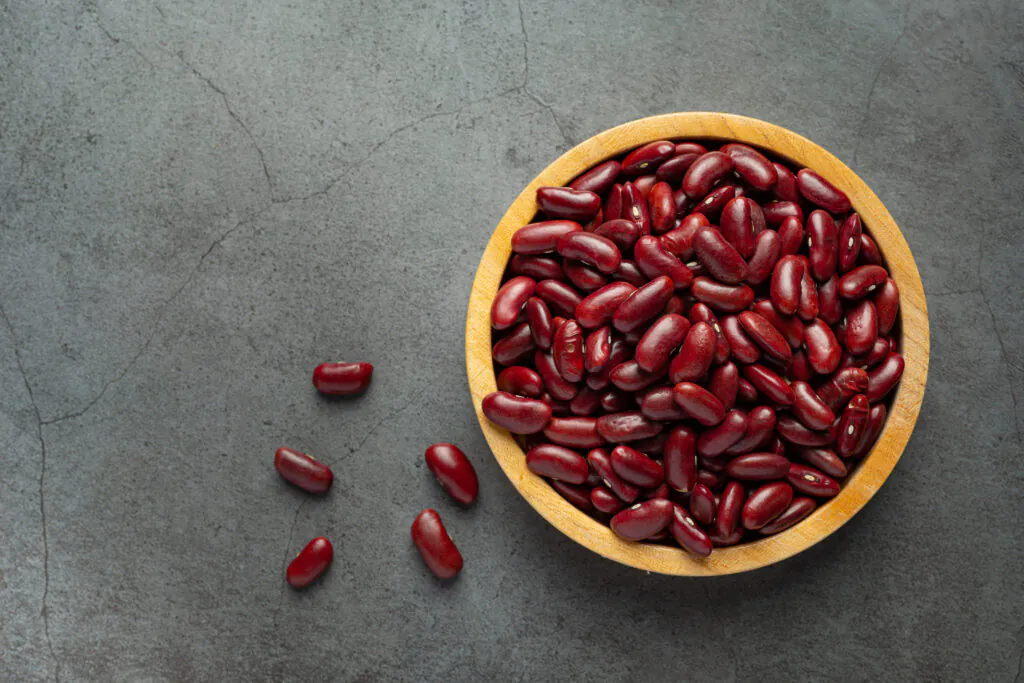
Protein is the cornerstone of human nutrition, supporting muscle growth, tissue repair, metabolism, and overall energy. For many individuals, especially those following vegetarian or plant-based diets, meeting daily protein requirements can be challenging. One solution that is both natural and widely accessible in India is kidney beans, commonly known as rajma. With kidney beans protein per 100g providing 8.7 grams in its boiled form, rajma serves as a powerful, plant-based source of protein that can be easily incorporated into everyday meals.
Including kidney beans in your diet not only ensures adequate protein intake but also supplies essential vitamins, minerals, and dietary fiber. Unlike protein powders or supplements, rajma delivers a holistic nutritional profile, supporting long-term health and fitness goals. In this article, we will explore kidney beans protein per 100g, its full nutritional composition, health benefits, and practical ways to integrate this superfood into your daily routine for optimum fitness and wellness.
Kidney Beans (Rajma) – The Indian Superfood
Kidney beans, or rajma, are one of India’s most beloved legumes. They have been a staple in Indian households for centuries due to their rich flavor, versatility, and nutritional benefits. Rajma is known as the “vegetarian’s protein powerhouse,” and rightly so. With significant protein content, fiber, iron, potassium, and folate, rajma provides essential nutrients needed for energy, muscle repair, and overall well-being.
Culturally, rajma is a traditional dish in North India, often paired with rice to make the iconic Rajma-Chawal. Beyond taste, kidney beans have gained recognition in modern nutrition science as a high-quality plant-based protein source, suitable for vegetarians, vegans, and health-conscious individuals seeking natural, whole-food nutrition. By understanding kidney beans protein per 100g, nutrition students and fitness enthusiasts can design balanced, protein-rich diets for themselves or their clients.
Kidney Beans Protein per 100g: Full Nutritional Breakdown
Kidney beans protein per 100g is a key reason why rajma is considered a nutritional powerhouse. Beyond protein, kidney beans provide a wealth of other nutrients that support overall health. Here is the full nutritional profile of 100 grams of boiled rajma:
- Protein 8.7 grams
- Calories 127 kcal
- Carbohydrates 22.8 grams
- Fiber 6.4 grams
- Fat 0.5 grams
- Iron 2.9 milligrams
- Potassium 405 milligrams
- Folate 130 micrograms
It is important to note that dry kidney beans contain higher protein, approximately 24 grams per 100 grams, but once boiled, water absorption reduces the protein content to 8.7 grams per 100 grams. Soaking and boiling rajma not only makes it digestible but also enhances the availability of nutrients. Knowing the protein content of kidney beans allows individuals and nutrition students to calculate precise protein intake per meal, ensuring dietary goals are met naturally and effectively.
Why Kidney Beans Are a Great Plant-Based Protein Source
Kidney beans protein per 100g makes it an excellent option for anyone seeking plant-based protein. Here’s why kidney beans stand out:
- Rajma is ideal for vegetarians and vegans who want to meet their daily protein requirements without relying on animal products
- Although kidney beans do not contain all essential amino acids on their own, combining them with grains such as rice, quinoa, or whole wheat creates a complete protein profile
- Kidney beans provide protein along with fiber, iron, potassium, and antioxidants, which enhance overall health and aid in muscle repair and energy production
- Compared to other legumes, kidney beans offer a balanced nutrient profile, making them suitable for sustained energy, weight management, and digestive health
Understanding kidney beans protein per 100g empowers nutrition students, trainers, and fitness enthusiasts to plan meals that maximize plant-based protein intake, whether for personal goals or client diets.
Top 7 Health Benefits of Kidney Beans
Incorporating kidney beans protein per 100g into your diet provides numerous health benefits, making rajma a superfood for fitness and overall well-being:
- Supports muscle growth and repair by supplying adequate protein for bodybuilders, athletes, and active individuals
- Aids in weight management as high fiber content increases satiety and reduces overeating
- Helps stabilize blood sugar levels due to its low glycemic index, making it suitable for individuals managing diabetes
- Boosts digestive health by providing soluble and insoluble fiber, promoting gut microbiome balance
- Strengthens heart health through potassium content and low sodium levels, which help regulate blood pressure
- Enhances iron levels, preventing anemia and fatigue, especially for vegetarians and vegans
- Provides antioxidants that combat oxidative stress, reducing the risk of chronic diseases and supporting longevity
By including kidney beans protein per 100g in your meals, you can enjoy a natural, plant-based source of protein that also enhances overall health and fitness.
Rajma for Fitness Enthusiasts and Nutrition Students
For fitness enthusiasts, athletes, and nutrition students, understanding kidney beans protein per 100g is essential for effective meal planning:
- Rajma is versatile and can be used in various meals to ensure protein-rich diets without relying on animal sources
- Fitness professionals can design plant-based meal plans for clients by calculating protein intake from boiled or dry rajma
- Nutrition students can practice applying macronutrient data, learning how to create balanced diets that meet energy and protein requirements
- Rajma-chawal meals provide an excellent combination of carbohydrates and protein, offering sustained energy for athletes and active individuals
Incorporating kidney beans protein per 100g into fitness diets ensures muscle repair, endurance, and optimal performance while adhering to vegetarian or vegan dietary patterns.
Smart Ways to Add Rajma to Your Diet
Including kidney beans protein per 100g in your daily meals is easy and delicious. Here are practical ways to incorporate rajma:
- Traditional Rajma-Chawal for a complete protein meal
- Rajma salad with fresh vegetables and light dressing for a high-protein lunch
- Rajma wraps or tacos as a quick and portable protein snack
- Rajma soup as a light yet protein-rich option for any season
- Rajma hummus or dip for snacks that boost protein intake
Tips to improve digestibility:
- Soak rajma overnight to reduce cooking time and improve nutrient absorption
- Boil thoroughly to deactivate phytohemagglutinin and ensure safety
- Pair with vitamin C-rich foods like tomatoes, bell peppers, or citrus fruits to enhance iron absorption
Precautions and Side Effects
While rajma is highly nutritious, it is important to consume it correctly:
- Raw kidney beans are toxic due to phytohemagglutinin, so proper soaking and boiling are essential
- Excessive intake may cause digestive discomfort such as gas or bloating due to high fiber content
- Introduce rajma gradually if you have a sensitive digestive system to avoid gastrointestinal issues
Being aware of kidney beans protein per 100g and following proper preparation methods ensures safe and effective consumption.
Kidney Beans vs Other Protein Sources
|
Source |
Protein per 100g |
Type |
Best For |
|
Kidney Beans |
8.7 g |
Plant-based |
Vegans, general diet |
|
Chickpeas |
9 g |
Plant-based |
Fiber-rich diet |
|
Eggs |
13 g |
Animal-based |
Muscle recovery |
|
Chicken |
27 g |
Animal-based |
Bodybuilders |
|
Tofu |
8 g |
Plant-based |
Weight management |
Insight: Kidney beans provide a cost-effective, versatile, and fiber-rich alternative to animal proteins, perfect for Indian diets.
Rajma and Modern Nutrition Science
Understanding kidney beans protein per 100g goes beyond simple nutrient knowledge. Nutrition students and fitness professionals can use this information to:
- Accurately calculate protein intake per meal for personalized diet plans
- Combine plant-based foods to create complete protein profiles
- Educate clients or peers on the benefits of plant-based protein and the role of fiber, vitamins, and minerals in overall health
- Apply scientific principles to meal planning, ensuring functional and performance-oriented diets
By learning the science behind kidney beans protein per 100g, students and fitness enthusiasts gain practical tools to design effective, evidence-based nutrition plans.
Final Thoughts
In conclusion, kidney beans protein per 100g is a remarkable, affordable, and accessible source of plant-based protein. Beyond protein, rajma supports gut health, heart health, energy balance, and overall well-being. Regular inclusion of rajma in meals allows vegetarians, vegans, and health-conscious individuals to meet protein requirements naturally, reducing reliance on supplements. With its versatility and nutritional profile, rajma truly earns its title as the “vegetarian’s protein powerhouse.”
Frequently Asked Questions
Q1. How much protein is in 100 grams of boiled kidney beans?
100 grams of boiled rajma contains 8.7 grams of protein, making it an excellent plant-based protein source.
Q2. Can kidney beans be eaten every day?
Yes, when properly cooked. Daily consumption of rajma can help meet protein and fiber needs while supporting overall health.
Q3. Is rajma a complete protein?
On its own, kidney beans are not a complete protein. Combining rajma with rice, quinoa, or whole grains creates a complete amino acid profile.
Q4. Are kidney beans good for weight loss?
Yes, due to their high fiber content, kidney beans promote satiety, control appetite, and support healthy weight management.
Q5. Can vegans rely on rajma for protein?
Absolutely. Rajma is one of the best plant-based protein sources in India, suitable for vegans and vegetarians.
Q6. How should rajma be cooked to retain nutrients?
Soak overnight and boil thoroughly. Pairing with vitamin C-rich foods improves iron absorption and nutrient utilization.
Q7. Are raw kidney beans toxic?
Yes. Raw kidney beans contain phytohemagglutinin, which is harmful. Always soak and boil rajma before consumption.
Q8. What is the difference in protein between dry and boiled rajma?
Dry rajma contains approximately 24 grams of protein per 100 grams, but boiled rajma contains 8.7 grams per 100 grams due to water absorption during cooking.