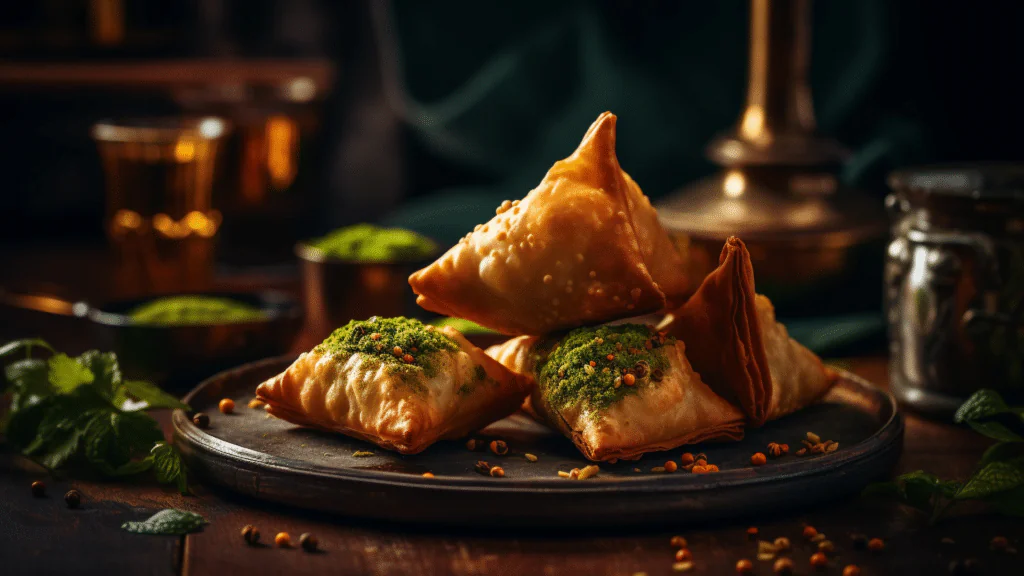
A standard potato samosa contains approximately 250–320 calories, depending on its size, filling, and cooking method. Fried samosas generally have more calories than baked or air-fried versions. Enjoying a samosa occasionally as part of a balanced diet is perfectly possible when portions and overall calorie intake are managed.
If you’ve ever wondered how many calories in one samosa, the answer depends on its ingredients, size, and preparation method. Most traditional potato samosas contain between 250 and 320 calories. At NFNA, we believe that understanding nutrition helps you make informed food choices without giving up the foods you enjoy the same philosophy taught in depth through our dietician course.
How Many Calories in One Samosa?
One of the most common nutrition-related questions is how many calories in one samosa. While there isn’t a single answer for every samosa, the average fried potato samosa typically provides between 250 and 320 calories.
The calorie count varies because different vendors use different quantities of oil, pastry, and fillings. Homemade samosas may also differ depending on the recipe.
Average Calories by Size
|
Samosa Size |
Approximate Calories |
|
Small |
180–220 kcal |
|
Medium |
250–320 kcal |
|
Large |
350–450 kcal |
Calories by Filling
|
Filling |
Approximate Calories |
|
Potato (Aloo) |
250–320 kcal |
|
Mixed Vegetable |
220–300 kcal |
|
Paneer |
300–380 kcal |
|
Chicken |
260–340 kcal |
|
Keema |
300–400 kcal |
|
Cheese |
350–450 kcal |
If you’re trying to estimate how many calories in one samosa, remember that restaurant portions are often larger and contain more oil than homemade versions.
Samosa Nutrition Facts
Beyond calories, a samosa contains several nutrients that contribute to its overall nutritional profile, a topic explored in detail through a nutrition and dietician course.
An average medium potato samosa may contain:
|
Nutrient |
Approximate Amount |
|
Calories |
250–320 kcal |
|
Carbohydrates |
28–35 g |
|
Protein |
4–6 g |
|
Fat |
12–18 g |
|
Fibre |
2–4 g |
|
Sodium |
300–500 mg |
The potato filling provides carbohydrates for energy, while spices such as cumin, coriander, turmeric, and ginger add flavour and small amounts of beneficial plant compounds. However, the deep-frying process significantly increases the fat content, which is why pairing samosas with high protein vegetarian foods in india, such as paneer or legumes, can help balance the meal.
Fried vs Baked vs Air-Fried Samosa
The cooking method has a major impact on calorie content.
|
Cooking Method |
Average Calories |
|
Deep Fried |
250–320 kcal |
|
Air Fried |
180–240 kcal |
|
Baked |
170–220 kcal |
Fried Samosa
Traditional fried samosas absorb oil during cooking, making them crisp and flavourful but also higher in calories and fat.
Baked Samosa
Baking uses little to no added oil, making it a lighter option while still retaining much of the original taste.
Air-Fried Samosa
Air frying offers a good balance between crispiness and lower calorie content, making it an increasingly popular choice for health-conscious individuals.
Is Samosa Healthy?
Many people assume that samosas are completely unhealthy, but the reality is more balanced, a nuance often explained clearly in nutrition courses in kerala.
A samosa is not inherently “good” or “bad.” Its nutritional value depends on factors such as portion size, cooking method, ingredients, and how often you eat it.
A traditional potato samosa contains:
- Energy from carbohydrates
- Small amounts of protein
- Dietary fibre from vegetables
- Spices with natural antioxidants
However, frequent consumption of deep-fried snacks can increase overall calorie and saturated fat intake if not balanced with nutritious meals.
Enjoying a samosa occasionally within a balanced eating pattern is generally a more sustainable approach than completely avoiding favourite foods, especially when the rest of your day, such as a protein rich indian breakfast, supports your overall nutrition goals.
Can You Eat Samosa During Weight Loss?
Yes. The key is moderation.
Many successful weight-loss plans focus on maintaining a calorie deficit rather than eliminating specific foods. This means you can occasionally include a samosa while still working toward your health goals a principle also reflected in a well-structured indian diabetic diet chart that allows occasional treats in moderation.
Here are a few practical tips:
- Eat one samosa instead of multiple servings.
- Pair it with a bowl of salad or yogurt.
- Choose baked or air-fried versions when available.
- Avoid sugary soft drinks alongside fried snacks.
- Balance the rest of the day’s meals with vegetables, lean protein, and whole grains.
Knowing how many calories in one samosa helps you make smarter decisions without feeling deprived.
What Affects the Calories in a Samosa?
Several factors influence calorie content.
- Size: Larger samosas naturally contain more pastry and filling, increasing total calories.
- Cooking Method: Deep frying adds significantly more fat than baking or air frying.
- Filling: Potato is the most common filling, but paneer, cheese, meat, or additional ingredients can raise the calorie count.
- Pastry Thickness: A thicker outer layer means more refined flour and additional calories.
- Oil Absorption: The amount of oil absorbed during frying varies depending on cooking temperature and preparation technique.
These differences explain why how many calories in one samosa doesn’t always have exactly the same answer.
How to Make Samosa Healthier
You don’t have to give up samosas completely. Small modifications can make them more nutritious, as taught in practical detail through nutrition courses in kolkata.
Consider these healthier options:
- Bake instead of deep fry.
- Use an air fryer.
- Add more vegetables to the filling.
- Include peas, carrots, spinach, or cauliflower.
- Use whole wheat flour for the outer shell.
- Pair your samosa with fresh salad instead of sugary beverages.
- Watch portion sizes.
These simple changes can reduce calorie intake while maintaining flavour.
Samosa Calories Compared to Other Popular Indian Snacks
|
Snack |
Approximate Calories |
|
Potato Samosa |
250–320 kcal |
|
Kachori |
300–400 kcal |
|
Vada Pav |
280–350 kcal |
|
Pakora (100 g) |
250–350 kcal |
|
Dhokla |
150–180 kcal |
|
Poha |
180–250 kcal |
|
Idli (2 pieces) |
120–150 kcal |
Comparing foods helps put calories into perspective. Rather than labelling foods as “good” or “bad,” it’s more useful to understand portion sizes and overall dietary balance.
Expert Nutrition Tips
Instead of focusing only on individual foods, nutrition experts recommend looking at your overall eating pattern.
Some practical strategies include:
- Enjoy favourite foods in moderation.
- Include vegetables in every main meal.
- Choose minimally processed foods more often.
- Stay physically active.
- Drink enough water throughout the day.
- Focus on long-term healthy habits instead of restrictive diets.
If you’re checking how many calories in one samosa because you’re trying to improve your diet, remember that consistency matters far more than perfection.
Common Myths About Samosa Calories
Myth 1: One samosa always causes weight gain.
Weight gain occurs when calorie intake consistently exceeds calorie expenditure over time—not because of a single food.
Myth 2: Baked samosas contain no fat.
Although baked versions contain less fat than fried ones, they still provide some fat depending on the recipe.
Myth 3: You should never eat fried food.
Occasional indulgence can fit into a balanced lifestyle when portions are controlled.
Myth 4: Skipping meals after eating a samosa burns the calories.
Skipping meals often leads to excessive hunger later and isn’t an effective long-term strategy.
Conclusion
Understanding how many calories in one samosa allows you to enjoy this popular snack more mindfully. Most medium-sized potato samosas contain around 250–320 calories, although the exact amount depends on size, filling, and cooking method. Choosing baked or air-fried options, controlling portions, and maintaining an overall balanced diet can help you enjoy your favourite foods without compromising your health goals. Those in the capital looking to build this expertise professionally can explore our nutrition and fitness courses in delhi.
Learn Nutrition the Scientific Way with NFNA
Healthy eating isn’t about avoiding every indulgence it’s about understanding how food fits into your overall lifestyle. At NFNA (National Fitness and Nutrition Academy), we empower aspiring nutrition professionals, fitness enthusiasts, and health-conscious individuals with evidence-based nutrition education. Our industry-focused courses combine scientific knowledge with practical application, helping learners build rewarding careers while promoting healthier communities. If you’re ready to deepen your understanding of nutrition and make informed dietary decisions, explore NFNA’s expert-led programmes and take the next step toward your wellness journey.
Frequently Asked Questions
Q1. How many calories in one samosa?
A medium fried potato samosa usually contains between 250 and 320 calories, depending on its size and preparation.
Q2. How can I reduce the calories in a samosa?
Choose baked or air-fried versions, use whole wheat pastry, and increase the vegetable filling while limiting added oil.
Q3. Can I eat a samosa while dieting?
Yes. One samosa can fit into a calorie-controlled diet when eaten occasionally and balanced with nutritious meals.
Q4. Is a baked samosa healthier than a fried samosa?
Generally, yes. Baked samosas usually contain fewer calories and less fat because they require much less oil.
Q5. Is one samosa enough for a snack?
For most adults, one medium samosa paired with salad or yogurt can make a satisfying snack.
Q6. Will eating one samosa make me gain weight?
No. Eating one samosa occasionally is unlikely to cause weight gain. Overall eating habits and total calorie intake matter far more.
Q7. What is the healthiest way to enjoy a samosa?
Choose baked or air-fried versions, watch portion sizes, and pair them with nutrient-rich foods like salad or yogurt.
Q8. Why do samosa calories vary so much?
Calorie content changes based on size, filling, pastry thickness, cooking method, and the amount of oil absorbed during frying.