Category Archives: Nutrition

indian diabetic diet chart

Indian Diabetic Diet Chart – A Complete Guide to Balanced Eating for Blood Sugar Control

Managing diabetes requires a holistic approach, and one of the most critical aspects is diet. A well-planned Indian diabetic diet chart is a cornerstone for controlling blood sugar, preventing complications, and maintaining overall health. Traditional Indian foods can be nutritious, satisfying, and perfectly aligned with diabetes management when chosen wisely.

According to ICMR 2023, over 100 million Indians are living with diabetes, highlighting the importance of a structured diet plan tailored to individual needs. A carefully designed Indian diabetic diet chart focuses on balanced macronutrients, low-glycemic foods, and proper portion control to support blood sugar regulation. This article provides a comprehensive guide, including a sample 7-day meal plan, foods to include and avoid, lifestyle tips, and expert advice for optimizing your health with a diabetic-friendly Indian diet.

Understanding Diabetes and How Diet Helps

Diabetes is a condition where the body struggles to maintain normal blood sugar levels. It is broadly categorized into Type 1 and Type 2 diabetes.

Type 1 diabetes is an autoimmune condition in which the body produces little to no insulin. This type usually develops in childhood or adolescence. Type 2 diabetes is more common among adults and occurs when the body becomes resistant to insulin or fails to produce enough insulin to maintain normal glucose levels. Insulin resistance is often linked to diet, sedentary lifestyle, and obesity.

A well-structured Indian diabetic diet chart plays a crucial role in managing both types of diabetes. Food choices directly affect blood sugar levels, and a diet rich in fiber, lean proteins, and complex carbohydrates can prevent spikes and dips in glucose levels. Low-glycemic foods such as whole grains, legumes, and certain fruits release glucose gradually, which supports steady energy levels. Research indicates that a high-fiber diet can reduce fasting blood sugar by up to 10-12 percent, emphasizing the importance of planning your meals carefully.

Implementing a personalized Indian diabetic diet chart is essential for long-term health, improved energy, and reduced reliance on medication.

Key Principles of an Effective Indian Diabetic Diet

A successful Indian diabetic diet chart is based on several fundamental principles that guide meal planning and food selection.

Carbohydrate Control with Indian Staples

Carbohydrates have the most significant impact on blood sugar. The key is to choose complex carbs that digest slowly and prevent glucose spikes.

Foods to include in a diabetic-friendly Indian diet chart include:

  • Whole grains such as brown rice, millets like ragi, jowar, and bajra
  • Oats, quinoa, and barley
  • Pulses and legumes like moong dal, rajma, chickpeas

Carbohydrates to limit or avoid include:

  • Refined flour (maida)
  • White rice and processed baked goods
  • Sugary snacks and packaged foods

Importance of Protein and Fiber

Protein and fiber help regulate blood sugar, maintain muscle mass, and keep you full between meals. A well-designed Indian diabetic diet chart should include:

  • Plant-based proteins such as paneer, tofu, and lentils
  • Fiber-rich vegetables and leafy greens like spinach, methi, and fenugreek
  • Seeds such as flaxseeds and chia seeds

Healthy Fats for Diabetics

Healthy fats are essential for heart health and stabilizing glucose levels. Incorporate:

  • Nuts including almonds and walnuts
  • Seeds like pumpkin and sunflower seeds
  • Healthy oils such as olive oil and mustard oil

Avoid trans fats, fried snacks, and excessive butter or ghee.

Significance of Timing and Portion Control

When and how much you eat is as important as what you eat. The Indian diabetic diet chart emphasizes:

  • Eating smaller, frequent meals throughout the day
  • Consistent meal timings to regulate insulin response
  • Proper portion sizes to prevent overconsumption of calories

Consistency in meal timing and balanced portions ensures stable blood sugar levels throughout the day.

7-Day Indian Diabetic Diet Chart Sample

A practical 7-day Indian diabetic diet chart includes a balance of carbohydrates, proteins, and healthy fats. It also allows variety across North, South, and other regional cuisines while keeping blood sugar in check.

Sample Daily Meal Plan

Day 1

  • Breakfast: Moong dal chilla with mint chutney
  • Mid-morning Snack: Apple with a handful of almonds
  • Lunch: Two multigrain rotis, dal, bhindi sabzi, fresh salad, and curd
  • Evening Snack: Roasted chana with green tea
  • Dinner: Grilled paneer, brown rice, and sautéed vegetables

Day 2

  • Breakfast: Vegetable upma made with oats
  • Mid-morning Snack: Papaya slices
  • Lunch: Quinoa pulao, mixed vegetable curry, and raita
  • Evening Snack: Sprout salad
  • Dinner: Grilled fish with steamed broccoli and millet roti

Day 3

  • Breakfast: Oats porridge with flaxseeds
  • Mid-morning Snack: Guava
  • Lunch: Two bajra rotis, chole, and cucumber salad
  • Evening Snack: Handful of nuts
  • Dinner: Palak paneer, brown rice, and carrot-beet salad

Day 4

  • Breakfast: Ragi dosa with coconut chutney
  • Mid-morning Snack: Orange slices and walnuts
  • Lunch: Two whole wheat rotis, lauki sabzi, and dal
  • Evening Snack: Roasted makhana
  • Dinner: Chicken tikka with sautéed vegetables and quinoa

Day 5

  • Breakfast: Vegetable poha
  • Mid-morning Snack: Boiled egg and cucumber
  • Lunch: Brown rice, rajma, spinach salad, and curd
  • Evening Snack: Roasted chana
  • Dinner: Grilled tofu with stir-fried vegetables and millet roti

Day 6

  • Breakfast: Besan cheela with tomato chutney
  • Mid-morning Snack: Apple slices
  • Lunch: Two multigrain rotis, pumpkin sabzi, and dal
  • Evening Snack: Sprout salad
  • Dinner: Fish curry with brown rice and cabbage salad

Day 7

  • Breakfast: Oats idli with sambar
  • Mid-morning Snack: Guava and almonds
  • Lunch: Millet roti, mixed vegetable curry, and curd
  • Evening Snack: Nuts with green tea
  • Dinner: Grilled paneer with quinoa and sautéed greens

This sample meal plan demonstrates how a balanced Indian diabetic diet chart can accommodate diverse flavors while supporting stable blood sugar.

Foods to Include and Avoid in a Diabetic Diet

Foods to Include in Your Indian Diabetic Diet Chart

  • Whole grains such as millets, oats, and brown rice
  • Leafy greens like spinach, fenugreek, and methi
  • Pulses and legumes including moong dal, chana, and rajma
  • Lean proteins like paneer, tofu, fish, and eggs
  • Low-glycemic fruits such as apple, guava, papaya, and berries
  • Healthy fats from nuts, seeds, and olive oil

Foods to Avoid

  • Refined flour and bakery products
  • Sugary sweets, candies, and sweetened drinks
  • Excessive high-sugar fruits such as mango, grapes, and chiku
  • Deep-fried snacks, fast food, and trans fats

Following a well-structured Indian diabetic diet chart ensures that the body receives essential nutrients without causing sudden spikes in blood sugar.

Lifestyle and Hydration Tips for Better Blood Sugar Control

A healthy lifestyle complements your Indian diabetic diet chart:

  • Drink 3 to 4 liters of water daily to maintain hydration and support kidney function
  • Consume soaked fenugreek seeds in the morning to help regulate glucose
  • Engage in regular exercise such as walking, yoga, or resistance training
  • Practice stress management through meditation, breathing exercises, or light activity
  • Ensure adequate sleep, as poor sleep can increase insulin resistance

Integrating these habits with a proper diet maximizes the effectiveness of a diabetic-friendly meal plan.

Factors That Affect the Effectiveness of Your Diet Chart

Several factors influence how well your Indian diabetic diet chart works:

  • Individual carbohydrate tolerance and activity levels
  • Presence of other health conditions like hypertension or kidney disease
  • Age, body mass index, and lifestyle habits
  • Support from family and professionals such as registered dietitians

Customizing your diet according to these factors ensures better blood sugar management and long-term health.

Advantages of Following a Structured Diabetic Diet

Adhering to a structured Indian diabetic diet chart has numerous benefits:

  • Improves insulin sensitivity and helps with weight management
  • Reduces dependence on medications
  • Prevents long-term complications including heart disease, kidney damage, and eye problems
  • Enhances energy levels, focus, and overall quality of life
  • Promotes sustainable healthy eating habits

When to Consult a Certified Dietitian or Nutritionist

While a general Indian diabetic diet chart is helpful, consulting a professional is essential in certain situations:

  • Fluctuating sugar levels despite following a diet plan
  • Rapid weight loss or unexplained fatigue
  • Existing medical conditions requiring dietary modifications
  • Guidance for personalized meal planning

Registered dietitians can design a tailored Indian diabetic diet chart to suit your unique needs, ensuring optimal blood sugar control.

Conclusion 

Managing diabetes begins with the food you consume. A consistent, balanced, and well-planned Indian diabetic diet chart allows you to control blood sugar, prevent complications, and improve overall well-being. By adopting moderation, awareness, and sustainable habits, you can transform your lifestyle and health outcomes.

Partner with NFNA for Expert Nutrition Knowledge

Ready to turn your passion for nutrition into a rewarding career? Join NFNA (National Fitness & Nutrition Academy), India’s leading institution offering evidence-based Nutrition and Fitness courses.

Learn from certified doctors, dietitians, and health experts. Build your brand, transform lives, and contribute to India’s wellness revolution.

Visit NFNA.in or call +91 9836168971 to enroll today. NFNA – Where science meets fitness, and passion turns into profession.

Frequently Asked Questions

Q1 Can I include rice in my Indian diabetic diet chart?

Yes, but choose brown rice or millets instead of white rice. These complex carbs release glucose slowly and help maintain stable blood sugar levels

You can repeat it weekly, adjusting meals according to seasonal foods and personal preferences while maintaining portion control

Yes, focus on low-glycemic fruits like apple, guava, papaya, and berries. Limit high-sugar fruits such as mango and grapes

Healthy snacks such as nuts, roasted chana, and sprouts are recommended to prevent dips in blood sugar

Regular physical activity enhances insulin sensitivity and complements the benefits of the Indian diabetic diet chart

Absolutely, replace meat or fish with paneer, tofu, lentils, and other plant-based proteins

With consistency, you may notice improvements in blood sugar levels within 2-4 weeks, depending on metabolism and activity levels

Yes, particularly if you are on medication, have other medical conditions, or are newly diagnosed with diabetes

gym diet chart

Gym Diet Chart – The Ultimate Indian Guide to Muscle Gain and Fat Loss

A gym diet chart is the foundation of any successful fitness journey. Whether your goal is to gain muscle, lose fat, or simply stay healthy, the meals you eat play a vital role in determining your results. Even if you train intensely, without proper nutrition, your energy levels will drop, recovery will slow down, and progress will stall.

A gym diet chart is a structured guide that helps you understand what to eat, how much to eat, and when to eat to maximize your workout results. By following a well-planned gym diet chart, you can fuel your body for high performance, support muscle recovery, and control body fat effectively.

In this comprehensive guide, we will explore the science behind a gym diet chart, how to align it with your body type, practical Indian meal plans for every time of the day, pre- and post-workout nutrition, common mistakes, supplements, expert tips, and frequently asked questions to help you make informed choices for your fitness journey.

The Science Behind a Gym Diet Chart

A gym diet chart is not just a list of foods. It is based on the science of nutrition, metabolism, and muscle physiology. Understanding the role of macronutrients and micronutrients can make the difference between achieving your fitness goals and struggling without results.

Macronutrients: Protein, Carbohydrates, and Fats

Protein is the cornerstone of a gym diet chart. It repairs damaged muscle tissues, promotes growth, and aids recovery after intense training. Common protein sources include eggs, chicken, paneer, lentils, tofu, and whey protein.

Carbohydrates are your body’s primary source of energy. A gym diet chart ensures you consume complex carbohydrates such as oats, brown rice, quinoa, and whole wheat roti. These carbs provide sustained energy during workouts and help maintain stamina throughout the day.

Healthy fats are essential for hormone regulation, joint health, and overall well-being. Including nuts, seeds, avocado, olive oil, and fatty fish in your gym diet chart can prevent deficiencies and support long-term health.

Micronutrients: Vitamins, Minerals, and Water

Micronutrients such as vitamins, minerals, and antioxidants play a crucial role in metabolic reactions and overall fitness. Vegetables, fruits, and legumes should be an integral part of your gym diet chart to ensure your body gets enough vitamins and minerals.

Hydration is equally important. A gym diet chart should emphasize drinking at least three to four liters of water daily to maintain optimal metabolism, support muscle function, and prevent dehydration during workouts.

Calories and Macronutrient Ratios Based on Fitness Goals

A gym diet chart must be tailored to individual fitness goals. For muscle gain, higher protein and carbohydrate intake is recommended. For fat loss, moderate protein with controlled carbs and healthy fats is ideal. For maintenance, a balanced approach works best.

Calories and macronutrient ratios should be adjusted according to body weight, activity level, and fitness goals. Tracking your intake and following a structured gym diet chart ensures your body gets what it needs for peak performance.

Understanding Your Body Type and Nutrition Needs

Not everyone responds the same way to the same diet. Your body type significantly influences how your body utilizes food. A personalized gym diet chart considers whether you are an ectomorph, mesomorph, or endomorph.

Ectomorphs are naturally lean with a fast metabolism. They require higher calorie intake with a focus on carbohydrates and protein to gain muscle.

Mesomorphs are naturally muscular and respond well to both strength training and moderate carbohydrate intake. A balanced gym diet chart suits them best.

Endomorphs tend to gain fat more easily and need a gym diet chart that emphasizes protein and fiber while moderating carbohydrate intake to support fat loss.

Using online calorie calculators or consulting a certified nutritionist can help create a body-type-specific gym diet chart that maximizes results.

Gym Diet Chart for Beginners – Indian Version

Here’s a full-day Indian gym diet chart with vegetarian and non-vegetarian options. Timing and food selection matter for energy and recovery.

Time

Meal

Vegetarian Options

Non-Vegetarian Options

6:30–7:30 AM

Morning

Warm water + lemon, soaked almonds, banana

Same

8:00–9:00 AM

Breakfast

Oats + milk + chia seeds

Eggs + whole wheat toast

11:00 AM

Mid-Morning Snack

Seasonal fruits, green tea

Same

1:00 PM

Lunch

Multigrain roti, dal/paneer, salad

Multigrain roti, grilled chicken, salad

4:00–5:00 PM

Evening Snack

Roasted chana, sprouts chaat, black coffee

Same

7:30–8:30 PM

Dinner

Paneer bhurji, tofu stir fry, veggies

Grilled fish, chicken, veggies

9:30 PM (Optional)

Bedtime Snack

Warm milk or casein shake

Same

This gym diet chart ensures a balance of macronutrients throughout the day, tailored to Indian palates.

Pre-Workout and Post-Workout Nutrition

Pre-Workout Meals

A gym diet chart emphasizes light, energy-boosting meals before training. Ideal pre-workout foods include:

  • Oats with banana
  • Peanut butter on whole wheat toast
  • Greek yogurt with fruits

These foods provide quick energy without causing heaviness or discomfort during workouts.

Post-Workout Meals

Post-workout nutrition is essential for recovery and muscle growth. Eat within 30 to 60 minutes after training. Recommended options in your gym diet chart include:

  • Whey protein shake with a banana
  • Grilled chicken or paneer with brown rice
  • Smoothie with oats, milk, and fruits

A proper gym diet chart ensures that your muscles get the nutrients they need to repair and grow after exercise.

Common Mistakes in Following a Gym Diet Chart

Even the best gym diet chart can fail if common mistakes are made:

  • Skipping meals, especially breakfast or post-workout nutrition
  • Over-relying on supplements instead of whole foods
  • Ignoring hydration
  • Not tracking calories or macronutrients
  • Sleeping irregularly or insufficiently

Avoiding these mistakes ensures your gym diet chart delivers maximum benefits and keeps your fitness journey on track.

Supplements That Support Your Gym Diet Chart

Supplements can complement your gym diet chart but should never replace balanced meals:

  • Protein powder for post-workout recovery
  • Creatine to increase strength and endurance
  • Multivitamins and omega-3 for overall health and inflammation control

Always consult a certified nutritionist before including supplements in your gym diet chart to ensure they are necessary and safe.

Expert Tips for Maximum Results

  • Align meals with workout times
  • Drink three to four liters of water daily
  • Add variety to avoid nutrient deficiencies
  • Track your progress with apps like MyFitnessPal
  • Combine your gym diet chart with resistance training and cardiovascular workouts for optimal results

Following these tips helps make your gym diet chart practical, effective, and sustainable for long-term fitness goals.

Conclusion 

A well-structured gym diet chart is the key to achieving sustainable fat loss, muscle gain, and overall fitness. Focus on consistency, balance, and personalization according to your body type and goals. Extreme diets or shortcuts may provide temporary results but rarely lead to lasting success. Following a gym diet chart ensures steady energy, proper recovery, and long-term transformation.

Learn from the Experts at NFNA

Take your fitness and nutrition knowledge to the next level with NFNA – The National Fitness & Nutrition Academy. Certified doctors, dietitians, and professional trainers guide you to build sustainable fitness habits and nutrition expertise.

Enroll in India’s leading Nutrition and Fitness Certification Courses today and start your journey to a healthier, stronger, and fitter you.

Frequently Asked Questions  

Q1. Can I follow a gym diet chart without supplements?

Yes, a properly structured gym diet chart with whole foods can meet all your nutritional needs. Supplements are optional and mainly for convenience or specific deficiencies.

Active individuals should aim for 1.6 to 2.2 grams of protein per kilogram of body weight daily. Including protein-rich foods in your gym diet chart ensures muscle repair and growth.

Absolutely. A vegetarian gym diet chart can include paneer, tofu, lentils, beans, Greek yogurt, and nuts to meet protein and nutrient requirements.

Consistent adherence to a gym diet chart combined with exercise typically shows noticeable results in 4 to 6 weeks, depending on individual metabolism and goals.

Yes. Reduce portion sizes of carbohydrates, increase protein and fiber, and follow a calorie-controlled gym diet chart to promote fat loss while preserving muscle.

Yes. Choose grilled or baked options, avoid fried and sugary foods, and stick to protein-rich meals to maintain your gym diet chart even when eating out.

Meal timing supports energy levels and recovery, but total daily intake and macronutrient balance matter more. Following a consistent gym diet chart is the key.

Yes, combining different plant-based protein sources like lentils, tofu, paneer, and quinoa ensures all essential amino acids are consumed, supporting muscle growth.

diet for typhoid patient

Diet for Typhoid Patient: Comprehensive Guide on What to Eat and Avoid for Faster Recovery

Typhoid fever is a serious bacterial infection caused by Salmonella typhi. It can lead to high fever, weakness, loss of appetite, and digestive disturbances. During this time, following the right diet for typhoid patient is crucial to support recovery, replenish nutrients, and restore energy levels. A carefully planned typhoid recovery diet can strengthen immunity, prevent dehydration, and reduce the risk of complications, helping the patient regain full health faster. In this article, we will discuss in detail what foods are suitable, which to avoid, practical meal suggestions, hydration strategies, and long-term nutrition tips for anyone recovering from typhoid.

Understanding Typhoid and Its Impact on the Body

Typhoid fever is not just a temporary illness. It affects the digestive system profoundly, often resulting in reduced appetite, diarrhea, constipation, and abdominal discomfort. These symptoms make it difficult for the body to absorb essential nutrients, which can cause prolonged weakness and fatigue.

During typhoid, the intestinal lining becomes inflamed, and the body loses fluids and electrolytes rapidly. This is why following a diet for typhoid patient that is gentle on the stomach, rich in energy and nutrients, and easy to digest is essential. Nutritional support plays a critical role in replenishing lost proteins, vitamins, and minerals, while also helping the body fight infection and restore immunity.

Why a Proper Diet Matters During Typhoid Recovery

A proper diet for typhoid patient is not optional. Nutrition during typhoid recovery can significantly affect the speed of healing and overall health. Here are the main reasons why diet is crucial:

  • Boosts Immunity: A diet rich in vitamins, minerals, and proteins helps strengthen the immune system, enabling the body to fight off the Salmonella typhi bacteria more effectively.
  • Prevents Dehydration: Typhoid often causes high fever and fluid loss through diarrhea. A typhoid recovery diet that includes plenty of fluids and hydrating foods ensures that the patient stays hydrated and avoids complications like low blood pressure or electrolyte imbalance.
  • Supports Gut Healing: Soft and easily digestible foods reduce stress on the intestines and allow the gut lining to heal. This is essential to restore normal digestion and absorption of nutrients.
  • Reduces Weakness and Relapse Risk: Patients often experience prolonged weakness after typhoid. Following a structured diet for typhoid patient helps restore energy levels gradually, prevents relapses, and supports long-term health.

Recommended Diet for Typhoid Patients

Key Dietary Principles

When planning a diet for typhoid patient, consider these principles:

  • Eat Small and Frequent Meals: Eating small portions several times a day reduces the burden on the digestive system and helps maintain energy levels.
  • Choose Soft, Low-Fiber Foods: Foods like rice, porridge, and well-cooked vegetables are gentle on the stomach and easier to digest.
  • Stay Hydrated: Fluids are essential during typhoid recovery. Include coconut water, clear soups, herbal teas, and oral rehydration solutions to replenish lost electrolytes.
  • Include Nutrient-Dense Foods: Focus on foods that provide proteins, vitamins, and minerals necessary for tissue repair and immunity.

Foods to Eat During Typhoid

Here is a detailed list of suitable foods for a diet for typhoid patient:

  • Carbohydrates: Boiled rice, soft porridge, and lightly toasted bread provide energy without straining the gut.
  • Proteins: Boiled eggs, soft paneer, dal water, and tender chicken or fish can supply essential amino acids for recovery.
  • Fruits: Bananas, papaya, applesauce, and cooked fruits help supply vitamins and fiber gently.
  • Liquids: Clear soups, vegetable broths, herbal teas, and fresh fruit juices keep the body hydrated and support digestion.

Foods to Avoid During Typhoid

Certain foods can irritate the digestive system or worsen symptoms. Avoid the following in a diet for typhoid patient:

  • Spicy and Fried Foods: These can inflame the intestines and delay healing.
  • Raw Vegetables and Unpasteurized Milk: They may contain bacteria that can increase the risk of infection.
  • Caffeinated Beverages and Alcohol: These can cause dehydration and stress the digestive system further.
  • Heavy, Processed, or Sugary Foods: These can be difficult to digest and may not provide adequate nutrition during recovery.

Sample Daily Diet for Typhoid Recovery

Here is a detailed sample diet for a diet for typhoid patient, broken down into meals:

  • Breakfast: Oats porridge with a small banana and a cup of herbal tea
  • Mid-Morning Snack: Coconut water or boiled apple to maintain hydration
  • Lunch: Boiled rice with moong dal, lightly steamed vegetables, and a small portion of soft paneer
  • Evening Snack: Clear vegetable soup or a glucose drink for energy and hydration
  • Dinner: Khichdi made with rice and lentils, a serving of curd, and papaya smoothie

This diet provides gentle nutrition, maintains hydration, and supports the healing process. Portion sizes should be adjusted based on appetite and tolerance.

Hydration and Recovery Tips

Hydration is a critical component of a diet for typhoid patient:

  • Drink 8 to 10 Glasses of Fluids Daily: Include water, coconut water, and clear soups.
  • Use Oral Rehydration Solutions: ORS helps replace lost electrolytes and prevents dehydration.
  • Avoid Carbonated or Packaged Drinks: These can irritate the gut and may contain added sugars that hinder recovery.
  • Include Herbal Teas: Chamomile, ginger, or mint teas can soothe the stomach and support digestion.

Precautions and Hygiene During Recovery

Maintaining proper hygiene is essential during typhoid recovery to prevent reinfection:

  • Wash Hands Thoroughly Before Eating: This reduces the risk of introducing bacteria into the digestive system.
  • Eat Freshly Cooked Food: Avoid leftovers and outside food.
  • Drink Boiled or Filtered Water: Ensure that water is free from bacteria that can cause reinfection.
  • Follow Safe Food Practices: Cover food properly and avoid uncooked or unwashed items.

Long-Term Nutrition After Typhoid

Once the fever subsides and appetite improves, gradually reintroduce a balanced diet for typhoid patient:

  • Reintroduce Fiber Slowly: Include whole grains, vegetables, and legumes in small amounts.
  • Increase Protein Intake: Lean meats, eggs, fish, and dairy products support muscle rebuilding and energy recovery.
  • Include Immunity-Boosting Foods: Citrus fruits, nuts, seeds, and probiotic-rich foods such as yogurt help strengthen the immune system.
  • Maintain a Balanced Diet: Focus on a variety of nutrients, including vitamins, minerals, and healthy fats, to support long-term health and prevent relapse.

Conclusion

A carefully planned diet for typhoid patient is essential for faster recovery, preventing weakness, and restoring immunity. Small, frequent meals, nutrient-rich soft foods, proper hydration, and strict hygiene practices form the foundation of an effective typhoid recovery diet. Following these guidelines helps patients regain strength, recover fully, and reduce the risk of relapse. Long-term attention to a balanced diet ensures sustained health and wellness after typhoid.

Learn with Nutrition Career Enthusiasts

Ready to turn your passion for health and nutrition into a professional career? Learn evidence-based nutrition and fitness from India’s leading experts at NFNA (National Fitness & Nutrition Academy). Whether you are a student, healthcare professional, or fitness enthusiast, NFNA’s certified nutrition and dietetics courses help you empower others to recover, heal, and thrive.

Join thousands of successful students and take your first step toward becoming a certified nutritionist today.  

Frequently Asked Questions  

Q1. Can a typhoid patient eat spicy food?

No, spicy foods can irritate the gut, increase discomfort, and slow recovery.

 Boiled or pasteurized milk is safe, but raw milk should be avoided to prevent bacterial infections.

Small, frequent meals 5 to 6 times a day are recommended to maintain energy and reduce digestive stress.

Yes, soft fruits such as bananas, papaya, and cooked apples are suitable as they are easy to digest.

Gradually, once fever and digestive symptoms improve, usually after one to two weeks.

Avoid caffeinated beverages as they may cause dehydration. Herbal teas are a safer option.

Fluids prevent dehydration caused by fever and diarrhea and support overall recovery.

No, freshly cooked, hygienic meals are recommended until the body regains full strength.

7 day pcos diet plan

7 Day PCOS Diet Plan: A Complete Natural Guide to Balance Hormones, Improve Energy and Support Weight Loss

A well structured 7 day PCOS diet plan is one of the most effective natural ways to manage Polycystic Ovary Syndrome. The right diet helps control insulin levels, balance hormones, reduce inflammation, and improve energy within days. If you are dealing with irregular periods, weight gain, acne, mood swings, or constant fatigue, following a science based 7 day PCOS diet plan can bring noticeable relief. This article gives you a detailed, practical, Indian friendly approach that clearly explains what to eat, why it works, and how to stay consistent for long term results.

Understanding PCOS and the Role of Nutrition

Polycystic Ovary Syndrome is a hormonal condition that affects millions of women worldwide. The main root cause of PCOS is insulin resistance. When insulin levels remain high, the ovaries produce excess androgens, which leads to symptoms such as irregular menstrual cycles, acne, facial hair growth, hair thinning, and difficulty losing weight.

Nutrition plays a direct role in managing PCOS because food influences insulin response, inflammation, and hormone production. A balanced 7 day PCOS diet plan focuses on stabilising blood sugar levels, reducing inflammatory foods, and providing adequate nutrients for hormone regulation. Unlike crash diets, a structured 7 day PCOS diet plan supports sustainable health and gradual improvement.

7 Day PCOS Diet Plan for Indian Lifestyle

This 7 day PCOS diet plan is designed to be practical, affordable, and easy to follow while supporting hormonal balance and metabolic health.

Day 1: Balanced Beginning

Breakfast: Moong dal chilla with mint chutney provides plant based protein and fibre to stabilise blood sugar.

Mid morning snack: Apple with soaked almonds supports digestion and prevents energy crashes.

Lunch: Brown rice with mixed vegetable curry and curd offers complex carbohydrates, probiotics, and micronutrients.

Evening snack: Roasted chana or fruit keeps hunger in control.

Dinner: Grilled paneer with sautéed vegetables provides protein and healthy fats essential for hormone production.

This first day of the 7 day PCOS diet plan focuses on balance and satiety.

Day 2: Gut Health and Fibre Focus

Breakfast: Oats porridge with chia seeds improves insulin sensitivity and gut health.

Snack: Coconut water with walnuts provides hydration and omega fats.

Lunch: Bajra roti with palak paneer and salad supports digestion and iron intake.

Snack: Buttermilk or fruit.

Dinner: Quinoa khichdi with curd is light, nourishing, and easy to digest.

A gut friendly approach is a core part of an effective 7 day PCOS diet plan.

Day 3: Anti Inflammatory Nutrition

Breakfast: Green smoothie made with spinach, banana, and flaxseed reduces inflammation.

Snack: Papaya slices with pumpkin seeds support digestion and hormone health.

Lunch: Jowar roti with lauki sabzi and dal keeps blood sugar stable.

Snack: Handful of nuts or seeds.

Dinner: Grilled tofu or fish with sautéed greens offers lean protein and antioxidants.

Reducing inflammation is essential in any 7 day PCOS diet plan.

Day 4: Protein Rich Metabolism Support

Breakfast: Besan omelette with chutney provides sustained energy.

Snack: Greek yogurt with berries improves gut flora and reduces sugar cravings.

Lunch: Brown rice with chole and mixed salad supports muscle and metabolism.

Snack: Fruit or roasted makhana.

Dinner: Vegetable upma with coconut chutney keeps dinner light and satisfying.

Protein distribution throughout the day strengthens the 7 day PCOS diet plan.

Day 5: Hormone Supporting Foods

Breakfast: Millet dosa with tomato chutney offers low glycaemic carbohydrates.

Snack: Guava or orange improves vitamin C intake.

Lunch: Red rice with rajma and cucumber salad supports insulin control.

Snack: Seeds or nuts.

Dinner: Tofu stir fry with quinoa helps maintain hormonal balance.

This day of the 7 day PCOS diet plan focuses on micronutrients and fibre.

Day 6: Detox and Hydration Support

Breakfast: Warm lemon water followed by avocado toast supports digestion and healthy fats.

Snack: Roasted chana with herbal tea.

Lunch: Moong dal soup with vegetable salad reduces bloating.

Snack: Fruit or coconut water.

Dinner: Vegetable pulao with raita offers comfort without heaviness.

Hydration plays a key role in a successful 7 day PCOS diet plan.

Day 7: Rejuvenation and Reset

Breakfast: Oats pancake with peanut butter balances protein and carbohydrates.

Snack: Green smoothie rich in antioxidants.

Lunch: Quinoa pulao with curd improves digestion and gut health.

Snack: Nuts or fruit.

Dinner: Paneer tikka with sautéed bell peppers ends the 7 day PCOS diet plan on a nourishing note.

Foods to Include in a PCOS Friendly Diet

A successful 7 day PCOS diet plan includes nutrient dense foods such as

  •  Whole grains like millets quinoa oats and brown rice
  •  Protein sources including paneer tofu eggs fish and lentils
  •  Healthy fats from nuts seeds olive oil and avocados
  •  Vegetables especially leafy greens gourds and cruciferous vegetables
  •  Fruits in controlled portions such as berries apples and citrus fruits
  •  Spices like turmeric cinnamon and ginger for inflammation control

Foods to Avoid for Better Results

To get the best results from a 7 day PCOS diet plan, limit

  •  Refined sugar and sweets
  •  White flour based foods
  •  Packaged and fried snacks
  •  Sugary beverages
  •  Excess caffeine and alcohol

Lifestyle Habits That Enhance a 7 Day PCOS Diet Plan

  • Daily physical activity such as walking yoga or strength training for at least 30 minutes
  •  Adequate sleep of seven to eight hours daily
  •  Stress management through meditation journaling or breathing exercises
  •  Consistent hydration throughout the day

Lifestyle consistency makes a 7 day PCOS diet plan more effective

Benefits of Following a 7 Day PCOS Diet Plan

  • Improved insulin sensitivity
  •  Reduced cravings and bloating
  •  Better energy levels
  •  Clearer skin and improved hair health
  •  Gradual and sustainable weight loss
  •  More regular menstrual cycles

Why Learn PCOS Nutrition with NFNA

Understanding how nutrition impacts hormonal disorders requires proper education. NFNA provides evidence based nutrition and fitness courses that teach real world application of dietary science. Learning how to design a 7 day PCOS diet plan professionally allows you to manage your own health or guide others safely and effectively.

Frequently Asked Questions

Q1. How effective is a 7 day PCOS diet plan?

A 7 day PCOS diet plan can improve bloating energy and blood sugar control within a week, while long term consistency leads to hormonal balance.

Yes a 7 day PCOS diet plan supports weight loss by improving insulin sensitivity rather than extreme calorie restriction.

Absolutely this 7 day PCOS diet plan includes ample vegetarian protein sources.

No complex carbohydrates are essential for hormone health and energy in a 7 day PCOS diet plan.

Yes you can repeat or rotate meals weekly based on your preferences.

Yes but consult your healthcare provider for personalised advice.

Exercise significantly enhances the benefits of a 7 day PCOS diet plan.

A certified nutrition professional trained in hormonal health is best suited.

protein in dry fruits

Protein in Dry Fruits – The Natural Way to Boost Your Nutrition

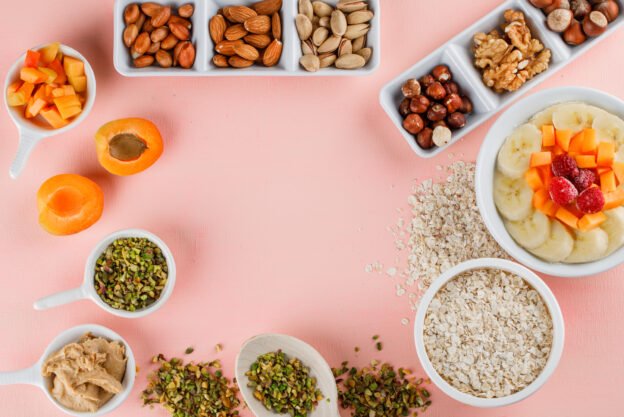
When it comes to increasing your daily protein intake, many people immediately think of eggs, dairy, or meat. However, protein in dry fruits is a natural, plant-based alternative that not only provides protein but also essential vitamins, minerals, and healthy fats. Incorporating dry fruits into your diet can help support muscle growth, improve energy levels, and enhance overall wellness.

In this article, we will explore the top high protein dry fruits, their protein content, nutritional benefits, and practical ways to include them in your daily routine. By understanding how protein in dry fruits contributes to a healthy diet, you can make smarter food choices and support your fitness and health goals naturally. Whether you are a vegetarian, athlete, or simply someone looking for nutritious snacks, this guide will help you harness the power of protein in dry fruits.

Understanding Protein in Dry Fruits

Protein in dry fruits is an essential nutrient that supports many vital functions in the body. Proteins are the building blocks of muscles, hormones, enzymes, and other molecules necessary for maintaining good health. Unlike animal-based proteins, dry fruits provide plant-based protein along with fiber, antioxidants, and healthy fats. This combination makes them a perfect choice for people seeking high protein dry fruits for sustainable energy and nutrition.

Dry fruits such as almonds, walnuts, cashews, and pumpkin seeds contain a significant amount of protein, making them a convenient and natural source of nourishment. Including protein in dry fruits in your diet can help:

  • Protein in dry fruits aids in muscle repair and growth
  • It supports hormone and enzyme production
  • It enhances immune system function
  • It provides long-lasting energy for daily activities

For those following a vegetarian or vegan diet, protein in dry fruits is particularly valuable. Athletes and fitness enthusiasts also benefit from the combination of protein and healthy fats, which supports both performance and recovery. By choosing high protein dry fruits, you can enjoy a nutrient-dense snack that complements other sources of protein without the need for supplements.

Top 12 High Protein Dry Fruits You Should Include in Your Diet

Eating high protein dry fruits is one of the easiest ways to boost your protein intake naturally. Here is a detailed look at the top dry fruits and seeds that are rich in protein:

Almonds – The Protein Powerhouse
Protein in almonds is approximately 21 grams per 100 grams. They are rich in Vitamin E, healthy fats, and fiber. Almonds support heart health, improve skin quality, and provide sustained energy. You can enjoy them raw, soaked, roasted, or in smoothies.

Pistachios – Small but Mighty
Pistachios contain about 20 grams of protein per 100 grams. They are an excellent source of fiber and antioxidants, making them a perfect snack for post-workout recovery. Adding pistachios to salads or eating them as a mid-day snack can provide both nutrition and energy.

Walnuts – Omega-3 and Protein Combo
Walnuts provide around 15 grams of protein per 100 grams. They are high in omega-3 fatty acids, which reduce inflammation and support brain and heart health. Including walnuts in your diet can help improve cognitive function while providing protein.

Cashews – Creamy and Nutrient-Dense
Cashews contain approximately 18 grams of protein per 100 grams. They are rich in iron, magnesium, and healthy fats. Cashews can be eaten as a snack, used in sauces, or added to smoothies for a creamy texture and protein boost.

Peanuts – Budget-Friendly Protein Source
Peanuts have about 26 grams of protein per 100 grams. They are excellent for muscle repair and energy. Peanuts can be eaten raw, roasted, or as peanut butter, providing an affordable and convenient source of protein in dry fruits.

Chia Seeds – Tiny but Protein-Packed
Chia seeds contain roughly 17 grams of protein per 100 grams. They also provide omega-3 fatty acids, fiber, and antioxidants. Chia seeds can be added to smoothies, puddings, or yogurt to increase protein intake effortlessly.

Sunflower Seeds – Protein Meets Vitamin E
Sunflower seeds provide approximately 21 grams of protein per 100 grams. They are high in Vitamin E, which supports skin and hair health, and they also aid muscle recovery after workouts.

Pumpkin Seeds – The King of Plant Protein
Pumpkin seeds are extremely protein-rich, with around 30 grams per 100 grams. They also provide zinc and omega-6 fatty acids, making them ideal for immunity support and fitness enthusiasts.

Brazil Nuts
Brazil nuts contain about 14 grams of protein per 100 grams. They are rich in selenium, which supports thyroid function and overall health.

Fox Nuts (Makhana)
Fox nuts provide approximately 9 grams of protein per 100 grams. They are low in calories and make a healthy snack option.

Flaxseeds
Flaxseeds contain around 18 grams of protein per 100 grams. They are also high in omega-3 fatty acids, which support heart health and digestion.

Quinoa
Although technically a seed, quinoa contains about 14 grams of protein per 100 grams and is considered a complete plant protein source. It is versatile and can be added to salads, soups, or breakfast bowls.

Comparative Table: Protein Content in Popular Dry Fruits

Dry Fruit

Protein (g/100g)

Key Nutrients

Ideal Use

Pumpkin Seeds

30

Zinc, Omega-6

Protein topping

Peanuts

26

Arginine, Magnesium

Pre-workout snack

Almonds

21

Vitamin E

Breakfast boost

Sunflower Seeds

21

Vitamin E, Fiber

Smoothies, snacks

Pistachios

20

Fiber, B6

Midday snack

Cashews

18

Iron, Zinc

Smoothies, sauces

Walnuts

15

Omega-3, Antioxidants

Brain food


Health Benefits of High Protein Dry Fruits

Consuming high protein dry fruits offers numerous health advantages beyond just protein intake. These benefits include:

  • Supports muscle recovery and strength due to essential amino acid
  • Boosts metabolism and aids in weight management by increasing satiety
  • Provides sustained energy from healthy fats and fiber
  • Improves hair, skin, and hormonal balance with key vitamins and minerals
  • Acts as an excellent vegetarian protein source for people who do not consume animal products

Including protein in dry fruits in your daily diet can help you maintain a balanced nutrition profile while enjoying tasty and convenient snacks.

How to Include Protein-Rich Dry Fruits in Your Daily Diet

Incorporating high protein dry fruits into your meals is simple and versatile. Some effective ways include:

  • Morning: Add almonds or chia seeds to oatmeal or smoothies
  • Pre-workout: Snack on peanuts or pistachios for energy
  • Post-workout: Combine walnuts with dates to support recovery
  • On-the-go: Make trail mix or protein bars using a mix of dry fruits and seeds
  • Creative meals: Use pumpkin seeds as salad toppings, cashews in creamy sauces, or flaxseeds in breakfast bowls

Regularly including protein in dry fruits ensures that you meet your daily protein needs while also obtaining essential vitamins, minerals, and healthy fats.

Final Thoughts

Adding protein in dry fruits to your diet is an easy, natural, and delicious way to enhance your nutrition. From almonds and walnuts to pumpkin seeds and chia seeds, high protein dry fruits provide plant-based protein, healthy fats, and essential nutrients to support muscle growth, energy, and overall wellness. Incorporate them creatively into meals and snacks while being mindful of portion sizes.

By making protein in dry fruits a regular part of your diet, you are taking a step toward a healthier, stronger, and more energetic lifestyle.

Enroll today in NFNA’s

Are you ready to deepen your understanding of nutrition and build a rewarding career in fitness? Learn directly from India’s top doctors, dieticians, and trainers at NFNA – The National Fitness & Nutrition Academy. Enroll today in NFNA’s Diploma in Applied Nutrition, Food Science & Dietetics or Personal Training Certification to turn your passion for health into a thriving career. NFNA – Spreading Evidence-Based Knowledge. Creating Extraordinary Fitness Professionals.

Frequently Asked Questions

Q1: Which dry fruit has the highest protein content?

Pumpkin seeds are the highest, providing approximately 30 grams of protein per 100 grams. Peanuts and almonds are also excellent sources of protein in dry fruits.

Yes. The combination of protein, healthy fats, and fiber in dry fruits supports muscle repair, recovery, and overall growth, making them suitable for athletes and fitness enthusiasts.

Dry fruits can complement protein supplements but are not a full replacement. They provide natural, plant-based protein and other nutrients, but concentrated supplements may still be required for specific fitness goals.

Depending on your dietary needs, 30–50 grams of protein from a combination of high protein dry fruits is recommended to support overall nutrition and energy levels.

Yes, in moderation. They are nutrient-dense and provide satiety, but because they are calorie-dense, portion control is important for weight management.

Yes. Dry fruits are healthy snacks for children, but younger kids should consume them in chopped or powdered form to avoid choking hazards.

Overconsumption may lead to excess calorie intake or digestive discomfort due to high fiber content. Eating protein in dry fruits in moderation is recommended.

Store dry fruits in airtight containers in a cool, dry place. Avoid exposure to moisture and sunlight to preserve protein content and prevent spoilage.

masoor dal protein per 100g

Masoor Dal Protein per 100g: The Ultimate Guide to India’s Powerful Plant Protein

If you are looking for a high-quality vegetarian protein source, understanding masoor dal protein per 100g is crucial. Masoor dal, also called red lentils, has been a staple in Indian kitchens for centuries, prized not only for its flavor but also for its dense nutritional content. With approximately 24–25 grams of protein per 100g, masoor dal is one of the richest plant-based proteins available, making it an essential food for vegetarians, athletes, and fitness enthusiasts.

In addition to protein, masoor dal provides significant amounts of fiber, iron, and essential vitamins, supporting digestion, energy levels, and overall health. This comprehensive guide explores masoor dal nutrition, highlights its health benefits, explains its role in a fitness-focused diet, and provides practical tips to include it in your daily meals. By the end, you will understand why masoor dal protein per 100g is a must-have for anyone serious about balanced nutrition and optimal health.

What is Masoor Dal?

Masoor dal, commonly referred to as red lentils, is a versatile legume widely used across India and South Asia. It comes in two main varieties: whole masoor dal, which retains its brown outer skin, and split masoor dal, which is orange-red in color and cooks faster. Both varieties are nutritionally rich, but split masoor dal is particularly popular for soups, stews, khichdi, and even fusion dishes.

Masoor dal has a long history in Indian diets, forming an essential component of vegetarian meals. It is easy to digest, cooks quickly, and blends well with a variety of spices and grains. For fitness enthusiasts, masoor dal offers a natural, plant-based source of protein, essential for muscle repair, energy maintenance, and overall wellness.

Masoor dal is not only a culinary staple but also an important Indian superfood for anyone looking to meet daily protein requirements naturally. Understanding masoor dal protein per 100g helps highlight why this humble lentil is a powerhouse for vegetarians and health-conscious individuals alike.

Masoor Dal Protein per 100g: The Exact Numbers

The protein content of masoor dal per 100g is impressive, making it one of the top vegetarian protein foods. Here is a detailed nutritional profile per 100 grams of dry masoor dal:


Nutrient

Amount per 100g

Benefits

Protein

24–25 g

Supports muscle building & recovery

Fiber

10 g

Improves digestion

Carbohydrates

59 g

Provides slow-release energy

Fat

1 g

Heart-friendly & low-calorie meals

Iron

6–7 mg

Boosts red blood cells

Calories

343 kcal

Balanced energy source

When compared to other vegetarian protein sources, masoor dal protein per 100g surpasses chickpeas, cooked kidney beans, and paneer in terms of protein density. Its low fat content and high digestibility make it ideal for both weight management and fitness-focused diets.

The protein in masoor dal is also highly versatile, allowing it to be combined with grains like rice or millet to create a complete amino acid profile, further enhancing its value as a plant-based protein source.

Why Masoor Dal is a Complete Fitness Food

Masoor dal is considered a complete fitness food because it delivers not only high protein but also a balanced amino acid profile, essential for body repair and growth. Many plant-based proteins lack certain amino acids, but masoor dal, when paired with grains, provides a complete protein source suitable for vegetarians and vegans.

Key benefits of incorporating masoor dal protein per 100g into a fitness diet include:

  • Supports muscle repair and growth after exercise
  • Aids in weight management by providing high satiety and low fat
  • Improves metabolic health by stabilizing blood sugar levels
  • Enhances energy levels through slow-digesting carbohydrates
  • Provides essential vitamins and minerals that support overall body function

For bodybuilders, athletes, and fitness enthusiasts, masoor dal is a natural and affordable alternative to animal protein supplements. Its easy digestibility ensures that nutrients are absorbed efficiently, making it an excellent option for pre- and post-workout meals.

Top Health Benefits of Masoor Dal

Including masoor dal in your diet offers multiple health benefits beyond protein. Some of the most notable benefits include:

  • Improves heart health by lowering cholesterol levels
  • Helps regulate blood sugar, making it beneficial for diabetics
  • Supports digestion due to its high fiber content
  • Boosts skin health through antioxidants and essential vitamins
  • Enhances pregnancy nutrition by providing folate and iron
  • Strengthens immunity and overall vitality
  • Aids in weight management due to its protein and fiber balance

The rich nutritional profile of masoor dal demonstrates why it is often considered an Indian superfood. Regular consumption not only meets protein needs but also contributes to long-term health and well-being.

Masoor Dal in Your Daily Diet: Smart Ways to Add It

Masoor dal is incredibly versatile and can be incorporated into a variety of meals. Some simple ways to include it are:

  • Cooked into soups and stews for a protein-rich broth
  • Added to khichdi or rice-millet combinations for a complete protein meal
  • Blended into dosa or pancake batter for savory or sweet dishes
  • Mixed into salads or protein bowls for added texture and nutrition

For fitness enthusiasts, masoor dal protein per 100g makes it an ideal ingredient for pre- and post-workout meals. Consuming it as part of a balanced meal ensures muscle recovery, sustained energy, and satiety throughout the day.

Masoor Dal vs Other Lentils: Which is Best for Protein

When comparing masoor dal with other lentils, it stands out for its protein content, digestibility, and overall nutritional benefits.

Lentil Type

Protein per 100g

Glycemic Index

Notes

Masoor Dal

24–25 g

35

Easy to digest & versatile

Moong Dal

24 g

38

Great for light meals

Chana Dal

21 g

35

Slightly higher fiber content

Urad Dal

25 g

40

Richer in iron

In addition to protein, masoor dal has a lower glycemic index than some other pulses, making it suitable for those managing blood sugar levels. Its balance of protein, fiber, and essential nutrients makes it the top choice for a vegetarian diet.

Side Effects and Best Practices

Masoor dal is safe for most individuals, but overconsumption can occasionally cause bloating or digestive discomfort due to its fiber content. People with a tendency toward high uric acid levels should consume it in moderation.

Safe intake recommendations include consuming 4–5 servings per week as part of a balanced diet. Soaking masoor dal before cooking can further improve digestibility and reduce cooking time, ensuring that masoor dal protein per 100g is absorbed efficiently without digestive issues.

Scientific Insights: What Experts Say

Nutrition experts emphasize that the protein in masoor dal is highly beneficial, particularly for vegetarians and athletes. Scientific studies indicate that masoor dal protein per 100g provides a balanced amino acid profile, supporting muscle repair, energy maintenance, and overall health.

Ayurvedic perspectives also highlight red lentils for their easy digestibility, energy-boosting properties, and ability to support long-term health. Research-backed studies suggest that including masoor dal regularly can improve cardiovascular health, maintain healthy blood sugar levels, and enhance overall nutritional status.

Conclusion 

Masoor dal protein per 100g provides approximately 24 grams of high-quality plant protein, making it an indispensable addition to a balanced diet. Beyond protein, masoor dal is rich in fiber, iron, and essential vitamins, promoting heart health, digestion, and overall vitality. Regular consumption ensures a reliable, affordable, and natural way to meet protein needs, particularly for vegetarians and fitness-focused individuals. Including masoor dal in weekly meals is a practical and nutritious choice for anyone seeking a healthy lifestyle.

Take your nutrition knowledge to the next level with NFNA. Whether you are an athlete, health coach, or fitness enthusiast, NFNA’s Diploma in Applied Nutrition and Food Science helps you understand macronutrients like masoor dal protein per 100g and how to create science-backed meal plans for real results.

Frequently Asked Questions

Q1. Is masoor dal a complete protein?

Masoor dal is a high-quality protein source and becomes a complete protein when paired with grains like rice or millet, providing all essential amino acids.

Masoor dal provides 24–25 grams of protein per 100 grams, making it an excellent choice for vegetarians and fitness enthusiasts.

Yes, moderate daily consumption is safe. Including one to two servings a day provides ample protein without overloading the digestive system.

Yes, due to its high fiber and protein content, masoor dal promotes satiety, reduces overeating, and supports healthy weight management.

Yes, masoor dal has a low glycemic index, which helps regulate blood sugar levels and prevent spikes after meals.

Soak the lentils for a few hours before cooking to improve digestibility. Cooking does not significantly reduce protein content, and adding spices can enhance nutrient absorption.

Absolutely. Masoor dal provides a dense source of plant protein to support muscle growth, recovery, and energy levels without relying on animal products.

Cook it into soups, stews, khichdi, pancakes, or mix it into salads and protein bowls. Its versatility allows it to fit easily into any diet.

how much protein in 1 roti

How Much Protein in 1 Roti? A Complete Nutrition and Health Guide

If you have ever wondered how much protein in 1 roti, you are not alone. While rotis are often considered a staple source of carbohydrates in Indian meals, they are also a valuable source of protein, fiber, and essential nutrients. On average, one medium-sized whole wheat roti contains around 2.5 to 3.5 grams of protein. The exact amount depends on factors such as the type of flour used, the size of the roti, and the method of preparation.

Understanding how much protein in 1 roti is essential for anyone focusing on fitness, muscle growth, weight management, or overall health. Incorporating rotis strategically into your meals can help you balance carbohydrates, protein, and fiber effectively. In this article, we will explore the nutritional content of different types of rotis, ways to increase protein content, how rotis compare to other protein sources, and practical tips to make every roti a nutritious part of your diet.

What is Roti Made Of? The Basics Behind the Dough

A roti is a simple yet versatile food that forms the foundation of many Indian meals. While it may look plain, the ingredients and type of flour used directly influence its protein content and overall nutritional value.

Ingredients of Roti

  • Whole wheat flour provides moderate protein and fiber
  • Water binds the dough and keeps it soft
  • Optional additions such as milk, yogurt, or oil can slightly alter calories and protein content

Types of Roti Flours and Their Impact on Protein

Different types of flour contribute different amounts of protein and micronutrients. Knowing how much protein in 1 roti varies by flour type is important for meal planning. Common options include:

  • Whole wheat flour, which gives 2.5 to 3.5 grams of protein per roti
  • Multigrain flour blends, which provide 4 to 5 grams of protein per roti
  • Ragi (finger millet) flour, offering about 3 grams of protein per roti
  • Besan (gram flour), which is high in protein, giving 6 to 7 grams per roti
  • Bajra (pearl millet) flour, providing around 4 grams of protein per roti

Each flour type not only affects protein content but also adds vitamins, minerals, and fiber, making your meal more nutrient-dense. Understanding how much protein in 1 roti helps you select the right type for your dietary goals.

How Much Protein in 1 Roti — The Nutritional Breakdown

If you are tracking your protein intake, knowing how much protein in 1 roti is crucial. Different types of rotis have different protein values.  

Here’s a quick protein chart for common rotis:

Type of Roti

Weight (approx.)

Protein (per roti)

Calories

Whole Wheat Roti

30–40g

2.5–3.5g

70–100 kcal

Multigrain Roti

35g

4–5g

90–110 kcal

Ragi Roti

30g

3g

80 kcal

Besan Roti

30g

6–7g

100 kcal

Bajra Roti

30g

4g

90 kcal

The protein content of a roti depends on its thickness, size, and flour combination. Whole wheat rotis provide complex carbohydrates along with moderate protein, making them ideal for energy, muscle support, and satiety. Knowing how much protein in 1 roti helps you calculate your daily protein requirements more accurately.

How Roti Compares to Other Protein Sources

While rotis contain moderate protein, it is important to understand how they compare to other protein-rich foods. Rotis are not a complete protein on their own but complement other protein sources perfectly.

  • Roti provides approximately 7 to 8 grams of protein per 100 grams
  • Lentils provide around 18 grams of protein per 100 grams
  • Paneer provides around 18 grams of protein per 100 grams
  • Chicken breast provides approximately 31 grams of protein per 100 grams
  • Tofu provides around 8 grams of protein per 100 grams

By combining rotis with lentils, paneer, or tofu, you can achieve a balanced and complete protein intake. Understanding how much protein in 1 roti helps vegetarians and fitness enthusiasts plan meals that meet daily protein goals without relying entirely on meat or supplements.

How to Increase Protein in 1 Roti

You can significantly increase the protein content of your rotis by making a few simple adjustments. Here are some effective strategies:

  • Use high-protein flour blends such as besan, soy, or quinoa along with whole wheat flour
  • Add seeds such as flaxseeds, chia seeds, or hemp seeds into the dough
  • Replace water with milk or Greek yogurt when kneading the dough
  • Incorporate plant-based or whey protein powders for an extra boost
  • Combine different grains to make multigrain rotis with higher protein content

By implementing these methods, you can increase the protein content of your daily roti, making it a more substantial and nutritious meal. This ensures that each roti contributes meaningfully to your daily protein intake and overall health.

How Many Rotis Should You Eat Per Day for Balanced Nutrition

The number of rotis you should consume daily depends on your age, gender, and activity level. A balanced intake ensures you get enough carbohydrates and protein without excess calories.

  • Sedentary women can eat 2 to 3 rotis per day
  • Active women may consume 3 to 4 rotis per day
  • Sedentary men can eat 3 to 4 rotis per day
  • Active men may consume 4 to 6 rotis per day

It is best to pair rotis with protein-rich foods like dal, paneer, tofu, or lean meats. By knowing how much protein in 1 roti, you can calculate total protein intake and maintain a balanced diet tailored to your health goals.

Is Roti Good for Weight Loss and Fitness Goals

Rotis are ideal for weight loss and fitness when eaten in moderation. Here are some reasons why:

  • Roti has fewer calories per serving compared to rice and a lower glycemic index
  • Whole wheat and multigrain rotis release sugar slowly, aiding blood sugar control
  • Rotis provide complex carbohydrates along with moderate protein, keeping you full longer

For weight management or fitness goals, pairing rotis with protein-rich foods ensures a satisfying, nutrient-dense meal. Knowing how much protein in 1 roti helps you structure meals that support muscle growth, fat loss, and overall well-being.

Plant-Based Protein Pairings for Roti

Vegetarians and plant-based eaters can meet protein needs by pairing rotis with high-protein sides:

  • Dal or lentils provide around 18 grams of protein per 100 grams
  • Chickpeas provide approximately 19 grams of protein per 100 grams
  • Tofu contains about 8 grams of protein per 100 grams
  • Greek yogurt offers around 10 grams of protein per 100 grams

Combining these foods with rotis ensures you achieve your protein targets and enjoy a balanced diet. Knowing how much protein in 1 roti helps you mix and match plant-based options to optimize nutrition.

Conclusion  

Roti is much more than a source of carbohydrates. By understanding how much protein in 1 roti and pairing it with complementary protein-rich foods, you can make rotis a nutritious and satisfying part of every meal. Experiment with different flours, seeds, and ingredients to enhance protein content and enjoy meals that support fitness, weight management, and overall health.

Learn from the Experts at NFNA

Want to transform your nutrition knowledge into a professional career? Enroll in NFNA’s Nutrition and Fitness Courses, led by expert dieticians, doctors, and fitness trainers. Build your fitness brand online or offline and start creating a positive impact today.  

Frequently Asked Questions

Q1. How much protein is in 1 roti?

 One medium-sized whole wheat roti contains 2.5 to 3.5 grams of protein. Multigrain and besan rotis have higher protein content.

No, chapatis are not fattening when consumed in moderation as part of a balanced diet. They provide complex carbs and moderate protein.

Besan roti and multigrain roti are the highest in protein, with 6 to 7 grams and 4 to 5 grams per roti respectively.

Yes, rotis are low in calories, high in fiber, and keep you full longer, making them suitable for weight management.

Multigrain rotis usually contain more protein, fiber, and micronutrients compared to plain wheat rotis, making them a better choice for nutrition.

Use high-protein flours, add seeds, or knead the dough with milk or Greek yogurt to increase protein content naturally.

Yes, whole wheat and multigrain rotis have a low glycemic index, releasing sugar slowly and supporting blood sugar control.

Depending on activity level and gender, 2 to 6 rotis per day are recommended for balanced nutrition, especially when paired with protein-rich foods.

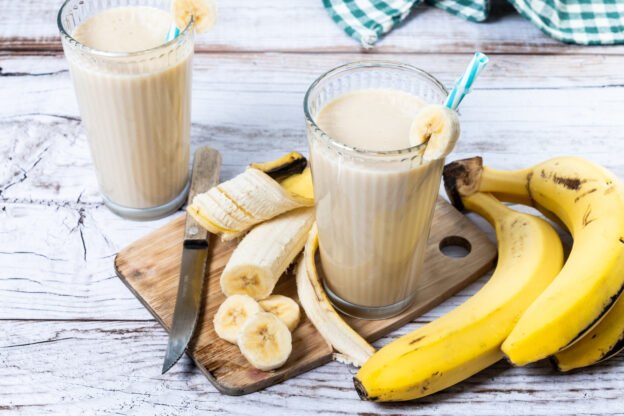
banana protein shake

Banana Protein Shake: The Ultimate High-Protein Drink for Fitness and Recovery

A banana protein shake is one of the simplest and most effective ways to boost your fitness nutrition while enjoying a delicious drink. Whether you are looking for a post-workout recovery option, a meal replacement, or simply a healthy snack, this shake provides the perfect balance of protein, carbohydrates, and essential nutrients. Unlike many artificial or sugary drinks on the market, a banana protein shake is natural, easy to make, and incredibly versatile, making it suitable for anyone who wants to support muscle growth, improve recovery, or maintain sustained energy throughout the day.

In the first few sips of a banana protein shake, you get a creamy texture, natural sweetness from the banana, and a satisfying richness from protein powder and optional yogurt. This shake can easily replace unhealthy snacks, support your fitness goals, and enhance your overall wellness. It is ideal for fitness enthusiasts, athletes, or anyone who wants to maintain a balanced and nutrient-dense diet.

Why Banana Protein Shake is Essential for Fitness Enthusiasts

A banana protein shake is not just a tasty drink but a scientifically sound nutritional choice for anyone serious about fitness. Bananas are rich in natural sugars, dietary fiber, and potassium, which help replenish electrolytes lost during exercise and provide immediate energy for your muscles. When combined with a high-quality protein powder, a banana protein shake becomes a powerhouse of muscle-repairing nutrients that accelerate recovery after workouts.

The benefits of incorporating a banana protein shake into your diet include:

  • Promotes lean muscle growth by supplying essential amino acids necessary for muscle repair and synthesis
  • Replenishes glycogen stores lost during intense workouts, helping reduce fatigue
  • Enhances recovery by reducing post-exercise muscle soreness
  • Supports gut health and improves digestion through natural fiber
  • Provides sustained energy, preventing mid-day energy slumps
  • Offers a convenient and quick option for anyone who struggles to eat a full meal post-workout

Fitness experts recommend consuming a banana protein shake after strength training or cardio exercises, as it helps maximize the effectiveness of your workouts while maintaining an evidence-based nutritional approach.

Ingredients Needed to Make the Perfect Banana Protein Shake

To create a delicious and nutritious banana protein shake, you will need the following ingredients:

  • One medium ripe banana, fresh or frozen for added creaminess
  • One scoop of whey protein or plant-based protein powder of your choice
  • One cup of milk, which can be dairy or plant-based such as almond, oat, or soy milk
  • Half a cup of Greek yogurt or curd to enhance texture and creaminess (optional)
  • One teaspoon of natural sweeteners such as honey or blended dates
  • Ice cubes as needed to create a chilled and smooth texture

For best results, freeze the banana beforehand. This improves the texture, makes the shake creamier, and removes the need for additional sugar or sweeteners. Using high-quality ingredients ensures that your banana protein shake delivers maximum nutrition without unnecessary additives.

Step-by-Step Guide to Making the Ultimate Banana Protein Shake

Making a banana protein shake is simple and can be done in just a few minutes. Follow these steps to ensure your shake is perfectly creamy and nutritious:

  1. Add the banana, protein powder, milk, Greek yogurt, honey, and ice cubes into a blender
  2. Blend the ingredients until the mixture is smooth, creamy, and free of chunks
  3. Check the consistency and add more milk if the shake is too thick or blend a few extra seconds for a smoother texture
  4. Pour the banana protein shake into a glass and serve immediately for the best taste and nutritional value

Optional additions include chia seeds, oats, or nut butter for extra protein, fiber, and healthy fats. These variations allow you to adjust your banana protein shake based on your nutritional goals or flavor preferences.

Popular Variations of Banana Protein Shake

To keep your banana protein shake interesting and flavorful, you can experiment with these variations:

  • Chocolate Peanut Butter Banana Protein Shake by adding cocoa powder and peanut butter
  • Berry Banana Protein Shake by blending in fresh strawberries, blueberries, or raspberries
  • Almond Delight Banana Protein Shake using almond milk and almond butter for a vegan-friendly option
  • Oats and Cinnamon Banana Protein Shake with added rolled oats and a pinch of cinnamon for extra satiety and warmth

These variations allow you to enjoy a banana protein shake in multiple ways without compromising on high-protein content or nutritional benefits.

Nutrition in Every Banana Protein Shake

Each serving of a banana protein shake provides a balanced mix of calories, protein, carbs, fats, and fiber that supports fitness and recovery:

  • Calories: Approximately 350 kcal
  • Protein: 22 to 25 grams depending on your protein powder
  • Carbohydrates: 35 grams from bananas and milk for energy replenishment
  • Fat: 6 grams for essential fatty acids and satiety
  • Fiber: 4 grams to aid digestion and prolong energy

This combination makes the banana protein shake an excellent option for post-workout recovery, meal replacement, or a nutritious snack.

Best Times to Drink a Banana Protein Shake

Timing your banana protein shake consumption is important for maximizing its benefits:

  • Pre-workout: Consume about 30-60 minutes before exercising to provide quick energy and fuel your workout
  • Post-workout: Drink immediately after exercise to enhance recovery, reduce muscle soreness, and replenish glycogen stores
  • Meal replacement: Use the shake as a balanced breakfast or mid-day meal when you are short on time
  • Anytime snack: Enjoy a banana protein shake as a healthy, nutrient-dense snack to curb hunger

Drinking a banana protein shake at the right time ensures that your body can make full use of the protein and carbohydrates it contains, improving both performance and recovery.

Tips to Maximize Protein Absorption from Your Banana Protein Shake

To ensure your banana protein shake delivers maximum benefits:

  • Pair it with complex carbohydrates like oats or brown rice to optimize amino acid absorption
  • Avoid adding artificial syrups or excessive sugar that can hinder recovery
  • Use high-quality protein powders such as whey isolate, casein, or plant-based proteins like pea protein
  • Stay hydrated as electrolytes from the banana help replenish what is lost during workouts
  • Drink it fresh to preserve nutrient content and maintain optimal flavor

These small adjustments will make your banana protein shake more effective and enhance your overall fitness and nutrition results.

Final Thoughts

A banana protein shake is a simple, versatile, and nutrient-packed option that fits perfectly into a fitness-focused lifestyle. It is easy to prepare, tastes great, and delivers the essential protein, carbohydrates, and micronutrients your body needs for recovery and sustained energy. Whether you use it as a post-workout drink, a meal replacement, or a healthy snack, the banana protein shake is a convenient and delicious way to support your fitness and nutrition goals.

Take charge of your health and performance by incorporating a banana protein shake into your daily routine and enjoy the benefits of better energy, faster recovery, and improved muscle growth.

At NFNA (National Fitness and Nutrition Academy), we believe that real fitness starts with knowledge. Whether you are a fitness enthusiast or aspiring nutrition professional, NFNA’s Certified Nutrition and Personal Training Courses can help turn your passion into expertise.

Enroll today at NFNA.in and start your journey toward becoming a Certified Fitness and Nutrition Professional.

Frequently Asked Questions 

Q1: Can I make a banana protein shake without dairy?

Yes, you can use almond milk, oat milk, coconut milk, or soy milk as alternatives. Vegan protein powders work well too.

Absolutely. A banana protein shake is nutrient-dense, keeps you full longer, and prevents overeating, making it an excellent option for weight management.

One serving contains around 22 to 25 grams of protein depending on the type and brand of protein powder used.

Yes. Fruits like berries, mango, or peaches pair well, adding natural sweetness, antioxidants, and extra vitamins.

You can consume it at both times. Before exercise, it provides energy, and after workouts, it helps with muscle recovery.

Yes, but adjust protein powder portions according to their age and nutritional requirements.

It is best consumed immediately, but it can be stored in the refrigerator for up to 24 hours without losing much nutritional value.

Yes, use plant-based protein powders, almond or oat milk, and skip the yogurt or replace it with plant-based yogurt.

pregnancy diet chart in hindi

Pregnancy Diet Chart in Hindi: माँ और बच्चे के लिए सही आहार गाइड

एक स्वस्थ और सुरक्षित गर्भावस्था की नींव सही खानपान और संतुलित आहार पर आधारित होती है। गर्भवती महिलाओं के लिए यह जानना बहुत जरूरी है कि कौन सा भोजन उनकी और उनके शिशु की सेहत के लिए सबसे अच्छा है। अगर आप अपने लिए या अपने साथी के लिए pregnancy diet chart in hindi ढूंढ रही हैं, तो यह ब्लॉग आपको एक विस्तृत और आसान गाइड प्रदान करता है।

पहले 50 शब्दों में सीधे कहें तो, इस ब्लॉग में आपको मिलेगा तिमाही अनुसार प्रेगनेंसी डाइट चार्ट, रोजमर्रा के भोजन के सुझाव, पोषण संबंधी महत्वपूर्ण जानकारी और विशेषज्ञों की सलाह। इस गाइड का पालन करने से आप अपने गर्भावस्था के दौरान पोषण की कमी से बच सकती हैं और अपने बच्चे के विकास को सही दिशा में बढ़ावा दे सकती हैं।

गर्भावस्था में शरीर में हार्मोनल और शारीरिक बदलाव आते हैं, जिससे माँ को अतिरिक्त पोषण और देखभाल की आवश्यकता होती है। सही आहार न केवल शिशु के स्वास्थ्य और विकास के लिए आवश्यक है, बल्कि माँ की ऊर्जा, इम्यूनिटी और मानसिक संतुलन को बनाए रखने में भी मदद करता है। यह pregnancy diet chart in hindi हर गर्भवती महिला के लिए मार्गदर्शक के रूप में काम कर सकता है।

गर्भावस्था में डाइट का महत्व क्यों है

गर्भावस्था में संतुलित आहार और पोषण का महत्व अत्यधिक है। माँ के शरीर में हार्मोनल बदलाव होते हैं, जिससे पोषण की जरूरत बढ़ जाती है। यह समय माँ और शिशु दोनों के लिए संवेदनशील होता है, इसलिए सही भोजन का चयन करना जरूरी है।

एक सही pregnancy diet chart in hindi अपनाने से आप सुनिश्चित कर सकती हैं कि:

  • शिशु का सही और स्वस्थ विकास होगा
  • माँ को पर्याप्त ऊर्जा और रोग प्रतिरोधक क्षमता प्राप्त होगी
  • गर्भावस्था में होने वाली जटिलताओं जैसे एनीमिया, उच्च रक्तचाप और कमजोरी का जोखिम कम होगा

इसके अलावा, डॉक्टर और न्यूट्रिशनिस्ट की सलाह लेना भी बहुत महत्वपूर्ण है। कोई भी नया भोजन या सप्लीमेंट लेने से पहले विशेषज्ञ से परामर्श करना जरूरी है। Pregnancy diet chart in hindi सिर्फ एक मार्गदर्शक है, इसे अपनी व्यक्तिगत जरूरतों के अनुसार अपनाना चाहिए।

प्रेगनेंसी डाइट चार्ट – तिमाही अनुसार

पहली तिमाही (1–3 महीने)

पहली तिमाही गर्भावस्था की सबसे संवेदनशील अवधि होती है। इस समय फोलिक एसिड, आयरन और विटामिन B6 का पर्याप्त सेवन अत्यंत आवश्यक है। यह शिशु के मस्तिष्क और न्यूरल ट्यूब के विकास में मदद करता है।

इस तिमाही में यह ध्यान रखें कि हल्का और पोषण युक्त भोजन लें। मतली और उल्टी से राहत पाने के लिए छोटे-छोटे भोजन लें और पानी पर्याप्त मात्रा में पिएं।

उदाहरण भोजन योजना:

  • दूध और दूध से बने उत्पाद
  • हरी पत्तेदार सब्जियां और फलों का सेवन
  • दालें और साबुत अनाज
  • केला, सेब और पपीता (पका हुआ)

यह चरण pregnancy diet chart in hindi का पहला महत्वपूर्ण हिस्सा है, जिसे सही तरीके से पालन करने से आप और आपका बच्चा दोनों स्वस्थ रहेंगे।

दूसरी तिमाही (4–6 महीने)

दूसरी तिमाही में माँ का भूख बढ़ता है और ऊर्जा की जरूरत ज्यादा होती है। इस दौरान कैल्शियम, प्रोटीन और फाइबर पर ध्यान दें। डेयरी, साबुत अनाज और ताजे फल को अपने भोजन में शामिल करें।

उदाहरण भोजन योजना:

  • दूध, दही और पनीर
  • ब्राउन राइस, ओट्स और जौ
  • संतरा, सेब और अमरूद
  • हल्की एक्सरसाइज और पर्याप्त पानी

यह तिमाही pregnancy diet chart in hindi में सबसे महत्वपूर्ण होती है क्योंकि शिशु का वजन तेजी से बढ़ता है और माँ की ऊर्जा की आवश्यकता भी अधिक होती है।

तीसरी तिमाही (7–9 महीने)

तीसरी तिमाही में उच्च प्रोटीन, आयरन और कैल्शियम युक्त भोजन बेहद जरूरी है। इस समय माँ का पेट बड़ा होता है और कब्ज जैसी समस्याएँ आम हो जाती हैं।

उदाहरण भोजन योजना:

  • अंडा, पनीर और दालें
  • हरी पत्तेदार सब्जियां
  • विटामिन C से भरपूर फल जैसे स्ट्रॉबेरी, अमरूद
  • पर्याप्त पानी और हल्का व्यायाम

तीसरी तिमाही का pregnancy diet chart in hindi पालन करके आप अपनी ऊर्जा बनाए रख सकती हैं और शिशु के विकास को सुनिश्चित कर सकती हैं।

दैनिक आहार सुझाव (Daily Pregnancy Diet Chart in Hindi)

  • सुबह: गुनगुना पानी, बादाम, दूध
  •  नाश्ता: ओट्स, फल, अंडा या दाल चीला
  •  दोपहर: चावल, दाल, सब्ज़ी, दही
  •  शाम: नारियल पानी, मूंग चाट
  •  रात: रोटी, पनीर भुर्जी, सूप
  •  सोने से पहले: हल्दी वाला दूध

यह pregnancy diet chart in hindi हर दिन अपनाने के लिए आसान और संतुलित है। इसे अपनी तिमाही के अनुसार हल्का या अधिक पौष्टिक बनाया जा सकता है।

गर्भावस्था में किन चीजों से बचें

  • अधपका मांस और अंडा
  • फास्ट फूड और डिब्बाबंद भोजन
  • अधिक कैफीन, शराब और धूम्रपान
  • उच्च मर्करी वाले मछली जैसे शार्क और किंग मैकेरल
  • अधपका पपीता और अनानास

इनसे बचकर आप अपने बच्चे और अपनी सेहत दोनों की सुरक्षा कर सकती हैं। Pregnancy diet chart in hindi में इन्हें विशेष रूप से शामिल नहीं किया गया है।

आम परेशानियों में क्या खाएं

  • मतली: अदरक चाय, टोस्ट और केला
  •  कब्ज: फाइबर युक्त भोजन और पर्याप्त पानी
  •  थकान: आयरन युक्त फूड्स, गुड़ और अनार
  •  वजन बढ़ना: हेल्दी स्नैक्स जैसे बादाम, दूध और फल

यह सुझाव pregnancy diet chart in hindi को अपनाने में मददगार हैं और रोजमर्रा की परेशानियों को कम करते हैं।

विशेषज्ञ सलाह: डॉक्टर से कब संपर्क करें

  • लगातार उल्टी या वजन में असमानता
  • ब्लड प्रेशर का बढ़ना
  • हाई रिस्क प्रेगनेंसी के संकेत
  • डॉक्टर द्वारा सुझाए गए सप्लीमेंट्स का पालन

Pregnancy diet chart in hindi का पालन करते समय यह सुनिश्चित करना जरूरी है कि कोई गंभीर लक्षण दिखाई देने पर तुरंत विशेषज्ञ से संपर्क किया जाए।

निष्कर्ष (Conclusion)

हर गर्भवती महिला की डाइट अलग होती है। अपनी स्थिति के अनुसार डॉक्टर या न्यूट्रिशनिस्ट की सलाह से pregnancy diet chart in hindi का पालन करें। संतुलित भोजन, पर्याप्त पानी, और मानसिक शांति के साथ ही आप और आपका बच्चा स्वस्थ रह सकते हैं।

क्या आप Pregnancy Nutrition में करियर बनाना चाहती हैं?
NFNA भारत की भरोसेमंद न्यूट्रिशन अकादमी है जहाँ आप सीख सकती हैं:

  • Prenatal & Postnatal Nutrition Course
  • Applied Nutrition & Food Science Diploma
  • Personal Training + Nutrition Combo Program

Learn. Earn. Empower – Start your Nutrition Journey with NFNA Today!

Frequently Asked Questions

Q1. प्रेगनेंसी में कौन से फल अच्छे हैं?

संतरा, सेब, केला, पका हुआ पपीता और अमरूद गर्भवती महिलाओं के लिए सबसे लाभकारी हैं।

पका हुआ पपीता सुरक्षित है, लेकिन कच्चा पपीता और अनानास से बचना चाहिए क्योंकि यह गर्भपात का खतरा बढ़ा सकता है।

फोलिक एसिड शिशु के मस्तिष्क और न्यूरल ट्यूब के विकास के लिए बेहद जरूरी है।

फाइबर युक्त भोजन, हरी सब्जियां और पर्याप्त पानी लेने से कब्ज की समस्या कम होती है।

योग्य न्यूट्रिशनिस्ट या डॉक्टर आपकी स्वास्थ्य स्थिति और आवश्यकताओं के अनुसार डाइट चार्ट तैयार कर सकते हैं।

 हां, दूध, दही और पनीर गर्भावस्था में सुरक्षित और लाभकारी हैं।

दिन में पांच से छह छोटे भोजन करना अच्छा होता है, इससे ऊर्जा बनी रहती है और मतली कम होती है।

सीमित मात्रा में कॉफी या चाय लेना सुरक्षित है, लेकिन अधिक मात्रा से गर्भावस्था में नुकसान हो सकता है।

pcos diet chart

PCOS Diet Chart: A Complete 7-Day Meal Plan for Hormonal Balance and Better Health

Polycystic Ovary Syndrome (PCOS) affects millions of women globally, causing irregular periods, weight gain, hormonal imbalances, acne, and fertility issues. If you are struggling with these symptoms and want a practical, evidence-based solution, a PCOS diet chart can help you regain control over your health. A properly designed PCOS diet chart helps regulate insulin levels, manage weight, reduce inflammation, and support hormonal balance.

In this article, you will find a comprehensive, 7-day PCOS diet chart, tailored for Indian women, focusing on whole foods, lean proteins, healthy fats, and fiber-rich vegetables and fruits. This PCOS diet chart also includes practical tips for lifestyle and nutrition to ensure long-term results. By following this plan, you can gradually improve your health, energy levels, and reproductive wellness naturally.

What Is a PCOS Diet Chart and Why It Works

A PCOS diet chart is not just a meal plan but a scientifically structured approach to managing the symptoms of Polycystic Ovary Syndrome. Unlike general diets, a PCOS diet chart emphasizes low-glycemic foods, lean proteins, healthy fats, and high-fiber options, which help regulate blood sugar and reduce chronic inflammation.

The main benefits of a PCOS diet chart include regulating insulin levels, reducing abdominal fat, improving hormone balance, and supporting sustainable weight management. Women who follow a PCOS diet chart consistently often report improved menstrual regularity, reduced acne, better mood, and increased fertility.

The philosophy behind a PCOS diet chart is food as medicine. By eating balanced meals that combine the right carbohydrates, proteins, fats, and micronutrients, women with PCOS can take control of their hormonal health naturally, alongside medical guidance if needed.

Key Nutrition Principles for Managing PCOS

A successful PCOS diet chart focuses on foods that stabilize blood sugar, reduce inflammation, and support hormonal balance. Here are the essential nutrition principles to include:

  • Low-Glycemic Index Foods: These foods release glucose slowly, keeping insulin levels steady. Examples for a PCOS diet chart include oats, quinoa, millet, and brown rice.
  • Lean Proteins: Lean protein sources such as eggs, fish, chicken, tofu, and lentils help maintain muscle mass, promote satiety, and prevent blood sugar spikes.
  • Healthy Fats: Including avocados, olive oil, nuts, and seeds in your PCOS diet chart supports hormone production and reduces inflammation.
  • Fiber-Rich Foods: Fruits, vegetables, and legumes improve digestion, stabilize blood sugar, and promote gut health, which is essential for hormone regulation.
  • Anti-Inflammatory Foods: Turmeric, cinnamon, leafy greens, and green tea help reduce the chronic inflammation often associated with PCOS.
  • Hydration: Adequate water intake and herbal teas are critical in a PCOS diet chart. Avoid sugary drinks and excessive caffeine, which can disrupt insulin balance.

By following these principles, a PCOS diet chart becomes not just a short-term plan but a long-term lifestyle solution for managing PCOS effectively.

Foods to Eat and Avoid in a PCOS Diet Chart

Creating an effective PCOS diet chart requires knowing which foods to prioritize and which to minimize or avoid.

Foods to Include in a PCOS Diet Chart

  •  Whole grains such as oats, brown rice, and millet
  •  Fruits like berries, guava, apples, and papaya
  •  Vegetables including spinach, broccoli, cauliflower, carrots, and bell peppers
  •  Lean proteins such as eggs, chicken, fish, lentils, and tofu
  •  Healthy fats including avocado, nuts, seeds, and olive oil
  •  Herbs and spices like turmeric, cinnamon, and fenugreek

Foods to Avoid in a PCOS Diet Chart

  •  Refined carbohydrates such as white rice, maida, and packaged baked goods
  •  Sugary snacks and desserts including cakes, cookies, and sweetened beverages
  •  Processed and fried foods that can increase inflammation
  •  Excess caffeine and alcohol which can disrupt hormone balance

By emphasizing what to include rather than focusing solely on restrictions, a PCOS diet chart becomes sustainable and enjoyable, encouraging long-term adherence.

7-Day PCOS Diet Chart (Indian Meal Plan)

Here’s a practical, Indian-focused PCOS diet chart for one week. Each day combines low-GI carbs, lean protein, healthy fats, and fiber for hormone balance.

Day

Breakfast

Lunch

Snack

Dinner

Day 1

Oats porridge + nuts

Brown rice + dal + salad

Apple + almonds

Grilled fish + sautéed vegetables

Day 2

Moong dal chilla + chutney

Roti + sabzi + curd

Fruit + pumpkin seeds

Tofu stir-fry + quinoa

Day 3

Smoothie (banana, spinach, almond milk)

Rajma + brown rice

Roasted makhana

Chicken curry + steamed veggies

Day 4

Vegetable poha + curd

Millet khichdi + dal

Coconut water + walnuts

Paneer bhurji + multigrain roti

Day 5

Ragi dosa + chutney

Chana dal + salad

Greek yogurt + flaxseeds

Vegetable pulao + curd

Day 6

Avocado toast

Quinoa bowl + lentil curry

Pear + peanuts

Grilled shrimp + sautéed spinach

Day 7

Veg omelet

Chapati + sabzi + salad

Dark chocolate (small)

Soup + brown rice + veggies

Pro Tip: Adjust portion sizes according to your calorie needs. A balanced PCOS diet chart works best when paired with regular exercise and hydration.

Lifestyle Tips to Complement Your PCOS Diet Chart

While nutrition forms the foundation of a PCOS diet chart, combining it with healthy lifestyle practices enhances its effectiveness.

  • Exercise: Aim for 30 minutes of daily activity, including yoga, brisk walking, or strength training. Exercise improves insulin sensitivity and helps regulate menstrual cycles.
  • Sleep: Prioritize 7 to 8 hours of quality sleep each night. Adequate sleep supports hormone balance and overall metabolic health.
  • Stress Management: Incorporate meditation, journaling, or outdoor walks. High stress can worsen hormonal imbalances associated with PCOS.
  • Regular Checkups: Routine monitoring with a gynecologist or nutritionist ensures your PCOS diet chart is working effectively and can be tailored according to your needs.

Common Myths About PCOS and Diet

Myth: Carbs are harmful for PCOS
Truth: Complex carbohydrates included in a PCOS diet chart are essential for energy and blood sugar control

Myth: Dairy should be completely avoided
Truth: Low-fat dairy in moderation is beneficial and can be included in a PCOS diet chart

Myth: Skipping meals helps manage PCOS
Truth: Regular balanced meals are important for hormone regulation and blood sugar control

Myth: PCOS always requires medication
Truth: Lifestyle changes, including a well-structured PCOS diet chart, can significantly improve symptoms

Conclusion

A PCOS diet chart is a practical, evidence-based approach to managing PCOS naturally. By following a structured meal plan with low-glycemic carbs, lean proteins, healthy fats, and fiber-rich vegetables and fruits, women can regulate insulin, reduce inflammation, improve menstrual health, and enhance fertility. Combining the PCOS diet chart with regular exercise, sleep, and stress management makes it a sustainable lifestyle choice. Start gradually, stay consistent, and embrace the PCOS diet chart as a long-term solution for better hormonal and overall health.

Ready to Take Control of Your Health or Build a Career in Nutrition? Learn how to design science-backed diet plans like the PCOS Diet Chart with expert-led, evidence-based courses at NFNA – India’s Top Nutrition and Fitness Academy.

Frequently Asked Questions  

Q1. Can a PCOS diet chart help with weight loss?

Yes, following a PCOS diet chart helps stabilize insulin, reduce cravings, and supports gradual and sustainable weight loss.

Whole grains like millet and oats, lentils, legumes, leafy vegetables, berries, nuts, seeds, lean proteins such as chicken, fish, eggs, and paneer.

Yes, low-fat dairy like curd, milk, and paneer can be included in moderation.

Many women notice improvements in energy, menstrual regularity, and reduced cravings within 3 to 4 weeks of consistently following the diet chart.

Yes, choose grilled proteins, salads, and whole grains while avoiding fried and processed foods.

Yes, smoothies made with spinach, berries, and unsweetened almond milk are excellent for managing blood sugar and adding essential nutrients.

Exercise is critical as it enhances insulin sensitivity, helps manage weight, and improves hormonal balance.

While a PCOS diet chart cannot replace medical treatment, it can significantly reduce symptoms, improve hormonal balance, and support long-term health when combined with lifestyle changes.