Category Archives: Nutrition

protein rich indian breakfast

10 Best Protein-Rich Indian Breakfast Ideas to Power Your Day

Do you start your mornings with a cup of chai and a slice of bread or a bowl of plain cereal? If yes, you might be missing the most crucial opportunity to energize your day: a protein rich Indian breakfast. Consuming adequate protein in the morning not only fuels your body with energy but also stabilizes blood sugar, improves concentration, and keeps mid-morning hunger at bay. A breakfast rich in protein is essential whether you are a student, a busy professional, or someone dedicated to fitness.

India offers an abundance of vegetarian and plant-based protein sources such as lentils, paneer, sprouts, and millets, making it possible to enjoy a wholesome protein rich Indian breakfast every day. This article will guide you through ten delicious and nutritious protein rich Indian breakfast recipes, along with practical tips to boost protein intake and avoid common mistakes. By the end of this read, you will be fully equipped to start your day the right way.

What Makes a Breakfast ‘Protein-Rich’?

A protein rich Indian breakfast is more than just a meal—it is a functional component of your health. Protein is essential for repairing muscles, maintaining hormone balance, regulating appetite, and providing sustained energy throughout the day. While many people consume a carbohydrate-heavy breakfast, focusing on protein can dramatically improve both physical and mental performance. Nutrition experts suggest consuming 15 to 25 grams of protein in the first meal of the day to optimize energy, satiety, and metabolic function.

The benefits of a protein rich Indian breakfast include:

  • Provides long-lasting energy by slowing digestion
  • Enhances mental focus and concentration during work or study
  • Supports muscle repair and growth, especially for active individuals
  • Helps regulate appetite and reduces unhealthy snacking
  • Contributes to better weight management and metabolism

Scientific studies have shown that consuming a protein-rich breakfast can improve mood, cognitive performance, and overall metabolic health. Incorporating protein in the morning ensures your body has sufficient amino acids to support brain function and muscle recovery. This is particularly important for vegetarians who need to carefully combine plant-based protein sources to meet daily requirements. A protein rich Indian breakfast is the foundation for a healthy and productive day.

The Indian Advantage: Our Protein Sources

One of the greatest advantages of an Indian diet is the wide variety of vegetarian protein sources that are ideal for breakfast. By utilizing these ingredients, you can prepare a protein rich Indian breakfast without relying on eggs or meat. Some of the top options include:

  • Moong Dal: 24 grams of protein per 100 grams, perfect for chillas and pancakes
  • Besan (Gram Flour): 22 grams per 100 grams, ideal for omelettes and pancakes
  • Paneer: 18 grams per 100 grams, versatile for bhurji or sandwiches
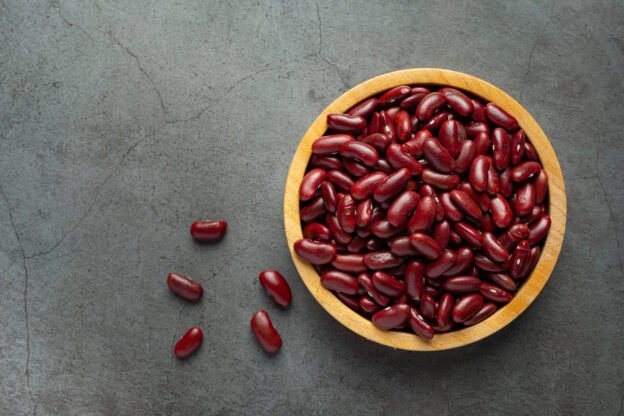
  • Rajma (Kidney Beans): 9 grams per 100 grams, suitable for toasts and stuffed parathas
  • Makhana: 9 grams per 100 grams, can be used in porridge or roasted snacks
  • Quinoa: 14 grams per 100 grams, excellent for poha or breakfast bowls
  • Millets (Foxtail, Ragi, Bajra): 10 to 12 grams per 100 grams, great for idlis, dosas, and upma
  • Chia and Flax Seeds: 17 grams per 100 grams, add to smoothies or oats

These ingredients can be easily integrated into traditional breakfast items to transform them into a high protein vegetarian breakfast. For instance, millet-based idlis or dosas are a healthier alternative to rice-based versions, and moong dal chillas provide a quick protein boost in under 15 minutes. Incorporating these ingredients ensures your protein rich Indian breakfast is both delicious and nutritionally balanced.

10 Delicious Protein-Rich Indian Breakfast Ideas

Here are ten protein rich Indian breakfast recipes that are easy to prepare, tasty, and nourishing. Each recipe includes an approximate protein content per serving.

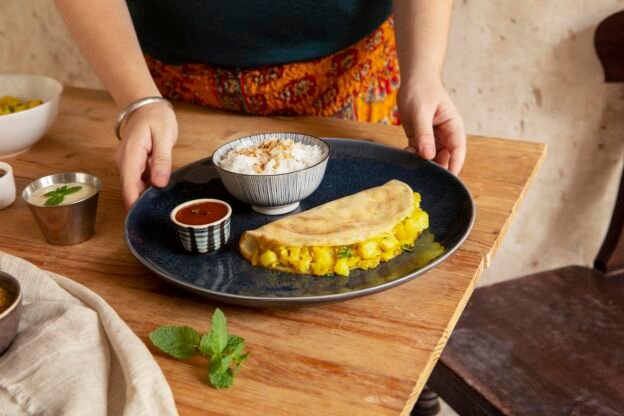
  • Moong Dal Chilla
    Protein approximately 14 grams per serving. Soak moong dal overnight and grind into a smooth batter. Add finely chopped onions, tomatoes, green chilies, and spices. Pan-fry on minimal oil until golden brown. Serve with coriander or mint chutney. A perfect combination of protein and flavor.
  • Rajma Protein Toast
    Protein approximately 12 grams per serving. Cook rajma until soft and mash with spices. Spread on whole wheat toast and top with diced vegetables such as tomatoes, onions, and capsicum. This breakfast provides protein and fiber to keep you full longer.
  • Besan and Vegetable Omelette
    Protein approximately 13 grams per serving. Mix besan with water to form a thick batter. Add turmeric, chili, and finely chopped vegetables. Cook on a non-stick pan like an omelette. Serve hot with plain yogurt for an extra protein boost.
  • Millet Idli or Dosa
    Protein approximately 10 grams per serving. Replace rice in traditional idli or dosa batter with foxtail millet or ragi. Steam the idlis or cook dosas on a hot griddle. Serve with protein-rich sambar or chutney for a wholesome breakfast.
  • Makhana and Cocoa Porridge
    Protein approximately 9 grams per serving. Roast makhana lightly and grind partially. Cook with milk or plant-based milk, add cocoa powder, and a little jaggery. This sweet breakfast is rich in antioxidants and protein.
  • Paneer Bhurji with Whole Wheat Toast
    Protein approximately 18 grams per serving. Sauté crumbled paneer with onions, tomatoes, and spices. Serve with whole wheat toast or a multigrain wrap. A classic protein rich Indian breakfast for muscle building and satiety.
  • Quinoa Poha
    Protein approximately 12 grams per serving. Replace flattened rice with cooked quinoa. Sauté with mustard seeds, curry leaves, peas, carrots, and green chilies. Add lemon juice and fresh coriander. Balanced, filling, and protein-packed.
  • Sprout and Vegetable Pancakes
    Protein approximately 15 grams per serving. Blend sprouted moong with chopped vegetables and a small amount of besan. Pan-fry into small pancakes. Serve with green chutney or yogurt. Sprouts add digestive enzymes along with protein.
  • Oats Upma with Seeds
    Protein approximately 11 grams per serving. Roast oats lightly, cook with chopped vegetables, and add sunflower, pumpkin, and chia seeds. Finish with a squeeze of lemon and coriander. A quick, hearty, and protein rich Indian breakfast for busy mornings.
  • Moringa-Makhana Paratha
    Protein approximately 13 grams per serving. Mix moringa leaf powder and roasted makhana powder into whole wheat flour. Roll into parathas and cook on a hot tawa. Serve with yogurt or a light chutney. This superfood paratha is highly nutritious and satisfying.

Quick Tips to Make Breakfasts More Protein-Rich

In addition to these recipes, follow these tips to consistently prepare a protein rich Indian breakfast:

  • Plan ahead soak dals, sprouts, and prepare batters the night before
  • Add sides such as Greek yogurt, nuts, or chia pudding to increase protein content
  • Replace refined flours with millet or besan flour
  • Pair protein with fiber-rich vegetables or whole grains for sustained energy
  • Include morning hydration like lemon water or green smoothies to support metabolism

Common Mistakes to Avoid

Even when aiming for a protein rich Indian breakfast, people often make avoidable mistakes:

  • Consuming only carbohydrates like cereal, white bread, or parathas
  • Ignoring plant-based protein sources such as lentils, paneer, or sprouts
  • Skipping breakfast entirely, which leads to mid-morning fatigue
  • Overcooking or under-soaking pulses, which reduces digestibility and nutrient absorption

Avoiding these mistakes ensures your protein rich Indian breakfast delivers maximum health benefits.

The Holistic Connection: Protein, Gut, and Mood

A protein rich Indian breakfast supports not only physical health but also gut health and mental well-being. Protein stabilizes blood sugar levels, reducing sudden energy crashes that affect mood and focus. Amino acids from protein help produce neurotransmitters like serotonin and dopamine, which regulate stress and mood. Experts in holistic nutrition, such as Luke Coutinho, recommend a protein-rich breakfast as a foundation for overall wellness. By consuming a balanced, protein-rich meal in the morning, you can improve digestion, enhance hormonal balance, and feel mentally sharper throughout the day.

Conclusion

A protein rich Indian breakfast is not just a meal—it is a lifestyle choice that can transform your energy, focus, and overall health. By incorporating ingredients like lentils, paneer, sprouts, millets, and seeds into your morning routine, you can enjoy a satisfying and nourishing breakfast every day. Start with one of the 10 recipes mentioned above and gradually make protein the star of your mornings for a healthier, more productive day.

Explore NFNA’s Courses 

Ready to take your passion for nutrition and fitness to the next level? At NFNA – The National Fitness & Nutrition Academy, you can become a certified expert in Applied Nutrition, Dietetics, and Fitness Coaching. Learn from experienced doctors, dieticians, and wellness mentors who have empowered thousands of students across India.

Join India’s most trusted nutrition academy and start building your career in fitness and wellness today. Explore NFNA’s courses now and turn your passion into purpose.

Frequently Asked Questions

Q1. What is the best high-protein vegetarian breakfast?

Moong dal chilla, paneer bhurji, and sprout pancakes are among the best choices for a protein rich Indian breakfast. They are easy to prepare and highly nutritious.

Aim for 15 to 25 grams of protein per breakfast to support energy, satiety, and cognitive function.

Yes. Ingredients like paneer, lentils, sprouts, quinoa, and seeds provide ample protein for a vegetarian protein rich Indian breakfast.

Paneer, makhana, moringa, rajma, besan, and millets are all excellent sources of protein for breakfast.

Absolutely. Millets like foxtail, ragi, and bajra contain 10–12 grams of protein per 100 grams and are rich in fiber.

Yes. Options such as oats upma, sprout pancakes, and besan omelettes can be prepared in under 15 minutes.

Yes. Pairing protein with fiber-rich carbohydrates provides longer-lasting energy and keeps you full longer.

Definitely,  Protein-rich breakfasts support growth, brain development, immunity, and overall health in children.

high protein vegetarian foods in india

High Protein Vegetarian Foods in India – The Complete 2026 Guide for Muscle, Health, and Nutrition

Are you struggling to get enough protein on a vegetarian diet? Finding the best high protein vegetarian foods in India can seem challenging, but it is entirely possible with the right knowledge. Many Indian vegetarians unknowingly consume protein-deficient diets, relying mainly on paneer or dal while ignoring other powerful protein sources. This can impact energy levels, muscle health, and immunity.

In this comprehensive guide, we will explore the top high protein vegetarian foods in India, including traditional staples, modern fortified products, and plant-based options. You will learn how to combine foods to get complete proteins, boost your daily intake, and debunk common myths surrounding vegetarian protein. By the end of this article, you will know exactly how to structure your meals with high protein vegetarian foods in India to maintain a healthy, active lifestyle while enjoying a variety of delicious Indian dishes.

Why Protein is Essential for Vegetarians

Protein is an indispensable nutrient for everyone, but for vegetarians, it requires careful planning to ensure daily requirements are met. Proteins are the building blocks of muscles, enzymes, and hormones, playing a crucial role in tissue repair, immunity, and overall metabolic functions. Vegetarians often assume that meeting protein requirements is difficult without animal products. However, with the right selection of high protein vegetarian foods in India, it is entirely feasible to meet and exceed daily protein goals.

Recommended protein intake varies depending on activity levels and age:

  • Sedentary adults should aim for 0.8 to 1 gram per kilogram of body weight
  • Active adults and fitness enthusiasts should target 1.2 to 1.6 grams per kilogram of body weight
  • Athletes and bodybuilders can consume 1.6 to 2.2 grams per kilogram of body weight

Including high protein vegetarian foods in India like soy products, dairy, legumes, nuts, seeds, and protein-enriched modern foods ensures you get all essential amino acids, supporting muscle growth and overall health. Combining different plant-based protein sources like rice and dal, or chickpeas and chapati, ensures a complete amino acid profile that rivals animal-based proteins.

The Protein Gap in Indian Vegetarian Diets

Despite the variety of vegetarian foods available in India, most traditional meals are heavy on carbohydrates, such as rice, chapati, and potato-based dishes, with protein often taking a back seat. While dal, paneer, and milk provide some protein, they are usually insufficient to meet daily requirements, especially for active adults and athletes.

The common challenges vegetarians face include:

  • Relying heavily on dal or paneer without incorporating other protein-rich foods
  • Ignoring plant-based options like soy, tofu, tempeh, and legumes
  • Believing that protein powders or supplements are the only solution

By carefully planning meals around high protein vegetarian foods in India, you can close the protein gap and ensure a healthy, sustainable diet. This includes combining legumes with grains, adding nuts and seeds to meals, and incorporating modern protein-enriched foods available in the Indian market.

Top 12 High Protein Vegetarian Foods in India

Including a diverse range of high protein vegetarian foods in India is essential to meet daily protein needs. Here are the most effective protein-rich options you can easily incorporate into your diet:

Paneer (18 grams per 100 grams)

Paneer is the quintessential Indian protein source. Rich in calcium and high-quality protein, it supports bone health and muscle repair. Paneer can be used in curries, grilled as a snack, or added to salads.

Tofu (15 grams per 100 grams)

Tofu, a soy-based protein, is low in fat and versatile. It is a great plant-based alternative to paneer and works well in stir-fries, scrambled dishes, or smoothies. Regular consumption provides essential amino acids and supports heart health.

Greek Yogurt or Skyr (10–11 grams per 100 grams)

Greek yogurt is packed with protein and probiotics that enhance gut health. Include it in breakfast bowls with fruits, as a snack, or as a base for savory dips.

Soya Chunks (52 grams per 100 grams dry weight)

Soya chunks are one of the most protein-dense vegetarian foods in India. They are budget-friendly and can be added to curries, soups, or roasted as crunchy snacks.

Lentils and Pulses (9 grams per 100 grams)

Lentils such as moong dal, masoor dal, and toor dal provide both protein and fiber. They can be included in soups, dals, or salads. When paired with rice or chapati, they offer a complete protein profile.

Chickpeas and Rajma (8–10 grams per 100 grams)

Chickpeas and kidney beans are versatile and nutrient-dense. They help stabilize blood sugar and are excellent for making curries, stews, or salads.

Quinoa (14 grams per 100 grams)

Quinoa is a complete plant-based protein containing all nine essential amino acids. It is gluten-free and can be used in salads, upma, or porridge for a nutritious, high-protein meal.

High Protein Milk and Paneer (Amul and other brands)

Fortified milk and paneer provide an easy way to increase protein intake. They can be consumed as beverages, in desserts, or incorporated into curries and snacks.

Nuts and Seeds (Peanuts, Almonds, Chia, Flaxseed)

Nuts and seeds are calorie-dense sources of protein and healthy fats. Include them as snacks or sprinkle on yogurt, salads, or porridge.

Tempeh (19 grams per 100 grams)

Tempeh is a fermented soy product rich in protein and probiotics. It can be sautéed, added to stir-fries, or used in sandwiches for a nutritious protein boost.

Protein-Enriched Indian Foods

Modern Indian products such as protein dosa batter, protein bread, and protein biscuits are convenient options for vegetarians seeking to increase protein intake without compromising taste or traditional flavors.

Edamame (11 grams per 100 grams)

Edamame are young soybeans packed with protein, fiber, and vitamins. They can be boiled, steamed, or added to stir-fries and salads for a nutritious snack.

How to Boost Daily Protein Intake

Even with high protein vegetarian foods in India, many people struggle to meet daily targets. Here are actionable strategies:

  • Combine multiple protein sources in one meal, such as paneer with lentils or tofu with rice
  • Incorporate protein powders into smoothies, batters, or oats for easy intake
  • Include high-protein breakfasts such as Greek yogurt bowls, protein dosa, or tofu scrambles
  • Snack on roasted soybeans, nuts, seeds, or tempeh for convenient protein boosts
  • Plan meals in advance to ensure protein is included in every meal

By using these strategies consistently, vegetarians can meet protein requirements without feeling restricted.

Common Myths About Vegetarian Protein

Many misconceptions surround vegetarian protein. Understanding the truth ensures you make informed dietary choices:

  • Myth: Vegetarians cannot build muscle
    Truth: With sufficient protein from high protein vegetarian foods in India and strength training, muscle gain is entirely possible
  • Myth: Only animal protein is complete
    Truth: Combining grains, legumes, dairy, and soy products provides all essential amino acids
  • Myth: Too much protein is harmful
    Truth: Protein is safe for healthy adults; excess is only harmful in individuals with kidney issues

Sample 1-Day High Protein Vegetarian Meal Plan (India)

  • Breakfast: Protein dosa with paneer filling – 25 grams
  •  Mid-Morning Snack: Greek yogurt with chia seeds – 15 grams
  •  Lunch: Rajma with brown rice and salad – 30 grams
  •  Snack: Roasted soya chunks – 15 grams
  •  Dinner: Tofu stir-fry with quinoa – 30 grams

Total Protein Intake – 115 grams

This plan demonstrates how incorporating high protein vegetarian foods in India throughout the day can help meet and exceed protein requirements.

The Rise of High-Protein Products in India

The market for protein-rich foods in India has expanded rapidly:

  • Fortified dairy products such as Amul, Milky Mist, and Epigamia provide convenient protein options
  • Plant-based brands like Saffron Trail and Protyze focus on protein-rich Indian foods
  • Protein-enriched batters, breads, and snacks make it easier for vegetarians to meet daily protein needs

These products have revolutionized Indian vegetarian diets, making it easier to include high protein vegetarian foods in India without sacrificing taste or tradition.

Conclusion

Protein is not just for athletes, it is essential for everyone. By incorporating a variety of high protein vegetarian foods in India, including dairy, soy, legumes, nuts, seeds, and modern fortified foods, vegetarians can meet their daily protein requirements, improve health, and enhance energy levels. With proper meal planning and the inclusion of these protein-rich foods, it is possible to enjoy a balanced, nutritious, and satisfying diet every day.

Ready to turn your knowledge of nutrition into a professional career? Join the National Fitness & Nutrition Academy (NFNA), India’s leading institute for nutrition and fitness education. Learn from expert doctors, nutritionists, and trainers. Get certified online or offline, and enjoy lifetime mentorship while joining 8,000+ successful graduates.

Enroll now at NFNA.in and take your wellness career to the next level.

Frequently Asked Questions

Q1. How can vegetarians get complete protein?

Combine legumes with grains or include dairy and soy products to ensure all essential amino acids are consumed.

Paneer contains higher fat, while tofu is lower-calorie and vegan-friendly. Both are excellent protein sources when included in a balanced diet.

Whole foods provide additional nutrients like fiber, vitamins, and minerals. Powders can supplement but should not replace whole foods.

Sedentary adults require around 0.8 to 1 gram per kilogram of body weight, while active adults may need 1.2 to 1.6 grams, and athletes up to 2.2 grams per kilogram.

They are helpful but calorie-dense. They should be included alongside other high protein vegetarian foods in India for balanced intake.

Soya, black gram, chickpeas, rajma, and moong dal are among the most protein-rich pulses.

Yes. With consistent intake of high protein vegetarian foods in India and proper resistance training, muscle gain is achievable.

Yes, but people with kidney problems or specific dietary restrictions should consult a doctor before consuming fortified products.

does whey protein cause hair loss

Does Whey Protein Cause Hair Loss? Evidence-Based Insights

Does whey protein cause hair loss? This is a question many fitness enthusiasts, athletes, and nutrition-conscious individuals ask when they notice unusual hair shedding after starting protein supplementation. Whey protein is one of the most widely used supplements in the fitness world due to its high-quality protein content, fast absorption, and ability to support muscle recovery and growth.

The truth is that whey protein does not directly cause hair loss. Hair shedding associated with whey protein is usually indirect and occurs mainly in people who are genetically predisposed to hair thinning due to hormonal sensitivities. Factors such as stress, dietary deficiencies, and overall lifestyle play a far greater role in hair health than whey protein alone. In this article, we explore the relationship between whey protein and hair loss, explain the science behind hair growth, and provide practical strategies to maintain healthy hair while enjoying the benefits of whey protein.

What Exactly Is Whey Protein?

Whey protein is a high-quality protein extracted from milk during the cheese-making process. It is rich in essential amino acids, including leucine, isoleucine, and valine, which are vital for muscle repair and growth. Its high digestibility and rapid absorption make it a favorite among athletes, bodybuilders, and fitness enthusiasts.

There are three main types of whey protein, each with unique characteristics:

Whey Protein Concentrate (WPC)

  • Protein content 70 to 80 percent
  •  Contains moderate amounts of fats and carbohydrates
  •  Often chosen for general supplementation due to affordability

Whey Protein Isolate (WPI)

  •  Protein content 90 percent or higher
  •  Low in fats and carbohydrates
  •  Preferred by athletes and fitness professionals for faster absorption and high purity

Whey Protein Hydrolysate (WPH)

  •  Protein content 80 to 90 percent
  •  Pre-digested for faster absorption
  •  Beneficial for post-workout recovery and people with sensitive digestion

Whey protein is extremely popular because it supports muscle growth, enhances recovery, and provides a convenient way to meet daily protein needs. Despite its benefits, some individuals worry, “does whey protein cause hair loss?” While the concern is common, scientific research shows that the connection is indirect and limited to certain circumstances.

The Science Behind Hair Growth and Hair Loss

Understanding hair loss requires knowledge of how hair grows and the factors influencing its health. Hair follicles follow three primary stages:

  • Anagen (growth phase) lasting two to six years, determining the length of the hair
  • Catagen (transitional phase) lasting two to three weeks, during which hair growth slows
  • Telogen (resting phase) lasting about three months, after which the hair naturally sheds

Hair loss can be influenced by genetics, hormonal changes, nutrition, and lifestyle factors. One of the key hormones linked to hair loss is Dihydrotestosterone (DHT). DHT is a derivative of testosterone that can bind to hair follicles and shrink them, leading to shorter growth phases and thinning hair.

Men are generally more susceptible to DHT-related hair loss, known as male pattern baldness. Women can also experience hair loss due to DHT, especially if hormonal imbalances like polycystic ovary syndrome (PCOS) or menopause are present. However, genetics and lifestyle play a larger role than dietary supplements like whey protein.

Does Whey Protein Cause Hair Loss? Breaking the Myth

The direct answer to “does whey protein cause hair loss” is no. Whey protein alone does not induce hair shedding in healthy individuals. There is no scientific evidence that consuming whey protein results in hair loss.

However, there may be an indirect connection in specific scenarios:

  • Whey protein may increase IGF-1 and testosterone levels in some individuals
  • Elevated testosterone can convert to DHT, which may accelerate hair loss in people genetically predisposed to male or female pattern baldness
  • Hair thinning due to whey protein is uncommon and typically depends on individual hormonal sensitivity

It is important to note that excessive protein intake, poor diet, stress, or nutrient deficiencies are far more likely contributors to hair loss than whey protein supplementation alone. Maintaining a balanced diet, moderating whey protein intake, and addressing stress can prevent unnecessary hair thinning while enjoying the benefits of whey protein.

Whey Protein Isolate vs. Concentrate: Which Is Safer?

There is some evidence that whey protein isolate, because of its higher protein purity, may slightly influence hormone levels more than whey protein concentrate. Individuals concerned about hair loss may benefit from choosing concentrate or moderating their intake of isolate.

Key differences include:

Whey Protein Isolate

  •  Higher protein purity (90 percent or more)
  •  Lower in carbohydrates and fats
  •  Potentially higher impact on hormone levels

Whey Protein Concentrate

  •  Protein content 70 to 80 percent
  •  Contains more fats and carbohydrates
  •  Slightly lower hormonal impact, gentler on the body

Choosing the right type depends on your fitness goals, tolerance, and genetic sensitivity. Observing your body’s response and consulting a nutritionist can help ensure you reap the benefits without risking hair health.

Hair Loss in Men vs. Women: Understanding the Difference

Hair loss patterns differ between men and women due to hormonal differences.

Men

  • Higher sensitivity to DHT
  • Male pattern baldness typically affects the hairline and crown
  • Whey protein may accelerate hair thinning in genetically predisposed men

Women

  • Hair loss often linked to hormonal imbalances, such as PCOS or menopause
  • Thinning is generally diffuse across the scalp
  • Whey protein rarely causes direct hair loss but may exacerbate existing hormonal sensitivities

Preventive measures include monitoring hair density, maintaining hormonal balance, and consulting a healthcare professional if early signs of thinning appear.

Nutrition Tips for Healthy Hair While Using Whey Protein

Maintaining hair health while consuming whey protein requires a balanced diet rich in essential micronutrients.

Key nutrients supporting hair growth include:

  • Biotin for keratin production
  • Zinc for follicle health
  • Iron to prevent hair thinning due to anemia
  • Omega-3 fatty acids to reduce scalp inflammation
  • Vitamin D to stimulate hair follicle activity

Additional tips:

  • Drink adequate water to maintain scalp hydration
  • Limit processed supplements that may disrupt nutrient balance
  • Include diverse protein sources such as eggs, tofu, lentils, and pulses

A personalized nutrition plan from a qualified dietitian or nutritionist ensures that your diet supports both fitness goals and hair health.

Evidence-Based Strategies to Prevent Hair Loss

While whey protein itself does not directly cause hair loss, certain steps can minimize any indirect effects:

  • Monitor whey protein intake and avoid excessive doses
  • Diversify protein sources rather than relying solely on whey
  • Regularly check hair for early signs of thinning
  • Reduce stress through meditation, adequate sleep, and active recovery
  • Maintain routine health check-ups with a dermatologist or trichologist

These strategies help maintain overall hair health while allowing you to continue using whey protein safely.

When to Consult a Professional

Seek professional guidance if you notice:

  • Excessive hair shedding exceeding 100 hairs per day
  • Patchy or uneven hair loss
  • Scalp irritation, inflammation, or itching

Professional interventions for hair loss include:

  • Follicular Unit Extraction (FUE)
  • Platelet-Rich Plasma (PRP) therapy
  • Mesotherapy

Most hair loss concerns related to whey protein are rare and generally occur in individuals with genetic predispositions. Education, nutrition, and moderation are the most effective preventive measures.

Key Takeaways

  • Whey protein does not directly cause hair loss
  • Hair loss may accelerate only in individuals genetically sensitive to DHT
  • Balanced nutrition, moderate protein intake, and lifestyle management are essential
  • Evidence-based decisions ensure you benefit from whey protein without compromising hair health

Turn Your Passion for Fitness and Nutrition into Expertise with NFNA!”

If you’re passionate about understanding how nutrition affects the body, from muscle growth to hair health, it’s time to get certified!

At NFNA, India’s leading Nutrition and Fitness Academy, you’ll:

  • Learn from expert doctors, dieticians, and fitness trainers
  • Gain evidence-based knowledge you can apply immediately
  • Get lifetime educational support and mentorship
  • Build your own brand as a certified fitness or nutrition professional

Enroll now at NFNA.in and start your journey toward a career that transforms lives — including your own!

Frequently Asked Questions

Q1. Does whey protein cause hair loss in everyone?

No. Whey protein does not directly cause hair loss. Only individuals genetically predisposed to DHT-related hair thinning may notice effects.

It may help because whey concentrate has slightly lower protein purity and potentially lower hormonal impact compared to isolate.

Most adults benefit from 20 to 30 grams per serving, once or twice daily, depending on body weight and fitness goals. Excessive intake does not improve results and may increase stress on the body.

Plant-based proteins generally have minimal hormonal impact. They can be safer for hair health but may lack some essential amino acids found in whey. Combining sources is ideal.

It is rare. Hair loss in women is usually due to hormonal imbalances rather than whey protein. Women with conditions like PCOS should monitor hormone levels while using protein supplements.

Biotin, zinc, iron, vitamin D, and omega-3 fatty acids are essential for healthy hair. Adequate hydration and a balanced diet enhance hair strength.

If an indirect effect occurs, it may appear within 3 to 6 months, though this is uncommon and usually linked to genetic factors.

Not immediately. Consult a nutritionist or dermatologist to identify the root cause. Adjusting diet, protein type, or dosage may resolve the issue without stopping whey entirely.

high protein breakfast indian

High Protein Breakfast Indian – Delicious, Easy, and Nutritionist-Approved Ideas

Starting your day with a high protein breakfast Indian style is one of the most effective ways to boost your energy, maintain focus, and support overall health. A protein-rich breakfast can help balance blood sugar, prevent mid-morning cravings, and provide the nutrients necessary for muscle maintenance and metabolism. Many traditional Indian breakfasts focus heavily on carbohydrates like poha, paratha, and bread, leaving protein intake low. However, with simple adjustments and smart ingredient choices, you can easily create meals that are both delicious and protein-packed.

Whether you are a vegetarian, vegan, or someone who simply wants healthier morning meals, Indian cuisine provides abundant options to create a high protein breakfast Indian style. From moong dal chilla to paneer bhurji, oats upma, or quinoa idli, the possibilities are endless. In this guide, we will explore nutritionist-approved, easy, and flavorful breakfast ideas, provide tips for making your meals more protein-rich, and explain why prioritizing protein in your morning routine is essential for lasting health.

Why You Need More Protein in Your Morning Routine

Eating a high protein breakfast Indian style is not just a dietary choice; it is a health strategy supported by scientific research. Protein in the morning helps your body in multiple ways:

  • Maintaining muscle mass: Protein supports the repair and growth of muscles, which is crucial for everyone, especially active adults and older individuals.
  • Regulating blood sugar: Protein slows digestion and helps prevent sudden spikes or drops in blood sugar, keeping you energized throughout the morning.
  • Controlling hunger and cravings: Protein-rich meals make you feel fuller for longer, reducing the temptation to snack on sugary or high-carb foods.
  • Supporting weight management: By increasing satiety, protein naturally reduces your overall calorie intake without making you feel deprived.

Traditional Indian breakfasts can often be carb-heavy, but with minor tweaks, you can make them protein-rich without compromising taste. Incorporating ingredients such as lentils, chickpeas, paneer, tofu, or seeds can transform your breakfast into a powerful, nutrient-dense meal. Nutritionists often recommend that at least 20 to 30 grams of protein be included in your first meal to maximize these benefits.

Common Breakfast Mistakes Indians Make

Many Indians unknowingly compromise the nutritional value of their morning meals by following certain habits:

  • Over-reliance on carbohydrates such as poha, paratha, or white bread without including sufficient protein
  • Skipping breakfast entirely, which can lead to overeating at lunch and late-morning energy crashes
  • Choosing sugary cereals or sweetened processed foods that offer quick energy but minimal nutrients
  • Not balancing macronutrients, which can result in a breakfast that is heavy in carbs but lacks protein and healthy fats

The good news is that these mistakes can be easily corrected. A simple addition of protein-rich ingredients such as lentils, paneer, eggs, tofu, or nuts can make a high protein breakfast Indian style that is both filling and nutritious. By prioritizing protein, you not only improve morning satiety but also support long-term health goals such as muscle preservation, weight management, and improved metabolism.

Top 7 High Protein Indian Breakfast Ideas

Creating a high protein breakfast Indian style is easier than you might think. Here are seven nutritious and delicious options:

  • Moong Dal Chilla: A protein-packed pancake made with soaked moong dal, lightly spiced with herbs and cooked on a non-stick pan. Ideal for busy mornings and a great source of plant-based protein.
  • Paneer Bhurji with Whole Wheat Toast: Crumbled paneer cooked with onions, tomatoes, and spices, served with whole wheat toast. This combination provides a rich protein content and is both satisfying and flavorful.
  • Besan and Vegetable Omelette: Made from chickpea flour and mixed vegetables, this vegan omelette is quick to prepare, full of protein, and rich in fiber.
  • Sprouted Moong Salad: Light and refreshing, sprouted moong beans combined with cucumber, tomato, lemon juice, and spices provide a nutrient-dense, high-protein breakfast.
  • Oats Upma: Rolled oats cooked with vegetables and spices, paired with milk or yogurt. This dish combines protein and fiber for sustained energy throughout the morning.
  • Quinoa or Millet Idli/Dosa: A modern twist on traditional South Indian breakfasts, substituting rice with quinoa or millet significantly increases protein content while keeping the dish wholesome.
  • Makhana and Chia Porridge: A sweet, creamy breakfast made with fox nuts, chia seeds, and milk or plant-based milk. High in protein, this porridge also provides omega-3 fatty acids and antioxidants.

Quick Tips to Make Any Indian Breakfast Protein-Rich

Here are practical strategies to increase protein in any Indian breakfast:

  • Replace refined flour with protein-rich options like millets, quinoa, or oats
  • Add yogurt, cottage cheese, or tofu as sides or mix-ins
  • Sprinkle seeds such as chia, flax, or pumpkin on porridges or smoothies
  • Combine plant-based and dairy proteins to create complete amino acid profiles
  • Pre-prepare ingredients such as soaked dals, sprouted beans, or chopped vegetables to save time in the morning

Even small adjustments can make a traditional breakfast much more nutrient-dense while keeping the flavors you love.

High Protein Breakfast for Vegetarians and Vegans

Creating a high protein breakfast Indian style is simple for both vegetarians and vegans. Indian cuisine offers a variety of protein sources that can be easily incorporated:

Vegetarian options: Paneer, yogurt, eggs, milk, lentils
Vegan options: Chickpeas, lentils, tofu, ragi, quinoa, nuts, seeds

Sample breakfast ideas include:

  • Vegan Besan and Vegetable Omelette made with chickpea flour and vegetables
  • Sprouted Moong Salad with lemon and spices for a refreshing morning meal
  • Paneer Bhurji with Toast for vegetarians
  • Oats Upma with milk or plant-based milk for protein and fiber

Breakfast swap tip: Replace paneer with tofu in any dish to make it completely vegan while keeping it high in protein.

Balanced Breakfast Formula: Carbs + Protein + Healthy Fats

A truly nutritious high protein breakfast Indian style should combine three key macronutrients:

  • Carbohydrates for energy: Oats, dosa, poha, or whole grains
  • Protein for satiety and muscle support: Paneer, moong dal, sprouts, tofu, or eggs
  • Healthy fats for nutrient absorption: Nuts, seeds, ghee, or avocado

Examples of balanced breakfasts:

  • Oats cooked with yogurt and topped with almonds
  • Dosa served with sambar and a sprouts salad
  • Poha with peanuts and boiled eggs (or tofu for a vegan version)

Combining these macronutrients ensures a stable energy release and prevents mid-morning hunger.

How to Prep High Protein Indian Breakfasts Ahead of Time

Preparing a high protein breakfast Indian style does not have to be time-consuming. Simple steps include:

  • Soaking dals or sprouting beans overnight to save morning preparation time
  • Making chilla or pancake batter in batches for the week
  • Pre-cutting vegetables and storing them in airtight containers
  • Preparing overnight oats or chia puddings for grab-and-go meals

Batch cooking and pre-preparation allow you to enjoy nutritious, high-protein breakfasts even on busy mornings without compromising health.

Conclusion

A high protein breakfast Indian style is a simple yet powerful way to start your day strong. By incorporating protein-rich ingredients such as moong dal, paneer, tofu, or sprouts, you can enjoy meals that are nutritious, filling, and full of flavor. Prioritizing protein supports muscle growth, weight management, and long-lasting energy. With the tips, recipes, and strategies provided in this guide, creating a high protein breakfast Indian style is easy, even for busy mornings. Start small, batch-prep, and gradually make protein-rich breakfasts a daily habit for optimal health.

Level Up Your Nutrition Knowledge with NFNA

Ready to take your understanding of nutrition beyond the breakfast table? Join NFNA – India’s leading institute for Nutrition and Fitness education. Learn directly from top dieticians, fitness trainers, and medical experts, and become certified to build your career or transform your personal health journey.

Enroll now at NFNA.in and start your professional nutrition journey today.

Frequently Asked Questions

Q1. How much protein should I eat in a high protein breakfast Indian style?

Ideally, aim for 20 to 30 grams of protein in your breakfast. This amount supports muscle repair, metabolism, and sustained energy throughout the morning.

Yes, combining ingredients like paneer, lentils, tofu, yogurt, and nuts can easily meet protein needs for vegetarians.

Absolutely. Protein increases satiety and helps control calorie intake, which can aid in weight management.

Options like moong dal chilla, oats upma, or paneer toast provide both protein and complex carbohydrates for energy during workouts.

Yes, eggs are a versatile and high-quality protein source. Boiled, scrambled, or omelette-style eggs work well with Indian spices.

Yes, sprouting increases protein digestibility and bioavailability, making sprouted moong an excellent choice for breakfast.

Yes, substituting rice with quinoa or millet increases protein content while keeping the dish wholesome and gluten-free.

Incorporate mild spices, add fruits or nuts, and shape chillas or pancakes into fun forms. This helps children enjoy protein-rich meals without resistance.

500 ml milk calories and protein

500 ml Milk Calories and Protein – Complete Guide for Fitness and Nutrition

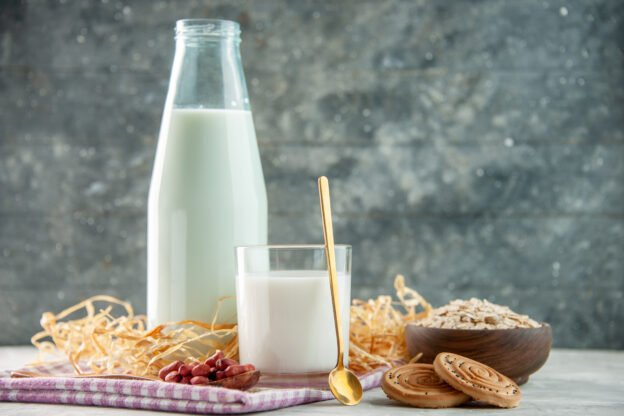
Milk is one of the most complete and nutrient-rich beverages available, widely consumed for its combination of protein, calcium, vitamins, and healthy fats. If you are tracking your diet for weight management, muscle gain, or general health, knowing 500 ml milk calories and protein is essential.

A 500 ml serving of cow’s milk provides approximately 300 to 320 calories and 16 to 17 grams of high-quality protein, depending on the type of milk. This makes it a powerful choice for both energy and recovery. Whether you are looking to maintain a healthy weight, build muscle, or simply ensure your body receives essential nutrients, understanding the exact calorie and protein content can help you make informed decisions about your daily intake.

In this guide, we will explore 500 ml milk calories and protein in detail, explain the nutritional differences between milk types, and provide tips on how to include milk effectively in your fitness and diet plans.

Calories in 500 ml Milk – By Type

Understanding the calorie content of milk is crucial for meeting your fitness goals. Here is a detailed breakdown of 500 ml milk calories and protein for different milk types.

Whole Milk

  • Calories: 300 to 320
  • Fat: 16 to 18 grams
  • Protein: 15 to 16 grams
  • Best for muscle gain and children due to calorie density and rich nutrients

Toned Milk

  • Calories: 240 to 260
  • Fat: 8 to 10 grams
  • Protein: 16 to 17 grams
  • Ideal for general health and balanced nutrition

Skim Milk

  • Calories: 180 to 200
  • Fat: 0.5 to 1 gram
  • Protein: 17 to 18 grams
  • Suitable for weight loss and low-fat diets

Buffalo Milk

  • Calories: 330 to 350
  • Fat: 17 to 19 grams
  • Protein: 18 to 20 grams
  • Great for weight gain or preparing traditional sweets

Soy Milk

  • Calories: 260 to 280
  • Fat: 4 to 6 grams
  • Protein: 14 to 16 grams
  • Lactose-free option suitable for vegans and lactose-intolerant individuals

Almond Milk

  • Calories: 80 to 90
  • Fat: 2 grams
  • Protein: 1 to 2 grams
  • Perfect for low-calorie diets or those avoiding dairy

Knowing these numbers can help you select the right milk based on your goals. Whole and buffalo milk are calorie-rich, supporting muscle gain, whereas skim and almond milk provide protein with fewer calories, suitable for weight management. Understanding 500 ml milk calories and protein ensures you can incorporate milk into your diet efficiently.

Protein in 500 ml Milk – Complete Nutritional Power

Protein is the cornerstone of muscle repair, fat loss, and overall health. A 500 ml serving of cow’s milk provides 16 to 17 grams of high-quality protein, making it a reliable protein source for both vegetarians and non-vegetarians.

Milk protein consists primarily of casein (80%) and whey (20%). Casein digests slowly, providing a steady release of amino acids to the body, which is especially beneficial during sleep for overnight recovery. Whey, on the other hand, is absorbed rapidly, making it ideal for post-workout consumption.

To put this in perspective, 500 ml of milk provides protein equivalent to:

  • Three large eggs
  • One and a half cups of Greek yogurt
  • Approximately 50 grams of chicken breast

Including milk in your diet not only provides essential protein but also contributes vitamins and minerals that support muscle growth, bone health, and overall fitness. Tracking 500 ml milk calories and protein ensures you get an efficient balance of energy and nutrients in your meals.

Milk Nutrition Facts Beyond Calories and Protein

Milk is more than just calories and protein; it is packed with essential nutrients that support overall health. A 500 ml serving contains:

  • Calcium: Around 500 mg, covering roughly 50 percent of your daily requirement, supporting strong bones and teeth
  • Vitamin D: Enhances calcium absorption and promotes bone health
  • Vitamin B12: Crucial for energy production, nerve function, and red blood cell formation
  • Riboflavin (Vitamin B2): Supports energy metabolism and cellular function
  • Potassium and Magnesium: Important for heart function, muscle contraction, and electrolyte balance

The combination of protein and calcium in milk is particularly beneficial for muscle recovery and bone health, making 500 ml milk calories and protein not just numbers, but powerful contributors to overall fitness and well-being.

How 500 ml Milk Supports Different Fitness Goals

For Weight Loss

Skim milk or toned milk is ideal for weight loss. It provides high protein with minimal fat, keeping you full for longer and reducing unhealthy snacking. Knowing 500 ml milk calories and protein allows you to balance your daily calorie intake effectively while still meeting protein requirements.

For Muscle Gain

Whole milk or buffalo milk offers calorie-dense nutrition along with high-quality protein. The casein content in these milk types supports overnight muscle repair, while the fat content adds extra energy for muscle growth. Tracking 500 ml milk calories and protein helps athletes and fitness enthusiasts optimize muscle gains without unnecessary fat gain.

For Lactose Intolerance or Vegan Diets

Plant-based alternatives like soy milk or pea protein milk provide 14 to 16 grams of protein per 500 ml. Although slightly lower than cow’s milk, these options are digestible, lactose-free, and suitable for vegan diets. Understanding 500 ml milk calories and protein in these alternatives allows for precise diet planning, ensuring adequate protein intake without lactose discomfort.

How to Burn Off 500 ml Milk Calories

If you are curious about how many calories 500 ml milk adds to your daily intake, here is an estimate based on a 300-calorie average:

Brisk Walking

  • Duration to burn: 60 to 70 minutes

Jogging

  • Duration to burn: 30 minutes

Cycling

  • Duration to burn: 35 minutes

Swimming

  • Duration to burn: 40 minutes

Visualizing 500 ml milk calories and protein in terms of activity helps you understand how milk fits into your energy balance and daily fitness routine.

Final Takeaway 

500 ml milk calories and protein make it one of the most versatile and nutrient-rich beverages for fitness and general health. With roughly 300 calories and 16 to 17 grams of protein, along with essential vitamins and minerals, milk supports weight management, muscle growth, and overall wellness. Selecting the right type of milk for your goals ensures that you get the full benefits of this nutritious drink while maintaining a balanced diet.

Understanding 500 ml milk calories and protein empowers you to personalize your diet and make informed choices for better fitness and health outcomes.

Turn Your Passion for Nutrition into a Career

Ready to go beyond just counting calories and protein? Join NFNA – India’s Leading Nutrition and Fitness Academy and learn science-backed nutrition, diet planning, and sports fitness from expert mentors.

With over 8,000 certified professionals, NFNA offers online and offline courses, lifetime mentorship, and a chance to build a career in nutrition and fitness.

Explore NFNA courses today and start your journey to becoming a certified nutrition and fitness expert.

Frequently Asked Questions 

Q1. How many calories are there in 500 ml cow milk?

 A 500 ml serving of cow’s milk contains approximately 300 to 320 calories, depending on the fat content. Whole milk is higher in calories, while skim milk is lower.

500 ml milk provides 16 to 17 grams of high-quality protein. Skim milk slightly higher in protein, making it suitable for those focusing on lean protein intake.

Yes, if you choose skim or toned milk. It provides high protein with fewer calories, helping you stay full and maintain a calorie deficit.

Yes. The casein protein in milk digests slowly, providing amino acids throughout the night, which aids muscle recovery and growth.

No, boiling does not significantly alter the calories or protein in milk. Nutrients remain largely intact.

Whole milk and buffalo milk are ideal because they are calorie-dense and high in protein, supporting both energy needs and muscle repair.

Yes, soy or pea protein milk provides 14 to 16 grams of protein per 500 ml, making it a suitable alternative for vegans or lactose-intolerant individuals.

500 ml milk protein is equivalent to about three large eggs or 50 grams of chicken breast. It is a convenient and nutrient-dense option for both vegetarians and non-vegetarians.

indian keto diet plan

Indian Keto Diet Plan — A Complete Beginner’s Guide to Healthy Weight Loss

If you are searching for an effective way to lose weight without giving up the flavors of Indian cuisine, the Indian keto diet plan offers a scientifically backed solution. The keto diet focuses on high-fat, moderate-protein, and very low-carb meals, encouraging your body to enter a state of ketosis where it burns fat for energy instead of carbohydrates.

This guide will help you understand the Indian keto diet plan, including what foods to eat, what to avoid, and how to structure meals for both vegetarians and non-vegetarians. You will also find a detailed weekly meal guide, expert tips for success, and the scientific reasoning behind keto, all tailored to Indian dietary habits.

By following the Indian keto diet plan, you can achieve sustainable weight loss, improve energy levels, and enhance overall metabolic health while enjoying familiar Indian flavors. This article provides a comprehensive roadmap for beginners and anyone looking to implement keto safely and effectively.

What Is the Keto Diet and How Does It Work

The Indian keto diet plan is designed to shift your body’s metabolism from burning carbohydrates to burning fat for fuel. This metabolic state, known as ketosis, allows your body to utilize fat reserves efficiently, leading to weight loss and improved energy levels. Unlike traditional Indian diets that rely heavily on rice, wheat, and legumes, the keto approach focuses on high-quality fats, moderate protein, and minimal carbohydrates.

In the Indian keto diet plan, macronutrients are typically structured as follows:

  • 70 percent fats from sources like ghee, coconut oil, and nuts
  • 25 percent protein from paneer, eggs, chicken, or fish
  • 5 percent carbohydrates mainly from low-carb vegetables

Benefits of Ketosis

Following the Indian keto diet plan can provide several benefits:

  • Sustained energy throughout the day without sugar crashes
  • Faster and targeted fat loss while preserving lean muscle mass
  • Improved focus and mental clarity as the brain utilizes ketones efficiently
  • Reduced cravings for sugary and processed foods

Possible Side Effects

While the Indian keto diet plan is highly effective, beginners may experience temporary side effects known as the keto flu, including fatigue, headache, nausea, and dizziness. These can be minimized by staying hydrated, replenishing electrolytes, and gradually reducing carbohydrate intake rather than making sudden drastic changes.

Benefits of Following an Indian Keto Diet Plan

The Indian keto diet plan is gaining popularity because it is both effective and adaptable to Indian food preferences. Here are some benefits:

  • Rapid and sustainable weight loss due to fat burning as the primary energy source
  • Improved blood sugar and insulin control, particularly beneficial for pre-diabetic individuals
  • Enhanced metabolism and higher energy levels throughout the day
  • Adaptable to vegetarian, vegan, and non-vegetarian diets without compromising results
  • Long-term health benefits including improved digestion, cardiovascular health, and hormonal balance
  • Promotes a disciplined and structured approach to eating that is easier to sustain than fad diets

By following the Indian keto diet plan, you can achieve measurable results while still enjoying a variety of traditional Indian foods prepared in a keto-friendly way.

Foods to Eat on an Indian Keto Diet

A successful Indian keto diet plan depends on consuming the right foods that support ketosis. Below is a detailed list of foods suitable for this diet:

Healthy Fats

  • Ghee
  • Coconut oil
  • Olive oil
  • Butter
  • Avocado

Protein Sources

  • Eggs
  • Paneer
  • Tofu
  • Chicken
  • Fish

Low-Carb Vegetables

  • Spinach
  • Cauliflower
  • Zucchini
  • Cabbage
  • Broccoli

Nuts and Seeds

  • Almonds
  • Walnuts
  • Chia seeds
  • Flaxseeds

Dairy (in moderation)

  • Cheese
  • Unsweetened yogurt
  • Cream

Vegetarian Keto Options

  • Paneer bhurji
  • Cauliflower upma
  • Almond flour roti
  • Palak paneer
  • Zucchini noodles with paneer

Non-Vegetarian Keto Options

  • Butter chicken
  • Grilled fish
  • Egg curry
  • Mutton curry
  • Prawn stir-fry

Eating these foods consistently while avoiding high-carb alternatives ensures that the Indian keto diet plan delivers the desired metabolic and weight loss benefits.

Foods to Avoid on the Indian Keto Diet

To achieve success with the Indian keto diet plan, it is equally important to avoid foods that interfere with ketosis. These include:

  • High-carb grains such as rice, wheat, bread, pasta, and cereals
  • Sugary foods and beverages including desserts, sweets, and soft drinks
  • Starchy vegetables like potatoes, corn, and peas
  • Processed foods and refined oils
  • Packaged snacks and fried foods

Focusing on whole, unprocessed foods ensures better adherence to the Indian keto diet plan and maximizes its health benefits.

Sample 7-Day Indian Keto Diet Plan

Here is a detailed vegetarian-friendly Indian keto diet plan for one week:

Day 1

  • Breakfast: Paneer bhurji with avocado
  • Lunch: Butter chicken or tofu curry with cauliflower rice
  • Dinner: Spinach soup with sautéed mushrooms

Day 2

  • Breakfast: Coconut chia pudding
  • Lunch: Palak paneer with salad
  • Dinner: Grilled fish or paneer tikka

Day 3

  • Breakfast: Bulletproof coffee
  • Lunch: Mutton curry or tofu curry
  • Dinner: Keto dosa with coconut chutney

Day 4

  • Breakfast: Almond flour pancakes
  • Lunch: Mixed vegetable curry
  • Dinner: Egg curry with sautéed greens

Day 5

  • Breakfast: Greek yogurt with nuts
  • Lunch: Chicken or soya chunks salad
  • Dinner: Cauliflower poha

Day 6

  • Breakfast: Scrambled eggs or tofu
  • Lunch: Zucchini noodles with paneer makhani
  • Dinner: Palak soup with keto ladoo

Day 7

  • Breakfast: Avocado smoothie
  • Lunch: Shahi paneer or grilled prawns
  • Dinner: Cauliflower rice with mixed greens

Optional Snacks

  • Almonds
  • Walnuts
  • Cheese cubes
  • Keto fat bombs

This Indian keto diet plan ensures variety, maintains low carbohydrate intake, and includes both vegetarian and non-vegetarian options to suit diverse preferences.

Expert Tips for Success on the Indian Keto Diet

For beginners following the Indian keto diet plan, expert guidance is essential for sustainable results.

  • Start slowly to reduce the risk of keto flu
  • Stay hydrated and maintain electrolyte balance
  • Monitor your state of ketosis through urine strips or blood tests
  • Meal prep in advance to avoid unhealthy cravings
  • Combine the diet with light exercise, yoga, or walking to accelerate fat loss
  • After 4–6 weeks, consider incorporating 1–2 refeed meals under professional guidance to support metabolism

By implementing these tips, anyone following the Indian keto diet plan can achieve better results and maintain a long-term healthy lifestyle.

Who Should Avoid or Modify the Keto Diet

Although the Indian keto diet plan is safe for most healthy adults, certain individuals should avoid or modify it:

  • Pregnant or breastfeeding women
  • Individuals with kidney, liver, or heart conditions
  • People on medications, particularly for diabetes or blood pressure
  • Anyone with a history of eating disorders

Professional supervision ensures safety and prevents nutrient deficiencies while following the Indian keto diet plan.

The Science Behind the Indian Keto Diet

The Indian keto diet plan can be tailored to Indian culinary preferences without compromising nutritional balance. Key scientific considerations include:

  • Using ghee, coconut oil, and paneer as healthy fat sources
  • Replacing rice with cauliflower rice or almond flour chapati
  • Incorporating spices like turmeric, cumin, and coriander to support digestion and provide antioxidants
  • Choosing local vegetables and seasonal produce for micronutrient balance
  • Adapting meals regionally to improve adherence and long-term sustainability

This approach allows the Indian keto diet plan to be effective, enjoyable, and culturally relevant.

Conclusion: Building a Sustainable Keto Lifestyle

The Indian keto diet plan is not just a temporary weight loss strategy but a complete metabolic approach to health and wellness. It emphasizes sustainable eating, metabolic efficiency, and personal adaptation. Success depends on careful planning, discipline, and guidance from nutrition professionals. By following this approach, you can achieve weight loss, improved energy, and a healthier lifestyle without giving up the flavors and traditions of Indian cuisine.

Learn the Science, Not Just the Trend

If you want to understand diets like keto beyond trends and fads, take the next step with NFNA. Enroll in India’s leading Diploma in Applied Nutrition, Food Science & Dietetics and become a certified expert capable of transforming lives with evidence-based nutrition. Join NFNA today and start your professional journey in nutrition and wellness.

Frequently Asked Questions

Q1: How long does it take to see results on an Indian keto diet plan?

Most beginners notice weight loss and improved energy within 2 to 4 weeks, though consistent adherence is essential for long-term results.

Yes. Paneer, tofu, eggs, nuts, seeds, and low-carb vegetables make it possible for vegetarians to follow the diet without compromising results.

 Almonds, walnuts, cheese cubes, roasted seeds, coconut chips, and keto fat bombs are excellent options to stay full between meals.

With proper planning, hydration, and nutrient balance, the diet can be safe for long-term use. Professional supervision is recommended for prolonged adherence.

Yes, intermittent fasting can enhance fat loss when combined with keto, but it should be introduced gradually to prevent fatigue or low energy.

Limit fruits to low-carb options such as berries, avocado, and small portions of watermelon. Avoid high-sugar fruits like bananas, mangoes, and grapes.

Gradually reduce carbs, stay hydrated, replenish electrolytes, and consume adequate fats and proteins to minimize side effects.

Keto is generally not recommended for children unless specifically prescribed by a pediatric nutritionist due to the high fat and low carbohydrate intake.

1500 calorie diet plan indian

1500 Calorie Diet Plan Indian: A Complete Guide to Healthy Weight Management

Losing weight while enjoying traditional Indian meals is completely possible with a 1500 calorie diet plan Indian. This diet allows you to manage your calorie intake effectively without feeling hungry or deprived, while still enjoying familiar flavors. In the first 50 words, it is clear that a 1500 calorie Indian diet can help you lose weight, maintain energy, and improve overall health through portion control and balanced meals.

A 1500 calorie diet plan Indian has become increasingly popular among people looking for a practical and sustainable approach to weight loss. It is designed to help individuals create a calorie deficit without compromising on essential nutrients, making it suitable for both men and women. This article provides a complete guide, including meal ideas, portion control tips, lifestyle habits, and expert advice, to help you follow a 1500 calorie diet plan Indian safely and effectively.

What is a 1500 Calorie Indian Diet?

A 1500 calorie Indian diet is a carefully structured eating plan that limits daily calorie intake to 1500 while ensuring proper nutrition. The goal is to create a calorie deficit so the body burns stored fat for energy. This approach encourages steady, sustainable weight loss, unlike crash diets that can be harmful.

This diet is suitable for adults who are moderately active or sedentary, and it can be customized based on gender, age, and health conditions. The 1500 calorie diet plan Indian includes foods commonly eaten in India, such as chapati, rice, dal, vegetables, paneer, eggs, and lean meats. These foods provide a balance of carbohydrates, protein, and healthy fats to maintain energy levels throughout the day.

Before starting a 1500 calorie Indian diet, it is important to consult a certified nutritionist, especially if you have conditions like diabetes, high cholesterol, or PCOS. Following a 1500 calorie diet plan Indian ensures safe and effective weight management while allowing you to enjoy traditional meals without guilt.

Key Nutrient Breakdown for a 1500 Calorie Indian Diet

A well-planned 1500 calorie diet plan Indian includes balanced macronutrients that support overall health and weight loss. The breakdown of nutrients can be described as:

  • Carbohydrates make up approximately 50 percent of total calories, sourced from whole grains like brown rice, oats, whole wheat roti, millets, and fresh fruits
  • Protein accounts for around 25 percent of total calories, coming from lentils, dal, chickpeas, paneer, tofu, eggs, and lean meats such as chicken
  • Healthy fats form about 25 percent of total calories and are obtained from ghee, nuts, seeds, olive oil, and coconut

This macronutrient distribution ensures steady energy levels, supports muscle health, and helps maintain satiety throughout the day. A 1500 calorie diet plan Indian that follows this balance can prevent nutrient deficiencies and provide a variety of flavors in meals, making it easier to adhere to consistently.

1500 Calorie Diet Plan Indian: Sample Full-Day Meal Plan

A practical 1500 calorie diet plan Indian includes meals spread throughout the day to avoid hunger and maintain metabolism. A sample plan could be:

Early Morning

  • Warm water with lemon to hydrate and boost metabolism
  • 5 to 6 soaked almonds or walnuts

Breakfast

  • Oats porridge made with skimmed milk and chia seeds for fiber and protein
  • One boiled egg or a small slice of paneer

Lunch

  • Two chapatis made from whole wheat
  • One bowl of dal or chicken curry
  • One bowl of mixed vegetable sabzi
  • One small bowl of curd for probiotics

Evening Snack

  • One cup of green tea or herbal tea
  • One fruit such as an apple or orange
  • Roasted chickpeas for protein and fiber

Dinner

  • One small bowl of soup or light curry
  • One chapati with grilled paneer or tofu

Following this 1500 calorie diet plan Indian can help you enjoy familiar Indian foods while effectively managing calorie intake. The plan is flexible and can be adapted to vegetarian or non-vegetarian preferences without exceeding daily calorie goals.

Essential Indian Foods for a Balanced 1500 Calorie Diet

Including the right foods is key to making a 1500 calorie diet plan Indian effective. Recommended foods include:

  • Whole grains such as brown rice, oats, millets, and whole wheat chapati
  • Protein sources including lentils, chickpeas, paneer, eggs, tofu, and chicken
  • Healthy fats from nuts, seeds, ghee, olive oil, and coconut
  • Fresh vegetables like spinach, carrots, bell peppers, and beans
  • Fruits such as guava, papaya, and berries for fiber and vitamins
  • Hydration sources like herbal teas, coconut water, and buttermilk

These foods provide essential vitamins, minerals, and macronutrients to help maintain health and energy while following a 1500 calorie Indian diet.

Portion Control and Meal Prep Tips

To follow a 1500 calorie diet plan Indian effectively, portion control and preparation are essential:

  • Use smaller plates to avoid overeating
  • Pre-chop vegetables and measure grains in advance
  • Track calorie intake daily using apps or journals
  • Keep healthy snacks ready, such as roasted chickpeas, fruits, or nuts
  • Avoid adding excess oils or ghee beyond recommended portions

Meal prep ensures you stay on track even during busy days and helps you consistently follow a 1500 calorie Indian diet without deviations.

Common Mistakes to Avoid in a 1500 Calorie Indian Diet

Following a 1500 calorie diet plan Indian can be highly effective, but some mistakes can reduce its benefits:

  • Skipping meals, which can slow metabolism and increase hunger
  • Ignoring protein intake, leading to muscle loss
  • Using excessive oil or ghee during cooking
  • Drinking sugary beverages instead of water or herbal tea
  • Not planning snacks, which can cause unintentional overeating

Avoiding these mistakes helps you follow a 1500 calorie Indian diet safely and ensures steady progress toward weight loss and health goals.

Who Should Follow a 1500 Calorie Indian Diet Plan

A 1500 calorie diet plan Indian is ideal for:

  • Sedentary or moderately active women aiming for gradual weight loss
  • Men looking for slow fat reduction or weight maintenance
  • People with PCOS, diabetes, or high cholesterol under professional supervision

It is not suitable for:

  • Pregnant or breastfeeding women
  • Teenagers with high energy needs
  • Athletes or highly active individuals

Professional guidance is essential to personalize the 1500 calorie Indian diet and ensure it aligns with individual health requirements.

Lifestyle Habits to Boost Results

To complement a 1500 calorie diet plan Indian, lifestyle habits are crucial:

  • Engage in regular physical activity such as walking, yoga, or resistance training
  • Sleep 7 to 8 hours every night to support metabolism
  • Drink at least 3 liters of water daily to stay hydrated
  • Manage stress through meditation, mindfulness, or breathing exercises

Incorporating these habits ensures the 1500 calorie Indian diet works effectively and promotes long-term health and wellness.

Expert Insights: Why Personalization Matters

No two people have the same calorie or nutrient needs. Age, gender, activity level, and metabolism influence the ideal plan. Therefore, a 1500 calorie diet plan Indian should be personalized for the best results.

At NFNA, aspiring nutritionists learn to design evidence-based, personalized diet plans that take into account individual requirements. Learning to create personalized plans ensures safe, effective, and sustainable weight management strategies for clients while using familiar Indian foods.

Conclusion 

A 1500 calorie diet plan Indian is practical, enjoyable, and sustainable. By focusing on balanced meals, portion control, and consistency, you can achieve long-term weight management while enjoying traditional Indian foods. Pairing the diet with exercise, hydration, and healthy lifestyle habits ensures maximum results without deprivation.

Take your nutrition knowledge to the next level. Learn to design personalized 1500 calorie Indian diet plans like a pro with NFNA – India’s top Nutrition and Fitness Academy. Learn from certified dietitians, gain hands-on experience, and build a career in evidence-based nutrition.

Explore NFNA Courses now and start your journey toward becoming a professional nutritionist.

Frequently Asked Questions  

Q1. Can I lose weight on a 1500 calorie Indian diet?

Yes, following a 1500 calorie diet plan Indian creates a calorie deficit while maintaining nutrient balance, which supports healthy and sustainable weight loss.

 Yes, rice is allowed in controlled portions. Prefer brown or red rice for better fiber and sustained energy.

Absolutely. Vegetarians can include lentils, paneer, tofu, eggs, and nuts to meet protein needs while following a 1500 calorie Indian diet.

Yes, intermittent fasting can be combined with a 1500 calorie diet plan Indian. Adjust the meal portions within your eating window to maintain the daily 1500 calories.

Daily tracking is recommended to ensure you stay within the 1500-calorie limit. This helps maintain consistency and achieve weight loss goals.

Yes, choose grilled, steamed, or lightly cooked Indian dishes, and avoid fried foods and sugary drinks.

With consistent adherence and lifestyle changes, noticeable results usually appear in 3 to 4 weeks.

Meals should be spread every 3 to 4 hours to maintain steady energy levels and prevent overeating.

kidney beans protein per 100g

Kidney Beans Protein per 100g – The Ultimate Guide to Rajma Nutrition and Fitness Benefits

Protein is the cornerstone of human nutrition, supporting muscle growth, tissue repair, metabolism, and overall energy. For many individuals, especially those following vegetarian or plant-based diets, meeting daily protein requirements can be challenging. One solution that is both natural and widely accessible in India is kidney beans, commonly known as rajma. With kidney beans protein per 100g providing 8.7 grams in its boiled form, rajma serves as a powerful, plant-based source of protein that can be easily incorporated into everyday meals.

Including kidney beans in your diet not only ensures adequate protein intake but also supplies essential vitamins, minerals, and dietary fiber. Unlike protein powders or supplements, rajma delivers a holistic nutritional profile, supporting long-term health and fitness goals. In this article, we will explore kidney beans protein per 100g, its full nutritional composition, health benefits, and practical ways to integrate this superfood into your daily routine for optimum fitness and wellness.

Kidney Beans (Rajma) – The Indian Superfood

Kidney beans, or rajma, are one of India’s most beloved legumes. They have been a staple in Indian households for centuries due to their rich flavor, versatility, and nutritional benefits. Rajma is known as the “vegetarian’s protein powerhouse,” and rightly so. With significant protein content, fiber, iron, potassium, and folate, rajma provides essential nutrients needed for energy, muscle repair, and overall well-being.

Culturally, rajma is a traditional dish in North India, often paired with rice to make the iconic Rajma-Chawal. Beyond taste, kidney beans have gained recognition in modern nutrition science as a high-quality plant-based protein source, suitable for vegetarians, vegans, and health-conscious individuals seeking natural, whole-food nutrition. By understanding kidney beans protein per 100g, nutrition students and fitness enthusiasts can design balanced, protein-rich diets for themselves or their clients.

Kidney Beans Protein per 100g: Full Nutritional Breakdown

Kidney beans protein per 100g is a key reason why rajma is considered a nutritional powerhouse. Beyond protein, kidney beans provide a wealth of other nutrients that support overall health. Here is the full nutritional profile of 100 grams of boiled rajma:

  • Protein 8.7 grams
  • Calories 127 kcal
  • Carbohydrates 22.8 grams
  • Fiber 6.4 grams
  • Fat 0.5 grams
  • Iron 2.9 milligrams
  • Potassium 405 milligrams
  • Folate 130 micrograms

It is important to note that dry kidney beans contain higher protein, approximately 24 grams per 100 grams, but once boiled, water absorption reduces the protein content to 8.7 grams per 100 grams. Soaking and boiling rajma not only makes it digestible but also enhances the availability of nutrients. Knowing the protein content of kidney beans allows individuals and nutrition students to calculate precise protein intake per meal, ensuring dietary goals are met naturally and effectively.

Why Kidney Beans Are a Great Plant-Based Protein Source

Kidney beans protein per 100g makes it an excellent option for anyone seeking plant-based protein. Here’s why kidney beans stand out:

  • Rajma is ideal for vegetarians and vegans who want to meet their daily protein requirements without relying on animal products
  • Although kidney beans do not contain all essential amino acids on their own, combining them with grains such as rice, quinoa, or whole wheat creates a complete protein profile
  • Kidney beans provide protein along with fiber, iron, potassium, and antioxidants, which enhance overall health and aid in muscle repair and energy production
  • Compared to other legumes, kidney beans offer a balanced nutrient profile, making them suitable for sustained energy, weight management, and digestive health

Understanding kidney beans protein per 100g empowers nutrition students, trainers, and fitness enthusiasts to plan meals that maximize plant-based protein intake, whether for personal goals or client diets.

Top 7 Health Benefits of Kidney Beans

Incorporating kidney beans protein per 100g into your diet provides numerous health benefits, making rajma a superfood for fitness and overall well-being:

  • Supports muscle growth and repair by supplying adequate protein for bodybuilders, athletes, and active individuals
  • Aids in weight management as high fiber content increases satiety and reduces overeating
  • Helps stabilize blood sugar levels due to its low glycemic index, making it suitable for individuals managing diabetes
  • Boosts digestive health by providing soluble and insoluble fiber, promoting gut microbiome balance
  • Strengthens heart health through potassium content and low sodium levels, which help regulate blood pressure
  • Enhances iron levels, preventing anemia and fatigue, especially for vegetarians and vegans
  • Provides antioxidants that combat oxidative stress, reducing the risk of chronic diseases and supporting longevity

By including kidney beans protein per 100g in your meals, you can enjoy a natural, plant-based source of protein that also enhances overall health and fitness.

Rajma for Fitness Enthusiasts and Nutrition Students

For fitness enthusiasts, athletes, and nutrition students, understanding kidney beans protein per 100g is essential for effective meal planning:

  • Rajma is versatile and can be used in various meals to ensure protein-rich diets without relying on animal sources
  • Fitness professionals can design plant-based meal plans for clients by calculating protein intake from boiled or dry rajma
  • Nutrition students can practice applying macronutrient data, learning how to create balanced diets that meet energy and protein requirements
  • Rajma-chawal meals provide an excellent combination of carbohydrates and protein, offering sustained energy for athletes and active individuals

Incorporating kidney beans protein per 100g into fitness diets ensures muscle repair, endurance, and optimal performance while adhering to vegetarian or vegan dietary patterns.

Smart Ways to Add Rajma to Your Diet

Including kidney beans protein per 100g in your daily meals is easy and delicious. Here are practical ways to incorporate rajma:

  • Traditional Rajma-Chawal for a complete protein meal
  • Rajma salad with fresh vegetables and light dressing for a high-protein lunch
  • Rajma wraps or tacos as a quick and portable protein snack
  • Rajma soup as a light yet protein-rich option for any season
  • Rajma hummus or dip for snacks that boost protein intake

Tips to improve digestibility:

  • Soak rajma overnight to reduce cooking time and improve nutrient absorption
  • Boil thoroughly to deactivate phytohemagglutinin and ensure safety
  • Pair with vitamin C-rich foods like tomatoes, bell peppers, or citrus fruits to enhance iron absorption

Precautions and Side Effects

While rajma is highly nutritious, it is important to consume it correctly:

  • Raw kidney beans are toxic due to phytohemagglutinin, so proper soaking and boiling are essential
  • Excessive intake may cause digestive discomfort such as gas or bloating due to high fiber content
  • Introduce rajma gradually if you have a sensitive digestive system to avoid gastrointestinal issues

Being aware of kidney beans protein per 100g and following proper preparation methods ensures safe and effective consumption.

Kidney Beans vs Other Protein Sources


Source

Protein per 100g

Type

Best For

Kidney Beans

8.7 g

Plant-based

Vegans, general diet

Chickpeas

9 g

Plant-based

Fiber-rich diet

Eggs

13 g

Animal-based

Muscle recovery

Chicken

27 g

Animal-based

Bodybuilders

Tofu

8 g

Plant-based

Weight management

Insight: Kidney beans provide a cost-effective, versatile, and fiber-rich alternative to animal proteins, perfect for Indian diets.

Rajma and Modern Nutrition Science

Understanding kidney beans protein per 100g goes beyond simple nutrient knowledge. Nutrition students and fitness professionals can use this information to:

  • Accurately calculate protein intake per meal for personalized diet plans
  • Combine plant-based foods to create complete protein profiles
  • Educate clients or peers on the benefits of plant-based protein and the role of fiber, vitamins, and minerals in overall health
  • Apply scientific principles to meal planning, ensuring functional and performance-oriented diets

By learning the science behind kidney beans protein per 100g, students and fitness enthusiasts gain practical tools to design effective, evidence-based nutrition plans.

Final Thoughts  

In conclusion, kidney beans protein per 100g is a remarkable, affordable, and accessible source of plant-based protein. Beyond protein, rajma supports gut health, heart health, energy balance, and overall well-being. Regular inclusion of rajma in meals allows vegetarians, vegans, and health-conscious individuals to meet protein requirements naturally, reducing reliance on supplements. With its versatility and nutritional profile, rajma truly earns its title as the “vegetarian’s protein powerhouse.”

Frequently Asked Questions

Q1. How much protein is in 100 grams of boiled kidney beans?

100 grams of boiled rajma contains 8.7 grams of protein, making it an excellent plant-based protein source.

Yes, when properly cooked. Daily consumption of rajma can help meet protein and fiber needs while supporting overall health.

On its own, kidney beans are not a complete protein. Combining rajma with rice, quinoa, or whole grains creates a complete amino acid profile.

Yes, due to their high fiber content, kidney beans promote satiety, control appetite, and support healthy weight management.

Absolutely. Rajma is one of the best plant-based protein sources in India, suitable for vegans and vegetarians.

Soak overnight and boil thoroughly. Pairing with vitamin C-rich foods improves iron absorption and nutrient utilization.

Yes. Raw kidney beans contain phytohemagglutinin, which is harmful. Always soak and boil rajma before consumption.

Dry rajma contains approximately 24 grams of protein per 100 grams, but boiled rajma contains 8.7 grams per 100 grams due to water absorption during cooking.

how is protein powder made

How Is Protein Powder Made: A Complete Guide to Understanding Protein Supplements

Protein powders are among the most widely used supplements in fitness and nutrition. But have you ever stopped to think about how is protein powder made? From raw ingredients like milk or plant sources to the fine powder in your shaker, the process involves careful scientific and industrial steps to ensure high-quality, effective nutrition. Understanding this process can help you choose supplements that are clean, safe, and tailored to your fitness goals.

In this guide, we will explore how is protein powder made step by step, discuss the different types of protein powders, examine myths and facts, and provide practical tips on selecting the best supplement. By the end of this article, you will have a thorough understanding of the production process and be better equipped to make informed nutrition choices.

The Science Behind Protein Powder

To understand how is protein powder made, it’s essential to know what protein powder is and why it is widely used. Protein powders are concentrated forms of protein that are extracted from natural sources to support muscle growth, repair, recovery, and overall metabolism. They provide a convenient way to meet daily protein requirements, especially for athletes, bodybuilders, and those with active lifestyles.

There are two main categories of protein powders:

Animal-based proteins

  • Whey protein derived from cow’s milk is fast-digesting and ideal for post-workout recovery
  • Casein protein from milk curds digests slowly, providing a sustained release of amino acids
  • Egg protein from egg whites offers complete amino acids and is easy to digest

Plant-based proteins

  • Pea protein is rich in branched-chain amino acids and suitable for vegan diets
  • Soy protein provides a complete amino acid profile and supports muscle maintenance
  • Hemp protein contains fiber and omega-3 fatty acids for additional health benefits

Understanding these differences is crucial when learning how is protein powder made because the source dictates the extraction and drying methods. NFNA students can explore these concepts in greater depth in courses like the Applied Nutrition Course, where the science behind protein sources and absorption is thoroughly explained.

Step-by-Step: How Is Protein Powder Made

Learning how is protein powder made involves exploring every step from sourcing raw materials to the finished product. Each step affects the quality, purity, and nutritional value of the protein powder.

Step 1: Sourcing the Protein

The first step in how is protein powder made begins with sourcing high-quality ingredients.

Animal-based proteins come from milk collected from cows that are often grass-fed and hormone-free. The quality of milk directly affects the quality of whey and casein protein powders.

Plant-based proteins start with crops such as peas, soybeans, and hemp. Farmers harvest these crops under strict quality controls to ensure high protein content.

Sustainability and traceability are increasingly important in modern protein production. Many brands now provide information about farm practices, organic certifications, and environmental impact, which allows consumers to make responsible choices.

Step 2: Extraction and Filtration

Once the raw ingredients are sourced, the extraction process begins, which is central to understanding how is protein powder made.

For whey and casein proteins, milk is separated into curds and whey during cheese-making. Whey is then filtered using advanced methods such as microfiltration and ultrafiltration to remove fats, lactose, and carbohydrates, leaving behind a concentrated protein liquid.

Plant proteins are extracted through processes like soaking, grinding, pressing, and filtering to isolate the protein fraction while removing fiber, starch, and other unwanted components. These steps are carefully controlled to ensure that protein structure and nutritional value are preserved.

Step 3: Concentration

The next stage in how is protein powder made is concentration. The liquid protein is processed to remove excess water, resulting in a thicker, nutrient-rich protein concentrate.

Protein concentrates usually contain 70 to 80 percent protein, along with some remaining carbohydrates and fats. Protein isolates undergo additional filtration to reach 90 percent or more protein content with minimal carbohydrates and fats.

During concentration, it is critical to prevent denaturation, which could compromise the amino acid structure and reduce the effectiveness of the protein.

Step 4: Drying and Powder Formation

The concentrated protein is then converted into powder. This is one of the most important steps in how is protein powder made because it determines the final quality and solubility of the product.

Spray drying is a common technique that uses controlled heat to quickly evaporate water while retaining nutritional integrity. Freeze drying is another method that preserves protein structure without using high temperatures, making it ideal for sensitive proteins.

Controlling heat and drying times ensures that the protein powder retains its amino acid profile and effectiveness for muscle repair and recovery.

Step 5: Blending and Flavoring

Once the powder is ready, manufacturers blend it with natural flavors, sweeteners, and stabilizers. Some powders remain unflavored for those who prefer a clean, additive-free supplement.

High-quality brands prioritize clean-label products with minimal artificial ingredients. This step explains why not all protein powders taste the same and why quality varies from brand to brand. Understanding this step is part of knowing how is protein powder made.

Step 6: Packaging and Quality Testing

The final step in how is protein powder made is packaging and rigorous quality testing.

Every batch is tested for protein content, purity, and the absence of contaminants such as heavy metals or bacteria. Third-party certifications such as ISO and FSSAI ensure that products meet industry standards and are safe for consumption.

By understanding these final steps, consumers can appreciate why some protein powders are more reliable, nutritious, and effective than others.

Different Types of Protein Powder and How They Are Made

Whey Protein

  • Sourced from liquid whey from cow’s milk
  • Filtered using microfiltration and ultrafiltration
  • Fast-digesting for post-workout recovery

Casein Protein

  • Sourced from milk curds
  • Dried at low temperatures to preserve slow-release properties
  • Ideal for sustained amino acid delivery

Plant-Based Protein

  • Sourced from peas, soy, or hemp
  • Extracted via soaking, pressing, and filtering
  • Vegan-friendly, often high in fiber

Collagen Protein

  • Derived from bovine or marine sources
  • Hydrolyzed to break down proteins into peptides
  • Supports skin, joint, and bone health

Egg Protein

  • Sourced from egg whites
  • Pasteurized and dried
  • Provides complete amino acids and easy digestion

Understanding the unique production methods of each type reinforces your knowledge of how is protein powder made.

Why Knowing How Protein Powder Is Made Matters

Knowing how is protein powder made gives you the insight to:

  • Choose supplements that are clean and free of fillers
  • Recognize high-quality sourcing and processing methods
  • Make informed decisions about protein intake for muscle repair, weight management, and overall health
  • Support your professional development in nutrition if you are pursuing a career in fitness or dietetics

NFNA emphasizes evidence-based learning, ensuring that students understand both the science and the real-world application of protein powders in nutrition and fitness.

Myths and Facts About Protein Powder

Myth: All protein powders are the same
Fact: Protein powders vary based on source, filtration, and drying methods

Myth: Plant proteins are incomplete
Fact: Blended plant proteins provide all essential amino acids

Myth: High heat destroys protein
Fact: Controlled drying methods preserve protein quality

Myth: Whey protein is only for bodybuilders
Fact: Whey supports anyone needing high-quality protein for recovery, metabolism, and overall health

By understanding how is protein powder made, you can separate myths from facts and make better choices for nutrition.

The Future of Protein Powder Manufacturing

The future of protein powders focuses on:

  • Sustainable and traceable sourcing
  • Minimal processing to preserve nutrients
  • Bio-fermented and alternative proteins
  • Precision formulation using AI and scientific research

NFNA equips students with the knowledge to stay ahead in the evolving field of nutrition, combining science with practical application.

Final Thoughts

Knowing how is protein powder made is the first step toward choosing clean, effective, and reliable supplements. From sourcing raw ingredients to extraction, filtration, drying, and packaging, each stage affects nutritional quality. By understanding this process, you can make informed decisions about the protein powders you consume. NFNA provides research-backed education to help students and fitness enthusiasts alike master the science behind nutrition, supplements, and performance.

Ready to transform your passion for fitness and nutrition into a career? Learn from top nutrition experts at NFNA, India’s premier institute for nutrition and fitness education. Enroll in the Diploma in Applied Nutrition & Dietetics today to gain deep knowledge of food, supplements, and performance science. Visit NFNA.in and start your journey toward becoming a certified nutrition expert.

Frequently Asked Questions

Q1. How is whey protein powder made?

Whey protein is made by separating whey from milk, filtering it to remove fats and lactose, concentrating it, drying it into powder, and then blending with flavors or stabilizers.

Plant proteins are soaked, pressed, and filtered to isolate protein, remove fiber and starch, then dried and blended with natural flavors or sweeteners.

Concentrates have 70–80% protein with some carbs and fats, while isolates have 90%+ protein and minimal additional nutrients.

Controlled drying methods like spray drying or freeze drying preserve amino acids, but excessive heat can denature proteins.

Look for clean sourcing, minimal processing, accurate protein content, and third-party certifications.

Protein powders are generally safe for most adults, but individuals with allergies or medical conditions should consult a professional.

Protein powders supplement your diet but should not completely replace whole foods, which provide fiber, vitamins, and minerals.

It empowers informed choices about quality, effectiveness, and proper use, ensuring optimal results for muscle growth, recovery, and health.

difference between globular and fibrous protein

Difference Between Globular and Fibrous Protein

Proteins are fundamental molecules that play a critical role in the structure, function, and regulation of the body’s cells, tissues, and organs. Understanding the difference between globular and fibrous protein is essential for students, fitness enthusiasts, nutritionists, and professionals working in health and wellness. In the first glance, fibrous proteins provide structural support, while globular proteins perform dynamic functional roles, such as transporting molecules and regulating biochemical processes. Grasping the difference between globular and fibrous protein helps learners and practitioners connect molecular biology with real-world applications in nutrition, fitness, and cellular health.

This article explores the structure, function, examples, and nutritional relevance of fibrous and globular proteins, offering a comprehensive understanding of one of the most important concepts in protein biology and applied nutrition. By the end, you will have clear insights into how these proteins impact your body and how this knowledge can enhance professional practice in health and fitness.

What Are Proteins and Why Are They Important

Proteins are complex macromolecules made up of chains of amino acids, often referred to as the building blocks of life. Every muscle fiber, enzyme, hormone, and connective tissue in the body relies on proteins to function correctly. Understanding the difference between globular and fibrous protein is not just a theoretical concept; it is a practical foundation for designing diets, planning workouts, and improving overall health.

Proteins fold into specific three-dimensional structures that determine their function. This folding gives rise to fibrous proteins, which provide structural strength, and globular proteins, which perform a wide range of functional activities. In nutrition and fitness, this knowledge is vital. For instance, recognizing the difference between globular and fibrous protein allows fitness professionals to recommend protein sources that support muscle recovery, tissue repair, and metabolic functions. Students learning this concept gain a strong foundation for applied nutrition and biology, making it easier to connect molecular science to practical health solutions.

Classification of Proteins: Structure and Function

Proteins can be classified based on their structure and biological role. Understanding the difference between globular and fibrous protein starts with recognizing these classifications:

Fibrous Proteins

  •  Long, thread-like proteins providing structural support
  •  Insoluble in water and resistant to changes in heat and pH
  •  Key role in connective tissues, tendons, ligaments, and skin

Globular Proteins

  • Compact and roughly spherical proteins
  •  Soluble in water and highly sensitive to environmental changes
  •  Perform functional roles such as enzymatic catalysis, transport of molecules, and hormonal regulation

Membrane Proteins

  •  Embedded in cell membranes
  •  Facilitate transport, communication, and signaling between cells

The difference between globular and fibrous protein is largely dictated by their shape and function. Fibrous proteins provide strength and support, while globular proteins are versatile functional molecules essential for metabolic and regulatory processes. Understanding this difference bridges molecular biology with practical applications in fitness and nutrition planning.

Fibrous Proteins: The Strength Builders

Fibrous proteins are specialized for structural support and mechanical strength. They are long, narrow, and thread-like molecules that assemble into fibers. Because of their shape, fibrous proteins are highly durable and insoluble in water, which makes them ideal for building structural components in the body.

Key features of fibrous proteins:

  •  Shape is long, narrow, and elongated
  •  Function is to provide structural support and strength to tissues
  •  Solubility is low; they are insoluble in water
  •  Examples include collagen, keratin, and elastin
  •  Relevance in fitness and nutrition includes supporting joint health, skin elasticity, and connective tissue repair

Collagen, a prominent fibrous protein, is essential for tendon strength, cartilage health, and wound healing. Keratin strengthens hair and nails, while elastin provides elasticity to tissues like skin and blood vessels. Understanding the difference between globular and fibrous protein is important for nutrition professionals because it guides dietary recommendations. Consuming protein sources that support collagen synthesis, such as lean meats, eggs, and gelatin, promotes structural integrity and aids in physical recovery.

Globular Proteins: The Functional Performers

Globular proteins are highly functional molecules that perform dynamic biological roles. They are compact, roughly spherical, and soluble in water, making them suitable for transport, enzymatic activity, and regulation. Unlike fibrous proteins, globular proteins are sensitive to changes in temperature and pH, which can alter their shape and function.

Key features of globular proteins:

  • Shape is compact and roughly spherical
  • Function includes metabolic activities, enzymatic catalysis, molecular transport, and hormonal regulation
  • Solubility is high; they dissolve readily in water
  • Examples include hemoglobin, myoglobin, insulin, and enzymes
  • Relevance in fitness and nutrition involves oxygen transport, metabolism regulation, and energy production

Globular proteins are crucial for metabolic efficiency. Hemoglobin transports oxygen to muscles during exercise, insulin regulates blood glucose, and enzymes facilitate biochemical reactions. Recognizing the difference between globular and fibrous protein allows nutritionists and fitness professionals to design effective recovery and energy strategies, improving performance and overall health outcomes.

Main Difference Between Globular and Fibrous Proteins

Understanding the difference between globular and fibrous protein can be summarized by focusing on their shape, function, solubility, and examples:

Fibrous Protein

  •  Long and narrow in structure
  •  Provides structural support to tissues
  •  Insoluble in water
  •  Examples include collagen, keratin, and elastin
  •  Stable under heat and pH variations

Globular Protein

  •  Compact and spherical in structure
  •  Performs functional activities such as transport and enzymatic reactions
  •  Soluble in water
  •  Examples include hemoglobin, insulin, myoglobin, and enzymes
    Sensitive to heat and pH changes

The difference between globular and fibrous protein emphasizes how molecular shape determines function. Fibrous proteins are structural anchors, while globular proteins are active participants in physiological processes.

Biological and Nutritional Relevance

The difference between globular and fibrous protein has significant implications for nutrition, fitness, and health:

Nutrition Planning

  •  Understanding protein structure guides dietary choices
  •  Helps ensure adequate intake of structural and functional proteins

Muscle Repair and Recovery

  •  Fibrous proteins like collagen strengthen connective tissue
  •  Globular proteins aid in metabolism and muscle recovery

Sports Performance

  •  Globular proteins like hemoglobin enhance oxygen transport and energy efficiency
  •  Fibrous proteins maintain structural integrity, reducing the risk of injury

In NFNA’s applied nutrition courses, students learn how the difference between globular and fibrous protein affects metabolism, recovery, and energy balance. This knowledge helps professionals design evidence-based nutrition and fitness strategies.

Recap: Why This Knowledge Matters

Grasping the difference between globular and fibrous protein allows students, nutritionists, and fitness professionals to link molecular biology to practical health applications. Fibrous proteins provide strength and support, while globular proteins enable dynamic physiological functions. Knowledge of these proteins enhances dietary planning, muscle recovery, energy management, and performance optimization.

Mastering this concept is a stepping stone for a career in applied nutrition, personal training, or health sciences, giving professionals an edge in evidence-based decision-making.

Take Your Knowledge Beyond the Textbook

Want to apply your understanding of protein science in a professional setting? Enroll in NFNA’s Diploma in Applied Nutrition, Food Science & Dietetics or Personal Training + CPR Certification. Learn how proteins, nutrients, and metabolism impact health, fitness, and recovery. Build a science-based career that bridges knowledge with practice.

Join NFNA Today — Transform Your Passion for Nutrition and Fitness into Expertise.

Frequently Asked Questions

Q1. What is the main difference between globular and fibrous protein?

Fibrous proteins are structural and provide support, while globular proteins are functional and perform dynamic roles such as catalysis, transport, and regulation.

Globular proteins are soluble in water, whereas fibrous proteins are insoluble due to their elongated structure.

Collagen, keratin, and elastin are examples of fibrous proteins that provide structural strength to connective tissues.

Hemoglobin, insulin, myoglobin, and various enzymes are globular proteins involved in transport, metabolism, and regulation.

Fibrous proteins support connective tissue repair and joint health, which are crucial for muscle recovery after exercise.

Yes, globular proteins can denature under extreme conditions, losing their functional capacity, while fibrous proteins are more stable.

Understanding their roles allows nutritionists to recommend protein sources that support structural integrity and metabolic function.

Yes, incorporating both fibrous and globular proteins ensures structural support, metabolic efficiency, and recovery, enhancing overall performance.