Category Archives: Nutrition

what is holozoic nutrition

What Is Holozoic Nutrition? Meaning, Process, Examples, Features, and Importance

Quick Answer: Holozoic nutrition is a type of nutrition in which organisms actively ingest, digest, absorb, and assimilate complex organic food to obtain energy and nutrients essential for survival. This process involves ingestion, digestion, absorption, assimilation, and egestion. Humans, carnivores, herbivores, omnivores, and some unicellular organisms like amoeba exhibit holozoic nutrition.

What is holozoic nutrition? Holozoic nutrition is a method of feeding where organisms consume complex organic substances, break them down into simpler molecules, absorb the nutrients, and use them for energy, growth, and repair. This form of nutrition is observed in humans and almost all multicellular animals, and some unicellular organisms also exhibit this process.

Understanding what is holozoic nutrition is important because it provides insights into how organisms acquire energy, how their digestive systems function, and how they interact with their environment. In this article, we will explore the definition, process, key features, examples, differences from other nutrition types, and importance of holozoic nutrition, while also answering common questions for students and general readers about concepts that also form the academic foundation for programs like the dietician course in kolkata.

What Is Holozoic Nutrition?

Holozoic nutrition is the process through which organisms obtain their food by actively ingesting solid or liquid organic substances, breaking them down through chemical and mechanical digestion, absorbing nutrients into the body, and assimilating them to sustain life. Unlike other nutrition types, such as saprophytic or parasitic nutrition, holozoic nutrition involves internal digestion and nutrient absorption, making it one of the most complex and efficient feeding mechanisms in nature.

Key points about what is holozoic nutrition:

  • Organisms consume complex food materials like carbohydrates, proteins, and fats.
  • Digestion occurs internally through specialized digestive systems.
  • Nutrients are absorbed and assimilated for energy production, growth, and repair.
  • It is observed in humans, animals, and some protozoans such as amoeba.

Holozoic nutrition is essential for survival, providing energy for metabolic activities, supporting tissue growth, and maintaining overall health.

Key Features of Holozoic Nutrition

The main features of holozoic nutrition include a series of processes that work together to provide energy and nutrients to the organism:

  • Ingestion: The act of taking in food through the mouth or oral structures.
  • Digestion: Mechanical and chemical breakdown of complex food molecules into simpler forms.
  • Absorption: Nutrients pass from the digestive tract into the bloodstream or cytoplasm.
  • Assimilation: The body or cells use absorbed nutrients for growth, repair, and energy.
  • Egestion: Removal of undigested and unabsorbed materials from the body as waste.

Each of these features ensures that the organism maximizes the utility of food consumed, making holozoic nutrition one of the most effective ways to obtain essential nutrients and forming a strong conceptual base for advanced study programs such as the diploma in nutrition and dietetics.

The Process of Holozoic Nutrition

The process of holozoic nutrition occurs in several stages, each of which is critical for the effective utilization of food:

  • Mouth / Ingestion: Food is taken in through the mouth, chewed by teeth, and mixed with saliva, which contains enzymes that start the chemical breakdown of carbohydrates.
  • Stomach / Breakdown: Food moves to the stomach, where gastric juices containing hydrochloric acid and enzymes like pepsin break down proteins into smaller molecules.
  • Small Intestine / Absorption: The small intestine, with its villi and microvilli, absorbs carbohydrates, proteins, fats, vitamins, and minerals into the bloodstream.
  • Circulation / Distribution: Nutrients absorbed into the blood are transported to all cells of the body to be used for energy, growth, and repair.
  • Cellular Utilization / Assimilation: Cells utilize these nutrients for various metabolic activities, repair of tissues, and energy production.
  • Large Intestine / Egestion: Undigested food and waste products are eliminated from the body, maintaining overall digestive health.

By following this systematic process, organisms ensure that every molecule of food consumed contributes to their energy needs and bodily functions.

Examples of Holozoic Nutrition

Holozoic nutrition is seen in a wide range of organisms, from unicellular protozoans to complex multicellular animals. Some examples include:

  • Humans: Consume a variety of foods including plants, fruits, vegetables, and animal products, following a holozoic nutrition process.
  • Carnivores (e.g., lions, tigers): Primarily consume other animals and process proteins and fats efficiently through holozoic nutrition.
  • Herbivores (e.g., cows, deer): Feed on plant-based foods and digest cellulose-rich plant material through a specialized digestive system.
  • Omnivores (e.g., bears, pigs): Eat both plants and animals, using holozoic nutrition to break down diverse food sources.
  • Protozoans (e.g., amoeba): Engulf small food particles through phagocytosis and digest them internally.

These examples demonstrate that holozoic nutrition is highly adaptable, allowing organisms to survive in a variety of habitats and dietary conditions.

Holozoic Nutrition vs Other Nutrition Types

Holozoic nutrition differs from other modes of nutrition in the following ways:

  • Holozoic nutrition: Involves ingestion, digestion, absorption, assimilation, and egestion. Observed in humans, animals, and some protozoans.
  • Saprophytic nutrition: Organisms obtain nutrients by absorbing them from decaying organic matter. Observed in fungi and some bacteria.
  • Parasitic nutrition: Parasites feed on living hosts, often harming them. Examples include tapeworms and lice.
  • Photoautotrophic nutrition: Organisms produce their own food using sunlight through photosynthesis. Observed in plants and algae.

Holozoic nutrition is unique because it requires active consumption and internal digestion of complex organic food, whereas other types often rely on external nutrient absorption or energy production through sunlight, a distinction that is examined in greater detail in specialized food science courses.

Importance of Holozoic Nutrition

Holozoic nutrition plays a crucial role in both individual organisms and ecosystems:

  • Provides energy for metabolic activities and physical functions.
  • Supplies nutrients necessary for growth, tissue repair, and reproduction.
  • Maintains ecological balance by supporting predator-prey relationships and nutrient cycles.
  • Helps in scientific studies of digestive physiology and animal behavior.
  • Essential for evolutionary adaptation, enabling organisms to survive in diverse environments.

Without holozoic nutrition, most animals, including humans, would not be able to survive or sustain their biological functions.

Take Your Nutrition Knowledge Further with NFNA

Ready to apply your knowledge of nutrition in real life? NFNA — National Fitness and Nutrition Academy offers science-based certifications in nutrition, dietetics, and fitness. Gain practical skills from expert faculty, learn evidence-based nutrition, and turn your understanding of what is holozoic nutrition into a career opportunity.

  • Explore applied courses such as Diploma in Applied Nutrition & Dietetics, Personal Training, and more
  • Learn science-backed nutrition for personal and professional growth

Enroll today and start your journey toward a rewarding wellness career

Read Our Latest Blogs:

5 Day Gym Workout Schedule | Gym Workout Diet Chart | 6 Day Gym Workout Schedule For Beginners | Difference Between Strength Training And Weight Training | Strength Training For PCOS | Strength Training For Athletes | How Much Protein In A Banana | How Much Protein In Soya Chunks | How Much Protein In 1 Glass Milk | How Much Protein In Paneer

Frequently Asked Questions

Q1. How does holozoic nutrition occur in humans?

Humans ingest food through the mouth, digest it with the help of enzymes and acids in the stomach and small intestine, absorb nutrients into the bloodstream, and utilize them for energy, growth, and repair, while eliminating undigested waste.

Yes, unicellular organisms like amoeba exhibit holozoic nutrition by engulfing food particles through phagocytosis and digesting them internally for energy and growth.

No, while it is mostly seen in animals, some protozoans such as amoeba also follow holozoic nutrition, demonstrating its presence in unicellular organisms.

No, carnivores have a digestive system specialized to digest proteins and fats efficiently, while herbivores are adapted to digest plant materials and cellulose through longer intestines and microbial assistance.

Key organs include the mouth, esophagus, stomach, small intestine, large intestine, liver, and pancreas, all of which contribute to ingestion, digestion, absorption, assimilation, and egestion.

Holozoic nutrition ensures energy transfer within food chains, supports predator-prey relationships, maintains ecological balance, and sustains biodiversity.

Holozoic nutrition involves independent ingestion and digestion of food for personal use, whereas parasitic nutrition involves feeding on another organism, often harming the host.

No, humans rely on holozoic nutrition to obtain essential nutrients and energy required for all bodily functions, growth, repair, and overall survival.

when to consume whey protein

When to Consume Whey Protein: A Complete Guide for Muscle, Fitness, and Wellness

Quick Answer: Whey protein is most effective when consumed strategically around your workouts. For optimal muscle growth, recovery, and performance, the best time to take whey protein is within 30 to 60 minutes after training. It can also be taken before workouts, between meals, with breakfast, or before bed to maintain protein balance and support fitness goals. Proper timing directly influences absorption and results.

Knowing the right time to consume whey protein can make a real difference in how effectively your body recovers and builds muscle. Whey protein delivers essential amino acids that are quickly absorbed, which makes it especially useful for muscle repair, growth, and post-workout recovery. In this guide, you will learn the most effective times to take whey protein, how it supports different fitness goals, and common mistakes that can reduce its benefits. By the end, you will have a clear and practical strategy for adding whey protein to your daily routine. If you are interested in understanding the science behind protein absorption, digestion rates, and nutrient timing, you can explore structured food science courses. These programs provide deeper insight into how nutrients function at a physiological level and how to apply that knowledge in real-world nutrition planning.

What Is Whey Protein?

Whey protein is a high-quality protein derived from milk that contains all nine essential amino acids. It is a complete protein source that helps repair and build muscle, boost recovery, and support overall health.

The main types of whey protein are:

  • Whey Concentrate provides around 70 to 80 percent protein and contains some lactose and fats. It is ideal for general fitness and beginners who want to add protein to their diet.
  • Whey Isolate contains 90 percent or more protein and is low in carbs and fat. This type is best for lean muscle building and people who want higher protein with minimal calories.
  • Whey Hydrolysate is pre-digested, which allows for faster absorption. It is especially beneficial for post-workout recovery or individuals with sensitive digestion.

Athletes, gym enthusiasts, and individuals focused on overall wellness often choose whey protein because it is rapidly absorbed, supports muscle repair, and complements other whole-food protein sources. Understanding the different types of whey protein helps in determining the best timing and method of consumption for maximum benefit. If you want to gain professional knowledge on protein sources, meal planning, and nutrition strategies, you can explore the dietician course in kolkata. This program provides practical training in dietetics and evidence-based nutrition guidance.

Why Timing Matters: The Science Behind Whey Absorption

The timing of whey protein intake is crucial because protein supports muscle protein synthesis, which is the process that repairs and builds new muscle tissue.

When you exercise, your muscles experience small tears, which need protein and amino acids to repair. Consuming whey protein at the right time ensures that your muscles get the nutrients they need to recover efficiently. Key points to understand include:

  • Muscles are most receptive to nutrients during the post-workout anabolic window, typically 30 to 60 minutes after exercise. Consuming whey during this period maximizes protein uptake.
  • Whey protein digests rapidly compared to whole foods, providing a quick source of amino acids that your body can use immediately for recovery.
  • Proper timing of whey protein can influence strength gains, muscle repair, and overall training results. Delaying whey intake by several hours can reduce its effectiveness in supporting muscle synthesis.

Best Times to Consume Whey Protein

Before Workout

Consuming whey protein before exercise helps fuel your muscles and prevents protein breakdown during your training session. Whey taken about 30 to 60 minutes before your workout provides amino acids that your muscles can use as energy and building blocks. This is especially important for resistance training and endurance workouts where maintaining muscle mass is critical.

After Workout (Most Effective Time)

The post-workout window is considered the most important time to consume whey protein. After exercise, your muscles are primed to absorb nutrients to repair and grow. Benefits of post-workout whey protein include:

  • Accelerated muscle recovery and repair
  • Reduced muscle soreness
  • Enhanced muscle growth potential

The best practice is to consume 20 to 40 grams of whey protein within 30 to 60 minutes after your workout. This ensures your body receives amino acids quickly to kickstart the repair process.

Between Meals

Taking whey protein between meals helps maintain a positive protein balance throughout the day. This can prevent muscle breakdown during fasting periods, promote satiety, and provide a steady source of energy. For individuals who find it challenging to meet their daily protein requirements, consuming whey between meals is a simple and effective strategy. To gain structured knowledge about protein metabolism, meal planning, and practical nutrition strategies, you can explore the diploma in nutrition and dietetics. This program provides in-depth training in clinical and applied nutrition.

Morning or Breakfast

Including whey protein with breakfast is an excellent way to boost your daily protein intake. Protein in the morning supports metabolism and helps maintain muscle mass. Combining whey with oats, milk, or fruit makes a balanced meal that starts your day with adequate nutrients.

Before Bed

Whey protein taken before bed can support overnight recovery when combined with slower-digesting proteins like casein. This slow-release strategy provides your muscles with a steady supply of amino acids throughout sleep. It is particularly useful for individuals who train heavily or want to optimize muscle repair overnight. However, it may not be necessary for everyone, especially if total daily protein intake is sufficient.

Whey Timing for Different Fitness Goals

The optimal timing for whey protein can vary depending on your fitness goals.

For Muscle Building

  • Consume whey around your resistance training sessions for maximum benefit
  • Consistency throughout the week is more important than exact minutes

For Fat Loss

  • Whey protein can help manage hunger and preserve lean muscle during calorie deficits
  • Take between meals or with low-calorie snacks

For Endurance Athletes

  • Whey supports quick recovery, glycogen restoration, and reduces fatigue after long training sessions
  • Post-workout whey is particularly important for recovery

For Everyday Wellness

  • Whey can be consumed even without exercise to maintain protein balance and support overall health
  • Morning whey or whey between meals is ideal

Common Mistakes to Avoid

Even with the right supplement, mistakes in timing or intake can limit the benefits of whey protein. Common mistakes include:

  • Waiting too long after workouts to consume protein, which reduces muscle repair efficiency
  • Relying solely on whey protein without consuming whole food sources
  • Skipping meals and expecting whey to cover all protein needs, which can lead to nutrient imbalances

Whey Protein and Whole Food Nutrition

While whey is a convenient protein source, it should never replace whole foods. Whole foods provide additional nutrients such as vitamins, minerals, fiber, and healthy fats that whey cannot provide. Incorporate:

  • Lean meats such as chicken, fish, and turkey
  • Dairy products like milk and yogurt
  • Plant-based proteins including legumes, beans, and nuts

Using whey protein alongside a balanced diet ensures you meet daily protein requirements while supporting overall health.

How Much Whey Protein Should You Consume

Daily protein needs vary based on body weight, activity level, and fitness goals. General recommendations include:

  • 0.25 to 0.4 grams of whey protein per kilogram of body weight per serving, especially after workouts
  • Total daily intake of 1.2 to 2 grams of protein per kilogram of body weight for active individuals

Sample daily protein intake using whey and whole foods:

  • Breakfast: Whey protein with oats or fruit, 25 grams
  • Mid-Morning: Greek yogurt, 15 grams
  • Lunch: Chicken breast or fish with quinoa, 35 grams
  • Post-Workout: Whey protein shake, 30 grams
  • Dinner: Fish or lean meat with vegetables, 30 grams

Conclusion

Knowing when to consume whey protein is essential for achieving muscle growth, recovery, and overall wellness. While the post-workout period is the most critical, pre-workout, between meals, morning, and before bed are also effective strategies depending on your goals. Combining whey with whole foods ensures a balanced diet and maximizes the benefits of this high-quality protein.

Enroll today at NFNA 

To truly master nutrition, protein timing, and fitness performance, professional guidance is invaluable. National Fitness and Nutrition Academy offers industry-recognized courses designed by doctors, dietitians, and certified trainers. Learn advanced nutrition science, design personalized diet plans, and elevate your fitness expertise. Enroll today at NFNA.in and take your nutrition knowledge to the next level.

Read Our Latest Blogs:

5 Day Gym Workout Schedule | Gym Workout Diet Chart | 6 Day Gym Workout Schedule For Beginners | Difference Between Strength Training And Weight Training | Strength Training For PCOS | Strength Training For Athletes | How Much Protein In A Banana | How Much Protein In Soya Chunks | How Much Protein In 1 Glass Milk | How Much Protein In Paneer

Frequently Asked Questions

Q1. How soon should I take whey protein after a workout?

Consume whey protein within 30 to 60 minutes after exercise to maximize muscle repair and recovery. This post-workout timing ensures your muscles receive amino acids quickly.

Yes. Whey protein on rest days helps maintain a positive protein balance and supports muscle repair even without exercise. Consistency in protein intake is more important than workout days alone.

It depends on your goals. Morning whey helps boost metabolism and daily protein intake, while evening whey combined with slow-digesting proteins supports overnight muscle recovery.

No. Whey protein complements resistance training and a balanced diet. Muscle growth requires progressive strength training and sufficient overall protein intake throughout the day.

Whey isolate and hydrolysate absorb faster than whey concentrate, making them ideal for post-workout consumption when rapid amino acid delivery is important.

Muscles are more receptive to nutrients immediately after exercise. Whey protein taken during this window accelerates protein synthesis, reduces muscle soreness, and supports growth.

Beginners should start with 20 to 25 grams per serving, adjusting based on body weight and training intensity. Consistency and total daily protein intake are key.

Yes. Whey protein increases satiety, preserves lean muscle during calorie deficits, and can support metabolism, making it a useful supplement during fat loss phases.

how much protein in sprouts

How Much Protein in Sprouts? A Complete Guide to Protein Content, Nutrition, and Health Benefits

Quick Answer: Sprouts are a nutrient-rich plant-based food containing 3 to 9 grams of protein per 100 grams, depending on the sprout type. They are easily digestible, high in fiber, vitamins, minerals, and antioxidants. Including sprouts in your daily diet can support muscle repair, maintain energy levels, improve digestion, and promote overall health. Sprouts are versatile and can be added to salads, parathas, smoothies, or wraps.

Sprouts are small but highly nutritious foods that can easily enhance any diet. If you are wondering how much protein you can get from sprouts, the amount generally ranges between 3 and 9 grams per 100 grams, depending on the variety. Along with protein, sprouts provide essential vitamins, minerals, fiber, and antioxidants, making them a smart option for those aiming to improve overall nutrition or increase plant-based protein intake. This article takes a closer look at protein levels in different types of sprouts, their full nutritional profile, health benefits, and simple ways to add them to daily meals.

If you would like to build deeper expertise in plant-based nutrition and diet planning, you can explore the dietician course in kolkata. This program helps you develop practical knowledge in clinical nutrition, meal planning, and evidence-based dietary guidance.

What Are Sprouts?

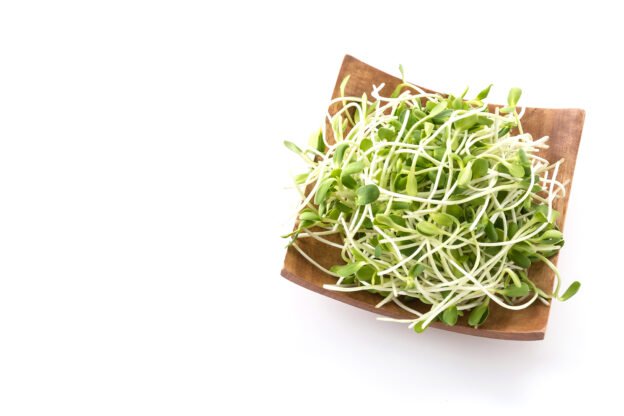
Sprouts are seeds or legumes that have begun germination, meaning they have started to grow tiny shoots after soaking in water. Common types include moong sprouts, lentil sprouts, alfalfa sprouts, and chickpea sprouts. The process of sprouting enhances nutrient availability, reduces anti-nutrients like phytic acid, and makes proteins and vitamins easier to absorb.

Sprouting activates natural enzymes that support digestion and enhance nutrient absorption. This process can also improve the bioavailability of certain vitamins and minerals. For health-conscious individuals, knowing the protein content available in sprouts makes it easier to plan meals that are both protein-rich and nutrient-dense. If you want to gain structured knowledge about nutrient utilization, food science, and diet planning, you can explore the diploma in nutrition and dietetics. The program is designed to build a strong foundation in clinical and applied nutrition.

Sprouting benefits include:

  • Increased protein digestibility
  • Higher levels of vitamins and minerals
  • Reduced anti-nutrient content
  • Easier digestion and absorption of nutrients

How Much Protein in Sprouts?

The amount of protein in sprouts depends largely on the type of seed or legume. Here is a general breakdown:

Protein content by sprout type:

  • Moong sprouts provide approximately 3 to 4 grams of protein per 100 grams
  • Lentil sprouts provide approximately 3 to 4 grams of protein per 100 grams
  • Alfalfa sprouts provide around 4 grams of protein per 100 grams
  • Chickpea sprouts provide the highest protein content at 8 to 9 grams per 100 grams

Sprouts are an excellent source of plant-based protein because they are light, easy to digest, and highly versatile. Including them regularly in meals can help support daily protein needs, especially for those following vegetarian or vegan diets. Knowing the protein content in different types of sprouts makes it easier to design balanced meals that supply adequate amino acids for muscle repair, steady energy, and overall health. If you want to understand meal planning, protein balancing, and practical diet strategies in greater depth, you can explore professional health and nutrition courses. These programs provide structured guidance on building nutritionally complete and well-planned diets.

Why Protein in Sprouts Matters

Protein is essential for many bodily functions, including muscle growth, tissue repair, enzyme production, and maintaining energy levels. While sprouts may not have as much protein as beans or tofu, their digestibility is higher due to the sprouting process. For vegetarians and vegans, knowing how much protein in sprouts can help in combining them with other protein sources like nuts, seeds, or grains to form a complete amino acid profile.

Nutrition Profile of Sprouts

Sprouts are not just a source of protein. They are also rich in other vital nutrients that contribute to overall health.

Key nutrients in sprouts include:

  • Protein 3 to 9 grams per 100 grams
  • Fiber 2 to 3 grams per 100 grams
  • Vitamin C 10 to 15 percent of daily value
  • Vitamin K 8 to 10 percent of daily value
  • Iron 2 to 3 milligrams per 100 grams
  • Magnesium 20 to 25 milligrams per 100 grams
  • Antioxidants that help fight oxidative stress

This makes sprouts an ideal choice for a nutrient-dense meal that not only provides protein but also supports digestion, immunity, and cardiovascular health. For anyone wondering how much protein in sprouts they should eat, incorporating 100 to 200 grams per day can contribute significantly to their protein needs.

Health Benefits of Sprouts

Protein-Related Benefits

  • Supports muscle repair and growth due to easily digestible protein
  • Helps maintain satiety and energy levels throughout the day
  • Can be combined with other protein sources to meet daily protein requirements

General Health Benefits

  • Improves digestion due to natural enzymes activated during sprouting
  • Enhances nutrient absorption from other foods
  • Supports heart health and strengthens immunity
  • Helps regulate blood sugar levels, making sprouts beneficial for those with type 2 diabetes

Regular consumption of sprouts can improve overall health while providing an effective, plant-based source of protein. Knowing how much protein in sprouts is available helps integrate them into daily meals strategically.

How to Include Sprouts in Your Diet

Sprouts are incredibly versatile and can be incorporated into meals in numerous ways.

Practical ways to consume sprouts:

  • Add sprouted moong or lentils to salads for a crunchy protein boost
  • Prepare sprout parathas by mixing sprouts into whole-grain dough
  • Include sprouts in smoothies to enhance protein and fiber intake
  • Use chickpea sprouts in wraps and bowls for a satisfying, protein-rich meal

Pairing sprouts with protein-rich foods such as paneer, eggs, or nuts can help create a more complete amino acid profile, ensuring your body gets the essential building blocks it needs. Being aware of the protein content in sprouts makes it easier to design meals that are balanced and nutritionally adequate for daily requirements. If you are interested in understanding the science behind protein quality, amino acid composition, and nutrient interactions, you can explore structured food science courses. These programs provide deeper insight into how foods work at a biochemical level and how to apply that knowledge in practical nutrition planning.

Safety Tips and Storage

While sprouts are nutritious, proper handling and storage are essential to prevent contamination.

Tips include:

  • Rinse sprouts 2 to 3 times daily during sprouting
  • Store sprouts in an airtight container in the refrigerator
  • Avoid over-sprouting; most sprouts are ideal at 2 to 5 days depending on the type
  • Maintain clean hands and utensils during the sprouting process to minimize bacterial risks

These measures ensure that the sprouts remain safe, fresh, and highly nutritious.

Sprouts vs Other Plant Protein Sources

Sprouts are a light, easily digestible source of protein, but other plant-based foods also contribute protein. Comparing how much protein in sprouts with other sources:

  • Moong sprouts 3 to 4 grams per 100 grams
  • Lentils 9 grams per 100 grams
  • Tofu 8 grams per 100 grams
  • Quinoa 4 grams per 100 grams
  • Chickpeas 19 grams per 100 grams

Sprouts can be used alone for a light protein source or combined with other plant proteins to ensure complete nutrition. Knowing how much protein in sprouts helps you decide when to pair them with higher-protein foods for a balanced diet.

Conclusion

Sprouts are a nutrient-dense food providing 3 to 9 grams of protein per 100 grams. They support muscle repair, digestion, immunity, heart health, and overall well-being. Including sprouts regularly in salads, smoothies, parathas, or wraps can enhance your diet with protein and other essential nutrients. Understanding how much protein in sprouts helps you plan meals effectively to meet daily protein needs.

Build Your Nutrition & Fitness Expertise

Ready to deepen your knowledge about nutrition and fitness? Whether your goal is to understand food scientifically, help others eat better, or build a professional career in nutrition and fitness, the NFNA – National Fitness and Nutrition Academy offers industry-recognized, evidence-based courses that empower you to make science-backed dietary decisions.

Enroll now to become a certified nutrition expert and take your wellness passion to the next level.

Read Our Latest Blogs:

5 Day Gym Workout Schedule | Gym Workout Diet Chart | 6 Day Gym Workout Schedule For Beginners | Difference Between Strength Training And Weight Training | Strength Training For PCOS | Strength Training For Athletes | How Much Protein In A Banana | How Much Protein In Soya Chunks | How Much Protein In 1 Glass Milk | How Much Protein In Paneer

Frequently Asked Questions

Q1. How much protein in sprouts do I need daily?

The daily protein requirement varies by age, sex, and activity level. Including 100 to 200 grams of sprouts daily can contribute 3 to 18 grams of protein, which is beneficial when combined with other protein sources in your diet.

Sprouts alone may not provide all essential amino acids, but when combined with grains, nuts, or dairy, they can effectively contribute to meeting protein needs without animal sources.

Yes, sprouting breaks down complex proteins and anti-nutrients, making the protein in sprouts easier to digest compared to raw legumes.

Sprouts provide essential protein and nutrients to support muscle repair. For optimal muscle growth, they should be combined with other high-protein foods and consistent strength training.

Chickpea sprouts are the highest in protein with 8 to 9 grams per 100 grams, followed by lentil and moong sprouts.

Sprouting increases nutrient availability, reduces anti-nutrients, and improves digestibility. Protein in sprouted beans is easier for the body to absorb than in raw or unsprouted beans.

Fresh sprouts can be bought at supermarkets, local farmers’ markets, or grown at home from moong, lentils, chickpeas, or alfalfa seeds.

Consuming sprouts 4 to 5 times a week is sufficient to gain protein, vitamin, mineral, and fiber benefits, while keeping your diet varied and balanced.

how much protein in moong dal

How Much Protein in Moong Dal: Complete Nutrition and Health Guide

Quick Answer: Moong dal is a highly nutritious pulse and an excellent plant-based protein source. Per 100 grams, raw moong dal contains approximately 24 grams of protein, while cooked moong dal provides around 7 grams of protein per 100 grams. It is low in fat, high in fiber, and easily digestible, making it ideal for vegetarians, vegans, and fitness enthusiasts.

Wondering how much protein in moong dal you get in your meals? Raw moong dal contains about 24 grams of protein per 100 grams, while cooked moong dal provides approximately 7 grams per 100 grams due to water absorption during cooking. This article will explore how much protein in moong dal is present in different forms, compare it with other pulses, discuss its health benefits, and provide practical ways to include it in your daily diet.

What Is Moong Dal?

Moong dal, also called mung beans, is a type of legume widely used in Indian cuisine. It comes in two main varieties: green whole moong dal and yellow split moong dal.

Green whole moong dal consists of unhulled beans, which take longer to cook and are often used for sprouting. Yellow split moong dal is hulled, cooks faster, and is more commonly used in soups, dals, and khichdi.

In India, moong dal is a staple food valued for its versatility and strong nutritional profile. It is widely regarded as a light and easily digestible source of protein, making it suitable for children, adults, and elderly individuals. Moong dal is especially important for vegetarians and vegans who depend on plant-based protein to support muscle growth, tissue repair, and overall health. If you want to gain deeper knowledge about plant-based nutrition and balanced diet planning, you can explore the dietician course in kolkata. This program helps you build practical expertise in nutrition science and professional diet planning.

How Much Protein Is in Moong Dal

Per 100 Grams: Raw vs Cooked

Understanding how much protein in moong dal you consume depends on whether it is raw or cooked. Raw moong dal contains approximately 24 grams of protein per 100 grams. Cooking moong dal causes it to absorb water, increasing its volume, which lowers the protein density per 100 grams. Cooked moong dal provides roughly 7 grams of protein per 100 grams.

Additional nutrients include:

  • Calories in raw moong dal: 347 per 100 grams
  • Calories in cooked moong dal: 105 per 100 grams
  • Carbohydrates in raw moong dal: 63 grams
  • Carbohydrates in cooked moong dal: 19 grams
  • Fiber in raw moong dal: 16 grams
  • Fiber in cooked moong dal: 7 grams
  • Fat in raw moong dal: 1 gram
  • Fat in cooked moong dal: 0.4 grams

The change in protein content after cooking happens mainly because of water absorption, not because the protein is lost. When moong dal absorbs water during boiling, its weight increases, which slightly lowers the protein percentage per 100 grams. However, the total protein remains intact. This makes cooked moong dal a convenient, easy-to-digest source of protein in regular meals. If you are curious about how cooking methods affect nutrient composition and food quality, you can explore structured food science courses. These programs help you understand the science behind food processing, nutrient retention, and dietary analysis.

Comparison With Other Pulses

When considering how much protein in moong dal compares with other pulses:

  • Chana dal cooked provides about 8 grams of protein per 100 grams, slightly higher than moong dal.
  • Masoor dal cooked provides approximately 7.5 grams of protein per 100 grams, comparable to moong dal.
  • Toor dal cooked provides around 7 grams of protein per 100 grams, similar to moong dal.

Moong dal ranks among the top pulses for protein content, especially for those seeking plant-based protein in vegetarian diets.

Nutritional Breakdown of Moong Dal

Moong dal is a rich source of both macronutrients and micronutrients, making it highly nutritious beyond its protein content.

Macronutrients in cooked moong dal per 100 grams

  • Protein 7 grams
  • Carbohydrates 19 grams
  • Fat 0.4 grams
  • Fiber 7 grams

Micronutrients in cooked moong dal per 100 grams

  • Iron 1.2 mg
  • Magnesium 48 mg
  • Potassium 266 mg

Moong dal is easily digestible because of its soft texture after cooking. It provides essential amino acids, especially lysine, which is typically low in many cereals. When combined with rice, wheat, or other grains, it helps create a more balanced amino acid profile, making it a reliable protein choice for vegetarians and vegans. If you want to understand how food combinations improve protein quality and overall diet planning, you can explore structured health and nutrition courses. These programs cover practical nutrition principles, balanced meal design, and evidence-based dietary strategies.

Health Benefits of Protein in Moong Dal

Muscle Health and Recovery

Protein in moong dal supports muscle repair and growth, making it an excellent addition to a post-workout diet. Regular consumption helps maintain muscle mass, especially in vegetarian and vegan diets that may lack sufficient protein.

Weight Management

Moong dal is high in both protein and fiber, which promotes satiety and helps control hunger. Including moong dal in meals can reduce overeating and support healthy weight management.

Heart Health and Metabolic Support

Moong dal is low in fat and rich in fiber, which helps reduce cholesterol and support heart health. The fiber content also contributes to better blood sugar regulation, making it beneficial for metabolic health.

Practical Ways to Include Moong Dal for Protein

Including moong dal in daily meals is simple and versatile:

  • Breakfast: Moong dal cheela (savory pancake) or sprouted moong salad
  • Lunch: Moong dal khichdi with rice and vegetables
  • Dinner: Moong dal soup or dal curry
  • Snacks: Roasted moong dal or moong dal sprouts
  • Tips: Pair moong dal with grains such as rice or chapati for a complete protein profile. Soaking before cooking improves digestibility and nutrient absorption.

Protein Myths and Facts About Moong Dal

Understanding how much protein in moong dal is essential to debunk common myths:

  • Myth: Plant proteins are incomplete. Fact: Combining moong dal with grains creates a complete protein.
  • Myth: Sprouting dramatically increases protein. Fact: Sprouting mainly improves digestibility and micronutrient absorption.
  • Myth: Cooking destroys protein. Fact: Minimal protein loss occurs; only density changes due to water absorption.

Conclusion

Moong dal is an excellent source of plant-based protein, with raw moong dal containing 24 grams of protein per 100 grams and cooked moong dal providing about 7 grams per 100 grams. Its high fiber content, low fat, and digestibility make it ideal for vegetarians, vegans, and anyone seeking to improve overall nutrition. Including moong dal regularly supports muscle health, weight management, and heart health.

Join the National Fitness and Nutrition Academy (NFNA)

Are you ready to take your nutrition knowledge to the next level? Join the National Fitness and Nutrition Academy (NFNA), India’s leading evidence-based nutrition and fitness education academy. Explore courses in applied nutrition, dietetics, and fitness to improve your personal health or advance your career. Learn why what you eat matters and gain scientific insights into diet and wellness.

Enroll today and start your journey toward expert nutrition knowledge and a healthier lifestyle.

Read Our Latest Blogs:

5 Day Gym Workout Schedule | Gym Workout Diet Chart | 6 Day Gym Workout Schedule For Beginners | Difference Between Strength Training And Weight Training | Strength Training For PCOS | Strength Training For Athletes | How Much Protein In A Banana | How Much Protein In Soya Chunks | How Much Protein In 1 Glass Milk | How Much Protein In Paneer

Frequently Asked Questions

Q1: How much protein in moong dal should I eat daily?

 Adults typically need 50 to 60 grams of protein daily. Eating 100 to 150 grams of cooked moong dal provides about 7 to 10 grams of protein, contributing significantly to daily protein intake.

Yes, moong dal supports muscle growth when consumed regularly and combined with other protein sources. Its amino acid profile, particularly lysine, is essential for muscle repair.

Moong dal alone is not a complete protein. Pairing it with rice, wheat, or quinoa provides all essential amino acids needed for a complete protein profile.

Sprouting slightly improves nutrient bioavailability but does not significantly increase the protein content. It makes the protein easier to digest and enhances vitamins and minerals.

Soak moong dal for 30 minutes before cooking and cook gently without overboiling. Avoid excessive heat to maintain protein structure and micronutrient content.

Moong dal is high in protein, easy to digest, versatile in cooking, and pairs well with grains to provide a complete amino acid profile, making it an ideal protein source for vegetarians.

Combine moong dal with other pulses or grains, add it to soups, khichdi, and salads, and include it in snacks like sprouted moong or roasted dal for a protein-rich diet.

Yes, combining moong dal with pulses like chana dal or masoor dal enhances the amino acid profile, providing a more balanced protein source for vegetarians.

does curd have protein

Does Curd Have Protein? A Detailed Guide on Its Nutritional Value and Health Benefits

Quick Answer: Yes, curd contains protein and is a highly nutritious dairy product. A 100-gram serving of curd provides approximately 3 to 4 grams of protein, making it an excellent option for muscle building, weight management, bone health, and overall wellness. Regular consumption of curd can help maintain a balanced diet while also providing probiotics and essential nutrients.

Curd is one of the most popular dairy products consumed worldwide due to its creamy texture, tangy taste, and multiple health benefits. Many people often ask whether curd contains protein. The answer is a clear yes. Protein in curd supports muscle repair and growth while also contributing to digestive wellness and weight management. Including curd in your daily meals, whether for breakfast, as a snack, or after a workout, is a simple way to improve overall protein intake along with calcium and probiotics. If you are interested in understanding nutrition more deeply and building a professional career in this field, you can explore the dietician course in kolkata. This program helps you develop practical knowledge in diet planning, clinical nutrition, and evidence-based health guidance.

What Is Curd? Understanding Curd and Its Nutrition

Curd is a fermented milk product made by adding bacterial cultures to milk. This fermentation process thickens the milk and develops the characteristic tangy flavor of curd. Curd is widely consumed across India and other parts of the world, often used in meals, desserts, and beverages.

Curd comes in several variations. Homemade curd is often richer in probiotics, while store-bought curd may vary in fat content and texture. Full-fat curd contains more calories but provides a creamier taste, whereas low-fat or skim curd offers higher protein per calorie and fewer fats.

The nutritional profile of 100 grams of plain curd includes around 3 to 4 grams of protein, 4 to 5 grams of carbohydrates, and 0.5 to 3 grams of fat depending on the type. It also provides approximately 120 mg of calcium. Along with protein, curd supplies essential vitamins, minerals, and beneficial bacteria that help maintain digestive health and overall wellness. If you want to build in-depth knowledge about nutrients, food composition, and balanced diet planning, you can explore the diploma in nutrition and dietetics. This program is designed to provide structured learning in clinical and applied nutrition for aspiring professionals.

Does Curd Have Protein? Protein Content in Curd

Does curd have protein? Yes, curd is a natural source of protein. In fact, a 100-gram serving of curd contains approximately 3 to 4 grams of protein, which makes it a valuable part of your daily diet.

Curd can be compared to other protein sources in the following way:

  • Protein in Milk per 100 grams: 3.2 grams
  •  Protein in Plain Curd per 100 grams: 3 to 4 grams
  •  Protein in Greek Yogurt per 100 grams: 10 grams

Although Greek yogurt contains more protein, curd remains highly beneficial due to its digestibility, availability, and versatility. The protein in curd is particularly useful for vegetarians, individuals aiming for weight management, and anyone looking to incorporate high-quality protein into their meals.

Health Benefits of Protein in Curd

Supports Muscle Growth and Recovery

Protein is essential for repairing and building muscle tissue, and curd provides a convenient source of high-quality protein. For individuals engaging in physical activity, consuming curd post-workout can help replenish muscle protein and aid in recovery. Regular consumption of protein-rich curd can support lean muscle maintenance and enhance performance over time.

Aids Weight Management

One of the most significant benefits of protein in curd is its ability to promote satiety. Eating curd can help you feel full for longer periods, reducing unnecessary snacking and overall calorie intake. This makes it a practical choice for those aiming to lose weight or maintain a lean physique. Including curd in meals or snacks helps control appetite and supports sustainable weight management strategies. If you are interested in understanding how protein, satiety, and meal planning work together for long-term results, you can explore structured health and nutrition courses. These programs provide practical insights into diet planning, weight management, and evidence-based nutrition principles.

Nutrient-Rich and Low in Calories

Curd is not only rich in protein but also provides essential nutrients such as calcium, magnesium, potassium, and vitamin B12. Despite being nutrient-dense, curd is relatively low in calories, which makes it an ideal food for those looking to maximize nutrition without consuming excessive calories. This combination of protein, micronutrients, and probiotics contributes to overall wellness and improved digestive health.

Supports Bone Health and Immunity

Protein in curd, combined with its calcium content, plays a vital role in strengthening bones and maintaining skeletal health. Additionally, the probiotics present in curd support immune function and help maintain a healthy gut microbiome. Regular intake of curd as part of a balanced diet contributes to long-term health benefits beyond just protein intake.

How to Maximize Protein Intake from Curd

To get the most protein benefits from curd, consider the following tips:

  • Pair curd with nuts, seeds, or fresh fruits to increase protein and micronutrient intake.
  • Incorporate curd into smoothies, breakfast bowls, and post-workout snacks for convenient protein consumption.
  • Choose high-protein varieties such as Greek-style curd or strained curd to increase the protein content per serving.
  • Use curd as a base for dips, sauces, or salads to enhance protein intake without adding excess calories.

By using these simple strategies, you can ensure that curd contributes meaningfully to your daily protein requirements.

Curd Compared to Other Protein Sources

When considering does curd have protein, it is important to compare it with other sources:

Protein content in milk is slightly lower than curd, while Greek yogurt contains more protein per 100 grams. Plant-based protein sources may provide similar protein but are often less digestible and require careful pairing to get complete amino acids.

Advantages of curd over other protein sources include high digestibility, ease of inclusion in meals, availability, and versatility. It can be consumed in various forms, from plain curd to smoothies and traditional dishes, making it an easy and practical choice for daily protein intake.

Who Should Eat Curd

Curd is ideal for:

  • Fitness enthusiasts who need protein for muscle repair and growth
  • Vegetarians looking for a reliable source of protein
  • Individuals following weight management plans who need a filling, low-calorie protein option
  • Anyone seeking a healthy snack rich in nutrients and probiotics

By including curd regularly in your diet, you can meet protein needs naturally while also enjoying other health benefits.

Common Myths About Curd and Protein

Many people have misconceptions about curd and protein content.

Some believe that curd has no protein, which is completely false. Others think that only Greek yogurt contains protein, which ignores the natural protein present in plain curd. Regular curd consumption provides an effective, digestible protein source along with essential vitamins, minerals, and probiotics.

Debunking these myths helps individuals make informed dietary choices and include curd as a healthy part of their daily nutrition plan.

Key Takeaways

To answer the question, does curd have protein, yes, it does, and it is a valuable source of high-quality protein. Curd supports muscle growth, aids weight management, strengthens bones, and provides digestive benefits through probiotics. Its versatility makes it an ideal addition to daily meals and snacks for people of all ages, including athletes, vegetarians, and anyone looking to maintain a balanced diet.

Including curd in your routine is a natural, effective way to meet daily protein requirements while also benefiting from calcium, probiotics, and essential nutrients.

Explore NFNA and unlock your potential

Are you ready to deepen your knowledge of nutrition, proteins, and healthy eating? Transform your passion into expertise with the National Fitness and Nutrition Academy (NFNA), India’s leading evidence-based nutrition and fitness academy. NFNA offers certified courses in Applied Nutrition and Personal Training, helping you build a career, upgrade your skills, or guide others toward better health.

Enquire now and unlock your potential with industry-aligned training that equips you with real-world nutrition knowledge.

Read Our Latest Blogs:

5 Day Gym Workout Schedule | Gym Workout Diet Chart | 6 Day Gym Workout Schedule For Beginners | Difference Between Strength Training And Weight Training | Strength Training For PCOS | Strength Training For Athletes | How Much Protein In A Banana | How Much Protein In Soya Chunks | How Much Protein In 1 Glass Milk | How Much Protein In Paneer

Frequently Asked Questions

Q1. How much protein does curd contain in 100 grams?

A 100-gram serving of curd contains approximately 3 to 4 grams of protein. This amount may vary slightly depending on whether it is low-fat, full-fat, homemade, or store-bought.

Yes. The protein in curd promotes fullness and reduces hunger, which can support weight loss when included as part of a balanced diet. It is low in calories but rich in nutrients, making it a healthy snack or meal addition.

Curd can be slightly better than milk in terms of protein density per calorie. Additionally, curd contains probiotics, which improve digestion and nutrient absorption, enhancing its overall health benefits.

Yes. Protein-rich curd helps repair and build muscles after exercise. Including curd in post-workout meals can enhance recovery and support lean muscle development.

Greek-style or strained curd contains the highest protein per serving. Opting for low-fat or high-protein varieties can further increase protein intake while keeping calories under control.

Curd provides essential amino acids along with calcium, probiotics, and vitamins. It supports muscle health, bone strength, and overall wellness, making it a nutritionally complete choice for many diets.

You can add curd to smoothies, salads, breakfast bowls, desserts, or consume it as a snack with fruits and nuts. It is versatile and can be included in both traditional and modern recipes to boost protein intake.

Absolutely. Curd is easy to digest, rich in protein, and supports bone health, immunity, and growth. Including curd in the diet of children and elderly individuals helps maintain overall health and nutrient balance.

how much protein in paneer

How Much Protein in Paneer (Per 100 g) — Nutrition, Benefits and How to Include It in Your Diet

Quick Answer: Paneer is a high-protein vegetarian food that provides approximately 18 to 20 grams of protein per 100 grams. It is a complete protein source containing all essential amino acids, calcium, and healthy fats. Paneer supports muscle growth, bone health, satiety, and overall nutrition, making it an excellent option for vegetarians and fitness enthusiasts.

If you are wondering how much protein in paneer you can get from a regular serving, the answer is around 18 to 20 grams per 100 grams of paneer. Paneer is one of the most popular dairy-based vegetarian protein sources in India and across the world. It is not only high in protein but also rich in calcium, phosphorus, and essential nutrients. Whether you are a vegetarian, a fitness enthusiast, or simply looking to improve your nutrition, knowing how much protein in paneer and how to include it in your daily meals can make a significant difference in your diet. In this article, we will explore paneer’s nutrition, health benefits, ways to incorporate it into your diet, and answer the most common questions about this versatile food.

What Is Paneer?

Paneer is fresh, soft, non-melting cheese made by curdling milk using lemon juice, vinegar, or citric acid. It is a staple in Indian households and is highly versatile in cooking. Paneer is available as homemade or store-bought varieties and is made from cow or buffalo milk. It is celebrated not only for its high protein content but also for its mild taste, creamy texture, and ability to absorb flavors from spices and sauces. For many vegetarians, paneer serves as a reliable source of protein in a diet that may otherwise lack animal-based proteins.

Paneer is easy to digest, making it suitable for children, adults, and even the elderly. Its high protein content, combined with essential minerals like calcium, makes it a functional food that supports both nutrition and fitness goals. If you are interested in understanding how to incorporate protein-rich foods like paneer into structured meal plans, a professional dietician course in india can help you build strong expertise in clinical nutrition, diet planning, and client counselling.

How Much Protein in Paneer?

Paneer Protein Per 100 g

The protein content in paneer can vary slightly depending on the type of milk used, whether it is homemade or store-bought, and the firmness of the paneer. On average, 100 grams of paneer provides between 18 and 20 grams of protein.

  • Homemade paneer from cow milk provides around 18 to 19 grams of protein per 100 grams
  • Homemade paneer from buffalo milk provides slightly more, around 19 to 20 grams per 100 grams
  • Store-bought paneer usually contains 17 to 19 grams of protein per 100 grams

The protein in paneer is of high quality and considered a complete protein because it contains all essential amino acids, which are crucial for the body’s growth, repair, and overall functioning.

Factors Affecting Protein Content in Paneer

Several factors can influence how much protein in paneer is present in a serving:

  • The type of milk used: Buffalo milk paneer generally has higher protein than cow milk paneer
  • The firmness of the paneer: Firmer paneer retains more protein and less moisture
  • Homemade vs store-bought: Homemade paneer tends to be more nutrient-dense as it often contains less water and no preservatives

Paneer Nutrition Facts Beyond Protein

While protein is the primary highlight, paneer also offers a range of other nutrients essential for health. Here is the nutritional composition per 100 grams of paneer:

  • Protein: 18 to 20 grams
  • Fat: 20 to 22 grams
  • Calories: 265 to 300 kcal
  • Calcium: 200 to 250 mg
  • Phosphorus: 180 mg
  • Vitamin B12: 0.7 micrograms

Paneer provides a balanced combination of macronutrients and micronutrients. Its high protein content supports muscle repair and growth, while calcium and phosphorus promote strong bones. The fats in paneer help in the absorption of fat-soluble vitamins and provide long-lasting satiety, making it an excellent choice for weight management.

If you want to learn how to professionally design balanced meal plans that include nutrient-dense foods like paneer, enrolling in a structured dietician course in kolkata can help you develop practical skills in nutrition planning, assessment, and client guidance.

Why Paneer Is a Great Protein Source

Complete Protein for Vegetarians

Paneer contains all nine essential amino acids required by the human body, making it a complete protein source. For vegetarians who do not consume meat or eggs, paneer is an indispensable part of the diet. Its protein is also highly digestible compared to many plant-based sources, which may contain antinutritional factors.

Supports Fitness and Muscle Growth

Protein in paneer is vital for muscle repair and strength. Consuming paneer after workouts provides amino acids that help rebuild damaged muscle fibers and support lean muscle development. Fitness enthusiasts often include paneer in shakes, salads, and meals to reach their daily protein goals. If you want to better understand workout programming, recovery nutrition, and muscle development strategies, enrolling in a professional certified fitness trainer course can help you build practical coaching skills along with strong foundational knowledge in fitness science.

Other Benefits of Paneer

  • Supports bone health due to its high calcium content
  • Provides long-lasting satiety, aiding in weight management
  • Can be easily incorporated into a variety of dishes, from curries and salads to snacks and desserts
  • Offers essential micronutrients like phosphorus and vitamin B12

How to Incorporate Paneer Into Your Diet

Here are several practical ways to include paneer in your daily meals to ensure adequate protein intake:

  • Breakfast: Paneer omelette or cottage cheese smoothie
  • Lunch: Paneer salad with vegetables and quinoa
  • Snacks: Grilled paneer skewers or spicy paneer cubes
  • Curries: Palak paneer, paneer butter masala, or paneer tikka masala
  • Wraps: Whole-grain wraps with paneer and vegetables
  • Desserts: Paneer-based sweets like rasgulla, sandesh, or cottage cheese pudding
  • Quick Protein Boost: Snack on raw paneer cubes with herbs and spices
  • Dinner: Paneer stir-fry with vegetables or added to soups for extra protein

Regularly incorporating paneer into meals ensures that vegetarians and fitness enthusiasts can easily meet their daily protein requirements while enjoying delicious dishes.

Grow Your Nutrition Knowledge + Career with NFNA

To go beyond knowing protein in paneer and truly understand nutrition science, diet planning, and fitness guidance, consider professional training.

National Fitness and Nutrition Academy (NFNA) offers evidence-based courses designed by doctors, registered dietitians, and certified trainers.

Why NFNA Courses?

  • Science-backed curriculum
  • Career-oriented certifications
  • Practical diet planning skills
  • Lifetime mentorship & support

Turn your nutrition passion into expertise—enroll now and build your fitness or nutrition career with confidence!

Conclusion

Understanding how much protein in paneer is in each serving helps vegetarians, fitness enthusiasts, and health-conscious individuals optimize their diets. With approximately 18 to 20 grams of protein per 100 grams, paneer is a complete, versatile, and nutrient-dense protein source. Including paneer regularly can support muscle growth, bone health, satiety, and overall well-being.

By knowing the exact protein content and how to include paneer in daily meals, you can enjoy its nutritional benefits while meeting your fitness and health goals effectively.

Read Our Latest Blogs:

High Protein Vegetarian Foods In India | Protein Rich Indian Breakfast | Upper Body Strength Training | Gym Workout For Belly Fat | 5 Day Gym Workout Schedule | Gym Workout Diet Chart | 6 Day Gym Workout Schedule For Beginners | Difference Between Strength Training And Weight Training | Strength Training For PCOS | Strength Training For Athletes

Frequently Asked Questions  

Q1: How much protein in paneer should I eat daily?

To meet daily protein requirements, adults can consume 100 to 200 grams of paneer per day. This provides approximately 18 to 40 grams of protein, which can be combined with other protein sources like legumes, nuts, and dairy for a balanced diet.

Yes, paneer is an excellent protein source for vegetarians aiming for muscle growth. Its complete amino acid profile supports muscle repair, recovery, and lean muscle development when combined with resistance training.

Yes, paneer contains all essential amino acids, making it a complete protein. This is particularly beneficial for vegetarians who may not get complete proteins from plant-based foods alone.

Paneer can support weight management. Its protein and fat content promote satiety, reducing overall calorie intake. Portion control is essential to avoid excess calories, but paneer is effective for maintaining muscle mass while losing fat.

Homemade paneer usually has slightly higher protein content and less water than store-bought varieties. Store-bought paneer may contain additives and higher moisture, slightly reducing its protein per 100 grams.

Paneer generally contains higher protein per 100 grams than tofu and also provides calcium, which supports bone health. For vegetarians seeking high-quality protein, paneer is often the preferred choice.

Paneer can be added to meals like salads, wraps, curries, stir-fries, and snacks. Consuming 100 to 200 grams of paneer daily alongside other protein sources ensures sufficient protein intake.

While paneer is a significant protein source, relying solely on it is not recommended. Combining paneer with legumes, nuts, seeds, and other dairy ensures a complete and balanced protein intake.

how much protein in 1 glass milk

How Much Protein in 1 Glass Milk? Complete Guide to Milk Protein, Benefits and Daily Requirements

Quick Answer: A standard glass of milk (250 ml) contains approximately 8 grams of protein. Milk is a complete protein source with both whey and casein, supporting muscle growth, bone strength, and overall health. Skimmed, semi-skimmed, and whole milk all provide high-quality protein, making milk an easy and accessible way to meet daily protein requirements.

Are you wondering how much protein in 1 glass milk and whether it is enough for your daily nutrition? A typical 250 ml glass of milk provides about 8 grams of high-quality protein, making it a convenient source for both adults and children. This protein is complete, meaning it contains all essential amino acids your body needs to function optimally.

In this guide, we will explore how much protein in 1 glass milk, the types of proteins found in milk, their health benefits, how milk compares to other protein sources, and practical tips on including milk in your daily diet to meet protein goals.

Protein — The Building Block of Life

Protein plays an essential role in our bodies, acting as the building block for muscles, skin, enzymes, hormones, and the immune system. It is vital for tissue repair, maintaining muscle mass, and ensuring overall bodily functions run smoothly.

Milk is a convenient and natural source of protein, containing high-quality amino acids in forms that are easy for the body to digest and absorb. By understanding how much protein in 1 glass milk you are consuming, you can effectively plan your daily nutrition to meet your protein requirements. If you want to deepen your understanding of macronutrients, meal planning, and evidence-based diet strategies, enrolling in a professional dietician course in india can help you build strong practical and scientific knowledge in nutrition.

Types of Protein in Milk

Milk contains two main types of protein, each with unique benefits:

  • Whey Protein: This is a fast-digesting protein that is ideal for post-workout recovery. It quickly provides amino acids to your muscles, helping in repair and growth.
  • Casein Protein: This is a slow-digesting protein that provides a steady supply of amino acids over several hours. Casein is especially beneficial when consumed before bedtime to support overnight muscle repair.

The combination of whey and casein in milk makes it a complete protein source, ensuring your body receives all essential amino acids necessary for optimal health.

How Much Protein in 1 Glass Milk

Protein Content in a Standard Glass (250 ml)

If you are specifically asking how much protein in 1 glass milk, here is a detailed breakdown based on milk types:

  • Whole Milk: Approximately 7.7 to 8 grams of protein per 250 ml glass
  • Semi-Skimmed Milk: Approximately 8 grams of protein per 250 ml glass
  • Skimmed Milk: Approximately 8 to 8.5 grams of protein per 250 ml glass

Skimmed milk contains slightly more protein per calorie because it has less fat, while whole milk provides additional energy and fat-soluble vitamins. Regardless of type, milk is a reliable and easy source of high-quality protein for most daily needs. If you want to gain deeper expertise in nutrition science and understand how to structure balanced diets professionally, you can explore a comprehensive dietician course in kolkata to build practical skills in meal planning, nutrient analysis, and client guidance.

Nutritional Breakdown of Milk

What Else Does a Glass of Milk Provide?

Beyond protein, milk is packed with essential nutrients that support overall health:

  • Calories: 90 to 120 per glass depending on milk type
  • Calcium: Around 300 milligrams per glass
  • Vitamin D: Fortified in most milk brands to support bone health
  • Vitamin B12: Supports energy metabolism and nerve function
  • Carbohydrates: Approximately 12 grams, mainly lactose
  • Fats: Between 3 and 5 grams depending on whole, semi-skimmed, or skimmed milk

Milk not only provides protein but also essential vitamins and minerals that support bone health, immunity, and general wellbeing.

Calorie vs Protein Ratio — What It Means for You

When considering how much protein in 1 glass milk, the calorie-to-protein ratio is important. Milk provides protein efficiently without excessive calories, making it ideal for those managing their weight or looking to build muscle while maintaining balanced nutrition. For those who want to combine nutrition knowledge with hands-on fitness expertise, enrolling in professional personal training courses can help you understand body composition, muscle development, and structured workout planning in a more practical way.

Why Milk Protein Is Valuable

Benefits of Protein in Milk

Milk protein offers several key health benefits:

  • Muscle Repair and Growth: Whey and casein proteins in milk help repair muscle tissues after exercise and support muscle growth.
  • Satiety and Weight Management: Protein-rich milk can help you feel full, reducing the tendency to snack on less nutritious foods.
  • Bone Health Support: Protein works alongside calcium and vitamin D to maintain strong bones and prevent fractures.
  • Easy Daily Source: Milk is widely available, affordable, and can be consumed in various forms such as smoothies, cereal, or simply as a drink.

Who Should Prioritise Milk Protein?

Certain groups can particularly benefit from incorporating milk into their diet:

  • Athletes and fitness enthusiasts looking for fast and sustained protein
  • Older adults aiming to maintain muscle mass and prevent age-related decline
  • Individuals seeking to manage their weight through increased satiety

Milk Compared to Other Protein Sources

When considering how much protein in 1 glass milk versus other common foods, milk stands out because of its digestibility and completeness:

Protein Source

Protein per Serving

Digestibility

Bioavailability

Milk (1 glass)

8 g

High

Complete

Eggs (1 large)

6 g

High

Complete

Greek Yogurt (150 g)

10 g

High

Complete

Soy Milk (1 cup)

7 g

Moderate

Complete

Almond Milk (1 cup)

1 g

Low

Incomplete

Milk is not only high in protein but also delivers it in a form that the body can efficiently use, making it an excellent choice to meet daily protein needs.

How Much Milk Protein You Need Daily

Daily Protein Requirements

Understanding how much protein in 1 glass milk helps in meeting your daily intake:

  • General Recommendation: 0.8 grams of protein per kilogram of body weight for average adults
  • Active Adults and Athletes: 1.2 to 2 grams per kilogram of body weight for muscle growth or recovery
  • Older Adults: Higher protein intake helps maintain muscle and prevent age-related loss

Combining Milk With Other Protein Foods

To meet daily protein needs effectively, milk can be combined with other protein sources such as eggs, yogurt, legumes, nuts, or lean meats. This ensures you get a variety of amino acids and maintain a balanced diet.

Want to Take Your Nutrition Knowledge to the Next Level?

Understanding how much protein in 1 glass milk is just the beginning of a strong nutrition foundation. If you want to dive deeper into how nutrients like protein, fats, and carbohydrates affect health, metabolism, and fitness outcomes, NFNA (National Fitness & Nutrition Academy) is here to guide you.

At NFNA, you can:

  • Become a certified nutrition expert through evidence-based courses
  • Master nutrient science, diet planning, and client consultation skills
  • Gain career-boosting credentials in applied nutrition and fitness coaching
  • Learn from India’s top nutrition and fitness educators

Turn your passion for nutrition into a professional career and help others lead healthier, stronger lives.

Enroll now with NFNA and start your journey to becoming a certified nutrition and fitness professional.

Conclusion

To summarize, how much protein in 1 glass milk is approximately 8 grams, making milk a simple, affordable, and high-quality protein source. Milk protein supports muscle repair, bone strength, satiety, and overall nutrition. Including milk alongside other protein-rich foods ensures you meet your daily protein requirements efficiently and enjoy all the health benefits that come with it.

Read Our Latest Blogs:

High Protein Vegetarian Foods In India | Protein Rich Indian Breakfast | Upper Body Strength Training | Gym Workout For Belly Fat | 5 Day Gym Workout Schedule | Gym Workout Diet Chart | 6 Day Gym Workout Schedule For Beginners | Difference Between Strength Training And Weight Training | Strength Training For PCOS | Strength Training For Athletes

Frequently Asked Questions

Q1. How much protein in 1 glass of milk helps with muscle growth?

A standard 250 ml glass with 8 grams of protein supports muscle repair when consumed alongside other protein sources, particularly after exercise.

While milk is a rich protein source, most adults require additional protein from other foods to meet daily requirements. Combining milk with eggs, nuts, or lean meats is ideal.

Milk protein is complete and highly digestible, whereas many plant-based proteins may lack one or more essential amino acids or have lower bioavailability.

Yes, milk protein contributes to muscle growth, especially when combined with strength training and a balanced diet.

Skimmed and semi-skimmed milk typically provide slightly more protein per calorie than whole milk, although the difference is minor.

Protein helps prevent muscle loss, supports bone health, and improves recovery from injuries or illnesses in older adults.

One to three glasses per day can provide 8 to 24 grams of protein, depending on individual needs and other dietary protein sources.

For fast-acting whey protein, drink milk after workouts. For slow-digesting casein, milk before bed can provide overnight muscle repair.

how much protein in soya chunks

How Much Protein in Soya Chunks? Complete Guide on Nutrition, Benefits, and Daily Use (2026)

Quick Answer: If you are looking to know how much protein in soya chunks, the answer is that 100 grams of dry soya chunks contain approximately 52 grams of high-quality protein. Cooked soya chunks provide about 17 grams per 100 grams due to water absorption. Soya chunks are low in fat, high in fiber, rich in minerals like iron and calcium, and are an excellent plant-based protein source for vegetarians and vegans.

Protein is one of the most essential nutrients for the human body, supporting muscle growth, tissue repair, metabolism, and overall health. For vegetarians, vegans, and fitness enthusiasts, finding a high-protein, plant-based food is critical. If you are asking how much protein in soya chunks you can consume in a day, the answer is around 52 grams per 100 grams of dry soya chunks. These versatile chunks can be easily included in daily meals. In this article, we will discuss the full nutritional profile of soya chunks, their health benefits, comparisons with other protein sources, possible side effects, and practical ways to add them to your diet.

For those interested in building deeper knowledge of nutrition science and diet planning, a structured dietician course in india can help develop strong fundamentals in applied and clinical nutrition.

What Are Soya Chunks?

Soya chunks, also known as textured soy protein or textured vegetable protein, are made from defatted soy flour, which is the byproduct obtained after extracting soybean oil. These chunks are highly valued for their protein content and versatility.

Soya chunks are widely used in vegetarian and vegan diets as a replacement for meat because of their texture and high protein concentration. They have a neutral taste and can absorb the flavors of spices, sauces, and herbs, making them ideal for curries, stir-fries, soups, salads, and snacks. Including soya chunks in your diet is one of the easiest ways to meet daily protein requirements without consuming animal products.

Learning how to guide others on plant-based protein choices is a key skill taught in a dietician course in kolkata. Soya chunks are also considered a complete protein source because they contain all nine essential amino acids necessary for the human body, making them especially important for those who do not consume meat or dairy products.

How Much Protein Is There in Soya Chunks Per 100 Grams?

If you are specifically searching for how much protein in soya chunks, here is the detailed answer. Dry soya chunks are extremely protein-rich.

Protein content in soya chunks:

  • Dry soya chunks contain approximately 52 grams of protein per 100 grams
  • Cooked soya chunks contain approximately 17 grams of protein per 100 grams because they absorb water and expand in size

It is important to note that the protein content decreases per 100 grams after cooking due to water absorption, but the overall protein intake remains high if the portion of dry soya chunks is measured correctly. Soya chunks are considered one of the highest protein vegetarian foods and are often recommended for athletes, bodybuilders, and individuals looking to increase their protein intake without consuming animal products.

Understanding protein timing and portion control is also a core concept covered in a certified fitness trainer course.

Full Nutritional Profile of Soya Chunks Per 100 Grams Dry

Soya chunks are not only rich in protein but also contain other important nutrients that contribute to overall health. Understanding their complete nutritional profile helps in planning a balanced diet. Here is what 100 grams of dry soya chunks contain:

  • Protein content in soya chunks: 52 grams of protein, which is a complete protein containing all nine essential amino acids
  • Calories: 336 calories per 100 grams, making them a high-energy food
  • Carbohydrates: 33 grams of carbohydrates, providing energy for daily activities
  • Dietary fiber: 13 grams of fiber, aiding in digestion and promoting gut health
  • Fat: 0.5 grams of fat, making them extremely low in fat and heart-healthy
  • Minerals: Calcium 160 mg, essential for strong bones and teeth
  • Iron 16 mg, which supports blood health and prevents anemia

Because of this nutritional profile, soya chunks are an excellent food to include in vegetarian and vegan diets, especially for those who want high protein content with minimal fat intake. Professionals who want to combine nutrition planning with strength training often enhance their skills through personal training courses.

Why Soya Chunks Protein Is Important

The protein content in soya chunks makes them highly beneficial for multiple aspects of health and fitness.

Benefits of protein in soya chunks:

  • Supports muscle growth and repair after exercise
  • Helps in weight management by promoting a feeling of fullness
  • Reduces cholesterol levels and supports heart health
  • Provides essential minerals like iron and calcium
  • Maintains overall metabolic functions

Soya chunks can also be compared to other protein sources to understand their value:
Protein comparison in soya chunks:

  • Dry soya chunks provide 52 grams of protein per 100 grams
  • Paneer provides 18 grams per 100 grams and is rich in calcium
  • Tofu provides 8 grams per 100 grams and is versatile in cooking
  • Eggs provide 13 grams per 100 grams but are not suitable for vegans
  • Chicken provides 27 grams per 100 grams as an animal-based protein

Soya chunks outperform many vegetarian sources of protein in terms of density and completeness, making them an ideal choice for high-protein diets.

Health Benefits of Soya Chunks Beyond Protein

Apart from protein, soya chunks offer several other health benefits:

  • Muscle repair and growth: The high protein content in soya chunks supports recovery after workouts and helps build lean muscle mass
  • Weight management and appetite control: The combination of protein and fiber promotes satiety, reducing the likelihood of overeating
  • Heart health: Low in fat and cholesterol-free, soya chunks help maintain healthy cholesterol levels
  • Digestive health: Dietary fiber in soya chunks supports regular bowel movements and improves gut health
  • Hormonal balance: Contains phytoestrogens that may benefit hormonal health, particularly in women

Soya chunks are therefore not only a rich protein source but also a food that supports overall health and wellness.

Are There Any Side Effects of Too Much Soya Chunks?

While soya chunks are generally safe and healthy, consuming them in excessive amounts may cause mild side effects. These include:

  • Hormonal effects: High intake of phytoestrogens from soya may slightly influence hormone levels in sensitive individuals
  • Thyroid considerations: Overconsumption could affect thyroid function in people with existing thyroid conditions
  • Digestive discomfort: Eating large amounts may lead to gas or bloating due to high fiber content

To enjoy the benefits of soya chunks safely, it is recommended to consume around 25 to 50 grams of dry soya chunks per day. This ensures you receive enough protein without causing unwanted side effects.

How to Include Soya Chunks in Your Daily Diet

Soya chunks can be easily included in meals to boost protein intake. Here are some practical tips:

Preparation

  • Soak or boil soya chunks in water for 10 to 15 minutes before cooking
  • Squeeze out excess water to improve texture and absorb spices better

Meal ideas

  • Add to curries, stir-fries, and soups for a high-protein boost
  • Include in salads or wraps for a quick and nutritious meal
  • Use in snacks like soya cutlets or protein balls

Pairing

  • Combine with grains like rice or quinoa and vegetables for a balanced meal
  • Add herbs, spices, and sauces to enhance flavor and nutrition

Consuming soya chunks regularly is one of the most effective ways to increase daily protein intake naturally.

Who Should Eat Soya Chunks and Who Should Be Cautious

Soya chunks are ideal for:

  • Vegetarians and vegans seeking plant-based protein
  • Athletes, bodybuilders, and fitness enthusiasts
  • Individuals looking to manage weight or cholesterol

Caution is advised for:

  • People with thyroid disorders
  • Individuals with soy allergies
  • Those sensitive to high-fiber foods who may experience digestive discomfort

Ready to Deepen Your Nutrition Knowledge? 

Understanding foods like soya chunks is just the beginning. If you want to learn the science behind nutrition, design effective diets, or build a professional career in fitness and health, NFNA India’s expert-led academy offers certified courses with lifetime mentorship and industry support. 

Enroll with NFNA today and transform your passion for health into a rewarding profession. Explore courses, learn from top dietitians and trainers, and unlock your potential in the booming world of nutrition and fitness.

Conclusion

If you want to know how much protein in soya chunks is packed per serving, 100 grams of dry soya chunks provide around 52 grams of complete, high-quality protein. They are low in fat, rich in fiber, contain essential minerals, and are extremely versatile in cooking. Including soya chunks in daily meals is an effective way to meet protein requirements, support muscle growth, aid weight management, and maintain overall health.

Soya chunks are one of the best vegetarian protein sources available today, offering both nutritional value and versatility in everyday diets.

Read Our Latest Blogs:

High Protein Vegetarian Foods In India | Protein Rich Indian Breakfast | Upper Body Strength Training | Gym Workout For Belly Fat | 5 Day Gym Workout Schedule | Gym Workout Diet Chart | 6 Day Gym Workout Schedule For Beginners | Difference Between Strength Training And Weight Training | Strength Training For PCOS | Strength Training For Athletes

Frequently Asked Questions

Q1. How much protein is in 100 grams of cooked soya chunks?

 Cooked soya chunks provide approximately 17 grams of protein per 100 grams because water absorption reduces protein density compared to dry soya chunks.

Yes. The high-quality protein in soya chunks supports muscle repair and growth, making it suitable for bodybuilders and fitness enthusiasts.

Yes. Dry soya chunks contain around 52 grams of protein per 100 grams, which is much higher than paneer, which contains only 18 grams per 100 grams.

Excessive consumption of soya chunks may slightly affect hormones due to phytoestrogens, but moderate intake is safe for most people.

Possible side effects include digestive issues such as gas or bloating and mild hormonal effects in sensitive individuals. Moderation is key.

Soya chunks contain all nine essential amino acids, making them a complete protein source, which is rare in plant-based foods.

Soak or boil the soya chunks until soft, then cook in curries, stir-fries, or salads without overcooking to preserve protein content.

Absolutely. Soya chunks are entirely plant-based and provide a high-protein alternative suitable for vegan diets.

how much protein in a banana

How Much Protein in a Banana: Complete Nutrition Facts, Benefits, and Expert Guide

Quick Answer: If you are searching for how much protein is in a banana, the simple answer is this: a medium-sized banana contains about 1.3 grams of protein. A small banana provides roughly 1 gram, while a large banana may offer up to 1.6 grams. Bananas are not high-protein foods, but they do contribute small amounts of protein along with carbohydrates, fiber, potassium, and essential vitamins.

Many people tracking their diet often ask how much protein in a banana because bananas are one of the most commonly eaten fruits in the world. The direct answer is that a medium banana contains about 1.3 grams of protein. While this amount is modest, bananas still play an important role in a healthy eating pattern. If you want to understand how to balance fruits with adequate protein intake in structured meal plans, enrolling in a dietician course in kolkata can help you build strong practical and clinical nutrition knowledge.

Understanding how much protein in a banana is helpful for individuals who monitor macronutrients for muscle building, weight loss, or overall wellness. Although bananas are primarily a carbohydrate-rich fruit, they offer valuable nutrients that support digestion, heart health, and energy production. In this detailed guide, you will learn exactly how much protein in a banana based on size, its complete nutrition profile, health benefits, comparisons with other fruits, and practical dietary applications.

What Is a Banana

A banana is a tropical fruit that grows in warm climates and belongs to the Musa species. It is widely consumed because it is affordable, portable, naturally sweet, and easy to digest. Bananas require no preparation, making them one of the most convenient snack options available.

People consume bananas in many different ways:

  • As a standalone snack
  • Blended into smoothies
  • Sliced over breakfast cereals or oatmeal
  • Combined with nut butter
  • Added to baked goods
  • Consumed before or after workouts

Although many individuals focus on how much protein in a banana, the fruit is primarily valued for its carbohydrates and potassium content. Still, even small amounts of protein contribute to total daily intake.

How Much Protein in a Banana Based on Size

When calculating how much protein in a banana, size matters. Here is a clear breakdown:

Banana Size

Approximate Weight

Protein Content

Small

81g

~1.0 g

Medium

118g

~1.3 g

Large

136g

~1.6 g

If you are carefully tracking your macros, knowing how much protein in a banana ensures better dietary accuracy. However, it is important to understand that bananas are not considered a significant protein source. They contribute small amounts, but they cannot replace high protein foods such as eggs, dairy, legumes, poultry, fish, or soy products.

Even though how much protein in a banana is a common search query, the fruit’s real strength lies in its ability to provide sustained energy and essential micronutrients.

Complete Banana Nutrition Profile

To better understand how much protein in a banana fits into the overall nutrition picture, here is the full breakdown of a medium banana:


Nutrient

Amount

Calories

~105 kcal

Carbohydrates

27 g

Sugars

14 g

Fiber

3 g

Protein

1.3 g

Fat

0.3 g

Potassium

422 mg

Vitamin B6

~20% DV

Vitamin C

~10% DV

While protein content is modest, bananas are rich in potassium, which supports muscle contraction and blood pressure regulation. They also provide fiber, which aids digestion and promotes fullness.

When evaluating how much protein in a banana, it becomes clear that bananas should be considered a supportive food rather than a primary protein source.

Health Benefits of Bananas

Supports Digestive Health

Bananas contain soluble fiber that helps regulate bowel movements and nourish beneficial gut bacteria. This makes them gentle on the digestive system and suitable for most individuals.

Provides Natural Energy

Because bananas are high in carbohydrates, they deliver quick and sustained energy. Athletes often eat bananas before workouts due to their easily digestible carbohydrate content. Even though how much protein in a banana is low, the energy value is significant.

Promotes Heart Health

The potassium in bananas plays an essential role in maintaining normal blood pressure levels. Adequate potassium intake helps counteract excess sodium in the diet.

Helps Maintain Electrolyte Balance

Potassium also supports proper fluid balance in the body. This is particularly important for individuals who sweat heavily during exercise.

Supports Metabolism and Immunity

Vitamin B6 assists in protein metabolism, while vitamin C contributes to immune defense. Although people focus on how much protein in a banana, these vitamins provide equally important health benefits.

Protein Comparison with Other Fruits

If you are comparing how much protein in a banana with other fruits, the differences are small because fruit generally contains limited protein.

  • A medium banana provides about 1.3 grams of protein.
  • A medium apple provides around 0.5 grams.
  • A medium orange provides roughly 1.2 grams.
  • One cup of strawberries provides about 1 gram.
  • One cup of grapes provides about 1 gram.

This comparison shows that bananas are slightly higher in protein than some fruits, but overall, fruit is not a major protein contributor.

Who Should Include Bananas in Their Diet

Bananas are suitable for many groups:

  • Athletes who need quick energy before training
  • Students and professionals seeking convenient snacks
  • Individuals on weight management plans due to fiber content
  • People needing potassium-rich foods
  • Endurance exercisers looking for electrolyte support

If your main concern is how much protein in a banana for muscle gain, consider pairing bananas with higher protein foods such as Greek yogurt, whey protein, milk, or nuts. Structured learning through a certified fitness trainer course can help you understand how to combine carbohydrates and proteins effectively for performance goals.

Smart Ways to Increase Protein with Bananas

Since how much protein in a banana is relatively low, combining bananas with protein rich foods creates a balanced meal or snack.

You can try:

  • Banana with Greek yogurt
  • Banana blended with protein powder in smoothies
  • Banana with peanut butter
  • Banana added to oatmeal with nuts and seeds
  • Banana with cottage cheese

For those who want deeper expertise in designing balanced diet plans, enrolling in a dietician course in india provides structured knowledge about macronutrient distribution and clinical nutrition principles.

Transform Your Nutrition Knowledge Into Expertise

If you’re passionate about understanding not just how much protein in a banana, but what every nutrient means for human health, consider professional education.

NFNA (National Fitness and Nutrition Academy) is an evidence-based nutrition and fitness education academy in India offering industry-relevant programs designed by experienced doctors, dieticians, and qualified trainers.

Whether you’re a fitness enthusiast or aspiring health professional, NFNA equips you with practical skills in applied nutrition, diet planning, and client consulting.

Summary

If you have been searching for how much protein is in a banana, the answer remains consistent. A medium banana provides approximately 1.3 grams of protein. While that amount is modest, bananas offer many other nutritional advantages, including potassium, fiber, vitamin B6, and natural energy.

Understanding how much protein in a banana helps you make informed dietary decisions. Bananas are excellent for energy and micronutrients, but they should be paired with stronger protein sources for muscle growth or higher protein goals.

A balanced diet focuses on overall nutrient intake rather than a single food item. Knowing how much protein in a banana is useful, but understanding the complete nutritional picture is even more important for long term health and performance.

Read Our Latest Blogs:

High Protein Vegetarian Foods In India | Protein Rich Indian Breakfast | Upper Body Strength Training | Gym Workout For Belly Fat | 5 Day Gym Workout Schedule | Gym Workout Diet Chart | 6 Day Gym Workout Schedule For Beginners | Difference Between Strength Training And Weight Training | Strength Training For PCOS | Strength Training For Athletes

Frequently Asked Questions

Q1. What is the exact protein content in a banana?

A medium banana contains about 1.3 grams of protein. Smaller bananas contain close to 1 gram, while larger bananas may contain up to 1.6 grams.

If you calculate how much protein in a banana per 100 grams, the amount is approximately 1.1 grams of protein.

One egg contains about 6 grams of protein, which is significantly higher than the 1.3 grams found in a medium banana.

Bananas alone are not sufficient for muscle building because of their low protein content. However, they provide carbohydrates that fuel workouts and support recovery when combined with protein-rich foods.

No, bananas are not classified as high-protein fruits. They are mainly carbohydrate-rich fruits with small amounts of protein.

Eating bananas daily will contribute small amounts of protein, but they should not be relied upon as a major protein source.

Athletes consume bananas primarily for carbohydrates and potassium, which provide energy and prevent muscle cramps, not for protein.

The best way is to combine bananas with protein-rich foods such as yogurt, milk, nuts, or seeds to create a nutritionally balanced snack.

gym workout diet chart

The Ultimate Gym Workout Diet Chart: Fuel Your Fitness Goals with the Right Nutrition

If you want to see real results in the gym, it is not enough to rely solely on workouts. Nutrition plays an equally important role in determining your fitness outcomes. Studies and fitness experts suggest that up to 70–80 percent of your progress is determined by what you eat. This is why a well-designed gym workout diet chart is essential for anyone serious about fitness, whether your goal is building lean muscle, burning fat, or improving overall stamina.

A gym workout diet chart provides a structured approach to nutrition, detailing which foods to consume, in what quantity, and at what times to maximize performance and recovery. By combining proper meals with a disciplined training routine, you can achieve faster and more sustainable results. At NFNA (National Fitness and Nutrition Academy), we emphasize science-backed nutrition strategies, helping you design a gym workout diet chart that truly works for your body type and fitness goals.

What Is a Gym Workout Diet Chart?

A gym workout diet chart is a personalized nutrition plan tailored to complement your exercise routine. Unlike general diet advice, it ensures that every meal and snack you consume supports your fitness goals.

The purpose of a gym workout diet chart is to provide the right balance of macronutrients including proteins, carbohydrates, and fats, along with micronutrients such as vitamins and minerals, which are essential for optimal performance and recovery.

A well-structured gym workout diet chart can help you:

  • Build and repair muscles more efficiently
  • Improve energy levels for longer, more effective workouts
  • Enhance recovery and reduce fatigue
  • Maintain hormonal balance and overall health

Customization is key. A gym workout diet chart is not the same for everyone. It varies based on your body type, metabolism, fitness level, and goals. At NFNA, we teach how to create personalized gym workout diet charts that align with your workouts and lifestyle, ensuring your efforts in the gym are not wasted.

Key Nutrients Every Gym-Goer Needs

A successful gym workout diet chart is built around understanding and including the nutrients your body needs for optimal performance. Every gym-goer must focus on proteins, carbohydrates, fats, and hydration, as these elements directly influence strength, endurance, and recovery.

Protein – The Building Block of Muscle

Protein is the most important macronutrient in a gym workout diet chart because it repairs and builds muscle tissues. It also aids in recovery after intense workouts and helps prevent muscle breakdown.

Top protein sources to include in your gym workout diet chart are:

  • Eggs and egg whites
  • Chicken breast, lean beef, and fish
  • Plant-based proteins such as tofu, tempeh, and legumes
  • Whey protein or plant-based protein powders for convenience

For most gym-goers, aiming for 1.2 to 2 grams of protein per kilogram of body weight daily is ideal. Including protein in every meal ensures steady muscle repair and growth.

Carbohydrates – The Body’s Energy Source

Carbohydrates are essential in a gym workout diet chart as they fuel your workouts and replenish glycogen stores in muscles. Proper carbohydrate intake ensures you have enough energy to complete intense training sessions and recover afterward.

In your gym workout diet chart, include:

  • Complex carbohydrates such as oats, brown rice, sweet potatoes, and whole-grain bread for sustained energy
  • Simple carbohydrates like fruits or honey around workouts for immediate energy
  • Proper timing of carbs, especially 1–2 hours before a workout and immediately after, to maximize energy and recovery

Healthy Fats – Support Hormones and Recovery

Healthy fats are often overlooked but are crucial in a gym workout diet chart. Fats regulate hormones such as testosterone, which are important for muscle growth, and support overall recovery.

Sources of healthy fats to include in your gym workout diet chart:

  • Avocados
  • Nuts and seeds
  • Olive oil, coconut oil, and fatty fish such as salmon

Hydration and Electrolytes

Proper hydration is a cornerstone of any effective gym workout diet chart. Water supports digestion, nutrient absorption, and temperature regulation during exercise. Electrolytes like sodium, potassium, and magnesium help prevent cramping and fatigue.

Guidelines for hydration in a gym workout diet chart:

  • Drink at least 2 to 3 liters of water daily
  • Include electrolyte-rich foods or beverages, especially after intense workouts
  • Watch for signs of dehydration such as fatigue, dizziness, or dry mouth

Sample Gym Workout Diet Chart

Here is a sample daily gym workout diet chart that can be adapted for your goals. This plan includes timing, nutrients, and portion guidelines.

  • Early Morning: Warm lemon water with soaked almonds for detoxification and hydration
  • Breakfast: Oats with banana and whey protein for energy and sustained focus
  • Mid-Morning Snack: Fresh fruit with a handful of nuts to maintain energy levels
  • Pre-Workout: Whole-grain toast with peanut butter or a banana for workout fuel
  • Post-Workout: Protein shake with banana or grilled chicken to support recovery
  • Lunch: Brown rice, dal or tofu, and vegetables for a balanced meal with carbs and protein
  • Evening Snack: Greek yogurt with seeds for steady energy and muscle repair
  • Dinner: Grilled fish or chicken with salad to support lean muscle recovery
  • Bedtime: Warm milk or casein shake for night-time recovery and protein supply

This gym workout diet chart can be customized according to your goals, body type, and calorie needs. By following a structured plan like this, you ensure your workouts translate into tangible results.

Pre-Workout and Post-Workout Nutrition Tips

Meal timing is a critical component of any effective gym workout diet chart. Proper pre- and post-workout nutrition ensures that your body has the fuel to perform at its best and recover efficiently afterward.

Pre-Workout Nutrition:

  • Consume your pre-workout meal 1 to 2 hours before training
  • Include easily digestible carbohydrates for energy
  • Examples for a gym workout diet chart: oatmeal with fruits, whole-grain toast with peanut butter, banana with yogurt

Post-Workout Nutrition:

  • Eat within 30 to 60 minutes after training to maximize recovery
  • Focus on protein and simple carbohydrates to repair muscles and replenish glycogen
  • Examples for a gym workout diet chart: protein shake with banana, grilled chicken with brown rice, smoothie with whey protein

The post-workout phase is sometimes referred to as the anabolic window, a period where nutrient absorption is at its peak and recovery is optimized. Proper planning within your gym workout diet chart can significantly accelerate results.

Common Diet Mistakes to Avoid

Even with a well-designed gym workout diet chart, common mistakes can hinder your progress. Avoiding these pitfalls ensures your nutrition supports your fitness goals.

  • Skipping meals, which slows metabolism and reduces energy for workouts
  • Over-relying on supplements instead of whole foods
  • Drinking insufficient water, leading to dehydration and decreased performance
  • Ignoring portion sizes, resulting in overeating or under-eating
  • Neglecting meal timing, which affects energy and recovery

Being mindful of these mistakes while following a gym workout diet chart ensures consistent progress and better results.

Customizing Your Gym Workout Diet Chart for Specific Goals

Every individual has unique fitness objectives. A gym workout diet chart should be customized based on your personal goals.

For Muscle Gain:

  • Calorie surplus to promote muscle growth
  • High protein intake from meats, fish, eggs, and protein supplements
  • Balanced intake of carbohydrates and fats to fuel workouts

For Fat Loss:

  • Calorie deficit while preserving lean muscle
  • Focus on high-protein meals to prevent muscle breakdown
  • Reduce simple carbohydrates and processed foods

For General Fitness and Maintenance:

  • Balanced macronutrients to support overall health
  • Adequate hydration and nutrient variety
  • Flexible diet to sustain long-term adherence

By tailoring your gym workout diet chart to your objectives, you ensure that your efforts in the gym are complemented by nutrition, accelerating results and avoiding plateaus.

Supplements: Do You Really Need Them?

Supplements can complement a gym workout diet chart, but they should not replace whole foods. NFNA emphasizes a food-first approach for nutrition.

  • Whey protein for convenient post-workout protein
  • Creatine for strength and muscle gains
  • BCAAs to reduce post-exercise muscle soreness
  • Multivitamins to fill gaps in micronutrient intake

Use supplements only when necessary and under proper guidance. A thoughtfully designed gym workout diet chart can meet most nutritional needs naturally without overdependence on supplements.

Pro Tips to Maximize Results with Your Gym Workout Diet Chart

  • Maintain consistency in meal timing and portion sizes
  • Track calories and macronutrients with nutrition apps
  • Rotate foods to prevent monotony and nutrient gaps
  • Pair your gym workout diet chart with both resistance and cardiovascular training for optimal results

Following these tips ensures that your nutrition plan supports your workout routine efficiently and effectively.

How NFNA Can Help You Master Nutrition and Fitness

NFNA (National Fitness and Nutrition Academy) is India’s leading fitness and nutrition education institute. With NFNA, you can learn how to design personalized gym workout diet charts that deliver real results.

NFNA offers:

  • Courses in Applied Nutrition, Dietetics, and Personal Training
  • Over 8,000 certified students across India
  • Expert guidance from doctors and certified trainers
  • Flexible online and offline classes
  • Career-ready certifications recognized across the fitness industry

Take your fitness passion to a professional level. Enroll in NFNA’s Diploma in Nutrition and Fitness today and master how to create gym workout diet charts backed by science. Visit NFNA.in or call +91 9836168971 to get started.

Conclusion

A gym workout diet chart is a roadmap to achieving your fitness goals faster and more effectively. By combining a personalized nutrition plan with consistent workouts, you can maximize muscle growth, enhance recovery, and maintain energy throughout the day. NFNA provides expert guidance to help you design scientifically-backed gym workout diet charts that are tailored to your unique needs. Start today, follow a structured plan, and fuel your fitness journey with the right nutrition for real, lasting results.

Frequently Asked Questions

Q1: How often should I update my gym workout diet chart?

You should revise your gym workout diet chart every 6 to 8 weeks or whenever your fitness goals, weight, or training intensity change. This ensures it continues to meet your body’s needs.

Yes. Beginners can follow a simplified gym workout diet chart that gradually increases protein, healthy carbs, and fats according to their activity levels.

Not always. Supplements are optional and should only be used to fill nutrient gaps. A well-planned gym workout diet chart provides most nutrients naturally.

Absolutely. A vegetarian or vegan gym workout diet chart can include lentils, beans, tofu, nuts, seeds, whole grains, and plant-based protein powders.

Meal timing is crucial. Proper pre- and post-workout meals enhance energy, performance, and recovery, allowing your body to make the most of your workouts.

Yes. A calorie-controlled gym workout diet chart with high protein intake helps maintain muscle while promoting fat loss.

Yes, but focus on meals rich in protein, complex carbs, and healthy fats while avoiding fried and highly processed foods.

Use measuring cups, a food scale, or nutrition tracking apps to ensure accurate portions and proper macronutrient distribution.