Category Archives: Nutrition

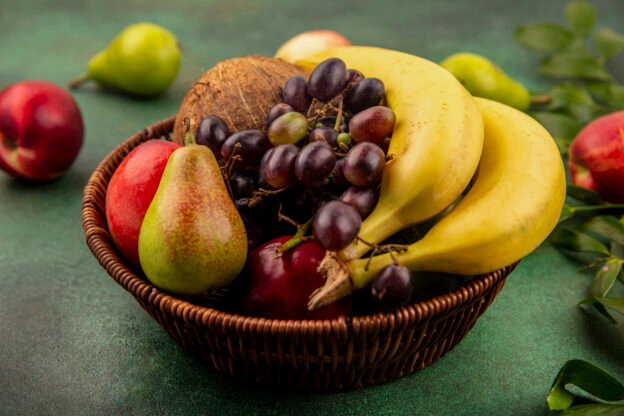
fruits for weight gain

Best Fruits for Weight Gain: Science-Backed Guide for Healthy Weight Gain

Fruits for weight gain are natural, nutrient-rich, and calorie-dense foods that help individuals increase healthy weight. Bananas, mangoes, avocados, dates, and dried fruits are excellent options as they provide energy, healthy fats, fiber, and essential vitamins while supporting a sustainable calorie surplus. Incorporating these fruits in daily meals can improve overall nutrition and facilitate weight gain naturally. Professionals and students in Kerala who want to build a career around evidence-based nutrition will find that our comprehensive nutrition courses in Kerala offer practical, science-backed training in diet planning, client assessment, and applied nutrition science that prepares them for real-world wellness careers.

Gaining weight in a healthy way is often more challenging than losing it, yet many people turn to processed foods or junk snacks, which harm overall health. Using natural options like fruits for weight gain offers a safe and sustainable approach. 

At NFNA (National Fitness and Nutrition Academy), we advocate evidence-based strategies to help individuals gain weight safely. By including fruits for weight gain in daily diets, you not only increase your calorie intake but also improve digestion, energy levels, and micronutrient intake. In this comprehensive guide, we share expert recommendations on the best fruits for weight gain and practical ways to include them in your meals.

Can Fruits Really Help in Weight Gain?

Understanding Calorie Surplus

Weight gain happens when the calories consumed exceed the calories burned through daily activity. Many individuals fail to gain weight because they:

  • Consume mainly low-calorie foods such as salads and soups
  • Have irregular meal patterns or skip meals
  • Avoid calorie-dense snacks due to fear of fat accumulation

Including fruits for weight gain in your diet can help solve these problems naturally. Fruits are not only calorie-rich but also provide essential nutrients that support overall health. By combining fruits with protein, healthy fats, and complex carbohydrates, you can create meals that promote a sustainable calorie surplus.

Why Fruits Are Useful for Weight Gain

Certain fruits are naturally high in calories, carbohydrates, and healthy fats. They also provide:

  • Natural sugars for immediate energy
  • Fiber for improved digestion and gut health
  • Vitamins and minerals to support metabolic functions
  • Healthy fats (like in avocado and coconut) for a dense source of calories

When strategically included, fruits for weight gain can be powerful tools to improve both your calorie intake and nutritional profile, making weight gain healthier and more sustainable. Students in Kolkata who are looking to turn their passion for health and food science into a recognised qualification will find that our comprehensive nutrition courses in Kolkata offer practical, evidence-based training in applied nutrition, meal planning, and client consultation across fitness and clinical settings.

Best Fruits for Weight Gain (Nutrition Expert Recommendations)

Here are the top fruits for weight gain recommended by NFNA experts, along with their benefits and ways to include them in your daily diet:

Bananas

  • High in carbohydrates and calories, making them easy to digest
  • Rich in potassium and vitamin B6, supporting energy metabolism
  • Provide about 100 calories per medium banana
  • Ways to include: banana milkshake, peanut butter banana smoothie, or oatmeal topping

Avocado

  • One of the highest-calorie fruits, loaded with monounsaturated fats
  • High in fiber and potassium for heart health
  • Supports healthy weight gain by increasing calorie intake without processed foods
  • Ways to include: avocado toast, smoothies, salads, or spreads

Mango

  • High in natural sugars and carbohydrates, giving quick energy
  • Contains vitamins A and C to support immunity and overall health
  • Ideal for weight gain due to its moderate calorie content and digestibility
  • Ways to include: mango smoothies, yogurt bowls, fruit salads, or mango lassi

Dates

  • Extremely calorie-dense and rich in natural sugars
  • Contain fiber, iron, and antioxidants to improve energy and gut health
  • Serve as a convenient pre-workout snack or post-meal energy booster
  • Ways to include: date milkshake, energy bars, or blended smoothies

Coconut (Fresh or Dry)

  • Contains medium-chain triglycerides (MCTs) and healthy fats
  • Dense in calories, supporting energy levels and weight gain
  • Helps enhance the taste and nutritional value of meals
  • Ways to include: coconut smoothies, chutneys, grated in curries, or baked dishes

Aspiring nutritionists and fitness professionals in Delhi who want to turn their passion for health and nutrition into a recognised career will find that our well-structured nutrition and fitness courses in Delhi offer comprehensive, practical training that covers applied nutrition, meal planning, and client consultation across fitness and clinical settings.

Grapes

  • Naturally sweet and high in simple sugars, perfect for snacking
  • Contain antioxidants, vitamins, and hydration benefits
  • Helps increase daily caloric intake without processed sugar
  • Ways to include: fruit bowls, smoothies, or yogurt toppings

Dried Fruits

  • Concentrated calories and nutrient-rich, making them excellent for weight gain
  • Examples include raisins, dried apricots, and dried figs
  • Portable and easy to add to meals or snacks
  • Ways to include: trail mix, oats, energy bars, or baked goods

By regularly including these fruits for weight gain in your diet, you ensure a steady increase in calories while supporting overall nutritional health.

How to Use Fruits Strategically for Weight Gain

Eating fruits alone may not always result in weight gain. To maximize benefits:

  • Pair fruits with protein-rich foods like Greek yogurt, milk, or nuts
  • Combine calorie-dense ingredients such as peanut butter, oats, or whole-grain bread
  • Make fruit-based smoothies and snacks for additional calorie intake

Examples:

  • Banana + Peanut Butter Smoothie for protein and healthy fats
  • Mango + Yogurt Smoothie for vitamins, minerals, and calories
  • Dates + Nuts for concentrated energy and fiber
  • Avocado + Whole Grain Toast for a nutrient-rich, calorie-dense meal

These combinations increase total calorie intake, provide balanced macronutrients, and ensure that your weight gain is both healthy and sustainable.

High-Calorie Fruit Smoothies for Weight Gain

Smoothies are one of the easiest ways to add calories and nutrients to your diet.

Banana Peanut Butter Smoothie (~450 kcal)

  • 1 banana
  • 1 cup milk
  • 2 tbsp peanut butter
  • 2 tbsp oats

Mango Yogurt Smoothie (~400 kcal)

  • 1 cup mango
  • 1 cup Greek yogurt
  • 1 tsp honey
  • ½ cup milk

Avocado Nut Smoothie (~500 kcal)

  • ½ avocado
  • 1 cup milk
  • 1 tbsp almond butter
  • 1 tsp honey

Smoothies combine fruits for weight gain with protein and healthy fats, making them convenient, high-calorie meals or snacks.

Common Mistakes When Using Fruits for Weight Gain

  1. Eating too little overall – A consistent calorie surplus is essential to gain weight
  2. Relying only on fruits – Healthy weight gain requires protein, complex carbs, and fats
  3. Skipping strength training – Exercise improves appetite, muscle gain, and nutrient utilization
  4. Ignoring timing – Spacing fruit intake around meals or workouts maximizes absorption and energy use

Expert Nutrition Tip from NFNA

At NFNA, we emphasize personalized, science-based diet planning. Every individual has different requirements:

  • Calorie needs vary depending on metabolism and activity level
  • Macronutrient ratios differ for each person
  • Personalized meal plans ensure healthy and sustainable weight gain

Our programs are designed by doctors, dietitians, and certified nutrition experts to teach evidence-based nutrition and practical diet planning strategies. Learning to combine fruits for weight gain with other calorie-dense foods is an essential skill for both personal health and professional practice. Those who are specifically looking to pursue a focused, career-oriented qualification will find that our dedicated dietician course provides specialised training in clinical nutrition, therapeutic diet planning, and patient assessment skills that are highly valued across hospitals, wellness centres, and private practice.

Final Thoughts

Healthy weight gain is about nutrient-dense foods, a calorie surplus, and balanced nutrition. Incorporating the right fruits for weight gain — bananas, mangoes, avocados, dates, and dried fruits — can naturally increase calorie intake while improving overall diet quality. Pair fruits with protein and healthy fats, or make smoothies for easy, high-calorie meals. With consistent planning and the right strategy, gaining weight can be both healthy and sustainable. Those looking for a broader qualification that integrates both nutrition and clinical dietetics will find that our comprehensive nutrition and dietician course offers an ideal combination of applied nutrition science and dietetics training designed to open doors across fitness, healthcare, and corporate wellness settings.

Read Our Latest Blogs

How Many Types Of Nutrition | How To Become A Fitness Trainer | What Is Fitness Certificate | Which Is True Of Fitness And Health | How To Keep Fit And Fine | Protein Rich Food For Hair Growth | Protein Rich Food For Pregnancy | Protein Rich Food Veg In India | Highest Protein Vegan Foods Per 100g | Low Cost High Protein Foods In India

Frequently Asked Questions

Q1: How can fruits help me gain weight naturally?

 A: Fruits provide calories, carbohydrates, fiber, and healthy fats that increase energy intake. Combining them with protein or calorie-dense foods supports a sustainable calorie surplus.

 A: Fruits alone are unlikely to provide enough protein or total calories for healthy weight gain. Combining them with nuts, milk, or yogurt ensures balanced nutrition.

 A: Avocado is highly calorie-dense and rich in healthy fats, making it one of the most effective fruits for weight gain. It also provides fiber and potassium for overall health.

 A: Dried fruits are calorie-concentrated, providing more energy per serving than fresh fruits. They help increase daily calorie intake when included as snacks or in meals.

 A: Bananas, mangoes, dates, avocados, coconuts, and dried fruits are ideal for beginners due to their high calories, natural sugars, and ease of inclusion in meals.

 A: Fruits provide essential vitamins, minerals, fiber, and antioxidants, whereas processed snacks are high in empty calories and unhealthy fats, which can harm health in the long term.

 A: Pair fruits with nuts, peanut butter, yogurt, oats, or whole-grain bread. Prepare smoothies or energy bars for convenient, calorie-dense meals.

 A: Smoothies can supplement meals but should not fully replace them. Combining fruits with protein and fats in smoothies ensures adequate macronutrients and calories for weight gain.
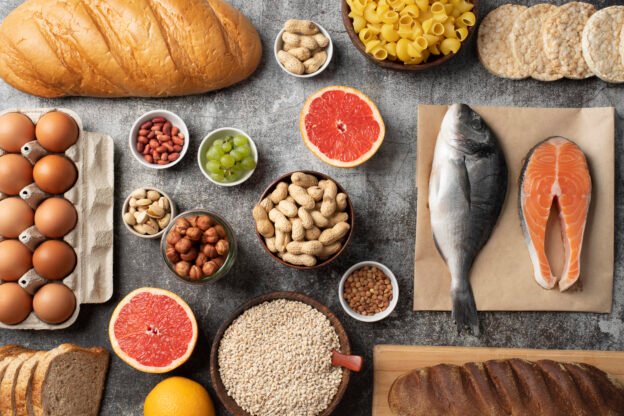
protein rich non veg food

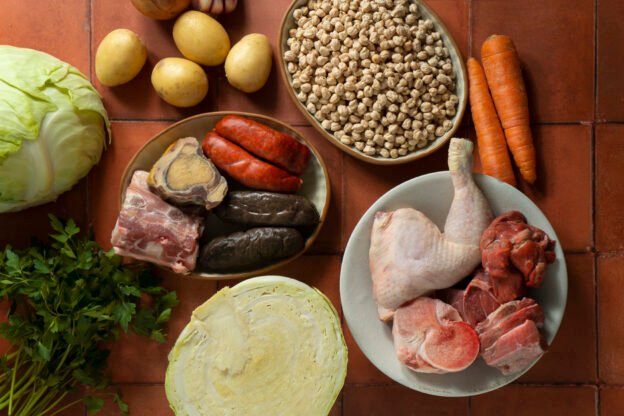
Protein Rich Non Veg Food: The Complete Guide to High-Protein Non-Vegetarian Foods for Muscle Growth, Fat Loss, and Overall Health

Protein rich non veg food is essential for building muscles, supporting fat loss, and maintaining overall health. Foods like eggs, chicken, fish, mutton, and prawns provide complete amino acids and essential nutrients. Including these foods regularly ensures you meet daily protein requirements and supports recovery, metabolism, and long-term wellness.

Getting sufficient protein is vital for fitness, health, and overall well-being. Many people struggle to meet their daily protein requirements even when eating a balanced diet. Protein rich non veg food such as eggs, chicken, fish, and mutton are among the most effective sources because they provide complete amino acids.  In this guide, we will explore the top protein rich non veg food options, how they benefit your body, and practical ways to include them in your diet.

Why Protein Is Essential for the Human Body

Protein is more than just a nutrient for muscle building. It is a fundamental building block for every cell in your body. Protein rich non veg food provides amino acids that the body cannot produce on its own, ensuring proper growth, repair, and optimal functioning.

Role of Protein in Muscle Growth

Protein rich non veg food is crucial for building and maintaining muscle mass. Eating adequate protein helps:

  • Repair micro-tears in muscles caused by exercise
  • Promote lean mass development and strength
  • Reduce recovery time after workouts and prevent muscle fatigue
  • Support endurance and performance in athletic activities

Protein for Weight Loss and Fat Loss

In addition to muscle growth, protein rich non veg food is highly effective for weight management because it:

  • Promotes a feeling of fullness and reduces hunger, which helps prevent overeating
  • Boosts metabolism as protein requires more energy to digest than fats or carbohydrates
  • Supports fat loss while preserving lean muscle tissue, ensuring a toned and healthy physique

Protein for Overall Health

Beyond fitness goals, protein rich non veg food is essential for overall wellness. It contributes to:

  • Hormone production, including insulin and growth hormones
  • Strong immune system function, protecting against infections and illnesses
  • Enzyme formation that regulates vital biochemical processes in the body
  • Maintenance of healthy skin, hair, and nails

Professionals and students in Bangalore who want to build a career around evidence-based nutrition will find that our comprehensive nutrition courses in Bangalore offer practical, science-backed training in diet planning, client assessment, and applied nutrition science that prepares them for real-world wellness careers.

Daily Protein Requirement – How Much Do You Really Need?

Protein needs vary depending on age, lifestyle, and fitness goals. Consuming adequate protein rich non veg food ensures your body functions optimally.

Protein Requirements Based on Lifestyle

  • Sedentary adults require approximately 0.8 to 1 gram of protein per kilogram of body weight
  • Active individuals or those engaging in moderate exercise need around 1.2 to 1.7 grams per kilogram
  • People aiming for muscle gain require 1.6 to 2.2 grams per kilogram to support muscle repair and growth
  • Individuals focusing on weight loss need 1.6 to 2 grams per kilogram to maintain muscle mass while reducing body fat

Factors Affecting Protein Needs

  • Age: Older adults require more protein to prevent muscle loss
  • Activity Level: Athletes and highly active individuals need higher intake
  • Body Weight and Composition: People with more lean mass or higher weight may require additional protein
  • Fitness Goals: Muscle gain, fat loss, or maintaining overall health influences protein requirements

Students in Chennai who are passionate about nutrition science and want to build practical skills in diet planning and client management will find that our structured nutrition courses in Chennai offer evidence-based education designed to prepare them for careers in fitness, wellness, and clinical nutrition.

Top 10 Protein Rich Non Veg Food Sources

Non-vegetarian foods are considered complete proteins because they contain all essential amino acids. Consuming a variety of protein rich non veg food ensures your body receives the nutrients it needs for strength, recovery, and overall wellness.

Eggs – Affordable Complete Protein

  • Each egg provides around 6 grams of protein
  • Rich in vitamins B12, D, and choline, which supports brain health
  • Affordable and widely available from trusted brands
  • Ideal for breakfast or post-workout meals

Chicken Breast – Lean Protein Powerhouse

  • High protein content of about 31 grams per 100 grams
  • Very low in fat, making it perfect for fat loss diets
  • Popular among athletes for strength and endurance
  • Versatile for salads, grilled meals, or curries

Fish – Protein with Healthy Fats

  • Provides 20 to 25 grams of protein per 100 grams
  • Contains omega-3 fatty acids for heart and brain health
  • Supports faster muscle recovery after workouts
  • Can be included in lunches, dinners, or meal prep plans

Mutton – Nutrient Dense Protein

  • Offers around 25 grams of protein per 100 grams
  • Rich in iron and vitamin B12 to prevent anemia and boost energy
  • Supports metabolism and overall vitality
  • Best consumed in moderation for balanced nutrition

Prawns – Low-Calorie, High Protein

  • Approximately 24 grams of protein per 100 grams
  • Low in fat and calories, ideal for weight-conscious individuals
  • Rich in selenium, iodine, and other micronutrients
  • Perfect for salads, stir-fries, or light meals

Aspiring nutritionists and fitness professionals in Hyderabad who want to turn their interest in food science into a recognised qualification will find that our well-structured nutrition courses in Hyderabad offer comprehensive, practical training that covers applied nutrition, meal planning, and client consultation across fitness and clinical settings.

Turkey – Lean Protein for Muscle Building

  • Contains 29 grams of protein per 100 grams
  • Low in fat, making it a preferred choice for lean muscle gain
  • Excellent source of tryptophan, supporting sleep and recovery
  • Can be grilled, baked, or included in sandwiches

Tuna – Protein Rich Food for Athletes

  • Provides 30 grams of protein per 100 grams
  • Highly convenient for meal prep and quick protein intake
  • Supports strength training and post-workout recovery
  • Can be added to salads, sandwiches, or light curries

Sardines – Protein + Omega-3 Combination

  • Contains 20 grams of protein per 100 grams
  • Anti-inflammatory properties promote joint and heart health
  • Supports bone density with calcium content
  • Ideal for those seeking heart-healthy protein rich non veg food

Duck Meat – Protein with Healthy Fats

  • Offers 19 grams of protein per 100 grams
  • Provides energy-dense nutrients and moderate healthy fats
  • Rich in iron and B vitamins
  • Best consumed in balanced portions alongside vegetables

Organ Meats (Liver, Kidney)

  • Extremely nutrient-dense, providing 20–25 grams of protein per 100 grams
  • Rich in vitamins A, B12, iron, and other essential minerals
  • Supports metabolism, energy production, and overall health
  • Should complement other lean protein sources rather than replace them

How to Include Protein Rich Non Veg Food in Your Daily Diet

High-Protein Breakfast Ideas

  • Egg omelette with vegetables or low-fat cheese
  • Boiled eggs with whole-grain toast
  • Egg bhurji served with multi-grain bread

Protein Rich Lunch Options

  • Grilled chicken with brown rice and sautéed vegetables
  • Fish curry made with olive oil and spices
  • Chicken salad with seeds, nuts, and fresh greens

High-Protein Dinner Meals

  • Chicken or turkey soup with vegetables
  • Grilled fish with quinoa or millet
  • Lean meat bowls with seasonal vegetables

Common Mistakes People Make While Consuming Protein

Relying Only on One Protein Source

Eating only chicken or eggs may cause nutrient gaps. Variety in protein rich non veg food ensures balanced nutrition.

Not Meeting Daily Protein Targets

Many underestimate protein requirements, slowing muscle growth and recovery. Track intake using portion sizes.

Overlooking Meal Timing

Consuming protein throughout the day maximizes absorption and muscle protein synthesis.

Ignoring Protein Quality

Not all protein is equal. Prioritize complete protein rich non veg food for maximum benefits.

Protein Rich Non Veg Food for Different Fitness Goals

For Muscle Gain

  • Chicken breast
  • Eggs
  • Fish

For Weight Loss

  • Lean chicken
  • Tuna
  • Prawns

For General Health

  • Fish
  • Eggs
  • Mixed protein sources like turkey and organ meats

Sample High-Protein Non-Vegetarian Meal Plan

Breakfast: Egg omelette with vegetables and whole grain toast
Lunch: Grilled chicken with brown rice and salad
Snack: Boiled eggs or turkey slices
Dinner: Fish curry with steamed vegetables and quinoa

Why Learning Nutrition Science Matters

Many people follow diets without understanding the science behind them. Learning nutrition science allows you to:

  • Build personalized, evidence-based meal plans
  • Optimize protein intake from protein rich non veg food
  • Improve long-term health and fitness results
  • Make informed choices about foods, brands, and portion sizes

At NFNA, students gain practical, evidence-based nutrition education combined with real-world diet planning skills.

How NFNA Trains Future Nutrition Professionals

  • Evidence-based nutrition education
  • Practical diet planning for fitness and clinical scenarios
  • Hands-on client consultation and assessment skills
  • One of India’s leading academies, training thousands of students for careers in wellness

Students in Pune who are ready to build a professional foundation in nutrition and fitness will find that our well-structured nutrition courses in Pune offer comprehensive, evidence-based training in diet planning, applied nutrition science, and client management that prepares them for successful careers across the health and wellness industry.

Read Our Latest Blogs

How Many Types Of Nutrition | How To Become A Fitness Trainer | What Is Fitness Certificate | Which Is True Of Fitness And Health | How To Keep Fit And Fine | Protein Rich Food For Hair Growth | Protein Rich Food For Pregnancy | Protein Rich Food Veg In India | Highest Protein Vegan Foods Per 100g | Low Cost High Protein Foods In India

Frequently Asked Questions

Q1. How can I increase protein intake using non-veg foods?

Incorporate eggs, chicken, fish, mutton, and organ meats into every meal. Spread protein intake throughout the day for optimal absorption.

Excessive protein may stress kidneys in susceptible individuals. Stick to your daily protein requirement based on body weight and activity level.

Both are excellent protein sources. Fish adds healthy omega-3 fats while chicken is leaner and ideal for fat loss. Combining both provides variety and nutrients.

Yes. It increases satiety, preserves lean muscle, and supports metabolism, which enhances fat loss during calorie deficit diets.

Chicken breast, eggs, tuna, turkey, and fish are ideal due to high protein density, low fat, and complete amino acid profiles.

Complete proteins contain all essential amino acids necessary for muscle repair, enzyme production, hormone regulation, and overall health.

Use eggs, fish, or small portions of chicken along with plant-based proteins like lentils or tofu to maintain balance and variety.

Organ meats are nutrient-dense and provide vitamins and minerals, but should complement lean protein sources rather than replace them entirely.

low cost high protein foods in india

Low Cost High Protein Foods in India: Ultimate Guide for Health, Muscle, and Budget

Low cost high protein foods in India include pulses like moong dal, chana, and rajma, dairy products such as paneer and milk, eggs, soya chunks, and sprouts. These foods provide essential protein to support muscle growth, immunity, weight management, and overall health, and can easily be included in daily Indian meals.

Protein is a vital nutrient required for muscle repair, tissue growth, immune support, and overall wellness. Contrary to popular belief, high-protein diets do not have to be expensive. By focusing on affordable, high-protein foods available in India, such as pulses, legumes, dairy, eggs, and soya products, anyone can meet their daily protein needs. This guide will show practical ways to include these foods in your diet, along with simple meal ideas and tips to maximize protein absorption and nutrition. For those looking to deepen their knowledge, a dietician course in India can provide comprehensive insights into nutrition, diet planning, and wellness.

What Makes a Food High Protein?

Protein is a macronutrient that plays a critical role in the body. It is required for muscle repair, enzyme production, hormone regulation, and immune function. In India, the average recommended daily protein intake ranges from 0.8 to 1.2 grams per kilogram of body weight, depending on age, gender, and activity level. A high-protein food is generally considered one that provides 10 grams or more of protein per serving, although this varies with portion size.

Choosing low-cost high-protein foods in India is particularly important because many traditional Indian diets rely heavily on carbohydrates and vegetables. Including affordable protein sources like pulses, dairy, eggs, and legumes ensures that you meet your protein needs without overspending, which is essential for maintaining health, supporting fitness goals, and building lean muscle. To learn more about nutrition and practical fitness applications, you can explore a fitness trainer course in Kerala.

Benefits of Including High Protein Foods in Your Diet

Adding low cost high protein foods in India to your diet has multiple health benefits that go beyond just muscle building.

  • Weight Management: Protein-rich foods increase satiety and reduce overall calorie intake. Meals that contain protein help you feel fuller for longer, making it easier to manage weight naturally.
  • Muscle Growth and Recovery: Adequate protein intake supports muscle repair and growth, which is vital for anyone engaging in physical activity, strength training, or sports.
  • Boosts Immunity: Protein is essential for producing antibodies and immune system cells. Regular consumption of protein-rich foods strengthens your body’s defense mechanisms.
  • Improved Metabolism: High-protein diets increase the thermic effect of food, which means your body burns more calories during digestion. This also helps regulate blood sugar levels and improves overall metabolic health.
  • Bone Health and Tissue Repair: Proteins like those found in low cost high protein foods in India contribute to bone strength and tissue regeneration, especially important as you age.

Top 20 Low Cost High Protein Foods in India

Here’s a categorized list for easier meal planning:

Category

Food

Protein per 100g

Pulses & Legumes

Moong dal (yellow gram)

24g


Chana dal (split chickpeas)

21g


Whole chickpeas (chana)

19g


Rajma (kidney beans)

20g


Black gram (urad dal)

25g

Nuts & Seeds

Peanuts (groundnuts)

25g


Flax seeds (alsi)

18g


Sunflower seeds

20g

Dairy & Alternatives

Paneer (cottage cheese)

18g


Curd (dahi)

3–4g


Milk (cow/buffalo)

3–4g per 100ml

Eggs & Animal-Based

Eggs

6–7g per egg

Other Protein Boosters

Soya chunks

52g


Sprouts

7–8g


Tofu

8g


Oats + milk mix

10g per serving


Peanut chutney

8g per serving


Besan (gram flour) preparations

21g


Sprouted moong salad

7–8g

Including a combination of these foods ensures a balanced intake of protein throughout the day, making it possible to meet nutritional requirements without relying on expensive supplements.

Quick and Cost-Effective Indian Meals Rich in Protein

  • High-protein dal with rice
  • Chana masala served with roti
  • Egg bhurji or paneer bhurji
  • Sprouts chaat with vegetables
  • Peanut butter with chapati or whole wheat bread
  • Moong dal chilla or besan pancakes
  • Rajma curry with steamed rice
  • Tofu or soya chunks stir fry with vegetables

All of these meals are budget-friendly, easy to prepare, and incorporate multiple low cost high protein foods in India, allowing you to enjoy a nutritious and satisfying diet daily.

How to Maximize Protein Absorption

  • Combine legumes with grains: Pairing pulses with rice, roti, or millets provides a complete amino acid profile, improving the body’s ability to use protein effectively.
  • Include vitamin C-rich foods: Foods like tomatoes, lemon, and bell peppers help enhance protein absorption from plant sources.
  • Avoid overcooking protein: Excessive cooking can degrade protein quality, so cook pulses, eggs, and vegetables just enough to retain nutrients.
  • Balance meals throughout the day: Spreading protein intake across breakfast, lunch, and dinner ensures better absorption and utilization by the body.

Sample Weekly Diet Plan Using Low Cost High Protein Foods in India

Breakfast: Moong dal chilla with chutney – 12–15 grams of protein
Lunch: Rajma with steamed rice – 18–20 grams of protein
Snacks: Peanut chaat or sprouts salad – 10–12 grams of protein
Dinner: Paneer curry with roti – 15–18 grams of protein

This plan demonstrates that it is entirely feasible to meet protein requirements while staying within a modest budget using low cost high protein foods in India.

Common Misconceptions About Protein

  • Only meat gives enough protein: Pulses, legumes, eggs, paneer, soya, and dairy can easily meet protein requirements.
  • Expensive supplements are necessary: Whole foods are more cost-effective, nutrient-dense, and better absorbed than most protein powders.
  • Dairy causes weight gain:  Moderate consumption of milk, curd, and paneer contributes to protein intake without causing unnecessary fat gain. For a deeper understanding of dietary planning and managing protein sources, consider enrolling in a dietician course in Bangalore.
  • Vegetarian diets cannot provide enough protein: With smart planning, vegetarian diets using low cost high protein foods in India provide sufficient protein.

Conclusion

Including low cost high protein foods in India in your daily diet is not only feasible but also essential for building muscle, boosting immunity, and supporting overall health. Pulses, legumes, dairy, eggs, soya products, and nuts can help you meet protein requirements without overspending. By planning meals thoughtfully and combining different protein sources, you can enjoy a nutritious, satisfying, and affordable diet that supports long-term health and fitness goals. Start small, remain consistent, and your body will benefit from the power of protein-rich foods every day.

Want to turn nutrition knowledge into a career? Join National Fitness and Nutrition Academy (NFNA) for evidence-based training, industry-recognized certification, and practical skills to design protein-rich, healthy meal plans. Enroll today and start making an impact!

Read Our Latest Blogs:

How Much Protein In A Banana | How Much Protein In Soya Chunks | How Much Protein In 1 Glass Milk | How Much Protein In Paneer | Does Curd Have Protein | How Much Protein In Moong Dal | How Much Protein In Sprouts | When To Consume Whey Protein | Which Organelle Is Responsible For Protein Synthesis | How To Keep Fit And Fine

Frequently Asked Questions

Q1. How can I include low cost high protein foods in India in every meal?

Include pulses, legumes, eggs, paneer, soya chunks, or sprouts in your meals. For example, start with dal chilla for breakfast, rajma with rice for lunch, and paneer or egg dishes for dinner.

Yes, vegetarians can meet daily protein needs by combining pulses, legumes, dairy, tofu, and sprouts, ensuring a variety of amino acids.

Soya chunks provide higher protein per 100 grams, while eggs offer complete proteins with essential amino acids. Both are excellent sources depending on dietary preference.

Yes, protein increases satiety, preserves lean muscle during calorie restriction, and helps regulate metabolism, supporting weight loss.

Affordable options include moong dal, chana, rajma, paneer, eggs, milk, soya chunks, and peanuts, which are readily available in most Indian households.

Proteins help produce antibodies and immune cells, which are critical for fighting infections and maintaining overall health.

Combine affordable staples like dal, rice, chana, roti, sprouts, or eggs. Simple meals like chana masala with roti or moong dal chilla with chutney are cost-effective and protein-rich.

Yes, incorporating low cost high protein foods in India daily is safe and beneficial. Spread protein intake across meals for optimal absorption and sustained energy.

highest protein vegan foods per 100g

The Highest Protein Vegan Foods per 100g – Ultimate Guide to Plant-Based Protein

The highest protein vegan foods per 100g are plant-based options that provide the most protein per weight, making it easier to meet daily protein requirements. Top choices include seitan, hemp seeds, nutritional yeast, tempeh, tofu, lentils, and quinoa. Incorporating these foods into your diet supports muscle building, metabolic health, and overall wellness.

This comprehensive guide explores the top protein-rich vegan foods, their health benefits, and practical ways to include them in your daily meals for optimal nutrition and well-being.

What Is Protein and Why It Matters on a Vegan Diet

Protein is one of the most important macronutrients in the human diet. It plays a key role in building and repairing muscles, producing enzymes, supporting hormone balance, maintaining immune function, and providing energy. While animal-based foods are commonly known for their protein content, it is entirely possible to meet protein needs on a vegan diet by focusing on the highest protein vegan foods per 100g. These plant-based options provide concentrated protein, ensuring that you can get sufficient amounts without consuming excessive calories or processed foods. For those interested in learning more about nutrition professionally, consider enrolling in a dietician course in India to gain in-depth knowledge of diet planning and holistic health.

Consuming high-protein plant foods supports not just muscle maintenance but also satiety, meaning you feel full for longer, which can be helpful for weight management. By including protein-dense foods in each meal, vegans can achieve balanced nutrition while also supporting metabolic health.

Protein Needs by Age & Activity Level

Group

Protein (g/kg body weight)

Sedentary adults

0.8–1.0

Recreational athletes

1.2–1.6

Strength athletes

1.6–2.2

Weight loss

1.2–1.6

Muscle gain

1.6–2.0

Using protein per 100g comparisons helps prioritize foods that deliver maximum protein with fewer calories. 

How to Identify the Highest Protein Vegan Foods per 100g

The term highest protein vegan foods per 100g refers to plant-based foods that contain the greatest amount of protein for every 100 grams of weight. By focusing on these foods, you can maximize your protein intake without significantly increasing your overall calorie intake. Nutrient-dense foods are essential for vegans because they not only provide protein but also other vital nutrients such as iron, calcium, zinc, and omega-3 fatty acids.

Reliable sources for protein values include national food composition databases, nutritional research studies, and scientific literature. By consulting these sources, you can identify foods that are genuinely protein-rich per 100 grams and incorporate them into your diet strategically. For individuals looking to turn their knowledge into a career, a fitness trainer course provides practical skills in nutrition, exercise, and overall wellness.

Top Vegan Foods with the Highest Protein per 100g

Legumes

  • Legumes are among the most versatile plant-based protein sources. They are rich in fiber, vitamins, minerals, and provide substantial protein per 100 grams.
  • Lentils provide around 9 grams of protein per 100 grams and are also high in iron and folate. They can be added to soups, stews, salads, or made into lentil-based patties.
  • Chickpeas contain approximately 9 grams of protein per 100 grams and are excellent for heart health and satiety. They can be roasted for snacks, blended into hummus, or added to curries.
  • Edamame provides about 11 grams of protein per 100 grams and is rich in antioxidants, vitamins, and minerals. Steam, stir-fry, or eat edamame as a simple snack.

Seeds and Nuts

Seeds and nuts are concentrated sources of protein and healthy fats.

  • Hemp seeds provide an impressive 32 grams of protein per 100 grams and are a complete protein, containing all essential amino acids. Sprinkle them on salads, smoothies, or cereals.
  • Chia seeds have 17 grams of protein per 100 grams and are also high in fiber and calcium. Add them to puddings, oatmeal, or use as an egg replacement in recipes.
  • Pumpkin seeds contain 19 grams of protein per 100 grams and are rich in magnesium and zinc. They can be roasted or added to granola and salads.
  • Almonds provide 21 grams of protein per 100 grams along with vitamin E and healthy fats. Use them as a snack, in nut butter, or add to desserts.

Soy and Soy-Based Foods

Soy products are highly versatile and protein-rich.

  • Tofu contains approximately 12 grams of protein per 100 grams and is an excellent source of calcium and iron. It can be grilled, stir-fried, or baked.
  • Tempeh has about 19 grams of protein per 100 grams and offers probiotics from fermentation, aiding digestion. It is ideal for pan-frying, stir-frying, or baking.
  • Soy milk provides around 7 grams of protein per 100 grams and is often fortified with vitamins and minerals. Use it in smoothies, cereals, or cooking.

Whole Grains and Pseudocereals

Whole grains and pseudocereals are important sources of protein and essential nutrients.

  • Quinoa offers 14 grams of protein per 100 grams and is a complete protein. It is excellent in salads, bowls, or as a rice substitute.
  • Oats contain 13 grams of protein per 100 grams and are rich in beta-glucan fiber, which supports heart health. Use them as porridge or in baking.
  • Buckwheat also provides 13 grams of protein per 100 grams and is high in magnesium and antioxidants. It can be used in pancakes, porridge, or baked goods.

Other High-Protein Plant Foods

  • Peas provide about 5 grams of protein per 100 grams and are also rich in vitamins and antioxidants. Add them to soups, curries, or stir-fries.
  • Seitan is exceptionally high in protein, offering 25 grams per 100 grams. It is made from wheat gluten and works well as a meat alternative in stir-fries, sandwiches, and salads.
  • Nutritional yeast contains an incredible 50 grams of protein per 100 grams and is packed with B-vitamins. It can be sprinkled on popcorn, pasta, or used in sauces for a cheesy flavor.

Complete vs Incomplete Plant Proteins

A complete protein contains all nine essential amino acids. While many plant foods are incomplete proteins, combining foods like grains and legumes can create complete proteins. For example, rice combined with lentils forms a complete protein. Those interested in understanding the science behind protein and diet can explore a dietician course in Bangalore to gain in-depth knowledge and practical skills.

By focusing on the highest protein vegan foods per 100g and combining different sources throughout the day, vegans can achieve a complete amino acid profile, supporting muscle growth, recovery, and overall health.

How to Boost Protein Intake on a Vegan Diet

  • Include more legumes, tofu, tempeh, and seitan in daily meals.
  • Use nuts and seeds as snacks or toppings.
  • Incorporate protein-rich grains like quinoa, oats, and buckwheat.
  • Consider plant-based protein powders for convenience, especially post-workout.
  • Replace lower-protein foods with higher-protein alternatives to maximize nutrient efficiency.

Sample High-Protein Vegan Meal Plan

Meal

Foods

Protein

Breakfast

Oats (100g) + Chia seeds (20g) + Soy milk (200ml)

16g

Snack

Almonds (30g)

6g

Lunch

Quinoa (100g) + Lentils (100g) + Vegetables

23g

Snack

Edamame (100g)

11g

Dinner

Tofu (150g) stir-fry + Buckwheat (100g)

29g

Total Protein: ~85g


Tips: Spread protein intake throughout the day, include high-protein snacks, and combine complementary plant proteins.

Advance Your Nutrition Knowledge

Take your understanding of plant-based protein further with NFNA (National Fitness and Nutrition Academy). Gain evidence-based nutrition and fitness skills, design personalized diet plans, and become a certified expert.

Enroll today and master nutrition science with NFNA!

Read Our Latest Blogs:

How Much Protein In A Banana | How Much Protein In Soya Chunks | How Much Protein In 1 Glass Milk | How Much Protein In Paneer | Does Curd Have Protein | How Much Protein In Moong Dal | How Much Protein In Sprouts | When To Consume Whey Protein | Which Organelle Is Responsible For Protein Synthesis | How To Keep Fit And Fine

Frequently Asked Questions

Q1. How can I get enough protein on a vegan diet?

Focus on foods with the highest protein vegan foods per 100g. Include legumes, soy products, seeds, nuts, and whole grains in each meal to ensure sufficient protein intake.

 Yes. Consuming a variety of high-protein vegan foods per 100g like tofu, tempeh, seitan, and lentils provides all the necessary amino acids for muscle growth when combined with resistance training.

Seitan contains 25 grams of protein per 100 grams, whereas tofu has 12 grams. Both are excellent plant-based protein sources, but seitan is more protein-dense while tofu offers additional calcium and iron.

 Yes. Combining foods like rice and lentils creates a complete protein containing all essential amino acids, which is crucial for vegans relying on plant-based protein sources.

 Seitan, hemp seeds, nutritional yeast, tempeh, tofu, almonds, lentils, quinoa, and chia seeds are among the highest protein vegan foods per 100g.

 Protein per 100 grams allows for efficient planning, ensuring that vegans meet daily protein goals without overconsuming calories or relying on processed foods.

 Use roasted chickpeas, pumpkin seeds, almonds, hemp seeds, or nutritional yeast on popcorn or salads to boost protein content efficiently.

 Track grams of protein per 100 grams of each food and plan meals around highest protein vegan foods per 100g to ensure daily requirements are met while maintaining a balanced diet.

protein rich food veg in india

Protein Rich Food Veg in India: Comprehensive Guide for Health, Fitness, and Nutrition

The best protein rich food veg in India includes lentils like moong dal, chana dal, rajma, and black-eyed peas, along with paneer, curd, Greek yogurt, soy chunks, tofu, sprouts, nuts, seeds, millets, and quinoa. Combining cereals and pulses ensures complete protein intake. Adults need 0.8 to 1.6 grams of protein per kilogram of body weight daily depending on activity levels.

Vegetarian diets are becoming increasingly popular in India, especially among fitness enthusiasts, athletes, and health-conscious individuals. This guide will help you explore the top protein rich food veg in India, their benefits, and practical ways to include them in your diet for optimal nutrition and wellness. For those interested in turning this knowledge into a professional career, a dietician course in India offers comprehensive training in nutrition, diet planning, and health management.

What Is Protein and Why It’s Essential

Protein is a macronutrient composed of amino acids, which are essential for building and repairing muscles, tissues, enzymes, and hormones. It also plays a vital role in supporting immunity, hormone production, and maintaining healthy skin, hair, and nails.

Importance of Protein

Including protein rich food veg in India in your diet ensures:

  • Muscle repair and growth after physical activity
  • Production of enzymes and hormones
  • Enhanced immunity and body function
  • Improved skin, hair, and nail health
  • Satiety and appetite control, supporting weight management

Daily Protein Requirement (General Guidelines)

Category

Recommended Intake

Sedentary Adults

0.8 g per kg body weight

Active Individuals

1.0–1.2 g per kg

Strength Training

1.2–1.6 g per kg

Elderly

1.0–1.2 g per kg

By incorporating protein rich food veg in India, these requirements can be met without relying on animal-based sources.

Top Protein Rich Food Veg in India

Here is a detailed guide to the best protein rich food veg in India, grouped into categories for easy understanding. These foods can be included in daily meals to boost protein intake naturally.

Pulses and Legumes

Pulses and legumes are foundational to Indian vegetarian diets and are rich in protein and fiber.

  • Moong Dal – Highly digestible and ideal for daily meals
  • Chana Dal and Chickpeas – Versatile and nutrient-dense
  • Rajma (Kidney Beans) – Provides protein and fiber for fullness
  • Black Eyed Peas – Regional favorite with excellent protein content
  • Lentils – Staple in soups, curries, and salads for added protein

Including these pulses regularly ensures a steady supply of protein while maintaining digestive health. For those looking to deepen their expertise and apply it professionally, enrolling in a dietician course in Bangalore provides structured learning on nutrition, diet planning, and wellness management.

Dairy and Dairy Alternatives

Dairy products provide concentrated protein and additional benefits like calcium and probiotics.

  • Paneer (Cottage Cheese) – Excellent protein source, especially for muscle building
  • Curd – Supports digestion with probiotics and adds moderate protein
  • Greek Yogurt – High in protein and perfect for snacks or smoothies
  • Milk – Easy daily source of protein for adults and children
  • Soy Milk – Plant-based alternative for those who avoid dairy

These options make it easy to include protein rich food veg in India in breakfast, snacks, or main meals.

Nuts, Seeds, and Grains

Nuts, seeds, and grains are calorie-dense but provide significant protein along with healthy fats and micronutrients.

  • Almonds – Rich in protein and heart-healthy fats
  • Peanuts – Affordable and high in protein
  • Chia Seeds – Omega-3 rich with moderate protein content
  • Flaxseeds – Fiber-rich and aids in digestion while boosting protein intake
  • Quinoa – Complete plant-based protein containing all essential amino acids
  • Millets (Ragi, Bajra) – Traditional Indian grains providing protein and energy

These are excellent additions to breakfast, salads, or snacks to boost your daily protein intake. To learn more about integrating nutrition into fitness and wellness professionally, you can explore fitness and nutrition courses that cover diet planning, exercise science, and holistic health.

Soy-Based Options

Soy-based foods are among the highest protein sources for vegetarians.

  • Soya Chunks – Extremely high in protein, perfect for lunch or dinner
  • Tofu – Versatile in cooking, rich in plant-based protein, and easy to digest

Soy is particularly beneficial for those looking to increase protein intake without dairy.

Vegetables and Sprouts

Certain vegetables and sprouts also contribute to protein intake and provide essential micronutrients.

  • Green Peas – Versatile, high in protein, and fiber-rich
  • Spinach – Offers protein along with iron and other nutrients
  • Amaranth Leaves – Good source of protein and vitamins
  • Sprouted Moong and Chana – Protein content increases after sprouting, enhancing digestibility and nutrient absorption

Including these foods ensures variety and nutrient density in a vegetarian diet.

How to Combine Veg Proteins for Complete Nutrition

Plant proteins may lack certain essential amino acids individually. Combining cereals, pulses, legumes, and seeds ensures a complete amino acid profile.

Effective Combinations in Indian Diets

  • Dal with Rice – Traditional and nutritionally complete
  • Rajma with Brown Rice – Popular North Indian meal for protein and fiber
  • Chole with Millet Roti – High-protein meal for sustained energy
  • Sprouts mixed with Vegetables – Protein-rich salad option
  • Peanut or Soy Chutney with Idli or Dosa – Breakfast option for balanced protein

These combinations make protein rich food veg in India complete and suitable for all age groups and fitness levels.

Benefits of Plant-Based Protein for Indians

Eating protein-rich vegetarian foods provides numerous benefits:

  • Supports muscle growth and repair
  • Aids in weight management through increased satiety
  • Improves heart health by reducing saturated fat intake
  • Provides digestive health benefits through fiber
  • Sustainable, cost-effective, and widely available across India

By choosing the right protein rich food veg in India, vegetarians can meet all essential protein requirements without animal products.

Common Myths About Vegetarian Protein

Many misconceptions exist around vegetarian protein:

  • Vegetarians cannot get enough protein – False. A combination of dal, soy, paneer, and nuts can meet daily needs
  • Plant proteins are incomplete – False. Combining cereals and pulses creates complete proteins
  • Supplements are necessary for muscle gain – False. Whole foods like paneer, legumes, soy, and nuts provide sufficient protein

Understanding these myths helps encourage a balanced and informed vegetarian diet.

Sample 1-Day High-Protein Vegetarian Meal Plan

A practical day of high-protein meals using protein rich food veg in India:

  • Breakfast – Sprouts chaat with vegetable upma
  • Mid-Morning Snack – Greek yogurt with almonds
  • Lunch – Rajma with brown rice and mixed salad
  • Evening Snack – Roasted chana with green tea
  • Dinner – Paneer bhurji with multigrain roti and vegetable curry

This plan provides around 60–80 grams of protein, depending on portion sizes, and includes diverse protein rich food veg in India.

Transform Your Nutrition Knowledge with NFNA

If you want personalized guidance on protein targets, diet plans, and evidence-based nutrition, then National Fitness and Nutrition Academy is your trusted partner. NFNA is India’s first academy offering research-backed education in fitness and nutrition, with expert faculty, practical skills, and certifications.

Whether you want to design high-protein vegetarian meal plans, improve your personal health, or build a career in wellness, NFNA equips you with the knowledge and tools to succeed.

Enroll today to unlock science-based nutrition strategies, master protein rich food veg in India, and confidently achieve your wellness goals.

Conclusion

Indian diets are rich in protein rich food veg in India. From dals, legumes, paneer, and dairy to soy, nuts, seeds, and millets, vegetarians have abundant options to meet their protein requirements.

By including these foods daily, combining them strategically, and planning meals thoughtfully, vegetarians can build muscle, maintain weight, and improve overall health naturally. With the wide variety of protein rich food veg in India, achieving your fitness and nutrition goals is entirely possible.

Read Our Latest Blogs:

How Much Protein In A Banana | How Much Protein In Soya Chunks | How Much Protein In 1 Glass Milk | How Much Protein In Paneer | Does Curd Have Protein | How Much Protein In Moong Dal | How Much Protein In Sprouts | When To Consume Whey Protein | Which Organelle Is Responsible For Protein Synthesis | How To Keep Fit And Fine

Frequently Asked Questions

What is the best protein rich food veg in India?

The best sources include soy chunks, paneer, moong dal, chana, rajma, sprouts, and quinoa. These foods provide high protein and essential amino acids.

Vegetarians can include lentils, legumes, dairy, soy products, nuts, seeds, and millets. Combining cereals with pulses ensures complete protein intake.

Sedentary adults require 0.8 grams per kilogram of body weight, while active individuals may need up to 1.6 grams per kilogram daily.

Yes, consuming sufficient protein rich food veg in India combined with resistance training can support muscle growth.

For most people, yes. If total daily protein is sufficient, plant-based sources can replace whey without compromising results.

Yes. Paneer is a high-protein, nutrient-dense food ideal for daily consumption in moderation.

Including dal can aid weight loss due to its high protein and fiber content, which increases satiety and reduces overall calorie intake.

Vegetarians rely on protein rich food veg in India for essential amino acids. Adequate protein supports muscles, immunity, hormone balance, and overall health.

protein rich food for pregnancy

Protein Rich Food for Pregnancy: A Complete and Practical Guide for Expecting Mothers

Protein rich food for pregnancy is essential for the healthy growth of your baby’s organs, muscles, brain, and tissues while also supporting the mother’s increased blood volume, hormonal balance, and energy needs. Most pregnant women require about 1.1 grams of protein per kilogram of body weight daily, which usually equals 70 to 75 grams per day depending on individual factors.

Many women focus on vitamins and minerals during pregnancy, but protein is equally critical. A consistent intake of protein rich food for pregnancy supports steady fetal growth, strengthens maternal tissues, and helps maintain stable energy levels. This guide explains how much protein you need, the best food sources to include, and practical ways to meet your daily requirements safely and effectively. For those interested in learning more about nutrition and maternal health, enrolling in a dietician course in India can provide in-depth knowledge and professional skills.

Why Protein Is Crucial During Pregnancy

Protein is often described as the building block of life, and during pregnancy this becomes especially true. Every cell in your baby’s body is formed with the help of protein. As your baby grows, the demand for amino acids increases steadily.

Including adequate protein rich food for pregnancy helps support:

  • Formation of fetal organs such as the heart, brain, liver, and kidneys
  • Development of muscles and connective tissues
  • Growth of the placenta
  • Expansion of maternal blood supply
  • Production of essential hormones and enzymes
  • Strengthening of the uterus and breast tissue

Protein also supports the immune system of both mother and baby. A consistent intake of protein rich food for pregnancy helps reduce excessive fatigue and supports healthy weight gain throughout all three trimesters. For those aiming to combine nutrition knowledge with physical fitness, a fitness trainer course can help you design effective wellness programs that incorporate proper dietary planning.

Understanding Protein Needs by Trimester

Protein requirements are not static during pregnancy. They increase gradually as the baby grows and as the mother’s body undergoes structural changes.

First Trimester

During the first trimester, protein needs are only slightly higher than before pregnancy. Most women require approximately 46 to 50 grams per day, depending on body weight. Although the baby is still very small, foundational tissue development begins early.

Second Trimester

In the second trimester, growth accelerates. Protein intake should increase by approximately 15 to 20 grams per day. At this stage, consistent protein rich food for pregnancy becomes more important because organs, muscles, and skeletal structures are rapidly forming.

Third Trimester

The third trimester is the most demanding phase in terms of protein requirements. Rapid weight gain of the baby, expansion of maternal tissues, and preparation for birth increase protein needs to around 70 to 75 grams per day for many women.

A practical guideline is to consume about 1.1 grams of protein per kilogram of body weight daily. If protein intake is too low, symptoms may include persistent tiredness, muscle weakness, poor appetite, and slower recovery from daily activities.

Best Animal Based Protein Sources

Animal sources provide complete proteins, meaning they contain all essential amino acids required for growth and repair. Including these foods ensures a concentrated intake of protein rich food for pregnancy.

Lean Meats

Chicken breast, turkey, and lean cuts of beef are excellent choices. They provide high protein content along with iron and vitamin B12, both important for preventing anemia during pregnancy.

Fish

Low mercury fatty fish such as salmon and sardines provide high quality protein along with omega 3 fatty acids. Omega 3 fats support brain and eye development in the fetus. Consuming fish two times per week can be beneficial when selected carefully.

Eggs

Eggs are affordable and versatile. One large egg provides approximately 6 grams of protein. They also contain choline, a nutrient essential for fetal brain development. Including eggs regularly strengthens your protein rich food for pregnancy routine.

Best Plant Based Protein Options

Plant based foods can provide sufficient protein during pregnancy when eaten in variety and proper quantity. For women who prefer vegetarian or plant-focused diets, these foods are valuable additions. Learning how to balance plant-based nutrition with overall wellness can be enhanced through fitness and nutrition courses that teach practical strategies for healthy eating and energy management.

Lentils and Beans

Lentils, chickpeas, kidney beans, and black beans are rich in protein and fiber. They also contain iron and folate, nutrients essential for preventing birth defects and supporting blood production.

Tofu and Tempeh

Soy products such as tofu and tempeh offer complete plant proteins. They are easy to cook and can absorb flavors from spices and sauces, making them versatile additions to meals.

Whole Grains and Seeds

Quinoa contains all essential amino acids, making it a complete protein grain. Chia seeds, hemp seeds, almonds, and walnuts provide moderate protein along with healthy fats. Combining grains and legumes improves amino acid balance and enhances the quality of protein rich food for pregnancy meals.

Dairy as a Protein Source

Dairy foods contribute both protein and calcium. This combination supports bone health for both mother and baby.

  • Greek yogurt provides approximately 10 grams of protein per 100 grams
  • Cottage cheese offers high protein in a small serving
  • Milk supplies protein along with vitamin D and calcium

Including dairy can make it easier to reach your daily protein rich food for pregnancy targets without significantly increasing portion sizes.

How to Combine Foods for Better Protein Quality

Food pairing improves protein absorption and amino acid balance.

Effective combinations include:

  • Rice with lentils
  • Whole grain bread with peanut butter
  • Yogurt with nuts and seeds
  • Hummus with whole wheat bread

Spreading protein rich food for pregnancy evenly across meals improves digestion and helps maintain stable blood sugar levels. For those looking to combine dietary knowledge with professional skills, a fitness trainer course in Kerala can provide guidance on designing balanced meal plans alongside fitness routines for optimal maternal health.

High Protein Pregnancy Meal Ideas

Planning meals in advance reduces stress and ensures balanced nutrition.

Breakfast Ideas

  • Scrambled eggs with spinach and whole grain toast
  • Greek yogurt with berries and chia seeds
  • Oatmeal topped with almonds and milk

Lunch Ideas

  • Lentil and vegetable salad with olive oil dressing
  • Grilled chicken wrap with fresh vegetables
  • Chickpea curry with brown rice

Dinner Ideas

  • Baked salmon with steamed vegetables
  • Stir fried tofu with broccoli and quinoa
  • Lean turkey with sweet potato and green beans

Snack Ideas

  • Boiled eggs
  • Cottage cheese with fruit
  • Roasted chickpeas
  • Handful of mixed nuts

These balanced options help maintain a consistent intake of protein rich food for pregnancy throughout the day.

Managing Common Protein Challenges

Pregnancy symptoms can make eating difficult.

Morning Sickness

Small frequent meals often work better than large portions. Smoothies made with yogurt, milk, or nut butter provide gentle yet effective protein rich food for pregnancy solutions.

Low Appetite

Soft foods such as soups, porridges, and yogurt bowls may be easier to tolerate.

Vegetarian Diets

Careful planning with legumes, dairy, soy products, nuts, and whole grains ensures adequate intake without relying on meat.

Level Up Your Pregnancy Nutrition Knowledge with NFNA 

If you’re passionate about nutrition science, want to go beyond basic pregnancy guidance, or are considering a career helping others optimize health through food, explore NFNA, India’s evidence-based nutrition and fitness academy. With expert-designed coursework covering diet planning, macronutrients, and specialised topics like prenatal nutrition, NFNA empowers you with the skills to transform lives and advance your wellness career.

Conclusion

Protein rich food for pregnancy is fundamental for supporting healthy fetal development and maternal wellbeing. By including a variety of animal, plant, and dairy sources in balanced portions, you can meet your daily protein needs comfortably. Consistency matters more than occasional large servings. Thoughtful planning, steady intake, and attention to trimester requirements ensure both mother and baby receive optimal nourishment throughout the pregnancy journey.

Read Our Latest Blogs:

How Much Protein In A Banana | How Much Protein In Soya Chunks | How Much Protein In 1 Glass Milk | How Much Protein In Paneer | Does Curd Have Protein | How Much Protein In Moong Dal | How Much Protein In Sprouts | When To Consume Whey Protein | Which Organelle Is Responsible For Protein Synthesis | How To Keep Fit And Fine

Frequently Asked Questions

Q1. How much protein is recommended during pregnancy

Most pregnant women require about 1.1 grams of protein per kilogram of body weight daily. This typically equals 70 to 75 grams per day depending on body weight and trimester.

Include protein at every meal. Add eggs at breakfast, legumes at lunch, dairy as snacks, and lean meats or tofu at dinner. Small adjustments significantly improve protein rich food for pregnancy intake.

Yes. By combining lentils, beans, tofu, dairy, quinoa, nuts, and seeds, vegetarians can meet their daily needs effectively.

Some protein supplements are safe, but it is best to consult a healthcare provider before use. Whole food sources of protein rich food for pregnancy are generally preferred.

Adequate protein supports healthy fetal growth. However, excessive intake does not necessarily increase birth weight beyond normal ranges.

Greek yogurt, boiled eggs, roasted chickpeas, cottage cheese, and mixed nuts are convenient and nutrient dense options.

The third trimester involves rapid fetal growth and increased maternal tissue expansion. Higher protein intake supports these changes effectively.

Excessive protein beyond recommended amounts may strain the kidneys and reduce intake of other essential nutrients. Balance and moderation are important.

protein rich food for hair growth

Protein Rich Food for Hair Growth: The Complete Nutrition Guide for Stronger, Thicker, Healthier Hair

Hair is primarily made of keratin, a structural protein. Without adequate intake of protein rich food for hair growth, the body cannot properly build strong hair strands. Including eggs, dairy, fish, lentils, nuts, and other protein rich food for hair growth in your daily diet supports thicker strands, reduces breakage, and promotes healthier growth cycles over time.

Healthy hair begins with proper nourishment, and one of the most important nutrients for strong strands is protein. Since hair is made largely of keratin, a type of protein, insufficient intake can weaken hair structure and slow growth. Including enough protein rich food for hair growth ensures your body has the amino acids required to build and maintain resilient hair fibers. If you are experiencing thinning, shedding, or dull hair, your diet may be lacking consistent sources of protein rich food for hair growth. Improving your daily intake can significantly influence hair thickness, strength, and overall quality. For those interested in learning more about nutrition and creating personalized hair and health plans, enrolling in a dietician course in India can provide in-depth knowledge and professional expertise.

Why Protein Matters for Hair Growth

Hair follicles are highly active tissues that depend on a steady supply of nutrients. Among these nutrients, protein plays the central role because it forms the structural foundation of each strand. When you consume adequate protein rich food for hair growth, your body breaks it down into amino acids. These amino acids are then used to produce keratin, the key structural component of hair.

When protein intake is insufficient, the body prioritizes vital organs over hair production. This often results in increased shedding, slower regrowth, and weakened strands. Over time, chronic low intake of protein rich food for hair growth can disrupt the natural hair cycle and push more follicles into the resting phase. For those looking to understand nutrition in detail and develop personalized hair and health plans, a dietician course in Bangalore provides comprehensive training and practical knowledge.

Adequate protein intake helps

  • Support continuous hair shaft production
  • Strengthen the internal structure of each strand
  • Reduce breakage and split ends
  • Maintain normal growth cycles

Signs You May Not Be Getting Enough Protein

Many people overlook dietary causes of hair thinning. However, inadequate protein intake is a common factor.

Common signs include

  • Noticeable increase in hair fall during washing or brushing
  • Thinner ponytail volume
  • Brittle texture and dull appearance
  • Slower regrowth after shedding
  • Fatigue or muscle weakness

If these symptoms are present, increasing protein rich food for hair growth may help restore balance.

Top Protein Rich Food for Hair Growth

Incorporating a variety of protein rich food for hair growth ensures a complete supply of essential amino acids. Below are detailed explanations of the best options and how they benefit hair health.

Eggs

Eggs are considered one of the highest quality protein sources. They contain all essential amino acids required for keratin production. They are also rich in biotin, a nutrient closely associated with hair strength.

Protein content: Approximately six to seven grams per egg

How to include

  • Boiled eggs for breakfast
  • Vegetable omelet
  • Added to salads

Regular consumption of eggs as a protein rich food for hair growth helps improve strand resilience.

Greek Yogurt

Greek yogurt is dense in protein and contains beneficial probiotics that support nutrient absorption. It also provides vitamin B five, which supports scalp circulation.

Protein content: Eight to ten grams per one hundred grams

How to include

  • Yogurt bowl with seeds and fruit
  • Smoothies
  • As a side dish with meals

It is a convenient protein rich food for hair growth suitable for daily use.

Chicken Breast

Lean chicken provides high quality complete protein with minimal saturated fat. It is particularly beneficial for individuals who require higher protein intake.

Protein content: Twenty-five to thirty grams per one hundred grams

How to include

  • Grilled chicken salad
  • Stir fry with vegetables
  • Added to whole grain wraps

Consistent intake supports strong keratin formation.

Salmon

Salmon offers both protein and omega three fatty acids. While protein supports structure, omega three fatty acids nourish the scalp and reduce inflammation.

Protein content: Twenty to twenty-five grams per one hundred grams

How to include

  • Baked salmon with vegetables
  • Grilled fillet with brown rice

This combination makes salmon a powerful protein rich food for hair growth.

Lentils

Lentils are an excellent plant based protein option. They also contain iron, which supports oxygen delivery to follicles.

Protein content: Fourteen to eighteen grams per cooked cup

How to include

  • Lentil curry
  • Lentil soup
  • Mixed into salads

They are ideal for vegetarians seeking protein rich food for hair growth.

Paneer or Cottage Cheese

Paneer provides slow digesting casein protein, which delivers amino acids steadily over time.

Protein content: Fourteen to eighteen grams per one hundred grams

How to include

  • Paneer stir fry
  • Added to salads
  • Grilled cubes as snacks

This makes it a practical protein rich food for hair growth.

Quinoa

Quinoa is a complete plant protein containing all essential amino acids.

Protein content: Around eight grams per cooked cup

How to include

  • Quinoa salad
  • Substitute for rice

It is particularly useful for those avoiding animal products.

Nuts and Seeds

Almonds, walnuts, pumpkin seeds, and chia seeds provide protein along with healthy fats and vitamin E.

Protein content: Five to seven grams per handful

How to include

  • Added to oatmeal
  • As snacks
  • Blended into smoothies

They complement other protein rich food sources for hair growth.

Tofu

Tofu is derived from soy and provides high quality plant protein.

Protein content: Ten to twelve grams per one hundred grams

How to include

  • Stir fried with vegetables
  • Added to soups

It is an excellent vegan protein rich food for hair growth.

Milk

Milk contains whey and casein proteins along with calcium and vitamin D.

Protein content: Eight grams per cup

How to include

  • With breakfast cereal
  • In smoothies

Milk remains a convenient protein rich food for hair growth for many individuals.

How Protein Works With Other Nutrients

Although protein rich food for hair growth is essential, other nutrients enhance its effectiveness. To gain a deeper understanding of nutrition, supplementation, and overall wellness, enrolling in fitness and nutrition courses can provide structured learning and practical guidance.

  • Iron supports oxygen supply to follicles. Without iron, hair roots may weaken even if protein intake is adequate.
  • Omega three fatty acids nourish the scalp and reduce dryness.
  • Zinc supports tissue repair and follicle function.
  • Vitamin C aids iron absorption.

For best results, combine protein rich food for hair growth with a balanced intake of these nutrients.

Daily Protein Requirements for Hair Growth

Protein needs vary based on age, gender, and activity level.

General recommendations

  • Sedentary adults require about zero point eight grams per kilogram of body weight
  • Active individuals may need between one point two and one point six grams per kilogram
  • Individuals recovering from hair thinning may benefit from the higher end of the range

Distributing protein rich food for hair growth evenly across meals improves absorption and supports continuous keratin production.

Advance Your Career with NFNA 

If learning about protein rich food for hair growth has sparked your interest in nutrition, take it further with NFNA, India’s science backed nutrition and fitness academy.

NFNA offers

  • Certification in Applied Nutrition
  • Diploma in Applied Nutrition, Food Science and Dietetics
  • Advanced diet planning and fitness courses

Build practical, evidence based skills and turn your passion for health into a professional career. Explore NFNA programs and start your journey today.

Conclusion

Strong, resilient hair depends heavily on proper nutrition. Including adequate protein rich food for hair growth in your daily routine ensures your follicles receive the building blocks required for keratin production. Whether you prefer animal based or plant based sources, consistent intake is essential. By prioritizing balanced meals rich in protein rich food for hair growth and supportive nutrients, you can improve hair thickness, reduce breakage, and support long term scalp health naturally.

Read Our Latest Blogs:

How Much Protein In A Banana | How Much Protein In Soya Chunks | How Much Protein In 1 Glass Milk | How Much Protein In Paneer | Does Curd Have Protein | How Much Protein In Moong Dal | How Much Protein In Sprouts | When To Consume Whey Protein | Which Organelle Is Responsible For Protein Synthesis | How To Keep Fit And Fine

Frequently Asked Questions

Q1. How does protein improve hair growth?

Protein supplies amino acids that form keratin, the structural protein of hair. Consistent intake of protein rich food for hair growth strengthens strands and supports normal growth cycles.

Hair cycles take time to adjust. Most people notice improvement in thickness and reduced shedding after eight to twelve weeks of consistent intake of protein rich food for hair growth.

Yes. When dietary protein is insufficient, the body conserves nutrients for essential organs. Hair follicles enter the shedding phase earlier, leading to noticeable hair fall.

Yes. Lentils, tofu, quinoa, dairy, nuts, and seeds are excellent sources of protein rich food for hair growth for vegetarians.

Whey protein is a high quality complete protein source. When used appropriately, it can contribute to overall protein intake and support hair health.

No. While protein rich food for hair growth supports stronger strands, results are gradual and depend on consistent dietary habits.

There is no single best option. Eggs, fish, chicken, lentils, dairy, and tofu all provide essential amino acids required for healthy hair structure.

Crash diets often restrict protein intake. Without sufficient protein rich food for hair growth, follicles cannot maintain normal production, resulting in thinning.

how many types of nutrition

How Many Types of Nutrition Exist? A Comprehensive Guide to Understanding Nutrition for Health and Wellness

Quick Answer: There are two main biological types of nutrition: autotrophic nutrition, where organisms produce their own food using sunlight or chemical energy, and heterotrophic nutrition, where organisms consume other living or dead organisms for sustenance. In human dietary terms, nutrition includes macronutrients, micronutrients, hydration, and phytonutrients. Understanding how many types of nutrition exist is essential for optimal health, balanced diet planning, and building a career in wellness and fitness.

Have you ever wondered how many types of nutrition exist and why it matters for your health and overall well-being? In simple terms, nutrition can be categorized in multiple ways, from biological types to dietary types. The two main biological types are autotrophic and heterotrophic, while human dietary nutrition is divided into macronutrients, micronutrients, hydration, and phytonutrients. Understanding these categories can help you plan your meals better, support long-term health, and even open opportunities such as enrolling in a dietician course in kolkata if you’re considering a professional career in nutrition, dietetics, and fitness.

What Is Nutrition?

Nutrition is the process by which living organisms obtain and use food to grow, repair body tissues, and sustain life. It is not just about eating, but about how nutrients are absorbed, utilized, and applied for energy and overall health.

Nutrition can be studied from two main perspectives:

  • Biological Nutrition: Autotrophic and heterotrophic organisms obtain and use nutrients differently. This biological classification helps us understand energy flow in ecosystems and the interdependence of living beings.
  • Dietary Nutrition: In humans, nutrition focuses on how nutrients affect the body, including energy production, metabolism, immunity, and prevention of chronic diseases. Dietary nutrition includes macronutrients such as proteins, fats, and carbohydrates, micronutrients like vitamins and minerals, hydration, and other essential bioactive compounds.

By understanding how many types of nutrition exist, both biologically and from a human dietary perspective, we gain insight into the role of food in maintaining health, supporting fitness, and preventing illness. This broader understanding also connects directly to academic pathways such as food science courses, where the science behind food, nutrients, and health is studied in depth.

How Many Types of Nutrition Exist?

Nutrition can be broadly classified into biological types and human dietary types. Answering the question of how many types of nutrition exist depends on the perspective we are considering.

Two Major Biological Types of Nutrition

Autotrophic Nutrition: Autotrophic nutrition refers to the process by which organisms produce their own food. These organisms use sunlight, carbon dioxide, and water to produce energy through photosynthesis or, in some cases, chemical reactions in chemosynthesis. Examples include green plants, algae, and some bacteria. Autotrophic organisms are crucial for ecosystems because they form the base of the food chain and support all heterotrophic organisms.

Heterotrophic Nutrition: Heterotrophic nutrition is when organisms depend on other living or dead organisms for food. Heterotrophs cannot produce their own nutrients and rely on autotrophs or other heterotrophs to survive.

Sub-types of heterotrophic nutrition include:

  • Holozoic nutrition: where organisms ingest solid food, digest it, and absorb nutrients. Humans, lions, and most animals fall into this category.
  • Saprophytic nutrition: where organisms absorb nutrients from decaying organic matter. Fungi and some bacteria are examples.
  • Parasitic nutrition: where organisms feed on living hosts and often harm them, such as tapeworms and certain protozoa.

Understanding these biological types gives a complete answer to how many types of nutrition exist in nature, which is essential for understanding life processes and ecosystem dynamics. This foundational knowledge is also expanded upon in structured programs such as health and nutrition courses, where biological principles are connected to human health and applied nutrition science.

Dietary Classification: Human Nutrition Perspective

In human nutrition, categorization focuses on practical health applications. These types explain how many types of nutrition humans need for survival, growth, and wellness.

Macronutrients

These provide the energy necessary for daily activities and proper body function. The main macronutrients include:

  •  Carbohydrates, which are the primary source of energy
  •  Proteins, essential for building and repairing tissues and making enzymes
  •  Fats, which provide long-term energy and support hormones

Micronutrients

Micronutrients are required in small amounts but are vital for metabolic processes and overall health. Examples include:

  • Vitamins such as vitamin D, vitamin C, and B-complex vitamins
  • Minerals such as iron, calcium, magnesium, and zinc

Hydration and Electrolytes
Water is essential for hydration, digestion, nutrient absorption, and overall metabolic processes. Electrolytes like sodium, potassium, and chloride help maintain fluid balance and nerve function.

Phytonutrients and Antioxidants
These are bioactive compounds found in plants that help prevent oxidative stress, inflammation, and support overall cellular health. Examples include carotenoids, flavonoids, and polyphenols.

By understanding these categories, we can answer how many types of nutrition exist in human diets and why each is critical for health and wellness.

Detailed Breakdown of Nutrition Types

  • Autotrophic Nutrition: These organisms make their own food using sunlight or chemical energy. They are crucial for ecosystems as they provide oxygen and form the base of all food chains.
  • Heterotrophic Nutrition: Heterotrophic organisms rely on others for nutrients. Humans are an example of holozoic nutrition, ingesting and digesting food for energy. Saprophytes recycle nutrients from decaying matter, and parasites extract nutrients from hosts.
  • Macronutrients: Carbohydrates supply quick energy, proteins are essential for muscle repair and enzyme formation, and fats provide long-term energy and support hormones. Each macronutrient contributes differently to health and energy balance.
  • Micronutrients: Vitamins and minerals may be needed in tiny amounts, but deficiencies can lead to serious health issues. For instance, vitamin D is critical for bone health, iron supports blood oxygenation, and zinc aids immunity.

Other Nutritional Components

  • Water keeps the body hydrated and supports cellular functions
  • Dietary fiber aids digestion, prevents constipation, and regulates blood sugar
  • Bioactive compounds like phytonutrients and antioxidants protect the body from oxidative stress

Why Knowing Nutrition Types Matters

Understanding how many types of nutrition exist is essential for multiple reasons:

  • Better Diet Planning: It allows individuals to create balanced diets that meet energy and nutrient requirements.
  • Improved Health Outcomes: Knowledge of different nutrition types can prevent chronic diseases, aid in weight management, and promote longevity.
  • Professional Development: For those pursuing a career in wellness, fitness, or dietetics, understanding nutrition types provides the foundation for consulting clients and developing evidence-based dietary strategies.
  • Tailored Nutrition Strategies: Athletes, pregnant women, elderly individuals, and those with chronic illnesses all require personalized nutrition based on understanding these types.

Common Misconceptions About Nutrition

Many people misunderstand the concept of nutrition and how many types of nutrition exist.

Only Macronutrients Matter
While carbohydrates, fats, and proteins are important, micronutrients, hydration, and bioactive compounds play critical roles in maintaining health.

All Calories Are Equal
Nutrient quality and bioavailability matter more than caloric content alone. Whole foods provide essential vitamins, minerals, and antioxidants that processed foods lack.

Nutrition Is Only About Eating
Nutrition includes digestion, absorption, and utilization of nutrients. Understanding this helps prevent deficiencies and optimize health.

How Education on Nutrition Can Transform Health and Careers

Professional, evidence-based nutrition education goes beyond self-study. Learning how many types of nutrition exist provides practical applications for personal health goals and career growth, especially when pursued through structured programs like the diploma in nutrition and dietetics, which combines scientific knowledge with real-world practice.

  • Personal Health: Evidence-based education helps individuals plan meals, manage weight, and improve energy levels efficiently.
  • Professional Careers: Certified nutritionists and fitness experts can design effective dietary programs, improve client outcomes, and build credibility in the wellness industry.

NFNA’s Role in Nurturing Nutrition Experts

NFNA Education Private Limited (National Fitness and Nutrition Academy) is a leading evidence-based nutrition and fitness academy in India.

Courses include:

Outcomes: Students gain in-depth knowledge of how many types of nutrition exist, build confidence to consult clients, and establish a career in nutrition, fitness, and wellness industries.

Conclusion

Understanding how many types of nutrition exist is essential for both personal health and professional development. From autotrophic and heterotrophic biological classifications to macronutrients, micronutrients, hydration, and phytonutrients in human diets, each type plays a crucial role. Gaining this knowledge allows you to make informed dietary choices, improve your health, and pursue a career in wellness or nutrition.

Ready to master nutrition and transform lives, including your own? Enroll with NFNA Education Private Limited (National Fitness and Nutrition Academy), India’s leading evidence-based nutrition and fitness academy. Become a certified expert equipped with practical knowledge of the many types of nutrition that exist and make a real impact while building a high-growth career in wellness and nutrition.

Read Our Latest Blogs:

5 Day Gym Workout Schedule | Gym Workout Diet Chart | 6 Day Gym Workout Schedule For Beginners | Difference Between Strength Training And Weight Training | Strength Training For PCOS | Strength Training For Athletes | How Much Protein In A Banana | How Much Protein In Soya Chunks | How Much Protein In 1 Glass Milk | How Much Protein In Paneer

Frequently Asked Questions

Q1. How do I know which type of nutrition I need?

Assess your lifestyle, health goals, and dietary intake. Balancing macronutrients, micronutrients, hydration, and phytonutrients ensures optimal health.

Yes. Knowledge of macronutrients, micronutrients, and hydration allows for structured meal planning that supports weight loss or maintenance.

Yes. Hydration is a crucial component of human nutrition and is necessary for metabolism, digestion, and cellular health.

Absolutely. Professional nutrition education provides knowledge of dietary and biological nutrition types, which is vital for fitness coaching and wellness consulting.

Macronutrients, micronutrients, hydration, and phytonutrients are the primary dietary nutrition types essential for health.

Understanding different types of nutrition allows for proper diet planning, disease prevention, and professional expertise in health and wellness.

Humans require all four dietary nutrition types, macronutrients, micronutrients, hydration, and phytonutrients, for proper functioning and overall well-being.

Yes. Balanced intake of all types of nutrients helps prevent deficiencies, obesity, diabetes, cardiovascular diseases, and other chronic health conditions.

what is parasitic nutrition

What Is Parasitic Nutrition? Complete Guide with Examples and Importance

Quick Answer: Parasitic nutrition is a type of heterotrophic nutrition in which one organism, called the parasite, lives in or on another organism, known as the host, to obtain nutrients directly from it. Parasites usually harm their hosts but rarely kill them immediately. Examples include tapeworms, lice, fleas, and parasitic plants like Cuscuta and mistletoe.

So, what is parasitic nutrition? In simple terms, it is a survival strategy where one organism depends on another living organism for food. Parasites cannot produce their own food and rely entirely or partially on hosts to obtain essential nutrients. Understanding parasitic nutrition is essential for students of biology, ecologists, and anyone interested in the balance of life, as it reveals how organisms interact in complex ecosystems and maintain natural equilibrium. For students who wish to apply this biological knowledge in a professional context, enrolling in a dietician course in kolkata can help bridge theoretical concepts with practical nutrition science.

What Is Parasitic Nutrition?

Parasitic nutrition is a type of heterotrophic nutrition in which the parasite derives its nutrients from a living host. Unlike other forms of nutrition, such as holozoic or saprophytic nutrition, the parasite depends on the host organism for survival, often causing harm in the process.

Key characteristics of parasitic nutrition include:

  • The parasite relies on the host for all essential nutrients
  • The host is usually weakened but not immediately killed
  • Parasites can be found in both animals and plants
  • Parasitic nutrition is an adaptation that allows organisms to survive in competitive environments

Understanding what is parasitic nutrition is crucial for biology students, as it illustrates an important survival strategy in nature and demonstrates the interactions between species that shape ecosystems. Concepts like these are explored in greater academic depth through structured programs such as food science courses, which connect biological principles with applied nutrition science.

How Parasitic Nutrition Works

The Parasite-Host Relationship

A parasite is an organism that depends entirely or partially on a host for food and survival. The host is the organism that provides the nutrients, which can be extracted from blood, tissue fluids, or plant sap. Parasites harm the host over time, as their nutrient extraction can weaken the host, reduce growth, and sometimes make it more susceptible to diseases.

The ways parasites extract nutrients from their hosts include:

  • Absorbing nutrients directly from host tissues or body fluids
  • Sucking blood or other body fluids
  • Attaching to the host’s surface for continuous nutrient supply

The relationship between parasite and host is unique because it allows the parasite to survive while minimizing the risk of killing the host too quickly, ensuring a long-term source of nutrition. Understanding such biological interactions also builds a strong foundation for advanced academic pathways like health and nutrition courses, where ecological and physiological concepts are studied in greater depth.

Endoparasites and Ectoparasites

Parasites can be categorized based on their location on or within the host:

Endoparasites

  • Live inside the host organism
  • Absorb nutrients directly from the host’s internal organs or digestive system
  • Example: Tapeworms, liver flukes

Ectoparasites

  • Live on the surface of the host organism
  • Extract nutrients externally, usually by feeding on blood or skin
  • Example: Lice, fleas, ticks

Examples of Parasitic Nutrition

Animal Examples

Many animals exhibit parasitic nutrition, and these parasites have evolved specialized adaptations to obtain nutrients from their hosts. Examples include:

  • Tapeworms, which live in the intestines of animals and absorb pre-digested food directly from the host
  • Lice and fleas, which feed on the blood of mammals and birds
  • Leeches, which attach to the host’s skin to draw blood for sustenance

These examples highlight how parasitic nutrition allows parasites to thrive without producing their own food.

Plant Examples

Parasitic nutrition is not limited to animals. Certain plants have evolved to depend on other plants for survival:

  • Cuscuta (Dodder), which twines around host plants and extracts water and nutrients through specialized structures called haustoria
  • Mistletoe, which attaches to tree branches and absorbs water and minerals from the host

These plants demonstrate that what is parasitic nutrition extends beyond the animal kingdom and is a critical survival strategy in nature.

Parasitic Nutrition vs. Other Types of Nutrition

Understanding what is parasitic nutrition also requires comparing it to other modes of nutrition:

Holozoic Nutrition

  • Organism ingests solid food and digests it internally
  • Parasites do not ingest solid food but absorb pre-digested nutrients

Saprophytic Nutrition

  • Organism feeds on dead or decaying organic matter
  • Parasites feed on living organisms and often harm them

Parasitic Nutrition

  • Organism feeds on a living host
  • Host is weakened but usually survives for long-term nutrient supply

This comparison helps clarify the distinct nature of parasitic nutrition and its role in ecosystems.

Ecological Importance of Parasitic Nutrition

While often seen as harmful, parasitic nutrition plays a vital role in nature:

  • Helps regulate host populations, preventing overpopulation
  • Encourages biodiversity by influencing evolutionary adaptations in both parasites and hosts
  • Maintains the balance of food chains, as parasites interact with other organisms at multiple levels

Understanding what is parasitic nutrition helps explain why these organisms are essential for ecosystem stability and how they drive evolutionary processes.

Common Misconceptions

Do Parasites Always Kill Their Hosts?

  • No, parasites usually weaken but do not kill the host immediately
  • This allows them to continue feeding and ensures their survival

Are All Parasites Visible?

  • No, many endoparasites like tapeworms and protozoa are microscopic and cannot be seen without specialized equipment

Do Parasites Only Exist in Animals?

  • No, parasitic plants exist, such as Cuscuta and mistletoe

Understanding these misconceptions clarifies how parasitic nutrition functions in nature without oversimplifying its effects.

Conclusion

Parasitic nutrition is a fascinating heterotrophic strategy where organisms survive by feeding on living hosts. From tapeworms and lice to parasitic plants like Cuscuta and mistletoe, this mode of nutrition affects ecosystems, evolution, and even human health. Understanding what is parasitic nutrition provides insights into the complex interactions of life and the balance of nature.

Enroll with NFNA (National Fitness and Nutrition Academy)

If learning what is parasitic nutrition excites you and you want to deepen your understanding of human nutrition and biology, enroll with NFNA (National Fitness and Nutrition Academy). Gain expert knowledge, certified credentials, and the skills to transform your career or lifestyle. Visit NFNA.in and start your journey today.

Read Our Latest Blogs:

5 Day Gym Workout Schedule | Gym Workout Diet Chart | 6 Day Gym Workout Schedule For Beginners | Difference Between Strength Training And Weight Training | Strength Training For PCOS | Strength Training For Athletes | How Much Protein In A Banana | How Much Protein In Soya Chunks | How Much Protein In 1 Glass Milk | How Much Protein In Paneer

Frequently Asked Questions

Q1. How does parasitic nutrition differ from saprophytic nutrition?

Parasitic nutrition depends on living hosts for nutrients, whereas saprophytic nutrition involves feeding on dead or decaying matter. Parasites actively harm hosts, while saprophytes recycle organic material.

Yes, plants like Cuscuta and mistletoe extract water and nutrients from host plants, demonstrating that parasitic nutrition is not limited to animals.

Some parasites, such as tapeworms, lice, and blood parasites, can cause illness, nutritional deficiencies, and skin irritation in humans.

Parasites often reduce host health over time by consuming nutrients or damaging tissues, but they usually avoid killing the host quickly.

Tapeworms, lice, fleas, ticks, and leeches are common examples, each extracting nutrients in a specific way from their hosts.

Parasites need a continuous source of nutrients, so killing the host quickly would eliminate their food supply. Evolution has favored strategies that prolong host survival.

Endoparasites live inside the host and absorb nutrients from internal tissues, while ectoparasites live on the surface and feed externally.

Yes, studying parasitic nutrition improves understanding of nutrient absorption, metabolism, and the impact of organisms on host health, which can inform human dietary strategies.

what are the difference between autotrophic and heterotrophic nutrition

What Are the Difference Between Autotrophic and Heterotrophic Nutrition? Detailed Explanation for Students and Biology Learners

Quick Answer: Autotrophic nutrition is the process where organisms make their own food using sunlight or chemical energy, whereas heterotrophic nutrition involves consuming other organisms to obtain nutrients. The main differences include how food is obtained, the source of energy, the role in ecosystems, and examples such as plants versus animals. Understanding what are the difference between autotrophic and heterotrophic nutrition is crucial for grasping ecological balance and energy flow in nature.

If you are studying biology, ecology, or nutrition science, it is important to understand what are the difference between autotrophic and heterotrophic nutrition. These two forms of nutrition describe how organisms obtain energy and nutrients necessary for survival. In simple terms, autotrophs produce their own food from simple substances using energy, while heterotrophs depend on consuming other organisms. In this article, we will provide a detailed explanation of both nutrition types, their characteristics, examples, and their importance in ecosystems and human understanding of biology, forming a strong academic base for advanced programs such as the diploma in nutrition and dietetics.

Understanding Nutrition in Living Organisms

Nutrition is a biological process by which living organisms obtain and utilize food to support growth, maintain cellular activities, repair damaged tissues, and generate energy. Every organism relies on nutrition for survival, development, and reproduction. Studying what are the difference between autotrophic and heterotrophic nutrition helps learners understand how energy is acquired, transformed, and transferred through food chains. These differences also explain the fundamental roles that various organisms play in maintaining ecological balance. For example, plants, algae, and some bacteria sustain themselves through autotrophic nutrition and indirectly support heterotrophs by providing food and oxygen.

What Is Autotrophic Nutrition?

Autotrophic nutrition refers to the process in which organisms synthesize their own food from simple inorganic substances such as carbon dioxide and water. These organisms use energy either from sunlight in the case of photosynthesis or from chemical reactions in the case of chemosynthesis. Autotrophic organisms are self-reliant and form the base of all food chains, which makes understanding what are the difference between autotrophic and heterotrophic nutrition vital for students and science enthusiasts.

Characteristics of Autotrophs

  • Obtain energy directly from sunlight or inorganic chemical sources
  • Are self-sustaining and do not rely on other organisms for food
  • Act as producers in ecosystems, providing energy for heterotrophic organisms
  • Capable of maintaining their life processes without consuming organic matter

Examples of Autotrophic Organisms

  • Plants, such as trees, grasses, and shrubs, that perform photosynthesis
  • Algae found in freshwater and marine environments
  • Certain bacteria like cyanobacteria and sulfur bacteria that use chemosynthesis

Key Functions in Nature

Autotrophic organisms play a crucial role in ecological systems. They produce oxygen, which is essential for the survival of heterotrophs. They form the foundation of food chains, supporting herbivores, which in turn support carnivores. By understanding what are the difference between autotrophic and heterotrophic nutrition, students can see why autotrophs are critical to maintaining life on Earth and supporting biodiversity, topics that are further explored in structured academic programs such as food science courses.

What Is Heterotrophic Nutrition?

Heterotrophic nutrition is a process in which organisms cannot produce their own food and must obtain energy by consuming other organisms, either plants, animals, or decomposed organic matter. These organisms depend entirely on autotrophs or other heterotrophs for survival. Understanding what are the difference between autotrophic and heterotrophic nutrition is essential to differentiate energy sources and ecological roles.

Characteristics of Heterotrophs

  • Cannot synthesize food themselves and must obtain it from other organisms
  • Often possess specialized digestive systems to break down complex food into simpler substances
  • Function as consumers in ecosystems, transferring energy through food chains
  • Include organisms ranging from herbivores and carnivores to omnivores and decomposers

Examples of Heterotrophic Organisms

  • Animals such as lions, deer, and humans that consume plants or other animals
  • Fungi, including mushrooms and molds, which feed on decaying organic matter
  • Most bacteria, including those that are pathogenic or feed on organic waste

Key Functions in Nature

Heterotrophic organisms recycle nutrients by feeding on autotrophs and other heterotrophs. They help maintain ecological balance, control population sizes, and contribute to decomposition, returning essential minerals to the soil. Learning what are the difference between autotrophic and heterotrophic nutrition clarifies how energy moves from producers to consumers and ultimately supports the survival of ecosystems, concepts that are examined in depth in comprehensive health and nutrition courses.

Differences Between Autotrophic and Heterotrophic Nutrition

Here is a detailed comparison to understand what are the difference between autotrophic and heterotrophic nutrition without using tables:

  • Source of Food:  Autotrophs produce their own food internally using inorganic substances. Heterotrophs rely on external food sources, such as plants or animals, for energy.
  • Examples:  Autotrophic organisms include plants, algae, and some bacteria. Heterotrophic organisms include animals, fungi, and most bacteria.
  • Energy Source:  Autotrophs use sunlight or chemical energy from inorganic sources. Heterotrophs get energy from organic compounds present in other organisms.
  • Role in Ecosystem:  Autotrophs act as producers, forming the foundation of food chains. Heterotrophs act as consumers and decomposers, transferring energy through different trophic levels.
  • Digestive Mechanism:  Autotrophs rely on cellular processes like photosynthesis or chemosynthesis for nutrition. Heterotrophs have complex digestive systems to break down and absorb nutrients from consumed organisms.

By exploring what are the difference between autotrophic and heterotrophic nutrition, learners can easily understand how organisms interact within ecosystems and why both forms of nutrition are essential.

Real-World Applications and Importance

Understanding what are the difference between autotrophic and heterotrophic nutrition has several practical applications:

  • Explains the flow of energy in food chains and food webs
  • Helps ecologists understand predator-prey relationships and ecosystem balance
  • Assists nutrition scientists in understanding energy acquisition in humans and other animals
  • Highlights the importance of conserving autotrophic organisms like forests, algae, and phytoplankton, which sustain life for heterotrophs

These applications demonstrate that knowledge of nutrition types is not just theoretical but essential for biodiversity conservation, agriculture, and environmental management.

Common Misconceptions

  • Not all plants are autotrophs; some parasitic plants like dodder depend on other plants for nutrition
  • Not all heterotrophs are animals; fungi and certain bacteria are heterotrophic
  • Autotrophs do not only rely on sunlight; chemosynthetic bacteria use chemical energy to produce food

By clarifying these misconceptions, students can fully understand what are the difference between autotrophic and heterotrophic nutrition and their roles in nature.

Enhance Your Nutrition Science Knowledge with NFNA

Enroll in NFNA’s Certification and Diploma Courses in Applied Nutrition and Fitness to explore human and biological nutrition, diet planning, metabolism, and real-world applications. NFNA is India’s evidence-based Nutrition and Fitness Academy offering industry-recognized certification and lifetime learning support — perfect for aspiring nutrition professionals and science enthusiasts.

Conclusion

Understanding what are the difference between autotrophic and heterotrophic nutrition is essential for students, ecologists, and biology enthusiasts. Autotrophs are self-sufficient producers that form the foundation of ecosystems, while heterotrophs are consumers and decomposers that rely on other organisms. Both types of nutrition are critical for maintaining energy flow, ecological balance, and biodiversity. Mastering these concepts provides deeper insights into the survival strategies of living organisms and the functioning of life on Earth.

Read Our Latest Blogs:

5 Day Gym Workout Schedule | Gym Workout Diet Chart | 6 Day Gym Workout Schedule For Beginners | Difference Between Strength Training And Weight Training | Strength Training For PCOS | Strength Training For Athletes | How Much Protein In A Banana | How Much Protein In Soya Chunks | How Much Protein In 1 Glass Milk | How Much Protein In Paneer

Frequently Asked Questions

Q1: How do autotrophs make their own food?

Autotrophs convert carbon dioxide and water into glucose using sunlight through photosynthesis or inorganic chemicals through chemosynthesis, allowing them to produce food without consuming other organisms.

No. Humans are strictly heterotrophic. We cannot synthesize food and must rely on plants, animals, or other organisms for nutrients.

Fungi are heterotrophic. They obtain nutrients by breaking down and absorbing organic matter from their surroundings.

Photosynthetic autotrophs cannot survive without sunlight, as they depend on it for energy. However, chemosynthetic bacteria can survive using energy from chemical reactions.

Autotrophs produce their own food, while heterotrophs rely on consuming other organisms. This fundamental difference defines their roles in ecosystems.

Autotrophs synthesize food that supports all heterotrophic organisms. They provide energy and organic matter that form the base of food chains.

Heterotrophs digest complex organic compounds in their food to release energy, which is used for growth, repair, and daily activities.

Heterotrophic nutrition occurs when animals eat plants, carnivores consume other animals, and fungi feed on decomposing matter. Most bacteria are also heterotrophic.