Category Archives: Fitness

difference between strength training and weight training

Difference Between Strength Training and Weight Training: What You Need to Know

Fitness enthusiasts and beginners often get confused between strength training and weight training. While the two terms are related, understanding the difference between strength training and weight training can dramatically improve the results of your workouts. Making the right choice ensures you target your muscles effectively, prevent injuries, and achieve your fitness goals efficiently.

In simple terms, strength training includes any exercise that improves muscle performance and endurance, whereas weight training is a specialized form of strength training that focuses on lifting external weights like dumbbells, barbells, and machines. This article will help you understand the difference between strength training and weight training, their unique benefits, and how to incorporate both into a comprehensive fitness routine. By the end, you will know which approach suits your personal goals, lifestyle, and level of experience.

What Is Strength Training?

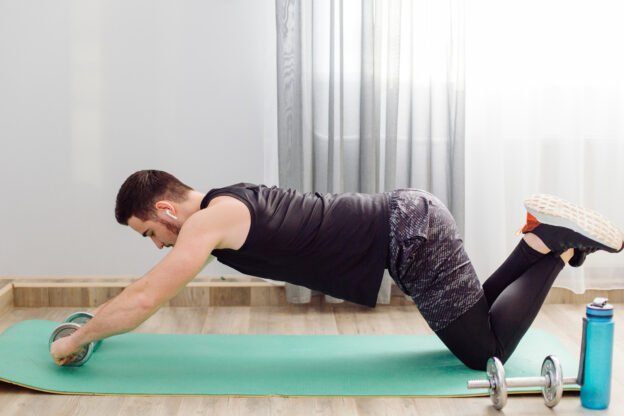
Strength training is a broad category of exercises designed to improve overall muscular strength, endurance, and functional performance. The focus is not only on building muscle but also on enhancing your ability to perform everyday movements safely and efficiently. Unlike weight training, strength training does not always require heavy equipment and can often be done with bodyweight exercises or simple tools such as resistance bands, medicine balls, or kettlebells.

Examples of strength training include push-ups, pull-ups, lunges, squats, Pilates, rowing, resistance band exercises, and functional fitness circuits. These exercises improve your balance, coordination, and stability, which are essential for long-term health and mobility. Strength training is highly recommended for beginners, older adults, or anyone looking to build a solid foundation of physical fitness.

Benefits of Strength Training

Strength training provides a wide range of benefits that extend beyond just muscle building. Key benefits include:

  • Improvement in overall mobility and balance, reducing the risk of falls or injuries
  • Strengthening bones and joints, which helps prevent osteoporosis and age-related weakening
  • Increased metabolism, promoting better fat management and calorie burn even when resting
  • Enhanced endurance and stamina, making daily tasks easier and more efficient
  • Support for long-term health, including cardiovascular wellness, posture, and mental health
  • Reduced risk of injuries through strengthening stabilizing muscles
  • Development of functional strength that supports real-life movements

Regular strength training is essential for anyone looking to achieve holistic fitness. Understanding the difference between strength training and weight training ensures that you choose exercises that align with your goals.

What Is Weight Training?

Weight training is a focused form of strength training that uses external resistance in the form of weights, such as dumbbells, barbells, kettlebells, and weight machines. While all weight training falls under the umbrella of strength training, not all strength training is weight training. The primary aim of weight training is to increase muscle size, strength, and power through progressive overload and structured resistance programs.

Common types of weight training include:

  • Powerlifting, which emphasizes maximal strength through squats, deadlifts, and bench presses
  • Bodybuilding, which focuses on muscle hypertrophy, symmetry, and overall physique
  • Olympic lifting, which develops explosive power, coordination, and athletic performance

Benefits of Weight Training

Weight training provides targeted improvements that can complement general fitness:

  • Significant muscle growth, leading to increased size and definition
  • Improved fat loss as lean muscle mass increases overall calorie expenditure
  • Measurable strength gains that improve performance in sports or daily activities
  • Enhanced bone density, supporting long-term joint health
  • Increased metabolic rate and overall physical performance

Understanding the difference between strength training and weight training is critical because it allows individuals to tailor their workouts based on whether their focus is functional strength, endurance, or muscle development.

The Core Difference Between Strength Training and Weight Training

The main differences between strength training and weight training revolve around the equipment used, training goals, and the style of exercises performed. Recognizing these distinctions helps you design workouts that are effective, safe, and aligned with your objectives.

Strength Training Characteristics

  • Exercises focus on overall endurance, balance, and functional strength
  • Can be performed using bodyweight, resistance bands, or simple functional tools
  • Improves flexibility, mobility, and real-life movement capabilities
  • Often involves circuits, dynamic exercises, and multi-muscle engagement

Weight Training Characteristics

  • Uses external weights such as dumbbells, barbells, kettlebells, or machines
  • Primarily aims to build muscle size, strength, and power
  • Focuses on muscle isolation and progressive overload for growth
  • Follows structured sets and repetitions for measurable results

In summary, all weight training is a form of strength training, but not all strength training involves weights. Understanding the difference between strength training and weight training allows you to select the right exercises for your personal fitness goals.

Which Type of Training Is Right for You?

Choosing between strength training and weight training depends on your fitness goals, level of experience, and lifestyle.

  • Beginners or older adults benefit from strength training, as it develops foundational strength and improves functional movement
  • Athletes and bodybuilders should focus on weight training to build muscle size, strength, and power
  • Everyday fitness enthusiasts often benefit from combining both approaches to improve overall strength, endurance, and aesthetics

How to Combine Strength and Weight Training

A balanced approach can integrate both methods effectively:

  • Strength training exercises like squats, lunges, push-ups, and resistance band workouts can be performed at the beginning of the week
  • Weight training exercises using dumbbells, barbells, and machines can be included in later sessions
  • Progressive overload ensures continuous improvement in both strength and muscle development
  • Rest and recovery are crucial to prevent overtraining and promote optimal gains

By combining both types of training, you can achieve functional strength, muscle growth, and overall fitness. Understanding the difference between strength training and weight training helps you structure your workouts for maximum effectiveness.

Common Mistakes to Avoid

Avoiding common mistakes ensures safe and efficient training:

  • Overtraining without adequate recovery, which can lead to fatigue and injuries
  • Prioritizing heavier weights over proper technique, increasing the risk of strain
  • Skipping warm-ups or stretching, reducing mobility and flexibility
  • Following random or unstructured workout programs without guidance
  • Neglecting nutrition, which is crucial for muscle growth and recovery

Correcting these mistakes allows you to maximize results while preventing injuries, whether you are focusing on strength training, weight training, or both.

How Education and Certification Can Elevate Your Training

Understanding the science behind exercise, anatomy, and nutrition elevates your training effectiveness. Professional knowledge ensures that workouts are safe, targeted, and sustainable.

  • Learning proper exercise techniques prevents injuries and improves outcomes
  • Knowledge of nutrition and recovery strategies supports muscle growth and fat loss
  • Certification programs equip individuals with skills to design effective programs for themselves or clients

At NFNA (National Fitness and Nutrition Academy), students gain internationally recognized certifications in personal training, applied nutrition, and dietetics, learning directly from doctors and experienced trainers. By understanding the difference between strength training and weight training in a professional context, you can maximize results for yourself or clients while building a rewarding career.

Conclusion 

Understanding the difference between strength training and weight training is essential for designing an effective fitness plan. Strength training develops endurance, balance, and functional strength, while weight training focuses on muscle growth and power. By incorporating both into your routine, you can achieve balanced strength, improved performance, and overall well-being.

Take Action with NFNA

Turn your passion for fitness into a professional career with NFNA. Our courses in personal training, applied nutrition, and dietetics provide internationally recognized certifications and hands-on learning from experts.

Learn the science behind exercise, understand the difference between strength training and weight training, and build a rewarding career. Join NFNA today and transform your fitness journey into a purpose-driven profession.

Frequently Asked Questions

Q1. Is weight training the same as strength training?

No. Weight training is a type of strength training that specifically involves lifting external weights. Strength training can also include bodyweight exercises, resistance bands, and functional workouts.

Yes. Bodyweight exercises like push-ups, squats, lunges, and resistance band workouts are effective forms of strength training.

Both methods support fat loss. Strength training improves overall metabolism and endurance, while weight training builds muscle mass, which increases calorie burn.

For most adults, 2 to 4 times per week is ideal, ensuring adequate rest between sessions to support recovery and muscle growth.

Absolutely. Weight training improves bone density, muscle strength, balance, and overall mobility, reducing the risk of falls and injuries.

Begin with low-resistance exercises, focus on proper form, and gradually increase intensity to prevent injury and build a strong foundation.

A certified trainer is not mandatory but can provide guidance on proper technique, program design, and injury prevention, especially for beginners.

Yes. Combining bodyweight and functional exercises with weight training is an effective strategy for building both functional strength and muscle size.
6 day gym workout schedule for beginners

6 Day Gym Workout Schedule for Beginners – Build Strength, Stay Consistent and Transform Your Fitness Journey

Starting your fitness journey can feel overwhelming if you are unsure where to begin. The 6 day gym workout schedule for beginners is designed to provide structure, consistency, and a clear plan to help you achieve real results. This beginner-friendly schedule ensures that all major muscle groups are trained efficiently while allowing for adequate recovery. Many beginners struggle with skipping workouts, feeling fatigued, or not knowing which exercises to focus on. Following this 6 day gym workout schedule for beginners helps solve these problems by creating a balanced approach that builds strength, improves endurance, and establishes healthy habits. By committing to this schedule, beginners can develop discipline, avoid plateaus, and gradually see measurable improvements in fitness, energy levels, and overall health. Whether your goal is muscle building, fat loss, or general fitness, this schedule provides a structured path to success.

Understanding the Basics of a 6-Day Gym Workout Schedule

Before diving into exercises, it is important to understand why the 6 day gym workout schedule for beginners is highly effective. A 6-day split focuses on training specific muscle groups on different days, allowing each muscle enough time to recover while ensuring a high level of training frequency. This type of schedule is particularly effective for beginners because it provides structure, encourages consistency, and prevents overtraining.

Benefits of following a 6 day gym workout schedule for beginners include:

  • Builds discipline and establishes a consistent fitness habit
  • Trains all major muscle groups efficiently
  • Helps prevent workout plateaus by rotating focus areas
  • Improves endurance and strength gradually
  • Ensures adequate recovery while maintaining frequent activity

Compared to 3-day or 5-day schedules, a 6-day routine allows beginners to train all body parts without overloading any single muscle group. By following this approach, beginners develop a strong foundation for more advanced routines and learn proper exercise techniques. The 6 day gym workout schedule for beginners is a well-rounded plan that balances intensity, recovery, and progression.

The Ideal 6 Day Gym Workout Schedule for Beginners

A structured 6 day gym workout schedule for beginners ensures that each muscle group receives proper attention while reducing the risk of injury or fatigue. Here is a detailed breakdown of a typical beginner-friendly weekly plan:

Day 1 – Chest and Triceps

  • Bench Press
  • Dumbbell Flyes
  • Push-ups
  • Tricep Dips

Day 2 – Back and Biceps

  • Lat Pulldown
  • Dumbbell Rows
  • Pull-ups
  • Hammer Curls

Day 3 – Legs (Hamstrings Focus)

  • Deadlifts
  • Glute Bridges
  • Hamstring Curls

Day 4 – Shoulders and Core

  • Shoulder Press
  • Plank
  • Side Raises

Day 5 – Push-Pull Supersets

  • Chest Press followed by Rows
  • Tricep Extensions followed by Bicep Curls

Day 6 – Legs (Quad Focus)

  • Squats
  • Lunges
  • Leg Press
  • Calf Raises

Day 7 – Active Rest

  • Yoga
  • Walking
  • Stretching

Pro Tip: Always spend 5–10 minutes warming up before each session to prepare your muscles and joints. Cooling down and stretching after workouts reduces soreness and improves flexibility. Following this 6 day gym workout schedule for beginners will build overall strength, improve endurance, and help establish a sustainable fitness habit. For beginners, the focus should always be on proper form, controlled movements, and gradually increasing intensity rather than lifting heavy weights too soon.

Importance of Rest and Recovery

While training is essential, rest and recovery are equally critical components of the 6 day gym workout schedule for beginners. Muscles grow and repair during rest, making recovery essential to prevent overtraining, reduce fatigue, and promote long-term results.

Why rest days matter:

  • Muscle repair and growth occur during rest, not during workouts
  • Prevents injuries caused by overtraining or muscle fatigue
  • Helps maintain energy levels and mental focus

Signs of overtraining include persistent soreness, a drop in performance, irritability, and poor sleep. To recover effectively while following a 6 day gym workout schedule for beginners, beginners should:

  • Sleep 7–9 hours every night
  • Eat a balanced diet rich in protein, carbohydrates, and healthy fats
  • Stay hydrated throughout the day
  • Include active recovery such as light walking, yoga, or stretching

By following these recovery strategies, beginners can ensure that the 6 day gym workout schedule for beginners is safe, effective, and sustainable over the long term.

Nutrition Tips to Support Your 6-Day Gym Routine

Nutrition plays a critical role in maximizing the benefits of the 6 day gym workout schedule for beginners. Proper nutrition fuels your workouts, aids in recovery, and helps build muscle efficiently.

Macronutrients for beginners:

  • Protein supports muscle growth and repair. Examples: chicken, eggs, fish, beans
  • Carbohydrates provide energy for workouts. Examples: rice, oats, sweet potatoes, fruits
  • Healthy fats support hormone production and joint health. Examples: nuts, avocado, olive oil

Sample daily nutrition plan for beginners following a 6 day gym workout schedule for beginners:

  • Breakfast: Oatmeal, eggs, and fruit
  • Snack: Greek yogurt with nuts
  • Lunch: Grilled chicken or tofu with brown rice and vegetables
  • Snack: Protein shake with a banana
  • Dinner: Fish or lentils with quinoa and steamed vegetables
  • Hydration: Drink 2–3 liters of water throughout the day

Supplements like whey protein can be considered but are optional. The priority for beginners should always be whole foods to support growth and energy. Following this nutrition guidance alongside a 6 day gym workout schedule for beginners ensures faster recovery, better performance, and sustainable results.

Common Mistakes Beginners Should Avoid

Many beginners make mistakes that slow their progress or lead to injury. To achieve maximum results with the 6 day gym workout schedule for beginners, avoid the following errors:

  • Skipping warm-ups and cool-downs
  • Lifting weights that are too heavy too soon
  • Ignoring proper form and breathing techniques
  • Not tracking progress or nutrition
  • Expecting rapid results instead of focusing on long-term growth

By avoiding these mistakes, beginners can safely follow the 6 day gym workout schedule for beginners and steadily progress toward their fitness goals.

Staying Consistent and Motivated

Consistency is the key to success with the 6 day gym workout schedule for beginners. Without regular workouts and proper nutrition, results will be limited. Here are some strategies to maintain motivation:

  • Set small, achievable weekly goals
  • Track progress using photos, journals, or fitness apps
  • Workout with a partner or join a fitness community for accountability
  • Reward yourself for consistent effort
  • Focus on patience and gradual improvement

By building a routine around these habits, beginners can integrate the 6 day gym workout schedule for beginners into a lifestyle that promotes long-term health and fitness.

Learn the Science Behind Training with NFNA

The National Fitness and Nutrition Academy (NFNA) trains future fitness professionals with a strong focus on science and evidence-based methods. The principles used in the 6 day gym workout schedule for beginners are taught to aspiring trainers and nutritionists at NFNA, helping them understand the why behind effective routines.

NFNA emphasizes:

  • Evidence-based training and nutrition
  • Proper techniques for beginners and advanced learners
  • Sustainable approaches to fitness and health
  • Courses like Diploma in Personal Training and Nutrition Certification

Following a NFNA-approved schedule ensures that beginners not only train effectively but also understand the science behind their results, making progress safer and more sustainable.

Final Thoughts

The 6 day gym workout schedule for beginners is a structured, practical, and effective plan for anyone starting their fitness journey. It balances training, recovery, and nutrition to build strength, improve endurance, and establish lifelong healthy habits. Beginners should focus on proper form, consistency, and a balanced diet to maximize results. Over time, following this schedule will increase confidence, energy levels, and overall fitness while laying the foundation for more advanced routines.

Frequently Asked Questions

Q1. Can beginners follow a 6-day gym workout schedule safely?

Yes. The 6 day gym workout schedule for beginners is designed to provide structured training, appropriate rest, and manageable intensity for new trainees.

A typical session should last between 45 to 60 minutes, including warm-up and cool-down periods.

While some exercises can be adapted at home, access to basic gym equipment ensures full coverage of all muscle groups in the 6 day gym workout schedule for beginners.

Supplements like whey protein are optional. Beginners should prioritize whole foods to meet nutrition and energy needs.

Missing a day is not the end of progress. Resume your schedule the following day, keeping the focus on consistency over perfection.

Beginners typically notice strength improvements, better endurance, and muscle tone within 4 to 6 weeks when following the 6 day gym workout schedule for beginners consistently.

Yes. Cardio can be added after strength training or on active rest days without affecting recovery or performance.

Form is critical for preventing injuries and maximizing results. Beginners should focus on controlled movements and correct technique before increasing weights.

gym workout diet chart

The Ultimate Gym Workout Diet Chart: Fuel Your Fitness Goals with the Right Nutrition

If you want to see real results in the gym, it is not enough to rely solely on workouts. Nutrition plays an equally important role in determining your fitness outcomes. Studies and fitness experts suggest that up to 70–80 percent of your progress is determined by what you eat. This is why a well-designed gym workout diet chart is essential for anyone serious about fitness, whether your goal is building lean muscle, burning fat, or improving overall stamina.

A gym workout diet chart provides a structured approach to nutrition, detailing which foods to consume, in what quantity, and at what times to maximize performance and recovery. By combining proper meals with a disciplined training routine, you can achieve faster and more sustainable results. At NFNA (National Fitness and Nutrition Academy), we emphasize science-backed nutrition strategies, helping you design a gym workout diet chart that truly works for your body type and fitness goals.

What Is a Gym Workout Diet Chart?

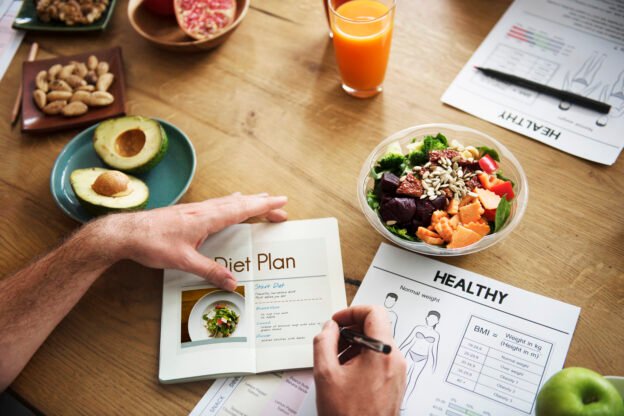
A gym workout diet chart is a personalized nutrition plan tailored to complement your exercise routine. Unlike general diet advice, it ensures that every meal and snack you consume supports your fitness goals.

The purpose of a gym workout diet chart is to provide the right balance of macronutrients including proteins, carbohydrates, and fats, along with micronutrients such as vitamins and minerals, which are essential for optimal performance and recovery.

A well-structured gym workout diet chart can help you:

  • Build and repair muscles more efficiently
  • Improve energy levels for longer, more effective workouts
  • Enhance recovery and reduce fatigue
  • Maintain hormonal balance and overall health

Customization is key. A gym workout diet chart is not the same for everyone. It varies based on your body type, metabolism, fitness level, and goals. At NFNA, we teach how to create personalized gym workout diet charts that align with your workouts and lifestyle, ensuring your efforts in the gym are not wasted.

Key Nutrients Every Gym-Goer Needs

A successful gym workout diet chart is built around understanding and including the nutrients your body needs for optimal performance. Every gym-goer must focus on proteins, carbohydrates, fats, and hydration, as these elements directly influence strength, endurance, and recovery.

Protein – The Building Block of Muscle

Protein is the most important macronutrient in a gym workout diet chart because it repairs and builds muscle tissues. It also aids in recovery after intense workouts and helps prevent muscle breakdown.

Top protein sources to include in your gym workout diet chart are:

  • Eggs and egg whites
  • Chicken breast, lean beef, and fish
  • Plant-based proteins such as tofu, tempeh, and legumes
  • Whey protein or plant-based protein powders for convenience

For most gym-goers, aiming for 1.2 to 2 grams of protein per kilogram of body weight daily is ideal. Including protein in every meal ensures steady muscle repair and growth.

Carbohydrates – The Body’s Energy Source

Carbohydrates are essential in a gym workout diet chart as they fuel your workouts and replenish glycogen stores in muscles. Proper carbohydrate intake ensures you have enough energy to complete intense training sessions and recover afterward.

In your gym workout diet chart, include:

  • Complex carbohydrates such as oats, brown rice, sweet potatoes, and whole-grain bread for sustained energy
  • Simple carbohydrates like fruits or honey around workouts for immediate energy
  • Proper timing of carbs, especially 1–2 hours before a workout and immediately after, to maximize energy and recovery

Healthy Fats – Support Hormones and Recovery

Healthy fats are often overlooked but are crucial in a gym workout diet chart. Fats regulate hormones such as testosterone, which are important for muscle growth, and support overall recovery.

Sources of healthy fats to include in your gym workout diet chart:

  • Avocados
  • Nuts and seeds
  • Olive oil, coconut oil, and fatty fish such as salmon

Hydration and Electrolytes

Proper hydration is a cornerstone of any effective gym workout diet chart. Water supports digestion, nutrient absorption, and temperature regulation during exercise. Electrolytes like sodium, potassium, and magnesium help prevent cramping and fatigue.

Guidelines for hydration in a gym workout diet chart:

  • Drink at least 2 to 3 liters of water daily
  • Include electrolyte-rich foods or beverages, especially after intense workouts
  • Watch for signs of dehydration such as fatigue, dizziness, or dry mouth

Sample Gym Workout Diet Chart

Here is a sample daily gym workout diet chart that can be adapted for your goals. This plan includes timing, nutrients, and portion guidelines.

  • Early Morning: Warm lemon water with soaked almonds for detoxification and hydration
  • Breakfast: Oats with banana and whey protein for energy and sustained focus
  • Mid-Morning Snack: Fresh fruit with a handful of nuts to maintain energy levels
  • Pre-Workout: Whole-grain toast with peanut butter or a banana for workout fuel
  • Post-Workout: Protein shake with banana or grilled chicken to support recovery
  • Lunch: Brown rice, dal or tofu, and vegetables for a balanced meal with carbs and protein
  • Evening Snack: Greek yogurt with seeds for steady energy and muscle repair
  • Dinner: Grilled fish or chicken with salad to support lean muscle recovery
  • Bedtime: Warm milk or casein shake for night-time recovery and protein supply

This gym workout diet chart can be customized according to your goals, body type, and calorie needs. By following a structured plan like this, you ensure your workouts translate into tangible results.

Pre-Workout and Post-Workout Nutrition Tips

Meal timing is a critical component of any effective gym workout diet chart. Proper pre- and post-workout nutrition ensures that your body has the fuel to perform at its best and recover efficiently afterward.

Pre-Workout Nutrition:

  • Consume your pre-workout meal 1 to 2 hours before training
  • Include easily digestible carbohydrates for energy
  • Examples for a gym workout diet chart: oatmeal with fruits, whole-grain toast with peanut butter, banana with yogurt

Post-Workout Nutrition:

  • Eat within 30 to 60 minutes after training to maximize recovery
  • Focus on protein and simple carbohydrates to repair muscles and replenish glycogen
  • Examples for a gym workout diet chart: protein shake with banana, grilled chicken with brown rice, smoothie with whey protein

The post-workout phase is sometimes referred to as the anabolic window, a period where nutrient absorption is at its peak and recovery is optimized. Proper planning within your gym workout diet chart can significantly accelerate results.

Common Diet Mistakes to Avoid

Even with a well-designed gym workout diet chart, common mistakes can hinder your progress. Avoiding these pitfalls ensures your nutrition supports your fitness goals.

  • Skipping meals, which slows metabolism and reduces energy for workouts
  • Over-relying on supplements instead of whole foods
  • Drinking insufficient water, leading to dehydration and decreased performance
  • Ignoring portion sizes, resulting in overeating or under-eating
  • Neglecting meal timing, which affects energy and recovery

Being mindful of these mistakes while following a gym workout diet chart ensures consistent progress and better results.

Customizing Your Gym Workout Diet Chart for Specific Goals

Every individual has unique fitness objectives. A gym workout diet chart should be customized based on your personal goals.

For Muscle Gain:

  • Calorie surplus to promote muscle growth
  • High protein intake from meats, fish, eggs, and protein supplements
  • Balanced intake of carbohydrates and fats to fuel workouts

For Fat Loss:

  • Calorie deficit while preserving lean muscle
  • Focus on high-protein meals to prevent muscle breakdown
  • Reduce simple carbohydrates and processed foods

For General Fitness and Maintenance:

  • Balanced macronutrients to support overall health
  • Adequate hydration and nutrient variety
  • Flexible diet to sustain long-term adherence

By tailoring your gym workout diet chart to your objectives, you ensure that your efforts in the gym are complemented by nutrition, accelerating results and avoiding plateaus.

Supplements: Do You Really Need Them?

Supplements can complement a gym workout diet chart, but they should not replace whole foods. NFNA emphasizes a food-first approach for nutrition.

  • Whey protein for convenient post-workout protein
  • Creatine for strength and muscle gains
  • BCAAs to reduce post-exercise muscle soreness
  • Multivitamins to fill gaps in micronutrient intake

Use supplements only when necessary and under proper guidance. A thoughtfully designed gym workout diet chart can meet most nutritional needs naturally without overdependence on supplements.

Pro Tips to Maximize Results with Your Gym Workout Diet Chart

  • Maintain consistency in meal timing and portion sizes
  • Track calories and macronutrients with nutrition apps
  • Rotate foods to prevent monotony and nutrient gaps
  • Pair your gym workout diet chart with both resistance and cardiovascular training for optimal results

Following these tips ensures that your nutrition plan supports your workout routine efficiently and effectively.

How NFNA Can Help You Master Nutrition and Fitness

NFNA (National Fitness and Nutrition Academy) is India’s leading fitness and nutrition education institute. With NFNA, you can learn how to design personalized gym workout diet charts that deliver real results.

NFNA offers:

  • Courses in Applied Nutrition, Dietetics, and Personal Training
  • Over 8,000 certified students across India
  • Expert guidance from doctors and certified trainers
  • Flexible online and offline classes
  • Career-ready certifications recognized across the fitness industry

Take your fitness passion to a professional level. Enroll in NFNA’s Diploma in Nutrition and Fitness today and master how to create gym workout diet charts backed by science. Visit NFNA.in or call +91 9836168971 to get started.

Conclusion

A gym workout diet chart is a roadmap to achieving your fitness goals faster and more effectively. By combining a personalized nutrition plan with consistent workouts, you can maximize muscle growth, enhance recovery, and maintain energy throughout the day. NFNA provides expert guidance to help you design scientifically-backed gym workout diet charts that are tailored to your unique needs. Start today, follow a structured plan, and fuel your fitness journey with the right nutrition for real, lasting results.

Frequently Asked Questions

Q1: How often should I update my gym workout diet chart?

You should revise your gym workout diet chart every 6 to 8 weeks or whenever your fitness goals, weight, or training intensity change. This ensures it continues to meet your body’s needs.

Yes. Beginners can follow a simplified gym workout diet chart that gradually increases protein, healthy carbs, and fats according to their activity levels.

Not always. Supplements are optional and should only be used to fill nutrient gaps. A well-planned gym workout diet chart provides most nutrients naturally.

Absolutely. A vegetarian or vegan gym workout diet chart can include lentils, beans, tofu, nuts, seeds, whole grains, and plant-based protein powders.

Meal timing is crucial. Proper pre- and post-workout meals enhance energy, performance, and recovery, allowing your body to make the most of your workouts.

Yes. A calorie-controlled gym workout diet chart with high protein intake helps maintain muscle while promoting fat loss.

Yes, but focus on meals rich in protein, complex carbs, and healthy fats while avoiding fried and highly processed foods.

Use measuring cups, a food scale, or nutrition tracking apps to ensure accurate portions and proper macronutrient distribution.

5 day gym workout schedule

The Ultimate 5 Day Gym Workout Schedule for Strength and Muscle Gain (NFNA Guide)

Are you training hard but not seeing the results you deserve? Following a 5 day gym workout schedule is one of the most effective ways to build muscle, increase strength, and ensure proper recovery throughout the week. This schedule allows you to work all major muscle groups efficiently while balancing training intensity with recovery, making it ideal for individuals who are serious about hypertrophy and strength gains.

In this comprehensive guide, we will break down the perfect 5 day gym workout schedule for beginners, intermediates, and advanced lifters. You will find structured exercises, expert guidance, and detailed tips for maximizing results. By following this guide, you will understand how to structure your workouts, manage recovery, and fuel your body properly. Incorporating a 5 day gym workout schedule into your routine ensures steady progress, reduces the risk of overtraining, and improves overall fitness.

NFNA’s Diploma in Personal Training plus CPR offers professional insights into training safely and effectively, allowing you to apply these principles not only for yourself but also professionally in fitness coaching.

Why Choose a 5 Day Gym Workout Schedule?

A 5 day gym workout schedule is designed to maximize training frequency while balancing recovery. Unlike shorter weekly routines, a five-day split allows you to train each muscle group with enough intensity and volume for noticeable results. This schedule is ideal for individuals aiming for consistent strength gains, muscle hypertrophy, and long-term fitness progress.

Key benefits of a 5 day gym workout schedule include:

  • Targeting all major muscle groups efficiently, ensuring balanced development
  • Allowing enough rest for each muscle group to recover and grow stronger
  • Time-efficient sessions, typically lasting between 60 and 75 minutes
  • Structured progression that supports both beginners and advanced lifters
  • Supporting hypertrophy through optimal training frequency backed by scientific evidence

Studies from fitness programs like BetterMe and Anytime Fitness show that training five times per week leads to superior hypertrophy and strength outcomes compared to less frequent training. The 5 day gym workout schedule is particularly effective because it balances intensity, recovery, and volume, which are all essential for long-term results. NFNA emphasizes these evidence-based principles to ensure that every workout is safe, effective, and tailored to real-world goals.

Understanding the Science Behind Muscle Growth

To make the most of your 5 day gym workout schedule, understanding the science behind muscle growth is essential. Muscle hypertrophy occurs when three main factors are consistently applied: progressive overload, recovery, and nutrition.

Progressive overload involves gradually increasing the weight, sets, or repetitions over time. Without challenging your muscles, growth will plateau. Recovery is equally important because muscles repair and grow during rest, not during workouts. Proper nutrition fuels both your workouts and recovery. A high-protein diet, adequate carbohydrates, and healthy fats support muscle repair, energy production, and overall performance.

NFNA’s Diploma in Applied Nutrition, Food Science, and Dietetics provides professional guidance on nutrition strategies specifically tailored to enhance muscle growth, recovery, and performance. Following a structured 5 day gym workout schedule alongside proper nutrition ensures that you maximize your gains and avoid setbacks caused by under-eating or overtraining.

For more detailed nutritional guidance, explore NFNA’s Nutrition Courses, which help you understand the role of diet in achieving fitness goals.

Structuring Your 5 Day Gym Workout Schedule

The 5 day gym workout schedule can be structured in multiple ways depending on your fitness level, goals, and availability. Below are three effective splits:

Option A: Classic Push/Pull/Legs Split

This split is highly popular for intermediate lifters because it allows focused training on specific muscle groups.

  • Day 1: Push (Chest, Shoulders, Triceps)
  • Day 2: Pull (Back, Biceps)
  • Day 3: Legs (Quads, Hamstrings, Glutes, Calves)
  • Day 4: Rest or Active Recovery (mobility, stretching, light cardio)
  • Day 5: Upper Body plus Core (Chest, Back, Shoulders, Abs)

This structure ensures that each muscle group receives enough stimulation while preventing overtraining. Volume should be controlled, with 10 to 15 working sets per muscle group per week.

Option B: Upper/Lower Hybrid Split

The Upper/Lower Hybrid Split is ideal for beginners transitioning to intermediate levels. It allows each muscle group to be trained twice a week while providing sufficient rest.

  • Day 1: Upper Body (Chest, Back, Shoulders, Arms)
  • Day 2: Lower Body (Quads, Hamstrings, Glutes, Calves)
  • Day 3: Rest
  • Day 4: Upper Body
  • Day 5: Lower Body

Pairing this split with proper nutrition, as taught in NFNA’s Certification in Applied Nutrition, ensures that your body recovers effectively and grows stronger with each session.

Option C: Advanced Athlete’s Split

For advanced lifters, the 5 day gym workout schedule can focus on power, hypertrophy, strength, and conditioning within the same week.

  • Day 1: Heavy Push (Strength-focused Chest and Shoulders)
  • Day 2: Heavy Pull (Back and Biceps)
  • Day 3: Lower Body Power (Squats, Deadlifts, Glutes)
  • Day 4: Hypertrophy Legs and Abs
  • Day 5: Upper Body Conditioning Circuit

This split is ideal for athletes who want maximum results and can be combined with professional guidance from NFNA’s Diploma in Personal Training plus CPR.

Sample 5 Day Gym Workout Schedule

Here is an example of a complete 5 day gym workout schedule for maximum strength and hypertrophy:

Day 1: Chest, Shoulders, Triceps

  • Barbell Bench Press 5 sets of 8 to 10 reps
  • Incline Dumbbell Press 4 sets of 10 reps
  • Overhead Press 4 sets of 8 to 10 reps
  • Cable Flys 3 sets of 12 reps
  • Triceps Dips 3 sets of 12 reps

Day 2: Legs and Core

  • Squats 5 sets of 8 to 10 reps
  • Romanian Deadlifts 4 sets of 10 reps
  • Leg Press 4 sets of 12 reps
  • Seated Calf Raises 4 sets of 15 reps
  • Cable Crunch and Plank Superset 3 rounds

Day 3: Back and Biceps

  • Deadlifts 5 sets of 6 reps
  • Bent-Over Rows 4 sets of 10 reps
  • Lat Pulldown 4 sets of 12 reps
  • Dumbbell Curl 3 sets of 12 reps
  • Hammer Curl 3 sets of 12 reps

Day 4: Legs (Glute and Power Focus)

  • Bulgarian Split Squat 4 sets of 10 reps per leg
  • Hip Thrust 4 sets of 12 reps
  • Walking Lunges 3 sets of 15 reps
  • Leg Extension 3 sets of 12 reps

Day 5: Full Upper Body and Abs

  • Bench Press, Rows, Shoulder Press Circuit 3 rounds
  • Ab Rollouts 3 sets of 15 reps
  • Hanging Leg Raises 3 sets of 12 reps

Tracking progressive overload weekly ensures continuous improvement in strength and muscle development.

Recovery, Nutrition, and Progress Tracking

Recovery, nutrition, and consistent progress tracking are key components of any 5 day gym workout schedule. Proper recovery prevents overtraining and enhances muscle growth. Adequate sleep, hydration, and active rest days are crucial.

Nutrition should include sufficient protein (1.6 to 2.2 grams per kilogram of body weight), carbohydrates for energy, and healthy fats for hormone regulation. For example:

  • Sleep 7 to 9 hours per night
  • Hydrate with 2 to 3 liters of water daily
  • Include high-protein foods like chicken, eggs, and legumes
  • Consume complex carbohydrates for energy
  • Include healthy fats such as nuts, seeds, and olive oil

NFNA courses such as the Diploma in Applied Nutrition and Child Nutrition Course provide detailed strategies for nutrition planning, whether for yourself, clients, or family members.

Common Mistakes in a 5 Day Gym Workout Schedule

Following a 5 day gym workout schedule incorrectly can reduce results and increase injury risk. Common mistakes include:

  • Training too intensely without proper rest
  • Ignoring warm-up and mobility exercises
  • Neglecting nutrition and hydration
  • Failing to track progress and adjust workouts accordingly

Taking NFNA’s Certified Personal Training course teaches proper biomechanics, injury prevention, and program design to avoid these pitfalls.

Who Should Follow This Schedule

The 5 day gym workout schedule is ideal for individuals with some lifting experience who can commit to consistent training.

  • Suitable for intermediate lifters seeking hypertrophy and strength gains
  • Requires access to gym equipment
  • Not recommended for absolute beginners or individuals recovering from injury

NFNA’s online courses provide foundational knowledge to prepare beginners before attempting this schedule.

Expert Tips from NFNA Trainers

  1. Focus on training movement patterns rather than just individual muscles
  2. Treat recovery as an essential part of your workout
  3. Fuel your body with proper nutrition to enhance performance
  4. Apply the NFNA philosophy: Learn, Apply, Teach, for sustainable fitness and professional growth

Final Thoughts

A 5 day gym workout schedule is highly effective for building muscle and strength when paired with proper knowledge, consistency, and nutrition. NFNA offers professional courses including:

  • Diploma in Personal Training plus CPR
  • Diploma in Applied Nutrition, Food Science, and Dietetics
  • Certification in Applied Nutrition

With over 8,000 students certified, NFNA empowers individuals to transform their fitness goals into long-term careers.

Frequently Asked Questions

Q1. How long should each workout last in a 5 day gym workout schedule?

Each session should last between 60 and 75 minutes to ensure sufficient volume and intensity.

Beginners should start with 2 to 3 days per week and gradually increase frequency before attempting a full 5 day gym workout schedule.

10 to 15 working sets per muscle group per week provide optimal hypertrophy without overtraining.

Yes, low to moderate intensity cardio supports recovery, cardiovascular health, and fat management.

Track weights lifted, reps completed, and body measurements weekly to monitor strength gains and muscle growth.

Yes, with adequate protein intake from plant-based sources such as legumes, tofu, and quinoa.

Yes, proper nutrition on rest days is essential for muscle recovery and growth.

Consistent training, proper nutrition, and recovery typically lead to visible strength and muscle gains within 6 to 8 weeks.

gym workout for belly fat

Gym Workout for Belly Fat: Effective Exercises, 7-Day Plan and Nutrition Tips

Losing belly fat is one of the most common fitness goals, yet it is also one of the most challenging areas to target. If you are looking for a gym workout for belly fat that actually works, you are in the right place. Belly fat is not just a cosmetic concern; it can be dangerous to your health. Excess fat around your abdomen, particularly visceral fat, increases the risk of heart disease, type 2 diabetes, and hormonal imbalances.

The key to reducing belly fat is a combination of consistent workouts, proper nutrition, and lifestyle adjustments. This guide will show you a step-by-step approach to the most effective gym workout for belly fat, including exercises, a 7-day plan, nutrition strategies, common mistakes to avoid, and tips for staying motivated. By following this guide, you will not only target belly fat but also improve overall fitness, metabolism, and core strength.

Understanding Belly Fat: The Science Behind It

To effectively lose belly fat, you need to understand the types of fat in your abdominal area. Belly fat consists of two primary types:

Subcutaneous fat is the layer of fat located just under the skin. This fat is soft, pinchable, and the type most people notice visually. While it is less dangerous than visceral fat, excessive subcutaneous fat can still affect your appearance and confidence.

Visceral fat is deeper, surrounding your internal organs such as the liver, pancreas, and intestines. High levels of visceral fat are linked to serious health risks, including heart disease, insulin resistance, inflammation, and hormonal disruption.

One important scientific fact is that spot reduction does not work. Doing endless sit-ups or crunches alone will not reduce belly fat. A successful gym workout for belly fat must combine cardiovascular exercises, strength training, and high-intensity interval training (HIIT). This combination maximizes calorie burn, builds lean muscle, and boosts metabolism even at rest. Understanding this science ensures you focus your efforts on workouts that actually target fat loss effectively.

The Best Gym Workout for Belly Fat: Core Training Types

To lose belly fat, your gym routine must be balanced, targeting all major components of fat loss. A proper gym workout for belly fat consists of three main types of training: cardio, strength training, and HIIT.

Cardio Workouts for Fat Loss

Cardio is one of the most effective ways to burn calories and stimulate fat loss. Including cardio in your gym workout for belly fat plan accelerates calorie expenditure and supports overall cardiovascular health.

Examples of cardio exercises include:

  • Treadmill sprints. Alternate between one-minute sprints and two-minute walking intervals for 30 to 45 minutes.
  • Cycling intervals. Alternate between high-resistance and moderate-resistance cycling to engage both legs and core.
  • Rowing machine. Rowing engages your core, back, and legs, providing a full-body workout while targeting belly fat.

For optimal results, perform cardio 4 to 5 times per week. Cardio not only helps burn calories during the session but also improves stamina, heart health, and energy levels.

Strength Training for Muscle Building and Fat Loss

Strength training is a vital component of any gym workout for belly fat because it builds lean muscle mass. Muscles burn more calories at rest than fat tissue, meaning you continue to burn calories even outside the gym.

Recommended strength exercises include:

  • Compound lifts such as squats, deadlifts, and bench press. These exercises engage multiple muscle groups simultaneously and boost metabolism.
  • Core-focused exercises such as planks, leg raises, and Russian twists. Strengthening the core supports posture, stability, and overall abdominal toning.
  • Upper and lower body strength exercises using free weights or machines to improve muscle balance and overall calorie burn.

Include strength training 3 to 4 times per week. Proper form and controlled movements are essential to prevent injuries and maximize results.

HIIT for Maximum Fat Burn

High-intensity interval training (HIIT) involves alternating between short bursts of intense activity and brief rest periods. HIIT is highly effective in a gym workout for belly fat because it increases calorie burn, stimulates fat loss, and boosts metabolism for hours after the workout.

Sample HIIT routine:

  • Perform 30 seconds of burpees, jump squats, or mountain climbers.
  • Rest for 15 seconds and repeat the cycle 4 to 5 rounds.
  • Include HIIT 2 to 3 times per week. Gradually increase intensity as your fitness improves.

HIIT is particularly effective for stubborn belly fat because it triggers the EPOC effect (Excess Post-Exercise Oxygen Consumption), causing the body to burn calories even after exercise.

Sample 7-Day Gym Workout Plan for Belly Fat

Here is a detailed 7-day gym workout plan for belly fat designed to combine cardio, strength, and HIIT for maximum results.

  • Monday: HIIT followed by core-focused exercises. This session focuses on high-calorie burn and abdominal toning.
  • Tuesday: Strength training targeting upper body. Build lean muscle in the arms, chest, and back, which also helps increase resting metabolism.
  • Wednesday: Cardio combined with abs exercises. Focus on treadmill, cycling, or rowing, followed by planks, leg raises, and bicycle crunches.
  • Thursday: Rest day or light activity such as yoga or stretching. Active recovery prevents fatigue and promotes muscle repair.
  • Friday: HIIT followed by lower body strength exercises. Squats, lunges, and jump squats target glutes, legs, and abs simultaneously.
  • Saturday: Full-body strength training. Compound movements like deadlifts, bench press, and overhead press stimulate multiple muscle groups and enhance fat loss.
  • Sunday: Light cardio such as walking, swimming, or cycling at a moderate pace. Maintain momentum and support recovery while staying active.

Consistency with this plan ensures that your gym workout for belly fat targets all relevant muscle groups, burns calories effectively, and promotes overall fitness.

Nutrition Tips to Support Belly Fat Loss

Exercise alone cannot eliminate belly fat. Nutrition is equally important for a successful gym workout for belly fat plan. Focus on the following strategies:

  • Consume high-protein meals including chicken, fish, eggs, lentils, and low-fat dairy. Protein supports muscle repair and keeps you full longer.
  • Avoid refined carbohydrates and sugary drinks, which contribute to fat accumulation.
  • Limit intake of bread, pastries, sodas, and sugary snacks.
  • Include fiber-rich foods such as oats, vegetables, and fruits to improve digestion and promote satiety.
  • Drink plenty of water and consider green tea, which may boost metabolism and support fat loss.
  • Maintain a calorie deficit by consuming fewer calories than you burn, but avoid extreme restriction that could harm metabolism.

Nutrition combined with a proper gym workout for belly fat is the most effective approach for safe and sustainable fat loss.

Common Mistakes to Avoid in Belly Fat Workouts

Even the best gym workout for belly fat will be ineffective if these mistakes are made:

  • Overtraining without proper rest. Muscles need time to recover and grow, and overtraining can cause injuries.
  • Focusing only on ab exercises. Crunches alone do not reduce belly fat; full-body workouts are essential.
  • Neglecting diet. Poor nutrition can undermine even the most consistent workout routine.
  • Skipping warm-ups or cool-downs. Stretching and warming up prevent injuries and improve performance.
  • Inconsistent routines. Fat loss requires regular exercise and adherence to a plan over time.

Avoiding these mistakes ensures your gym workout for belly fat delivers measurable and long-lasting results.

Mindset, Motivation, and Lifestyle Habits

Achieving a toned midsection is not only a physical challenge but also a mental one. Maintaining motivation and adopting healthy habits are crucial for success.

  • Prioritize stress management and quality sleep. Poor sleep increases hormones that promote fat storage around the belly.
  • Track your progress weekly using measurements, photos, or strength milestones. This helps maintain motivation and ensures accountability.
  • Focus on consistency rather than intensity. Regular workouts and healthy eating habits outweigh sporadic high-intensity efforts.

By combining mindset, motivation, and a structured gym workout for belly fat, you will achieve results that are sustainable and realistic.

Expert Insight: Why Professional Guidance Matters

Professional guidance can accelerate your results and ensure safety while performing a gym workout for belly fat.

  • Certified trainers help you maintain proper form and reduce the risk of injury.
  • Customized workout plans consider your body type, fitness level, and metabolism, making fat loss more efficient.
  • Expert supervision ensures sustainable fat loss by combining exercise, nutrition, and lifestyle adjustments.

At NFNA, fitness and nutrition professionals provide science-backed education, helping you achieve long-term results while building a stronger core and leaner body.

Conclusion 

Reducing belly fat is achievable with the right combination of gym workouts, nutrition, and healthy lifestyle habits. A program that combines cardio, strength training, and HIIT, supported by a high-protein, low-sugar diet, ensures effective fat loss and muscle toning. Start with small steps, stay consistent, and focus on both your workouts and diet. With dedication, a structured gym workout for belly fat will help you achieve a stronger, healthier, and more confident core.

Turn Your Passion for Fitness into a Career with NFNA

NFNA offers comprehensive training for individuals who want to combine fitness knowledge with a professional career. Learn from certified trainers, nutritionists, and medical professionals through online and offline courses. With over 8,000 certified professionals, NFNA supports your journey toward becoming a fitness expert.

Enroll today at NFNA to start your journey in nutrition, fitness, and holistic health education.

Frequently Asked Questions

Q1. Can a gym workout alone reduce belly fat?

No. Exercise is important, but diet and lifestyle changes are equally critical. A combination of cardio, strength training, and proper nutrition is most effective.

4 to 5 times per week combining cardio, strength, and HIIT exercises is optimal.

Crunches strengthen abdominal muscles but do not burn belly fat alone. Full-body fat loss strategies are essential.

Consistent effort typically shows visible changes within 6 to 8 weeks, depending on diet and exercise adherence.

Yes, but start with lower intensity and fewer repetitions, gradually increasing intensity as your fitness improves.

Light, protein-rich meals with carbohydrates, such as yogurt with fruit or a banana, provide energy without causing discomfort.

Both are necessary. Strength training builds muscle and boosts metabolism, while cardio burns calories and improves cardiovascular health.

While not mandatory, professional guidance ensures proper form, reduces risk of injury, and helps create a personalized, effective workout plan.

500 ml milk calories and protein

500 ml Milk Calories and Protein – Complete Guide for Fitness and Nutrition

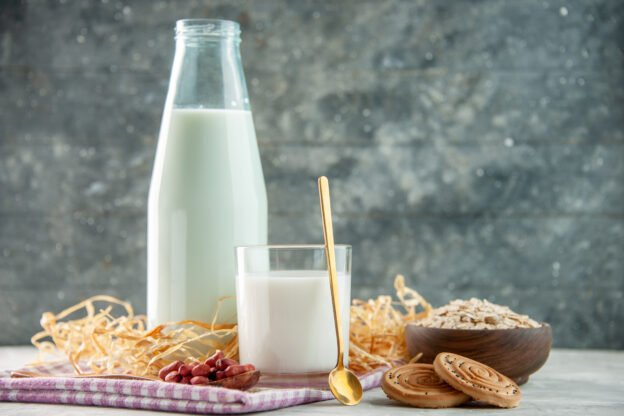
Milk is one of the most complete and nutrient-rich beverages available, widely consumed for its combination of protein, calcium, vitamins, and healthy fats. If you are tracking your diet for weight management, muscle gain, or general health, knowing 500 ml milk calories and protein is essential.

A 500 ml serving of cow’s milk provides approximately 300 to 320 calories and 16 to 17 grams of high-quality protein, depending on the type of milk. This makes it a powerful choice for both energy and recovery. Whether you are looking to maintain a healthy weight, build muscle, or simply ensure your body receives essential nutrients, understanding the exact calorie and protein content can help you make informed decisions about your daily intake.

In this guide, we will explore 500 ml milk calories and protein in detail, explain the nutritional differences between milk types, and provide tips on how to include milk effectively in your fitness and diet plans.

Calories in 500 ml Milk – By Type

Understanding the calorie content of milk is crucial for meeting your fitness goals. Here is a detailed breakdown of 500 ml milk calories and protein for different milk types.

Whole Milk

  • Calories: 300 to 320
  • Fat: 16 to 18 grams
  • Protein: 15 to 16 grams
  • Best for muscle gain and children due to calorie density and rich nutrients

Toned Milk

  • Calories: 240 to 260
  • Fat: 8 to 10 grams
  • Protein: 16 to 17 grams
  • Ideal for general health and balanced nutrition

Skim Milk

  • Calories: 180 to 200
  • Fat: 0.5 to 1 gram
  • Protein: 17 to 18 grams
  • Suitable for weight loss and low-fat diets

Buffalo Milk

  • Calories: 330 to 350
  • Fat: 17 to 19 grams
  • Protein: 18 to 20 grams
  • Great for weight gain or preparing traditional sweets

Soy Milk

  • Calories: 260 to 280
  • Fat: 4 to 6 grams
  • Protein: 14 to 16 grams
  • Lactose-free option suitable for vegans and lactose-intolerant individuals

Almond Milk

  • Calories: 80 to 90
  • Fat: 2 grams
  • Protein: 1 to 2 grams
  • Perfect for low-calorie diets or those avoiding dairy

Knowing these numbers can help you select the right milk based on your goals. Whole and buffalo milk are calorie-rich, supporting muscle gain, whereas skim and almond milk provide protein with fewer calories, suitable for weight management. Understanding 500 ml milk calories and protein ensures you can incorporate milk into your diet efficiently.

Protein in 500 ml Milk – Complete Nutritional Power

Protein is the cornerstone of muscle repair, fat loss, and overall health. A 500 ml serving of cow’s milk provides 16 to 17 grams of high-quality protein, making it a reliable protein source for both vegetarians and non-vegetarians.

Milk protein consists primarily of casein (80%) and whey (20%). Casein digests slowly, providing a steady release of amino acids to the body, which is especially beneficial during sleep for overnight recovery. Whey, on the other hand, is absorbed rapidly, making it ideal for post-workout consumption.

To put this in perspective, 500 ml of milk provides protein equivalent to:

  • Three large eggs
  • One and a half cups of Greek yogurt
  • Approximately 50 grams of chicken breast

Including milk in your diet not only provides essential protein but also contributes vitamins and minerals that support muscle growth, bone health, and overall fitness. Tracking 500 ml milk calories and protein ensures you get an efficient balance of energy and nutrients in your meals.

Milk Nutrition Facts Beyond Calories and Protein

Milk is more than just calories and protein; it is packed with essential nutrients that support overall health. A 500 ml serving contains:

  • Calcium: Around 500 mg, covering roughly 50 percent of your daily requirement, supporting strong bones and teeth
  • Vitamin D: Enhances calcium absorption and promotes bone health
  • Vitamin B12: Crucial for energy production, nerve function, and red blood cell formation
  • Riboflavin (Vitamin B2): Supports energy metabolism and cellular function
  • Potassium and Magnesium: Important for heart function, muscle contraction, and electrolyte balance

The combination of protein and calcium in milk is particularly beneficial for muscle recovery and bone health, making 500 ml milk calories and protein not just numbers, but powerful contributors to overall fitness and well-being.

How 500 ml Milk Supports Different Fitness Goals

For Weight Loss

Skim milk or toned milk is ideal for weight loss. It provides high protein with minimal fat, keeping you full for longer and reducing unhealthy snacking. Knowing 500 ml milk calories and protein allows you to balance your daily calorie intake effectively while still meeting protein requirements.

For Muscle Gain

Whole milk or buffalo milk offers calorie-dense nutrition along with high-quality protein. The casein content in these milk types supports overnight muscle repair, while the fat content adds extra energy for muscle growth. Tracking 500 ml milk calories and protein helps athletes and fitness enthusiasts optimize muscle gains without unnecessary fat gain.

For Lactose Intolerance or Vegan Diets

Plant-based alternatives like soy milk or pea protein milk provide 14 to 16 grams of protein per 500 ml. Although slightly lower than cow’s milk, these options are digestible, lactose-free, and suitable for vegan diets. Understanding 500 ml milk calories and protein in these alternatives allows for precise diet planning, ensuring adequate protein intake without lactose discomfort.

How to Burn Off 500 ml Milk Calories

If you are curious about how many calories 500 ml milk adds to your daily intake, here is an estimate based on a 300-calorie average:

Brisk Walking

  • Duration to burn: 60 to 70 minutes

Jogging

  • Duration to burn: 30 minutes

Cycling

  • Duration to burn: 35 minutes

Swimming

  • Duration to burn: 40 minutes

Visualizing 500 ml milk calories and protein in terms of activity helps you understand how milk fits into your energy balance and daily fitness routine.

Final Takeaway 

500 ml milk calories and protein make it one of the most versatile and nutrient-rich beverages for fitness and general health. With roughly 300 calories and 16 to 17 grams of protein, along with essential vitamins and minerals, milk supports weight management, muscle growth, and overall wellness. Selecting the right type of milk for your goals ensures that you get the full benefits of this nutritious drink while maintaining a balanced diet.

Understanding 500 ml milk calories and protein empowers you to personalize your diet and make informed choices for better fitness and health outcomes.

Turn Your Passion for Nutrition into a Career

Ready to go beyond just counting calories and protein? Join NFNA – India’s Leading Nutrition and Fitness Academy and learn science-backed nutrition, diet planning, and sports fitness from expert mentors.

With over 8,000 certified professionals, NFNA offers online and offline courses, lifetime mentorship, and a chance to build a career in nutrition and fitness.

Explore NFNA courses today and start your journey to becoming a certified nutrition and fitness expert.

Frequently Asked Questions 

Q1. How many calories are there in 500 ml cow milk?

 A 500 ml serving of cow’s milk contains approximately 300 to 320 calories, depending on the fat content. Whole milk is higher in calories, while skim milk is lower.

500 ml milk provides 16 to 17 grams of high-quality protein. Skim milk slightly higher in protein, making it suitable for those focusing on lean protein intake.

Yes, if you choose skim or toned milk. It provides high protein with fewer calories, helping you stay full and maintain a calorie deficit.

Yes. The casein protein in milk digests slowly, providing amino acids throughout the night, which aids muscle recovery and growth.

No, boiling does not significantly alter the calories or protein in milk. Nutrients remain largely intact.

Whole milk and buffalo milk are ideal because they are calorie-dense and high in protein, supporting both energy needs and muscle repair.

Yes, soy or pea protein milk provides 14 to 16 grams of protein per 500 ml, making it a suitable alternative for vegans or lactose-intolerant individuals.

500 ml milk protein is equivalent to about three large eggs or 50 grams of chicken breast. It is a convenient and nutrient-dense option for both vegetarians and non-vegetarians.

indian keto diet plan

Indian Keto Diet Plan — A Complete Beginner’s Guide to Healthy Weight Loss

If you are searching for an effective way to lose weight without giving up the flavors of Indian cuisine, the Indian keto diet plan offers a scientifically backed solution. The keto diet focuses on high-fat, moderate-protein, and very low-carb meals, encouraging your body to enter a state of ketosis where it burns fat for energy instead of carbohydrates.

This guide will help you understand the Indian keto diet plan, including what foods to eat, what to avoid, and how to structure meals for both vegetarians and non-vegetarians. You will also find a detailed weekly meal guide, expert tips for success, and the scientific reasoning behind keto, all tailored to Indian dietary habits.

By following the Indian keto diet plan, you can achieve sustainable weight loss, improve energy levels, and enhance overall metabolic health while enjoying familiar Indian flavors. This article provides a comprehensive roadmap for beginners and anyone looking to implement keto safely and effectively.

What Is the Keto Diet and How Does It Work

The Indian keto diet plan is designed to shift your body’s metabolism from burning carbohydrates to burning fat for fuel. This metabolic state, known as ketosis, allows your body to utilize fat reserves efficiently, leading to weight loss and improved energy levels. Unlike traditional Indian diets that rely heavily on rice, wheat, and legumes, the keto approach focuses on high-quality fats, moderate protein, and minimal carbohydrates.

In the Indian keto diet plan, macronutrients are typically structured as follows:

  • 70 percent fats from sources like ghee, coconut oil, and nuts
  • 25 percent protein from paneer, eggs, chicken, or fish
  • 5 percent carbohydrates mainly from low-carb vegetables

Benefits of Ketosis

Following the Indian keto diet plan can provide several benefits:

  • Sustained energy throughout the day without sugar crashes
  • Faster and targeted fat loss while preserving lean muscle mass
  • Improved focus and mental clarity as the brain utilizes ketones efficiently
  • Reduced cravings for sugary and processed foods

Possible Side Effects

While the Indian keto diet plan is highly effective, beginners may experience temporary side effects known as the keto flu, including fatigue, headache, nausea, and dizziness. These can be minimized by staying hydrated, replenishing electrolytes, and gradually reducing carbohydrate intake rather than making sudden drastic changes.

Benefits of Following an Indian Keto Diet Plan

The Indian keto diet plan is gaining popularity because it is both effective and adaptable to Indian food preferences. Here are some benefits:

  • Rapid and sustainable weight loss due to fat burning as the primary energy source
  • Improved blood sugar and insulin control, particularly beneficial for pre-diabetic individuals
  • Enhanced metabolism and higher energy levels throughout the day
  • Adaptable to vegetarian, vegan, and non-vegetarian diets without compromising results
  • Long-term health benefits including improved digestion, cardiovascular health, and hormonal balance
  • Promotes a disciplined and structured approach to eating that is easier to sustain than fad diets

By following the Indian keto diet plan, you can achieve measurable results while still enjoying a variety of traditional Indian foods prepared in a keto-friendly way.

Foods to Eat on an Indian Keto Diet

A successful Indian keto diet plan depends on consuming the right foods that support ketosis. Below is a detailed list of foods suitable for this diet:

Healthy Fats

  • Ghee
  • Coconut oil
  • Olive oil
  • Butter
  • Avocado

Protein Sources

  • Eggs
  • Paneer
  • Tofu
  • Chicken
  • Fish

Low-Carb Vegetables

  • Spinach
  • Cauliflower
  • Zucchini
  • Cabbage
  • Broccoli

Nuts and Seeds

  • Almonds
  • Walnuts
  • Chia seeds
  • Flaxseeds

Dairy (in moderation)

  • Cheese
  • Unsweetened yogurt
  • Cream

Vegetarian Keto Options

  • Paneer bhurji
  • Cauliflower upma
  • Almond flour roti
  • Palak paneer
  • Zucchini noodles with paneer

Non-Vegetarian Keto Options

  • Butter chicken
  • Grilled fish
  • Egg curry
  • Mutton curry
  • Prawn stir-fry

Eating these foods consistently while avoiding high-carb alternatives ensures that the Indian keto diet plan delivers the desired metabolic and weight loss benefits.

Foods to Avoid on the Indian Keto Diet

To achieve success with the Indian keto diet plan, it is equally important to avoid foods that interfere with ketosis. These include:

  • High-carb grains such as rice, wheat, bread, pasta, and cereals
  • Sugary foods and beverages including desserts, sweets, and soft drinks
  • Starchy vegetables like potatoes, corn, and peas
  • Processed foods and refined oils
  • Packaged snacks and fried foods

Focusing on whole, unprocessed foods ensures better adherence to the Indian keto diet plan and maximizes its health benefits.

Sample 7-Day Indian Keto Diet Plan

Here is a detailed vegetarian-friendly Indian keto diet plan for one week:

Day 1

  • Breakfast: Paneer bhurji with avocado
  • Lunch: Butter chicken or tofu curry with cauliflower rice
  • Dinner: Spinach soup with sautéed mushrooms

Day 2

  • Breakfast: Coconut chia pudding
  • Lunch: Palak paneer with salad
  • Dinner: Grilled fish or paneer tikka

Day 3

  • Breakfast: Bulletproof coffee
  • Lunch: Mutton curry or tofu curry
  • Dinner: Keto dosa with coconut chutney

Day 4

  • Breakfast: Almond flour pancakes
  • Lunch: Mixed vegetable curry
  • Dinner: Egg curry with sautéed greens

Day 5

  • Breakfast: Greek yogurt with nuts
  • Lunch: Chicken or soya chunks salad
  • Dinner: Cauliflower poha

Day 6

  • Breakfast: Scrambled eggs or tofu
  • Lunch: Zucchini noodles with paneer makhani
  • Dinner: Palak soup with keto ladoo

Day 7

  • Breakfast: Avocado smoothie
  • Lunch: Shahi paneer or grilled prawns
  • Dinner: Cauliflower rice with mixed greens

Optional Snacks

  • Almonds
  • Walnuts
  • Cheese cubes
  • Keto fat bombs

This Indian keto diet plan ensures variety, maintains low carbohydrate intake, and includes both vegetarian and non-vegetarian options to suit diverse preferences.

Expert Tips for Success on the Indian Keto Diet

For beginners following the Indian keto diet plan, expert guidance is essential for sustainable results.

  • Start slowly to reduce the risk of keto flu
  • Stay hydrated and maintain electrolyte balance
  • Monitor your state of ketosis through urine strips or blood tests
  • Meal prep in advance to avoid unhealthy cravings
  • Combine the diet with light exercise, yoga, or walking to accelerate fat loss
  • After 4–6 weeks, consider incorporating 1–2 refeed meals under professional guidance to support metabolism

By implementing these tips, anyone following the Indian keto diet plan can achieve better results and maintain a long-term healthy lifestyle.

Who Should Avoid or Modify the Keto Diet

Although the Indian keto diet plan is safe for most healthy adults, certain individuals should avoid or modify it:

  • Pregnant or breastfeeding women
  • Individuals with kidney, liver, or heart conditions
  • People on medications, particularly for diabetes or blood pressure
  • Anyone with a history of eating disorders

Professional supervision ensures safety and prevents nutrient deficiencies while following the Indian keto diet plan.

The Science Behind the Indian Keto Diet

The Indian keto diet plan can be tailored to Indian culinary preferences without compromising nutritional balance. Key scientific considerations include:

  • Using ghee, coconut oil, and paneer as healthy fat sources
  • Replacing rice with cauliflower rice or almond flour chapati
  • Incorporating spices like turmeric, cumin, and coriander to support digestion and provide antioxidants
  • Choosing local vegetables and seasonal produce for micronutrient balance
  • Adapting meals regionally to improve adherence and long-term sustainability

This approach allows the Indian keto diet plan to be effective, enjoyable, and culturally relevant.

Conclusion: Building a Sustainable Keto Lifestyle

The Indian keto diet plan is not just a temporary weight loss strategy but a complete metabolic approach to health and wellness. It emphasizes sustainable eating, metabolic efficiency, and personal adaptation. Success depends on careful planning, discipline, and guidance from nutrition professionals. By following this approach, you can achieve weight loss, improved energy, and a healthier lifestyle without giving up the flavors and traditions of Indian cuisine.

Learn the Science, Not Just the Trend

If you want to understand diets like keto beyond trends and fads, take the next step with NFNA. Enroll in India’s leading Diploma in Applied Nutrition, Food Science & Dietetics and become a certified expert capable of transforming lives with evidence-based nutrition. Join NFNA today and start your professional journey in nutrition and wellness.

Frequently Asked Questions

Q1: How long does it take to see results on an Indian keto diet plan?

Most beginners notice weight loss and improved energy within 2 to 4 weeks, though consistent adherence is essential for long-term results.

Yes. Paneer, tofu, eggs, nuts, seeds, and low-carb vegetables make it possible for vegetarians to follow the diet without compromising results.

 Almonds, walnuts, cheese cubes, roasted seeds, coconut chips, and keto fat bombs are excellent options to stay full between meals.

With proper planning, hydration, and nutrient balance, the diet can be safe for long-term use. Professional supervision is recommended for prolonged adherence.

Yes, intermittent fasting can enhance fat loss when combined with keto, but it should be introduced gradually to prevent fatigue or low energy.

Limit fruits to low-carb options such as berries, avocado, and small portions of watermelon. Avoid high-sugar fruits like bananas, mangoes, and grapes.

Gradually reduce carbs, stay hydrated, replenish electrolytes, and consume adequate fats and proteins to minimize side effects.

Keto is generally not recommended for children unless specifically prescribed by a pediatric nutritionist due to the high fat and low carbohydrate intake.

1500 calorie diet plan indian

1500 Calorie Diet Plan Indian: A Complete Guide to Healthy Weight Management

Losing weight while enjoying traditional Indian meals is completely possible with a 1500 calorie diet plan Indian. This diet allows you to manage your calorie intake effectively without feeling hungry or deprived, while still enjoying familiar flavors. In the first 50 words, it is clear that a 1500 calorie Indian diet can help you lose weight, maintain energy, and improve overall health through portion control and balanced meals.

A 1500 calorie diet plan Indian has become increasingly popular among people looking for a practical and sustainable approach to weight loss. It is designed to help individuals create a calorie deficit without compromising on essential nutrients, making it suitable for both men and women. This article provides a complete guide, including meal ideas, portion control tips, lifestyle habits, and expert advice, to help you follow a 1500 calorie diet plan Indian safely and effectively.

What is a 1500 Calorie Indian Diet?

A 1500 calorie Indian diet is a carefully structured eating plan that limits daily calorie intake to 1500 while ensuring proper nutrition. The goal is to create a calorie deficit so the body burns stored fat for energy. This approach encourages steady, sustainable weight loss, unlike crash diets that can be harmful.

This diet is suitable for adults who are moderately active or sedentary, and it can be customized based on gender, age, and health conditions. The 1500 calorie diet plan Indian includes foods commonly eaten in India, such as chapati, rice, dal, vegetables, paneer, eggs, and lean meats. These foods provide a balance of carbohydrates, protein, and healthy fats to maintain energy levels throughout the day.

Before starting a 1500 calorie Indian diet, it is important to consult a certified nutritionist, especially if you have conditions like diabetes, high cholesterol, or PCOS. Following a 1500 calorie diet plan Indian ensures safe and effective weight management while allowing you to enjoy traditional meals without guilt.

Key Nutrient Breakdown for a 1500 Calorie Indian Diet

A well-planned 1500 calorie diet plan Indian includes balanced macronutrients that support overall health and weight loss. The breakdown of nutrients can be described as:

  • Carbohydrates make up approximately 50 percent of total calories, sourced from whole grains like brown rice, oats, whole wheat roti, millets, and fresh fruits
  • Protein accounts for around 25 percent of total calories, coming from lentils, dal, chickpeas, paneer, tofu, eggs, and lean meats such as chicken
  • Healthy fats form about 25 percent of total calories and are obtained from ghee, nuts, seeds, olive oil, and coconut

This macronutrient distribution ensures steady energy levels, supports muscle health, and helps maintain satiety throughout the day. A 1500 calorie diet plan Indian that follows this balance can prevent nutrient deficiencies and provide a variety of flavors in meals, making it easier to adhere to consistently.

1500 Calorie Diet Plan Indian: Sample Full-Day Meal Plan

A practical 1500 calorie diet plan Indian includes meals spread throughout the day to avoid hunger and maintain metabolism. A sample plan could be:

Early Morning

  • Warm water with lemon to hydrate and boost metabolism
  • 5 to 6 soaked almonds or walnuts

Breakfast

  • Oats porridge made with skimmed milk and chia seeds for fiber and protein
  • One boiled egg or a small slice of paneer

Lunch

  • Two chapatis made from whole wheat
  • One bowl of dal or chicken curry
  • One bowl of mixed vegetable sabzi
  • One small bowl of curd for probiotics

Evening Snack

  • One cup of green tea or herbal tea
  • One fruit such as an apple or orange
  • Roasted chickpeas for protein and fiber

Dinner

  • One small bowl of soup or light curry
  • One chapati with grilled paneer or tofu

Following this 1500 calorie diet plan Indian can help you enjoy familiar Indian foods while effectively managing calorie intake. The plan is flexible and can be adapted to vegetarian or non-vegetarian preferences without exceeding daily calorie goals.

Essential Indian Foods for a Balanced 1500 Calorie Diet

Including the right foods is key to making a 1500 calorie diet plan Indian effective. Recommended foods include:

  • Whole grains such as brown rice, oats, millets, and whole wheat chapati
  • Protein sources including lentils, chickpeas, paneer, eggs, tofu, and chicken
  • Healthy fats from nuts, seeds, ghee, olive oil, and coconut
  • Fresh vegetables like spinach, carrots, bell peppers, and beans
  • Fruits such as guava, papaya, and berries for fiber and vitamins
  • Hydration sources like herbal teas, coconut water, and buttermilk

These foods provide essential vitamins, minerals, and macronutrients to help maintain health and energy while following a 1500 calorie Indian diet.

Portion Control and Meal Prep Tips

To follow a 1500 calorie diet plan Indian effectively, portion control and preparation are essential:

  • Use smaller plates to avoid overeating
  • Pre-chop vegetables and measure grains in advance
  • Track calorie intake daily using apps or journals
  • Keep healthy snacks ready, such as roasted chickpeas, fruits, or nuts
  • Avoid adding excess oils or ghee beyond recommended portions

Meal prep ensures you stay on track even during busy days and helps you consistently follow a 1500 calorie Indian diet without deviations.

Common Mistakes to Avoid in a 1500 Calorie Indian Diet

Following a 1500 calorie diet plan Indian can be highly effective, but some mistakes can reduce its benefits:

  • Skipping meals, which can slow metabolism and increase hunger
  • Ignoring protein intake, leading to muscle loss
  • Using excessive oil or ghee during cooking
  • Drinking sugary beverages instead of water or herbal tea
  • Not planning snacks, which can cause unintentional overeating

Avoiding these mistakes helps you follow a 1500 calorie Indian diet safely and ensures steady progress toward weight loss and health goals.

Who Should Follow a 1500 Calorie Indian Diet Plan

A 1500 calorie diet plan Indian is ideal for:

  • Sedentary or moderately active women aiming for gradual weight loss
  • Men looking for slow fat reduction or weight maintenance
  • People with PCOS, diabetes, or high cholesterol under professional supervision

It is not suitable for:

  • Pregnant or breastfeeding women
  • Teenagers with high energy needs
  • Athletes or highly active individuals

Professional guidance is essential to personalize the 1500 calorie Indian diet and ensure it aligns with individual health requirements.

Lifestyle Habits to Boost Results

To complement a 1500 calorie diet plan Indian, lifestyle habits are crucial:

  • Engage in regular physical activity such as walking, yoga, or resistance training
  • Sleep 7 to 8 hours every night to support metabolism
  • Drink at least 3 liters of water daily to stay hydrated
  • Manage stress through meditation, mindfulness, or breathing exercises

Incorporating these habits ensures the 1500 calorie Indian diet works effectively and promotes long-term health and wellness.

Expert Insights: Why Personalization Matters

No two people have the same calorie or nutrient needs. Age, gender, activity level, and metabolism influence the ideal plan. Therefore, a 1500 calorie diet plan Indian should be personalized for the best results.

At NFNA, aspiring nutritionists learn to design evidence-based, personalized diet plans that take into account individual requirements. Learning to create personalized plans ensures safe, effective, and sustainable weight management strategies for clients while using familiar Indian foods.

Conclusion 

A 1500 calorie diet plan Indian is practical, enjoyable, and sustainable. By focusing on balanced meals, portion control, and consistency, you can achieve long-term weight management while enjoying traditional Indian foods. Pairing the diet with exercise, hydration, and healthy lifestyle habits ensures maximum results without deprivation.

Take your nutrition knowledge to the next level. Learn to design personalized 1500 calorie Indian diet plans like a pro with NFNA – India’s top Nutrition and Fitness Academy. Learn from certified dietitians, gain hands-on experience, and build a career in evidence-based nutrition.

Explore NFNA Courses now and start your journey toward becoming a professional nutritionist.

Frequently Asked Questions  

Q1. Can I lose weight on a 1500 calorie Indian diet?

Yes, following a 1500 calorie diet plan Indian creates a calorie deficit while maintaining nutrient balance, which supports healthy and sustainable weight loss.

 Yes, rice is allowed in controlled portions. Prefer brown or red rice for better fiber and sustained energy.

Absolutely. Vegetarians can include lentils, paneer, tofu, eggs, and nuts to meet protein needs while following a 1500 calorie Indian diet.

Yes, intermittent fasting can be combined with a 1500 calorie diet plan Indian. Adjust the meal portions within your eating window to maintain the daily 1500 calories.

Daily tracking is recommended to ensure you stay within the 1500-calorie limit. This helps maintain consistency and achieve weight loss goals.

Yes, choose grilled, steamed, or lightly cooked Indian dishes, and avoid fried foods and sugary drinks.

With consistent adherence and lifestyle changes, noticeable results usually appear in 3 to 4 weeks.

Meals should be spread every 3 to 4 hours to maintain steady energy levels and prevent overeating.

difference between globular and fibrous protein

Difference Between Globular and Fibrous Protein

Proteins are fundamental molecules that play a critical role in the structure, function, and regulation of the body’s cells, tissues, and organs. Understanding the difference between globular and fibrous protein is essential for students, fitness enthusiasts, nutritionists, and professionals working in health and wellness. In the first glance, fibrous proteins provide structural support, while globular proteins perform dynamic functional roles, such as transporting molecules and regulating biochemical processes. Grasping the difference between globular and fibrous protein helps learners and practitioners connect molecular biology with real-world applications in nutrition, fitness, and cellular health.

This article explores the structure, function, examples, and nutritional relevance of fibrous and globular proteins, offering a comprehensive understanding of one of the most important concepts in protein biology and applied nutrition. By the end, you will have clear insights into how these proteins impact your body and how this knowledge can enhance professional practice in health and fitness.

What Are Proteins and Why Are They Important

Proteins are complex macromolecules made up of chains of amino acids, often referred to as the building blocks of life. Every muscle fiber, enzyme, hormone, and connective tissue in the body relies on proteins to function correctly. Understanding the difference between globular and fibrous protein is not just a theoretical concept; it is a practical foundation for designing diets, planning workouts, and improving overall health.

Proteins fold into specific three-dimensional structures that determine their function. This folding gives rise to fibrous proteins, which provide structural strength, and globular proteins, which perform a wide range of functional activities. In nutrition and fitness, this knowledge is vital. For instance, recognizing the difference between globular and fibrous protein allows fitness professionals to recommend protein sources that support muscle recovery, tissue repair, and metabolic functions. Students learning this concept gain a strong foundation for applied nutrition and biology, making it easier to connect molecular science to practical health solutions.

Classification of Proteins: Structure and Function

Proteins can be classified based on their structure and biological role. Understanding the difference between globular and fibrous protein starts with recognizing these classifications:

Fibrous Proteins

  •  Long, thread-like proteins providing structural support
  •  Insoluble in water and resistant to changes in heat and pH
  •  Key role in connective tissues, tendons, ligaments, and skin

Globular Proteins

  • Compact and roughly spherical proteins
  •  Soluble in water and highly sensitive to environmental changes
  •  Perform functional roles such as enzymatic catalysis, transport of molecules, and hormonal regulation

Membrane Proteins

  •  Embedded in cell membranes
  •  Facilitate transport, communication, and signaling between cells

The difference between globular and fibrous protein is largely dictated by their shape and function. Fibrous proteins provide strength and support, while globular proteins are versatile functional molecules essential for metabolic and regulatory processes. Understanding this difference bridges molecular biology with practical applications in fitness and nutrition planning.

Fibrous Proteins: The Strength Builders

Fibrous proteins are specialized for structural support and mechanical strength. They are long, narrow, and thread-like molecules that assemble into fibers. Because of their shape, fibrous proteins are highly durable and insoluble in water, which makes them ideal for building structural components in the body.

Key features of fibrous proteins:

  •  Shape is long, narrow, and elongated
  •  Function is to provide structural support and strength to tissues
  •  Solubility is low; they are insoluble in water
  •  Examples include collagen, keratin, and elastin
  •  Relevance in fitness and nutrition includes supporting joint health, skin elasticity, and connective tissue repair

Collagen, a prominent fibrous protein, is essential for tendon strength, cartilage health, and wound healing. Keratin strengthens hair and nails, while elastin provides elasticity to tissues like skin and blood vessels. Understanding the difference between globular and fibrous protein is important for nutrition professionals because it guides dietary recommendations. Consuming protein sources that support collagen synthesis, such as lean meats, eggs, and gelatin, promotes structural integrity and aids in physical recovery.

Globular Proteins: The Functional Performers

Globular proteins are highly functional molecules that perform dynamic biological roles. They are compact, roughly spherical, and soluble in water, making them suitable for transport, enzymatic activity, and regulation. Unlike fibrous proteins, globular proteins are sensitive to changes in temperature and pH, which can alter their shape and function.

Key features of globular proteins:

  • Shape is compact and roughly spherical
  • Function includes metabolic activities, enzymatic catalysis, molecular transport, and hormonal regulation
  • Solubility is high; they dissolve readily in water
  • Examples include hemoglobin, myoglobin, insulin, and enzymes
  • Relevance in fitness and nutrition involves oxygen transport, metabolism regulation, and energy production

Globular proteins are crucial for metabolic efficiency. Hemoglobin transports oxygen to muscles during exercise, insulin regulates blood glucose, and enzymes facilitate biochemical reactions. Recognizing the difference between globular and fibrous protein allows nutritionists and fitness professionals to design effective recovery and energy strategies, improving performance and overall health outcomes.

Main Difference Between Globular and Fibrous Proteins

Understanding the difference between globular and fibrous protein can be summarized by focusing on their shape, function, solubility, and examples:

Fibrous Protein

  •  Long and narrow in structure
  •  Provides structural support to tissues
  •  Insoluble in water
  •  Examples include collagen, keratin, and elastin
  •  Stable under heat and pH variations

Globular Protein

  •  Compact and spherical in structure
  •  Performs functional activities such as transport and enzymatic reactions
  •  Soluble in water
  •  Examples include hemoglobin, insulin, myoglobin, and enzymes
    Sensitive to heat and pH changes

The difference between globular and fibrous protein emphasizes how molecular shape determines function. Fibrous proteins are structural anchors, while globular proteins are active participants in physiological processes.

Biological and Nutritional Relevance

The difference between globular and fibrous protein has significant implications for nutrition, fitness, and health:

Nutrition Planning

  •  Understanding protein structure guides dietary choices
  •  Helps ensure adequate intake of structural and functional proteins

Muscle Repair and Recovery

  •  Fibrous proteins like collagen strengthen connective tissue
  •  Globular proteins aid in metabolism and muscle recovery

Sports Performance

  •  Globular proteins like hemoglobin enhance oxygen transport and energy efficiency
  •  Fibrous proteins maintain structural integrity, reducing the risk of injury

In NFNA’s applied nutrition courses, students learn how the difference between globular and fibrous protein affects metabolism, recovery, and energy balance. This knowledge helps professionals design evidence-based nutrition and fitness strategies.

Recap: Why This Knowledge Matters

Grasping the difference between globular and fibrous protein allows students, nutritionists, and fitness professionals to link molecular biology to practical health applications. Fibrous proteins provide strength and support, while globular proteins enable dynamic physiological functions. Knowledge of these proteins enhances dietary planning, muscle recovery, energy management, and performance optimization.

Mastering this concept is a stepping stone for a career in applied nutrition, personal training, or health sciences, giving professionals an edge in evidence-based decision-making.

Take Your Knowledge Beyond the Textbook

Want to apply your understanding of protein science in a professional setting? Enroll in NFNA’s Diploma in Applied Nutrition, Food Science & Dietetics or Personal Training + CPR Certification. Learn how proteins, nutrients, and metabolism impact health, fitness, and recovery. Build a science-based career that bridges knowledge with practice.

Join NFNA Today — Transform Your Passion for Nutrition and Fitness into Expertise.

Frequently Asked Questions

Q1. What is the main difference between globular and fibrous protein?

Fibrous proteins are structural and provide support, while globular proteins are functional and perform dynamic roles such as catalysis, transport, and regulation.

Globular proteins are soluble in water, whereas fibrous proteins are insoluble due to their elongated structure.

Collagen, keratin, and elastin are examples of fibrous proteins that provide structural strength to connective tissues.

Hemoglobin, insulin, myoglobin, and various enzymes are globular proteins involved in transport, metabolism, and regulation.

Fibrous proteins support connective tissue repair and joint health, which are crucial for muscle recovery after exercise.

Yes, globular proteins can denature under extreme conditions, losing their functional capacity, while fibrous proteins are more stable.

Understanding their roles allows nutritionists to recommend protein sources that support structural integrity and metabolic function.

Yes, incorporating both fibrous and globular proteins ensures structural support, metabolic efficiency, and recovery, enhancing overall performance.

gym diet plan

Gym Diet Plan: The Complete Guide to Fuel Your Fitness Journey

A well-structured gym diet plan is the foundation for anyone serious about achieving their fitness goals. Whether your objective is to build lean muscle, lose excess fat, or improve overall physical performance, what you eat matters far more than the number of hours you spend in the gym. Studies show that around 70 percent of fitness results come from nutrition, and only 30 percent from exercise.

A gym diet plan is not about starving yourself or following extreme diets. It is about providing your body with the right combination of nutrients to fuel your workouts, support recovery, and enhance long-term health. By following a personalized gym diet plan, you can improve energy levels, prevent fatigue, and ensure your body performs at its peak during training sessions.

In this comprehensive guide, you will learn how to design an effective gym diet plan, understand the principles behind proper nutrition, and find practical examples that suit Indian diets for both vegetarians and non-vegetarians.

Understanding the Basics of a Gym Diet Plan

A successful gym diet plan begins with understanding the relationship between food and physical performance. Nutrition directly affects energy levels, muscle growth, recovery, and endurance. Without proper nutrition, even the most intense workout routines will produce limited results.

Core Elements of a Gym Diet Plan

Protein, carbohydrates, healthy fats, and micronutrients are the pillars of a strong gym diet plan. Here is how each component contributes:

  • Protein for Muscle Repair and Growth: Protein is the most important macronutrient in a gym diet plan. It provides the building blocks for muscle repair and helps your body recover after strenuous workouts. Adequate protein intake prevents muscle breakdown, supports lean mass development, and boosts overall metabolism. Common sources include chicken, fish, eggs, paneer, tofu, legumes, and lentils.
  • Carbohydrates for Energy: Carbohydrates serve as the primary energy source for your workouts. They replenish glycogen stores in muscles, allowing you to train with intensity and reduce fatigue. Whole grains, oats, brown rice, fruits, and vegetables are excellent sources of complex carbohydrates that release energy gradually.
  • Healthy Fats for Hormone Balance: Fats play a crucial role in maintaining hormone levels that regulate muscle growth and recovery. Healthy fats are also important for joint health, brain function, and immunity. Incorporate sources such as nuts, seeds, olive oil, avocado, and fatty fish into your gym diet plan.
  • Micronutrients and Hydration for Overall Wellness: Vitamins and minerals are essential for energy metabolism, immunity, and bone health. Consuming a variety of vegetables and fruits ensures your body receives sufficient micronutrients. Adequate hydration, with at least three to four liters of water per day, supports digestion, energy levels, and muscle recovery.

Following these principles ensures that your gym diet plan provides the energy, nutrients, and support needed for consistent progress in the gym.

How to Build Your Personalized Gym Diet Plan

Designing a gym diet plan tailored to your goals is crucial for achieving sustainable results. Here is a step-by-step guide to building an effective plan:

Step 1 – Define Your Fitness Goal

Your diet should be aligned with your primary fitness objective.

  • Weight Loss: For fat loss, focus on a calorie deficit while maintaining sufficient protein intake to preserve muscle.
  • Muscle Gain: For muscle building, increase calorie intake with emphasis on high-quality protein and complex carbohydrates to fuel workouts.
  • Maintenance: If your goal is to maintain your current body composition, balance your macronutrients according to your daily energy expenditure.

Step 2 – Calculate Your Calorie Needs

Understanding your calorie requirements is essential for an effective gym diet plan.

  • Basal Metabolic Rate (BMR) estimates the calories your body burns at rest.
  • Total Daily Energy Expenditure (TDEE) considers activity level to determine your overall energy needs.

Certified trainers and nutritionists can accurately calculate these values and tailor your gym diet plan to meet your goals.

Step 3 – Plan Your Macronutrients

Macronutrients, protein, carbohydrates, and fats should be distributed strategically in your diet:

  • Protein: Consume 1.6 to 2.2 grams of protein per kilogram of body weight. Protein is critical for repairing muscle tissue and enhancing growth after workouts.
  • Carbohydrates: Approximately 40 to 50 percent of your total calories should come from complex carbohydrates, which provide sustained energy for training.
  • Fats: Healthy fats should constitute 20 to 25 percent of your total caloric intake, supporting hormone production, joint health, and brain function.

Step 4 – Meal Timing

Timing your meals correctly optimizes energy levels and recovery:

  • Pre-Workout Meals: Consume a combination of complex carbs and protein one to two hours before exercise. Examples include oats with a protein shake, or a banana with peanut butter.
  • Post-Workout Meals: After exercise, focus on protein and fast-digesting carbs to replenish glycogen and support muscle repair. Examples include whey protein with a banana, or grilled chicken with rice.
  • Hydration: Drink water consistently throughout the day to maintain optimal performance and recovery.

Sample Indian Gym Diet Plan for Vegetarians and Non-Vegetarians

Here is an example of a daily gym diet plan suitable for Indian diets, with both vegetarian and non-vegetarian options:

Pre-Workout

  •  Vegetarian: Banana and soaked almonds
  •  Non-Vegetarian: Banana and egg whites

Breakfast

  •  Vegetarian: Oats with chia seeds and skim milk
  •  Non-Vegetarian: Omelet with brown bread

Mid-Morning Snack

  •  Vegetarian: Seasonal fruit bowl
  •  Non-Vegetarian: Greek yogurt or boiled eggs

Lunch

  •  Vegetarian: Brown rice, dal, and mixed vegetable salad
  •  Non-Vegetarian: Brown rice with chicken curry or fish curry

Evening Snack

  •  Vegetarian: Sprouts chaat or roasted chickpeas
  •  Non-Vegetarian: Boiled eggs or chicken slices

Dinner

  •  Vegetarian: Paneer or tofu with steamed vegetables
  •  Non-Vegetarian: Grilled fish or chicken with vegetables

Optional Late-Night Snack

  •  Skim milk or a protein shake, vegetarian or non-vegetarian as preferred

This gym diet plan ensures balanced nutrition, proper macro distribution, and adequate hydration throughout the day.

Pre-Workout and Post-Workout Nutrition

  • Pre-Workout Nutrition: Eating before exercise provides the energy required for intense workouts. Focus on complex carbohydrates and moderate protein. Avoid heavy, greasy, or overly sugary foods.
  • Post-Workout Nutrition: After training, your body needs protein and carbohydrates to repair muscle tissue and replenish glycogen stores. Consume your post-workout meal within 30 to 60 minutes for optimal recovery.

A properly timed gym diet plan enhances performance, reduces fatigue, and accelerates muscle growth.

Common Mistakes to Avoid in a Gym Diet Plan

Following a gym diet plan can be challenging, but avoiding these mistakes ensures better results:

  • Skipping Meals: Skipping meals reduces energy levels and slows metabolism.
  • Over-Reliance on Supplements: Supplements are helpful but should never replace whole foods.
  • Ignoring Hydration: Dehydration can decrease workout performance and hinder recovery.
  • Not Tracking Macros: Without tracking your intake, you may unknowingly overeat or under-eat key nutrients.
  • Copying Others’ Plans: Each individual requires a personalized gym diet plan based on body type, goals, and preferences.

Supplements: Support, Not Replacement

Supplements can support a gym diet plan, but they should complement real food, not replace it:

  • Whey Protein: Convenient source of high-quality protein for muscle repair.
  • Creatine: Supports strength and endurance.
  • BCAAs: Aid in recovery and reduce muscle soreness.
  • Multivitamins: Fill nutritional gaps in your diet.

Consult NFNA-certified experts before adding supplements to your gym diet plan to ensure safe and effective usage.

Expert Tips to Maximize Your Gym Diet Plan

  • Keep Meals Simple and Consistent: Focus on whole foods, avoid processed foods, and maintain a consistent meal schedule.
  • Rotate Food Sources: Include a variety of protein, carbohydrate, and fat sources to ensure adequate nutrient intake.
  • Sleep and Recovery: 7 to 8 hours of sleep are essential for muscle repair, hormone balance, and overall health.
  • Track Progress: Regularly monitor your diet, workout performance, and body composition to adjust your gym diet plan as needed.

Why Professional Guidance Matters

A gym diet plan is most effective when personalized by a trained professional. NFNA provides courses and certifications that train individuals to:

  • Create Personalized Gym Diet Plans
  •  Understand Sports Nutrition Science
  •  Become Certified Nutrition or Fitness Coaches

Professional guidance ensures that your diet is safe, effective, and aligned with your fitness goals, helping you achieve results faster.

Conclusion: Build Your Best Body Through Smart Nutrition

A well-designed gym diet plan is the foundation for achieving your fitness goals. Consistency, personalization, and evidence-based nutrition strategies ensure sustainable results. Whether your objective is muscle gain, fat loss, or overall wellness, following a structured gym diet plan maximizes your efforts in the gym.

Professional guidance from certified experts like NFNA allows you to master nutrition, optimize results, and even build a career as a fitness or nutrition coach. Start your journey today, fuel your workouts, and transform your body with the right gym diet plan.

Frequently Asked Questions

Q1. How often should I adjust my gym diet plan?

You should review and adjust your plan every 4 to 6 weeks based on your progress, energy levels, and body composition changes.

Yes, a vegetarian diet can provide all essential nutrients. Focus on lentils, legumes, paneer, tofu, nuts, seeds, and dairy products.

Supplements are optional. Whole foods should be the primary source of nutrition. Supplements help fill nutrient gaps or enhance recovery.

A combination of complex carbs and protein, such as oats with whey protein or a banana with peanut butter, provides sustained energy.

Meal timing, especially pre- and post-workout meals, enhances energy, recovery, and muscle growth.

Drink 3 to 4 liters of water per day, depending on activity levels and climate. Proper hydration improves performance and recovery.

Yes, beginners benefit greatly from a structured gym diet plan. It ensures proper nutrition, avoids common mistakes, and accelerates results.

With consistent adherence to a proper gym diet plan and training, visible results typically appear in 6 to 8 weeks.