Author Archives: nfnaAdmin

protein in dry fruits

Protein in Dry Fruits – The Natural Way to Boost Your Nutrition

When it comes to increasing your daily protein intake, many people immediately think of eggs, dairy, or meat. However, protein in dry fruits is a natural, plant-based alternative that not only provides protein but also essential vitamins, minerals, and healthy fats. Incorporating dry fruits into your diet can help support muscle growth, improve energy levels, and enhance overall wellness.

In this article, we will explore the top high protein dry fruits, their protein content, nutritional benefits, and practical ways to include them in your daily routine. By understanding how protein in dry fruits contributes to a healthy diet, you can make smarter food choices and support your fitness and health goals naturally. Whether you are a vegetarian, athlete, or simply someone looking for nutritious snacks, this guide will help you harness the power of protein in dry fruits.

Understanding Protein in Dry Fruits

Protein in dry fruits is an essential nutrient that supports many vital functions in the body. Proteins are the building blocks of muscles, hormones, enzymes, and other molecules necessary for maintaining good health. Unlike animal-based proteins, dry fruits provide plant-based protein along with fiber, antioxidants, and healthy fats. This combination makes them a perfect choice for people seeking high protein dry fruits for sustainable energy and nutrition.

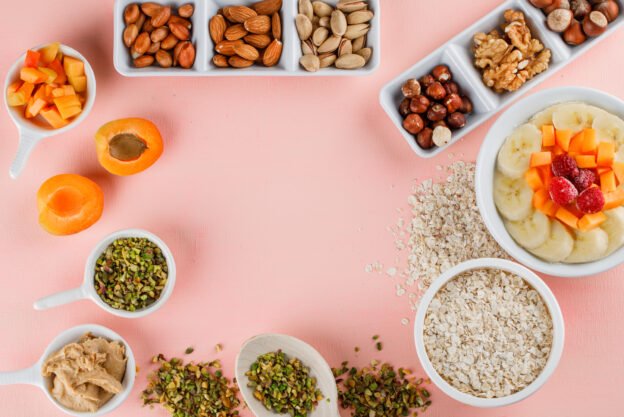
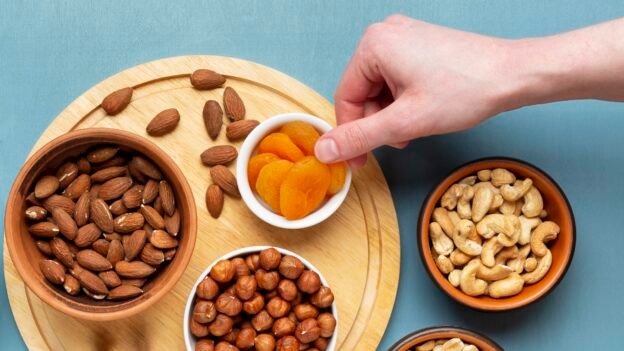
Dry fruits such as almonds, walnuts, cashews, and pumpkin seeds contain a significant amount of protein, making them a convenient and natural source of nourishment. Including protein in dry fruits in your diet can help:

  • Protein in dry fruits aids in muscle repair and growth
  • It supports hormone and enzyme production
  • It enhances immune system function
  • It provides long-lasting energy for daily activities

For those following a vegetarian or vegan diet, protein in dry fruits is particularly valuable. Athletes and fitness enthusiasts also benefit from the combination of protein and healthy fats, which supports both performance and recovery. By choosing high protein dry fruits, you can enjoy a nutrient-dense snack that complements other sources of protein without the need for supplements.

Top 12 High Protein Dry Fruits You Should Include in Your Diet

Eating high protein dry fruits is one of the easiest ways to boost your protein intake naturally. Here is a detailed look at the top dry fruits and seeds that are rich in protein:

Almonds – The Protein Powerhouse
Protein in almonds is approximately 21 grams per 100 grams. They are rich in Vitamin E, healthy fats, and fiber. Almonds support heart health, improve skin quality, and provide sustained energy. You can enjoy them raw, soaked, roasted, or in smoothies.

Pistachios – Small but Mighty
Pistachios contain about 20 grams of protein per 100 grams. They are an excellent source of fiber and antioxidants, making them a perfect snack for post-workout recovery. Adding pistachios to salads or eating them as a mid-day snack can provide both nutrition and energy.

Walnuts – Omega-3 and Protein Combo
Walnuts provide around 15 grams of protein per 100 grams. They are high in omega-3 fatty acids, which reduce inflammation and support brain and heart health. Including walnuts in your diet can help improve cognitive function while providing protein.

Cashews – Creamy and Nutrient-Dense
Cashews contain approximately 18 grams of protein per 100 grams. They are rich in iron, magnesium, and healthy fats. Cashews can be eaten as a snack, used in sauces, or added to smoothies for a creamy texture and protein boost.

Peanuts – Budget-Friendly Protein Source
Peanuts have about 26 grams of protein per 100 grams. They are excellent for muscle repair and energy. Peanuts can be eaten raw, roasted, or as peanut butter, providing an affordable and convenient source of protein in dry fruits.

Chia Seeds – Tiny but Protein-Packed
Chia seeds contain roughly 17 grams of protein per 100 grams. They also provide omega-3 fatty acids, fiber, and antioxidants. Chia seeds can be added to smoothies, puddings, or yogurt to increase protein intake effortlessly.

Sunflower Seeds – Protein Meets Vitamin E
Sunflower seeds provide approximately 21 grams of protein per 100 grams. They are high in Vitamin E, which supports skin and hair health, and they also aid muscle recovery after workouts.

Pumpkin Seeds – The King of Plant Protein
Pumpkin seeds are extremely protein-rich, with around 30 grams per 100 grams. They also provide zinc and omega-6 fatty acids, making them ideal for immunity support and fitness enthusiasts.

Brazil Nuts
Brazil nuts contain about 14 grams of protein per 100 grams. They are rich in selenium, which supports thyroid function and overall health.

Fox Nuts (Makhana)
Fox nuts provide approximately 9 grams of protein per 100 grams. They are low in calories and make a healthy snack option.

Flaxseeds
Flaxseeds contain around 18 grams of protein per 100 grams. They are also high in omega-3 fatty acids, which support heart health and digestion.

Quinoa
Although technically a seed, quinoa contains about 14 grams of protein per 100 grams and is considered a complete plant protein source. It is versatile and can be added to salads, soups, or breakfast bowls.

Comparative Table: Protein Content in Popular Dry Fruits

Dry Fruit

Protein (g/100g)

Key Nutrients

Ideal Use

Pumpkin Seeds

30

Zinc, Omega-6

Protein topping

Peanuts

26

Arginine, Magnesium

Pre-workout snack

Almonds

21

Vitamin E

Breakfast boost

Sunflower Seeds

21

Vitamin E, Fiber

Smoothies, snacks

Pistachios

20

Fiber, B6

Midday snack

Cashews

18

Iron, Zinc

Smoothies, sauces

Walnuts

15

Omega-3, Antioxidants

Brain food


Health Benefits of High Protein Dry Fruits

Consuming high protein dry fruits offers numerous health advantages beyond just protein intake. These benefits include:

  • Supports muscle recovery and strength due to essential amino acid
  • Boosts metabolism and aids in weight management by increasing satiety
  • Provides sustained energy from healthy fats and fiber
  • Improves hair, skin, and hormonal balance with key vitamins and minerals
  • Acts as an excellent vegetarian protein source for people who do not consume animal products

Including protein in dry fruits in your daily diet can help you maintain a balanced nutrition profile while enjoying tasty and convenient snacks.

How to Include Protein-Rich Dry Fruits in Your Daily Diet

Incorporating high protein dry fruits into your meals is simple and versatile. Some effective ways include:

  • Morning: Add almonds or chia seeds to oatmeal or smoothies
  • Pre-workout: Snack on peanuts or pistachios for energy
  • Post-workout: Combine walnuts with dates to support recovery
  • On-the-go: Make trail mix or protein bars using a mix of dry fruits and seeds
  • Creative meals: Use pumpkin seeds as salad toppings, cashews in creamy sauces, or flaxseeds in breakfast bowls

Regularly including protein in dry fruits ensures that you meet your daily protein needs while also obtaining essential vitamins, minerals, and healthy fats.

Final Thoughts

Adding protein in dry fruits to your diet is an easy, natural, and delicious way to enhance your nutrition. From almonds and walnuts to pumpkin seeds and chia seeds, high protein dry fruits provide plant-based protein, healthy fats, and essential nutrients to support muscle growth, energy, and overall wellness. Incorporate them creatively into meals and snacks while being mindful of portion sizes.

By making protein in dry fruits a regular part of your diet, you are taking a step toward a healthier, stronger, and more energetic lifestyle.

Enroll today in NFNA’s

Are you ready to deepen your understanding of nutrition and build a rewarding career in fitness? Learn directly from India’s top doctors, dieticians, and trainers at NFNA – The National Fitness & Nutrition Academy. Enroll today in NFNA’s Diploma in Applied Nutrition, Food Science & Dietetics or Personal Training Certification to turn your passion for health into a thriving career. NFNA – Spreading Evidence-Based Knowledge. Creating Extraordinary Fitness Professionals.

Frequently Asked Questions

Q1: Which dry fruit has the highest protein content?

Pumpkin seeds are the highest, providing approximately 30 grams of protein per 100 grams. Peanuts and almonds are also excellent sources of protein in dry fruits.

Yes. The combination of protein, healthy fats, and fiber in dry fruits supports muscle repair, recovery, and overall growth, making them suitable for athletes and fitness enthusiasts.

Dry fruits can complement protein supplements but are not a full replacement. They provide natural, plant-based protein and other nutrients, but concentrated supplements may still be required for specific fitness goals.

Depending on your dietary needs, 30–50 grams of protein from a combination of high protein dry fruits is recommended to support overall nutrition and energy levels.

Yes, in moderation. They are nutrient-dense and provide satiety, but because they are calorie-dense, portion control is important for weight management.

Yes. Dry fruits are healthy snacks for children, but younger kids should consume them in chopped or powdered form to avoid choking hazards.

Overconsumption may lead to excess calorie intake or digestive discomfort due to high fiber content. Eating protein in dry fruits in moderation is recommended.

Store dry fruits in airtight containers in a cool, dry place. Avoid exposure to moisture and sunlight to preserve protein content and prevent spoilage.
masoor dal protein per 100g

Masoor Dal Protein per 100g: The Ultimate Guide to India’s Powerful Plant Protein

If you are looking for a high-quality vegetarian protein source, understanding masoor dal protein per 100g is crucial. Masoor dal, also called red lentils, has been a staple in Indian kitchens for centuries, prized not only for its flavor but also for its dense nutritional content. With approximately 24–25 grams of protein per 100g, masoor dal is one of the richest plant-based proteins available, making it an essential food for vegetarians, athletes, and fitness enthusiasts.

In addition to protein, masoor dal provides significant amounts of fiber, iron, and essential vitamins, supporting digestion, energy levels, and overall health. This comprehensive guide explores masoor dal nutrition, highlights its health benefits, explains its role in a fitness-focused diet, and provides practical tips to include it in your daily meals. By the end, you will understand why masoor dal protein per 100g is a must-have for anyone serious about balanced nutrition and optimal health.

What is Masoor Dal?

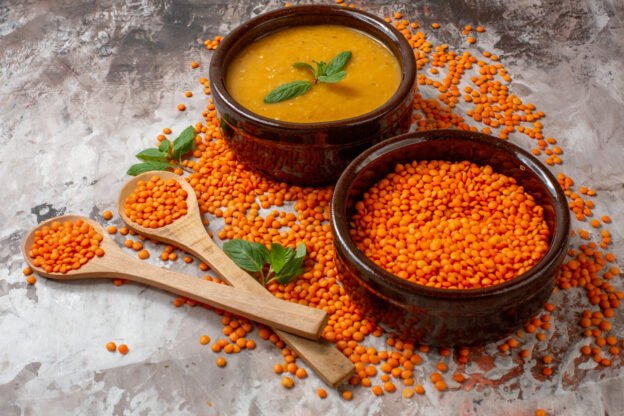
Masoor dal, commonly referred to as red lentils, is a versatile legume widely used across India and South Asia. It comes in two main varieties: whole masoor dal, which retains its brown outer skin, and split masoor dal, which is orange-red in color and cooks faster. Both varieties are nutritionally rich, but split masoor dal is particularly popular for soups, stews, khichdi, and even fusion dishes.

Masoor dal has a long history in Indian diets, forming an essential component of vegetarian meals. It is easy to digest, cooks quickly, and blends well with a variety of spices and grains. For fitness enthusiasts, masoor dal offers a natural, plant-based source of protein, essential for muscle repair, energy maintenance, and overall wellness.

Masoor dal is not only a culinary staple but also an important Indian superfood for anyone looking to meet daily protein requirements naturally. Understanding masoor dal protein per 100g helps highlight why this humble lentil is a powerhouse for vegetarians and health-conscious individuals alike.

Masoor Dal Protein per 100g: The Exact Numbers

The protein content of masoor dal per 100g is impressive, making it one of the top vegetarian protein foods. Here is a detailed nutritional profile per 100 grams of dry masoor dal:


Nutrient

Amount per 100g

Benefits

Protein

24–25 g

Supports muscle building & recovery

Fiber

10 g

Improves digestion

Carbohydrates

59 g

Provides slow-release energy

Fat

1 g

Heart-friendly & low-calorie meals

Iron

6–7 mg

Boosts red blood cells

Calories

343 kcal

Balanced energy source

When compared to other vegetarian protein sources, masoor dal protein per 100g surpasses chickpeas, cooked kidney beans, and paneer in terms of protein density. Its low fat content and high digestibility make it ideal for both weight management and fitness-focused diets.

The protein in masoor dal is also highly versatile, allowing it to be combined with grains like rice or millet to create a complete amino acid profile, further enhancing its value as a plant-based protein source.

Why Masoor Dal is a Complete Fitness Food

Masoor dal is considered a complete fitness food because it delivers not only high protein but also a balanced amino acid profile, essential for body repair and growth. Many plant-based proteins lack certain amino acids, but masoor dal, when paired with grains, provides a complete protein source suitable for vegetarians and vegans.

Key benefits of incorporating masoor dal protein per 100g into a fitness diet include:

  • Supports muscle repair and growth after exercise
  • Aids in weight management by providing high satiety and low fat
  • Improves metabolic health by stabilizing blood sugar levels
  • Enhances energy levels through slow-digesting carbohydrates
  • Provides essential vitamins and minerals that support overall body function

For bodybuilders, athletes, and fitness enthusiasts, masoor dal is a natural and affordable alternative to animal protein supplements. Its easy digestibility ensures that nutrients are absorbed efficiently, making it an excellent option for pre- and post-workout meals.

Top Health Benefits of Masoor Dal

Including masoor dal in your diet offers multiple health benefits beyond protein. Some of the most notable benefits include:

  • Improves heart health by lowering cholesterol levels
  • Helps regulate blood sugar, making it beneficial for diabetics
  • Supports digestion due to its high fiber content
  • Boosts skin health through antioxidants and essential vitamins
  • Enhances pregnancy nutrition by providing folate and iron
  • Strengthens immunity and overall vitality
  • Aids in weight management due to its protein and fiber balance

The rich nutritional profile of masoor dal demonstrates why it is often considered an Indian superfood. Regular consumption not only meets protein needs but also contributes to long-term health and well-being.

Masoor Dal in Your Daily Diet: Smart Ways to Add It

Masoor dal is incredibly versatile and can be incorporated into a variety of meals. Some simple ways to include it are:

  • Cooked into soups and stews for a protein-rich broth
  • Added to khichdi or rice-millet combinations for a complete protein meal
  • Blended into dosa or pancake batter for savory or sweet dishes
  • Mixed into salads or protein bowls for added texture and nutrition

For fitness enthusiasts, masoor dal protein per 100g makes it an ideal ingredient for pre- and post-workout meals. Consuming it as part of a balanced meal ensures muscle recovery, sustained energy, and satiety throughout the day.

Masoor Dal vs Other Lentils: Which is Best for Protein

When comparing masoor dal with other lentils, it stands out for its protein content, digestibility, and overall nutritional benefits.

Lentil Type

Protein per 100g

Glycemic Index

Notes

Masoor Dal

24–25 g

35

Easy to digest & versatile

Moong Dal

24 g

38

Great for light meals

Chana Dal

21 g

35

Slightly higher fiber content

Urad Dal

25 g

40

Richer in iron

In addition to protein, masoor dal has a lower glycemic index than some other pulses, making it suitable for those managing blood sugar levels. Its balance of protein, fiber, and essential nutrients makes it the top choice for a vegetarian diet.

Side Effects and Best Practices

Masoor dal is safe for most individuals, but overconsumption can occasionally cause bloating or digestive discomfort due to its fiber content. People with a tendency toward high uric acid levels should consume it in moderation.

Safe intake recommendations include consuming 4–5 servings per week as part of a balanced diet. Soaking masoor dal before cooking can further improve digestibility and reduce cooking time, ensuring that masoor dal protein per 100g is absorbed efficiently without digestive issues.

Scientific Insights: What Experts Say

Nutrition experts emphasize that the protein in masoor dal is highly beneficial, particularly for vegetarians and athletes. Scientific studies indicate that masoor dal protein per 100g provides a balanced amino acid profile, supporting muscle repair, energy maintenance, and overall health.

Ayurvedic perspectives also highlight red lentils for their easy digestibility, energy-boosting properties, and ability to support long-term health. Research-backed studies suggest that including masoor dal regularly can improve cardiovascular health, maintain healthy blood sugar levels, and enhance overall nutritional status.

Conclusion 

Masoor dal protein per 100g provides approximately 24 grams of high-quality plant protein, making it an indispensable addition to a balanced diet. Beyond protein, masoor dal is rich in fiber, iron, and essential vitamins, promoting heart health, digestion, and overall vitality. Regular consumption ensures a reliable, affordable, and natural way to meet protein needs, particularly for vegetarians and fitness-focused individuals. Including masoor dal in weekly meals is a practical and nutritious choice for anyone seeking a healthy lifestyle.

Take your nutrition knowledge to the next level with NFNA. Whether you are an athlete, health coach, or fitness enthusiast, NFNA’s Diploma in Applied Nutrition and Food Science helps you understand macronutrients like masoor dal protein per 100g and how to create science-backed meal plans for real results.

Frequently Asked Questions

Q1. Is masoor dal a complete protein?

Masoor dal is a high-quality protein source and becomes a complete protein when paired with grains like rice or millet, providing all essential amino acids.

Masoor dal provides 24–25 grams of protein per 100 grams, making it an excellent choice for vegetarians and fitness enthusiasts.

Yes, moderate daily consumption is safe. Including one to two servings a day provides ample protein without overloading the digestive system.

Yes, due to its high fiber and protein content, masoor dal promotes satiety, reduces overeating, and supports healthy weight management.

Yes, masoor dal has a low glycemic index, which helps regulate blood sugar levels and prevent spikes after meals.

Soak the lentils for a few hours before cooking to improve digestibility. Cooking does not significantly reduce protein content, and adding spices can enhance nutrient absorption.

Absolutely. Masoor dal provides a dense source of plant protein to support muscle growth, recovery, and energy levels without relying on animal products.

Cook it into soups, stews, khichdi, pancakes, or mix it into salads and protein bowls. Its versatility allows it to fit easily into any diet.

how much protein in 1 roti

How Much Protein in 1 Roti? A Complete Nutrition and Health Guide

If you have ever wondered how much protein in 1 roti, you are not alone. While rotis are often considered a staple source of carbohydrates in Indian meals, they are also a valuable source of protein, fiber, and essential nutrients. On average, one medium-sized whole wheat roti contains around 2.5 to 3.5 grams of protein. The exact amount depends on factors such as the type of flour used, the size of the roti, and the method of preparation.

Understanding how much protein in 1 roti is essential for anyone focusing on fitness, muscle growth, weight management, or overall health. Incorporating rotis strategically into your meals can help you balance carbohydrates, protein, and fiber effectively. In this article, we will explore the nutritional content of different types of rotis, ways to increase protein content, how rotis compare to other protein sources, and practical tips to make every roti a nutritious part of your diet.

What is Roti Made Of? The Basics Behind the Dough

A roti is a simple yet versatile food that forms the foundation of many Indian meals. While it may look plain, the ingredients and type of flour used directly influence its protein content and overall nutritional value.

Ingredients of Roti

  • Whole wheat flour provides moderate protein and fiber
  • Water binds the dough and keeps it soft
  • Optional additions such as milk, yogurt, or oil can slightly alter calories and protein content

Types of Roti Flours and Their Impact on Protein

Different types of flour contribute different amounts of protein and micronutrients. Knowing how much protein in 1 roti varies by flour type is important for meal planning. Common options include:

  • Whole wheat flour, which gives 2.5 to 3.5 grams of protein per roti
  • Multigrain flour blends, which provide 4 to 5 grams of protein per roti
  • Ragi (finger millet) flour, offering about 3 grams of protein per roti
  • Besan (gram flour), which is high in protein, giving 6 to 7 grams per roti
  • Bajra (pearl millet) flour, providing around 4 grams of protein per roti

Each flour type not only affects protein content but also adds vitamins, minerals, and fiber, making your meal more nutrient-dense. Understanding how much protein in 1 roti helps you select the right type for your dietary goals.

How Much Protein in 1 Roti — The Nutritional Breakdown

If you are tracking your protein intake, knowing how much protein in 1 roti is crucial. Different types of rotis have different protein values.  

Here’s a quick protein chart for common rotis:

Type of Roti

Weight (approx.)

Protein (per roti)

Calories

Whole Wheat Roti

30–40g

2.5–3.5g

70–100 kcal

Multigrain Roti

35g

4–5g

90–110 kcal

Ragi Roti

30g

3g

80 kcal

Besan Roti

30g

6–7g

100 kcal

Bajra Roti

30g

4g

90 kcal

The protein content of a roti depends on its thickness, size, and flour combination. Whole wheat rotis provide complex carbohydrates along with moderate protein, making them ideal for energy, muscle support, and satiety. Knowing how much protein in 1 roti helps you calculate your daily protein requirements more accurately.

How Roti Compares to Other Protein Sources

While rotis contain moderate protein, it is important to understand how they compare to other protein-rich foods. Rotis are not a complete protein on their own but complement other protein sources perfectly.

  • Roti provides approximately 7 to 8 grams of protein per 100 grams
  • Lentils provide around 18 grams of protein per 100 grams
  • Paneer provides around 18 grams of protein per 100 grams
  • Chicken breast provides approximately 31 grams of protein per 100 grams
  • Tofu provides around 8 grams of protein per 100 grams

By combining rotis with lentils, paneer, or tofu, you can achieve a balanced and complete protein intake. Understanding how much protein in 1 roti helps vegetarians and fitness enthusiasts plan meals that meet daily protein goals without relying entirely on meat or supplements.

How to Increase Protein in 1 Roti

You can significantly increase the protein content of your rotis by making a few simple adjustments. Here are some effective strategies:

  • Use high-protein flour blends such as besan, soy, or quinoa along with whole wheat flour
  • Add seeds such as flaxseeds, chia seeds, or hemp seeds into the dough
  • Replace water with milk or Greek yogurt when kneading the dough
  • Incorporate plant-based or whey protein powders for an extra boost
  • Combine different grains to make multigrain rotis with higher protein content

By implementing these methods, you can increase the protein content of your daily roti, making it a more substantial and nutritious meal. This ensures that each roti contributes meaningfully to your daily protein intake and overall health.

How Many Rotis Should You Eat Per Day for Balanced Nutrition

The number of rotis you should consume daily depends on your age, gender, and activity level. A balanced intake ensures you get enough carbohydrates and protein without excess calories.

  • Sedentary women can eat 2 to 3 rotis per day
  • Active women may consume 3 to 4 rotis per day
  • Sedentary men can eat 3 to 4 rotis per day
  • Active men may consume 4 to 6 rotis per day

It is best to pair rotis with protein-rich foods like dal, paneer, tofu, or lean meats. By knowing how much protein in 1 roti, you can calculate total protein intake and maintain a balanced diet tailored to your health goals.

Is Roti Good for Weight Loss and Fitness Goals

Rotis are ideal for weight loss and fitness when eaten in moderation. Here are some reasons why:

  • Roti has fewer calories per serving compared to rice and a lower glycemic index
  • Whole wheat and multigrain rotis release sugar slowly, aiding blood sugar control
  • Rotis provide complex carbohydrates along with moderate protein, keeping you full longer

For weight management or fitness goals, pairing rotis with protein-rich foods ensures a satisfying, nutrient-dense meal. Knowing how much protein in 1 roti helps you structure meals that support muscle growth, fat loss, and overall well-being.

Plant-Based Protein Pairings for Roti

Vegetarians and plant-based eaters can meet protein needs by pairing rotis with high-protein sides:

  • Dal or lentils provide around 18 grams of protein per 100 grams
  • Chickpeas provide approximately 19 grams of protein per 100 grams
  • Tofu contains about 8 grams of protein per 100 grams
  • Greek yogurt offers around 10 grams of protein per 100 grams

Combining these foods with rotis ensures you achieve your protein targets and enjoy a balanced diet. Knowing how much protein in 1 roti helps you mix and match plant-based options to optimize nutrition.

Conclusion  

Roti is much more than a source of carbohydrates. By understanding how much protein in 1 roti and pairing it with complementary protein-rich foods, you can make rotis a nutritious and satisfying part of every meal. Experiment with different flours, seeds, and ingredients to enhance protein content and enjoy meals that support fitness, weight management, and overall health.

Learn from the Experts at NFNA

Want to transform your nutrition knowledge into a professional career? Enroll in NFNA’s Nutrition and Fitness Courses, led by expert dieticians, doctors, and fitness trainers. Build your fitness brand online or offline and start creating a positive impact today.  

Frequently Asked Questions

Q1. How much protein is in 1 roti?

 One medium-sized whole wheat roti contains 2.5 to 3.5 grams of protein. Multigrain and besan rotis have higher protein content.

No, chapatis are not fattening when consumed in moderation as part of a balanced diet. They provide complex carbs and moderate protein.

Besan roti and multigrain roti are the highest in protein, with 6 to 7 grams and 4 to 5 grams per roti respectively.

Yes, rotis are low in calories, high in fiber, and keep you full longer, making them suitable for weight management.

Multigrain rotis usually contain more protein, fiber, and micronutrients compared to plain wheat rotis, making them a better choice for nutrition.

Use high-protein flours, add seeds, or knead the dough with milk or Greek yogurt to increase protein content naturally.

Yes, whole wheat and multigrain rotis have a low glycemic index, releasing sugar slowly and supporting blood sugar control.

Depending on activity level and gender, 2 to 6 rotis per day are recommended for balanced nutrition, especially when paired with protein-rich foods.

banana protein shake

Banana Protein Shake: The Ultimate High-Protein Drink for Fitness and Recovery

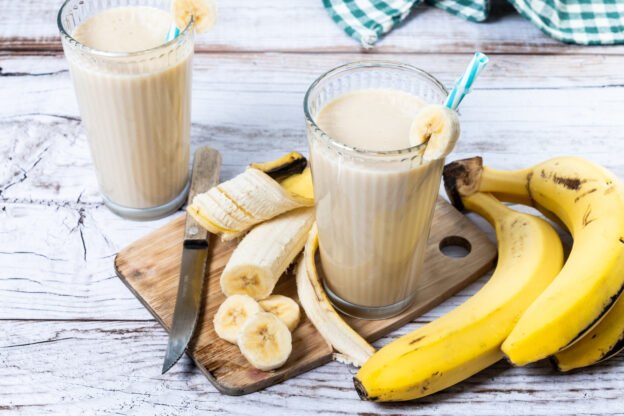
A banana protein shake is one of the simplest and most effective ways to boost your fitness nutrition while enjoying a delicious drink. Whether you are looking for a post-workout recovery option, a meal replacement, or simply a healthy snack, this shake provides the perfect balance of protein, carbohydrates, and essential nutrients. Unlike many artificial or sugary drinks on the market, a banana protein shake is natural, easy to make, and incredibly versatile, making it suitable for anyone who wants to support muscle growth, improve recovery, or maintain sustained energy throughout the day.

In the first few sips of a banana protein shake, you get a creamy texture, natural sweetness from the banana, and a satisfying richness from protein powder and optional yogurt. This shake can easily replace unhealthy snacks, support your fitness goals, and enhance your overall wellness. It is ideal for fitness enthusiasts, athletes, or anyone who wants to maintain a balanced and nutrient-dense diet.

Why Banana Protein Shake is Essential for Fitness Enthusiasts

A banana protein shake is not just a tasty drink but a scientifically sound nutritional choice for anyone serious about fitness. Bananas are rich in natural sugars, dietary fiber, and potassium, which help replenish electrolytes lost during exercise and provide immediate energy for your muscles. When combined with a high-quality protein powder, a banana protein shake becomes a powerhouse of muscle-repairing nutrients that accelerate recovery after workouts.

The benefits of incorporating a banana protein shake into your diet include:

  • Promotes lean muscle growth by supplying essential amino acids necessary for muscle repair and synthesis
  • Replenishes glycogen stores lost during intense workouts, helping reduce fatigue
  • Enhances recovery by reducing post-exercise muscle soreness
  • Supports gut health and improves digestion through natural fiber
  • Provides sustained energy, preventing mid-day energy slumps
  • Offers a convenient and quick option for anyone who struggles to eat a full meal post-workout

Fitness experts recommend consuming a banana protein shake after strength training or cardio exercises, as it helps maximize the effectiveness of your workouts while maintaining an evidence-based nutritional approach.

Ingredients Needed to Make the Perfect Banana Protein Shake

To create a delicious and nutritious banana protein shake, you will need the following ingredients:

  • One medium ripe banana, fresh or frozen for added creaminess
  • One scoop of whey protein or plant-based protein powder of your choice
  • One cup of milk, which can be dairy or plant-based such as almond, oat, or soy milk
  • Half a cup of Greek yogurt or curd to enhance texture and creaminess (optional)
  • One teaspoon of natural sweeteners such as honey or blended dates
  • Ice cubes as needed to create a chilled and smooth texture

For best results, freeze the banana beforehand. This improves the texture, makes the shake creamier, and removes the need for additional sugar or sweeteners. Using high-quality ingredients ensures that your banana protein shake delivers maximum nutrition without unnecessary additives.

Step-by-Step Guide to Making the Ultimate Banana Protein Shake

Making a banana protein shake is simple and can be done in just a few minutes. Follow these steps to ensure your shake is perfectly creamy and nutritious:

  1. Add the banana, protein powder, milk, Greek yogurt, honey, and ice cubes into a blender
  2. Blend the ingredients until the mixture is smooth, creamy, and free of chunks
  3. Check the consistency and add more milk if the shake is too thick or blend a few extra seconds for a smoother texture
  4. Pour the banana protein shake into a glass and serve immediately for the best taste and nutritional value

Optional additions include chia seeds, oats, or nut butter for extra protein, fiber, and healthy fats. These variations allow you to adjust your banana protein shake based on your nutritional goals or flavor preferences.

Popular Variations of Banana Protein Shake

To keep your banana protein shake interesting and flavorful, you can experiment with these variations:

  • Chocolate Peanut Butter Banana Protein Shake by adding cocoa powder and peanut butter
  • Berry Banana Protein Shake by blending in fresh strawberries, blueberries, or raspberries
  • Almond Delight Banana Protein Shake using almond milk and almond butter for a vegan-friendly option
  • Oats and Cinnamon Banana Protein Shake with added rolled oats and a pinch of cinnamon for extra satiety and warmth

These variations allow you to enjoy a banana protein shake in multiple ways without compromising on high-protein content or nutritional benefits.

Nutrition in Every Banana Protein Shake

Each serving of a banana protein shake provides a balanced mix of calories, protein, carbs, fats, and fiber that supports fitness and recovery:

  • Calories: Approximately 350 kcal
  • Protein: 22 to 25 grams depending on your protein powder
  • Carbohydrates: 35 grams from bananas and milk for energy replenishment
  • Fat: 6 grams for essential fatty acids and satiety
  • Fiber: 4 grams to aid digestion and prolong energy

This combination makes the banana protein shake an excellent option for post-workout recovery, meal replacement, or a nutritious snack.

Best Times to Drink a Banana Protein Shake

Timing your banana protein shake consumption is important for maximizing its benefits:

  • Pre-workout: Consume about 30-60 minutes before exercising to provide quick energy and fuel your workout
  • Post-workout: Drink immediately after exercise to enhance recovery, reduce muscle soreness, and replenish glycogen stores
  • Meal replacement: Use the shake as a balanced breakfast or mid-day meal when you are short on time
  • Anytime snack: Enjoy a banana protein shake as a healthy, nutrient-dense snack to curb hunger

Drinking a banana protein shake at the right time ensures that your body can make full use of the protein and carbohydrates it contains, improving both performance and recovery.

Tips to Maximize Protein Absorption from Your Banana Protein Shake

To ensure your banana protein shake delivers maximum benefits:

  • Pair it with complex carbohydrates like oats or brown rice to optimize amino acid absorption
  • Avoid adding artificial syrups or excessive sugar that can hinder recovery
  • Use high-quality protein powders such as whey isolate, casein, or plant-based proteins like pea protein
  • Stay hydrated as electrolytes from the banana help replenish what is lost during workouts
  • Drink it fresh to preserve nutrient content and maintain optimal flavor

These small adjustments will make your banana protein shake more effective and enhance your overall fitness and nutrition results.

Final Thoughts

A banana protein shake is a simple, versatile, and nutrient-packed option that fits perfectly into a fitness-focused lifestyle. It is easy to prepare, tastes great, and delivers the essential protein, carbohydrates, and micronutrients your body needs for recovery and sustained energy. Whether you use it as a post-workout drink, a meal replacement, or a healthy snack, the banana protein shake is a convenient and delicious way to support your fitness and nutrition goals.

Take charge of your health and performance by incorporating a banana protein shake into your daily routine and enjoy the benefits of better energy, faster recovery, and improved muscle growth.

At NFNA (National Fitness and Nutrition Academy), we believe that real fitness starts with knowledge. Whether you are a fitness enthusiast or aspiring nutrition professional, NFNA’s Certified Nutrition and Personal Training Courses can help turn your passion into expertise.

Enroll today at NFNA.in and start your journey toward becoming a Certified Fitness and Nutrition Professional.

Frequently Asked Questions 

Q1: Can I make a banana protein shake without dairy?

Yes, you can use almond milk, oat milk, coconut milk, or soy milk as alternatives. Vegan protein powders work well too.

Absolutely. A banana protein shake is nutrient-dense, keeps you full longer, and prevents overeating, making it an excellent option for weight management.

One serving contains around 22 to 25 grams of protein depending on the type and brand of protein powder used.

Yes. Fruits like berries, mango, or peaches pair well, adding natural sweetness, antioxidants, and extra vitamins.

You can consume it at both times. Before exercise, it provides energy, and after workouts, it helps with muscle recovery.

Yes, but adjust protein powder portions according to their age and nutritional requirements.

It is best consumed immediately, but it can be stored in the refrigerator for up to 24 hours without losing much nutritional value.

Yes, use plant-based protein powders, almond or oat milk, and skip the yogurt or replace it with plant-based yogurt.

pregnancy diet chart in hindi

Pregnancy Diet Chart in Hindi: माँ और बच्चे के लिए सही आहार गाइड

एक स्वस्थ और सुरक्षित गर्भावस्था की नींव सही खानपान और संतुलित आहार पर आधारित होती है। गर्भवती महिलाओं के लिए यह जानना बहुत जरूरी है कि कौन सा भोजन उनकी और उनके शिशु की सेहत के लिए सबसे अच्छा है। अगर आप अपने लिए या अपने साथी के लिए pregnancy diet chart in hindi ढूंढ रही हैं, तो यह ब्लॉग आपको एक विस्तृत और आसान गाइड प्रदान करता है।

पहले 50 शब्दों में सीधे कहें तो, इस ब्लॉग में आपको मिलेगा तिमाही अनुसार प्रेगनेंसी डाइट चार्ट, रोजमर्रा के भोजन के सुझाव, पोषण संबंधी महत्वपूर्ण जानकारी और विशेषज्ञों की सलाह। इस गाइड का पालन करने से आप अपने गर्भावस्था के दौरान पोषण की कमी से बच सकती हैं और अपने बच्चे के विकास को सही दिशा में बढ़ावा दे सकती हैं।

गर्भावस्था में शरीर में हार्मोनल और शारीरिक बदलाव आते हैं, जिससे माँ को अतिरिक्त पोषण और देखभाल की आवश्यकता होती है। सही आहार न केवल शिशु के स्वास्थ्य और विकास के लिए आवश्यक है, बल्कि माँ की ऊर्जा, इम्यूनिटी और मानसिक संतुलन को बनाए रखने में भी मदद करता है। यह pregnancy diet chart in hindi हर गर्भवती महिला के लिए मार्गदर्शक के रूप में काम कर सकता है।

गर्भावस्था में डाइट का महत्व क्यों है

गर्भावस्था में संतुलित आहार और पोषण का महत्व अत्यधिक है। माँ के शरीर में हार्मोनल बदलाव होते हैं, जिससे पोषण की जरूरत बढ़ जाती है। यह समय माँ और शिशु दोनों के लिए संवेदनशील होता है, इसलिए सही भोजन का चयन करना जरूरी है।

एक सही pregnancy diet chart in hindi अपनाने से आप सुनिश्चित कर सकती हैं कि:

  • शिशु का सही और स्वस्थ विकास होगा
  • माँ को पर्याप्त ऊर्जा और रोग प्रतिरोधक क्षमता प्राप्त होगी
  • गर्भावस्था में होने वाली जटिलताओं जैसे एनीमिया, उच्च रक्तचाप और कमजोरी का जोखिम कम होगा

इसके अलावा, डॉक्टर और न्यूट्रिशनिस्ट की सलाह लेना भी बहुत महत्वपूर्ण है। कोई भी नया भोजन या सप्लीमेंट लेने से पहले विशेषज्ञ से परामर्श करना जरूरी है। Pregnancy diet chart in hindi सिर्फ एक मार्गदर्शक है, इसे अपनी व्यक्तिगत जरूरतों के अनुसार अपनाना चाहिए।

प्रेगनेंसी डाइट चार्ट – तिमाही अनुसार

पहली तिमाही (1–3 महीने)

पहली तिमाही गर्भावस्था की सबसे संवेदनशील अवधि होती है। इस समय फोलिक एसिड, आयरन और विटामिन B6 का पर्याप्त सेवन अत्यंत आवश्यक है। यह शिशु के मस्तिष्क और न्यूरल ट्यूब के विकास में मदद करता है।

इस तिमाही में यह ध्यान रखें कि हल्का और पोषण युक्त भोजन लें। मतली और उल्टी से राहत पाने के लिए छोटे-छोटे भोजन लें और पानी पर्याप्त मात्रा में पिएं।

उदाहरण भोजन योजना:

  • दूध और दूध से बने उत्पाद
  • हरी पत्तेदार सब्जियां और फलों का सेवन
  • दालें और साबुत अनाज
  • केला, सेब और पपीता (पका हुआ)

यह चरण pregnancy diet chart in hindi का पहला महत्वपूर्ण हिस्सा है, जिसे सही तरीके से पालन करने से आप और आपका बच्चा दोनों स्वस्थ रहेंगे।

दूसरी तिमाही (4–6 महीने)

दूसरी तिमाही में माँ का भूख बढ़ता है और ऊर्जा की जरूरत ज्यादा होती है। इस दौरान कैल्शियम, प्रोटीन और फाइबर पर ध्यान दें। डेयरी, साबुत अनाज और ताजे फल को अपने भोजन में शामिल करें।

उदाहरण भोजन योजना:

  • दूध, दही और पनीर
  • ब्राउन राइस, ओट्स और जौ
  • संतरा, सेब और अमरूद
  • हल्की एक्सरसाइज और पर्याप्त पानी

यह तिमाही pregnancy diet chart in hindi में सबसे महत्वपूर्ण होती है क्योंकि शिशु का वजन तेजी से बढ़ता है और माँ की ऊर्जा की आवश्यकता भी अधिक होती है।

तीसरी तिमाही (7–9 महीने)

तीसरी तिमाही में उच्च प्रोटीन, आयरन और कैल्शियम युक्त भोजन बेहद जरूरी है। इस समय माँ का पेट बड़ा होता है और कब्ज जैसी समस्याएँ आम हो जाती हैं।

उदाहरण भोजन योजना:

  • अंडा, पनीर और दालें
  • हरी पत्तेदार सब्जियां
  • विटामिन C से भरपूर फल जैसे स्ट्रॉबेरी, अमरूद
  • पर्याप्त पानी और हल्का व्यायाम

तीसरी तिमाही का pregnancy diet chart in hindi पालन करके आप अपनी ऊर्जा बनाए रख सकती हैं और शिशु के विकास को सुनिश्चित कर सकती हैं।

दैनिक आहार सुझाव (Daily Pregnancy Diet Chart in Hindi)

  • सुबह: गुनगुना पानी, बादाम, दूध
  •  नाश्ता: ओट्स, फल, अंडा या दाल चीला
  •  दोपहर: चावल, दाल, सब्ज़ी, दही
  •  शाम: नारियल पानी, मूंग चाट
  •  रात: रोटी, पनीर भुर्जी, सूप
  •  सोने से पहले: हल्दी वाला दूध

यह pregnancy diet chart in hindi हर दिन अपनाने के लिए आसान और संतुलित है। इसे अपनी तिमाही के अनुसार हल्का या अधिक पौष्टिक बनाया जा सकता है।

गर्भावस्था में किन चीजों से बचें

  • अधपका मांस और अंडा
  • फास्ट फूड और डिब्बाबंद भोजन
  • अधिक कैफीन, शराब और धूम्रपान
  • उच्च मर्करी वाले मछली जैसे शार्क और किंग मैकेरल
  • अधपका पपीता और अनानास

इनसे बचकर आप अपने बच्चे और अपनी सेहत दोनों की सुरक्षा कर सकती हैं। Pregnancy diet chart in hindi में इन्हें विशेष रूप से शामिल नहीं किया गया है।

आम परेशानियों में क्या खाएं

  • मतली: अदरक चाय, टोस्ट और केला
  •  कब्ज: फाइबर युक्त भोजन और पर्याप्त पानी
  •  थकान: आयरन युक्त फूड्स, गुड़ और अनार
  •  वजन बढ़ना: हेल्दी स्नैक्स जैसे बादाम, दूध और फल

यह सुझाव pregnancy diet chart in hindi को अपनाने में मददगार हैं और रोजमर्रा की परेशानियों को कम करते हैं।

विशेषज्ञ सलाह: डॉक्टर से कब संपर्क करें

  • लगातार उल्टी या वजन में असमानता
  • ब्लड प्रेशर का बढ़ना
  • हाई रिस्क प्रेगनेंसी के संकेत
  • डॉक्टर द्वारा सुझाए गए सप्लीमेंट्स का पालन

Pregnancy diet chart in hindi का पालन करते समय यह सुनिश्चित करना जरूरी है कि कोई गंभीर लक्षण दिखाई देने पर तुरंत विशेषज्ञ से संपर्क किया जाए।

निष्कर्ष (Conclusion)

हर गर्भवती महिला की डाइट अलग होती है। अपनी स्थिति के अनुसार डॉक्टर या न्यूट्रिशनिस्ट की सलाह से pregnancy diet chart in hindi का पालन करें। संतुलित भोजन, पर्याप्त पानी, और मानसिक शांति के साथ ही आप और आपका बच्चा स्वस्थ रह सकते हैं।

क्या आप Pregnancy Nutrition में करियर बनाना चाहती हैं?
NFNA भारत की भरोसेमंद न्यूट्रिशन अकादमी है जहाँ आप सीख सकती हैं:

  • Prenatal & Postnatal Nutrition Course
  • Applied Nutrition & Food Science Diploma
  • Personal Training + Nutrition Combo Program

Learn. Earn. Empower – Start your Nutrition Journey with NFNA Today!

Frequently Asked Questions

Q1. प्रेगनेंसी में कौन से फल अच्छे हैं?

संतरा, सेब, केला, पका हुआ पपीता और अमरूद गर्भवती महिलाओं के लिए सबसे लाभकारी हैं।

पका हुआ पपीता सुरक्षित है, लेकिन कच्चा पपीता और अनानास से बचना चाहिए क्योंकि यह गर्भपात का खतरा बढ़ा सकता है।

फोलिक एसिड शिशु के मस्तिष्क और न्यूरल ट्यूब के विकास के लिए बेहद जरूरी है।

फाइबर युक्त भोजन, हरी सब्जियां और पर्याप्त पानी लेने से कब्ज की समस्या कम होती है।

योग्य न्यूट्रिशनिस्ट या डॉक्टर आपकी स्वास्थ्य स्थिति और आवश्यकताओं के अनुसार डाइट चार्ट तैयार कर सकते हैं।

 हां, दूध, दही और पनीर गर्भावस्था में सुरक्षित और लाभकारी हैं।

दिन में पांच से छह छोटे भोजन करना अच्छा होता है, इससे ऊर्जा बनी रहती है और मतली कम होती है।

सीमित मात्रा में कॉफी या चाय लेना सुरक्षित है, लेकिन अधिक मात्रा से गर्भावस्था में नुकसान हो सकता है।

pcos diet chart

PCOS Diet Chart: A Complete 7-Day Meal Plan for Hormonal Balance and Better Health

Polycystic Ovary Syndrome (PCOS) affects millions of women globally, causing irregular periods, weight gain, hormonal imbalances, acne, and fertility issues. If you are struggling with these symptoms and want a practical, evidence-based solution, a PCOS diet chart can help you regain control over your health. A properly designed PCOS diet chart helps regulate insulin levels, manage weight, reduce inflammation, and support hormonal balance.

In this article, you will find a comprehensive, 7-day PCOS diet chart, tailored for Indian women, focusing on whole foods, lean proteins, healthy fats, and fiber-rich vegetables and fruits. This PCOS diet chart also includes practical tips for lifestyle and nutrition to ensure long-term results. By following this plan, you can gradually improve your health, energy levels, and reproductive wellness naturally.

What Is a PCOS Diet Chart and Why It Works

A PCOS diet chart is not just a meal plan but a scientifically structured approach to managing the symptoms of Polycystic Ovary Syndrome. Unlike general diets, a PCOS diet chart emphasizes low-glycemic foods, lean proteins, healthy fats, and high-fiber options, which help regulate blood sugar and reduce chronic inflammation.

The main benefits of a PCOS diet chart include regulating insulin levels, reducing abdominal fat, improving hormone balance, and supporting sustainable weight management. Women who follow a PCOS diet chart consistently often report improved menstrual regularity, reduced acne, better mood, and increased fertility.

The philosophy behind a PCOS diet chart is food as medicine. By eating balanced meals that combine the right carbohydrates, proteins, fats, and micronutrients, women with PCOS can take control of their hormonal health naturally, alongside medical guidance if needed.

Key Nutrition Principles for Managing PCOS

A successful PCOS diet chart focuses on foods that stabilize blood sugar, reduce inflammation, and support hormonal balance. Here are the essential nutrition principles to include:

  • Low-Glycemic Index Foods: These foods release glucose slowly, keeping insulin levels steady. Examples for a PCOS diet chart include oats, quinoa, millet, and brown rice.
  • Lean Proteins: Lean protein sources such as eggs, fish, chicken, tofu, and lentils help maintain muscle mass, promote satiety, and prevent blood sugar spikes.
  • Healthy Fats: Including avocados, olive oil, nuts, and seeds in your PCOS diet chart supports hormone production and reduces inflammation.
  • Fiber-Rich Foods: Fruits, vegetables, and legumes improve digestion, stabilize blood sugar, and promote gut health, which is essential for hormone regulation.
  • Anti-Inflammatory Foods: Turmeric, cinnamon, leafy greens, and green tea help reduce the chronic inflammation often associated with PCOS.
  • Hydration: Adequate water intake and herbal teas are critical in a PCOS diet chart. Avoid sugary drinks and excessive caffeine, which can disrupt insulin balance.

By following these principles, a PCOS diet chart becomes not just a short-term plan but a long-term lifestyle solution for managing PCOS effectively.

Foods to Eat and Avoid in a PCOS Diet Chart

Creating an effective PCOS diet chart requires knowing which foods to prioritize and which to minimize or avoid.

Foods to Include in a PCOS Diet Chart

  •  Whole grains such as oats, brown rice, and millet
  •  Fruits like berries, guava, apples, and papaya
  •  Vegetables including spinach, broccoli, cauliflower, carrots, and bell peppers
  •  Lean proteins such as eggs, chicken, fish, lentils, and tofu
  •  Healthy fats including avocado, nuts, seeds, and olive oil
  •  Herbs and spices like turmeric, cinnamon, and fenugreek

Foods to Avoid in a PCOS Diet Chart

  •  Refined carbohydrates such as white rice, maida, and packaged baked goods
  •  Sugary snacks and desserts including cakes, cookies, and sweetened beverages
  •  Processed and fried foods that can increase inflammation
  •  Excess caffeine and alcohol which can disrupt hormone balance

By emphasizing what to include rather than focusing solely on restrictions, a PCOS diet chart becomes sustainable and enjoyable, encouraging long-term adherence.

7-Day PCOS Diet Chart (Indian Meal Plan)

Here’s a practical, Indian-focused PCOS diet chart for one week. Each day combines low-GI carbs, lean protein, healthy fats, and fiber for hormone balance.

Day

Breakfast

Lunch

Snack

Dinner

Day 1

Oats porridge + nuts

Brown rice + dal + salad

Apple + almonds

Grilled fish + sautéed vegetables

Day 2

Moong dal chilla + chutney

Roti + sabzi + curd

Fruit + pumpkin seeds

Tofu stir-fry + quinoa

Day 3

Smoothie (banana, spinach, almond milk)

Rajma + brown rice

Roasted makhana

Chicken curry + steamed veggies

Day 4

Vegetable poha + curd

Millet khichdi + dal

Coconut water + walnuts

Paneer bhurji + multigrain roti

Day 5

Ragi dosa + chutney

Chana dal + salad

Greek yogurt + flaxseeds

Vegetable pulao + curd

Day 6

Avocado toast

Quinoa bowl + lentil curry

Pear + peanuts

Grilled shrimp + sautéed spinach

Day 7

Veg omelet

Chapati + sabzi + salad

Dark chocolate (small)

Soup + brown rice + veggies

Pro Tip: Adjust portion sizes according to your calorie needs. A balanced PCOS diet chart works best when paired with regular exercise and hydration.

Lifestyle Tips to Complement Your PCOS Diet Chart

While nutrition forms the foundation of a PCOS diet chart, combining it with healthy lifestyle practices enhances its effectiveness.

  • Exercise: Aim for 30 minutes of daily activity, including yoga, brisk walking, or strength training. Exercise improves insulin sensitivity and helps regulate menstrual cycles.
  • Sleep: Prioritize 7 to 8 hours of quality sleep each night. Adequate sleep supports hormone balance and overall metabolic health.
  • Stress Management: Incorporate meditation, journaling, or outdoor walks. High stress can worsen hormonal imbalances associated with PCOS.
  • Regular Checkups: Routine monitoring with a gynecologist or nutritionist ensures your PCOS diet chart is working effectively and can be tailored according to your needs.

Common Myths About PCOS and Diet

Myth: Carbs are harmful for PCOS
Truth: Complex carbohydrates included in a PCOS diet chart are essential for energy and blood sugar control

Myth: Dairy should be completely avoided
Truth: Low-fat dairy in moderation is beneficial and can be included in a PCOS diet chart

Myth: Skipping meals helps manage PCOS
Truth: Regular balanced meals are important for hormone regulation and blood sugar control

Myth: PCOS always requires medication
Truth: Lifestyle changes, including a well-structured PCOS diet chart, can significantly improve symptoms

Conclusion

A PCOS diet chart is a practical, evidence-based approach to managing PCOS naturally. By following a structured meal plan with low-glycemic carbs, lean proteins, healthy fats, and fiber-rich vegetables and fruits, women can regulate insulin, reduce inflammation, improve menstrual health, and enhance fertility. Combining the PCOS diet chart with regular exercise, sleep, and stress management makes it a sustainable lifestyle choice. Start gradually, stay consistent, and embrace the PCOS diet chart as a long-term solution for better hormonal and overall health.

Ready to Take Control of Your Health or Build a Career in Nutrition? Learn how to design science-backed diet plans like the PCOS Diet Chart with expert-led, evidence-based courses at NFNA – India’s Top Nutrition and Fitness Academy.

Frequently Asked Questions  

Q1. Can a PCOS diet chart help with weight loss?

Yes, following a PCOS diet chart helps stabilize insulin, reduce cravings, and supports gradual and sustainable weight loss.

Whole grains like millet and oats, lentils, legumes, leafy vegetables, berries, nuts, seeds, lean proteins such as chicken, fish, eggs, and paneer.

Yes, low-fat dairy like curd, milk, and paneer can be included in moderation.

Many women notice improvements in energy, menstrual regularity, and reduced cravings within 3 to 4 weeks of consistently following the diet chart.

Yes, choose grilled proteins, salads, and whole grains while avoiding fried and processed foods.

Yes, smoothies made with spinach, berries, and unsweetened almond milk are excellent for managing blood sugar and adding essential nutrients.

Exercise is critical as it enhances insulin sensitivity, helps manage weight, and improves hormonal balance.

While a PCOS diet chart cannot replace medical treatment, it can significantly reduce symptoms, improve hormonal balance, and support long-term health when combined with lifestyle changes.

1000 calorie diet plan

1000 Calorie Diet Plan: Sample Chart, Benefits, Risks, and Expert Tips

If you are aiming for effective weight loss in a short period, a 1000 calorie diet plan can help you achieve your goals. This diet involves consuming approximately 1,000 calories per day, creating a calorie deficit that encourages your body to burn stored fat efficiently. The 1000 calorie diet plan is particularly popular for jumpstarting weight loss because it produces noticeable results in a short time while helping develop portion control and healthy eating habits.

However, it is crucial to understand that a 1000 calorie diet plan is not suitable for everyone and must be followed with caution. At NFNA, we emphasize evidence-based nutrition and recommend professional guidance to ensure safe and effective weight loss. In this guide, you will learn how the 1000 calorie diet plan works, its benefits, risks, sample meal ideas, and expert tips for success.

How the 1000 Calorie Diet Plan Works

The 1000 calorie diet plan functions primarily through the principle of calorie deficit. When you consume fewer calories than your body requires for energy, your body begins to use fat stores for fuel. This mechanism leads to weight loss and improved body composition when followed correctly.

This diet is often recommended for adults under medical supervision or guidance from certified nutritionists. Individuals with specific health conditions, such as thyroid disorders, diabetes, or heart issues, should only follow a 1000 calorie diet plan with professional oversight. Pregnant or breastfeeding women and adolescents should avoid this diet, as it may not provide sufficient nutrients for growth and development.

NFNA-certified nutritionists approach the 1000 calorie diet plan by ensuring it includes enough protein, vitamins, and minerals while maintaining the calorie restriction, making it safe and effective for short-term weight management.

Benefits of Following a 1000 Calorie Diet Plan

Following a 1000 calorie diet plan offers several advantages when done safely and under supervision.

  • Rapid initial weight loss provides motivation and encourages adherence.
  • Promotes portion control, helping you become more mindful of your eating habits.
  • Encourages the consumption of nutrient-dense foods such as fruits, vegetables, lean proteins, and whole grains.
  • Can be incorporated into a medically supervised program for obesity management or metabolic improvement.
  • Helps individuals recognize their body’s hunger cues and encourages healthier eating behaviors.

NFNA experts recommend calculating your Basal Metabolic Rate (BMR) before starting a 1000 calorie diet plan. Understanding your energy needs ensures the diet is effective without compromising your metabolic health.

Risks and Precautions

While the 1000 calorie diet plan can be effective, it comes with potential risks if followed incorrectly:

  • Nutrient deficiencies may occur due to low caloric intake.
  • Fatigue, dizziness, and irritability can arise from insufficient energy supply.
  • Long-term adherence may slow down metabolism and affect muscle mass.
  • Increased risk of binge eating or rebound weight gain if not monitored properly.

To mitigate these risks, it is important to follow a 1000 calorie diet plan under professional guidance. NFNA-certified courses teach safe and sustainable diet planning to ensure adequate nutrition and long-term health. Professionals emphasize the inclusion of essential nutrients while maintaining a calorie deficit.

Sample 1000 Calorie Diet Plan Menu

Here is a sample menu for a 1000 calorie diet plan, designed to provide balance and nutrition while staying within the calorie limit.

Vegetarian Option

Breakfast

  • Oatmeal with flaxseeds and a sliced apple (200 calories)

Lunch

  • Quinoa salad with black beans, corn, and lime dressing (300 calories)

Dinner

  • Vegetable curry with brown rice (350 calories)

Snack

  • Greek yogurt with fresh berries (150 calories)

Non-Vegetarian Option

Breakfast

  • Scrambled eggs with spinach (250 calories)

Lunch

  • Grilled chicken breast with steamed vegetables (300 calories)

Dinner

  • Baked salmon with quinoa and broccoli (350 calories)

Snack

  • Apple slices with a small amount of peanut butter (100 calories)

The 1000 calorie diet plan works best when meals are balanced, focusing on proteins, healthy fats, fiber, and vitamins to prevent nutrient deficiencies while promoting weight loss.

Foods to Include in a 1000 Calorie Diet Plan

For a safe and effective 1000 calorie diet plan, focus on nutrient-dense foods:

  • Lean proteins such as eggs, tofu, fish, chicken, and legumes
  • Whole grains like brown rice, oats, and quinoa
  • Healthy fats including avocado, olive oil, and almonds
  • Fresh fruits and vegetables such as berries, spinach, carrots, and cucumbers

NFNA experts emphasize that focusing on nutrient density rather than just calorie count is essential for maintaining metabolic health while following a 1000 calorie diet plan.

Foods to Avoid

To stay on track with a 1000 calorie diet plan, it is important to avoid:

  • Processed and fried foods
  • Sugary beverages, white bread, and refined pasta
  • High-fat meats and creamy sauces
  • Alcohol and sweetened desserts

Avoiding these foods helps prevent empty calorie intake and ensures you remain within the target calorie limit while still obtaining essential nutrients.

Exercise and Hydration Guidelines

Combining the 1000 calorie diet plan with exercise and proper hydration enhances its effectiveness:

  • Engage in moderate exercise for at least 30 minutes daily, including walking, yoga, or light cardio
  • Include resistance training to preserve lean muscle mass
  • Drink 2–3 liters of water daily
  • Use electrolyte drinks or infused water to maintain energy and prevent dehydration

Proper hydration and exercise not only aid in weight loss but also improve overall energy levels and well-being while following a 1000 calorie diet plan.

Expert Tips for Success

To maximize results and maintain safety while following a 1000 calorie diet plan, consider these tips:

  • Plan meals in advance to prevent unplanned snacking
  • Use smaller plates to control portions visually
  • Track weekly progress, including weight, energy levels, and measurements
  • Consult a certified nutritionist for personalized guidance

NFNA-certified dietitians emphasize that a 1000 calorie diet plan is most effective when personalized to meet your individual metabolic needs and lifestyle.

Conclusion

The 1000 calorie diet plan is an effective tool for short-term weight loss and portion control, but it is not suitable for everyone. Following it without guidance may lead to nutrient deficiencies or other health risks. NFNA emphasizes safe, evidence-based approaches to calorie restriction, focusing on nutrient balance and metabolic health. By combining proper planning, professional supervision, and mindful eating, a 1000 calorie diet plan can help you achieve your weight loss goals safely and effectively.

Frequently Asked Questions

Q1. Can I follow a 1000 calorie diet plan on my own?

It is not recommended to follow a 1000 calorie diet plan without professional supervision. A certified nutritionist can design a safe, personalized plan that meets your nutrient requirements.

The diet is intended for short-term use, typically 1–2 weeks. After that, transition to a balanced diet to maintain results.

Yes, but you need to include sufficient protein from tofu, lentils, beans, and seeds to meet your nutritional needs.

Hunger is common initially, but incorporating high-fiber foods and lean proteins can help manage appetite while following a 1000 calorie diet plan.

Yes, moderate exercise is encouraged, but avoid excessive high-intensity workouts to prevent fatigue and maintain energy levels.

Weight loss varies depending on metabolism and activity level. Typically, 1–2 kg in the first week is achievable with professional guidance.

Yes, unsweetened tea or black coffee is acceptable. Avoid added sugars and high-calorie creamers.

Only under the supervision of a healthcare professional or certified nutritionist. The diet must be tailored to individual health needs to avoid risks.

how to make protein powder at home

How to Make Protein Powder at Home: A Complete Science-Backed Guide to Clean Nutrition

If you are looking to boost your daily protein intake safely and affordably, you can learn how to make protein powder at home using natural ingredients such as lentils, seeds, nuts, and oats. Homemade protein powder provides a clean, preservative-free alternative to commercial powders, allowing you to control what goes into your body.

Learning how to make protein powder at home is not just about convenience. It ensures that you consume a balanced blend of amino acids, healthy fats, and fiber without unnecessary additives. This guide will teach you the science behind protein, the best ingredients to use, step-by-step preparation methods, and practical ways to incorporate homemade protein powder into your daily nutrition. By the end of this article, you will have a complete understanding of how to make protein powder at home efficiently and safely.

Understanding Protein: The Science Behind Muscle Growth

Protein is an essential macronutrient required for muscle repair, growth, hormone production, and overall body function. It breaks down into amino acids, which are the building blocks for muscle tissue and other vital proteins in the body. Learning how to make protein powder at home gives you the opportunity to choose high-quality ingredients that provide the amino acids your body needs for optimal performance.

Active adults typically require 1.6 to 2.2 grams of protein per kilogram of body weight daily. Protein quality is determined by its amino acid profile, digestibility, and bioavailability. Using a combination of plant and seed proteins when learning how to make protein powder at home ensures a more complete amino acid profile. This is particularly important for vegetarians, vegans, or anyone who wants to avoid processed commercial powders.

Knowing the science behind protein helps you make informed choices about the ingredients in your homemade protein powder, ensuring that each scoop contributes to muscle repair, recovery, and overall wellness.

Benefits of Homemade Protein Powder

Making your own protein powder at home offers a wide range of benefits that commercial protein powders often cannot match.

  • Full control over ingredients so you can avoid artificial flavors, preservatives, and sweeteners
  • Cost-effective compared to store-bought powders, especially for long-term use
  • Customizable to meet specific dietary needs, including vegan, lactose-free, or gluten-free options
  • Easier to digest and gentler on the stomach due to the absence of additives
  • Environmentally friendly as it reduces plastic packaging and waste
  • Encourages awareness and understanding of nutrition science
  • Enables you to experiment with flavors and nutrients based on personal preferences

By understanding how to make protein powder at home, you can create a supplement that fits your exact nutritional goals while also supporting sustainable and healthy eating practices.

Ingredients Needed for Homemade Protein Powder

When learning how to make protein powder at home, selecting the right ingredients is crucial. A balanced protein powder combines plant-based proteins, optional animal-based additions, and natural flavor enhancers.

Plant-Based Protein Sources

  • Roasted chickpeas or chana dal provide high protein content and are rich in iron and fiber
  • Oats supply moderate protein along with slow-digesting carbohydrates and beta-glucan fiber for heart health
  • Pumpkin seeds offer protein, healthy fats, zinc, and magnesium
  • Flax seeds are a source of protein, omega-3 fatty acids, and fiber to support gut health
  • Sunflower seeds provide protein, essential amino acids, and vitamin E

Optional Animal-Based Additions

  • Whey protein isolate or skimmed milk powder can be included for higher protein content in non-vegetarian options

Superfood and Flavor Add-Ons

  • Cocoa powder adds antioxidants and natural chocolate flavor
  • Cinnamon or cardamom supports digestion and adds aroma
  • Ashwagandha enhances recovery and reduces stress

By carefully combining these ingredients, you can create a nutritious and balanced powder when learning how to make protein powder at home.

Step-by-Step Guide: How to Make Protein Powder at Home

Step 1: Measure Ingredients

  • Use a balanced ratio of protein sources, such as 40% chickpeas, 25% oats, 20% mixed seeds, and 15% flax or pumpkin seeds

Step 2: Lightly Roast Ingredients

  • Dry roast each ingredient separately on low heat to enhance flavor, reduce moisture, and preserve nutrients
  • Avoid over-roasting to prevent the loss of essential amino acids

Step 3: Cool Completely

  • Cooling prevents moisture buildup and ensures the powder remains dry, improving shelf life

Step 4: Grind Ingredients

  • Use a high-speed blender or grinder to achieve a fine, consistent texture
  • Grind in small batches for uniform quality

Step 5: Sieve and Store

  • Optional sieving ensures smooth texture without clumps
  • Store in airtight glass jars in a cool, dry place to maintain freshness
  • Proper storage ensures your homemade protein powder lasts up to four weeks

Following these steps teaches you how to make protein powder at home that is safe, clean, and effective for daily use.

How to Use Homemade Protein Powder

Knowing how to make protein powder at home is only useful if you know how to integrate it into your diet. Here are practical ways to use your homemade blend:

  • Add one scoop to smoothies for breakfast or post-workout recovery
  • Mix into milk, almond milk, or plant-based beverages
  • Stir into cooked oats, yogurt, or pudding
  • Combine with fruits, nut butter, or spices for enhanced flavor and nutrients

Best timing for consumption includes:

  • Morning to support metabolism and prevent muscle breakdown
  • Pre-workout for sustained energy
  • Post-workout for maximum recovery
  • Before bed to support overnight muscle repair

Consistent use of homemade protein powder ensures adequate daily protein intake and improves overall health outcomes.

Common Mistakes to Avoid When Making Protein Powder at Home

When learning how to make protein powder at home, certain mistakes can reduce effectiveness or compromise safety:

  • Using wet ingredients during grinding, which can lead to clumping
  • Overloading the grinder, producing uneven powder
  • Storing in non-airtight containers, causing spoilage
  • Excessive addition of seeds or nuts, creating an unbalanced macronutrient profile
  • Expecting homemade powders to match the concentrated protein levels of commercial whey

Avoiding these mistakes ensures your homemade protein powder is safe, effective, and highly nutritious.

Who Should Use Homemade Protein Powder?

Homemade protein powder is suitable for a variety of people:

  • Fitness beginners looking to meet daily protein goals
  • Students and homemakers seeking affordable protein solutions
  • Recreational athletes needing clean nutrition
  • People with sensitive digestion or dietary restrictions
  • Aspiring fitness and nutrition professionals

However, competitive athletes or individuals with clinical nutritional requirements may need professionally formulated supplements for higher protein density.

Conclusion

Learning how to make protein powder at home empowers you to take control of your nutrition. It provides a clean, affordable, and customizable alternative to commercial powders. Homemade protein powder supports muscle repair, recovery, and overall health while helping you understand nutrition science at a deeper level.

At NFNA – National Fitness and Nutrition Academy, we teach not just what to consume, but why it matters. By mastering nutrition science, supplementation logic, and practical application, you can transform knowledge into a career or elevate personal fitness goals. Start your journey today and discover the power of evidence-based nutrition.

Turn your passion into expertise. Learn how to make protein powder at home and use it to build a healthier, stronger body while gaining professional knowledge with NFNA.

Frequently Asked Questions

Q1. Is homemade protein powder safe to consume daily?

Yes, when prepared hygienically, stored correctly, and consumed in recommended portions, homemade protein powder is safe and provides essential nutrients.

It can meet daily protein needs but may have lower protein density than whey. A combination of plant and optional animal-based proteins ensures a balanced amino acid profile.

When stored in airtight containers in a cool, dry place, it lasts approximately three to four weeks.

Yes, it is suitable for diabetics if no added sugar is included, and portions are monitored in line with overall carbohydrate intake.

Yes, it promotes satiety and supports muscle maintenance, which is critical for fat loss.

Yes, in moderate amounts and as part of a balanced diet. Overconsumption should be avoided.

Light roasting minimally impacts protein content and can improve flavor and digestibility. Avoid high heat to preserve nutrients.

Typically, one to two scoops depending on your daily protein requirement and diet plan. Ensure total protein intake aligns with individual goals.

thyroid diet chart

Thyroid Diet Chart: A Complete Guide to Foods, Nutrition Tips, and Daily Meal Planning for Thyroid Health

A properly planned thyroid diet chart is one of the most effective ways to support thyroid hormone balance, improve metabolism, and maintain steady energy levels. If you are struggling with weight changes, fatigue, hair fall, or mood fluctuations, your daily food choices may be playing a bigger role than you realize. The thyroid gland depends heavily on nutrition for hormone production and regulation. This detailed thyroid diet chart provides clear guidance on what to eat, what to avoid, and how to structure meals to naturally support thyroid health. By following a consistent and balanced thyroid diet chart, you can help your body function better while complementing medical treatment and lifestyle care.

Understanding the Thyroid Gland and Its Role in Health

The thyroid gland is a small organ located at the front of the neck, yet it controls some of the most vital functions of the body. It produces thyroid hormones known as T3 and T4, which regulate metabolism, heart rate, digestion, body temperature, and even mental clarity. When thyroid hormone production becomes imbalanced, it can affect nearly every system in the body.

The two most common thyroid conditions are hypothyroidism and hyperthyroidism. Hypothyroidism occurs when the thyroid produces insufficient hormones, often leading to weight gain, tiredness, constipation, dry skin, and depression. Hyperthyroidism occurs when excess hormones are produced, resulting in weight loss, anxiety, sweating, and palpitations.

A thoughtfully designed thyroid diet chart supports hormone production, reduces nutritional deficiencies, and helps stabilize thyroid function over time.

Nutritional Foundations of a Healthy Thyroid Diet Chart

Nutrition is the backbone of any effective thyroid diet chart. Certain vitamins and minerals are directly involved in thyroid hormone synthesis and conversion.

Iodine and Thyroid Health

Iodine is essential for the production of thyroid hormones. A deficiency can impair hormone formation, while excess intake may worsen some thyroid conditions. A balanced thyroid diet chart includes iodine in controlled amounts.

Food sources include

  • Iodized salt
  • Milk and curd
  • Eggs
  • Seafood

Selenium for Thyroid Protection

Selenium helps convert inactive thyroid hormone into its active form and protects the gland from oxidative stress.

Food sources include

  • Brazil nuts
  • Sunflower seeds
  • Fish
  • Whole grains

Zinc for Metabolic Balance

Zinc plays a role in hormone regulation and immune health, making it an important part of a thyroid friendly eating plan.

Food sources include

  • Pumpkin seeds
  • Lentils
  • Chickpeas
  • Nuts

Iron Vitamin D and Vitamin B12

Iron supports oxygen transport and energy levels. Vitamin D supports immune balance, while vitamin B12 is crucial for nerve health and hormone signaling. A nutrient rich thyroid diet chart ensures adequate intake of all three.

Thyroid Diet Chart: Foods to Include for Better Hormone Balance

A sustainable thyroid diet chart focuses on whole, nourishing foods rather than restrictive eating.

Foods that support thyroid health include

  • Whole grains such as brown rice, oats, and millets
  • High quality protein from eggs, fish, paneer, legumes, and curd
  • Fresh fruits and cooked vegetables
  • Healthy fats from nuts, seeds, and cold pressed oils

Including these foods regularly helps stabilize blood sugar levels, supports metabolism, and improves energy throughout the day.

Foods to Limit or Avoid in a Thyroid Diet Chart

Certain foods may interfere with thyroid function if consumed excessively. A balanced thyroid diet chart emphasizes moderation rather than complete elimination.

Foods to limit include

  • Highly processed and packaged foods
  • Excess refined sugar
  • Excess soy products
  • Raw cruciferous vegetables such as cabbage and cauliflower

Cooking vegetables reduces their goitrogenic effect and makes them safer for regular consumption.

7-Day Sample Thyroid Diet Chart

Below is a simple thyroid diet chart suitable for most individuals. Adjust portions and iodine intake based on medical advice.

Day

Breakfast

Lunch

Snack

Dinner

1

Oats with chia & berries

Grilled fish + salad

Brazil nuts

Chicken + brown rice

2

Vegetable poha + curd

Dal + roti

Apple

Paneer + veggies

3

Smoothie (banana & spinach)

Quinoa bowl

Almonds

Tofu stir-fry

4

Egg omelette

Rice + rajma

Fruit bowl

Grilled vegetables

5

Upma

Curd rice

Seeds mix

Fish curry

6

Millet porridge

Veg khichdi

Coconut water

Paneer bhurji

7

Toast + peanut butter

Lentil soup

Yogurt

Light home-cooked meal

This thyroid diet chart can be customized for hypothyroidism or hyperthyroidism.

Lifestyle Habits That Enhance the Thyroid Diet Chart

Nutrition works best when combined with supportive lifestyle habits. Even the most detailed thyroid diet chart cannot compensate for poor sleep or chronic stress.

Helpful lifestyle practices include

  • Regular low impact physical activity such as walking or yoga
  • Stress management through breathing exercises or meditation
  • Adequate hydration
  • Consistent sleep schedule

Together, these habits improve hormone communication and metabolic efficiency.

Common Mistakes to Avoid While Following a Thyroid Diet Chart

Many people unknowingly slow their progress by making avoidable mistakes while following a thyroid diet chart.

Common errors include

  • Skipping meals, especially breakfast
  • Taking thyroid medication with tea or coffee
  • Eating at irregular times
  • Ignoring micronutrient deficiencies

Being mindful of these habits can significantly improve results.

Expert Insight on Nutrition and Thyroid Health

Scientific research consistently shows that balanced macronutrients and adequate micronutrient intake support thyroid hormone production and conversion. A personalized thyroid diet chart based on evidence based nutrition can reduce symptoms, improve energy, and support long term thyroid management. Food may not replace medication, but it acts as a powerful foundation for hormonal health.

When Professional Guidance Is Necessary

If symptoms persist despite following a structured thyroid diet chart, professional guidance is essential. A qualified nutritionist or dietitian can assess lab values such as TSH, T3, and T4 and tailor dietary strategies accordingly. Personalized nutrition ensures safety, accuracy, and better long term outcomes.

Conclusion 

A well planned thyroid diet chart is not about restriction or short term fixes. It is about consistency, nourishment, and mindful choices. When combined with proper lifestyle habits and medical guidance, a thyroid supportive diet can significantly improve quality of life. Focus on balance, listen to your body, and view nutrition as a long term investment in hormonal health.

Ready to turn nutrition knowledge into a profession? Join NFNA – India’s leading Nutrition and Fitness Academy and learn to design evidence-based diet plans that truly transform lives. Explore our Diploma in Applied Nutrition and Dietetics and take the next step toward a rewarding career in nutrition.

Frequently Asked Questions  

Q1. What is a thyroid diet chart?

A thyroid diet chart is a structured eating plan that supports thyroid hormone production and metabolic balance through nutrient rich foods.

A thyroid diet chart supports management and symptom control but does not replace medical treatment or medication.

Yes, but the amount depends on the type of thyroid disorder. Both deficiency and excess can be harmful.

Yes, it supports metabolism and helps regulate weight when followed consistently.

Cooked vegetables are safe and nutritious. Raw intake should be moderate.

A thyroid diet chart should be followed long term as part of a healthy lifestyle.

Gluten restriction is only necessary for individuals with sensitivity or autoimmune conditions.

No. Whole foods are the foundation. Supplements are only supportive when prescribed.

sugar diet chart

Sugar Diet Chart: A Complete and Practical Guide to Control Blood Sugar Naturally

A sugar diet chart is the most reliable and natural way to manage high blood sugar levels and prevent long term complications of diabetes. The right sugar diet chart helps control glucose spikes, improves insulin efficiency, and supports overall metabolic health from the very first weeks of practice.

With diabetes and prediabetes increasing rapidly across India, people are actively searching for safe and sustainable solutions. A properly planned sugar diet chart answers this need by focusing on balanced meals, portion control, and smart food choices rather than extreme restrictions. This guide explains how a sugar diet chart works, what foods to include and avoid, and how to follow it effectively for lifelong health.

Understanding the Role of Sugar in the Body

Sugar in the body primarily exists as glucose, which acts as a fuel source for the brain, muscles, and organs. After consuming food, carbohydrates break down into glucose and enter the bloodstream. Insulin helps transport this glucose into the cells where it is used for energy.

When excess sugar is consumed regularly, the body struggles to maintain balance. Over time, insulin becomes less effective, leading to elevated blood sugar levels. This condition is known as insulin resistance and is the foundation of type 2 diabetes.

A sugar diet chart focuses on controlling how much glucose enters the bloodstream at a time. It emphasizes slow digesting carbohydrates, adequate protein, and fiber rich foods so that blood sugar remains stable throughout the day. Understanding this process is essential to follow a sugar diet chart correctly.

What Is a Sugar Diet Chart and Why It Matters

A sugar diet chart is a structured eating plan designed specifically to regulate blood glucose levels. It is not a short term diet but a long term nutritional strategy.

A well designed sugar diet chart includes

  • Fixed meal timings to avoid sugar fluctuations
  • Balanced portions of carbohydrates, proteins, and fats
  • Low glycemic index foods that release sugar slowly
  • Adequate fiber to slow digestion
  • Controlled calorie intake to support healthy weight

Unlike general diet plans, a sugar diet chart is tailored to metabolic health. It works equally well for people with diabetes, prediabetes, insulin resistance, or a family history of high sugar levels.

Core Principles of an Effective Sugar Diet Chart

Balanced Macronutrient Intake

The foundation of every sugar diet chart is balance. Carbohydrates are not eliminated but are chosen wisely.

Complex carbohydrates such as whole grains and millets digest slowly and prevent sudden sugar spikes. Protein sources help stabilize blood sugar and improve satiety. Healthy fats support hormone balance and slow glucose absorption.

A sugar diet chart that lacks balance often leads to hunger, fatigue, and poor compliance.

Importance of Fiber in Sugar Control

Fiber plays a vital role in blood sugar regulation. It slows the digestion of carbohydrates and prevents rapid glucose absorption.

Fiber rich foods commonly included in a sugar diet chart are

  • Green leafy vegetables
  • Beans and lentils
  • Whole grains
  • Fruits with edible skin

Regular fiber intake improves insulin sensitivity and supports gut health, which further enhances blood sugar control.

Hydration and Micronutrients

Proper hydration is often overlooked in sugar management. Dehydration can increase blood glucose concentration and worsen insulin resistance.

A sugar diet chart encourages

  • Drinking sufficient water throughout the day
  • Including natural fluids like buttermilk and herbal teas
  • Avoiding sweetened beverages and packaged drinks

Micronutrients such as magnesium, zinc, and chromium also play a supportive role in glucose metabolism.

Indian Style Sugar Diet Chart Explained in Detail

An Indian sugar diet chart respects cultural food habits while maintaining nutritional balance. It does not require expensive or exotic foods.

An ideal daily structure includes

  • A light and hydrating start to the day
  • A nutritious breakfast with fiber and protein
  • Controlled portions of fruits as snacks
  • Balanced lunch with grains, vegetables, and protein
  • Light evening snacks to avoid cravings
  • Early and lighter dinner to support sugar control

Following this structure daily helps maintain stable blood sugar levels and prevents overeating.

Foods to Include in a Sugar Diet Chart

A successful sugar diet chart focuses on food quality rather than deprivation.

Recommended foods include

  • Whole grains such as oats, brown rice, and millets
  • Lentils, pulses, and legumes
  • Non starchy vegetables
  • Nuts and seeds in limited quantities
  • Low glycemic fruits like apple, guava, and berries
  • Lean protein sources

These foods provide steady energy and prevent sugar spikes.

Foods to Avoid for Better Sugar Control

Certain foods can disrupt even the best sugar diet chart.

Foods to limit or avoid include

  • Refined flour products
  • White sugar and excess jaggery
  • Bakery items and desserts
  • Deep fried snacks
  • Packaged and processed foods
  • Sugary beverages

Reducing these foods significantly improves blood sugar response.

Lifestyle Habits That Support a Sugar Diet Chart

Diet alone cannot work in isolation. Lifestyle habits strongly influence blood sugar levels.

Supportive habits include

  • Daily physical activity such as walking or strength training
  • Adequate sleep to regulate hormones
  • Stress management through relaxation techniques
  • Eating meals at consistent times

When combined with a sugar diet chart, these habits amplify results and improve overall health.

Why Personalization Is Essential in a Sugar Diet Chart

No two individuals respond to food the same way. Age, gender, activity level, medical history, and gut health all influence sugar metabolism.

A personalized sugar diet chart considers these factors and adjusts

  • Portion sizes
  • Food combinations
  • Meal timing
  • Calorie intake

This is why working with a qualified nutrition professional leads to better and safer outcomes.

Scientific Basis of a Sugar Diet Chart

Multiple studies confirm that low glycemic index diets improve insulin sensitivity and reduce HbA1c levels. Adequate protein intake lowers post meal glucose spikes. Fiber rich diets improve long term sugar control. A scientifically structured sugar diet chart is not based on trends but on metabolic physiology and evidence based nutrition principles.

Common Myths About Sugar and Diet

Many misconceptions prevent people from following a sugar diet chart correctly.

Common myths include

  • All carbohydrates are harmful
  • Fruits should be completely avoided
  • Natural sweeteners are always safe
  • Skipping meals lowers sugar

Correct knowledge is essential for effective sugar management.

Conclusion

A sugar diet chart is one of the most powerful tools for managing blood sugar naturally and safely. With the right food choices, consistent habits, and informed planning, it is possible to achieve stable sugar levels and long term health. Whether you are managing diabetes or aiming to prevent it, adopting a structured sugar diet chart is a smart and sustainable step toward better living.

Ready to Learn How to Create Professional Sugar Diet Charts?

NFNA empowers future nutritionists with science-backed education and real-world application. Enroll at NFNA and become a certified professional who transforms lives through smart nutrition.

Frequently Asked Questions

Q1. What is the main goal of a sugar diet chart?

The primary goal of a sugar diet chart is to maintain stable blood glucose levels and prevent sharp fluctuations throughout the day.

Yes, consistent adherence to a sugar diet chart combined with physical activity can significantly improve insulin sensitivity and may reverse prediabetes.

A sugar diet chart is a long term lifestyle approach and should be followed consistently for lasting results.

Rice is not banned but portion size and type matter. Whole grain options are preferred.

Yes, low glycemic fruits are allowed in controlled portions.

In early stages, diet and lifestyle changes may reduce dependency, but medication decisions should always be made with a doctor.

Most people notice improved energy and sugar readings within two to four weeks.

A qualified nutritionist or certified nutrition professional should design a personalized sugar diet chart.