Paneer, a fresh Indian cottage cheese, can support weight loss when consumed in moderation as part of a calorie-controlled diet. It is rich in slow-digesting casein protein, low in carbohydrates, and packed with essential nutrients. Paneer helps improve satiety, maintain lean muscle, and provide sustained energy for fat-loss plans.
Is paneer good for weight loss? The answer is yes. At NFNA, we focus on evidence-based nutrition education, guiding individuals to understand how specific foods can support health and fat loss. Paneer is a staple in Indian vegetarian diets and high-protein meal plans because it is nutrient-dense, high in protein, and helps keep hunger under control. This article will explore paneer’s nutrition profile, its role in supporting weight loss, recommended portion sizes, and practical ways to include it in your meals. By the end, you will understand how paneer can fit into a balanced fat-loss plan.
What Is Paneer? A Detailed Nutritional Overview
Paneer is a fresh cheese made by curdling milk using lemon juice, vinegar, or other acidic agents. Unlike aged cheeses, it is soft, white, and mild in flavor, making it highly versatile for cooking. Paneer is celebrated in vegetarian diets because it is one of the richest sources of casein protein, a slow-digesting protein that helps control hunger and maintain lean muscle mass during calorie restriction.
Paneer Nutrition Highlights (Per 100g)
- Protein 18–20 grams
- Calories 250–265 kcal
- Fat 20 grams
- Carbohydrates 2–3 grams
- Calcium High
- Rich in Vitamin B12 and other essential nutrients
This nutrient composition makes paneer not only filling but also a balanced food option for vegetarians, providing protein, healthy fats, and vital vitamins and minerals that support overall health while promoting satiety.
Is Paneer Good for Weight Loss?
Yes, paneer is a great food to include in a weight-loss diet. Its high protein content helps regulate hunger and keeps calorie intake in check, while its slow-digesting casein protein supports muscle retention and metabolic activity. Paneer is not inherently fattening; weight gain only occurs when overall calorie intake exceeds expenditure. When eaten in moderation, paneer can be a cornerstone of a healthy, weight-conscious meal plan. In fact, one of the reasons many nutrition experts and our nutrition and dietician course highlight paneer is its unique combination of protein, essential nutrients, and low carbohydrate content, which collectively aid fat loss.
5 Reasons Paneer Can Support Weight Loss
1. High Protein Improves Satiety
Protein is one of the most important nutrients for weight management. Paneer is rich in protein, which slows down digestion and promotes a feeling of fullness. Including paneer in meals can reduce cravings and prevent overeating between meals, making it easier to stick to a calorie-controlled diet. Satiety is a key factor in successful fat loss, and paneer provides it naturally without adding excessive carbohydrates.
2. Supports Muscle Maintenance During Fat Loss
When losing weight, muscle loss is a common concern. Paneer provides a high-quality protein source that helps preserve lean muscle mass. Maintaining muscle is crucial because muscles burn more calories at rest than fat, which aids long-term weight management. For individuals who are physically active or performing resistance training, paneer ensures that muscle breakdown is minimized while supporting fat loss.
3. Low Carbohydrate Content
Paneer contains very low carbohydrates, typically around 2–3 grams per 100 grams. This makes it ideal for low-carb diets or high-protein meal plans. Low-carbohydrate intake helps regulate blood sugar levels and reduces insulin spikes, which can support fat burning and weight control. Including paneer in your diet allows you to enjoy a filling food without compromising your fat-loss goals. Our dietician course covers how to build exactly this kind of low-carb, high-protein meal planning for clients seeking sustainable fat loss.
4. Slow Digestion Keeps You Full Longer
Paneer contains casein protein, a slow-digesting protein that releases amino acids gradually. This prolonged digestion keeps hunger at bay for several hours, making it easier to manage calorie intake throughout the day. For those wondering “is paneer good for weight loss,” this property alone makes it an effective food for controlling appetite naturally.
5. Provides Essential Nutrients
Aside from protein, paneer is rich in nutrients that support overall health. Key benefits include:
- Calcium for strong bones and teeth
- Vitamin B12 for energy and neurological health
- Healthy fats that support nutrient absorption
These nutrients not only enhance general wellness but also ensure your weight-loss diet remains nutritionally balanced. Professionals enrolled in our nutrition courses in Kerala learn how to apply this knowledge of micronutrient balance when designing client-specific fat-loss meal plans.
How Much Paneer Should You Eat for Weight Loss?
Recommended portion sizes for weight loss are typically:
- 50–100 grams per serving
- 3–4 times per week
Factors influencing intake include your daily calorie target, activity level, and total protein requirements. For example, individuals with higher protein needs or who are engaged in strength training may require larger portions. When planning meals, pairing paneer with vegetables or whole grains can increase fiber intake, improve satiety, and make meals more balanced. By controlling portions, paneer can comfortably fit into a calorie-controlled diet without causing weight gain.
Best Ways to Eat Paneer for Weight Loss
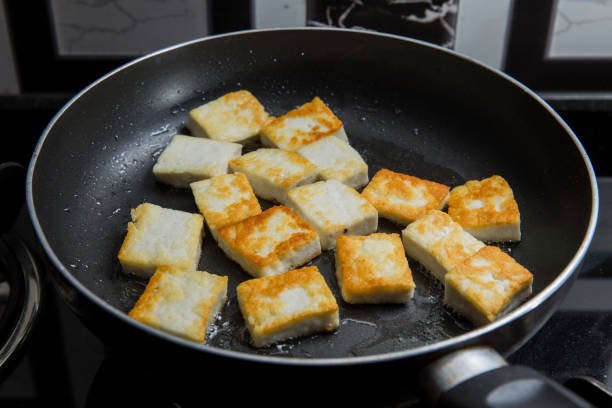
Grilled Paneer
Grill paneer slices or cubes with minimal oil. Grilled paneer is a versatile option for salads, wraps, or as a snack. Grilling enhances flavor without adding excess calories.
Paneer Salad
Combine paneer cubes with fresh vegetables, leafy greens, and light dressing. Adding vegetables increases fiber, which complements protein and improves satiety.
Paneer Bhurji with Minimal Oil
Scrambled paneer with spices and chopped vegetables is a flavorful, high-protein, low-calorie meal. It works well for lunch or dinner and can be paired with multigrain roti for balance.
Paneer in High-Protein Meal Bowls
Combine paneer with legumes, whole grains, and vegetables to create a nutrient-dense meal bowl. This approach ensures balanced protein distribution and sustained energy throughout the day.
Diet Tip: Avoid deep-fried paneer dishes and creamy gravies as these increase calories and reduce the weight-loss potential of your meals.
Paneer Compared to Other Protein Sources
Paneer is an excellent vegetarian protein source, but how does it compare to others?
- Paneer: High protein, moderate calories, good for weight loss
- Tofu: Moderate protein, low calories, suitable for vegetarians
- Chicken: High protein, low calories, highly effective for fat loss
- Lentils: Moderate protein, moderate calories, complements vegetarian diets
Paneer fits particularly well in vegetarian high-protein meal plans, providing essential nutrients while supporting appetite control and muscle maintenance. Our nutrition courses in Kolkata train aspiring nutrition professionals to compare and apply exactly this kind of food-specific protein analysis when building client meal plans.
Common Myths About Paneer and Weight Loss
Myth 1: Paneer Causes Weight Gain
Reality: Weight gain is driven by consuming excess calories. Paneer is not fattening on its own and can be included in a calorie-controlled diet.
Myth 2: Paneer Is Too High in Fat
Reality: Healthy fats in paneer support nutrient absorption and metabolism. Moderation ensures fats do not exceed daily needs.
Myth 3: Paneer Should Be Avoided During Dieting
Reality: Paneer supports fat loss because of its high protein content, slow digestion, and nutrient density.
Sample High-Protein Diet Including Paneer
- Breakfast: Vegetable omelette or tofu scramble
- Lunch: Brown rice, dal, and salad
- Snack: Paneer cubes with vegetables
- Dinner: Paneer bhurji with multigrain roti
Distributing protein evenly throughout the day helps maintain muscle mass, controls appetite, and improves metabolism.
Expert Tip From NFNA: Understanding Protein for Fat Loss
Daily protein intake is critical for fat loss and muscle preservation. Paneer is a convenient, nutrient-dense way to reach protein goals. NFNA emphasizes science-based nutrition education, helping individuals design effective, evidence-driven meal plans that support sustainable weight loss. Learning how to incorporate high-protein foods like paneer can make dieting more practical, enjoyable, and effective. Our nutrition and fitness courses in Delhi provide exactly this kind of applied, science-backed training for aspiring nutritionists and fitness professionals across India.
Conclusion
Is paneer good for weight loss? Absolutely. When eaten in appropriate portions, paneer provides high protein, slow-digesting casein, and essential nutrients that help control appetite, preserve lean muscle, and maintain energy levels. Weight loss success depends on balanced nutrition, portion control, and calorie management. Including paneer in a diet provides a practical and tasty way to achieve fat-loss goals while ensuring overall nutritional balance.
Read Our Latest Blogs
Dietician Course Eligibility | Dietician Course Duration | How To Become A Nutritionist | Does Masturbation Cause Weight Loss | How To Take Chia Seeds For Weight Loss | Is Oats Good For Weight Loss | Is Poha Good For Weight Loss | Is Rice Good For Weight Loss | Is Corn Good For Weight Loss | Is Curd Good For Weight Loss
Frequently Asked Questions
Q1. How does paneer help with weight loss?
Paneer helps by slowing digestion, providing long-lasting satiety, and supporting lean muscle maintenance during calorie restriction. Its protein-rich composition makes it ideal for weight management.
Q2. Can I eat paneer every day while dieting?
Yes, you can consume moderate portions of paneer daily, depending on your calorie and protein needs. 50–100 grams per serving is usually sufficient.
Q3. Is paneer better than tofu for weight loss?
Paneer has higher protein and fat content compared to tofu. Both are excellent vegetarian options, but paneer provides more sustained energy due to its slow-digesting casein protein.
Q4. Will paneer make me gain belly fat?
No, paneer alone does not cause belly fat. Weight gain occurs only when total calorie intake exceeds expenditure. Portion control is key.
Q5. What is the best time to eat paneer for weight loss?
Post-workout or as a mid-morning or evening snack can help improve satiety, support muscle recovery, and control hunger.
Q6. Why is paneer recommended in high-protein diets?
Paneer is slow-digesting, nutrient-dense, and protein-rich. It helps maintain muscle mass, keeps hunger under control, and supports calorie-controlled diets.
Q7. Can paneer help build muscle while losing fat?
Yes, paneer provides the protein required to preserve and build lean muscle during fat-loss diets, especially when combined with exercise.
Q8. How should I include paneer in a low-calorie diet?
Include grilled paneer, paneer salads, or paneer bhurji with vegetables. Avoid deep-fried or creamy dishes to keep meals low-calorie while high in protein.