Quick Answer: Sprouts are a nutrient-rich plant-based food containing 3 to 9 grams of protein per 100 grams, depending on the sprout type. They are easily digestible, high in fiber, vitamins, minerals, and antioxidants. Including sprouts in your daily diet can support muscle repair, maintain energy levels, improve digestion, and promote overall health. Sprouts are versatile and can be added to salads, parathas, smoothies, or wraps.
Sprouts are small but highly nutritious foods that can easily enhance any diet. If you are wondering how much protein you can get from sprouts, the amount generally ranges between 3 and 9 grams per 100 grams, depending on the variety. Along with protein, sprouts provide essential vitamins, minerals, fiber, and antioxidants, making them a smart option for those aiming to improve overall nutrition or increase plant-based protein intake. This article takes a closer look at protein levels in different types of sprouts, their full nutritional profile, health benefits, and simple ways to add them to daily meals.
If you would like to build deeper expertise in plant-based nutrition and diet planning, you can explore the dietician course in kolkata. This program helps you develop practical knowledge in clinical nutrition, meal planning, and evidence-based dietary guidance.
What Are Sprouts?
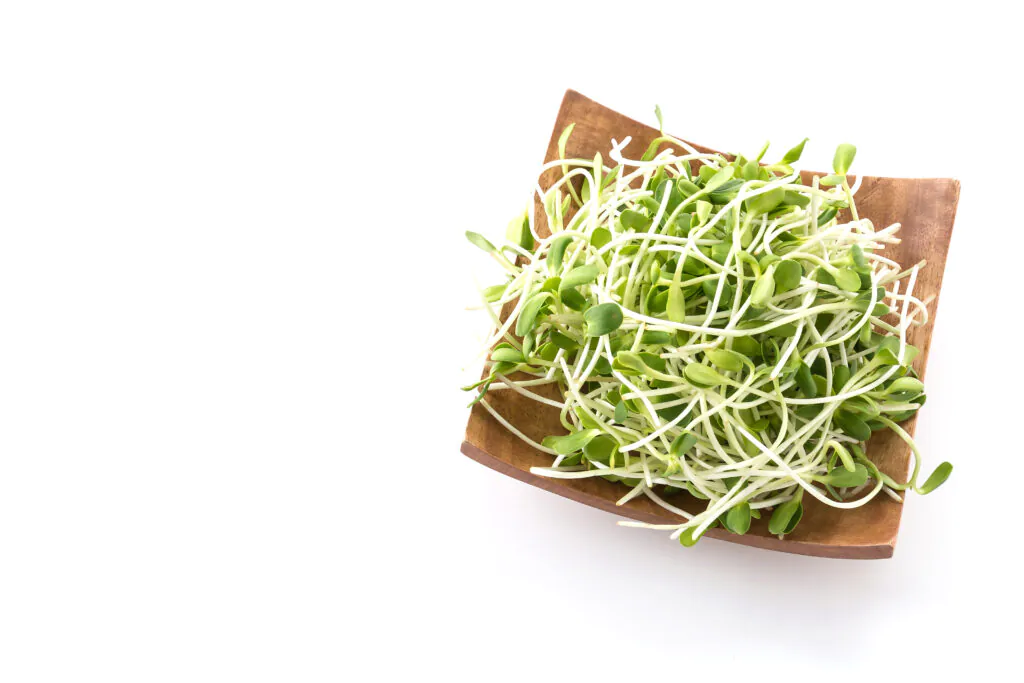
Sprouts are seeds or legumes that have begun germination, meaning they have started to grow tiny shoots after soaking in water. Common types include moong sprouts, lentil sprouts, alfalfa sprouts, and chickpea sprouts. The process of sprouting enhances nutrient availability, reduces anti-nutrients like phytic acid, and makes proteins and vitamins easier to absorb.
Sprouting activates natural enzymes that support digestion and enhance nutrient absorption. This process can also improve the bioavailability of certain vitamins and minerals. For health-conscious individuals, knowing the protein content available in sprouts makes it easier to plan meals that are both protein-rich and nutrient-dense. If you want to gain structured knowledge about nutrient utilization, food science, and diet planning, you can explore the diploma in nutrition and dietetics. The program is designed to build a strong foundation in clinical and applied nutrition.
Sprouting benefits include:
- Increased protein digestibility
- Higher levels of vitamins and minerals
- Reduced anti-nutrient content
- Easier digestion and absorption of nutrients
How Much Protein in Sprouts?
The amount of protein in sprouts depends largely on the type of seed or legume. Here is a general breakdown:
Protein content by sprout type:
- Moong sprouts provide approximately 3 to 4 grams of protein per 100 grams
- Lentil sprouts provide approximately 3 to 4 grams of protein per 100 grams
- Alfalfa sprouts provide around 4 grams of protein per 100 grams
- Chickpea sprouts provide the highest protein content at 8 to 9 grams per 100 grams
Sprouts are an excellent source of plant-based protein because they are light, easy to digest, and highly versatile. Including them regularly in meals can help support daily protein needs, especially for those following vegetarian or vegan diets. Knowing the protein content in different types of sprouts makes it easier to design balanced meals that supply adequate amino acids for muscle repair, steady energy, and overall health. If you want to understand meal planning, protein balancing, and practical diet strategies in greater depth, you can explore professional health and nutrition courses. These programs provide structured guidance on building nutritionally complete and well-planned diets.
Why Protein in Sprouts Matters
Protein is essential for many bodily functions, including muscle growth, tissue repair, enzyme production, and maintaining energy levels. While sprouts may not have as much protein as beans or tofu, their digestibility is higher due to the sprouting process. For vegetarians and vegans, knowing how much protein in sprouts can help in combining them with other protein sources like nuts, seeds, or grains to form a complete amino acid profile.
Nutrition Profile of Sprouts
Sprouts are not just a source of protein. They are also rich in other vital nutrients that contribute to overall health.
Key nutrients in sprouts include:
- Protein 3 to 9 grams per 100 grams
- Fiber 2 to 3 grams per 100 grams
- Vitamin C 10 to 15 percent of daily value
- Vitamin K 8 to 10 percent of daily value
- Iron 2 to 3 milligrams per 100 grams
- Magnesium 20 to 25 milligrams per 100 grams
- Antioxidants that help fight oxidative stress
This makes sprouts an ideal choice for a nutrient-dense meal that not only provides protein but also supports digestion, immunity, and cardiovascular health. For anyone wondering how much protein in sprouts they should eat, incorporating 100 to 200 grams per day can contribute significantly to their protein needs.
Health Benefits of Sprouts
Protein-Related Benefits
- Supports muscle repair and growth due to easily digestible protein
- Helps maintain satiety and energy levels throughout the day
- Can be combined with other protein sources to meet daily protein requirements
General Health Benefits
- Improves digestion due to natural enzymes activated during sprouting
- Enhances nutrient absorption from other foods
- Supports heart health and strengthens immunity
- Helps regulate blood sugar levels, making sprouts beneficial for those with type 2 diabetes
Regular consumption of sprouts can improve overall health while providing an effective, plant-based source of protein. Knowing how much protein in sprouts is available helps integrate them into daily meals strategically.
How to Include Sprouts in Your Diet
Sprouts are incredibly versatile and can be incorporated into meals in numerous ways.
Practical ways to consume sprouts:
- Add sprouted moong or lentils to salads for a crunchy protein boost
- Prepare sprout parathas by mixing sprouts into whole-grain dough
- Include sprouts in smoothies to enhance protein and fiber intake
- Use chickpea sprouts in wraps and bowls for a satisfying, protein-rich meal
Pairing sprouts with protein-rich foods such as paneer, eggs, or nuts can help create a more complete amino acid profile, ensuring your body gets the essential building blocks it needs. Being aware of the protein content in sprouts makes it easier to design meals that are balanced and nutritionally adequate for daily requirements. If you are interested in understanding the science behind protein quality, amino acid composition, and nutrient interactions, you can explore structured food science courses. These programs provide deeper insight into how foods work at a biochemical level and how to apply that knowledge in practical nutrition planning.
Safety Tips and Storage
While sprouts are nutritious, proper handling and storage are essential to prevent contamination.
Tips include:
- Rinse sprouts 2 to 3 times daily during sprouting
- Store sprouts in an airtight container in the refrigerator
- Avoid over-sprouting; most sprouts are ideal at 2 to 5 days depending on the type
- Maintain clean hands and utensils during the sprouting process to minimize bacterial risks
These measures ensure that the sprouts remain safe, fresh, and highly nutritious.
Sprouts vs Other Plant Protein Sources
Sprouts are a light, easily digestible source of protein, but other plant-based foods also contribute protein. Comparing how much protein in sprouts with other sources:
- Moong sprouts 3 to 4 grams per 100 grams
- Lentils 9 grams per 100 grams
- Tofu 8 grams per 100 grams
- Quinoa 4 grams per 100 grams
- Chickpeas 19 grams per 100 grams
Sprouts can be used alone for a light protein source or combined with other plant proteins to ensure complete nutrition. Knowing how much protein in sprouts helps you decide when to pair them with higher-protein foods for a balanced diet.
Conclusion
Sprouts are a nutrient-dense food providing 3 to 9 grams of protein per 100 grams. They support muscle repair, digestion, immunity, heart health, and overall well-being. Including sprouts regularly in salads, smoothies, parathas, or wraps can enhance your diet with protein and other essential nutrients. Understanding how much protein in sprouts helps you plan meals effectively to meet daily protein needs.
Build Your Nutrition & Fitness Expertise
Ready to deepen your knowledge about nutrition and fitness? Whether your goal is to understand food scientifically, help others eat better, or build a professional career in nutrition and fitness, the NFNA – National Fitness and Nutrition Academy offers industry-recognized, evidence-based courses that empower you to make science-backed dietary decisions.
Enroll now to become a certified nutrition expert and take your wellness passion to the next level.
Read Our Latest Blogs:
5 Day Gym Workout Schedule | Gym Workout Diet Chart | 6 Day Gym Workout Schedule For Beginners | Difference Between Strength Training And Weight Training | Strength Training For PCOS | Strength Training For Athletes | How Much Protein In A Banana | How Much Protein In Soya Chunks | How Much Protein In 1 Glass Milk | How Much Protein In Paneer
Frequently Asked Questions
Q1. How much protein in sprouts do I need daily?
The daily protein requirement varies by age, sex, and activity level. Including 100 to 200 grams of sprouts daily can contribute 3 to 18 grams of protein, which is beneficial when combined with other protein sources in your diet.
Q2. Can sprouts replace animal protein completely?
Sprouts alone may not provide all essential amino acids, but when combined with grains, nuts, or dairy, they can effectively contribute to meeting protein needs without animal sources.
Q3. Is protein from sprouts easily digestible?
Yes, sprouting breaks down complex proteins and anti-nutrients, making the protein in sprouts easier to digest compared to raw legumes.
Q4. Will eating sprouts help with muscle growth?
Sprouts provide essential protein and nutrients to support muscle repair. For optimal muscle growth, they should be combined with other high-protein foods and consistent strength training.
Q5. What are the best sprout types for protein?
Chickpea sprouts are the highest in protein with 8 to 9 grams per 100 grams, followed by lentil and moong sprouts.
Q6. Why are sprouted beans healthier than raw beans?
Sprouting increases nutrient availability, reduces anti-nutrients, and improves digestibility. Protein in sprouted beans is easier for the body to absorb than in raw or unsprouted beans.
Q7. Where can I buy fresh sprouts?
Fresh sprouts can be bought at supermarkets, local farmers’ markets, or grown at home from moong, lentils, chickpeas, or alfalfa seeds.
Q8. How often should I eat sprouts for protein benefits?
Consuming sprouts 4 to 5 times a week is sufficient to gain protein, vitamin, mineral, and fiber benefits, while keeping your diet varied and balanced.