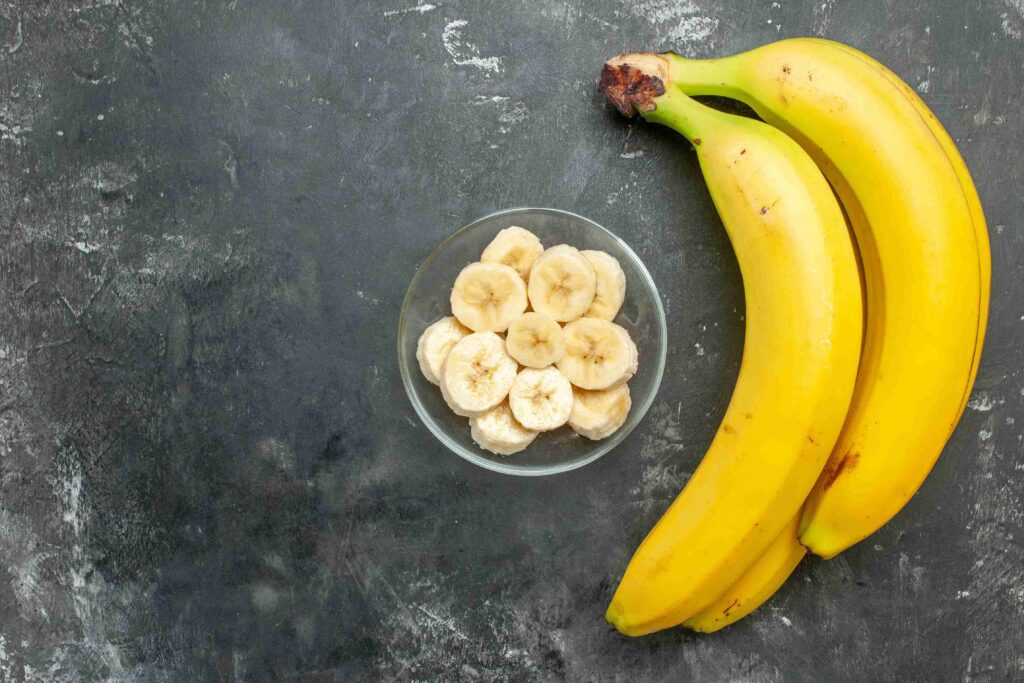
Banana nutrition facts 100g show that bananas provide approximately 89 calories, 1.1g protein, 22.8g carbohydrates, 2.6g dietary fibre, 0.3g fat, and are naturally rich in potassium, vitamin B6, and vitamin C. They are a nutrient-dense fruit that supports energy, digestion, heart health, and overall wellness when included as part of a balanced diet.
If you’re looking for banana nutrition facts 100g, you’re likely wondering whether bananas are truly as healthy as they are popular. The answer is yes. At NFNA (National Fitness and Nutrition Academy), we believe understanding the nutritional value of everyday foods helps you make informed dietary choices backed by science rather than myths. If you’d like to build this knowledge into a career, NFNA’s nutrition courses in mumbai can help you get started.
Banana Nutrition Facts 100g
Knowing the nutritional composition of foods is one of the easiest ways to build healthier eating habits. The banana nutrition facts 100g reveal that this naturally sweet fruit is packed with essential nutrients while remaining relatively low in calories.
Nutrition Value Per 100g Banana
|
Nutrient |
Amount |
|
Calories |
89 kcal |
|
Water |
74.9 g |
|
Protein |
1.1 g |
|
Carbohydrates |
22.8 g |
|
Natural Sugars |
12.2 g |
|
Dietary Fibre |
2.6 g |
|
Fat |
0.3 g |
|
Potassium |
358 mg |
|
Magnesium |
27 mg |
|
Vitamin B6 |
0.4 mg |
|
Vitamin C |
8.7 mg |
|
Folate |
20 mcg |
These values may vary slightly depending on the variety and ripeness of the banana, but they provide a reliable estimate for most fresh bananas.
Calories in 100g Banana
One of the most searched questions about bananas is their calorie content.
A 100g serving of banana contains approximately 89 calories, making it a nutritious snack that provides sustained energy without being excessively calorie-dense.
Calories by Banana Size
|
Banana Size |
Approximate Calories |
|
Small |
80–90 kcal |
|
Medium |
100–105 kcal |
|
Large |
115–120 kcal |
|
100g Serving |
89 kcal |
Most of the calories in bananas come from naturally occurring carbohydrates, which are the body’s preferred source of energy.
Macronutrients in Banana
Understanding macronutrients helps you see why bananas fit well into a balanced diet.
Protein
Although bananas are not considered a high-protein food, they contain about 1.1 grams of protein per 100g. While this amount is modest, bananas pair well with protein-rich foods such as yogurt, milk, nuts, or seeds for a more balanced snack.
Carbohydrates
Carbohydrates are the primary nutrient found in bananas.
A 100g serving contains approximately 22.8 grams of carbohydrates, providing quick and sustained energy for daily activities, exercise, and brain function.
As bananas ripen, some of their starch converts into natural sugars, giving ripe bananas their characteristic sweetness.
Dietary Fibre
Bananas provide 2.6 grams of dietary fibre per 100g, which contributes to digestive health and helps promote fullness after meals.
Dietary fibre also supports healthy bowel movements and contributes to maintaining a balanced gut microbiome.
Fat
Bananas contain very little fat—only about 0.3 grams per 100g—making them naturally low in saturated fat.
The banana nutrition facts 100g demonstrate why bananas are suitable for a wide variety of healthy eating patterns. Those wanting to explore such food science in more depth can check out nutrition courses in pune for structured learning.
Vitamins and Minerals Found in Banana
Bananas are valued not only for their carbohydrates but also for their impressive micronutrient profile.
Potassium
Potassium is one of the standout nutrients in bananas.
It plays an important role in:
- Supporting normal muscle function
- Maintaining healthy nerve signals
- Helping regulate fluid balance
- Supporting normal blood pressure
Vitamin B6
Vitamin B6 contributes to several essential bodily functions, including:
- Protein metabolism
- Brain development
- Nervous system health
- Formation of red blood cells
Bananas are considered one of the better fruit sources of vitamin B6.
Vitamin C
Vitamin C acts as an antioxidant that helps protect cells from oxidative stress.
It also supports:
- Immune function
- Collagen production
- Skin health
- Wound healing
Magnesium
Magnesium contributes to hundreds of biochemical reactions within the body, including muscle contraction, energy production, and maintaining healthy bones.
Manganese
This trace mineral supports connective tissue formation, metabolism, and antioxidant activity.
Folate
Folate is important for healthy cell growth and DNA synthesis, making it an essential nutrient throughout life.
Top Health Benefits of Eating Banana
The banana nutrition facts 100g explain why bananas continue to be recommended as part of a balanced diet.
1. Provides Natural Energy
Because bananas contain easily digestible carbohydrates, they offer a quick source of fuel for both physical and mental activities.
This makes bananas a popular snack before exercise or during busy days.
2. Supports Heart Health
The combination of potassium, fibre, and antioxidants found in bananas contributes to cardiovascular health when included as part of an overall healthy dietary pattern.
Potassium helps maintain normal blood pressure by balancing sodium levels in the body.
3. Promotes Healthy Digestion
Dietary fibre supports regular bowel movements and contributes to a healthier digestive system.
Slightly unripe bananas also contain resistant starch, which acts as food for beneficial gut bacteria.
4. Helps Muscle Function
Muscles rely on adequate potassium for proper contraction and recovery.
This is one reason why bananas are commonly enjoyed after physical activity.
5. Supports Electrolyte Balance
Electrolytes regulate hydration, nerve signalling, and muscle performance.
Since bananas naturally contain potassium, they help contribute to maintaining electrolyte balance, especially after sweating during exercise.
6. Rich in Antioxidants
Bananas contain several naturally occurring antioxidants, including dopamine and catechins, which help protect cells against oxidative damage.
Antioxidants are associated with supporting long-term overall health.
7. May Support Gut Health
The fibre and resistant starch present in bananas can encourage the growth of beneficial gut bacteria.
A healthier gut microbiome is linked with improved digestion and overall well-being.
8. Convenient Pre-Workout Snack
The combination of carbohydrates and potassium makes bananas an ideal option before moderate to intense exercise.
They are portable, affordable, easy to digest, and require no preparation.
The banana nutrition facts 100g make it clear that this fruit offers much more than just natural sweetness. It delivers valuable nutrients that support energy production, digestive health, muscle function, and overall wellness while fitting easily into most balanced eating plans.
Is Banana Good for Weight Loss?
Many people avoid bananas because they believe they are too high in sugar or calories. However, this is a common misconception. When eaten in appropriate portions, bananas can be part of a weight management plan. If you’re also curious about other everyday foods, how many calories in 1 mango offers a useful comparison.
The banana nutrition facts 100g show that a banana contains around 89 calories along with fibre and complex carbohydrates that help keep you feeling satisfied for longer. Fibre slows digestion, which may reduce unnecessary snacking between meals.
Bananas are also naturally sweet, making them a healthier alternative to processed sugary snacks and desserts. Pairing a banana with a source of protein, such as Greek yogurt or a handful of nuts, can create a balanced snack that supports satiety.
Rather than focusing on a single food, successful weight management depends on your overall eating pattern, physical activity, and lifestyle habits.
Is Banana Good for Diabetes?
People living with diabetes often wonder whether bananas should be included in their diet. The answer depends on portion size, ripeness, and an individual’s overall meal plan.
Bananas have a low to medium Glycaemic Index (GI), meaning they generally raise blood sugar more gradually than highly processed sugary foods. Less ripe bananas contain more resistant starch, while fully ripe bananas have a slightly higher natural sugar content.
For most people, bananas can be enjoyed in moderation as part of a balanced meal that includes protein, healthy fats, or fibre-rich foods. Individuals with diabetes should always follow personalised advice from their healthcare provider or registered dietitian. Professionals trained through nutrition courses in hyderabad are well-equipped to offer this kind of personalised guidance.
Best Time to Eat Banana
There is no universally “perfect” time to eat a banana. The best timing depends on your daily routine, activity level, and nutritional goals. Pairing a banana with breakfast, for instance, pairs naturally with a glass of milk if you’re curious, how many calories in 1 glass of milk breaks this down.
- Before a Workout: Bananas provide easily digestible carbohydrates that help fuel physical activity. Eating one 30–60 minutes before exercise can provide a quick source of energy.
- After a Workout: Following exercise, bananas help replenish carbohydrate stores and provide potassium, an important mineral involved in normal muscle function. Pairing a banana with a protein source may further support recovery.
- At Breakfast: Adding sliced banana to oatmeal, whole-grain cereal, or yogurt increases the nutritional value of breakfast by providing fibre, vitamins, and natural sweetness.
- As a Healthy Snack: A banana makes an excellent mid-morning or afternoon snack because it is portable, convenient, and naturally satisfying.
Who Should Eat Bananas?
Bananas are suitable for most healthy individuals and can be enjoyed at different stages of life.
They are particularly beneficial for:
- Children and teenagers who need nutrient-rich snacks
- Athletes and physically active individuals requiring quick energy
- Students seeking a convenient brain-fuelling snack
- Working professionals looking for healthy alternatives to processed foods
- Older adults aiming to include more nutrient-dense fruits in their diet
Their versatility and natural sweetness make bananas an easy addition to many balanced eating plans.
Who Should Limit Banana Intake?
Although bananas are healthy for most people, some individuals may need to moderate their intake.
These include:
- People with advanced kidney disease who have been advised to restrict potassium
- Individuals following medically prescribed low-potassium diets
- Those with specific medical conditions requiring personalised nutrition guidance
For the general population, bananas can safely be included as part of a varied and balanced diet. Those keen to specialise in such dietary guidance can consider nutrition courses in chennai to build relevant expertise.
Common Myths About Bananas
Nutrition myths often create unnecessary confusion. Let’s separate fact from fiction.
Myth 1: Bananas Always Cause Weight Gain
Fact: No single food causes weight gain on its own. Weight changes are influenced by total calorie intake, physical activity, and overall lifestyle. Bananas can comfortably fit into a balanced diet.
Myth 2: Bananas Contain Too Much Sugar
Fact: Bananas contain naturally occurring sugars along with fibre, vitamins, and minerals. They are very different from foods with added sugars. For a snack-food comparison on this front, how many calories in one samosa puts things into perspective.
Myth 3: You Should Never Eat Bananas at Night
Fact: There is no scientific evidence showing that eating a banana in the evening is harmful for healthy individuals. Meal timing should suit your personal routine and dietary preferences.
Myth 4: People with Diabetes Should Completely Avoid Bananas
Fact: Many people with diabetes can enjoy bananas in appropriate portions as part of a balanced meal. Individual needs vary, so professional guidance is recommended.
Understanding the science behind these myths helps people make informed food choices rather than relying on misinformation. Building this science-backed knowledge further is exactly what nutrition courses in kerala can help you achieve.
Simple Ways to Include Bananas in Your Diet
Bananas are one of the easiest fruits to include in everyday meals.
Here are some healthy ideas:
- Blend into smoothies with yogurt and oats.
- Add sliced bananas to oatmeal or porridge.
- Top whole-grain toast with banana and peanut butter.
- Mix into fruit salads.
- Enjoy with unsweetened yogurt for a balanced snack.
- Freeze banana slices to make a creamy homemade dessert.
- Add to whole-grain pancakes or muffins.
- Use mashed bananas as a natural sweetener in baking.
Their versatility makes them suitable for breakfast, snacks, and post-workout meals.
Conclusion
The banana nutrition facts 100g clearly demonstrate why bananas remain one of the world’s most popular and nutritious fruits. They provide an excellent combination of carbohydrates for energy, dietary fibre for digestive health, potassium for muscle and heart function, and essential vitamins like B6 and vitamin C.
Rather than focusing on myths surrounding sugar or calories, it’s more beneficial to view bananas as part of an overall balanced eating pattern. Whether you’re looking for a pre-workout snack, a nutritious breakfast addition, or a convenient healthy snack, bananas offer a practical and affordable choice for people of all ages.
By understanding the banana nutrition facts 100g, you can make informed food choices that support long-term health, wellness, and a balanced lifestyle.
Learn Nutrition the Right Way with NFNA
Reading evidence-based nutrition articles is a great first step, but developing a deeper understanding of food, health, and human nutrition requires structured learning.
At National Fitness and Nutrition Academy (NFNA), we are committed to making nutrition education practical, science-backed, and accessible. Our expert-led courses are designed for fitness enthusiasts, aspiring nutrition coaches, healthcare professionals, and anyone who wants to build credible knowledge about nutrition and wellness.
Whether your goal is personal health improvement or a professional career in nutrition, NFNA equips you with the skills to interpret scientific evidence, understand human nutrition, and apply that knowledge confidently in real-life situations.
Explore NFNA’s industry-focused nutrition and fitness programmes today and take the next step towards building a strong foundation in evidence-based nutrition.
Q1. What are banana nutrition facts 100g?
A 100g serving of banana contains approximately 89 calories, 1.1g protein, 22.8g carbohydrates, 2.6g fibre, 0.3g fat, and is a good source of potassium, vitamin B6, and vitamin C.
Q2. How many calories are in 100g of banana?
A 100g serving of fresh banana provides around 89 calories, making it a nutritious, energy-rich fruit suitable for most healthy eating plans.
Q3. How much protein is present in a banana?
A 100g serving contains approximately 1.1 grams of protein. While bananas are not a high-protein food, they pair well with protein-rich foods for a balanced snack.
Q4. Can I eat bananas every day?
Yes. Most healthy individuals can enjoy bananas daily as part of a balanced diet that includes a variety of fruits, vegetables, whole grains, lean proteins, and healthy fats.
Q5. Can bananas help after exercise?
Yes. Bananas provide carbohydrates that help replenish energy stores and potassium that supports normal muscle function after physical activity.
Q6. Is banana good for heart health?
Yes. Bananas contain potassium and dietary fibre, both of which contribute to overall heart health when consumed as part of a healthy dietary pattern.
Q7. Why are bananas considered a healthy snack?
Bananas are naturally rich in carbohydrates, fibre, vitamins, and minerals. They require no preparation, are portable, and provide sustained energy without added sugars or unhealthy fats.
Q8. Will eating bananas increase blood sugar?
Bananas naturally raise blood sugar because they contain carbohydrates, but they also provide fibre that slows digestion. Eating appropriate portions within a balanced meal helps support healthy blood sugar management for most people.