
A thyroid-friendly diet should focus on adequate protein, iodine, selenium, zinc, iron, fibre, and whole foods while limiting highly processed foods and excess sugar. To create a diet plan for thyroid health, start by understanding your thyroid condition, build balanced meals, include nutrient-rich foods, manage calorie intake, and maintain healthy lifestyle habits alongside prescribed medication.
Thyroid disorders are among the most common hormonal conditions in India, affecting people of all ages. If you’re wondering how to create diet plan for thyroid health, the process is simpler than most people think. A well-planned diet cannot replace medication, but it can support hormone balance, improve energy levels, help manage weight, and enhance overall well-being. At NFNA, we believe nutrition education plays a crucial role in supporting long-term health outcomes.
Understanding the Role of Nutrition in Thyroid Health
The thyroid gland is a small butterfly-shaped gland located in the neck. Despite its size, it influences nearly every cell in the body by producing hormones that regulate metabolism, energy production, body temperature, growth, and brain function.
When thyroid hormones become imbalanced, symptoms such as fatigue, weight gain, hair fall, mood changes, constipation, and difficulty concentrating may occur.
Nutrition supports thyroid function because several nutrients are directly involved in thyroid hormone production and conversion.
Key nutrients include:
- Iodine
- Selenium
- Zinc
- Iron
- Vitamin D
- Protein
- Omega-3 fatty acids
Learning how to create diet plan for thyroid management begins with understanding these nutritional foundations. For those looking to develop this knowledge professionally, a structured dietician course provides a strong clinical foundation in nutrient interactions, dietary assessment, and condition-specific meal planning.
Step 1: Identify Your Thyroid Condition
Before making dietary changes, it is important to know which thyroid disorder you have.
Hypothyroidism (Underactive Thyroid)
Hypothyroidism occurs when the thyroid produces insufficient hormones.
Common symptoms include:
- Weight gain
- Fatigue
- Dry skin
- Hair thinning
- Constipation
- Feeling cold frequently
Hyperthyroidism (Overactive Thyroid)
Hyperthyroidism occurs when the thyroid produces excessive hormones.
Common symptoms include:
- Weight loss
- Increased appetite
- Anxiety
- Rapid heartbeat
- Excess sweating
- Sleep disturbances
Since nutritional requirements may vary between conditions, the first step in how to create diet plan for thyroid support is understanding your diagnosis.
Step 2: Build Balanced Meals Around Nutrient-Dense Foods
One of the biggest mistakes people make is focusing only on “thyroid foods” rather than overall dietary quality.
A healthy thyroid diet should include:
High-Quality Protein Sources
Protein supports hormone production and helps maintain muscle mass.
Examples:
- Eggs
- Fish
- Chicken
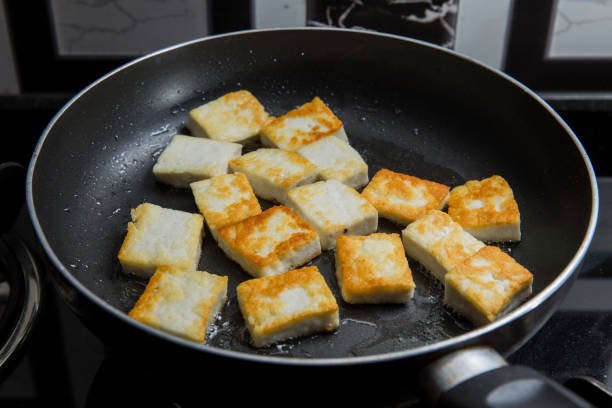
- Paneer
- Greek yogurt
- Tofu
- Lentils
- Chickpeas
- Kidney beans
Healthy Fats
Healthy fats support hormone production and reduce inflammation.
Examples:
- Walnuts
- Almonds
- Flaxseeds
- Chia seeds
- Groundnuts
- Olive oil
Complex Carbohydrates
Choose carbohydrates that provide fibre and stable energy.
Examples:
- Oats
- Brown rice
- Millets
- Whole wheat roti
- Quinoa
- Sweet potatoes
Fruits and Vegetables
Vegetables and fruits provide vitamins, minerals, antioxidants, and fibre.
Examples:
- Amla
- Guava
- Apples
- Carrots
- Pumpkin
- Spinach
- Beetroot
This balanced approach is essential when learning how to create diet plan for thyroid health effectively.
Step 3: Include Iodine-Rich Foods for Thyroid Function
Iodine is one of the most important nutrients required for thyroid hormone production.
Iodine Rich Foods for Thyroid India
Some of the best iodine-rich foods include:
- Iodized salt
- Eggs
- Milk
- Yogurt
- Fish
- Prawns
- Seaweed (limited quantities)
Many people searching for iodine rich foods for thyroid India assume more iodine is always better. However, excessive iodine intake may worsen certain thyroid conditions.
The goal is adequate intake—not excessive supplementation.
Step 4: Prioritize Selenium, Zinc, and Iron
The thyroid relies on several nutrients beyond iodine.
Selenium Sources
Selenium helps convert inactive thyroid hormone (T4) into its active form (T3).
Sources include:
- Brazil nuts
- Sunflower seeds
- Eggs
- Fish
- Chicken
Zinc Sources
Zinc supports hormone synthesis and immune function.
Sources include:
- Pumpkin seeds
- Chickpeas
- Lentils
- Dairy products
- Nuts
Iron Sources
Iron deficiency may worsen thyroid symptoms.
Sources include:
- Spinach
- Rajma
- Black chana
- Lean meats
- Soybeans
People who understand how to create diet plan for thyroid health focus on nutrient balance rather than relying on a single superfood.
Step 5: Foods to Avoid in Thyroid Diet Plan
No food is completely responsible for thyroid dysfunction, but some dietary habits may negatively affect overall health and weight management.
Foods to Avoid in Thyroid Diet Plan
Limit:
- Sugary beverages
- Packaged snacks
- Deep-fried foods
- Bakery products
- Excess sweets
- Highly processed foods
- Excess alcohol
What About Soy?
Moderate soy consumption is generally safe for most people when consumed as part of a balanced diet.
What About Cruciferous Vegetables?
Vegetables such as cabbage, broccoli, cauliflower, and kale contain compounds called goitrogens.
However, cooking significantly reduces their effects, and moderate intake is generally considered safe.
Understanding the difference between myths and evidence is an important part of how to create diet plan for thyroid management.
Step 6: Create a Thyroid Diet Plan for Weight Loss in India
Many individuals with hypothyroidism struggle with weight management.
A successful thyroid diet plan for weight loss India should focus on:
1. Protein at Every Meal
Protein improves satiety and helps preserve lean muscle mass.
2. Calorie Awareness
Weight loss still depends on maintaining a calorie deficit while meeting nutritional requirements. For those managing a moderate calorie target, understanding how a 1500 calorie diet plan for Indians is structured can provide a useful framework before personalizing it for thyroid-specific needs.
3. Fibre Intake
Aim for fibre-rich foods such as:
- Vegetables
- Fruits
- Oats
- Legumes
4. Regular Physical Activity
Combine:
- Strength training
- Walking
- Yoga
- Mobility exercises
5. Consistent Sleep
Poor sleep can negatively impact appetite regulation and metabolism.
For many individuals, learning how to create diet plan for thyroid health becomes much easier when weight management principles are integrated into the plan.
Sample Hypothyroid Diet Plan Step by Step India
|
Time of Day |
Meal |
Sample Food Options |
|
Early Morning |
Hydration & Healthy Fats |
1 glass warm water, 5 soaked almonds, 2 walnuts |
|
Breakfast |
Balanced Protein-Rich Meal |
Vegetable oats upma or besan chilla with curd or vegetable poha with sprouts |
|
Mid-Morning Snack |
Fruit Serving |
1 apple or 1 guava or a bowl of papaya |
|
Lunch |
Balanced Main Meal |
2 whole wheat rotis, 1 bowl dal, mixed vegetable sabzi, salad, and curd |
|
Evening Snack |
Protein & Fibre Snack |
Roasted chana or sprout chaat or buttermilk with a handful of seeds |
|
Dinner |
Light, Nutrient-Dense Meal |
Grilled paneer/fish/chicken, sautéed vegetables, and 1 millet roti |
|
Bedtime (Optional) |
Recovery Drink |
1 cup warm turmeric milk or unsweetened herbal tea |
Tip: For better thyroid management and weight control, aim to include protein, fibre, and healthy fats at every meal while limiting highly processed foods and excess sugar.
7-Day Thyroid-Friendly Meal Planning Framework
|
Day |
Breakfast |
Lunch |
Dinner |
|
Monday |
Oats breakfast |
Dal-rice lunch |
Paneer dinner |
|
Tuesday |
Poha breakfast |
Roti-sabzi lunch |
Fish and vegetables dinner |
|
Wednesday |
Besan chilla breakfast |
Rajma rice lunch |
Soup and salad dinner |
|
Thursday |
Idli breakfast |
Khichdi lunch |
Paneer stir-fry dinner |
|
Friday |
Vegetable upma breakfast |
Roti and dal lunch |
Chicken and vegetables dinner |
|
Saturday |
Dalia breakfast |
Millet bowl lunch |
Fish curry dinner |
|
Sunday |
Protein-rich brunch |
Balanced family meals |
Light dinner |
Lifestyle Habits That Support Thyroid Health
Diet alone is not enough.
Exercise Regularly
Aim for:
- 150 minutes of weekly activity
- Strength training 2–3 times per week
Manage Stress
Chronic stress may worsen symptoms and reduce adherence to healthy habits.
Consider:
- Meditation
- Deep breathing
- Yoga
- Walking outdoors
Prioritize Sleep
Most adults require 7–9 hours of quality sleep each night.
Take Medication Correctly
Thyroid medication should usually be taken on an empty stomach as advised by your healthcare provider.
Anyone serious about how to create diet plan for thyroid health should combine nutrition, exercise, sleep, and medication management. The same disciplined approach to structured eating also applies during illness recovery for instance, following a proper diet for typhoid patients highlights how condition-specific nutritional planning can directly influence recovery speed and outcomes.
Learn Evidence-Based Nutrition with NFNA
Understanding how to create diet plan for thyroid conditions requires more than memorizing food lists. It involves understanding metabolism, nutrient interactions, dietary assessment, behavior change, and evidence-based nutrition principles.
At NFNA (National Fitness and Nutrition Academy), our industry-focused nutrition programs are designed to help aspiring nutritionists, fitness professionals, health coaches, and wellness enthusiasts develop practical skills that can be applied in real-world settings. Whether you prefer a comprehensive nutrition and dietician course or a focused dietician diploma course, NFNA offers structured pathways that build both theoretical knowledge and practical competence.
Whether your goal is to build a successful career in nutrition or deepen your understanding of health and wellness, NFNA provides expert-led education, practical learning experiences, and professional guidance to help you grow. City-specific options such as a dietician course in Delhi make professional training accessible regardless of where you are based
Ready to Build Your Nutrition Expertise?
Explore NFNA’s Certification in Applied Nutrition and Diploma in Applied Nutrition, Food Science & Dietetics and learn how to create science-backed nutrition plans that support healthier lives.
Visit NFNA today and take the next step toward becoming a confident and knowledgeable nutrition professional.
Frequently Asked Questions
Q1. How do I create a diet plan for thyroid health?
Start with a balanced diet containing protein, healthy fats, complex carbohydrates, fruits, vegetables, and essential nutrients such as iodine, selenium, zinc, and iron. Personalize the plan according to your thyroid condition and health goals.
Q2. How can a hypothyroid diet plan support weight loss?
A nutrient-dense, calorie-controlled diet combined with adequate protein, exercise, and good sleep can help improve weight management in hypothyroidism.
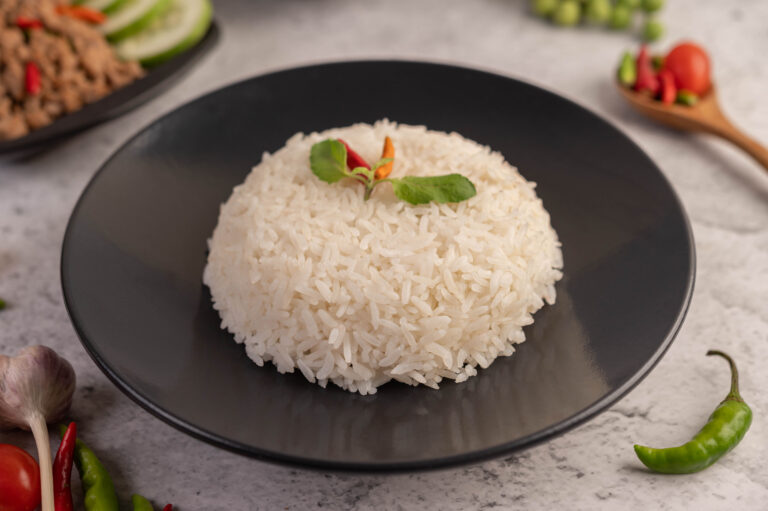
Q3. Can thyroid patients eat rice?
Yes. Rice can be included in moderation as part of a balanced diet. Portion control and overall dietary quality are more important than avoiding rice completely.
Q4. Can thyroid problems be cured through diet alone?
No. Diet can support thyroid health and symptom management, but medical treatment may still be necessary depending on the diagnosis.
Q5. Is milk good for thyroid patients?
Yes. Milk provides iodine, protein, and other nutrients that may support thyroid function unless a person has lactose intolerance or specific dietary restrictions.
Q6. Will avoiding all goitrogenic foods improve thyroid function?
Not necessarily. Most people can safely consume cooked cruciferous vegetables as part of a balanced diet.
Q7. What are the best foods for thyroid patients in India?
Eggs, fish, dairy products, lentils, nuts, seeds, fruits, vegetables, whole grains, and iodized salt are among the best foods for thyroid patients India.
Q8. Why is iodine important for thyroid health?
Iodine is required for the production of thyroid hormones. Both deficiency and excessive intake may negatively affect thyroid function.