
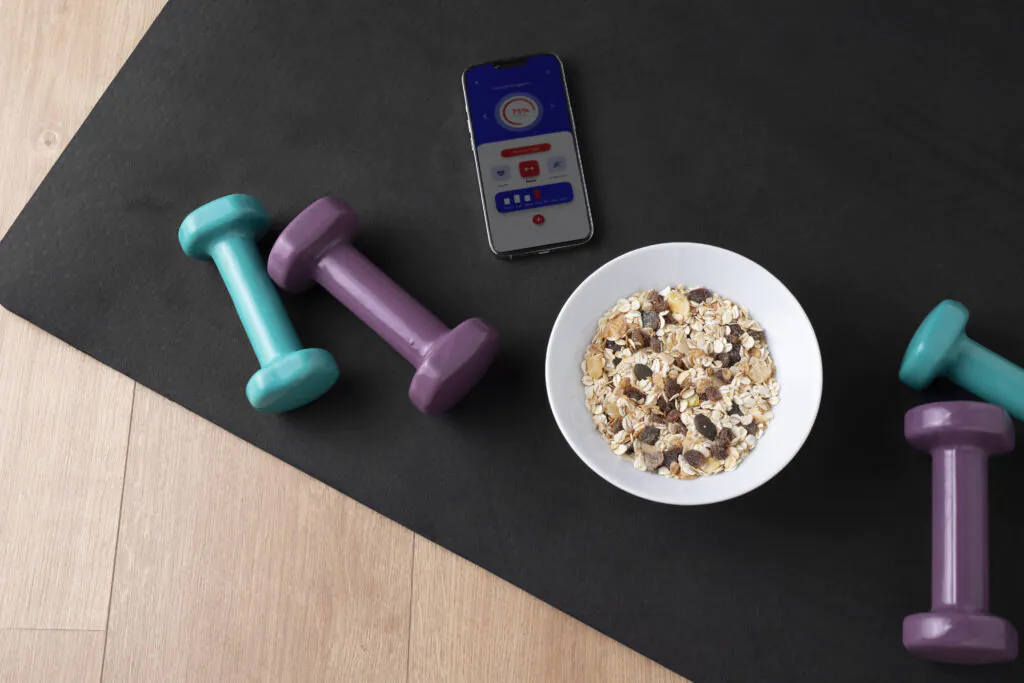
Post-workout nutrition helps repair muscles, restore energy, and support faster recovery after exercise. A balanced meal containing protein, carbohydrates, and fluids within 30–60 minutes after training can improve recovery and performance. The right post workout nutrition timing depends on workout intensity, fitness goals, and overall daily nutrition habits.
Proper post workout nutrition timing plays a major role in muscle recovery, energy restoration, and long-term fitness performance. Whether your goal is muscle gain, fat loss, or endurance improvement, what you eat after exercise can directly affect how your body recovers and adapts. At NFNA – National Fitness and Nutrition Academy, nutrition educators emphasize evidence-based recovery strategies that support sustainable fitness results rather than quick fixes.
Many people focus heavily on pre-workout supplements and training plans but ignore recovery nutrition after exercise. In reality, recovery is where progress happens. The right combination of protein, carbohydrates, hydration, and smart post workout nutrition timing can help reduce fatigue, improve muscle repair, and prepare your body for the next session. Pairing recovery nutrition with a well-structured gym workout diet chart ensures that both training and eating habits work together toward consistent progress.
Why Post-Workout Nutrition Matters
Exercise places stress on the body. During training, your muscles use glycogen stores for energy, lose fluids through sweat, and experience microscopic muscle breakdown. Recovery nutrition helps reverse these effects and supports the rebuilding process.
Without proper nutrition after exercise, the body may take longer to recover, which can affect energy levels, muscle repair, and workout consistency over time.
Muscle Recovery and Protein Synthesis
After a workout, your muscles become more responsive to nutrients, especially protein. Protein provides amino acids that help repair damaged muscle tissue and stimulate muscle protein synthesis. Those following a structured 5 day gym workout schedule will find that consistent post-workout protein intake becomes especially critical when training frequency is high and recovery windows are shorter.
Good post-workout protein sources include:
- Eggs
- Greek yogurt
- Whey protein
- Paneer
- Chicken breast
- Tofu
- Lentils
Protein intake becomes even more important after strength training or high-intensity exercise sessions.
Restoring Glycogen Stores
Carbohydrates are the body’s primary fuel source during exercise. Intense workouts can significantly reduce glycogen stores, particularly after endurance or resistance training.
Eating carbohydrates after exercise helps restore energy levels and supports workout nutrition recovery.
Effective carbohydrate choices include:
- Rice
- Bananas
- Oats
- Sweet potatoes
- Whole-grain bread
- Fruits
Combining protein and carbohydrates is often considered the most effective recovery strategy.
Hydration and Electrolyte Balance
Sweating during exercise leads to fluid and electrolyte loss. Proper hydration supports circulation, muscle function, and recovery.
Water is usually sufficient for moderate exercise, while longer or high-intensity sessions may require electrolytes such as sodium and potassium.
Good hydration options include:
- Water
- Coconut water
- Electrolyte drinks
- Fruits with high water content
The Best Post Workout Nutrition Timing
One of the most discussed topics in sports nutrition is post workout nutrition timing. Many people believe there is a strict “30-minute anabolic window” after exercise. While nutrient timing does matter, modern research suggests the total quality of your daily nutrition is equally important. Professionals trained through food science courses are equipped to interpret this research and translate it into practical recovery strategies for clients across different fitness levels.
Still, eating within 30–60 minutes after training can support faster recovery and improved muscle repair, especially if you trained intensely or exercised on an empty stomach.
Understanding post workout nutrition timing can help athletes and regular gym-goers recover more efficiently and maintain better performance throughout the week.
Is the 30-Minute Window Real?
The anabolic window refers to the period after exercise when muscles are highly receptive to nutrients. While it is not as narrow as once believed, delaying meals for several hours after exercise may slow recovery.
For most people, consuming a balanced recovery meal within one hour is a practical and effective approach.
How Timing Changes Based on Workout Intensity
The importance of post workout nutrition timing depends on several factors:
High-Intensity Training
Recovery nutrition becomes more important after:
- Heavy strength training
- HIIT workouts
- Long endurance sessions
Moderate Exercise
If your workout is light or moderate, recovery timing is slightly more flexible.
Fasted Training
If you exercise without eating beforehand, eating soon after training becomes more important to support recovery and energy restoration.
Post Workout Nutrition Timing for Different Goals
Muscle Gain
Focus on:
- Higher protein intake
- Adequate carbohydrates
- Consistent calorie intake
Fat Loss
Prioritize:
- Lean proteins
- Controlled portions
- Balanced nutrient intake
Endurance Performance
Emphasize:
- Carbohydrate replenishment
- Hydration
- Electrolytes
Using smart post workout nutrition timing strategies can help support each of these fitness goals more effectively.
What to Eat After a Workout
The ideal post-workout meal should include:
- Protein for muscle repair
- Carbohydrates for energy restoration
- Fluids for hydration
- Optional healthy fats in moderation
Protein for Muscle Recovery
Protein supports tissue repair and recovery after exercise.
Recommended protein-rich foods:
- Whey protein shakes
- Cottage cheese
- Eggs
- Chicken
- Fish
- Soy products
- Greek yogurt
Most active individuals benefit from 20–40 grams of protein after training, depending on body size and workout intensity.
Carbohydrates for Energy Restoration
Carbohydrates help replenish glycogen stores and support recovery nutrition after exercise.
Good carbohydrate options include:
- Oatmeal
- Brown rice
- Fruits
- Whole grains
- Potatoes
- Smoothies
Combining carbohydrates with protein can improve workout nutrition recovery and support muscle rebuilding.
Healthy Fats – Should You Include Them?
Healthy fats are not harmful after exercise, but very large amounts may slow digestion.
Moderate portions of healthy fats such as:
- Nuts
- Seeds
- Avocado
- Nut butter
can still be part of a balanced post exercise nutrition plan.
Hydration After Exercise
Hydration is often overlooked in recovery routines. Even mild dehydration can affect performance and recovery. Those whose fitness goals include targeting gym workout for belly fat should pay particular attention to hydration, as it directly supports both metabolic function and the consistency needed to achieve results.
Tips for better hydration:
- Drink water consistently after exercise
- Replace fluids lost through sweat
- Include electrolytes after intense sessions
- Monitor urine color as a hydration indicator
Best Post-Workout Meals for Different Fitness Goals
Best Meals for Muscle Gain
- Grilled chicken with rice and vegetables
- Protein smoothie with oats and banana
- Eggs with whole-grain toast
- Paneer rice bowl
Best Recovery Meals for Fat Loss
- Greek yogurt with berries
- Tofu salad with quinoa
- Boiled eggs with vegetables
- Protein smoothie with fruit
Post-Exercise Nutrition Plan for Endurance Athletes
- Rice with lean protein
- Fruit smoothie with yogurt
- Peanut butter sandwich with banana
- Electrolyte-rich recovery drinks
Vegetarian Recovery Meal Options
- Lentil soup with rice
- Chickpea salad
- Tofu stir-fry
- Cottage cheese wraps
A well-balanced post exercise nutrition plan should fit your lifestyle, activity level, and long-term goals.
Common Post-Workout Nutrition Mistakes
Even consistent gym-goers often make recovery mistakes that limit progress.
- Skipping Protein After Exercise: Without enough protein, muscle recovery and repair may slow down.
- Waiting Too Long to Eat: Delaying meals for several hours after training may reduce recovery efficiency, especially after intense workouts. Maintaining proper post workout nutrition timing helps the body recover more effectively.
- Overeating “Healthy” Foods: Some recovery snacks can become calorie-heavy very quickly. Portion awareness still matters.
- Ignoring Hydration Needs: Dehydration can affect recovery, strength, focus, and overall performance.
Supplements for Workout Nutrition Recovery
Supplements can support recovery, but they should complement a balanced diet rather than replace it. A diploma in nutrition and dietetics trains practitioners to evaluate supplement claims critically and recommend only evidence-based options that are safe and appropriate for individual fitness goals.
- Whey Protein: Convenient and effective for meeting post-workout protein needs.
- Creatine Monohydrate: One of the most researched supplements for strength, recovery, and performance support.
- Electrolyte Drinks: Helpful after long-duration exercise or intense sweating.
- Are BCAAs Necessary?For individuals consuming adequate daily protein, additional BCAA supplementation may not always be necessary.
Recovery Nutrition Tips from Experts
Recovery nutrition is not about perfection. It is about consistency and sustainable habits.
Experts in sports nutrition often recommend:
- Prioritizing whole foods
- Eating enough protein daily
- Staying hydrated
- Planning meals ahead
- Matching nutrition to training demands
A structured recovery strategy combined with smart post workout nutrition timing can improve performance and long-term recovery outcomes.
Final Thoughts
Recovery is one of the most important parts of any fitness journey. Training creates the stimulus, but nutrition and recovery help the body adapt and improve.
Understanding post workout nutrition timing allows you to make smarter decisions about recovery, performance, and long-term health. Whether your goal is strength, endurance, or fat loss, focusing on protein, carbohydrates, hydration, and consistency can significantly improve results.
A practical recovery routine does not need to be complicated. Small habits such as eating balanced meals, staying hydrated, and following a realistic post-exercise nutrition plan can make a meaningful difference over time. For those who want to build professional expertise in this area, exploring nutrition courses provides a strong evidence-based foundation in sports and recovery nutrition.
Build Real Expertise in Nutrition & Fitness with NFNA
If you are passionate about sports nutrition, recovery science, and evidence-based fitness education, learning from experienced professionals can help you build deeper expertise.
NFNA – National Fitness and Nutrition Academy offers practical, science-backed programs designed for aspiring nutritionists, fitness coaches, and wellness professionals. With expert-led learning, flexible study options, and industry-focused education, NFNA helps students develop real-world knowledge in nutrition and fitness science.
Whether you want to improve your personal understanding of recovery nutrition or build a career in health and fitness, NFNA provides the tools and guidance to support your journey.
Frequently Asked Questions
Q1. How soon should I eat after a workout?
Most people benefit from eating within 30–60 minutes after exercise, especially after intense training or fasted workouts.
Q2. How does post workout nutrition timing affect muscle recovery?
Proper post workout nutrition timing helps provide nutrients when muscles are more responsive to recovery and repair.
Q3. Can I skip carbs after exercise?
You can, but carbohydrates help restore glycogen and support recovery. They are particularly important after intense or endurance workouts.
Q4. Can a protein shake replace a full post-workout meal?
A protein shake can help temporarily, but balanced meals with carbohydrates, fluids, vitamins, and minerals provide more complete recovery support.
Q5. Is post-workout nutrition important for weight loss?
Yes. Recovery meals can help preserve muscle mass, improve satiety, and support consistent training performance during fat-loss phases.
Q6. Is water enough after exercise?
For shorter workouts, water is often sufficient. Longer or intense sessions may require electrolytes to replace sodium and potassium losses.
Q7. Will eating after a workout make me gain fat?
Not necessarily. Balanced recovery meals support muscle repair and recovery. Overall calorie intake matters more than a single post-workout meal.
Q8. What is the best post-workout meal for recovery?
A balanced meal with protein, carbohydrates, and fluids is ideal. Examples include chicken with rice, yogurt with fruit, or a protein smoothie with oats.