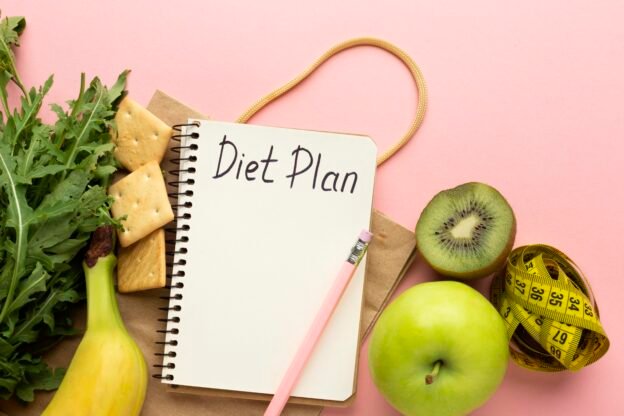
Maintaining proper nutrition during pregnancy is not about eating for two but about eating right for the health of both mother and baby. A carefully planned pregnancy diet chart ensures that the growing baby gets all essential nutrients while supporting the mother’s energy, immunity, and overall well-being. Following a structured pregnancy diet chart can reduce pregnancy-related complications, enhance fetal growth, and prepare the body for labor and breastfeeding.
This article provides a comprehensive pregnancy diet chart designed specifically for Indian mothers. It includes trimester-wise recommendations, foods to eat, foods to avoid, and practical tips for maintaining a balanced and healthy diet. By following this guide, expectant mothers can achieve a smooth pregnancy journey and promote lifelong health for their child.
Why Nutrition Matters During Pregnancy
Nutrition plays a pivotal role during pregnancy as it affects both the mother’s health and the baby’s development. A properly designed pregnancy diet chart ensures that essential vitamins, minerals, and nutrients are consumed in adequate amounts. Proper nutrition during pregnancy can
- Reduce the risk of complications such as anemia, gestational diabetes, preeclampsia, and low birth weight
- Support healthy fetal development including brain, bone, and organ formation
- Improve maternal energy levels, immunity, and mental health
- Build nutrient stores necessary for breastfeeding after delivery
A well-planned pregnancy diet chart goes beyond calorie counting. It focuses on the quality and balance of nutrients, ensuring both mother and baby receive the right support for a healthy pregnancy.
Essential Nutrients Every Pregnant Woman Needs
A complete pregnancy diet chart includes nutrients that support both the mother and the growing baby. Some of the most essential nutrients include:
- Folic Acid: Folic acid is vital for the development of the baby’s neural tube and helps prevent birth defects. Indian sources include spinach, methi leaves, lentils, chickpeas, and citrus fruits. Incorporating these foods into your pregnancy diet chart from the first trimester is crucial for early fetal development.
- Iron: Iron is required to prevent anemia and support the increased blood volume during pregnancy. Iron-rich foods in an Indian diet include jaggery, pomegranate, rajma, chana dal, and green leafy vegetables. Including iron in your pregnancy diet chart is essential for maintaining energy levels and overall health.
- Calcium and Vitamin D: Calcium and vitamin D strengthen maternal and fetal bones, teeth, and overall skeletal health. Indian sources include milk, curd, paneer, ragi, sesame seeds, and exposure to sunlight for vitamin D. A well-structured pregnancy diet chart ensures adequate calcium intake to prevent deficiencies.
- Protein: Protein supports the growth of fetal tissues, muscles, and organs. Indian sources of protein include paneer, lentils, eggs, tofu, and soy products. Protein should be included in every meal in your pregnancy diet chart to maintain optimal development.
- Omega-3 Fatty Acids: Omega-3 fatty acids aid in brain and eye development for the baby. Include sources such as walnuts, flaxseeds, chia seeds, and low-mercury fish in your pregnancy diet chart to promote neurological development.
- Fiber, Vitamins, and Minerals: Fiber promotes healthy digestion and prevents constipation. Include fruits, vegetables, and whole grains in your pregnancy diet chart to ensure proper digestion and overall maternal wellness. Vitamins and minerals from these foods support immunity and fetal growth.
A detailed pregnancy diet chart balances all these nutrients to create a comprehensive nutrition plan for expectant mothers.
Trimester-Wise Pregnancy Diet Chart
Following a trimester-wise pregnancy diet chart ensures that nutritional needs are met at each stage of pregnancy. Each trimester has specific requirements that must be considered.
First Trimester Weeks 1 to 12
Focus on folic acid, vitamin B6, hydration, and light frequent meals to combat nausea and fatigue. Include:
- Breakfast: Poha with vegetables, a glass of milk
- Snack: Banana or coconut water
- Lunch: Chapati, dal, spinach curry
- Snack: Fresh fruit or roasted chickpeas
- Dinner: Khichdi or vegetable soup
Tips: Incorporate ginger to reduce nausea, avoid caffeine and unripe papaya, and eat smaller meals more frequently. Maintaining this first trimester pregnancy diet chart sets a strong foundation for fetal development.
Second Trimester Weeks 13 to 26
The second trimester requires higher intake of iron, calcium, protein, and Omega-3 fatty acids. Include:
- Breakfast: Vegetable paratha with curd
- Snack: Fresh fruit smoothie with flaxseeds
- Lunch: Brown rice, dal, mixed vegetables
- Snack: Nuts and seeds
- Dinner: Chapati with paneer curry or tofu stir-fry
Tips: Include Omega-3 sources for brain development, pair iron-rich foods with vitamin C for better absorption, and maintain proper hydration. A second trimester pregnancy diet chart ensures sufficient nutrient intake for fetal growth.
Third Trimester Weeks 27 to 40
The third trimester focuses on fiber, iron, calcium, and hydration to support energy, digestion, and preparation for labor. Include:
- Breakfast: Oats porridge with nuts and fruits
- Snack: Roasted makhana or fresh fruits
- Lunch: Rice, rajma, or dal with salad
- Snack: Buttermilk or a small portion of sprouts
- Dinner: Vegetable soup with chapati
Tips: Eat small and frequent meals, avoid excess sugar and salt, and drink plenty of water. A detailed third trimester pregnancy diet chart helps prevent constipation, maintain energy levels, and support healthy birth weight.
Foods to Avoid During Pregnancy
A safe pregnancy diet chart should also include foods to avoid to protect both mother and baby. Avoid:
- High-mercury fish such as swordfish, king mackerel, and shark
- Raw or undercooked meat, seafood, and eggs
- Unpasteurized dairy products
- Excess caffeine and all alcoholic beverages
- Highly processed foods and junk foods
Following these guidelines ensures that the pregnancy diet chart prioritizes safety and optimal health.
Common Pregnancy Diet Myths
Many myths circulate about pregnancy nutrition. A scientifically backed pregnancy diet chart helps clarify the facts:
- Eating for two is unnecessary; focus on nutrient-rich meals
- Unripe papaya can be risky, but ripe papaya is safe
- Saffron or other spices do not influence baby’s skin color
- Moderate use of spices is safe; avoid extremely spicy food only
Understanding the truth behind these myths ensures that the pregnancy diet chart is both safe and effective.
Practical Tips for Maintaining a Balanced Pregnancy Diet
To maintain a healthy pregnancy diet chart, follow these practical tips:
- Eat small and frequent meals to maintain energy
- Stay hydrated by drinking 2.5 to 3 liters of water daily
- Pair iron-rich foods with vitamin C sources for better absorption
- Include a variety of colorful fruits and vegetables in every meal
- Consult a qualified nutrition expert for a personalized pregnancy diet chart
- Include moderate amounts of nuts, seeds, and dairy for protein and calcium
- Limit processed foods, fried foods, and excess sugar for better overall health
These tips ensure that the pregnancy diet chart is not only comprehensive but also practical and sustainable throughout pregnancy.
Trimester-Wise Nutrient Focus
First Trimester
- Folic acid and vitamin B6
- Include spinach, lentils, chickpeas, citrus fruits
- Avoid excessive caffeine
Second Trimester
- Iron, calcium, and protein
- Include paneer, dal, brown rice, milk
- Avoid fried foods and highly processed items
Third Trimester
- Fiber, iron, calcium, and hydration
- Include oats, fruits, vegetables, ragi, buttermilk
- Avoid excessively spicy foods, junk food, and added sugars
A properly balanced pregnancy diet chart ensures that each trimester addresses the specific nutritional requirements of the mother and developing baby.
Learn from Experts at NFNA
Empower yourself with evidence-based nutrition knowledge. If you are passionate about maternal and prenatal nutrition, or want to guide others through healthy pregnancies, join NFNA’s Prenatal & Postnatal Nutrition Course. At NFNA – The National Fitness & Nutrition Academy, you will:
- Learn from experienced doctors, dieticians, and certified trainers
- Access both online and offline learning modes
- Receive lifetime mentorship and career support
Take your next step toward becoming a certified nutrition professional today.
Frequently Asked Questions
Q1. Can I follow a vegetarian pregnancy diet chart?
Yes, a vegetarian pregnancy diet chart can meet all essential nutrient requirements using lentils, dairy, eggs, paneer, soy products, nuts, seeds, fruits, and vegetables.
Q2. How many meals should I have each day during pregnancy?
It is recommended to have 5 to 6 small, balanced meals per day. This helps maintain energy levels and prevents nausea or indigestion.
Q3. Can I include sweets in my pregnancy diet chart?
Occasional sweets are acceptable, but prioritize natural sugars from fruits. Excess processed sugar should be avoided to maintain healthy weight gain.
Q4. Is coffee completely off-limits during pregnancy?
Caffeine should be limited to under 200 mg per day, which is roughly one cup of coffee. Overconsumption may increase the risk of low birth weight.
Q5. What are the best snacks to include in a pregnancy diet chart?
Healthy snacks include fruits, nuts, seeds, roasted chickpeas, makhana, smoothies, and buttermilk. These provide energy and essential nutrients without excess calories.
Q6. How important is hydration in a pregnancy diet chart?
Hydration is crucial to prevent constipation, urinary tract infections, and maintain amniotic fluid. Drink at least 2.5 to 3 liters of water daily.
Q7. Can I continue using spices in my meals during pregnancy?
Yes, moderate spices are safe unless you have digestive issues like heartburn. Avoid extremely spicy foods only if they cause discomfort.
Q8. Should I take supplements along with the pregnancy diet chart?
Supplements such as folic acid, iron, vitamin D, and DHA may be recommended by your doctor. Always consult a healthcare professional before starting supplements.