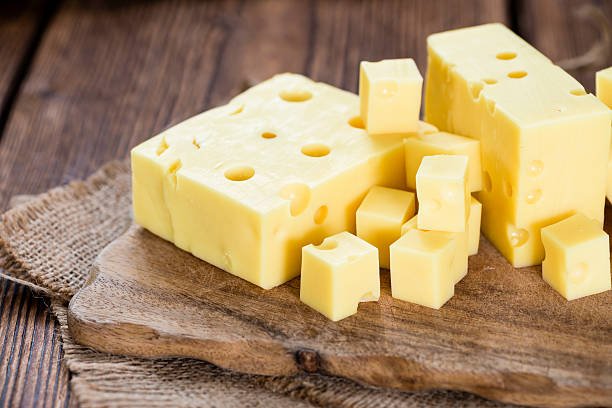
Cheese can support weight loss when eaten in moderation and as part of a balanced diet. High-protein options like cottage cheese, mozzarella, ricotta, and feta help increase fullness and maintain lean muscle. Overeating calorie-dense or highly processed cheeses can slow fat loss. Portion control and pairing with nutrient-dense foods are key.
Many people ask, “Is cheese good for weight loss?” At NFNA, we often see clients confused about whether to avoid cheese entirely or include it in their diet. While cheese is often considered high in fat and calories, scientific research shows that certain cheeses can actually support fat loss. Cheese provides high-quality protein, essential vitamins, and minerals, making it a practical addition to a sustainable fat-loss diet. Understanding how to choose the right type of cheese and the correct portion sizes is essential for weight management.
In this guide, we will cover the science behind cheese and weight loss, explain which types of cheese are most beneficial, provide practical meal strategies, and answer the most common questions people have about incorporating cheese into a fat-loss plan.
Understanding Weight Loss: The Science Behind Fat Loss
The Role of Calorie Balance in Weight Loss
Weight loss occurs when your body burns more calories than it consumes. This concept, known as calorie balance, is the foundation of fat-loss diets. Simply removing cheese from your diet will not guarantee weight loss if your overall calorie intake remains higher than your expenditure. Instead, it is more effective to manage calories while including nutrient-dense foods like cheese, which provide protein and micronutrients that support metabolism and health.
Why Protein and Satiety Matter in Fat Loss Diets
Protein plays a crucial role in fat-loss diets because it increases satiety, meaning you feel fuller for longer after eating. Cheese, particularly high-protein varieties, contains casein and whey proteins that digest slowly and steadily release amino acids. This reduces hunger, prevents overeating, and supports muscle preservation during calorie restriction.
How Nutrient Density Influences Diet Sustainability
A sustainable fat-loss diet focuses on nutrient-rich foods that satisfy hunger and provide essential vitamins and minerals. Cheese contains calcium, phosphorus, vitamin B12, and fat-soluble vitamins, making it more than just a source of calories. Including such foods in moderation ensures you meet your nutrient requirements while still losing fat effectively. Sustainable diets are easier to maintain than strict, restrictive plans that eliminate enjoyable foods like cheese. Our nutrition courses in Pune teach aspiring nutritionists exactly how to build sustainable, nutrient-dense fat-loss diets that clients can maintain long term.
Key Point: Weight loss depends on maintaining a consistent calorie deficit and including nutrient-dense foods rather than excluding specific foods entirely. Cheese, when included wisely, can fit perfectly into a fat-loss plan.
What Makes Cheese Nutritionally Valuable?
Macronutrient Profile of Cheese
Cheese is made up of proteins, fats, and small amounts of carbohydrates. Different cheeses vary in composition, but their protein content is generally high, making them an excellent choice for fat-loss diets.
- Protein: 7 to 28 grams per 100 grams, supporting fullness and muscle preservation
- Fat: 4 to 33 grams per 100 grams, providing energy and aiding nutrient absorption
- Carbohydrates: 0 to 5 grams per 100 grams, having minimal impact on blood sugar
Micronutrients Found in Cheese
Cheese is also rich in vitamins and minerals essential for overall health.
- Calcium, which is vital for bone health and muscle function
- Vitamin B12 is important for energy metabolism and red blood cell production
- Phosphorus supports strong bones and teeth
- Fat-soluble vitamins A, D, and K2, which contribute to vision, immunity, and cardiovascular health
Casein Protein and Slow Digestion
Casein is the main protein in many cheeses and is known for its slow digestion. When consumed, it gradually releases amino acids into the bloodstream over several hours. This slow digestion keeps you full longer and helps prevent muscle breakdown during calorie-restricted diets. Incorporating casein-rich cheese can make weight loss more manageable and sustainable. Our dietician course covers exactly how to apply this understanding of protein digestion and macronutrient balance when designing clinical fat-loss meal plans for clients.
Is Cheese Good for Weight Loss? The Evidence-Based Answer
Why Cheese Can Support Weight Loss
Cheese can be a beneficial component of a fat-loss diet for several reasons:
- It is high in protein, which increases satiety and reduces the likelihood of overeating
- Casein protein digests slowly, helping you feel full longer
- It provides essential nutrients that support overall health and maintain lean muscle mass
- It can improve the overall quality of your diet by offering nutrient density in a small, flavorful portion
Why Cheese Can Also Slow Weight Loss
Despite its benefits, certain factors can make cheese a less ideal choice if not consumed carefully:
- High calorie density means it is easy to consume too many calories in a small serving
- Some cheeses are high in saturated fat, which contributes to energy intake without adding satiety
- Overeating cheese, particularly soft and highly processed varieties, can counteract fat-loss goals
The Real Answer: Portion Control and Food Choice
The key to answering “Is cheese good for weight loss?” is moderation. Choosing nutrient-dense, high-protein cheeses and monitoring portion sizes allows you to enjoy cheese while still achieving fat-loss results. Cheese does not need to be eliminated entirely, and it can be strategically included as part of a balanced diet.
Best Types of Cheese for Weight Loss
Not all cheeses are created equal when it comes to fat loss. The following cheeses are nutrient-dense, high in protein, and easier to incorporate into calorie-controlled diets:
- Cottage Cheese (also called paneer in some regions), low-fat or regular, is high in protein and low in calories
- Mozzarella, rich in protein and mild in flavor, is ideal for salads or cooked dishes
- Ricotta, creamy but moderate in calories, can be paired with fruits or vegetables
- Feta, lower in calories than many hard cheeses, is perfect for salads or roasted vegetables
- Parmesan is extremely high in protein, but best used in small quantities due to its high calorie density
Choosing these cheeses answers the question “is cheese good for weight loss?” while supporting satiety and nutrition. Our nutrition courses in Kerala help students understand how to make food-specific recommendations like these in real client consultations.
Cheese Varieties to Limit During Fat Loss
Certain types of cheese should be consumed sparingly during fat-loss efforts because of their high calorie and fat content or excessive processing:
- Processed cheese is often high in sodium and low in nutrients
- Cream cheese is rich in fat with low protein content
- Ultra-processed cheese slices, which can encourage overeating due to additives and low satiety
Limiting these options ensures you benefit from cheese without compromising calorie goals.
How Much Cheese Can You Eat During Weight Loss?
Recommended Portion Sizes
Portion control is critical for incorporating cheese into a fat-loss plan:
- Cottage cheese: ½ to 1 cup per serving
- Mozzarella or Feta: 30 to 50 grams per serving
- Parmesan: 10 to 20 grams per serving
How to Fit Cheese into Your Daily Calories
Cheese should be included as part of a high-protein meal rather than a standalone snack. Adjust the rest of your daily calorie intake to account for cheese servings, ensuring you maintain a calorie deficit.
Combining Cheese with High-Fiber Foods
Pairing cheese with fiber-rich foods enhances satiety and supports digestion:
- Cheese with vegetables, such as paneer stir-fry or roasted vegetable salads
- Cheese with whole grains, like feta in quinoa or brown rice salads
- Cheese with high-protein meals, such as cottage cheese with eggs, chicken, or legumes
Common Diet Myths About Cheese and Weight Loss
Myth 1: Cheese Always Causes Weight Gain
Weight gain depends on overall calorie surplus, not a single food item. Moderate portions of cheese can be included in a balanced fat-loss plan.
Myth 2: You Must Avoid Dairy to Lose Fat
Research shows that dairy, including cheese, contributes to satiety and can support muscle preservation during fat loss.
Myth 3: Low-Fat Diets Are Always Better
Modern studies emphasize protein intake, nutrient density, and sustainable eating habits over strictly reducing fat. Full-fat or part-skim cheeses can be part of a healthy, calorie-controlled diet.
Practical Ways to Include Cheese in a Weight Loss Diet
High-Protein Breakfast Ideas
- Cottage cheese with berries and chia seeds
- Paneer scramble with vegetables and herbs
- Mozzarella omelet with tomatoes and spinach
Healthy Snack Options
- Mozzarella sticks with sliced cucumber or bell peppers
- Feta and cherry tomato skewers
- Cottage cheese with apple slices
Balanced Meal Combinations
- Paneer vegetable stir-fry with minimal oil
- Cottage cheese salad with leafy greens, cucumbers, and tomatoes
- Greek salad with feta, chickpeas, and olive oil
Including cheese in meals strategically demonstrates that “is cheese good for weight loss?” can be answered positively when portion and pairing are considered. Our nutrition courses in Kolkata train students to build exactly these kinds of practical, client-friendly meal plans grounded in evidence-based nutrition science.
Expert Nutrition Perspective from NFNA
At NFNA, we educate aspiring nutritionists and fitness professionals on how to design evidence-based fat-loss diets. Our experts emphasize:
- Meeting protein targets for satiety and muscle preservation
- Calorie distribution and nutrient balance throughout the day
- Individualized diet planning tailored to client goals, lifestyle, and preferences
- Behavioral strategies to improve adherence, including portion control and mindful eating
- Integrating enjoyable foods like cheese in moderation to support long-term compliance
By understanding “is cheese good for weight loss?”, NFNA teaches practical, science-backed methods to maintain both health and diet compliance. Our nutrition and fitness courses in Delhi are designed to equip graduates with the clinical knowledge and practical tools to help clients achieve lasting fat-loss results through personalized, enjoyable dietary strategies.
Key Takeaways
- Cheese is not inherently bad for weight loss and can be included strategically
- Portion control and selecting nutrient-dense cheeses are essential
- High-protein cheeses support satiety and lean muscle preservation
- Evidence-based, balanced diets are more effective than restrictive approaches
- NFNA emphasizes practical, science-backed guidance for integrating enjoyable foods into fat-loss diets
Read Our Latest Blogs
Dietician Course Eligibility | Dietician Course Duration | How To Become A Nutritionist | Does Masturbation Cause Weight Loss | How To Take Chia Seeds For Weight Loss | Is Oats Good For Weight Loss | Is Poha Good For Weight Loss | Is Rice Good For Weight Loss | Is Corn Good For Weight Loss | Is Curd Good For Weight Loss
Frequently Asked Questions
Q1. How can I include cheese in a fat-loss diet?
Incorporate cheese in moderation with high-protein meals and fiber-rich vegetables to enhance satiety without exceeding calorie goals.
Q2. Can I eat cheese every day while trying to lose weight?
Yes, choosing high-protein, lower-calorie cheeses such as cottage cheese or mozzarella allows daily inclusion while maintaining fat-loss goals.
Q3. Is paneer good for weight loss?
Paneer is high in protein and low in carbohydrates, making it ideal for preserving lean muscle and reducing hunger during calorie restriction.
Q4. Will eating cheese make me gain belly fat?
No, belly fat accumulation depends on excess calories over time. Cheese itself does not target fat storage; portion control is key.
Q5. What cheese has the lowest calories for weight loss?
Cottage cheese and part-skim mozzarella are among the lowest-calorie options, providing protein without excessive fat.
Q6. Why does cheese help me feel full?
The casein protein in cheese digests slowly, keeping you full for longer periods and preventing overeating.
Q7. Can athletes include cheese in fat-loss diets?
Absolutely. Cheese provides high-quality protein and micronutrients that support muscle maintenance and recovery while in a calorie deficit.
Q8. How should cheese be combined with other foods to support weight loss?
Pair cheese with high-fiber vegetables, whole grains, and lean proteins to create balanced, nutrient-dense meals that promote fullness and sustain energy.