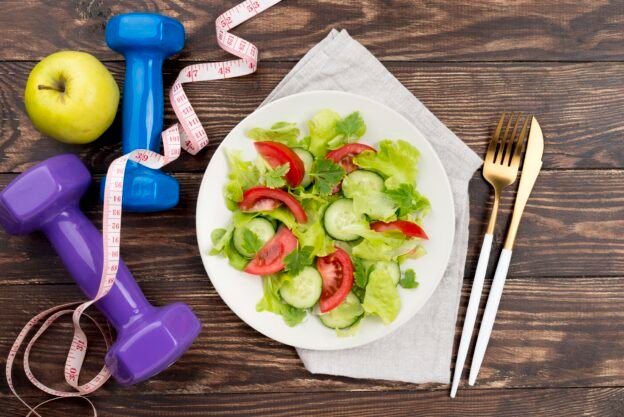
A well-structured gym diet is the foundation of any successful fitness journey. Whether your goal is muscle gain, fat loss, endurance, or overall fitness, the food you consume plays a pivotal role in determining your results. Simply exercising without paying attention to what you eat can slow progress, reduce energy, and impair recovery.
A proper gym diet provides the necessary nutrients your body needs to perform optimally, recover efficiently, and adapt to physical stress. By combining the right balance of proteins, carbohydrates, fats, vitamins, and minerals, you can enhance muscle growth, lose fat effectively, and maintain high energy levels throughout the day. In the next sections, we will guide you through everything you need to know about a gym diet, including components, meal planning, pre- and post-workout nutrition, supplements, and expert tips.
Understanding the Basics of a Gym Diet
What Is a Gym Diet?
A gym diet is not just about eating less or counting calories; it is a carefully designed nutrition plan that fuels workouts, aids recovery, and supports your fitness goals. Unlike general diets, a gym diet focuses on providing sufficient macronutrients and micronutrients in the right proportions to ensure your body functions at its peak.
A good gym diet emphasizes:
- Adequate protein intake for muscle repair and growth
- Complex carbohydrates for sustained energy during workouts
- Healthy fats for hormone regulation and joint health
- Essential vitamins and minerals to support overall body function
- Proper hydration for energy and recovery
Following a structured gym diet ensures that the hard work you put into the gym translates into tangible results. Without the right nutrition, your body cannot build muscle, burn fat efficiently, or sustain high-intensity workouts.
Why a Gym Diet Is Crucial for Results
Many people assume that spending hours at the gym guarantees results. In reality, diet contributes equally, if not more, to achieving fitness goals. A gym diet directly affects:
- Energy levels during workouts
- Muscle repair and growth after training
- Fat loss while maintaining lean muscle mass
- Hormonal balance and metabolism
- Recovery and reduction in post-exercise fatigue
Without a proper gym diet, even a well-planned workout routine can fail to produce visible results. Nutrition provides the fuel and building blocks your body needs to grow stronger, leaner, and healthier.
Key Components of an Effective Gym Diet
Protein – The Building Block of Muscles
Protein is the most critical macronutrient in a gym diet because it repairs damaged muscles, promotes growth, and supports recovery. Consuming enough protein ensures that your workouts lead to tangible muscle gains.
Protein Sources:
- Eggs and egg whites
- Chicken, fish, and lean meats
- Paneer, tofu, lentils, chickpeas
- Whey protein supplements
Recommended Intake: Aim for 1.6 to 2.2 grams of protein per kilogram of body weight daily, depending on your fitness goals and training intensity. For example, a 70 kg individual should consume approximately 112–154 grams of protein each day.
Carbohydrates – The Body’s Primary Fuel
Carbohydrates are the main energy source in a gym diet, essential for high-intensity workouts and optimal performance. They replenish glycogen stores in muscles and prevent fatigue.
Carbohydrate Sources:
- Oats, quinoa, brown rice, and whole wheat bread
- Fruits such as bananas, apples, and berries
- Sweet potatoes and legumes
Complex carbohydrates are preferable over simple sugars, as they provide sustained energy without causing blood sugar spikes. Including the right amount of carbs in your gym diet ensures you can train harder and recover faster.
Healthy Fats – Supporting Hormones and Recovery
Healthy fats are essential for hormone production, joint health, and overall wellbeing. A proper gym diet includes fats to balance testosterone levels, which are crucial for muscle growth.
Healthy Fat Sources:
- Olive oil and avocado
- Nuts and seeds
- Fatty fish like salmon and mackerel
Fats should make up a moderate portion of your gym diet, contributing to energy levels and nutrient absorption without compromising fat loss goals.
Micronutrients and Hydration
Micronutrients such as vitamins and minerals are vital for energy metabolism, immunity, and recovery. Hydration plays a key role in maintaining performance during workouts and aiding muscle recovery.
Key hydration and micronutrient tips for a gym diet:
- Drink at least 2 to 3 liters of water daily
- Include a variety of fruits and vegetables for vitamins and minerals
- Replenish electrolytes during long or intense workouts
A well-balanced gym diet that includes these components ensures your body functions optimally and recovers efficiently.
Pre- and Post-Workout Nutrition
Pre-Workout Nutrition
Pre-workout meals are crucial for providing energy and enhancing endurance during exercise. A proper gym diet emphasizes eating 1–2 hours before training with a combination of carbohydrates and moderate protein.
Pre-Workout Meal Examples:
- Oats with whey protein and fruits
- Banana with peanut butter
- Boiled eggs with whole-grain toast
Eating the right foods before training helps maintain stamina, improves focus, and prevents early fatigue, allowing you to perform at your best during workouts.
Post-Workout Nutrition
Post-workout nutrition is essential for recovery, muscle repair, and glycogen replenishment. Consuming protein and fast-digesting carbohydrates within 30–60 minutes of exercise maximizes results.
Post-Workout Meal Examples:
- Whey protein shake with a banana
- Paneer or tofu with steamed vegetables
- Grilled chicken with brown rice
Following this strategy ensures your body has the nutrients required to recover and grow stronger after intense workouts.
Sample Gym Diet Plan (Indian Context)
- Early Morning: Warm water with lemon and soaked almonds
- Breakfast: Oats with milk and chia seeds
- Mid-Morning Snack: Fresh fruit with green tea
- Lunch: Brown rice with dal and grilled chicken or paneer
- Pre-Workout Snack: Banana with whey protein
- Post-Workout Meal: Whey protein shake with boiled egg whites
- Dinner: Fish or tofu with mixed vegetables
- Bedtime Snack: Skim milk or casein protein
Adjust portion sizes according to your fitness goals. Individuals aiming for muscle gain should increase portions, while those focusing on fat loss should control calories while maintaining nutrient balance.
Common Gym Diet Mistakes to Avoid
Avoiding mistakes can make your gym diet far more effective. Common pitfalls include:
- Skipping meals or under-eating, which slows metabolism
- Over-reliance on supplements instead of whole foods
- Ignoring hydration, leading to decreased energy and performance
- Failing to track calories and macronutrients
- Consuming too many processed foods or refined carbohydrates
Correcting these mistakes ensures that your gym diet produces maximum results and supports sustainable fitness goals.
Supplements That Support a Gym Diet
While a gym diet should prioritize whole foods, supplements can be beneficial when used correctly. Recommended supplements include:
- Whey protein for muscle recovery
- Creatine for improved strength and endurance
- Omega-3 fatty acids for joint health and inflammation reduction
- Multivitamins to fill micronutrient gaps
Consult a certified nutritionist before incorporating supplements into your gym diet to ensure safety and effectiveness.
Customizing Your Gym Diet by Goal
- For Muscle Gain: Focus on a calorie surplus, high protein intake, and strength-based training. Include lean meats, paneer, eggs, and protein shakes in your gym diet.
- For Fat Loss: Maintain a calorie deficit, prioritize protein and fiber, and reduce refined carbohydrates. Consistency with portion control is key.
- For General Fitness: Follow a balanced gym diet with moderate protein, carbs, and fats. Ensure hydration and regular consumption of fruits and vegetables for micronutrients.
Expert Tips to Maximize Gym Diet Results
- Track your food intake using apps or journals to maintain consistency
- Prioritize whole, unprocessed foods over packaged or fast foods
- Include protein in every meal every 3–4 hours
- Get 7–8 hours of sleep daily to support recovery
- Reassess your gym diet plan every 4–6 weeks to adapt to progress and goals
Conclusion
A proper gym diet is the foundation of any fitness journey. Training alone cannot deliver results without the right nutrition. By balancing proteins, carbohydrates, fats, and micronutrients, and strategically timing meals, you can maximize energy, muscle growth, and recovery.
Start following a structured gym diet today to combine workouts with smart nutrition and achieve sustainable, long-term fitness goals.
Ready to turn your passion for fitness and nutrition into a professional career?
Enroll with NFNA – The National Fitness & Nutrition Academy, India’s most trusted institute for nutrition and fitness education. Learn from expert doctors, dietitians, and fitness trainers. Build your brand, transform lives, and become a certified fitness professional.
Join thousands of students who have elevated their careers with NFNA. Enquire today and start your transformation journey!
Frequently Asked Questions
Q1. What is a gym diet and why is it important?
A gym diet is a nutrition plan designed to fuel workouts, aid recovery, and achieve fitness goals. It is important because it ensures energy, muscle growth, fat loss, and optimal performance.
Q2. How often should I eat in a gym diet?
Eating 5–6 small meals spaced every 2–3 hours helps maintain energy, supports metabolism, and aids muscle recovery.
Q3. Can I lose fat while following a gym diet?
Yes, by maintaining a calorie deficit, eating protein-rich meals, and limiting refined carbs, a gym diet can help you lose fat while preserving muscle.
Q4. Are supplements necessary in a gym diet?
Supplements are not mandatory. They are useful to fill gaps or support recovery but should not replace whole foods.
Q5. When should I eat after a workout?
Consume a post-workout meal within 30–60 minutes after exercise to maximize recovery and support muscle growth.
Q6. Can vegetarians follow an effective gym diet?
Absolutely. Paneer, lentils, tofu, eggs, and whey protein provide sufficient protein for muscle growth in a vegetarian gym diet.
Q7. How do I know if my gym diet is working?
Monitor energy levels, strength, endurance, body composition, and recovery. If improvements are consistent, your gym diet is effective.
Q8. Can a gym diet improve stamina and overall fitness?
Yes, a properly structured gym diet provides sustained energy, supports recovery, and enhances physical performance, improving overall fitness and stamina.