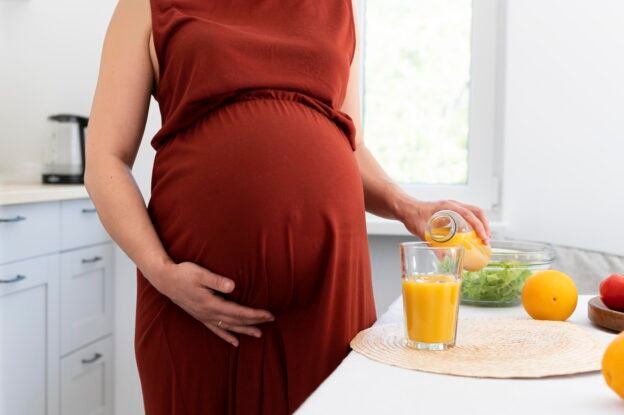
Pregnancy is a life-changing journey that brings both excitement and responsibility. One of the most important responsibilities is ensuring proper nutrition for both the mother and the growing baby. Following a diet chart for pregnant women is essential because it provides a structured approach to meeting daily nutritional needs. A well-planned pregnancy diet helps prevent deficiencies, supports fetal growth, and boosts maternal energy levels. By following an effective diet chart for pregnant women, mothers can navigate the challenges of pregnancy while promoting the health and development of their babies.
Eating for two does not mean doubling your portions but choosing nutrient-dense foods that provide essential vitamins, minerals, proteins, and healthy fats. This article provides a detailed trimester-wise diet chart for pregnant women tailored for Indian meals, practical tips for daily nutrition, and guidance on foods to avoid during pregnancy. Following this guide ensures a safe, healthy, and energized pregnancy.
Why a Pregnancy Diet Chart Matters
A pregnancy diet chart is more than just a list of foods; it is a carefully designed plan that ensures both the mother and the baby receive essential nutrients throughout the pregnancy. Following a structured diet chart for pregnant women is especially beneficial for Indian mothers, where dietary habits, food availability, and cultural preferences play a significant role.
The benefits of adhering to a diet chart for pregnant women include:
- Supporting fetal growth and proper development of organs, brain, and bones
- Reducing the risk of pregnancy complications such as anemia, gestational diabetes, preeclampsia, and preterm birth
- Enhancing maternal energy, mood, and immunity
- Preparing the body for breastfeeding by building nutrient stores for lactation
A thoughtfully prepared diet chart for pregnant women provides a roadmap for eating right, making nutrition manageable and less stressful. It allows mothers to focus on balanced meals rather than random food choices, ensuring optimal outcomes for both mother and child.
Essential Nutrients for Expectant Mothers
During pregnancy, the need for specific nutrients increases significantly. Following a diet chart for pregnant women ensures that these nutrients are consistently included in the diet. Key nutrients and their benefits include:
Folic Acid
- Prevents neural tube defects in the baby
- Found in spinach, lentils, citrus fruits, broccoli, and fortified cereals
Iron
- Helps prevent anemia and supports oxygen delivery to both mother and baby
- Sources include beetroot, jaggery, pomegranate, spinach, and red lentils
Calcium
- Builds strong bones and teeth for the baby and supports maternal bone health
- Found in milk, paneer, ragi, sesame seeds, and yogurt
Protein
- Supports tissue and muscle growth in both mother and baby
- Sources include eggs, lentils, paneer, tofu, chickpeas, and nuts
Omega-3 Fatty Acids
- Crucial for brain and eye development of the fetus
- Found in walnuts, flaxseeds, chia seeds, and fatty fish like salmon
Fiber
- Prevents constipation, a common pregnancy complaint
- Sources include whole grains, oats, fruits, vegetables, and legumes
Vitamin D and B6
- Promote bone health, reduce nausea, and improve mood
- Found in eggs, bananas, fortified milk, and exposure to sunlight
Following a diet chart for pregnant women that includes these nutrients ensures balanced nutrition and reduces the risk of deficiencies that may affect both mother and baby.
Trimester-Wise Diet Chart for Pregnant Women
A trimester-wise diet chart for pregnant women is essential because nutritional needs change throughout pregnancy. Each phase requires specific nutrients to support both maternal health and fetal growth.
First Trimester (Weeks 1–12): Building Foundations
Focus on folic acid, vitamin B6, and iron. During the first trimester, nausea, fatigue, and food aversions are common. The following diet chart for pregnant women can help:
Early Morning
- Warm water with lemon
- Soaked almonds or walnuts
Breakfast
- Vegetable poha with a sprinkle of peanuts
- Oats porridge with milk and fruits
Mid-Morning Snack
- Fresh fruit such as papaya, apple, or pear
Lunch
- Lentil soup or dal
- Brown rice or chapati
- Spinach or bottle gourd sabzi
- Cucumber and tomato salad
Evening Snack
- Coconut water
- Roasted chickpeas or a handful of nuts
Dinner
- Clear vegetable soup
- Soft chapati or khichdi with vegetables
Tips for the first trimester
- Eat smaller, frequent meals to manage nausea
- Avoid oily and spicy foods that may trigger discomfort
- Stay hydrated and rest as needed
Second Trimester (Weeks 13–26): Growth and Energy Phase
Focus on protein, calcium, iron, and omega-3 fatty acids. The second trimester is when energy demands increase, and the baby undergoes rapid growth.
Breakfast
- Stuffed paratha with curd
- Fruit smoothie with nuts
Mid-Morning Snack
- Handful of nuts or seeds
- Fresh fruit like papaya, watermelon, or apple
Lunch
- Brown rice or quinoa
- Paneer curry with mixed vegetables
- Salad with carrots, cucumber, and tomatoes
Evening Snack
- Sprout salad or boiled chickpeas
- Buttermilk or tender coconut water
Dinner
- Khichdi with vegetables and lentils
- Chapati and steamed vegetables
Tips for the second trimester
- Include calcium-rich foods to support the developing fetal skeleton
- Moderate exercise like walking or prenatal yoga improves digestion and energy
- Keep snacks healthy to avoid excess sugar and processed foods
Third Trimester (Weeks 27–40): Strength and Preparation
Focus on fiber, healthy fats, and iron. The third trimester is crucial for preparing the body for labor and ensuring the baby gains adequate weight.
Early Morning
- Fenugreek water or warm water with lemon
Breakfast
- Besan chilla with mint chutney
- Oatmeal with nuts and fruits
Mid-Morning Snack
- Dates or soaked almonds
- Fresh fruit
Lunch
- Rajma or chole with chapati
- Seasonal vegetable sabzi
- Salad with leafy greens
Evening Snack
- Fruit smoothie or milkshake
- Handful of roasted seeds or nuts
Dinner
- Vegetable khichdi with a glass of milk before bed
- Light, easy-to-digest meals to avoid heartburn
Tips for the third trimester
- Focus on high-fiber foods to prevent constipation
- Stay hydrated to prevent swelling
- Avoid heavy, greasy meals that may lead to discomfort
Following a detailed diet chart for pregnant women throughout all trimesters ensures optimal nutrition, improves energy levels, and supports a smooth pregnancy journey.
Foods to Avoid During Pregnancy
To maximize the benefits of a diet chart for pregnant women, it is equally important to know which foods should be avoided:
High-Mercury Fish
- Shark, king mackerel, and swordfish
- Mercury can affect fetal brain development
Raw or Undercooked Foods
- Sushi, raw eggs, or undercooked meat
- Risk of bacterial infections and foodborne illnesses
Caffeine and Alcohol
- Coffee, tea in large quantities, wine, and beer
- Can increase the risk of low birth weight and miscarriage
Unpasteurized Dairy Products
- Soft cheeses and raw milk
- May contain harmful bacteria like listeria
Processed and Junk Foods
- Packaged snacks, fried foods, and sweets with high sugar
- Can lead to excessive weight gain and gestational complications
Avoiding these foods and following a diet chart for pregnant women will help maintain maternal and fetal health throughout pregnancy.
Common Pregnancy Diet Myths (Busted)
Many myths circulate about pregnancy diets. Following a diet chart for pregnant women can help distinguish fact from fiction:
- Myth: Eating papaya causes miscarriage
Truth: Ripe papaya in moderation is safe and provides nutrients - Myth: Saffron milk improves baby’s complexion
Truth: Baby’s skin color is genetically determined - Myth: Pregnant women should avoid all exercise
Truth: Moderate exercise supports circulation, mood, and delivery preparation - Myth: Eating double portions is necessary
Truth: Focus on nutrient-dense foods rather than excess calories
By relying on evidence-based nutrition through a diet chart for pregnant women, mothers can make informed choices for themselves and their babies.
Tips for Maintaining a Balanced Pregnancy Diet
- Prioritize home-cooked meals with fresh ingredients
- Eat smaller, frequent meals to maintain energy and prevent nausea
- Drink 3 to 3.5 liters of water daily for hydration
- Pair iron-rich foods with vitamin C sources to improve absorption
- Limit caffeine, especially near meal times
- Include seasonal fruits and vegetables for variety and antioxidants
- Avoid heavily processed or fried foods
- Consult a nutritionist for a personalized plan that complements your diet chart for pregnant women
Indian Superfoods for Pregnancy
Incorporating Indian superfoods into your diet chart for pregnant women provides concentrated nutrition:
- Ragi: High in calcium to strengthen bones and teeth
- Amla: Rich in vitamin C to boost immunity
- Flaxseeds: Source of omega-3 fatty acids essential for brain development
- Paneer: Excellent protein source for tissue growth
- Dates: High in iron to prevent anemia
- Coconut water: Hydrating and replenishes electrolytes
These superfoods can be included in meals, snacks, or drinks to support a well-rounded pregnancy diet.
Conclusion
A well-structured diet chart for pregnant women is essential for a safe and healthy pregnancy. By including nutrient-rich foods, following trimester-specific meal plans, and avoiding harmful foods, mothers can support their own health and their baby’s development. Nutrition is not about eating more but about making smart, balanced choices. Following a comprehensive diet chart for pregnant women ensures optimal growth, prevents deficiencies, and prepares the mother’s body for delivery and breastfeeding.
Frequently Asked Questions
Q1. How much weight should I gain during pregnancy?
Weight gain depends on pre-pregnancy BMI. Generally, women with normal BMI may gain 10 to 15 kg. Consult your doctor for a personalized plan.
Q2. Can I follow a vegetarian diet while pregnant?
Yes, a vegetarian diet is safe if it includes protein, iron, calcium, vitamin B12, and other essential nutrients as part of a structured diet chart for pregnant women.
Q3. What are the best snacks for morning sickness?
Dry fruits, toast, fruit slices, nuts, and mild soups are gentle on the stomach and help maintain energy.
Q4. Is fasting safe during pregnancy?
Prolonged fasting is not recommended. Consult a doctor before any dietary restrictions. Small healthy snacks are preferred.
Q5. Can I take supplements without a doctor’s advice?
No. Supplements should only be taken under medical supervision to avoid overdosing or nutrient imbalances.
Q6. How can I manage constipation during pregnancy?
Include fiber-rich foods such as oats, whole grains, lentils, vegetables, and fruits. Drink plenty of water and exercise lightly.
Q7. Which foods help improve iron levels naturally?
Spinach, beetroot, dates, jaggery, lentils, chickpeas, and fortified cereals are excellent sources of natural iron.
Q8. Are herbal teas safe during pregnancy?
Only certain herbal teas, such as ginger and chamomile, are considered safe. Avoid herbal blends without consulting a doctor.