If you are aiming for effective weight loss in a short period, a 1000 calorie diet plan can help you achieve your goals. This diet involves consuming approximately 1,000 calories per day, creating a calorie deficit that encourages your body to burn stored fat efficiently. The 1000 calorie diet plan is particularly popular for jumpstarting weight loss because it produces noticeable results in a short time while helping develop portion control and healthy eating habits.
However, it is crucial to understand that a 1000 calorie diet plan is not suitable for everyone and must be followed with caution. At NFNA, we emphasize evidence-based nutrition and recommend professional guidance to ensure safe and effective weight loss. In this guide, you will learn how the 1000 calorie diet plan works, its benefits, risks, sample meal ideas, and expert tips for success.
How the 1000 Calorie Diet Plan Works
The 1000 calorie diet plan functions primarily through the principle of calorie deficit. When you consume fewer calories than your body requires for energy, your body begins to use fat stores for fuel. This mechanism leads to weight loss and improved body composition when followed correctly.
This diet is often recommended for adults under medical supervision or guidance from certified nutritionists. Individuals with specific health conditions, such as thyroid disorders, diabetes, or heart issues, should only follow a 1000 calorie diet plan with professional oversight. Pregnant or breastfeeding women and adolescents should avoid this diet, as it may not provide sufficient nutrients for growth and development.
NFNA-certified nutritionists approach the 1000 calorie diet plan by ensuring it includes enough protein, vitamins, and minerals while maintaining the calorie restriction, making it safe and effective for short-term weight management.
Benefits of Following a 1000 Calorie Diet Plan
Following a 1000 calorie diet plan offers several advantages when done safely and under supervision.
- Rapid initial weight loss provides motivation and encourages adherence.
- Promotes portion control, helping you become more mindful of your eating habits.
- Encourages the consumption of nutrient-dense foods such as fruits, vegetables, lean proteins, and whole grains.
- Can be incorporated into a medically supervised program for obesity management or metabolic improvement.
- Helps individuals recognize their body’s hunger cues and encourages healthier eating behaviors.
NFNA experts recommend calculating your Basal Metabolic Rate (BMR) before starting a 1000 calorie diet plan. Understanding your energy needs ensures the diet is effective without compromising your metabolic health.
Risks and Precautions
While the 1000 calorie diet plan can be effective, it comes with potential risks if followed incorrectly:
- Nutrient deficiencies may occur due to low caloric intake.
- Fatigue, dizziness, and irritability can arise from insufficient energy supply.
- Long-term adherence may slow down metabolism and affect muscle mass.
- Increased risk of binge eating or rebound weight gain if not monitored properly.
To mitigate these risks, it is important to follow a 1000 calorie diet plan under professional guidance. NFNA-certified courses teach safe and sustainable diet planning to ensure adequate nutrition and long-term health. Professionals emphasize the inclusion of essential nutrients while maintaining a calorie deficit.
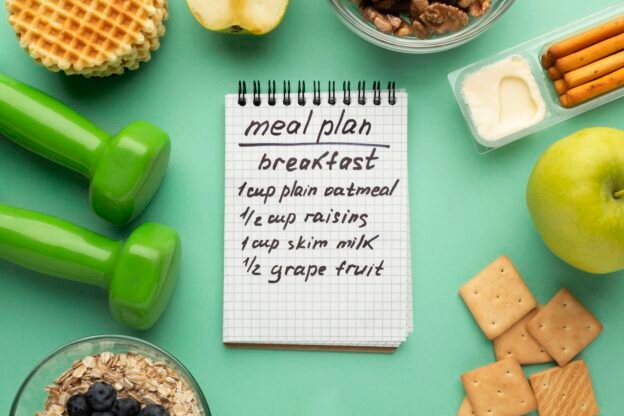
Sample 1000 Calorie Diet Plan Menu
Here is a sample menu for a 1000 calorie diet plan, designed to provide balance and nutrition while staying within the calorie limit.
Vegetarian Option
Breakfast
- Oatmeal with flaxseeds and a sliced apple (200 calories)
Lunch
- Quinoa salad with black beans, corn, and lime dressing (300 calories)
Dinner
- Vegetable curry with brown rice (350 calories)
Snack
- Greek yogurt with fresh berries (150 calories)
Non-Vegetarian Option
Breakfast
- Scrambled eggs with spinach (250 calories)
Lunch
- Grilled chicken breast with steamed vegetables (300 calories)
Dinner
- Baked salmon with quinoa and broccoli (350 calories)
Snack
- Apple slices with a small amount of peanut butter (100 calories)
The 1000 calorie diet plan works best when meals are balanced, focusing on proteins, healthy fats, fiber, and vitamins to prevent nutrient deficiencies while promoting weight loss.
Foods to Include in a 1000 Calorie Diet Plan
For a safe and effective 1000 calorie diet plan, focus on nutrient-dense foods:
- Lean proteins such as eggs, tofu, fish, chicken, and legumes
- Whole grains like brown rice, oats, and quinoa
- Healthy fats including avocado, olive oil, and almonds
- Fresh fruits and vegetables such as berries, spinach, carrots, and cucumbers
NFNA experts emphasize that focusing on nutrient density rather than just calorie count is essential for maintaining metabolic health while following a 1000 calorie diet plan.
Foods to Avoid
To stay on track with a 1000 calorie diet plan, it is important to avoid:
- Processed and fried foods
- Sugary beverages, white bread, and refined pasta
- High-fat meats and creamy sauces
- Alcohol and sweetened desserts
Avoiding these foods helps prevent empty calorie intake and ensures you remain within the target calorie limit while still obtaining essential nutrients.
Exercise and Hydration Guidelines
Combining the 1000 calorie diet plan with exercise and proper hydration enhances its effectiveness:
- Engage in moderate exercise for at least 30 minutes daily, including walking, yoga, or light cardio
- Include resistance training to preserve lean muscle mass
- Drink 2–3 liters of water daily
- Use electrolyte drinks or infused water to maintain energy and prevent dehydration
Proper hydration and exercise not only aid in weight loss but also improve overall energy levels and well-being while following a 1000 calorie diet plan.
Expert Tips for Success
To maximize results and maintain safety while following a 1000 calorie diet plan, consider these tips:
- Plan meals in advance to prevent unplanned snacking
- Use smaller plates to control portions visually
- Track weekly progress, including weight, energy levels, and measurements
- Consult a certified nutritionist for personalized guidance
NFNA-certified dietitians emphasize that a 1000 calorie diet plan is most effective when personalized to meet your individual metabolic needs and lifestyle.
Conclusion
The 1000 calorie diet plan is an effective tool for short-term weight loss and portion control, but it is not suitable for everyone. Following it without guidance may lead to nutrient deficiencies or other health risks. NFNA emphasizes safe, evidence-based approaches to calorie restriction, focusing on nutrient balance and metabolic health. By combining proper planning, professional supervision, and mindful eating, a 1000 calorie diet plan can help you achieve your weight loss goals safely and effectively.
Frequently Asked Questions
Q1. Can I follow a 1000 calorie diet plan on my own?
It is not recommended to follow a 1000 calorie diet plan without professional supervision. A certified nutritionist can design a safe, personalized plan that meets your nutrient requirements.
Q2. How long should I follow a 1000 calorie diet plan?
The diet is intended for short-term use, typically 1–2 weeks. After that, transition to a balanced diet to maintain results.
Q3. Is a 1000 calorie diet plan suitable for vegetarians or vegans?
Yes, but you need to include sufficient protein from tofu, lentils, beans, and seeds to meet your nutritional needs.
Q4. Will I feel constantly hungry on this diet?
Hunger is common initially, but incorporating high-fiber foods and lean proteins can help manage appetite while following a 1000 calorie diet plan.
Q5. Can I exercise while on a 1000 calorie diet plan?
Yes, moderate exercise is encouraged, but avoid excessive high-intensity workouts to prevent fatigue and maintain energy levels.
Q6. How much weight can I expect to lose?
Weight loss varies depending on metabolism and activity level. Typically, 1–2 kg in the first week is achievable with professional guidance.
Q7. Can I drink tea or coffee during the diet?
Yes, unsweetened tea or black coffee is acceptable. Avoid added sugars and high-calorie creamers.
Q8. Is the 1000 calorie diet plan safe for people with medical conditions?
Only under the supervision of a healthcare professional or certified nutritionist. The diet must be tailored to individual health needs to avoid risks.