Category Archives: Nutrition

is idli good for weight loss

Is Idli Good for Weight Loss? Evidence-Based Nutrition Insights from NFNA

Idli is a steamed, low-calorie, fermented South Indian food that can support weight loss when consumed thoughtfully. It provides easily digestible carbohydrates, moderate protein, and beneficial probiotics that aid digestion and satiety. Controlling portions and pairing idli with protein-rich and fiber-rich foods makes it an effective addition to a fat-loss diet.

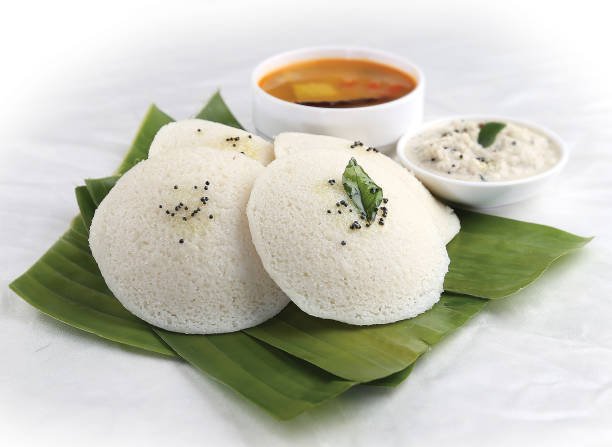
Idli is a soft, fluffy breakfast favorites across India, renowned for its simplicity, taste, and digestive benefits. At NFNA – National Fitness and Nutrition Academy, we help people understand how traditional foods like idli can fit into modern, science-backed diet plans. Many ask, is idli good for weight loss, and the answer lies in understanding its nutritional profile, calorie content, and how it is incorporated into your overall diet. When eaten in moderation, idli can support sustainable fat loss and digestive health.

What Makes Idli a Popular Choice in Healthy Diets?

Traditional Fermented Food with Proven Health Benefits

Idli is made by fermenting a mixture of rice and urad dal, creating a soft, fluffy texture while naturally producing probiotics. Fermented foods like idli can improve gut microbiota, aiding digestion and supporting metabolic health. Studies suggest that gut health can influence satiety and calorie utilization, making fermented foods like idli a smart choice for weight-conscious individuals. Our nutrition and dietician course covers the science of gut health and fermented foods as part of a comprehensive, evidence-based curriculum for aspiring nutrition professionals.

Steamed Preparation with Minimal Oil

One of the major reasons idli is considered healthy is their steamed cooking method. Unlike fried breakfasts such as parathas or deep-fried snacks, steaming preserves nutrients and keeps calories low. This makes idli ideal for people asking is idli good for weight loss, because they provide a filling breakfast without excess fat.

Easily Digestible Carbohydrates for Energy

Idli provides carbohydrates that are digested slowly, giving steady energy without causing rapid spikes in blood sugar. This is particularly beneficial for breakfast or pre-workout meals, as it prevents early hunger pangs and supports adherence to a calorie-controlled diet. Our nutrition courses in Kerala train students to understand how carbohydrate digestion and glycemic response influence fat-loss outcomes in real client meal plans.

Nutritional Value of Idli

Calories in One Idli

A standard idli contains approximately 35–40 calories, making it a low-calorie breakfast option. Its calorie content is easy to manage within a fat-loss diet, which answers the common question, is idli good for weight loss.

Macronutrient Content

  • Carbohydrates: 7–8 grams per idli, providing slow-releasing energy
  • Protein: 2–3 grams from urad dal, which helps maintain satiety and muscle health
  • Fat: Less than 1 gram, keeping it low in fat

Micronutrients and Digestive Benefits

  • B-Vitamins generated during fermentation improve energy metabolism and digestion
  • Iron supports red blood cell formation and energy levels
  • Probiotics enhance gut microbiota and may indirectly support metabolism

Idli’s combination of moderate protein, low fat, and digestible carbohydrates makes it suitable for anyone asking is idli good for weight loss.

Is Idli Good for Weight Loss? The Scientific Perspective

Low Calorie Density Supports Fat Loss

Idli’s low-calorie density allows you to consume multiple pieces without exceeding your daily caloric target. Maintaining a calorie deficit is fundamental for weight loss, making idli a smart breakfast or snack option.

High Satiety Despite Fewer Calories

Despite being low in calories, idlis can be filling when paired with protein and fiber-rich sides such as sambar and vegetables. This prevents mid-morning cravings and helps maintain a sustainable calorie-controlled diet. Our dietician course teaches students how to design exactly these kinds of balanced, satiety-focused meal combinations for clients working toward sustainable fat loss.

Fermentation and Digestive Health

Fermented foods like idli improve nutrient absorption and support a healthy gut microbiome. A balanced gut can contribute to better metabolism and appetite regulation, further emphasizing why idli can be a strategic food for weight management.

Balanced Energy Release

The combination of rice and lentils provides steady energy release, which prevents rapid blood sugar spikes and helps control appetite throughout the morning. People who wonder is idli good for weight loss can benefit from this balance of slow-releasing carbohydrates and protein.

How Idli Supports a Sustainable Weight Loss Diet

Simple Portion Control

Two to three idlis per meal, paired with protein and fiber sources, make it easy to control portions and calorie intake. Portion control is a major factor in achieving sustainable fat loss.

Ideal for a Balanced Breakfast

Idlis are most effective when combined with nutrient-rich accompaniments:

  • Sambar for protein and fiber
  • Coconut chutney for healthy fats

This combination ensures a balanced meal, supporting both energy and satiety.

Encourages Consistent Eating Habits

The simplicity of idli-based meals can promote diet adherence. Consistently eating wholesome meals reduces the temptation for high-calorie snacks and supports steady fat loss. Our nutrition courses in Kolkata prepare students to apply behavioral nutrition strategies like meal consistency and adherence coaching in their professional practice.

When Idli May Not Help with Weight Loss

Excessive Portions

Overeating idlis can increase calorie intake and counteract fat-loss efforts. Moderation is key.

High-Calorie Additions

Adding extra oil, ghee, or fried chutney increases the calorie content, which may undermine the benefits of eating idli.

Lack of Protein Balance

Eating idlis alone does not provide enough protein for muscle maintenance or optimal satiety. Pairing idli with protein-rich foods is essential for those asking is idli good for weight loss.

Best Ways to Eat Idli for Weight Loss

Pair with Protein Sources

  • Lentil-based sambar
  • Paneer or eggs on the side

Add Fiber to Meals

  • Vegetable-rich sambar
  • Fresh salads or lightly sautéed greens

Choose Whole Grain or Alternative Idli Varieties

  • Ragi idli for higher fiber and minerals
  • Oats idli for slow-digesting carbohydrates
  • Millet idli for nutrient density and better satiety

Expert Nutrition Perspective from NFNA

At NFNA, we emphasize that weight loss depends on overall calorie balance, not just a single food. Traditional foods like idli fit perfectly into a fat-loss diet when consumed in moderation and paired with protein and fiber. Our students learn to design evidence-based meal plans, understand macronutrient balance, and apply practical strategies for client success. By combining scientific knowledge with traditional foods, sustainable fat loss becomes achievable and enjoyable.

Final Verdict: Is Idli Good for Weight Loss?

Idli can support weight loss when eaten in moderation and combined with protein and fiber. Its low-calorie, steamed preparation, digestible carbohydrates, and fermentation benefits make it an ideal choice for breakfast or light meals. Proper portion control, mindful pairing with nutrient-rich accompaniments, and balanced meal planning ensure that idli contributes positively to sustainable fat-loss goals.

At NFNA, we train aspiring nutritionists and fitness professionals to understand foods like idli scientifically, enabling evidence-based diet planning for clients seeking sustainable weight management.

Read Our Latest Blogs

Dietician Course Eligibility | Dietician Course Duration | How To Become A Nutritionist | Does Masturbation Cause Weight Loss | How To Take Chia Seeds For Weight Loss | Is Oats Good For Weight Loss | Is Poha Good For Weight Loss | Is Rice Good For Weight Loss | Is Corn Good For Weight Loss | Is Curd Good For Weight Loss

Frequently Asked Questions

Q1. How many idlis should you eat for weight loss?

Two to three idlis with protein-rich and fiber-rich sides are ideal. This ensures calorie control while providing sustained energy and satiety.

Yes, idli can be eaten daily if consumed in moderation and combined with protein sources. Balanced portions support calorie control and consistent weight management.

Yes, idli is steamed, low in calories, and contain probiotics, unlike fried parathas or refined bread. This makes it a better option for sustainable fat loss.

Yes, ragi idlis contain higher fiber, more micronutrients, and slower-digesting carbohydrates, which enhance satiety and support stable blood sugar levels.

Pair idlis with protein-rich sambar and fiber-filled vegetables or chutneys to create a balanced, low-calorie, and satiating meal.

Fermented foods enhance gut microbiota and improve nutrient absorption. A healthy gut can support better metabolism and energy utilization.

One or two idlis with sambar or a small protein source provide slow-releasing energy and moderate protein, fueling workouts without excess calories.

Yes, idli can be eaten at night if portion sizes are controlled and protein or fiber is added. Avoid extra oil or ghee to maintain low calorie intake.
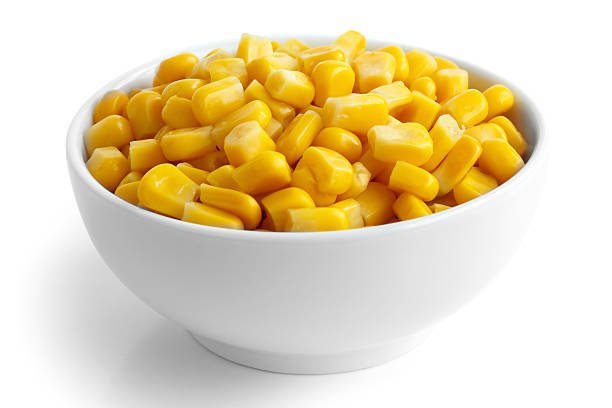
is sweet corn good for weight loss

Is Sweet Corn Good for Weight Loss? An Evidence-Based Nutrition Guide by NFNA

Sweet corn can be included in a weight-loss-friendly diet when eaten in moderation. Its high fiber content promotes fullness, while complex carbohydrates provide sustained energy without contributing to fat gain. Portion control, pairing with protein, and overall balanced meals are essential for integrating sweet corn into an effective fat-loss plan.

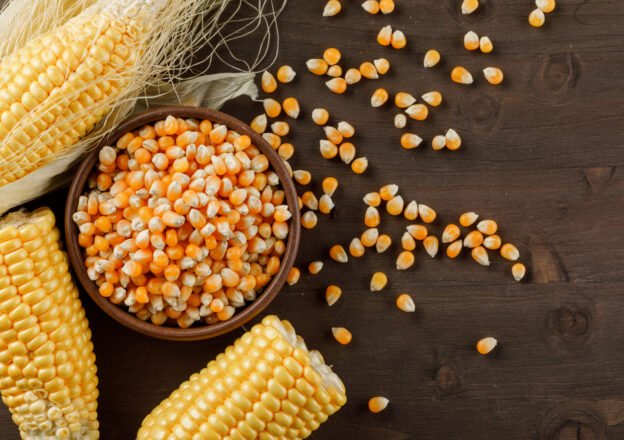
Is sweet corn good for weight loss? At NFNA, we often encounter clients who are confused about this question. Many assume sweet corn causes weight gain because it contains carbohydrates. The truth is more nuanced. Sweet corn can be part of a healthy, calorie-controlled diet when eaten in moderation. Understanding how it affects metabolism, appetite, and energy levels is critical to making informed nutrition choices. Our nutrition experts emphasize evidence-based practices that help people enjoy a variety of foods, including sweet corn, without compromising their weight-loss goals.

Nutritional Value of Sweet Corn

Calories in Sweet Corn

Sweet corn is a nutrient-dense food that can fit into a weight-loss diet. Per 100 grams of boiled corn, it contains:

  • Calories 86 kcal
  • Carbohydrates 19 g
  • Fiber 2.7 g
  • Protein 3.2 g
  • Fat 1.2 g

While sweet corn contains carbohydrates, the overall calorie content is moderate. Eating it in the recommended portion allows you to enjoy its natural sweetness and nutrients while staying within your daily calorie targets.

Macronutrients in Sweet Corn

Sweet corn contains a balanced profile of macronutrients, which provide energy and help support body function.

  • Carbohydrates are complex, providing sustained energy throughout the day
  • Fiber supports digestion, improves satiety, and helps prevent overeating
  • Protein, though modest, contributes to muscle maintenance and fullness
  • Healthy fats are present in small amounts, supporting overall nutrient balance

Nutritionists at NFNA analyze foods based on nutrient density. When considering is sweet corn good for weight loss, it is essential to focus on how it contributes to overall meal quality rather than avoiding carbs altogether. Our nutrition courses in Pune train students to apply exactly this kind of nutrient-density thinking when building client meal plans.

Key Micronutrients

Sweet corn is also rich in vitamins and minerals that support health and metabolism.

  • Vitamin B complex helps convert food into energy efficiently
  • Magnesium and potassium are essential for heart, nerve, and muscle function
  • Antioxidants such as lutein and zeaxanthin support eye health

Is Sweet Corn Good for Weight Loss?

The Calorie Perspective

Weight loss fundamentally depends on maintaining a calorie deficit. Sweet corn, when consumed in appropriate portions, does not interfere with fat loss. Including ½ to 1 cup servings of boiled corn in meals provides energy and nutrition without excessive calories. NFNA experts recommend combining corn with protein and vegetables to enhance fullness and meal satisfaction while answering the question: is sweet corn good for weight loss?

Fiber and Satiety

One of the reasons sweet corn can support weight loss is its high fiber content. Fiber slows digestion, promotes fullness, and helps regulate appetite. When included in meals, sweet corn can reduce the likelihood of snacking between meals and prevent overeating, which is often a key challenge for weight-loss clients. Our nutrition courses in Mumbai cover fiber’s role in appetite regulation and satiety as part of a comprehensive, evidence-based fat-loss curriculum.

Energy for Physical Activity

Sweet corn provides complex carbohydrates that are a reliable source of energy for workouts and an active lifestyle. NFNA experts often incorporate carbohydrates strategically into meal plans to ensure clients have energy for exercise while still achieving weight-loss goals. Eating sweet corn before physical activity can improve performance and maintain energy levels throughout the day.

Health Benefits of Sweet Corn Beyond Weight Loss

Including sweet corn in a balanced diet provides several additional health benefits:

  • Supports digestive health through its high fiber content
  • Provides antioxidants like lutein and zeaxanthin for eye protection
  • Supports energy metabolism by supplying B vitamins essential for converting food into energy
  • Helps maintain muscle performance by providing the energy required for exercise and daily activities

These benefits make sweet corn a valuable addition to a balanced diet beyond just its role in weight management.

When Sweet Corn May Slow Weight Loss

While sweet corn can support weight loss, certain habits can reduce its effectiveness:

  • Excessive portion sizes increase calorie intake, which may hinder fat loss
  • Processed corn products such as buttered corn, cheese-coated corn, and corn chips contain added fats and sodium, making them less suitable for weight-loss diets
  • Eating corn alone without protein can reduce satiety and increase hunger between meals

Understanding is sweet corn good for weight loss requires knowing how to integrate it properly into meals. Our nutrition courses in Hyderabad equip students with exactly this kind of practical food integration knowledge for real-world client consultations.

Best Ways to Eat Sweet Corn for Weight Loss

To maximize the benefits of sweet corn while managing calories:

  • Choose whole boiled or steamed corn, avoiding added butter or oils
  • Add corn to balanced meals by combining it with salads, grilled proteins, or vegetable bowls
  • Stick to ideal portion sizes of ½ to 1 cup per meal to enjoy the benefits without consuming excess calories

These strategies help integrate sweet corn effectively into a weight-loss diet.

Sample Weight-Loss Meal Ideas Using Sweet Corn

  • High-fiber corn salad with cucumber, tomato, and a light vinaigrette
  • Corn and protein bowl with grilled chicken, leafy greens, and quinoa
  • Corn vegetable soup with assorted vegetables for a filling, low-calorie option

Including sweet corn in meals like these ensures you receive essential nutrients, fiber, and sustained energy.

Who Should Be Careful with Sweet Corn?

Certain individuals should monitor their sweet corn intake more carefully:

  • People with insulin resistance need to manage carbohydrate intake to avoid blood sugar spikes
  • Individuals following high-carbohydrate diets should balance corn with protein and healthy fats
  • Clients focused on weight loss must pay attention to portion sizes and protein pairing to maximize satiety and maintain a calorie deficit

Expert Verdict from NFNA: Should You Eat Sweet Corn for Weight Loss?

Sweet corn does not inherently cause weight gain. NFNA nutrition experts recommend it as a healthy addition to a calorie-controlled, balanced diet. Key points include:

  • Portion control is essential to prevent excess calorie intake
  • Pair corn with protein and vegetables to improve fullness and nutrition balance
  • Sweet corn can provide energy for workouts and daily activities without compromising fat-loss goals

In conclusion, is sweet corn good for weight loss? Yes, when portioned wisely and included as part of a balanced diet with protein and vegetables.

Why Understanding Nutrition Science Matters

Many diet myths arise from a lack of proper nutrition education. At NFNA, students learn:

  • Evidence-based diet planning
  • Fat-loss nutrition strategies
  • Macronutrient balance for different lifestyles
  • Nutrition approaches for lifestyle-related diseases
  • Client consultation and coaching skills

Understanding nutrition science empowers individuals to make informed food choices, avoid unnecessary restrictions, and achieve long-term health and weight-loss goals. Our nutrition courses in Bangalore provide this comprehensive grounding in nutrition science, preparing graduates to confidently guide clients toward sustainable, evidence-backed dietary choices.

Conclusion

Is sweet corn good for weight loss? Absolutely, when eaten in moderation as part of a balanced diet. Portion control, pairing with protein, and mindful calorie management are more important than eliminating foods. Sweet corn provides fiber, antioxidants, B vitamins, and energy that can help support fat loss, workout performance, and overall health. Following evidence-based nutrition principles from NFNA ensures sustainable results without sacrificing the enjoyment of food.

Read Our Latest Blogs

Dietician Course Eligibility | Dietician Course Duration | How To Become A Nutritionist | Does Masturbation Cause Weight Loss | How To Take Chia Seeds For Weight Loss | Is Oats Good For Weight Loss | Is Poha Good For Weight Loss | Is Rice Good For Weight Loss | Is Corn Good For Weight Loss | Is Curd Good For Weight Loss

Frequently Asked Questions

Q1. How can sweet corn help with weight loss?

 Sweet corn helps with weight loss by providing fiber that promotes fullness and complex carbohydrates that supply sustained energy, helping you stay within a calorie-controlled diet.

 Sweet corn does not cause weight gain on its own. Excessive portion sizes or processed corn products with added fats can contribute to a calorie surplus, which may hinder fat loss.

 Boiled or steamed corn is the best choice. Processed corn products such as buttered corn or corn chips contain additional calories, unhealthy fats, and sodium.

 Eating sweet corn at night does not inherently affect weight loss. The key factor is total daily calorie intake, not the timing of consumption.

 NFNA recommends ½ to 1 cup per meal. This provides fiber, essential nutrients, and energy without exceeding calorie targets.

 Fiber slows digestion, reduces hunger, and helps regulate appetite, which can prevent overeating and support a calorie deficit.

 Pair sweet corn with lean protein and vegetables to increase satiety, balance nutrients, and support a structured fat-loss plan.

 Yes. The complex carbohydrates in sweet corn provide energy for workouts and daily activity, making it an excellent food choice for active individuals.

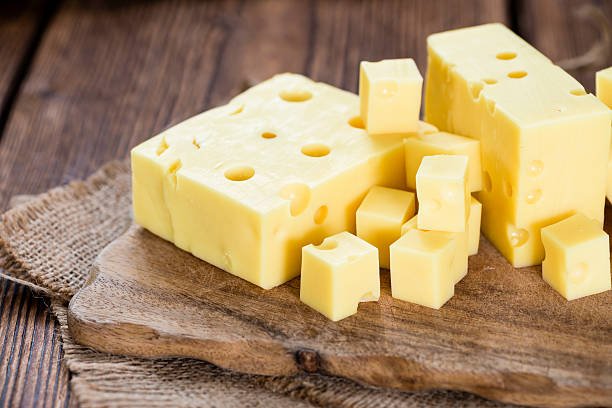
is cheese good for weight loss

Is Cheese Good for Weight Loss? Evidence-Based Insights from NFNA

Cheese can support weight loss when eaten in moderation and as part of a balanced diet. High-protein options like cottage cheese, mozzarella, ricotta, and feta help increase fullness and maintain lean muscle. Overeating calorie-dense or highly processed cheeses can slow fat loss. Portion control and pairing with nutrient-dense foods are key.

Many people ask, “Is cheese good for weight loss?” At NFNA, we often see clients confused about whether to avoid cheese entirely or include it in their diet. While cheese is often considered high in fat and calories, scientific research shows that certain cheeses can actually support fat loss. Cheese provides high-quality protein, essential vitamins, and minerals, making it a practical addition to a sustainable fat-loss diet. Understanding how to choose the right type of cheese and the correct portion sizes is essential for weight management.

In this guide, we will cover the science behind cheese and weight loss, explain which types of cheese are most beneficial, provide practical meal strategies, and answer the most common questions people have about incorporating cheese into a fat-loss plan.

Understanding Weight Loss: The Science Behind Fat Loss

The Role of Calorie Balance in Weight Loss

Weight loss occurs when your body burns more calories than it consumes. This concept, known as calorie balance, is the foundation of fat-loss diets. Simply removing cheese from your diet will not guarantee weight loss if your overall calorie intake remains higher than your expenditure. Instead, it is more effective to manage calories while including nutrient-dense foods like cheese, which provide protein and micronutrients that support metabolism and health.

Why Protein and Satiety Matter in Fat Loss Diets

Protein plays a crucial role in fat-loss diets because it increases satiety, meaning you feel fuller for longer after eating. Cheese, particularly high-protein varieties, contains casein and whey proteins that digest slowly and steadily release amino acids. This reduces hunger, prevents overeating, and supports muscle preservation during calorie restriction.

How Nutrient Density Influences Diet Sustainability

A sustainable fat-loss diet focuses on nutrient-rich foods that satisfy hunger and provide essential vitamins and minerals. Cheese contains calcium, phosphorus, vitamin B12, and fat-soluble vitamins, making it more than just a source of calories. Including such foods in moderation ensures you meet your nutrient requirements while still losing fat effectively. Sustainable diets are easier to maintain than strict, restrictive plans that eliminate enjoyable foods like cheese. Our nutrition courses in Pune teach aspiring nutritionists exactly how to build sustainable, nutrient-dense fat-loss diets that clients can maintain long term.

Key Point: Weight loss depends on maintaining a consistent calorie deficit and including nutrient-dense foods rather than excluding specific foods entirely. Cheese, when included wisely, can fit perfectly into a fat-loss plan.

What Makes Cheese Nutritionally Valuable?

Macronutrient Profile of Cheese

Cheese is made up of proteins, fats, and small amounts of carbohydrates. Different cheeses vary in composition, but their protein content is generally high, making them an excellent choice for fat-loss diets.

  • Protein: 7 to 28 grams per 100 grams, supporting fullness and muscle preservation
  • Fat: 4 to 33 grams per 100 grams, providing energy and aiding nutrient absorption
  • Carbohydrates: 0 to 5 grams per 100 grams, having minimal impact on blood sugar

Micronutrients Found in Cheese

Cheese is also rich in vitamins and minerals essential for overall health.

  • Calcium, which is vital for bone health and muscle function
  • Vitamin B12 is important for energy metabolism and red blood cell production
  • Phosphorus supports strong bones and teeth
  • Fat-soluble vitamins A, D, and K2, which contribute to vision, immunity, and cardiovascular health

Casein Protein and Slow Digestion

Casein is the main protein in many cheeses and is known for its slow digestion. When consumed, it gradually releases amino acids into the bloodstream over several hours. This slow digestion keeps you full longer and helps prevent muscle breakdown during calorie-restricted diets. Incorporating casein-rich cheese can make weight loss more manageable and sustainable. Our dietician course covers exactly how to apply this understanding of protein digestion and macronutrient balance when designing clinical fat-loss meal plans for clients.

Is Cheese Good for Weight Loss? The Evidence-Based Answer

Why Cheese Can Support Weight Loss

Cheese can be a beneficial component of a fat-loss diet for several reasons:

  • It is high in protein, which increases satiety and reduces the likelihood of overeating
  • Casein protein digests slowly, helping you feel full longer
  • It provides essential nutrients that support overall health and maintain lean muscle mass
  • It can improve the overall quality of your diet by offering nutrient density in a small, flavorful portion

Why Cheese Can Also Slow Weight Loss

Despite its benefits, certain factors can make cheese a less ideal choice if not consumed carefully:

  • High calorie density means it is easy to consume too many calories in a small serving
  • Some cheeses are high in saturated fat, which contributes to energy intake without adding satiety
  • Overeating cheese, particularly soft and highly processed varieties, can counteract fat-loss goals

The Real Answer: Portion Control and Food Choice

The key to answering “Is cheese good for weight loss?” is moderation. Choosing nutrient-dense, high-protein cheeses and monitoring portion sizes allows you to enjoy cheese while still achieving fat-loss results. Cheese does not need to be eliminated entirely, and it can be strategically included as part of a balanced diet.

Best Types of Cheese for Weight Loss

Not all cheeses are created equal when it comes to fat loss. The following cheeses are nutrient-dense, high in protein, and easier to incorporate into calorie-controlled diets:

  • Cottage Cheese (also called paneer in some regions), low-fat or regular, is high in protein and low in calories
  • Mozzarella, rich in protein and mild in flavor, is ideal for salads or cooked dishes
  • Ricotta, creamy but moderate in calories, can be paired with fruits or vegetables
  • Feta, lower in calories than many hard cheeses, is perfect for salads or roasted vegetables
  • Parmesan is extremely high in protein, but best used in small quantities due to its high calorie density

Choosing these cheeses answers the question “is cheese good for weight loss?” while supporting satiety and nutrition. Our nutrition courses in Kerala help students understand how to make food-specific recommendations like these in real client consultations.

Cheese Varieties to Limit During Fat Loss

Certain types of cheese should be consumed sparingly during fat-loss efforts because of their high calorie and fat content or excessive processing:

  • Processed cheese is often high in sodium and low in nutrients
  • Cream cheese is rich in fat with low protein content
  • Ultra-processed cheese slices, which can encourage overeating due to additives and low satiety

Limiting these options ensures you benefit from cheese without compromising calorie goals.

How Much Cheese Can You Eat During Weight Loss?

Recommended Portion Sizes

Portion control is critical for incorporating cheese into a fat-loss plan:

  • Cottage cheese: ½ to 1 cup per serving
  • Mozzarella or Feta: 30 to 50 grams per serving
  • Parmesan: 10 to 20 grams per serving

How to Fit Cheese into Your Daily Calories

Cheese should be included as part of a high-protein meal rather than a standalone snack. Adjust the rest of your daily calorie intake to account for cheese servings, ensuring you maintain a calorie deficit.

Combining Cheese with High-Fiber Foods

Pairing cheese with fiber-rich foods enhances satiety and supports digestion:

  • Cheese with vegetables, such as paneer stir-fry or roasted vegetable salads
  • Cheese with whole grains, like feta in quinoa or brown rice salads
  • Cheese with high-protein meals, such as cottage cheese with eggs, chicken, or legumes

Common Diet Myths About Cheese and Weight Loss

Myth 1: Cheese Always Causes Weight Gain

Weight gain depends on overall calorie surplus, not a single food item. Moderate portions of cheese can be included in a balanced fat-loss plan.

Myth 2: You Must Avoid Dairy to Lose Fat

Research shows that dairy, including cheese, contributes to satiety and can support muscle preservation during fat loss.

Myth 3: Low-Fat Diets Are Always Better

Modern studies emphasize protein intake, nutrient density, and sustainable eating habits over strictly reducing fat. Full-fat or part-skim cheeses can be part of a healthy, calorie-controlled diet.

Practical Ways to Include Cheese in a Weight Loss Diet

High-Protein Breakfast Ideas

  • Cottage cheese with berries and chia seeds
  • Paneer scramble with vegetables and herbs
  • Mozzarella omelet with tomatoes and spinach

Healthy Snack Options

  • Mozzarella sticks with sliced cucumber or bell peppers
  • Feta and cherry tomato skewers
  • Cottage cheese with apple slices

Balanced Meal Combinations

  • Paneer vegetable stir-fry with minimal oil
  • Cottage cheese salad with leafy greens, cucumbers, and tomatoes
  • Greek salad with feta, chickpeas, and olive oil

Including cheese in meals strategically demonstrates that “is cheese good for weight loss?” can be answered positively when portion and pairing are considered. Our nutrition courses in Kolkata train students to build exactly these kinds of practical, client-friendly meal plans grounded in evidence-based nutrition science.

Expert Nutrition Perspective from NFNA

At NFNA, we educate aspiring nutritionists and fitness professionals on how to design evidence-based fat-loss diets. Our experts emphasize:

  • Meeting protein targets for satiety and muscle preservation
  • Calorie distribution and nutrient balance throughout the day
  • Individualized diet planning tailored to client goals, lifestyle, and preferences
  • Behavioral strategies to improve adherence, including portion control and mindful eating
  • Integrating enjoyable foods like cheese in moderation to support long-term compliance

By understanding “is cheese good for weight loss?”, NFNA teaches practical, science-backed methods to maintain both health and diet compliance. Our nutrition and fitness courses in Delhi are designed to equip graduates with the clinical knowledge and practical tools to help clients achieve lasting fat-loss results through personalized, enjoyable dietary strategies.

Key Takeaways

  • Cheese is not inherently bad for weight loss and can be included strategically
  • Portion control and selecting nutrient-dense cheeses are essential
  • High-protein cheeses support satiety and lean muscle preservation
  • Evidence-based, balanced diets are more effective than restrictive approaches
  • NFNA emphasizes practical, science-backed guidance for integrating enjoyable foods into fat-loss diets

Read Our Latest Blogs

Dietician Course Eligibility | Dietician Course Duration | How To Become A Nutritionist | Does Masturbation Cause Weight Loss | How To Take Chia Seeds For Weight Loss | Is Oats Good For Weight Loss | Is Poha Good For Weight Loss | Is Rice Good For Weight Loss | Is Corn Good For Weight Loss | Is Curd Good For Weight Loss

Frequently Asked Questions

Q1. How can I include cheese in a fat-loss diet?

Incorporate cheese in moderation with high-protein meals and fiber-rich vegetables to enhance satiety without exceeding calorie goals.

 Yes, choosing high-protein, lower-calorie cheeses such as cottage cheese or mozzarella allows daily inclusion while maintaining fat-loss goals.

 Paneer is high in protein and low in carbohydrates, making it ideal for preserving lean muscle and reducing hunger during calorie restriction.

 No, belly fat accumulation depends on excess calories over time. Cheese itself does not target fat storage; portion control is key.

 Cottage cheese and part-skim mozzarella are among the lowest-calorie options, providing protein without excessive fat.

 The casein protein in cheese digests slowly, keeping you full for longer periods and preventing overeating.

 Absolutely. Cheese provides high-quality protein and micronutrients that support muscle maintenance and recovery while in a calorie deficit.

 Pair cheese with high-fiber vegetables, whole grains, and lean proteins to create balanced, nutrient-dense meals that promote fullness and sustain energy.

how to make black coffee for weight loss

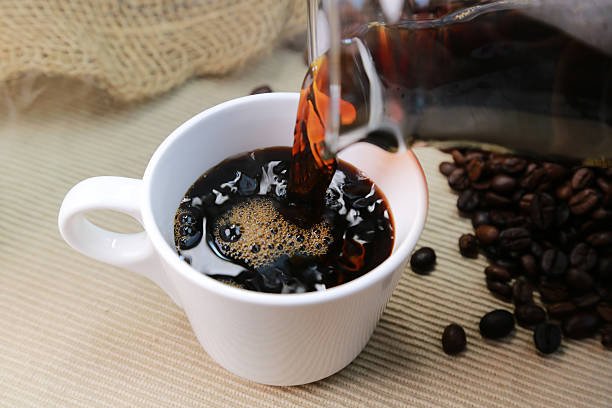
How to Make Black Coffee for Weight Loss (Expert Advice from NFNA Nutrition Specialists)

Black coffee is a low-calorie beverage that may support weight loss by boosting metabolism, suppressing appetite, and enhancing exercise performance. Drinking 1 to 2 cups daily before workouts or in the morning can help improve energy levels and fat utilization. It works best when paired with a balanced diet, proper hydration, and a structured exercise plan.

Losing weight is often a challenging and confusing journey. With countless fad diets, supplements, and conflicting advice, people struggle to find sustainable methods that actually work. At NFNA (National Fitness and Nutrition Academy), we focus on science-backed nutrition strategies that deliver results. One effective and natural tool that can support fat loss is black coffee. Learning how to make black coffee for weight loss correctly can enhance energy, curb hunger, and complement your overall nutrition and fitness routine.

What Is Black Coffee?

Black coffee is coffee brewed without any milk, sugar, cream, or additives. Its simplicity makes it an ideal beverage for people who want to maintain a low-calorie intake while still enjoying a flavorful drink. Because it contains no added calories, it can be easily incorporated into a structured fat-loss plan.

Nutritional Profile of Black Coffee

  • Contains approximately 2 to 5 calories per cup
  • Provides a moderate amount of caffeine, usually 80 to 100 milligrams per cup
  • Rich in antioxidants and polyphenols, which support overall health
  • Zero sugar and negligible fat content

Why Fitness Professionals Recommend Black Coffee

Fitness experts and nutritionists often recommend black coffee because it provides multiple benefits:

  • Supports mental alertness and focus
  • Stimulates metabolism, aiding in calorie burning
  • Can enhance physical performance during workouts
  • Works as a zero-calorie beverage option for those monitoring daily intake

NFNA Expert Insight: “Black coffee can be a useful adjunct to fat-loss strategies, but it is not a substitute for balanced nutrition or regular exercise,” says NFNA’s faculty. Professionals trained through our nutrition courses learn how to incorporate practical tools like this into evidence-based client diet plans for sustainable fat loss.

Does Black Coffee Really Help With Weight Loss? (Evidence-Based Explanation)

How Caffeine Boosts Metabolism

Caffeine is a natural stimulant that can slightly increase thermogenesis, the process by which your body burns calories to produce heat. By consuming black coffee strategically, you may increase daily calorie expenditure, which can support weight-loss efforts over time.

Appetite Suppression Effect

Black coffee may temporarily reduce hunger, making it easier to maintain a calorie deficit. The appetite-suppressing effect varies among individuals but can help manage snacking or overeating between meals. Our nutrition courses in Bangalore train students to understand appetite regulation and how dietary choices like black coffee can be used as part of a structured, science-backed fat-loss strategy.

Improved Workout Performance

Caffeine has been shown to improve endurance and delay fatigue. Drinking black coffee before exercise can increase fat oxidation, meaning your body uses stored fat for energy more efficiently. This makes workouts more productive and can accelerate fat loss when combined with strength training or cardio.

How to Make Black Coffee for Weight Loss (Step-by-Step Recipe)

Ingredients Required

  • 1 cup hot water
  • 1 to 2 teaspoons coffee powder or instant coffee
  • Optional: a pinch of cinnamon to aid metabolism

Step-by-Step Preparation

  • Boil fresh water until it reaches a rolling boil
  • Add the coffee powder or instant coffee into a cup
  • Pour the hot water over the coffee powder
  • Stir thoroughly to dissolve
  • Consume immediately without sugar, milk, or cream for maximum fat-loss benefits

Alternative Brewing Methods

  • Using instant coffee for quick preparation
  • French press for a richer flavor
  • Filter coffee for a smooth, aromatic experience

By following this method, you ensure that the beverage remains low in calories while maintaining all the natural compounds that can aid weight loss. Learning how to make black coffee for weight loss correctly can improve your energy and fat-burning potential.

Best Time to Drink Black Coffee for Weight Loss

Before Workout

Consuming black coffee 30 to 60 minutes before exercise can:

  • Enhance fat oxidation
  • Increase endurance and focus
  • Help you push harder during workouts

Morning Metabolism Boost

Drinking black coffee in the morning can:

  • Provide an energy boost to start your day
  • Stimulate metabolism for improved calorie utilization
  • Reduce early-morning fatigue

Avoid Drinking Late at Night

Caffeine consumed late in the evening can:

  • Disrupt sleep patterns
  • Affect recovery and hormone balance
  • Reduce fat loss efficiency due to poor rest

How Much Black Coffee Should You Drink for Weight Loss?

Recommended Daily Intake

  • 1 to 2 cups per day is optimal for most adults

Safe Caffeine Limits

  • Most healthy adults can safely consume 200 to 400 mg of caffeine daily

Who Should Limit Coffee Intake

  • Pregnant or breastfeeding women
  • People with high blood pressure or heart conditions
  • Individuals sensitive to caffeine

Common Mistakes That Stop Black Coffee From Helping Weight Loss

Adding Sugar or Cream

Adding sugar or milk adds calories that can negate fat-loss benefits. Stick to plain black coffee to maintain its low-calorie advantage.

Drinking Too Much Coffee

Excess caffeine can lead to anxiety, jitteriness, and poor sleep, which indirectly affect weight-loss results.

Relying Only on Coffee for Weight Loss

Black coffee should complement a balanced diet and regular exercise. Relying solely on it for fat loss will not yield sustainable results. Our nutrition courses in Chennai teach students how to build complete, balanced fat-loss plans where tools like black coffee are used strategically alongside structured nutrition and exercise programming.

Black Coffee Weight Loss Tips From NFNA Nutrition Experts

  • Combine black coffee with a calorie-controlled, balanced diet
  • Ensure adequate protein intake to support muscle maintenance
  • Include strength training and cardiovascular exercise
  • Prioritize hydration and sleep, which are essential for fat metabolism

NFNA Insight: Professional nutrition education helps individuals design practical diet plans. Learning how to make black coffee for weight loss is just one small aspect of evidence-based nutrition strategies.

Who Should Avoid Black Coffee?

Individuals With High Caffeine Sensitivity

Can experience palpitations, jitteriness, or anxiety

People With Acid Reflux or Gastric Issues

Caffeine may aggravate heartburn or gastritis

Pregnant or Breastfeeding Women

Consult a qualified nutrition professional before consuming caffeinated beverages

Why Understanding Nutrition Science Matters for Weight Loss

Sustainable weight loss depends on understanding:

  • How metabolism works
  • The role of macronutrients and calorie balance
  • The importance of lifestyle habits such as sleep, hydration, and stress management

At NFNA, students learn how to apply nutrition science in practical ways that help clients and themselves achieve lasting results. Learning how to make black coffee for weight loss is only effective when combined with this holistic knowledge. Our nutrition courses in Hyderabad provide exactly this kind of comprehensive, evidence-based curriculum for students seeking to build professional careers in nutrition and wellness.

Learn the Science of Nutrition With NFNA

National Fitness and Nutrition Academy (NFNA) is a premier institute in India offering evidence-based nutrition and fitness education. Our courses are designed to help students:

  • Learn practical diet planning
  • Understand the science of fat loss
  • Build careers in wellness, nutrition, and personal training

Courses Include

  • Certification in Applied Nutrition
  • Diploma in Applied Nutrition, Food Science, and Dietetics
  • Personal Training Courses

By learning science-backed strategies, students can help themselves and their clients achieve measurable health transformations. Our nutrition courses in Mumbai are among the most sought-after programs in the country, offering structured, practical training that equips graduates with the skills to apply fat-loss science confidently in real client settings.

Conclusion

Black coffee can support weight loss when consumed strategically. Learning how to make black coffee for weight loss correctly, timing consumption appropriately, and pairing it with a structured diet and exercise plan is key. Sustainable fat loss requires nutrition knowledge, lifestyle management, and regular exercise.

At NFNA, we provide science-based education in nutrition and fitness, helping students apply these principles in real life. Understanding nutrition goes beyond drinks; it’s about making informed choices that deliver results.

Explore NFNA’s programs to learn professional diet planning, fat-loss strategies, and evidence-based fitness science to transform your health and career. Visit https://www.nfna.in to start your journey today.

Read Our Latest Blogs

Dietician Course Eligibility | Dietician Course Duration | How To Become A Nutritionist | Does Masturbation Cause Weight Loss | How To Take Chia Seeds For Weight Loss | Is Oats Good For Weight Loss | Is Poha Good For Weight Loss | Is Rice Good For Weight Loss | Is Corn Good For Weight Loss | Is Curd Good For Weight Loss

Frequently Asked Questions

Q1. How do I make black coffee for weight loss taste good without sugar?

You can add a pinch of cinnamon or cocoa powder. Both add flavor and may slightly enhance metabolism without adding calories.

No, black coffee supports weight loss but works best when combined with a balanced diet, regular exercise, and healthy lifestyle habits.

Yes, consuming 1 to 2 cups per day is generally safe. Exceeding 400 mg of caffeine may cause side effects like anxiety or sleep disruption.

Yes, caffeine can boost endurance, focus, and fat oxidation, making workouts more effective.

Morning or 30 to 60 minutes before exercise is optimal. Avoid late-night consumption to prevent sleep disruption.

Adding sugar or milk increases calorie content, which can reduce the fat-loss benefits of black coffee.

1 to 2 cups per day is recommended for most adults, staying within safe caffeine limits.

Pregnant or breastfeeding women, individuals with high caffeine sensitivity, and those with gastric issues should consult a nutrition professional before consuming.

is paneer good for weight loss

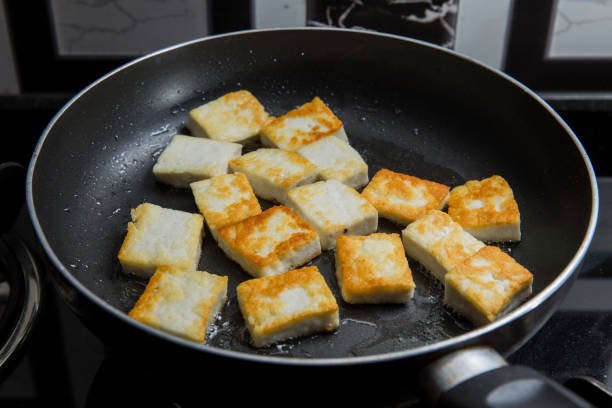
Is Paneer Good for Weight Loss? Benefits, Protein Content & Expert Diet Tips

Paneer, a fresh Indian cottage cheese, can support weight loss when consumed in moderation as part of a calorie-controlled diet. It is rich in slow-digesting casein protein, low in carbohydrates, and packed with essential nutrients. Paneer helps improve satiety, maintain lean muscle, and provide sustained energy for fat-loss plans.

Is paneer good for weight loss? The answer is yes. At NFNA, we focus on evidence-based nutrition education, guiding individuals to understand how specific foods can support health and fat loss. Paneer is a staple in Indian vegetarian diets and high-protein meal plans because it is nutrient-dense, high in protein, and helps keep hunger under control. This article will explore paneer’s nutrition profile, its role in supporting weight loss, recommended portion sizes, and practical ways to include it in your meals. By the end, you will understand how paneer can fit into a balanced fat-loss plan.

What Is Paneer? A Detailed Nutritional Overview

Paneer is a fresh cheese made by curdling milk using lemon juice, vinegar, or other acidic agents. Unlike aged cheeses, it is soft, white, and mild in flavor, making it highly versatile for cooking. Paneer is celebrated in vegetarian diets because it is one of the richest sources of casein protein, a slow-digesting protein that helps control hunger and maintain lean muscle mass during calorie restriction.

Paneer Nutrition Highlights (Per 100g)

  • Protein 18–20 grams
  • Calories 250–265 kcal
  • Fat 20 grams
  • Carbohydrates 2–3 grams
  • Calcium High
  • Rich in Vitamin B12 and other essential nutrients

This nutrient composition makes paneer not only filling but also a balanced food option for vegetarians, providing protein, healthy fats, and vital vitamins and minerals that support overall health while promoting satiety.

Is Paneer Good for Weight Loss?

Yes, paneer is a great food to include in a weight-loss diet. Its high protein content helps regulate hunger and keeps calorie intake in check, while its slow-digesting casein protein supports muscle retention and metabolic activity. Paneer is not inherently fattening; weight gain only occurs when overall calorie intake exceeds expenditure. When eaten in moderation, paneer can be a cornerstone of a healthy, weight-conscious meal plan. In fact, one of the reasons many nutrition experts and our nutrition and dietician course highlight paneer is its unique combination of protein, essential nutrients, and low carbohydrate content, which collectively aid fat loss.

5 Reasons Paneer Can Support Weight Loss

1. High Protein Improves Satiety

Protein is one of the most important nutrients for weight management. Paneer is rich in protein, which slows down digestion and promotes a feeling of fullness. Including paneer in meals can reduce cravings and prevent overeating between meals, making it easier to stick to a calorie-controlled diet. Satiety is a key factor in successful fat loss, and paneer provides it naturally without adding excessive carbohydrates.

2. Supports Muscle Maintenance During Fat Loss

When losing weight, muscle loss is a common concern. Paneer provides a high-quality protein source that helps preserve lean muscle mass. Maintaining muscle is crucial because muscles burn more calories at rest than fat, which aids long-term weight management. For individuals who are physically active or performing resistance training, paneer ensures that muscle breakdown is minimized while supporting fat loss.

3. Low Carbohydrate Content

Paneer contains very low carbohydrates, typically around 2–3 grams per 100 grams. This makes it ideal for low-carb diets or high-protein meal plans. Low-carbohydrate intake helps regulate blood sugar levels and reduces insulin spikes, which can support fat burning and weight control. Including paneer in your diet allows you to enjoy a filling food without compromising your fat-loss goals. Our dietician course covers how to build exactly this kind of low-carb, high-protein meal planning for clients seeking sustainable fat loss.

4. Slow Digestion Keeps You Full Longer

Paneer contains casein protein, a slow-digesting protein that releases amino acids gradually. This prolonged digestion keeps hunger at bay for several hours, making it easier to manage calorie intake throughout the day. For those wondering “is paneer good for weight loss,” this property alone makes it an effective food for controlling appetite naturally.

5. Provides Essential Nutrients

Aside from protein, paneer is rich in nutrients that support overall health. Key benefits include:

  • Calcium for strong bones and teeth
  • Vitamin B12 for energy and neurological health
  • Healthy fats that support nutrient absorption

These nutrients not only enhance general wellness but also ensure your weight-loss diet remains nutritionally balanced. Professionals enrolled in our nutrition courses in Kerala learn how to apply this knowledge of micronutrient balance when designing client-specific fat-loss meal plans.

How Much Paneer Should You Eat for Weight Loss?

Recommended portion sizes for weight loss are typically:

  • 50–100 grams per serving
  • 3–4 times per week

Factors influencing intake include your daily calorie target, activity level, and total protein requirements. For example, individuals with higher protein needs or who are engaged in strength training may require larger portions. When planning meals, pairing paneer with vegetables or whole grains can increase fiber intake, improve satiety, and make meals more balanced. By controlling portions, paneer can comfortably fit into a calorie-controlled diet without causing weight gain.

Best Ways to Eat Paneer for Weight Loss

Grilled Paneer

Grill paneer slices or cubes with minimal oil. Grilled paneer is a versatile option for salads, wraps, or as a snack. Grilling enhances flavor without adding excess calories.

Paneer Salad

Combine paneer cubes with fresh vegetables, leafy greens, and light dressing. Adding vegetables increases fiber, which complements protein and improves satiety.

Paneer Bhurji with Minimal Oil

Scrambled paneer with spices and chopped vegetables is a flavorful, high-protein, low-calorie meal. It works well for lunch or dinner and can be paired with multigrain roti for balance.

Paneer in High-Protein Meal Bowls

Combine paneer with legumes, whole grains, and vegetables to create a nutrient-dense meal bowl. This approach ensures balanced protein distribution and sustained energy throughout the day.

Diet Tip: Avoid deep-fried paneer dishes and creamy gravies as these increase calories and reduce the weight-loss potential of your meals.

Paneer Compared to Other Protein Sources

Paneer is an excellent vegetarian protein source, but how does it compare to others?

  • Paneer: High protein, moderate calories, good for weight loss
  • Tofu: Moderate protein, low calories, suitable for vegetarians
  • Chicken: High protein, low calories, highly effective for fat loss
  • Lentils: Moderate protein, moderate calories, complements vegetarian diets

Paneer fits particularly well in vegetarian high-protein meal plans, providing essential nutrients while supporting appetite control and muscle maintenance. Our nutrition courses in Kolkata train aspiring nutrition professionals to compare and apply exactly this kind of food-specific protein analysis when building client meal plans.

Common Myths About Paneer and Weight Loss

Myth 1: Paneer Causes Weight Gain

Reality: Weight gain is driven by consuming excess calories. Paneer is not fattening on its own and can be included in a calorie-controlled diet.

Myth 2: Paneer Is Too High in Fat

Reality: Healthy fats in paneer support nutrient absorption and metabolism. Moderation ensures fats do not exceed daily needs.

Myth 3: Paneer Should Be Avoided During Dieting

Reality: Paneer supports fat loss because of its high protein content, slow digestion, and nutrient density.

Sample High-Protein Diet Including Paneer

  • Breakfast: Vegetable omelette or tofu scramble
  • Lunch: Brown rice, dal, and salad
  • Snack: Paneer cubes with vegetables
  • Dinner: Paneer bhurji with multigrain roti

Distributing protein evenly throughout the day helps maintain muscle mass, controls appetite, and improves metabolism.

Expert Tip From NFNA: Understanding Protein for Fat Loss

Daily protein intake is critical for fat loss and muscle preservation. Paneer is a convenient, nutrient-dense way to reach protein goals. NFNA emphasizes science-based nutrition education, helping individuals design effective, evidence-driven meal plans that support sustainable weight loss. Learning how to incorporate high-protein foods like paneer can make dieting more practical, enjoyable, and effective. Our nutrition and fitness courses in Delhi provide exactly this kind of applied, science-backed training for aspiring nutritionists and fitness professionals across India.

Conclusion

Is paneer good for weight loss? Absolutely. When eaten in appropriate portions, paneer provides high protein, slow-digesting casein, and essential nutrients that help control appetite, preserve lean muscle, and maintain energy levels. Weight loss success depends on balanced nutrition, portion control, and calorie management. Including paneer in a diet provides a practical and tasty way to achieve fat-loss goals while ensuring overall nutritional balance.

Read Our Latest Blogs

Dietician Course Eligibility | Dietician Course Duration | How To Become A Nutritionist | Does Masturbation Cause Weight Loss | How To Take Chia Seeds For Weight Loss | Is Oats Good For Weight Loss | Is Poha Good For Weight Loss | Is Rice Good For Weight Loss | Is Corn Good For Weight Loss | Is Curd Good For Weight Loss

Frequently Asked Questions

Q1. How does paneer help with weight loss?

Paneer helps by slowing digestion, providing long-lasting satiety, and supporting lean muscle maintenance during calorie restriction. Its protein-rich composition makes it ideal for weight management.

Yes, you can consume moderate portions of paneer daily, depending on your calorie and protein needs. 50–100 grams per serving is usually sufficient.

Paneer has higher protein and fat content compared to tofu. Both are excellent vegetarian options, but paneer provides more sustained energy due to its slow-digesting casein protein.

 No, paneer alone does not cause belly fat. Weight gain occurs only when total calorie intake exceeds expenditure. Portion control is key.

 Post-workout or as a mid-morning or evening snack can help improve satiety, support muscle recovery, and control hunger.

 Paneer is slow-digesting, nutrient-dense, and protein-rich. It helps maintain muscle mass, keeps hunger under control, and supports calorie-controlled diets.

 Yes, paneer provides the protein required to preserve and build lean muscle during fat-loss diets, especially when combined with exercise.

 Include grilled paneer, paneer salads, or paneer bhurji with vegetables. Avoid deep-fried or creamy dishes to keep meals low-calorie while high in protein.

is mango good for weight loss

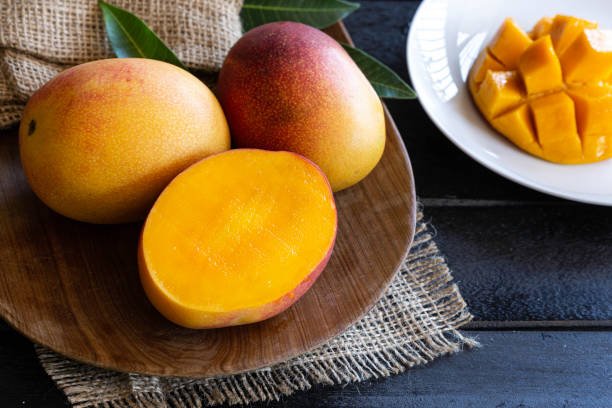
Is Mango Good for Weight Loss? Evidence-Based Nutrition Insights from NFNA

Mango can support weight loss when eaten in moderation as part of a balanced diet. Despite its natural sweetness, mango is low in calories, high in fiber, and packed with essential vitamins and antioxidants. Including mango can help control cravings, improve satiety, and fit into a calorie-conscious meal plan without causing weight gain.

Many people believe that mango contributes to weight gain because of its natural sugar content, and this myth often leads individuals to avoid it entirely. At NFNA (National Fitness and Nutrition Academy), we emphasize evidence-based nutrition principles that challenge these common misconceptions. So, is mango good for weight loss? The answer is yes. Mango is a nutrient-dense fruit that can promote fullness, support digestion, and satisfy sweet cravings while still aligning with a weight management plan. When combined with portion control and a balanced diet, mango can be a helpful addition to your weight loss strategy.

Understanding Weight Loss: What Actually Determines Fat Loss?

Before exploring whether mango can aid weight loss, it is important to understand the fundamentals of how fat loss occurs. Weight management is not about avoiding specific foods but about understanding how your body processes calories and nutrients.

Calorie Balance and Energy Expenditure

Weight loss happens when the calories burned through physical activity and metabolism exceed the calories consumed through food and beverages. It’s essential to recognize that no single fruit or vegetable, including mango, can magically cause weight loss or weight gain. Weight management requires an understanding of overall caloric intake, energy expenditure, and lifestyle factors such as sleep, activity level, and stress management.

Role of Nutrient Density in Weight Management

Focusing on nutrient-dense foods is more effective than cutting calories indiscriminately. Nutrient-rich foods like mango provide:

  • Fiber that increases fullness and reduces overeating
  • Vitamins and minerals that support metabolism and overall health
  • Phytochemicals and antioxidants that improve body function

By choosing foods that nourish the body while satisfying hunger, you are more likely to maintain a sustainable weight loss plan. Our nutrition courses in Mumbai provide in-depth training on exactly these evidence-based principles, helping professionals and individuals build lasting dietary habits.

Why Demonising Individual Foods Is Misleading

One of the biggest misconceptions in dieting is labeling foods as “good” or “bad.” Demonizing mango or any single food can lead to:

  • Restrictive eating patterns
  • Nutrient deficiencies
  • Psychological stress around food choices

Sustainable weight loss comes from balanced dietary patterns, consistency, and education about nutrition, rather than avoiding certain foods altogether. NFNA’s approach emphasizes understanding the science behind food rather than following myths. Our nutrition courses in Bangalore are designed around this very philosophy, equipping learners with the clinical knowledge to confidently guide clients toward sustainable choices.

Nutritional Profile of Mango

Mango is often misunderstood because of its natural sugar, but its nutrient composition makes it a smart choice for those asking, “is mango good for weight loss?”

Calories in Mango

  • 100 grams of fresh mango contains approximately 60 calories
  • 1 cup of diced mango contains approximately 99 calories

Key Nutrients in Mango

  • Vitamin C, which supports immunity and antioxidant defense
  • Vitamin A, which is essential for eye health and skin function
  • Folate, which plays a crucial role in cell growth and repair
  • Potassium, which helps maintain fluid balance and healthy blood pressure

Fiber Content and Digestive Health

Mango contains dietary fiber which:

  • Slows digestion, helping you feel fuller for longe
  • Supports healthy bowel movements
  • Helps regulate blood sugar levels

Due to its nutrient composition, mango is more than just a sweet treat — it is a functional fruit that supports health and weight management. Nutrition professionals trained through our nutrition courses in Hyderabad learn how to apply this kind of functional food science in real client consultations.

Is Mango Good for Weight Loss? The Science Explained

Many people ask, “is mango good for weight loss?” The answer depends on portion control, overall diet, and lifestyle habits. Evidence from nutrition science highlights several ways mango can support weight management.

Mango Can Support Satiety

The fiber in mango helps slow digestion and prevents rapid spikes in blood sugar. This means you feel full for longer periods and are less likely to overeat or snack on high-calorie processed foods. Including mango in meals can be a natural strategy to curb appetite.

Natural Sweetness May Reduce Sugar Cravings

Mango can act as a healthy alternative to sugary desserts. Its natural sweetness satisfies the palate, which may reduce the desire for candies, pastries, or other high-calorie, low-nutrient snacks. This replacement strategy can help maintain a calorie deficit needed for weight loss.

Antioxidants and Metabolic Health

Mango contains polyphenols and antioxidants that may help support metabolic function. These compounds:

  • Reduce oxidative stress in cells
  • Support healthy energy metabolism
  • Promote overall wellness, indirectly aiding weight management

The Role of Portion Size

Even healthy foods can contribute to weight gain if consumed excessively. A moderate serving of 1 cup of fresh mango is ideal for enjoying its benefits without overloading on calories. Portion awareness is a crucial component of a sustainable weight loss plan.

Common Myths About Mango and Weight Gain

Myth 1: Mango Is Too High in Sugar

While mango does contain natural sugar, it is different from refined sugar found in desserts. The fiber and water content in mango slows sugar absorption, making it less likely to contribute to weight gain.

Myth 2: Mango Should Be Avoided During Dieting

There is no need to eliminate mango from a diet. Evidence supports that moderation is key, and including mango can make a weight loss plan more enjoyable and sustainable.

Myth 3: Eating Mango at Night Causes Fat Gain

Fat accumulation is determined by overall calorie balance, not by the timing of food intake. Eating mango in the evening, as long as it fits within your daily caloric goals, will not automatically lead to weight gain.

How to Eat Mango for Weight Loss (Dietitian Tips)

Practical strategies help you enjoy mango while staying on track with weight management goals.

Follow Portion Control

  • Stick to 1 cup of diced mango per serving
  • Avoid excessive intake that can increase calorie load

Pair Mango with Protein or Healthy Fats

  • Mango + Greek yogurt provides protein to promote fullness
  • Mango + nuts adds healthy fats for sustained energy

Use Mango as a Healthy Dessert Replacement

  • Fresh mango can replace cakes, ice creams, and sugary beverages
  • This strategy reduces overall added sugar intake while satisfying sweet cravings

Avoid Mango-Based Sugary Desserts

  • Mango shakes with sugar, ice creams, and syrup-based drinks should be limited
  • These products contain high amounts of added sugars and calories that can undermine weight loss efforts

Following these guidelines helps answer the question, “is mango good for weight loss?” with actionable advice. Our nutrition courses in Chennai train aspiring nutritionists to apply exactly this kind of practical, client-centered guidance in their everyday practice.

Who Should Be Careful with Mango Intake?

People with Diabetes

Portion management is critical to prevent rapid blood sugar spikes. Pairing mango with protein or healthy fat can help minimize glycemic impact.

Individuals with High-Calorie Diets

Even healthy fruits like mango should fit into your daily calorie allowance. Overconsumption can lead to excess calorie intake, slowing weight loss progress.

Evidence-Based Nutrition: Why Learning the Science Matters

Online nutrition myths abound, and misinformation about foods like mango can lead to unnecessary restriction. At NFNA, we provide evidence-based education to help individuals and professionals:

  • Understand human metabolism
  • Create balanced meal plans
  • Apply clinical nutrition principles
  • Manage lifestyle-related diseases

Learning why mango can be beneficial helps answer, “is mango good for weight loss?”, and enables informed, sustainable decisions. Our nutrition courses in Pune are designed to bridge exactly this gap between nutritional science and real-world application, empowering graduates to confidently counsel clients on evidence-based dietary choices.

Final Verdict: Should You Eat Mango While Trying to Lose Weight?

  • Mango does not inherently cause weight gain
  • Portion control is essential to manage calorie intake
  • Balanced dietary patterns are more important than avoiding single foods
  • Mango can be included in a healthy, evidence-based weight loss plan

By focusing on portion size, pairing mango with protein or healthy fats, and avoiding sugary mango-based desserts, you can enjoy this tropical fruit while supporting your weight management goals.

Read Our Latest Blogs

Dietician Course Eligibility | Dietician Course Duration | How To Become A Nutritionist | Does Masturbation Cause Weight Loss | How To Take Chia Seeds For Weight Loss | Is Oats Good For Weight Loss | Is Poha Good For Weight Loss | Is Rice Good For Weight Loss | Is Corn Good For Weight Loss | Is Curd Good For Weight Loss

Frequently Asked Questions

Q1. How can mango help with weight loss?

Mango is rich in fiber and antioxidants, which slow digestion, improve satiety, and reduce cravings for high-calorie processed foods. Including mango in meals can help maintain a healthy calorie balance.

Yes, as long as mango is consumed in moderation and fits within your total daily calorie allowance. Overconsumption may hinder weight loss.

Mango contains natural sugar, which is different from added sugar. Its fiber content helps slow sugar absorption and prevents rapid spikes in blood sugar.

No, weight gain is determined by total daily calories, not meal timing. Including mango at night is fine if it fits within your caloric goals.

Fresh, diced mango in 1-cup servings is ideal. Pair it with protein or healthy fats to improve fullness and prevent overeating.

Mango is often avoided due to misconceptions about its sugar content and the fear of weight gain, even though evidence shows it can support weight management.

One cup of diced mango contains approximately 99 calories, while 100 grams of mango contains about 60 calories, making it suitable for weight-conscious diets.

Yes, fresh mango is a natural sweet option that can replace high-sugar desserts, helping reduce calorie intake while satisfying cravings.

is curd good for weight loss

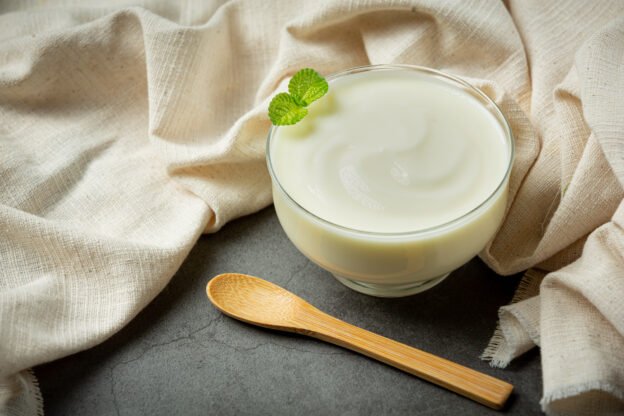
Is Curd Good for Weight Loss? Science-Backed Benefits, Best Time to Eat, and Expert Nutrition Tips

Curd, also called dahi, is good for weight loss when included in a balanced diet. It is rich in protein, probiotics, calcium, and essential nutrients that help control appetite, improve digestion, and support metabolism. Consuming curd regularly as part of a calorie-conscious diet can contribute to healthy and sustainable fat loss.

Curd is a traditional fermented food that has been consumed for centuries, especially in Indian households. At NFNA, we emphasize science-backed nutrition strategies, and curd often comes up as a question in weight management discussions. Many people wonder, is curd good for weight loss? The answer is yes, because curd is rich in protein that promotes fullness, probiotics that support gut health, and micronutrients like calcium and vitamin B12 that help regulate metabolism. Including curd as part of a balanced diet can be an effective way to manage weight while maintaining overall nutrition.

What Is Curd? Understanding Its Nutritional Value

How Curd Is Made

Curd is prepared by fermenting milk using natural bacteria, usually Lactobacillus bulgaricus and Streptococcus thermophilus. This process transforms milk into a thick, slightly tangy product that is easier to digest. Unlike commercially processed yogurt, curd is usually prepared at home or in traditional settings without added stabilizers or sugar.

  • Fermentation enhances digestibility
  • Improves the bioavailability of nutrients
  • Encourages growth of beneficial gut bacteria

Nutritional Profile of Curd

Curd is low in calories yet provides essential nutrients that support weight loss and overall health. Key nutrients include:

  • Protein for muscle maintenance and satiety
  • Calcium for supporting fat metabolism
  • Probiotics for gut balance and improved digestion
  • Vitamin B12 for energy metabolism
  • Potassium for electrolyte balance and hydration

Those pursuing a dietician course learn to evaluate fermented foods like curd through exactly this lens — analyzing their macronutrient and micronutrient composition to build effective, evidence-based fat-loss meal plans.

Why Fermented Foods Matter for Gut Health

Fermented foods like curd are crucial for maintaining a healthy gut microbiome. Probiotics found in curd improve digestion, enhance nutrient absorption, reduce bloating, and may positively influence metabolic processes. A healthy gut can help regulate appetite and support weight management, making curd a valuable addition to a weight-loss-focused diet.

Is Curd Good for Weight Loss? What Nutrition Science Says

High Protein Content Promotes Satiety

Curd is rich in protein, which increases feelings of fullness and helps control hunger. When consumed regularly, protein in curd can prevent overeating, making it easier to maintain a calorie deficit for weight loss.

Probiotics Improve Gut Health

Probiotics in curd help maintain a balanced gut microbiome, which supports digestion and reduces bloating. Improved digestion can enhance nutrient absorption and positively impact metabolic efficiency, both of which are important for fat loss.

Calcium May Support Fat Metabolism

Studies suggest that adequate calcium intake can enhance fat breakdown and influence energy regulation. The calcium in curd may contribute to body fat reduction, especially when combined with a balanced diet and regular exercise. Students enrolled in a nutrition and dietician course study the role of micronutrients like calcium in depth, learning how they influence fat metabolism and overall weight management outcomes.

Low Calorie Yet Nutrient Dense

Curd is naturally low in calories while providing essential vitamins and minerals. This makes it an ideal food for individuals aiming to lose weight without compromising on nutrition. Its nutrient density ensures you get the benefits of key micronutrients while staying within your daily calorie goals.

6 Science-Backed Benefits of Eating Curd During Weight Loss

  • Helps Control Appetite: The protein and probiotics in curd increase satiety, reducing the likelihood of overeating between meals.
  • Supports Gut Microbiome Balance: Beneficial bacteria in curd promote healthy gut flora, which is essential for optimal digestion and metabolism.
  • Improves Digestion and Reduces Bloating: Fermentation breaks down lactose and other compounds, making curd easier to digest and helping reduce bloating.
  • Supports Muscle Preservation During Fat Loss: Protein in curd helps maintain lean muscle mass, which is crucial for sustaining metabolic rate during weight loss.
  • Provides Essential Micronutrients: Curd supplies calcium, vitamin B12, potassium, and other nutrients that support metabolic processes and overall well-being.
  • Easy to Add to Balanced Meals: Curd can be incorporated into breakfast, snacks, smoothies, or as a side dish to enhance nutrient intake without adding excess calories.

Best Time to Eat Curd for Weight Loss

Morning or Breakfast

Eating curd in the morning supports digestion and provides protein to start the day, helping control hunger until the next meal.

Lunch

Including curd at lunch improves gut health and enhances nutrient absorption from your meal, which can support energy levels throughout the day.

Post-Workout

Post-workout curd intake provides protein for muscle recovery and electrolytes to replenish lost nutrients. Nutrition professionals trained through nutrition courses in Kerala are equipped to guide clients on strategic nutrient timing like this as part of their practical diet planning curriculum.

When to Avoid Eating Curd

Consuming curd late at night may cause discomfort or indigestion in some individuals. Personal tolerance should guide timing, as digestion efficiency varies from person to person.

How to Eat Curd for Weight Loss

  • Plain curd with fresh fruits adds fiber and natural sweetness without extra sugar
  • Curd with roasted seeds or nuts increases protein and healthy fat intake for prolonged fullness
  • Using curd as a protein-rich snack can curb mid-day hunger
  • Incorporating curd into smoothies or raita enhances meals without excessive calories
  • Adding curd to balanced meal bowls with vegetables, grains, and lean protein provides a complete, nutrient-rich option

Common Myths About Curd and Weight Loss

  • Myth 1: Curd causes weight gain
    Truth: Weight gain occurs due to excess calories, not curd itself.
  • Myth 2: Curd should never be eaten at night
    Truth: Timing depends on individual digestion tolerance; some people can eat curd at night without any issues.
  • Myth 3: Only Greek yogurt helps in weight loss
    Truth: Homemade or plain curd provides protein and probiotics similar to Greek yogurt and can support weight loss equally well.

Who Should Be Careful When Eating Curd

  • Lactose intolerance may cause bloating, gas, or discomfort
  • Dairy allergies require avoidance of curd to prevent adverse reactions
  • Consuming excessive flavored or sweetened curd can counter weight-loss goals due to added sugars

Moderation and personalized nutrition planning are key for optimal results. Those exploring nutrition courses in Kolkata develop the clinical judgment needed to offer this kind of individualized dietary guidance to clients with varying health conditions and sensitivities.

Expert Nutrition Tips from NFNA

  • Combine curd with fiber-rich foods like oats, fruits, or vegetables to enhance satiety
  • Maintain overall calorie balance in your diet to achieve weight loss goals
  • Pair curd consumption with strength training to preserve lean muscle mass
  • Avoid flavored or sweetened curd high in sugar
  • Focus on holistic nutrition and lifestyle factors rather than relying on a single food

At NFNA, we teach evidence-based nutrition strategies that go beyond diet tips, emphasizing practical approaches for sustainable weight loss and overall health.

Conclusion

Curd is a nutrient-rich, fermented food that supports weight loss by improving satiety, digestion, and metabolism. It works best when incorporated into a balanced diet and combined with an active lifestyle. At NFNA, we encourage learning the science behind food choices to make informed decisions that promote long-term health.

Including curd as part of a structured meal plan, paying attention to portion sizes, and pairing it with a holistic diet approach can make weight loss both achievable and sustainable.

Explore NFNA Nutrition Programs
NFNA – National Fitness and Nutrition Academy provides evidence-based courses and certifications for those looking to improve personal health, design effective fat-loss meal plans, or become certified nutrition experts. Visit https://www.nfna.in/ to start your journey.

Read Our Latest Blogs

Protein Rich Non Veg Food | Fruits For Weight Gain | 10 Kg Weight Gain Diet Chart | How To Gain Weight At Home | Banana For Weight Gain | Is Oats Good For Weight Gain | How To Gain Weight On Face In 7 Days | Which Dry Fruit Is Best For Weight Gain | Sweet Potato For Weight Gain | Does Masturabation Cause Weight Gain Female

Frequently Asked Questions

Q1. How much curd should you eat daily for weight loss?

200 to 250 grams of curd per day is generally sufficient for adults. It provides protein, probiotics, and essential nutrients that support fat loss when included in a balanced diet.

Curd does not target belly fat specifically, but its protein and probiotics can help with overall fat reduction, improved metabolism, and reduced bloating, indirectly supporting a flatter stomach.

Plain or homemade curd and unsweetened yogurt provide similar nutritional benefits. The choice depends on personal taste, availability, and preference.

Eating curd at night is usually safe if it does not cause digestive discomfort. Total daily calorie intake and overall diet quality are more important factors than timing alone.

Plain curd with fresh fruits, roasted seeds or nuts, and smoothies made with curd are excellent low-calorie, nutrient-rich options to support weight loss.

Curd is high in protein, low in calories, and contains probiotics that enhance digestion and satiety. Its nutrient density supports metabolism and sustainable fat loss.

Probiotics improve gut health by balancing beneficial bacteria, enhancing digestion, and reducing bloating. A healthier gut supports nutrient absorption and may influence energy regulation and fat metabolism.

Curd contributes valuable protein, but it should be combined with other protein sources like legumes, eggs, or lean meats to ensure a complete amino acid profile and meet daily protein needs.

is corn good for weight loss

Is Corn Good for Weight Loss? Nutrition Facts, Benefits, and Expert Insights

Is corn good for weight loss? Yes. Corn can support weight loss when consumed in moderation as part of a balanced diet. Its fiber for fullness, complex carbohydrates for sustained energy, and essential vitamins and minerals help improve metabolism. Portion control and healthy preparation are key for effective weight management. NFNA emphasizes evidence-based nutrition practices to maximize food benefits.

Is corn good for weight loss? Many people assume corn, being high in carbohydrates, may hinder weight-loss efforts. At NFNA (National Fitness and Nutrition Academy), we advocate evidence-based nutrition, showing that corn can actually support weight loss when included in the right portions and prepared healthily. Corn provides fiber, essential vitamins, minerals, and natural energy, which collectively help with satiety, metabolism, and overall diet balance. This article explores the nutritional profile of corn, its benefits, common myths, and expert tips for including it in a weight-loss diet.

Nutritional Profile of Corn

Corn is a naturally nutrient-dense whole food that fits well into a healthy eating plan. Here’s what one medium ear of corn provides:

  • Calories: Approximately 90 to 100, offering moderate energy for daily activities
  • Carbohydrates: Around 19 grams, mostly complex, providing long-lasting energy
  • Fiber: About 2 to 3 grams, supporting digestion and enhancing fullness
  • Fat: 1 to 2 grams, making it a low-fat grain option
  • Vitamin B complex: Supports energy metabolism
  • Magnesium: Helps with muscle and nerve function
  • Potassium: Assists in fluid balance and heart health
  • Antioxidants: Lutein and zeaxanthin protect eye health and overall wellness

Corn’s combination of fiber, vitamins, and minerals makes it more than just a source of carbohydrates—it can actively support weight management when eaten in moderation.

Calories in Corn

One medium ear of corn contains roughly 90–100 calories, mostly derived from carbohydrates. While some may worry about carbs affecting weight loss, the complex carbohydrates in corn provide a steady release of energy, keeping you fueled throughout the day. When included as part of a balanced diet, corn can help maintain energy levels without causing blood sugar spikes or excess calorie consumption. Students enrolled in a dietician course learn to evaluate foods like corn using exactly this kind of evidence-based caloric and macronutrient analysis.

Fiber Content

Corn contains soluble and insoluble fiber, both of which are essential for digestive health. Fiber slows the absorption of sugars, helps regulate blood sugar levels, and promotes a sense of fullness, making it easier to avoid overeating. For anyone asking, is corn good for weight loss? The fiber content is a major reason it can help support a calorie-controlled diet.

Vitamins and Minerals

Corn is rich in essential micronutrients, including:

  • Vitamin B complex for energy production and metabolism
  • Magnesium for nerve and muscle function
  • Potassium for heart and fluid balance
  • Antioxidants such as lutein and zeaxanthin for eye and cellular health

These nutrients not only support overall well-being but also contribute indirectly to weight management by improving metabolism and digestive efficiency. Those pursuing a nutrition and dietician course develop a thorough understanding of how micronutrients like these influence metabolic health and long-term weight management outcomes.

Is Corn Good for Weight Loss? (Direct Answer)

The answer is yes, corn can be good for weight loss when eaten in moderation and as part of a balanced diet. Here’s why:

  • High fiber content promotes fullness and helps prevent overeating
  • Whole corn is a natural food that reduces cravings compared to processed snacks
  • Nutrients support metabolism and energy for daily activity

However, overconsumption of corn or eating highly processed corn products like corn chips or syrup can lead to increased calorie intake, potentially slowing weight-loss progress.

5 Reasons Corn Can Support Weight Loss

1. High Fiber Keeps You Full

Fiber in corn slows digestion and promotes a feeling of fullness. This can reduce snacking between meals and helps maintain a calorie deficit, which is essential for weight loss.

2. Low Fat Content

Corn is naturally low in fat, making it a lighter and more nutrient-dense choice compared to fried or creamy foods.

3. Provides Long-Lasting Energy

Corn contains complex carbohydrates that break down slowly, providing energy for workouts and daily activities without causing sudden sugar spikes.

4. Supports Gut Health

Fiber in corn promotes healthy digestion, supporting nutrient absorption and a balanced gut microbiome, both of which are important for efficient metabolism and weight control.

5. Naturally Gluten-Free Whole Food

Corn is a whole food that is naturally gluten-free, making it a versatile choice for those following gluten-free or whole-grain diets. Nutrition professionals trained through nutrition courses in Kerala are equipped to guide clients on incorporating naturally gluten-free whole foods like corn into practical, balanced fat-loss meal plans.

When Corn Might Not Help With Weight Loss

While corn is beneficial, certain factors can limit its weight-loss potential:

Portion Size Matters

Consuming large amounts of corn can add extra calories. Stick to 1–2 medium ears or ½–1 cup cooked corn per meal to stay on track with your goals.

Processed Corn Products

Avoid processed foods such as:

  • Corn chips
  • Corn syrup
  • Deep-fried corn snacks

These products are high in empty calories, unhealthy fats, and added sugars, which can hinder weight loss.

Cooking Method

Healthy preparation methods include:

  • Boiled corn
  • Steamed corn
  • Grilled corn

Avoid butter-heavy or creamy corn dishes, which significantly increase calorie content.

Best Ways to Eat Corn for Weight Loss

  • Add corn to salads: Boosts fiber, texture, and nutrient content
  • Use corn as a healthy snack: Roasted corn with light spices is filling and low in calories
  • Combine corn with protein: Pair corn with beans, grilled chicken, or tofu for a balanced, satiating meal

These strategies make corn a versatile ingredient while keeping it supportive of weight-loss goals. Those exploring nutrition courses in Kolkata learn to build practical meal strategies like these as part of their applied diet planning training.

Common Myths About Corn and Weight Loss

Myth 1: Corn Makes You Gain Weight

Truth: Weight gain only occurs when you consume more calories than you burn. Corn itself does not cause weight gain.

Myth 2: Corn Is Just Sugar

Truth: Corn is composed of complex carbohydrates and fiber, not just simple sugars.

Myth 3: Corn Has No Nutritional Value

Truth: Corn contains fiber, vitamins, minerals, and antioxidants, making it a nutritious addition to your diet.

Expert Perspective: Nutrition Knowledge for Weight Management

Understanding foods like corn is crucial for effective weight-loss strategies. NFNA equips students and individuals with the knowledge to:

  • Balance macronutrients
  • Manage calorie intake
  • Develop personalized diet strategies
  • Prevent lifestyle-related diseases

Evidence-based education, like that provided by NFNA, ensures people can design sustainable, scientifically-backed weight-loss plans rather than relying on fads or myths.

Conclusion

So, is corn good for weight loss? Absolutely. Corn can be part of a healthy, balanced weight-loss diet when eaten in moderation and prepared using healthy cooking methods. Its fiber, vitamins, antioxidants, and complex carbohydrates make it a satisfying and nutritious option.

Key takeaways:

  • Maintain portion control
  • Prefer whole corn over processed corn products
  • Incorporate corn as part of a balanced, nutrient-rich diet

By including corn wisely, you can enjoy its natural energy, nutrients, and fullness benefits while staying on track with your weight-loss goals.

Read Our Latest Blogs

Protein Rich Non Veg Food | Fruits For Weight Gain | 10 Kg Weight Gain Diet Chart | How To Gain Weight At Home | Banana For Weight Gain | Is Oats Good For Weight Gain | How To Gain Weight On Face In 7 Days | Which Dry Fruit Is Best For Weight Gain | Sweet Potato For Weight Gain | Does Masturabation Cause Weight Gain Female

Frequently Asked Questions

Q1. How does corn help with weight loss?

Corn is high in fiber and complex carbohydrates, which slow digestion, promote fullness, and provide sustained energy, supporting calorie management.

Yes, if consumed in moderation and as part of a calorie-controlled diet with balanced nutrients, corn can support weight loss.

Corn contains more fiber per serving than white rice, which helps keep you full longer and may reduce overall calorie intake.

Whole corn has a moderate glycemic index, meaning sugar is released slowly into the bloodstream, minimizing sudden spikes.

Boiled, grilled, or steamed corn without butter, sugar, or heavy sauces is the healthiest option for weight management.

Corn is minimally processed, retaining natural fiber, vitamins, and minerals that support overall health and satiety.

Stick to 1–2 medium ears or ½–1 cup cooked corn per meal to enjoy its benefits without excess calories.

Yes, corn is a gluten-free alternative to grains like wheat or rice, providing similar fiber and energy benefits while supporting weight loss.

is rice good for weight loss

Is Rice Good for Weight Loss? Science-Backed Truth Nutrition Experts Want You to Know

Is rice good for weight loss? Yes. Rice can support fat loss when consumed in proper portions, combined with protein and fiber, and included within a calorie-controlled diet. The type of rice, serving size, and overall meal composition determine how effectively rice can fit into a weight-loss plan.

Rice is one of the most widely consumed staple foods in the world, forming the backbone of countless meals across cultures. At NFNA (National Fitness and Nutrition Academy), we help people understand how staple foods like rice can be included in a healthy, balanced diet without compromising fat-loss goals. Many individuals ask, “is rice good for weight loss?” The answer is yes, but it depends on portion sizes, the type of rice, and how it is combined with other nutrients in your meals.

By understanding the nutritional profile of different rice types and evidence-based eating strategies, you can enjoy rice while still achieving your weight-loss goals. This article will explain how rice can support fat loss, which varieties are best, and practical tips to include rice in your daily meal plan effectively.

Understanding Rice Nutrition

Macronutrients in Rice

Rice is predominantly a carbohydrate source, providing essential energy for daily activities. While it contains minimal fat, it also offers a modest amount of protein, which can contribute to satiety when combined with other nutrient-dense foods. The macronutrient profile per 100 grams of cooked rice can be summarized as:

  • White rice contains approximately 28 grams of carbohydrates, 2.7 grams of protein, 0.3 grams of fat, and 0.4 grams of fiber
  • Brown rice contains approximately 23 grams of carbohydrates, 2.6 grams of protein, 1 gram of fat, and 1.8 grams of fiber
  • Red rice contains approximately 22 grams of carbohydrates, 2.5 grams of protein, 1 gram of fat, and 2 grams of fiber
  • Black rice contains approximately 21 grams of carbohydrates, 2.4 grams of protein, 1 gram of fat, and 2.5 grams of fiber

Key insight: Choosing whole-grain rice varieties such as brown, red, or black rice increases fiber intake and helps control blood sugar levels while supporting weight management.

Calories in Different Types of Rice

The caloric content of rice varies slightly depending on the type:

  • White rice provides around 130 calories per 100 grams of cooked rice
  • Brown rice provides around 111 calories per 100 grams
  • Red rice provides around 110 calories per 100 grams
  • Black rice provides around 100 calories per 100 grams

While the differences in calories are moderate, the nutrient density and fiber content make brown, red, or black rice better choices for those seeking sustainable weight loss.

Why Rice Is a Staple Food Worldwide

Rice is popular globally for several reasons:

  • It provides a quick source of energy, fueling both the body and the brain
  • It is easy to digest, making it suitable for all ages
  • It is affordable and widely available, fitting into a variety of cultural and dietary patterns

Understanding rice’s nutritional value is essential when evaluating the question, “is rice good for weight loss?” Proper knowledge allows it to be included thoughtfully in any diet. Students pursuing nutrition courses in Bangalore develop exactly this kind of applied understanding of staple foods and their role in balanced, fat-loss-friendly meal planning.

Is Rice Good for Weight Loss?

The Role of Calories in Weight Loss

Weight loss fundamentally depends on consuming fewer calories than you expend. Rice contributes calories like any other carbohydrate, but it is not inherently fattening. Eating rice in controlled portions while maintaining an overall calorie deficit ensures it can fit into a fat-loss plan.

Rice and Satiety

Rice, especially when paired with high-fiber vegetables and a protein source, can promote longer-lasting fullness. Protein and fiber slow digestion, helping to prevent overeating and reducing cravings for high-calorie snacks. This makes rice a practical option for structured meals that support fat loss.

Why Rice Is Often Misunderstood

Many individuals mistakenly equate carbohydrates with weight gain. The reality is that excess calories from any source—not rice itself—lead to weight gain. By understanding portion sizes and pairing rice with protein and fiber, you can effectively include rice in a weight-loss diet. Nutrition professionals trained through nutrition courses in Chennai are well equipped to address these common misconceptions and guide clients toward evidence-based dietary decisions.

Best Types of Rice for Weight Loss

Choosing the right type of rice can influence how well it fits into your weight-loss goals:

  • Brown Rice: High in fiber, digested slowly, helps maintain stable blood sugar levels, and promotes satiety
  • Red Rice: Contains antioxidants, higher mineral content including iron and magnesium, and supports overall health
  • Black Rice: Rich in polyphenols, has a lower glycemic impact than white rice, and may contribute to better metabolic health
  • White Rice (When Consumed Mindfully): Easily digestible, convenient for portion-controlled meals, and works well when combined with protein and fiber

Selecting nutrient-dense varieties can enhance satiety and reduce the likelihood of overeating.

How to Eat Rice Without Gaining Weight

Follow Portion Control

  • Limit servings to half a cup to one cup of cooked rice per meal
  • Avoid freehand scooping to maintain accurate portion sizes

Combine Rice with Protein

  • Rice with lentils (dal)
  • Rice with grilled chicken
  • Rice with tofu or paneer

Add High-Fiber Vegetables

  • Fill half your plate with vegetables to increase fullness
  • High fiber slows digestion and reduces overall calorie density

Avoid High-Calorie Add-Ons

  • Avoid creamy sauces, excessive oil, or fried rice dishes
  • Focus on simple cooking methods such as steaming or boiling

Those who have completed nutrition courses in Hyderabad learn to apply these exact portion and pairing strategies when designing practical meal plans for clients with fat-loss goals.

Rice vs Other Carbohydrates for Weight Loss

When considering alternatives, rice compares favorably with other carb sources:

  • Rice has a moderate glycemic index and provides energy without excess fat
  • Quinoa has higher fiber and protein content, offering slightly longer satiety
  • Bread generally has a higher glycemic index and lower fiber than whole-grain rice
  • Oats provide soluble fiber, which slows digestion and helps with fullness

Rice remains a practical and versatile carbohydrate when consumed mindfully within a balanced diet.

Common Myths About Rice and Weight Loss

  • Myth 1: Rice Always Causes Weight Gain
    Rice does not automatically cause fat gain; excess calories do
  • Myth 2: You Must Eliminate Rice to Lose Fat
    Rice can be included as part of a structured, calorie-controlled meal plan
  • Myth 3: Only Brown Rice Is Healthy
    White rice is acceptable in moderation when paired with vegetables and protein

By understanding these myths, you can make informed decisions about including rice in your diet.

Sample Weight Loss Meal Plan Including Rice

  • Breakfast: Vegetable omelette with fruit
  • Lunch: Brown rice with dal and a mixed vegetable salad
  • Snack: Greek yogurt with a handful of nuts
  • Dinner: Grilled chicken or paneer with steamed vegetables and a small portion of rice

This approach balances macronutrients and supports satiety throughout the day while maintaining a calorie deficit.

When Rice May Not Be Ideal

  • Individuals with insulin resistance or diabetes may need to monitor high-GI rice
  • Very low-carb diets may restrict rice to achieve specific goals
  • Sedentary lifestyles with large rice portions may lead to caloric surplus

Context matters: rice can be beneficial when integrated thoughtfully into your eating pattern.

Expert Nutrition Insight

Nutrition professionals recommend:

  • A balanced diet with appropriate macronutrient distribution
  • Including whole grains, protein, and fiber in meals
  • Adjusting rice portions to match individual metabolism, activity level, and lifestyle

Learning evidence-based nutrition empowers individuals to include staple foods like rice without compromising their weight-loss goals. Those exploring nutrition courses in Mumbai will find NFNA’s research-driven curriculum builds precisely this depth of applied dietary knowledge.

Why Learning Evidence-Based Nutrition Matters

Understanding nutrition scientifically helps you:

  • Avoid common diet myths
  • Design sustainable fat-loss diets
  • Support yourself and others in achieving health goals

Knowledge of evidence-based nutrition allows rice and other staple foods to be incorporated sensibly into your meal plan.

Learn from Experts at NFNA

If you want to turn your passion for nutrition into expertise, NFNA provides:

  • Applied nutrition and diet planning courses
  • Clinical nutrition concepts and lifestyle disease nutrition
  • Fitness and lifestyle coaching skills
  • Real-world client consultation experience

By learning from trained professionals, you can master evidence-based nutrition, confidently incorporate foods like rice into fat-loss plans, and help clients or yourself achieve sustainable results.

Start your journey with NFNA today to gain the skills, knowledge, and certification needed to become a confident, research-driven nutrition professional. Explore NFNA courses and transform your passion for health into expertise.

Final Verdict — Is Rice Good for Weight Loss?

Yes, rice can absolutely be part of a weight-loss diet. It works best when:

  • Consumed in controlled portions
  • Paired with protein and fiber
  • Included within a calorie-controlled, balanced diet

Weight loss depends on overall dietary balance, not the elimination of individual foods. Understanding how to include rice effectively allows you to enjoy this staple while progressing toward your goals.

Read Our Latest Blogs

Protein Rich Non Veg Food | Fruits For Weight Gain | 10 Kg Weight Gain Diet Chart | How To Gain Weight At Home | Banana For Weight Gain | Is Oats Good For Weight Gain | How To Gain Weight On Face In 7 Days | Which Dry Fruit Is Best For Weight Gain | Sweet Potato For Weight Gain | Does Masturabation Cause Weight Gain Female

Frequently Asked Questions  

Q1. How can rice help with weight loss?

 Rice can contribute to weight loss when eaten in proper portions with protein and fiber, helping to maintain satiety and reduce overeating.

 Yes, daily rice consumption is fine if portions are controlled and meals are balanced with vegetables and protein.

 Brown rice is generally preferred due to higher fiber content, slower digestion, and improved blood sugar stability.

 No, total daily calorie intake matters more than meal timing. Rice at night is acceptable if within your daily calorie goals.

 Whole-grain varieties such as brown, red, or black rice are best due to fiber, nutrient density, and lower glycemic impact.

 Many people blame carbohydrates for weight gain, ignoring overall caloric intake and portion sizes.

 Half a cup to one cup of cooked rice per meal is generally recommended for effective portion control.

 Yes, rice paired with protein and fiber can prolong satiety and prevent excessive snacking.

is poha good for weight loss

Is Poha Good for Weight Loss? Evidence-Based Nutrition Guide by NFNA Experts

Poha can be a healthy and supportive option for weight loss when prepared mindfully with vegetables, protein, and minimal oil. It provides moderate calories, easily digestible carbohydrates, and some fiber, making it suitable for breakfast, pre-workout meals, or light snacks. Portion control and balanced preparation are key to making poha a weight-loss-friendly meal.

If you are wondering is poha good for weight loss, you are not alone. Poha is one of the most popular breakfast choices across India due to its light texture, quick preparation, and affordability. At NFNA, we emphasize evidence-based nutrition education, guiding people to make smart dietary choices that actually support fat loss and overall health. While poha can contribute to weight management, its effectiveness depends on portion size, the addition of vegetables and protein, and minimal use of oil. In this guide, we provide an in-depth analysis of poha, its nutritional value, and practical ways to make it weight-loss-friendly.

What Is Poha?

How Poha Is Made

Poha, also called flattened rice, is produced by parboiling rice grains and flattening them into thin flakes. This method gives poha a soft texture that cooks quickly and absorbs flavors easily. Its simplicity and versatility make it a staple in Indian kitchens. Poha is naturally light and easy to digest, which is why it is often recommended as a breakfast food.

Why Poha Is Popular in Indian Diets

Poha is widely consumed for several reasons:

  • It is light on the stomach and easy to digest, making it suitable for mornings.
  • It cooks quickly, allowing for a nutritious breakfast in under 15 minutes.
  • It is inexpensive and widely available in almost all local markets.
  • Poha is versatile and can be paired with a variety of vegetables, nuts, and proteins for added nutrition.

Different Types of Poha

There are several types of poha available, each with slightly different nutritional profiles:

  • Thick poha, which is soft and fluffy, commonly found in Maharashtra and Madhya Pradesh.
  • Thin poha, lighter in texture, popular in Gujarat.
  • Red rice poha, which contains more fiber and nutrients than white poha, making it slightly more beneficial for weight management.

Nutritional Value of Poha (Per 100 g)

Calories in Poha

Poha contains moderate calories, usually around 130–150 kcal per 100 grams. This makes it suitable as a breakfast or light snack for people trying to lose weight. Controlled portions of poha can help maintain daily calorie balance, which is critical for fat loss.

Macronutrients

  • Carbohydrates: 28–30 grams, providing quick energy and maintaining alertness in the morning.
  • Protein: 2–3 grams, low on its own but can be increased with added nuts, sprouts, or paneer.
  • Fat: 0.5–1 grams, unless extra oil or ghee is used. Minimal fat ensures a lighter meal for weight-conscious individuals.

Micronutrients

  • Iron: Important for energy metabolism and preventing fatigue.
  • B vitamins: Support digestion, nervous system function, and overall energy production.
  • Fiber: Around 1–2 grams, depending on the type of poha. Red rice poha or vegetable additions improve fiber content.


Glycemic Index Consideration

Poha has a moderate glycemic index, meaning it can increase blood sugar levels moderately. Pairing it with protein and fiber slows digestion, keeps you full longer, and supports sustained energy, which is essential for weight management. Nutrition professionals trained through a dietician course in Mumbai understand these glycemic principles deeply and apply them when designing practical meal plans for clients.

Is Poha Good for Weight Loss? Expert Analysis

So, is poha good for weight loss? The answer is yes, when eaten mindfully. NFNA experts highlight several factors that make poha supportive for fat loss:

  • Poha is a low-calorie breakfast option, helping control daily energy intake.
  • Its easily digestible carbohydrates provide quick energy without making you feel heavy.
  • When combined with vegetables, poha is high in fiber, which promotes satiety and reduces overeating.
  • Balanced poha meals can help prevent mid-morning hunger, reducing the likelihood of snacking on unhealthy foods.

However, poha may not support weight loss if:

  • Excess oil or ghee is added during cooking.
  • Large portions are consumed.
  • It lacks protein, which is essential for satiety and preserving lean muscle during weight loss.

Benefits of Poha for Weight Loss

Eating poha as part of a balanced meal can provide several advantages for individuals trying to lose weight:

  • Keeps you full longer when combined with vegetables and protein.
  • Supports healthy digestion due to its light, easy-to-digest nature.
  • Naturally gluten-free, making it suitable for gluten-sensitive individuals.
  • Easily customizable, allowing the addition of nuts, paneer, tofu, or sprouts for extra protein and micronutrients.

How to Make Poha Healthy for Weight Loss

NFNA experts recommend the following tips for making poha a weight-loss-friendly meal:

  • Add high-protein ingredients such as peanuts, paneer, tofu, or sprouts.
  • Increase fiber content by including vegetables like carrots, beans, peas, and capsicum.
  • Use minimal oil, preferably one to two teaspoons, and sauté or steam the poha rather than frying it.
  • Control portion size: approximately 150 grams of cooked poha is ideal for a breakfast serving.

Those who have completed a dietician course in Pune apply exactly these practical strategies when creating personalized meal plans for weight management clients.

Healthy Vegetable Poha Recipe for Weight Loss

Ingredients

  • One cup of poha
  • Half a cup of mixed vegetables (carrots, beans, peas, capsicum)
  • One to two teaspoons of oil
  • One tablespoon of peanuts
  • Spices: mustard seeds, turmeric, green chili, coriander

Step-by-Step Preparation

  • Rinse and drain poha thoroughly.
  • Heat oil in a pan and sauté mustard seeds and vegetables.
  • Add poha, peanuts, and spices.
  • Mix well and cook for two to three minutes.
  • Garnish with fresh coriander and serve warm.

Nutrition Benefits

  • Provides moderate calories around 200 kcal per serving.
  • Contains balanced carbohydrates, protein, and fiber.
  • Rich in micronutrients like iron, B vitamins, and antioxidants from vegetables.

Best Time to Eat Poha for Weight Loss

Poha can fit into several times of the day depending on your goals:

  • Breakfast: Provides energy for morning activities without being heavy.
  • Pre-Workout Meal: Easily digestible carbs fuel workouts efficiently.
  • Mid-Morning Snack: A smaller portion helps avoid unhealthy snacking later in the day.

Poha Compared to Other Breakfast Foods for Weight Loss

  • Poha: Moderate calories, medium satiety, suitable for weight loss.
  • Paratha: High calories, medium satiety, limited weight-loss benefits.
  • White bread: Low in fiber, low satiety, not ideal for fat loss.
  • Oats: High in fiber, high satiety, very beneficial for weight management.

Common Myths About Poha and Weight Loss

  • Poha is only carbohydrates: With the addition of vegetables and protein, poha becomes a nutritionally balanced meal.
  • Carbs prevent weight loss: Carbohydrates provide essential energy; moderation and combination with protein and fiber matter more.
  • Skipping breakfast helps fat loss: Skipping meals can increase hunger and lead to overeating later in the day.

Learn the Science of Nutrition with NFNA

If you’re serious about understanding how nutrition truly affects weight loss, metabolism, and overall health, learning from experts can transform your knowledge. At NFNA – National Fitness and Nutrition Academy – we provide evidence-based nutrition education designed by doctors, dietitians, and experienced professionals.

Our programs teach:

  • Practical diet planning and weight management strategies
  • Client consultation skills for wellness professionals
  • The science behind macronutrients, micronutrients, and fat loss
  • How to design balanced, sustainable meal plans for real results

Whether you want to guide clients or build a professional career in wellness, NFNA equips you with credible, research-backed knowledge to confidently make a difference. Aspiring professionals across the country, including those pursuing a dietician course in Kolkata, can access NFNA’s nationally recognized programs to build a trusted career in nutrition.

Start your journey with NFNA today and become a trusted nutrition professional.

Conclusion: Is Poha Good for Weight Loss?

In conclusion, poha can be a healthy addition to a weight-loss diet when prepared correctly. Key factors include:

  • Portion control to maintain calorie balance
  • Adding vegetables for fiber and volume
  • Including protein sources like peanuts, paneer, or sprouts
  • Using minimal oil during preparation

Weight loss depends on consistent balanced eating, calorie control, and healthy lifestyle habits. Poha is a versatile, nutritious, and satisfying meal that fits perfectly into a weight-loss-friendly diet. For those who want to turn their passion for nutrition into a profession, a dietician course in India provides the structured education and certification needed to guide others toward healthier lives.

Read Our Latest Blogs

Protein Rich Non Veg Food | Fruits For Weight Gain | 10 Kg Weight Gain Diet Chart | How To Gain Weight At Home | Banana For Weight Gain | Is Oats Good For Weight Gain | How To Gain Weight On Face In 7 Days | Which Dry Fruit Is Best For Weight Gain | Sweet Potato For Weight Gain | Does Masturabation Cause Weight Gain Female

Frequently Asked Questions

Q1. How can I make poha better for weight loss?

 Adding vegetables, sprouts, peanuts, or paneer increases fiber and protein, making poha more filling and balanced while keeping calories controlled.

 Yes, poha can be consumed daily if portion-controlled and prepared with minimal oil and nutrient-dense ingredients. Variety in vegetables and protein ensures balanced nutrition.

 Oats are higher in fiber, which promotes longer satiety, while poha is lighter and easier to digest. Both can support weight loss; choice depends on personal preference and lifestyle.

 Poha supports overall fat loss when part of a calorie-controlled diet, but no single food specifically targets belly fat. Consistency and overall nutrition matter.

 Around 150 grams of cooked poha per meal is ideal for breakfast. Adding vegetables and protein enhances satiety and nutrition.

 Poha provides moderate calories, easily digestible carbs, and can be paired with vegetables and protein, which help maintain energy while controlling hunger.

 Use minimal oil, add vegetables for fiber, include a source of protein, and avoid excess toppings like sugar or fried ingredients.

 Carbohydrates provide quick energy, protein supports fullness, fiber slows digestion and promotes satiety, and iron plus B vitamins help maintain energy for physical activity.