Author Archives: nfnaAdmin

is oats good for weight loss

Is Oats Good for Weight Loss? Science-Backed Benefits, Best Ways to Eat Oats, and Expert Tips

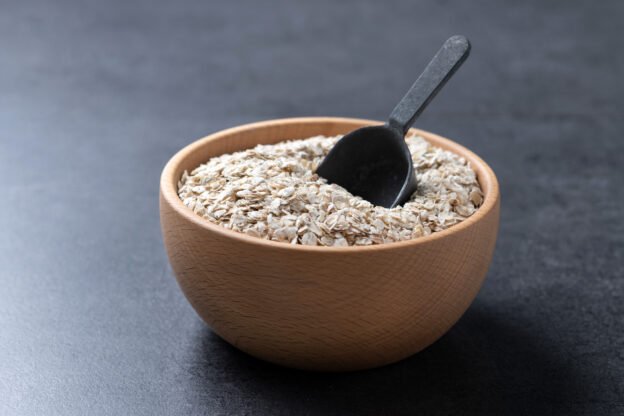
Oats are good for weight loss because they are nutrient-dense, rich in soluble fiber, and low in calorie density. Beta-glucan fiber increases satiety, supports healthy digestion, and stabilizes blood sugar levels. When eaten in balanced portions with protein and healthy fats, oats can be an effective tool for weight management.

Wondering is oats good for weight loss? At the National Fitness and Nutrition Academy (NFNA), we emphasize the importance of making food choices that support metabolism, fat loss, and overall health. Oats are a science-backed breakfast option that helps control hunger, maintain energy levels, and support weight management when incorporated correctly into a balanced diet. In this article, we explore how oats promote weight loss, the best ways to consume them, and expert tips to maximize their benefits.

What Are Oats? Understanding Their Nutritional Profile

Oats are whole grains derived from the plant Avena sativa. They are highly regarded as a functional food because they provide sustained energy, enhance digestion, and deliver essential vitamins and minerals that support overall health. Understanding the nutritional profile of oats is key to knowing why they are often recommended for weight management.

Key Nutrients Found in Oats

Oats are packed with nutrients that contribute to their weight-loss benefits:

  • Complex carbohydrates that provide slow, sustained energy
  • Dietary fiber, especially beta-glucan, which improves satiety and supports gut health
  • Plant-based protein to help with muscle maintenance and fat metabolism
  • Vitamins and minerals including magnesium, iron, zinc, and B vitamins

Why Oats Are Considered a Functional Food

Oats are considered functional because they impact physiological processes that support weight loss:

  • Slow digestion reduces hunger and prevents overeating
  • Sustained energy release prevents mid-morning energy crashes
  • Supports metabolic health and helps regulate blood sugar

Is Oats Good for Weight Loss? The Science Explained

The question is oats good for weight loss is backed by several scientific factors. Oats support fat loss by influencing satiety, calorie control, blood sugar levels, and gut health.

High Fiber Content Improves Satiety

The soluble beta-glucan fiber in oats forms a gel in the stomach that slows digestion and increases fullness. This helps:

  • Keep you satisfied for longer periods
  • Reduce unnecessary snacking between meals
  • Support calorie control and portion management

Stabilizes Blood Sugar Levels

Oats have a low glycemic impact and help regulate blood sugar:

  • Slows glucose absorption into the bloodstream
  • Prevents insulin spikes and subsequent energy crashes
  • Helps maintain appetite control throughout the day

Low Calorie Density

Oats allow you to eat larger portions without consuming excessive calories:

  • Provides volume and satisfaction in meals
  • Supports calorie-controlled diets for weight loss
  • Ideal for individuals trying to lose fat without feeling deprived

Supports Gut Health

Fiber in oats promotes healthy digestion:

  • Encourages regular bowel movements
  • Supports a healthy gut microbiome, which is linked to weight regulation
  • Helps improve nutrient absorption and metabolic efficiency

At NFNA, our nutrition programs teach students to combine macronutrients such as protein, fiber, and healthy fats to maximize satiety, support fat loss, and create sustainable diet plans. Students enrolled in nutrition courses in Bangalore learn exactly these evidence-based dietary strategies as part of their practical training.

Types of Oats and Which Is Best for Weight Loss

Different types of oats vary in processing, nutrient retention, and satiety levels. Choosing the right type can influence weight-loss results.

  • Steel-Cut Oats: Least processed and digested slowly, keeping you full for longer periods
  • Rolled Oats: Moderately processed and easy to cook, providing balanced nutrition and convenience
  • Instant Oats: Highly processed for quick preparation, but often contain added sugar; portion control is key

For weight loss, steel-cut and rolled oats are recommended because they release energy slowly, maintain fullness, and support blood sugar stability.

Best Ways to Eat Oats for Weight Loss

How you prepare and eat oats matters when considering is oats good for weight loss. Combining oats with protein, fiber, and healthy fats optimizes their fat-loss benefits.

High-Protein Oats Bowl

  • Oats mixed with Greek yogurt for protein and probiotics
  • Oats combined with whey protein for muscle repair and satiety
  • Oats topped with nuts and seeds to increase healthy fat and protein content

Overnight Oats

  • Prepares quickly without cooking
  • Can be balanced with fruits, nuts, and protein sources
  • Provides a nutrient-dense, calorie-controlled breakfast

Savory Oats

  • Cook oats with vegetables and spices as a high-fiber alternative to refined carbohydrates
  • Supports weight loss while keeping meals flavorful and satisfying

Nutrition professionals trained through nutrition courses in Chennai are equipped to design meal plans using exactly these preparation methods to help clients achieve sustainable fat-loss results.

Common Mistakes That Prevent Weight Loss With Oats

Even healthy oats can contribute to weight gain if consumed improperly. Avoid these mistakes:

  • Adding excessive sugar or honey
  • Using flavored instant oats with hidden sugars
  • Ignoring portion sizes and calorie balance
  • Failing to pair oats with protein or fiber-rich foods

By avoiding these pitfalls, oats can consistently contribute to a weight-loss-friendly diet.

Oats Compared to Other Breakfast Foods for Weight Loss

Oats outperform many common breakfast options when it comes to fat-loss support:

  • Oats provide high satiety and long-lasting energy
  • White bread leads to quick spikes in blood sugar and hunger
  • Cornflakes are low in fiber and high in simple carbohydrates
  • Traditional Indian breakfasts like parathas or poha may be moderate in calories but often lack sustained satiety

For individuals focused on weight management, oats are superior because they control appetite and stabilize energy throughout the morning. Those pursuing nutrition courses in Hyderabad study these food comparisons in depth as part of evidence-based diet planning modules.

Sample Oats Meal Plan for Weight Loss

A balanced daily plan incorporating oats can support sustainable fat loss:

  • Breakfast: Oats with fresh fruits and nuts for fiber, protein, and healthy fats
  • Lunch: Lean protein with vegetables and a small portion of complex carbs
  • Dinner: Light protein-rich meals such as fish, chicken, or legumes with vegetables
  • Snacks: High-protein options like Greek yogurt, nuts, or seeds to maintain satiety

Expert Nutrition Advice From NFNA

At NFNA, we teach that sustainable fat loss requires more than a single food. Key strategies include:

  • Maintaining proper calorie intake tailored to your goals
  • Combining strength training with high-protein, fiber-rich meals
  • Using foods like oats as part of a balanced, science-backed nutrition plan

Our expert-led programs help students learn evidence-based strategies to achieve fat loss and overall wellness. Those exploring nutrition courses in Mumbai will find NFNA’s practical, research-driven curriculum a strong foundation for building a credible nutrition career.

Who Should Include Oats in Their Diet?

Oats can benefit a wide range of individuals:

  • People trying to lose weight or manage body fat
  • Individuals managing cholesterol or blood sugar levels
  • Fitness enthusiasts seeking sustained energy
  • Busy professionals looking for a quick and healthy meal

Moderation may be required for:

  • People with gluten sensitivity
  • Those following very low-carbohydrate diets

Final Verdict — Is Oats Good for Weight Loss?

Oats are nutrient-dense, high in fiber, and low in calorie density, making them an excellent choice for weight management. To achieve the best results:

  • Focus on portion control
  • Pair oats with protein and healthy fats
  • Avoid added sugars and highly processed instant oats
  • Combine with regular exercise and a balanced diet

When consumed strategically, oats can be a reliable and effective part of a fat-loss diet.

Read Our Latest Blogs

Protein Rich Non Veg Food | Fruits For Weight Gain | 10 Kg Weight Gain Diet Chart | How To Gain Weight At Home | Banana For Weight Gain | Is Oats Good For Weight Gain | How To Gain Weight On Face In 7 Days | Which Dry Fruit Is Best For Weight Gain | Sweet Potato For Weight Gain | Does Masturabation Cause Weight Gain Female

Frequently Asked Questions

Q1. How do oats help with weight loss?

Oats contain soluble fiber that slows digestion, increases fullness, regulates blood sugar, and reduces overall calorie intake, making them a powerful ally for fat loss.

Yes, daily consumption of oats can support weight loss if eaten in appropriate portions and paired with protein and fiber-rich foods to maintain satiety.

Yes, compared to white bread, cornflakes, and some traditional breakfasts, oats provide higher fiber, more sustained energy, and better appetite control.

While oats alone cannot target belly fat, they support overall calorie control, metabolic health, and satiety, contributing to body fat reduction.

Steel-cut and rolled oats are the healthiest options because they are less processed, digest slowly, and maintain higher satiety and nutrient content.

The soluble beta-glucan fiber in oats slows digestion, prolongs fullness, helps regulate gut microbiota, and reduces snacking between meals, which all support weight management.

Combine oats with protein sources like Greek yogurt or whey, healthy fats from nuts or seeds, and fruits or vegetables to create balanced, nutrient-dense meals.

Yes, but only unsweetened instant oats should be used. Avoid added sugar to maintain calorie control and blood sugar stability.

how to take chia seeds for weight loss

How to Take Chia Seeds for Weight Loss: A Science-Backed Guide by Nutrition Experts

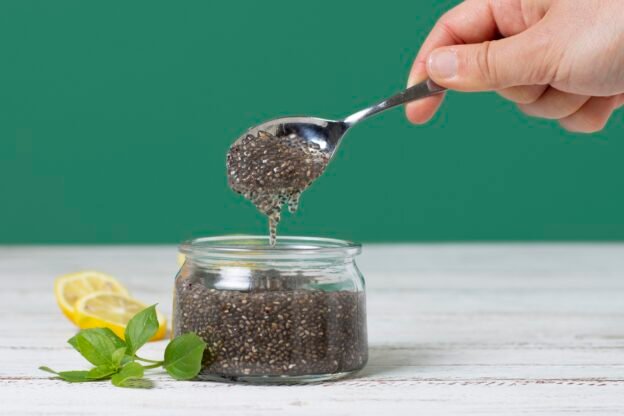
Chia seeds are a nutrient-rich superfood packed with fiber, protein, and omega-3 fatty acids that help control appetite, support digestion, and stabilize blood sugar. To lose weight effectively, consume 1 to 2 tablespoons daily, soaked in water, yogurt, or smoothies. Taking them before meals or in the morning maximizes fat-loss benefits while supporting overall health.

If you are wondering how to take chia seeds for weight loss, you are not alone. At NFNA, we emphasize evidence-based nutrition and practical dietary strategies that help people lose fat safely and sustainably. Chia seeds are a tiny powerhouse, providing fiber, protein, and healthy fats that promote satiety and improve digestion. Using them correctly can help reduce overeating, support metabolism, and complement a balanced diet. In this guide, we will explore multiple ways to consume chia seeds, the best times to take them, daily dosages, and common mistakes to avoid.

What Are Chia Seeds and Why Are They Effective for Weight Loss?

Nutritional Profile of Chia Seeds

Chia seeds are small but packed with essential nutrients that make them ideal for weight management:

  • High in soluble fiber, which slows digestion and increases fullness
  • A good source of protein to maintain lean muscle mass during weight loss
  • Rich in omega-3 fatty acids that support heart health and metabolism
  • Contain antioxidants to protect cells from oxidative stress
  • Provide minerals such as calcium, magnesium, and phosphorus for bone and metabolic health

Choosing the right time based on your routine can help you maximize results while using chia seeds for weight loss. Those who have studied nutrition courses in Mumbai will recognize this as part of a broader evidence-based approach to meal timing and appetite regulation.

How Chia Seeds Support Fat Loss

Chia seeds contribute to fat loss through several mechanisms:

  • Their high soluble fiber absorbs water in the stomach, forming a gel that promotes fullness and reduces hunger
  • The gel-like texture slows digestion, preventing blood sugar spikes that often trigger cravings
  • Low calorie density means you can eat them to add volume to meals without excess calories
  • Protein in chia seeds supports muscle maintenance, which is important for a healthy metabolism

Scientific studies suggest that including chia seeds in your diet can help regulate appetite, improve digestion, and support overall fat-loss efforts when combined with a balanced diet and regular physical activity.

How to Take Chia Seeds for Weight Loss (Step-by-Step)

There are multiple ways to incorporate chia seeds into your daily routine. Here is a detailed guide on how to take chia seeds for weight loss:

Method 1 – Chia Seeds Water

  • Add 1 tablespoon of chia seeds to a glass of water
  • Let the seeds soak for 20 to 30 minutes until they form a gel
  • Drink on an empty stomach before breakfast

Benefits: This method increases fullness, supports hydration, and helps regulate digestion. It is one of the simplest ways to use chia seeds for weight loss.

Method 2 – Chia Seeds with Lemon Water

  • Mix 1 tablespoon of chia seeds into a glass of warm lemon water
  • Allow it to sit for 15 to 20 minutes before drinking
  • Consume in the morning for best results

Benefits: This combination promotes hydration, adds fiber, and aids digestion. Lemon water can also support liver function and improve overall metabolic efficiency.

Method 3 – Chia Seeds in Smoothies

  • Add 1 to 2 tablespoons of chia seeds to fruit or vegetable smoothies
  • Include protein sources such as Greek yogurt, milk, or plant-based protein powder
  • Blend until smooth

Benefits: Chia seeds increase fiber and protein content, which improves meal satiety and supports slow-digesting energy. Smoothies are ideal for those looking to maintain fullness while reducing overall calorie intake.

Method 4 – Chia Seeds with Yogurt or Oatmeal

  • Mix 1 tablespoon of chia seeds into your morning oatmeal or yogurt
  • Allow the mixture to sit for 10 to 15 minutes for optimal gel formation
  • Consume as a filling breakfast or snack

Benefits: Chia seeds provide sustained energy, enhance digestion, and create a balanced meal that supports weight loss.

Best Time to Take Chia Seeds for Weight Loss

Timing can enhance the fat-loss benefits of chia seeds:

  • Morning on an empty stomach: Helps control appetite throughout the day
  • Before meals: Reduces overeating by promoting fullness before main courses
  • Pre-workout: Provides slow-release energy for exercise
  • At night: Supports digestion and may assist metabolic processes during sleep

Choosing the right time based on your routine can help you maximize results while using chia seeds for weight loss.

How Much Chia Seeds Should You Take Per Day?

  • Recommended daily intake: 1 to 2 tablespoons (10 to 20 grams)
  • Always drink plenty of water to aid digestion and avoid discomfort
  • Gradually increase intake if you are new to high-fiber foods
  • Avoid consuming more than 4 tablespoons per day to prevent bloating or diarrhea

Consistent intake combined with a balanced diet is more effective than taking large amounts occasionally.

Common Mistakes When Taking Chia Seeds for Weight Loss

  • Eating dry seeds: Can cause choking and digestive discomfort

  • Taking too much fiber suddenly: May lead to bloating and gas
  • Expecting instant results: Weight loss requires a consistent diet, exercise, and calorie control
  • Relying solely on chia seeds: They support weight loss, but are not a replacement for a balanced lifestyle

Avoiding these mistakes ensures that chia seeds help rather than hinder your fat-loss goals. Nutrition professionals trained through nutrition courses in Pune are equipped to guide clients past these common errors using practical, science-backed strategies.

Additional Health Benefits of Chia Seeds

  • Improved digestive health: Soluble fiber promotes regular bowel movements
  • Better heart health: Omega-3 fatty acids reduce inflammation and support cardiovascular function
  • Blood sugar regulation: Helps slow sugar absorption to prevent spikes and crashes
  • Nutrient support for active individuals: Provides protein and minerals to support recovery and energy

Who Should Be Careful When Consuming Chia Seeds?

  • People with digestive issues or sensitive stomachs should start with small amounts
  • Individuals on blood thinners should consult a doctor due to the omega-3 content
  • Those sensitive to fiber should increase intake gradually

Moderation is key, even for healthy individuals.

Expert Tips from NFNA Nutrition Educators

  • Combine chia seeds with protein-rich meals to improve satiety
  • Use them consistently rather than occasionally for best results
  • Pair chia seeds with a calorie-controlled, nutrient-dense diet
  • Hydrate well to support digestion

At NFNA, our nutrition programs teach students to design practical, science-based fat-loss strategies that include foods like chia seeds in combination with balanced meal planning and lifestyle adjustments. Students from across southern India pursuing nutrition courses in Kerala gain this exact depth of applied dietary knowledge through NFNA’s structured learning programs.

Learn Evidence-Based Nutrition with NFNA

If understanding how to take chia seeds for weight loss has sparked your interest in nutrition science, imagine being able to design complete fat-loss diets, guide clients, and build a career in wellness. At NFNA – National Fitness and Nutrition Academy, we provide research-backed knowledge, practical diet-planning skills, and industry-recognized certifications for aspiring nutrition professionals.

Our programs help you:

  • Understand human metabolism and fat loss
  • Create effective, science-based weight-loss meal plans
  • Learn clinical nutrition and lifestyle disease management
  • Build a career as a certified nutritionist, diet coach, or fitness professional

Join thousands of students who have already transformed their knowledge and careers with NFNA.

Explore NFNA’s Nutrition and Fitness Courses and start your journey toward becoming a certified nutrition expert today.

Final Thoughts 

Chia seeds are not a miracle solution, but they are a highly effective tool for supporting fat loss. When incorporated into a balanced diet, consumed at the right time, and paired with hydration and exercise, they help control appetite, stabilize blood sugar, and improve digestion. Understanding how to take chia seeds for weight loss is the first step toward using them effectively for long-term results. For those in the capital looking to turn this interest into a profession, nutrition and fitness courses in Delhi offer a structured path to building expertise in evidence-based dietary science.

Read Our Latest Blogs

Protein Rich Non Veg Food | Fruits For Weight Gain | 10 Kg Weight Gain Diet Chart | How To Gain Weight At Home | Banana For Weight Gain | Is Oats Good For Weight Gain | How To Gain Weight On Face In 7 Days | Which Dry Fruit Is Best For Weight Gain | Sweet Potato For Weight Gain | Does Masturabation Cause Weight Gain Female

Frequently Asked Questions

Q1: How should I take chia seeds for belly fat?

Consume 1 tablespoon of chia seeds soaked in water, yogurt, or smoothies 20 to 30 minutes before meals. This increases fullness and reduces calorie intake, supporting fat loss in the abdominal area.

No, chia seeds support weight loss as part of a balanced diet and regular exercise. They are not a replacement for calorie control or a healthy lifestyle.

Yes, 1 to 2 tablespoons daily is safe for most people if taken with enough water. Gradually increasing intake helps prevent digestive discomfort.

Chia seeds cannot target belly fat alone, but they help reduce overall body fat by increasing satiety and supporting calorie control.

The best methods are soaking in water, lemon water, yogurt, oatmeal, or smoothies. Soaking improves digestibility and enhances nutrient absorption.

Their high soluble fiber absorbs water in the stomach, forming a gel that slows digestion and keeps you feeling full longer.

For optimal results, take chia seeds daily, ideally 1 to 2 tablespoons, either before meals or in the morning to regulate appetite and improve digestion.

Excessive intake can cause bloating, gas, and diarrhea due to high fiber content. Stick to 1 to 2 tablespoons per day and drink plenty of water.

does masturbation cause weight loss

Does Masturbation Cause Weight Loss? The Science-Backed Truth

Masturbation does not cause weight loss. While it burns a very small number of calories, this amount is negligible and insufficient to reduce body fat. Real weight loss depends on creating a calorie deficit through a combination of proper nutrition, consistent exercise, and healthy lifestyle habits rather than relying on sexual activity alone.

Many people often ask, does masturbation cause weight loss, and the internet is full of conflicting opinions and myths. At NFNA, the National Fitness and Nutrition Academy, we emphasize evidence-based health education to separate fact from fiction. While masturbation is a normal sexual activity, it does not significantly influence body weight, metabolism, or muscle mass. In this article, we will explore the science behind the question, explain the myths, and provide clear insights supported by research.

Understanding the Myth: Why People Think Masturbation Causes Weight Loss

Cultural and Social Misconceptions

For centuries, sexual activity, including masturbation, has been surrounded by cultural beliefs and taboos. Many societies historically associated sexual activity with loss of energy, vitality, or strength. This led to the misconception that masturbation could cause the body to weaken or that it could contribute to noticeable weight loss. Social narratives often exaggerate the effects of sexual activity on physical health, creating myths that persist even today.

Association with Physical Activity and Calorie Burn

Masturbation does increase heart rate slightly and involves mild physical movement. People often confuse this small amount of energy expenditure with exercise, assuming that any activity that raises the heart rate burns fat. This misunderstanding contributes to the myth that masturbation can cause weight loss or help with fat reduction, even though its calorie burn is minimal.

Misinformation About Sperm Loss and Weakness

Another persistent myth is that losing sperm through masturbation depletes the body’s energy or strength. In reality, the body continuously produces sperm, and any temporary changes do not result in muscle loss, weakness, or weight reduction. The belief that masturbation significantly alters physiology is not supported by scientific evidence.

Key Points

  • Cultural and social myths have long linked masturbation to weakness and weight loss.
  • People confuse mild physical exertion with meaningful exercise.
  • Scientific understanding of metabolism and energy expenditure shows these claims are false.

Does Masturbation Cause Weight Loss? The Scientific Answer

The simple and clear answer is that masturbation does not cause weight loss. Losing body fat requires creating a calorie deficit, which happens when the number of calories burned exceeds the number of calories consumed over time. Masturbation burns only a very small number of calories and does not meaningfully impact your metabolism or body composition.

Factors that truly influence weight loss include:

  • Energy balance, which is the relationship between calories consumed and calories burned
  • Metabolic rate, which depends on muscle mass, genetics, age, and activity levels
  • Lifestyle habits, such as sleep, stress management, and consistent physical activity

It is important to understand that masturbation may burn a few calories temporarily, but this does not result in measurable fat loss. Weight loss is the result of sustained lifestyle and dietary choices, not isolated sexual activity.

How Many Calories Does Masturbation Actually Burn?

Masturbation is a mild physical activity, and the energy expenditure is limited. On average, masturbation burns about 50 to 70 calories in 30 minutes, which is equivalent to light walking or performing household chores.

For comparison, other activities burn significantly more calories:

  • Walking at a moderate pace can burn around 120 to 150 calories in 30 minutes
  • Strength training can burn between 200 to 250 calories in 30 minutes
  • Running at 6 miles per hour can burn approximately 300 to 400 calories in 30 minutes

These comparisons clearly show that masturbation does not provide enough calorie burn to result in significant weight loss. While some may ask, does masturbation cause weight loss, the answer remains scientifically negative.

Does Masturbation Affect Muscle Mass or Strength?

There is no scientific evidence that masturbation reduces muscle mass or strength. Muscle growth and maintenance depend on proper resistance training, adequate protein intake, sufficient recovery, and hormonal balance.

Although testosterone may fluctuate slightly after sexual activity, these changes are temporary and insignificant. Regular masturbation does not interfere with exercise performance, muscle gain, or physical strength.

Summary

  • Muscle mass depends on nutrition, exercise, and recovery
  • Testosterone fluctuations after masturbation are minor and short-term
  • Masturbation does not weaken muscles or affect body composition

What Actually Causes Weight Loss?

Weight loss occurs when the body burns more calories than it consumes, creating a calorie deficit. Key contributors include:

  • Calorie deficit: Reducing calorie intake below the body’s energy needs
  • Strength training: Building muscle increases resting metabolism, helping burn more calories even at rest
  • Balanced nutrition: A diet rich in protein, fiber, and essential nutrients supports energy levels and body composition
  • Lifestyle habits: Sufficient sleep, stress management, and consistent physical activity support long-term weight management

NFNA teaches students how metabolism, exercise physiology, and diet planning work together for sustainable weight loss. Understanding these principles is far more effective than relying on myths, such as does masturbation cause weight loss.

Are There Any Health Effects of Masturbation?

Masturbation is generally considered a normal sexual behavior and can have several positive effects:

  • Stress reduction and mental relaxation
  • Hormone release, including dopamine and endorphins, which improve mood
  • Promotion of better sleep due to relaxation of the body

It is important to remember that masturbation is safe and healthy when done in moderation and does not affect body weight, metabolism, or physical performance.

When Can Masturbation Become a Concern?

While masturbation is safe for most people, it can become problematic in certain situations:

  • If it becomes compulsive or interferes with daily responsibilities
  • If it causes social isolation or emotional distress
  • If it negatively affects mental health or relationships

In such cases, consulting a healthcare professional is recommended. Otherwise, masturbation is a normal part of sexual health and has no negative impact on weight loss or metabolism.

Common Myths About Masturbation (Debunked)

Myth 1: Masturbation causes weight loss

Fact: Masturbation burns very few calories and does not result in fat loss.

Myth 2: Masturbation weakens the body

Fact: Temporary fatigue may occur, but there is no long-term weakening of muscles or stamina.

Myth 3: Masturbation reduces muscle mass

Fact: Muscle growth depends on exercise and nutrition. Masturbation does not affect muscle mass.

Myth 4: Masturbation affects testosterone permanently

Fact: Hormonal changes are temporary and do not impact long-term physical performance.

Myth 5: Masturbation burns as many calories as exercise

Fact: Calorie expenditure is minimal compared to walking, strength training, or running.

Myth 6: Masturbation causes fat loss in specific areas

Fact: Spot reduction is a myth; masturbation does not target fat loss.

Myth 7: Masturbation weakens immunity

Fact: No scientific evidence supports this claim; the immune system remains unaffected.

Myth 8: Masturbation can replace physical activity

Fact: Exercise is essential for health, and masturbation cannot substitute for workouts or proper nutrition.

Conclusion 

Masturbation does not cause weight loss. Weight loss is determined by a calorie deficit, proper nutrition, exercise, and healthy lifestyle habits. Myths about weakness, muscle loss, or permanent hormonal changes are unfounded. Understanding human physiology and metabolism, as taught at NFNA, allows individuals to rely on science rather than misinformation for health and fitness goals.

Read Our Latest Blogs

Protein Rich Non Veg Food | Fruits For Weight Gain | 10 Kg Weight Gain Diet Chart | How To Gain Weight At Home | Banana For Weight Gain | Is Oats Good For Weight Gain | How To Gain Weight On Face In 7 Days | Which Dry Fruit Is Best For Weight Gain | Sweet Potato For Weight Gain | Does Masturabation Cause Weight Gain Female

Frequently Asked Questions

Q1. How many calories are burned during masturbation?

Masturbation typically burns around 50 to 70 calories in 30 minutes. It is comparable to light walking or doing household chores and does not create significant fat loss.

No. Masturbation does not lead to meaningful weight loss. Real fat loss requires a calorie deficit achieved through diet and regular exercise.

Masturbation has no significant effect on metabolism. Your basal metabolic rate is influenced by muscle mass, diet, and activity, not by sexual activity.

No. Muscle strength, endurance, and physical performance remain unaffected by masturbation when performed in moderation.

Exercise provides cardiovascular benefits, builds muscle, and burns substantial calories. Masturbation only involves minor energy expenditure and cannot replace physical activity.

Cultural myths, misinformation, and confusion between mild physical activity and exercise contribute to this common misconception.

NFNA focuses on metabolism, calorie balance, diet planning, nutrient timing, and lifestyle optimization rather than relying on myths like does masturbation cause weight loss.

Masturbation may cause temporary fluctuations in testosterone, but these are short-term and do not impact muscle growth or metabolism.

how to become a nutritionist

How to Become a Nutritionist in India: Complete Career Guide (2026)

A nutritionist is a health professional who designs personalized diet plans and provides lifestyle guidance based on scientific principles. To become a nutritionist in India, one must complete basic education, pursue specialized courses in nutrition and dietetics, gain practical experience, obtain certification, and start a career in clinical nutrition, wellness, or online consulting.

With rising awareness about health, fitness, and lifestyle diseases, careers in nutrition have gained immense popularity. If you are wondering how to become a nutritionist, the journey involves a combination of education, practical knowledge, and professional certification. At NFNA (National Fitness and Nutrition Academy), we provide aspiring nutrition professionals with the tools and guidance they need to build a rewarding career. In this guide, we cover everything from skills and courses to career opportunities and salary expectations for nutritionists in India.

What Does a Nutritionist Do?

A nutritionist is responsible for helping individuals improve their overall health by creating tailored diet and lifestyle plans. Their key responsibilities include. Those based in southern India can explore nutrition courses in Kerala to build the skills needed for this profession:

  • Assessing clients’ health conditions, medical history, and dietary needs
  • Designing personalized meal plans to manage weight, enhance energy, or improve fitness goals
  • Helping manage lifestyle diseases such as diabetes, PCOS, thyroid disorders, obesity, and hypertension
  • Guiding clients for muscle gain, fat loss, and sports performance improvement
  • Educating individuals and groups about the importance of healthy eating habits
  • Conducting workshops, seminars, and awareness programs on nutrition and wellness

Where Nutritionists Work

Nutritionists have versatile career options and can work in:

  • Hospitals, clinics, and healthcare centers
  • Fitness centers, gyms, and wellness studios
  • Corporate wellness programs
  • Sports teams, athletic academies, and performance centers
  • Private practice or independent consulting
  • Online coaching and digital platforms for diet and wellness

Why Nutrition Is a Fast-Growing Career

Rising Demand for Nutrition Experts

The demand for qualified nutritionists has increased significantly due to:

  • The rising prevalence of lifestyle diseases such as obesity, diabetes, and cardiovascular issues
  • Growing interest in preventive healthcare and wellness programs
  • Increasing fitness and health consciousness among individuals
  • Expansion of health-focused businesses, gyms, and wellness centers

Expanding Opportunities in the Wellness Industry

Nutritionists today can explore numerous career avenues, including:

  • Providing online diet and nutrition consultation
  • Specializing in sports nutrition for athletes and teams
  • Working as clinical nutritionists in hospitals or health clinics
  • Consulting for corporate wellness programs and employee health initiatives
  • Building a personal brand as a social media health and nutrition coach

How to Become a Nutritionist in India: Step-by-Step

Step 1: Complete Your Basic Education

The first step is to complete your 12th-grade education. While students from a science stream have an advantage, many institutes also accept students from other streams. Your foundational education will help you understand core biology, chemistry, and health science concepts that are critical for nutrition studies.

Step 2: Study Nutrition and Dietetics

Once you have completed your basic education, the next step is to enroll in specialized programs such as:

  • Certification in Applied Nutrition
  • Diploma in Nutrition
  • Diploma in Applied Nutrition, Food Science, and Dietetics

These courses provide comprehensive knowledge of human nutrition, dietary planning, and the scientific basis of food and health. Aspiring professionals exploring nutrition courses in Mumbai will find NFNA’s structured diploma programs a strong foundation for building a credible nutrition career.

Step 3: Gain Practical Knowledge

Theory alone is not enough. Practical experience is crucial for aspiring nutritionists. Focus areas include:

  • Understanding human physiology and metabolic processes
  • Learning about macronutrients and micronutrients and their roles
  • Designing diets for lifestyle disease management
  • Conducting client consultations and creating diet plans based on individual requirements

Step 4: Obtain Certification

Professional certification enhances credibility and opens doors to career opportunities. A certified nutritionist is better equipped to:

  • Work confidently with clients
  • Consult for organizations and wellness programs
  • Start independent nutrition or wellness practices

Step 5: Start Your Career

After completing education and certification, you can begin your career in multiple ways:

  • Joining hospitals, wellness clinics, or fitness centers as a nutritionist
  • Working as an independent nutrition coach
  • Offering online diet consultations and virtual coaching
  • Building your personal brand and creating specialized programs for client

Skills Required for a Successful Nutritionist

Scientific Knowledge

Nutritionists must have a deep understanding of:

  • Human metabolism and physiology
  • Functions of macronutrients and micronutrients
  • Disease-specific dietary planning for conditions like diabetes, PCOS, and thyroid disorders

Communication Skills

Being able to explain complex nutrition concepts in simple language is essential. This includes:

  • Motivating clients to follow diet plans
  • Conducting counselling sessions effectively
  • Hosting group workshops or wellness sessions

Analytical Thinking

A nutritionist must evaluate clients’ lifestyles, diet patterns, and health markers to design effective plans. This requires strong observational and problem-solving skills.

Continuous Learning

Nutrition science evolves constantly. Successful nutritionists stay updated with the latest research, clinical guidelines, and diet trends to provide accurate, evidence-based guidance.

Best Courses to Become a Nutritionist

Certification Courses

Short-term certification programs are ideal for beginners and working professionals. They focus on:

  • Practical diet planning
  • Basic clinical nutrition
  • Lifestyle management strategies

Diploma Programs

Diploma courses provide an in-depth understanding of nutrition, covering:

  • Human nutrition and metabolism
  • Clinical nutrition for managing diseases
  • Diet planning for fitness and wellness
  • Lifestyle disease management

Choosing the Right Institute

When selecting a course, consider institutes that provide:

  • Evidence-based curriculum
  • Experienced faculty
  • Practical, hands-on training
  • Industry-recognized certification

Those looking for nutrition courses in Pune can evaluate NFNA’s programs against these criteria and find a well-rounded, practical learning experience that meets industry standards.

Career Opportunities After Becoming a Nutritionist

Nutritionists in India have diverse career paths including:

  • Clinical Nutritionist working in hospitals and healthcare centers
  • Sports Nutritionist designing performance diets for athletes
  • Weight Management Consultant guiding clients on fat loss, muscle gain, and body composition
  • Corporate Wellness Consultant improving employee health and lifestyle habits
  • Online Nutrition Coach providing personalized coaching to clients globally

Salary of a Nutritionist in India

  • Entry-level nutritionists can earn between 3 to 5 LPA depending on location and organization
  • Experienced nutritionists earn 6 to 10 LPA
  • Independent nutrition consultants’ income varies based on client base, workshops, online programs, and consultations

Start Your Nutrition Career with NFNA

If you are serious about learning how to become a nutritionist, the right education is the first step. At NFNA – National Fitness and Nutrition Academy, we offer India’s most trusted evidence-based nutrition programs designed to help you gain real-world skills and build a successful career in the wellness industry.

Our courses include:

  • Certification in Applied Nutrition
  • Diploma in Applied Nutrition, Food Science & Dietetics
  • Practical training in diet planning, client consultations, and lifestyle disease management

With expert faculty, interactive learning sessions, and industry-recognized certification, NFNA empowers students to become confident and credible nutrition professionals. Students from across the country, including those seeking nutrition courses in Kolkata, can access NFNA’s nationally recognized programs with ease.

Start your journey today and transform your passion for nutrition into a rewarding career.

Conclusion

Learning how to become a nutritionist in India is a rewarding path for anyone passionate about health, diet planning, and lifestyle improvement. With a growing demand for nutrition experts in hospitals, fitness centers, sports teams, and online platforms, this career offers both professional growth and the satisfaction of helping people transform their lives. By pursuing evidence-based education, gaining practical experience, and obtaining certification, you can become a successful and credible nutrition professional.

Read Our Latest Blogs

Protein Rich Non Veg Food | Fruits For Weight Gain | 10 Kg Weight Gain Diet Chart | How To Gain Weight At Home | Banana For Weight Gain | Is Oats Good For Weight Gain | How To Gain Weight On Face In 7 Days | Which Dry Fruit Is Best For Weight Gain | Sweet Potato For Weight Gain | Does Masturabation Cause Weight Gain Female

Frequently Asked Questions 

Q1. How can I become a nutritionist without a science background?

 Many professional nutrition courses accept students from any stream. Foundational topics are taught in detail, so students without a science background can still build a strong career in nutrition.

 Yes. With certification and practical experience, you can provide virtual consultations and diet planning for clients worldwide. Online consulting is a rapidly growing segment in the wellness industry.

 Yes. The wellness industry is growing rapidly, lifestyle diseases are increasing, and there is high demand for qualified nutrition professionals in clinical, sports, and online consulting sectors.

 Short-term certifications provide foundational knowledge, but advanced diplomas and hands-on training improve career prospects, credibility, and the ability to work with diverse clients.

 A successful nutritionist needs scientific knowledge of nutrients, excellent communication skills, analytical thinking to evaluate client needs, and a commitment to continuous learning.

 Evidence-based courses ensure that your knowledge is scientifically accurate, practical, and recognized in the industry. They help you deliver credible advice to clients and build a trusted career.

 Nutritionists can work in hospitals, wellness clinics, fitness centers, corporate wellness programs, sports academies, private practice, and online consulting platforms.

 Entry-level nutritionists earn 3 to 5 LPA, experienced professionals earn 6 to 10 LPA, and independent consultants’ income depends on client base, workshops, and online services.

dietician course duration

Dietician Course Duration: How Long Does It Take to Become a Certified Dietician in India

The dietician course duration in India varies by program type. Certificate courses take 2 to 6 months, diploma programs 6 to 12 months, bachelor’s degrees 3 to 4 years, and master’s programs around 2 years. Practical training, internships, and online or offline formats also influence course completion time. NFNA offers a 6-month diploma program that balances practical learning with industry recognition.

Nutrition and wellness are rapidly growing sectors in India, creating high demand for skilled dieticians. Many individuals wonder about dietician course duration and how long it takes to become a certified professional. At NFNA (National Fitness and Nutrition Academy), our courses are designed to equip students with practical skills and evidence-based knowledge. NFNA’s 6-month diploma program provides an industry-focused path for anyone looking to start a dietician course in India quickly while gaining hands-on experience. Understanding the nutrition and dietetics course duration is the first step in planning your career.

What Does a Dietician Do?

A dietician is a qualified professional who helps individuals achieve optimal health through proper nutrition. Their responsibilities go beyond giving generic advice and involve detailed planning and monitoring of dietary intake. A dietician’s work includes:

  • Diet planning for individuals based on health conditions, lifestyle, and preferences
  • Managing lifestyle-related disorders such as diabetes, obesity, thyroid issues, and PCOS
  • Providing nutritional counseling to educate clients about balanced diets, supplements, and healthy habits
  • Offering health and wellness guidance to improve the overall quality of life
  • Monitoring client progress and adjusting meal plans as necessary

Examples of a dietician’s work include:

  • Creating customized diabetes meal plans
  • Designing nutrition strategies for weight management
  • Planning diets for cardiovascular health
  • Advising clients with PCOS or hormonal imbalances

By combining theoretical knowledge with real-life application, dieticians play a critical role in improving health outcomes.

Dietician Course Duration in India (Complete Overview)

The dietician course duration in India varies according to the program you choose. The duration is influenced by certification level, practical assignments, internships, and whether the program is online or offline. Below is a detailed overview of each course type:

Certificate Courses in Nutrition

  • Duration: 2 to 6 months
  • Ideal for beginners, fitness trainers, or wellness enthusiasts
  • Focus on basic nutrition principles, short-term practical exercises, and quick application of knowledge

Diploma in Nutrition and Dietetics

  • Duration: 6 months to 1 year
  • Designed for those looking to enter the profession quickly
  • Emphasizes practical training in diet planning and lifestyle disease management
  • NFNA’s diploma provides live online classes, case-study-based learning, and practical diet assignments to prepare students for real-world practice

Bachelor’s Degree in Nutrition & Dietetics

  • Duration: 3 to 4 years
  • Suitable for students pursuing full-time careers in healthcare or clinical nutrition
  • Covers comprehensive nutrition theory, applied research, and long-term internships for hands-on experience

Master’s Degree in Nutrition

  • Duration: 2 years
  • Ideal for advanced careers in hospitals, research, or clinical nutrition
  • Focus on specialized nutrition topics, clinical case studies, and research projects

The dietician course duration you choose should align with your career goals and the level of expertise you wish to achieve.

Factors That Affect Dietician Course Duration

Several factors can influence how long it takes to complete a dietician course:

Level of Certification

  • Certificate courses are shorter, focusing on the basics
  • Diploma courses require more time with practical exposure
  • Bachelor’s and master’s degrees are longer and more comprehensive

Practical Training and Case Studies

  • Courses that include hands-on training, meal planning assignments, and case studies take longer but provide real-world experience

Internship Requirements

  • Programs with hospital or wellness center internships may increase duration but enhance employability

Online vs Offline Programs

  • Online programs offer flexible schedules and may shorten completion time. Those pursuing a dietician course in Mumbai can benefit from both online and offline formats depending on their schedule.
  • Offline programs may require longer durations, but provide in-person mentorship and practical exposure

Understanding these factors can help you select a program that balances time, skills, and career goals.

What You Learn in a Dietician Course

A comprehensive dietician course equips you with the knowledge and skills needed to manage client nutrition effectively. Key topics include:

Fundamentals of Nutrition

  • Macronutrients and micronutrients and their roles
  • Digestion, absorption, and metabolism
  • Understanding how nutrients interact in the body

Diet Planning for Health Conditions

  • Diabetes, thyroid disorders, PCOS, and cardiovascular diseases
  • Creating balanced diets for different age groups and lifestyles
  • Using evidence-based research to design meal plans

Understanding Food Labels and Supplements

  • Interpreting nutritional information
  • Recommending dietary supplements when necessary

Creating Personalized Diet Plans

  • Assessing individual client needs
  • Setting achievable health and fitness goals
  • Adjusting plans based on client progress

Building a Career as a Nutritionist

  • Developing consultation skills
  • Learning client communication and counseling techniques
  • Understanding regulatory and ethical aspects of nutrition practice

Completing a course ensures you are ready to apply theoretical knowledge in real-world scenarios.

How NFNA’s Diploma Course Helps You Become a Dietician Faster

NFNA’s Diploma in Applied Nutrition, Food Science & Dietetics is designed to give students practical skills in a short time frame.

  • Duration: 6 months
  • 120+ hours of live classes and interactive assignments
  • Learn from experienced doctors, certified dieticians, and nutritionists
  • Live doubt-solving sessions during classes
  • Case-study-based learning for real-life skill development
  • 10 industry-recognized certificates, including Skill India certification
  • Lifetime academic support
  • Hands-on diet planning assignments

This program focuses on practical knowledge rather than theory, helping students start their careers quickly and confidently.

Career Opportunities After Completing a Dietician Course

Completing a dietician course opens up a range of career paths:

Clinical Dietician

  • Work in hospitals and clinics to provide specialized nutrition care

Sports Nutritionist

  • Plan diets for athletes and fitness enthusiasts to improve performance

Health Coach or Wellness Consultant

  • Guide individuals on lifestyle and nutritional habits

Online Nutrition Consultant

  • Offer virtual consultations for a wider audience

Start Your Own Nutrition Practice

  • NFNA also teaches personal branding and digital presence to help attract clients and grow your practice

These opportunities demonstrate the versatility and demand for qualified nutrition professionals.

Who Should Enroll in a Dietician Course?

Ideal candidates for a dietician course include:

  • Students interested in nutrition and healthcare careers
  • Fitness trainers, gym instructors, and yoga professionals
  • Doctors looking to expand expertise in nutrition
  • Homemakers passionate about health and wellness
  • Entrepreneurs starting wellness or nutrition-focused businesses

NFNA’s programs are designed to cater to a wide range of professionals seeking practical, career-ready skills. For instance, those looking for a dietician course in Pune will find NFNA’s flexible learning model especially suitable for working professionals and students alike.

Skills You Gain from a Professional Dietician Course

Completing a dietician course equips you with valuable skills:

  • Evidence-based diet planning
  • Understanding metabolism and body processes
  • Lifestyle disease management strategies
  • Client consultation and counseling
  • Nutrition research and application
  • Personal branding and digital presence for wellness professionals

These skills ensure that graduates are job-ready and capable of providing expert dietary guidance.

Why Choose NFNA for Your Dietician Course?

NFNA stands out due to its proven expertise and structured programs:

  • Evidence-based nutrition education
  • Faculty comprising doctors, certified dieticians, and experienced nutritionists
  • Practical case-study learning approach
  • Lifetime academic support
  • 10000+ students trained successfully
  • NSDC Skill India certification is recognized nationally

Choosing NFNA ensures credibility, authority, and a high-quality learning experience. Students from across the country, including those seeking a dietician course in Kolkata can access NFNA’s nationally recognized programs with ease.

Final Thoughts

The dietician course duration varies depending on your career goals, level of certification, and training requirements. Practical knowledge, case studies, and hands-on experience matter more than simply completing a course. Whether you are a student, healthcare professional, or wellness enthusiast, NFNA’s programs equip you with the skills, mentorship, and certification needed to succeed in the growing field of nutrition in India.

Take the first step today and start your journey toward a rewarding career in nutrition.

Read Our Latest Blogs

Protein Rich Non Veg Food | Fruits For Weight Gain | 10 Kg Weight Gain Diet Chart | How To Gain Weight At Home | Banana For Weight Gain | Is Oats Good For Weight Gain | How To Gain Weight On Face In 7 Days | Which Dry Fruit Is Best For Weight Gain | Sweet Potato For Weight Gain | Does Masturabation Cause Weight Gain Female

Frequently Asked Questions

Q1. How long is the average dietician course duration?

The dietician course duration varies from 2 months for certificates to 4 years for bachelor’s degrees. Diploma courses usually take 6 to 12 months depending on practical training requirements.

Yes, diploma programs, such as NFNA’s, are designed to provide practical nutrition knowledge and diet planning skills within 6 months.

A nutrition diploma with practical training and case studies is sufficient to start a career in nutrition. Hands-on experience is as important as theoretical knowledge.

Yes, with increasing health awareness, dieticians and nutritionists are in high demand across hospitals, wellness centers, gyms, and online consulting.

Yes, online programs offer flexible schedules, allowing students to complete courses faster while still providing quality learning and practical exercises.

Skills include evidence-based diet planning, lifestyle disease management, client consultation, nutrition research, and personal branding in wellness.

NFNA provides certified faculty, practical assignments, multiple recognized certificates, lifetime academic support, and real-world skills development.

Yes, online certificate or diploma programs are flexible, allowing professionals or students to balance work while completing their course.

dietician course eligibility

Dietician Course Eligibility: Qualifications, Skills, and Career Path in India

Dietician course eligibility in India generally requires 10+2 with science for undergraduate programs, while diploma courses accept students from any stream. Postgraduate courses require a relevant bachelor’s degree in nutrition or healthcare. Eligibility may also extend to fitness professionals, doctors, and wellness enthusiasts seeking advanced nutrition knowledge.

With the rise of lifestyle-related diseases such as diabetes, obesity, PCOS, and heart conditions in India, there is a growing demand for skilled and qualified dieticians. Many students, fitness professionals, and healthcare aspirants often search for dietician course eligibility to determine if they meet the requirements to start a career in nutrition. At institutions like NFNA (National Fitness and Nutrition Academy), aspiring nutrition professionals receive evidence-based education, practical training in diet planning, and client consultation experience that equips them for real-world nutrition careers. Understanding the eligibility criteria, required skills, and career opportunities is essential for anyone planning to enter this field.

What is a Dietician?

A dietician is a professional who specializes in nutrition and dietetics. They use scientific knowledge to help people improve health, manage medical conditions, and achieve fitness or wellness goals through tailored dietary advice. A dietician’s role is more than simply giving generic meal plans; it involves understanding each client’s individual needs, medical history, and lifestyle.

Role of a Dietician

  • Assess the nutritional requirements of individuals based on age, health conditions, and lifestyle
  • Develop personalized diet plans to manage weight, improve health, and prevent chronic diseases
  • Guide clients in managing medical conditions through targeted nutrition
  • Educate individuals about healthy food choices, portion control, and sustainable eating habits
  • Conduct nutrition workshops, awareness programs, and community health initiatives

Where Dieticians Work

  • Hospitals, clinics, and healthcare institutions
  • Fitness centers, gyms, and wellness centers
  • Sports teams, academies, and athlete nutrition programs
  • Corporate wellness programs and employee health initiatives
  • Online nutrition consultation businesses and telehealth services

Dietician Course Eligibility in India

Understanding dietician course eligibility is the first step for anyone aiming to build a career in nutrition. The eligibility varies depending on the type of program you wish to pursue—certificate, diploma, undergraduate, or postgraduate courses. For those specifically looking for a dietician course in kolkata, it’s important to check the eligibility requirements set by the institute before applying

Minimum Educational Qualification

  • Completion of 10+2 in the science stream, preferably with biology or home science
  • Admission to undergraduate programs like BSc Nutrition and Dietetics, BSc Food Science, or BSc Home Science requires meeting these academic standards
  • Some academies may consider students with strong academic performance in science subjects, even if they have minor gaps in specific subjects

Eligibility for Diploma Courses in Nutrition

Those looking to enroll in a dietician diploma course will find that entry requirements are broadly accessible across backgrounds:

  • Students from any academic stream who have completed 12th grade
  • Fitness professionals seeking to combine nutrition expertise with their training
  • Healthcare professionals looking to expand their knowledge of dietetics
  • Homemakers and wellness enthusiasts passionate about healthy living
  • Diploma courses generally focus on practical applications and real-life case studies, making them accessible to diverse backgrounds

Eligibility for Postgraduate Courses

  • Bachelor’s degree in nutrition, dietetics, or food science
  • Healthcare professionals with MBBS, BAMS, BHMS, or a nursing background are also eligible for advanced programs
  • Postgraduate courses offer an in-depth understanding of clinical nutrition, therapeutic diet planning, research methods, and advanced consultation skills

By knowing the dietician course eligibility, aspiring students can select the right program and prepare for admission accordingly.

Who Can Become a Dietician?

Dietician courses are designed for a variety of learners who want to establish a career in nutrition and wellness.

Students After 12th

Students interested in healthcare, biology, or wellness can pursue undergraduate programs. A clear understanding of science and human physiology helps in grasping nutrition concepts effectively.

Fitness Trainers and Coaches

Fitness professionals can complement their expertise in physical training with nutrition knowledge. This combination allows them to offer holistic fitness solutions to clients.

Doctors and Healthcare Professionals

Healthcare practitioners can enhance patient care by incorporating therapeutic nutrition advice into their practice. Knowledge of diet planning and lifestyle management is increasingly essential in modern medicine.

Homemakers and Wellness Enthusiasts

Individuals passionate about healthy living and helping others can pursue nutrition courses. Many successfully transition into online nutrition consulting, community health programs, or wellness coaching.

Skills Required to Become a Successful Dietician

To excel as a dietician, one must possess a combination of technical knowledge, practical skills, and soft skills.

  • Scientific Knowledge of Nutrition: Understanding macronutrients, micronutrients, metabolism, and nutrition for disease management is fundamental. A dietician should also be aware of emerging research and trends in the nutrition field.
  • Diet Planning and Client Consultation: Ability to create customized diet plans based on a client’s lifestyle, medical history, and fitness goals. Practical consultation skills are necessary to engage clients effectively and help them adopt dietary changes.
  • Communication Skills: Clear and empathetic communication ensures clients follow plans correctly and maintain motivation. Educating clients on the rationale behind dietary recommendations is key to success.
  • Evidence-Based Approach: A dietician must rely on scientifically validated methods instead of myths or fad diets. Evidence-based decision-making builds trust and credibility with clients.

NFNA emphasizes these skills through applied learning, hands-on case studies, and client consultation exercises to prepare students for real-world nutrition practice.

Types of Dietician and Nutrition Courses

Certification in Nutrition

  • Short-term programs (3 to 4 months)
  • Covers basics of nutrition, macronutrients, micronutrients, and foundational diet planning
  • Ideal for those exploring a career in nutrition or supplementing existing expertise

Diploma in Nutrition and Dietetics

  • Duration of 6 to 12 months
  • Focuses on clinical nutrition, lifestyle disorder management, and client consultation techniques
  • Suitable for healthcare and fitness professionals, or those seeking career advancement

Degree Programs

  • BSc Nutrition and Dietetics (3 to 4 years)
  • MSc Clinical Nutrition for advanced specialization
  • Designed for students pursuing clinical or hospital-based careers

By reviewing the dietician course eligibility for each type of program, students can choose a path aligned with their academic background and career goals.

Duration of Dietician Courses

  • Certification programs typically last 3 to 4 months
  • Diploma programs range from 6 to 12 months, depending on the curriculum
  • Degree programs are 3 to 4 years long, providing comprehensive knowledge and practical exposure

Professional academies like NFNA provide programs designed to teach both scientific principles and real-world diet planning skills.

Career Scope After Completing a Dietician Course

A career in nutrition offers diverse professional avenues.

  • Clinical Dietician: Works in hospitals and healthcare institutions, helping patients manage diseases through diet and lifestyle interventions
  • Sports Nutritionist: Support athletes with performance-focused nutrition plans, recovery strategies, and supplementation guidance
  • Fitness Nutrition Coach: Guide gym clients on weight loss, muscle gain, and overall wellness goals
  • Online Nutrition Consultant: Build a private consultation business or provide telehealth services to clients nationwide

The demand for certified dieticians continues to grow, making nutrition an attractive and rewarding career choice.

Salary of a Dietician in India

  • Entry-level dieticians earn between 3 to 5 LPA
  • Experienced professionals can earn 6 to 12 LPA or more
  • Independent consultants’ earnings vary based on client base, specialization, and online programs

Nutrition professionals often supplement income through social media platforms, workshops, or personal brands, expanding career possibilities.

Why Choose NFNA for Nutrition and Dietician Courses

At NFNA, nutrition education goes beyond theory. Programs are designed to provide:

  • Evidence-based nutrition knowledge
  • Practical diet planning training
  • Hands-on client consultation experience
  • Flexible online and offline learning options
  • Lifetime support and mentorship

Thousands of NFNA graduates have successfully launched careers in wellness, fitness, and clinical nutrition, demonstrating the academy’s authority and trust in the industry.

How to Start Your Dietician Career Today

If you are passionate about health, wellness, and helping people, start your journey by reviewing dietician course eligibility and selecting a program that matches your background and goals. Those based in the capital region can explore the dietician course in Delhi to find a learning format that suits their location and schedule. NFNA offers programs in:

  • Certification in Applied Nutrition
  • Diploma in Applied Nutrition, Food Science, and Dietetics

Students learn scientific nutrition principles, lifestyle disease management, practical diet planning, and client consultation skills, preparing them to become confident nutrition professionals.

Read Our Latest Blogs

Protein Rich Non Veg Food | Fruits For Weight Gain | 10 Kg Weight Gain Diet Chart | How To Gain Weight At Home | Banana For Weight Gain | Is Oats Good For Weight Gain | How To Gain Weight On Face In 7 Days | Which Dry Fruit Is Best For Weight Gain | Sweet Potato For Weight Gain | Does Masturabation Cause Weight Gain Female

Frequently Asked Questions

Q1. How can I check dietician course eligibility in India?

You can check eligibility on the official websites of accredited nutrition academies. Generally, undergraduate programs require 10+2 with science, diploma courses accept any stream, and postgraduate courses require a bachelor’s degree in nutrition or healthcare.

Yes, fitness trainers can enroll in diploma or certificate programs. Combining fitness expertise with nutrition knowledge enhances career opportunities and allows professionals to offer holistic health solutions.

For undergraduate degree programs, science with biology is preferred. Diploma courses often accept students from any academic stream, making nutrition education accessible to a wider audience.

Yes, certified dieticians are in high demand across hospitals, gyms, sports organizations, corporate wellness programs, and online consultation platforms. Completing a recognized program improves employability significantly.

The minimum requirement is 10+2 for undergraduate courses, while diploma courses may accept students from any background. Postgraduate courses require a relevant bachelor’s degree in nutrition or healthcare.

NFNA focuses on evidence-based education, practical training, and mentorship. Graduates gain real-world experience, confidence in client consultations, and a strong foundation in nutrition science.

Certificate courses last 3–4 months, diploma programs 6–12 months, and degree programs 3–4 years. Program duration depends on the depth of the curriculum and practical exposure.

Yes, MBBS, BAMS, BHMS, and nursing graduates can enroll in postgraduate nutrition programs to enhance patient care with therapeutic diet planning and lifestyle management expertise.

does masturabation cause weight gain female

Does Masturbation Cause Weight Gain in Females? Science-Based Insights from NFNA Experts

Masturbation does not cause weight gain in females. Research shows that it burns minimal calories and temporarily affects hormones such as dopamine, oxytocin, and prolactin without promoting fat accumulation. Changes in body weight are primarily determined by diet, physical activity, hormonal balance, sleep patterns, and metabolism, not sexual activity. Brands like NFNA focus on educating individuals to separate myths from facts in health and wellness.

Many women ask, does masturbation cause weight gain female, because misinformation online links sexual activity to metabolism and body fat. The truth, supported by scientific evidence, is that masturbation has no direct impact on body weight. At NFNA, we emphasize evidence-based wellness education, helping women understand how hormones, energy balance, and lifestyle factors influence weight. This article explores the physiology of female masturbation, its hormonal effects, the myths surrounding weight gain, and actionable tips to maintain a healthy lifestyle.

Understanding Female Masturbation: A Normal Part of Human Physiology

What Is Masturbation?

Masturbation is the act of self-stimulation of the genitals to achieve sexual pleasure and orgasm. It is a normal part of human behavior, medically recognized as safe and healthy. Masturbation supports mental and emotional well-being and is a natural expression of sexual exploration. Women of all ages may engage in this behavior for relaxation, self-awareness, and stress relief.

Why Do Women Masturbate?

Women masturbate for multiple reasons, including:

  • Stress relief, which helps calm the mind and reduce tension after a busy day
  • Sexual exploration allows women to understand their preferences and responses
  • Improved sleep, as orgasm can release hormones that encourage relaxation and drowsiness
  • Emotional well-being, enhancing mood and self-confidence through pleasure and endorphin release

These benefits highlight that masturbation is part of normal physiology and has no evidence of causing weight gain. NFNA promotes understanding of how sexual health fits into overall wellness.

What Happens in the Body During Masturbation?

During masturbation, several hormones and neurotransmitters are released:

  • Dopamine, which creates a sense of reward and pleasure
  • Oxytocin, often called the “bonding hormone,” which reduces stress and fosters relaxation
  • Endorphins, natural painkillers that improve mood and mental clarity
  • Prolactin, which contributes to post-orgasm relaxation and better sleep

None of these hormonal changes is sufficient to increase fat accumulation or impact long-term body weight. Understanding these mechanisms helps debunk common myths about masturbation and weight gain.

Does Masturbation Cause Weight Gain in Females?

The Short Scientific Answer

The short, evidence-based answer to does masturbation cause weight gain female is no. There is no research showing a direct link between sexual activity and increased body fat. Masturbation is not a factor in caloric imbalance or fat storage. Weight gain occurs only when there is a sustained excess of calories relative to energy expenditure.

Calories Burned During Masturbation

Masturbation is a mild physical activity that burns calories at a very low rate. The approximate energy expenditure includes:

  • 3–5 calories per minute of activity
  • Similar to stretching or slow walking
  • Significantly lower than activities like jogging, cycling, or weight training

Because the calories burned are minimal, masturbation cannot influence body weight, and this explains why frequent masturbation is not associated with weight gain in women.

Weight Gain Depends on Energy Balance

Body weight is influenced by overall energy balance, not sexual activity. Factors affecting weight include:

  • Calorie intake exceeding energy expenditure
  • Level of physical activity or sedentary behavior
  • Hormonal balance, which affects appetite and metabolism
  • Quality and duration of sleep
  • Individual metabolic rate

Thus, the answer to does masturbation cause weight gain female is consistently no, as masturbation does not alter these primary determinants of weight.

Hormones Released During Masturbation (And Their Effects)

Dopamine and Pleasure Response

Dopamine is released during sexual stimulation, giving a pleasurable feeling and reinforcing a positive mood. While dopamine affects the reward system, it does not contribute to fat storage or body weight changes.

Oxytocin and Stress Reduction

Oxytocin reduces cortisol levels, promoting calmness and relaxation. This hormone is beneficial for stress management but has no effect on fat gain. Masturbation can support mental health without altering weight.

Prolactin and Relaxation

Prolactin levels increase after orgasm, aiding relaxation and improving sleep quality. Better sleep can indirectly help weight management, but masturbation itself does not increase fat. These hormonal changes are temporary and do not disrupt long-term metabolic balance.

Common Myths About Masturbation and Weight Gain in Women

Many myths surround masturbation and body weight. NFNA emphasizes separating myths from scientific facts. Common misconceptions include:

  • Myth 1: Masturbation slows metabolism
    Reality: Metabolism is influenced by diet, physical activity, and genetics. Masturbation does not slow it down.
  • Myth 2: Masturbation causes hormonal imbalance
    Reality: Hormonal changes during orgasm are temporary and do not affect long-term health.
  • Myth 3: Masturbation leads to fat gain
    Reality: Fat accumulation occurs only with consistent caloric surplus over time, not sexual activity.

By addressing these myths, NFNA ensures women can enjoy sexual health without worrying about weight gain.

Factors That Actually Cause Weight Gain in Women

Poor Dietary Habits

Consuming ultra-processed foods, sugary drinks, and excess calories is a leading cause of weight gain. Energy-dense foods without adequate nutrient value can lead to fat storage.

Sedentary Lifestyle

A lack of daily physical activity reduces calorie expenditure, contributing to gradual weight gain. Even small movements throughout the day are essential for maintaining weight balance.

Hormonal Conditions

Conditions such as PCOS (Polycystic Ovary Syndrome) or thyroid disorders can influence metabolism and fat storage. Medical management combined with proper nutrition is key to addressing these factors.

Stress and Sleep Disruption

Chronic stress raises cortisol levels, which may increase appetite and fat storage. Poor sleep affects hormones like leptin and ghrelin, which regulate hunger, indirectly promoting weight gain.

By understanding these factors, it becomes clear why masturbation does not cause weight gain in females.

Health Benefits of Masturbation for Women

Masturbation provides multiple benefits for mental and physical well-being:

  • Reduces stress and promotes relaxation
  • Improves sleep quality and recovery
  • Enhances mood through endorphin release
  • Encourages self-awareness and sexual confidence

NFNA experts highlight that masturbation can be a healthy part of lifestyle balance and has no negative impact on body weight when practiced normally.

When Could Masturbation Become a Problem?

While masturbation is generally healthy, issues arise when it becomes:

  • Compulsive or excessive, affecting daily responsibilities
  • A source of guilt, anxiety, or psychological distress
  • Interfering with social or work life

In such cases, seeking guidance from health professionals is recommended.

Evidence-Based Nutrition and Fitness: The NFNA Perspective

NFNA teaches individuals to understand their bodies through science-based nutrition and fitness education. Knowledge about metabolism, calorie balance, hormones, and lifestyle factors allows women to:

  • Make informed health decisions
  • Separate myths from facts about sexual health and weight
  • Maintain overall wellness and fitness without fear of misinformation.

How Learning Nutrition Science Helps You Understand Your Body

Understanding nutrition science empowers women to:

  • Track energy balance effectively
  • Plan diets aligned with metabolic needs
  • Regulate hormones naturally through lifestyle choices
  • Gain confidence in personal and professional wellness decision-making

Professional education ensures individuals are equipped with accurate knowledge for sustainable health.

Conclusion

The answer to does masturbation cause weight gain female is a definitive no. Masturbation is a normal, healthy behavior that has no direct impact on body weight. Fat accumulation occurs due to poor diet, inactivity, hormonal imbalances, or metabolic issues—not sexual activity. Women can confidently enjoy sexual wellness while maintaining a healthy lifestyle through evidence-based practices.

Read Our Latest Blogs

How Many Types Of Nutrition | How To Become A Fitness Trainer | What Is Fitness Certificate | Which Is True Of Fitness And Health | How To Keep Fit And Fine | Protein Rich Food For Hair Growth | Protein Rich Food For Pregnancy | Protein Rich Food Veg In India | Highest Protein Vegan Foods Per 100g | Low Cost High Protein Foods In India

Frequently Asked Questions

Q1: How many calories are burned during masturbation?

 A: Approximately 3–5 calories per minute, similar to light stretching or slow walking, which is insufficient to affect weight.

 A: No. Metabolic rate is influenced by muscle mass, genetics, diet, and activity levels, not masturbation.

 A: Yes, it supports stress relief, better sleep, mood enhancement, and sexual self-awareness without affecting body fat.

 A: No. Belly fat increases only due to calorie surplus over time, not from sexual activity.

 A: Dopamine, oxytocin, endorphins, and prolactin are released, promoting pleasure, stress reduction, and relaxation, but do not cause weight gain.

 A: Women masturbate for stress relief, sexual exploration, improved sleep, and emotional well-being.

 A: No. Hormonal changes during orgasm are temporary and do not disrupt long-term hormonal balance.

 A: Masturbation improves mood, reduces stress, and supports overall mental and emotional well-being without influencing body weight.

sweet potato for weight gain

Sweet Potato for Weight Gain: Complete Evidence-Based Nutrition Guide

Sweet potato for weight gain is a highly nutritious carbohydrate source that provides sustainable calories, supports muscle growth, and promotes healthy digestion. Consuming sweet potatoes alongside protein and healthy fats can help create a calorie surplus, making it an excellent food choice for those aiming for controlled and healthy weight gain. Students in Mumbai who want to build a specialised foundation in clinical dietetics and nutrition counselling will find that our focused dietician course in Mumbai offers practical, evidence-based training in personalised diet planning, client management, and therapeutic nutrition that prepares them for rewarding careers across healthcare and wellness settings.

Gaining weight in a healthy and sustainable way can be as challenging as losing weight. Many individuals struggle to achieve a calorie surplus without consuming unhealthy or processed foods. Sweet potato for weight gain is a versatile, nutrient-rich option that provides slow-digesting carbohydrates, essential vitamins, and minerals. Including sweet potatoes in structured meals can improve energy, support muscle growth, and help individuals reach their weight gain goals safely and efficiently.

Is Sweet Potato Good for Weight Gain?

Understanding Healthy Weight Gain

When it comes to healthy weight gain, the focus is not merely on increasing body fat but on building lean muscle and maintaining overall wellness. Key principles of healthy weight gain include:

  • Consuming a calorie surplus, meaning eating more calories than your body burns daily
  • Choosing nutrient-dense foods that supply essential vitamins, minerals, and energy
  • Maintaining balanced macronutrients, including carbohydrates, protein, and healthy fats for optimal body composition

Sweet potato for weight gain fits perfectly into this framework as it provides high-quality energy while delivering essential nutrients for muscle recovery and metabolism.

Why Sweet Potato is a Smart Carb Choice

Sweet potatoes are considered a “smart carbohydrate” due to several benefits:

  • Complex carbohydrates that release energy gradually, supporting sustained activity and workouts
  • Rich fiber content that aids digestion and enhances appetite naturally
  • Supports training performance and recovery by replenishing glycogen after exercise
  • Versatility in meals, pairing well with protein and healthy fats to create balanced plates

Students in Kerala who are passionate about nutrition and want to build a career in clinical dietetics will find that our comprehensive dietician course in Kerala offers practical, science-backed training in personalised diet planning, client consultation, and applied nutrition that prepares them for rewarding careers across healthcare and wellness sectors

Nutritional Value of Sweet Potato

Macronutrients in Sweet Potato

Sweet potato for weight gain provides a combination of calories and nutrients that can be used to create a structured weight gain plan:

  • Calories: Approximately 86 calories per 100 grams, contributing to a calorie surplus
  • Carbohydrates: Around 20 grams per 100 grams, providing energy and replenishing glycogen stores
  • Fiber: About 3 grams per 100 grams, supporting healthy digestion and appetite
  • Protein: 1.6 grams per 100 grams, aiding muscle repair when paired with other protein sources

While sweet potatoes are not a significant source of protein, combining them with eggs, chicken, or dairy can enhance their muscle-building potential.

Micronutrients That Support Weight Gain

Sweet potato is also rich in essential vitamins and minerals that support metabolism and recovery:

  • Vitamin A: Important for immune function and cellular health
  • Vitamin C: Antioxidant that supports recovery and reduces oxidative stress
  • Potassium: Helps regulate muscle function and prevents cramps
  • Antioxidants: Protect cells from free radicals and support overall health

These nutrients help the body utilize calories efficiently and maintain energy levels, making sweet potatoes an ideal food for healthy weight gain. Students in Kolkata who are looking to turn their passion for nutrition into a recognised professional qualification will find that our comprehensive dietician course in Kolkata offers practical, evidence-based training in applied dietetics, personalised meal planning, and clinical nutrition skills that are highly valued across healthcare and wellness settings.

How Sweet Potato Helps in Healthy Weight Gain

Sweet potato for weight gain is not just about calories—it plays multiple roles in supporting overall health and muscle development:

  • Provides sustainable calories: Pairing sweet potatoes with healthy fats increases the calorie density of meals without relying on processed foods
  • Improves appetite and digestive health: The fiber content supports gut function and helps maintain regular digestion
  • Supports muscle growth: Carbohydrates in sweet potatoes restore glycogen, fueling workouts and aiding muscle repair
  • Helps build balanced meals: Sweet potatoes pair effectively with protein sources such as eggs, chicken, paneer, or tofu for complete nutrition

Best Ways to Eat Sweet Potato for Weight Gain

Sweet Potato with Protein Sources

Incorporating sweet potatoes into meals with protein maximizes their weight gain benefits:

  • Sweet potato with eggs for breakfast or brunch
  • Sweet potato paired with chicken breast for lunch or dinner
  • Sweet potato combined with paneer or tofu for a vegetarian option

Sweet Potato Smoothie for Weight Gain

A sweet potato smoothie is an excellent option for adding calories without feeling too full. Ingredients include:

  • Boiled sweet potato
  • Milk or plant-based milk
  • Peanut butter
  • Banana

Blending these ingredients creates a calorie-rich, nutrient-dense smoothie ideal for snacks or post-workout recovery. Students in Pune who want to build a professional foundation in nutrition and dietetics will find that our well-structured dietician course in Pune offers comprehensive, evidence-based training in therapeutic diet planning, client assessment, and applied nutrition science that prepares them for successful careers across the health and wellness industry.

Sweet Potato Post-Workout Meal

After exercise, your muscles need carbohydrates to replenish glycogen and protein to repair tissue. Sweet potato is perfect for post-workout meals when combined with:

  • Grilled chicken or paneer
  • Steamed vegetables
  • A drizzle of olive oil or butter for added calories

This combination helps accelerate recovery and supports muscle gain effectively.

How Much Sweet Potato Should You Eat for Weight Gain?

Portion sizes of sweet potato for weight gain depend on your daily calorie needs. A practical guide includes:

  • 150–250 grams per meal, providing 130–215 calories
  • Combining sweet potatoes with protein and healthy fats ensures each meal contributes to a calorie surplus
  • Eat 2–3 servings per day to achieve effective weight gain while maintaining balanced nutrition

Common Myths About Sweet Potato and Weight Gain

Myth 1: Sweet Potato Causes Fat Gain

Reality: Weight gain depends on your overall calorie intake. Sweet potatoes contribute to healthy weight gain when part of a balanced diet.

Myth 2: Sweet Potato is Only for Weight Loss

Reality: Sweet potatoes are versatile and can support both weight loss and weight gain, depending on portion size and diet structure.

Myth 3: Potatoes and Sweet Potatoes Are the Same

Reality: Sweet potatoes contain more fiber, vitamin A, and antioxidants compared to regular potatoes, offering greater nutritional benefits for weight gain.

Who Should Include Sweet Potato in Their Weight Gain Diet

Sweet potatoes are particularly beneficial for:

  • Athletes and gym-goers seeking energy and recovery support
  • Underweight individuals need nutrient-rich calorie sources
  • Beginners in strength training looking for sustainable energy
  • People recovering from illness or medical conditions
  • Individuals with a high metabolism who struggle to meet daily calorie goals

Sample High-Calorie Meal Plan Including Sweet Potato

Breakfast: Sweet potato omelette with milk
Lunch: Grilled chicken with roasted sweet potato and vegetables
Snack: Sweet potato smoothie with banana and peanut butter
Dinner: Paneer or tofu with baked sweet potato and a side of vegetables

Following this plan helps achieve a calorie surplus while providing a balance of macronutrients and micronutrients for healthy weight gain.

Expert Nutrition Tip from NFNA

At NFNA (National Fitness and Nutrition Academy), we emphasize science-based diet planning. Sweet potatoes are a versatile food for both weight loss and weight gain strategies. When used with proper portioning and paired with protein and healthy fats, sweet potato for weight gain becomes a reliable tool for building lean muscle, improving recovery, and sustaining energy throughout the day.

Conclusion

Sweet potato is a versatile, nutrient-rich food that supports healthy weight gain. Its complex carbohydrates, fiber, and micronutrients make it an excellent addition to balanced meals. Combining sweet potatoes with protein and healthy fats ensures sustainable calorie surplus, muscle growth, and improved overall nutrition. Sweet potato for weight gain is a natural, effective, and evidence-based choice for anyone aiming to increase weight safely.

Read Our Latest Blogs

How Many Types Of Nutrition | How To Become A Fitness Trainer | What Is Fitness Certificate | Which Is True Of Fitness And Health | How To Keep Fit And Fine | Protein Rich Food For Hair Growth | Protein Rich Food For Pregnancy | Protein Rich Food Veg In India | Highest Protein Vegan Foods Per 100g | Low Cost High Protein Foods In India

Frequently Asked Questions

Q1. How does sweet potato help with weight gain?

 Sweet potato for weight gain provides complex carbohydrates for energy, supports glycogen replenishment after workouts, and contributes to a calorie surplus needed for muscle growth.

 Yes, daily consumption of sweet potato for weight gain is safe and effective when combined with protein and healthy fats as part of a balanced diet.

 Sweet potatoes have a lower glycemic index, more fiber, and higher nutrient content than rice, making them a more nutritious option for long-term weight gain.

 No, healthy weight gain requires an overall calorie surplus. Sweet potatoes contribute to this surplus when included in balanced meals with protein and fats.

 Sweet potato for weight gain is most effective when eaten as part of main meals or post-workout to restore energy and support muscle recovery.

 Athletes use sweet potato for weight gain because it replenishes glycogen, provides sustained energy, and supports recovery while delivering essential vitamins and minerals.

 Yes, blending sweet potatoes with milk, nut butter, and fruit creates a high-calorie, nutrient-rich smoothie ideal for snacks or post-workout meals.

 Eating 150–250 grams per meal, 2–3 times daily, paired with protein and healthy fats, helps achieve a calorie surplus for effective weight gain.

which dry fruit is best for weight gain

Which Dry Fruit Is Best for Weight Gain? Complete Guide

Almonds, cashews, walnuts, dates, and raisins are considered the most effective dry fruits for weight gain. They are high in calories, healthy fats, and protein while providing essential vitamins and minerals. Consuming them as part of a balanced diet supports healthy and sustainable weight gain, especially for those with fast metabolism or high energy needs. Aspiring nutrition professionals in Delhi who want to build a credible career in diet planning and clinical nutrition will find that our industry-recognised nutrition and fitness courses in Delhi offer structured, practical training in applied nutrition science, exercise programming, and client management that opens doors across fitness, clinical, and corporate wellness sectors.

Gaining weight naturally can be challenging for people with fast metabolism, athletes, or individuals recovering from illness. Many turn to processed high-calorie foods or snacks, but these often compromise overall health. Dry fruits are an excellent choice because they are naturally calorie-dense and packed with essential nutrients. In this article, NFNA (National Fitness and Nutrition Academy) experts explain which dry fruit is best for weight gain, how to include them in daily meals, and how to optimize your diet for sustainable results.

Why Dry Fruits Are Excellent for Healthy Weight Gain

Dry fruits are not just calorie-dense; they provide the nutrients needed for overall wellness and muscle growth. Including them in your daily diet ensures you gain weight in a healthy manner rather than just accumulating fat.

High Calorie Density

Dry fruits are small in volume but packed with calories. For example, a handful of cashews or almonds provides more energy than an equivalent portion of other snacks like chips or cookies. Their calorie density makes it easier to reach your daily calorie goals without feeling overly full.

Rich in Healthy Fats

Nuts like almonds, walnuts, and cashews contain mono- and polyunsaturated fats, which are beneficial for heart health and help support a healthy weight gain process. These fats not only add calories but also promote satiety and hormone balance. Those who are specifically looking to pursue a focused, career-oriented qualification in dietetics will find that our dedicated dietician course provides specialised training in clinical nutrition, therapeutic diet planning, and patient assessment skills that are highly valued across hospitals, wellness centres, and private practice.

Packed with Micronutrients

Dry fruits are abundant in essential vitamins and minerals such as vitamin E, magnesium, potassium, and antioxidants. These micronutrients help maintain energy levels, boost immunity, and support overall health during weight gain.

Natural Energy Boosters

For athletes, gym enthusiasts, and high-activity individuals, dry fruits provide a quick and sustained energy source. Raisins and dates, in particular, offer natural sugars that fuel workouts while supporting weight gain. Those looking for a broader qualification that integrates both nutrition science and clinical dietetics will find that our comprehensive nutrition and dietician course offers an ideal combination of applied nutrition science and dietetics training designed to open doors across fitness, healthcare, and corporate wellness settings.

Easy to Add to Daily Diet

Dry fruits are versatile and can be easily incorporated into meals:

  • Add to smoothies for a high-calorie breakfast or post-workout drink
  • Mix with oatmeal, yogurt, or cereal
  • Carry as a snack for work or travel
  • Use in baking or homemade energy bars

Which Dry Fruit Is Best for Weight Gain?

Choosing which dry fruit is best for weight gain depends on your goals, calorie needs, and digestion. NFNA experts recommend focusing on a mix of almonds, cashews, walnuts, dates, and raisins because each brings unique benefits.

Almonds (Badam) – The Most Balanced Weight Gain Dry Fruit

Almonds are considered one of the most balanced options for healthy weight gain. They provide a mix of calories, protein, and healthy fats.

Benefits of Almonds:

  • High in calories for gradual weight gain
  • Rich in protein to support muscle development
  • Excellent source of vitamin E and magnesium
  • Supports heart health and overall wellness

Best Ways to Eat Almonds:

  • Soaked overnight almonds in the morning
  • Almond butter spread on toast or added to smoothies
  • Mixed into oatmeal or yogurt for breakfast

Cashews (Kaju) – Highest Calorie Booster

Cashews are slightly more calorie-dense than almonds and are ideal for individuals looking to increase their daily calorie intake quickly.

Benefits of Cashews:

  • Rich in carbohydrates and healthy fats
  • Effective for increasing overall calorie intake
  • Supports energy and muscle recovery

Best Ways to Eat Cashews:

  • Roasted as a snack
  • Cashew paste blended into shakes
  • Added to desserts and savory dishes

Raisins (Kishmish) – Natural Sugar Energy Source

Raisins are dried grapes that provide natural sugars for immediate energy. They are especially helpful for people who struggle to eat large meals.

Benefits of Raisins:

  • Quick source of natural sugars and calories
  • Boosts appetite and energy
  • Rich in antioxidants and micronutrients

Best Ways to Eat Raisins:

  • Mixed with oatmeal or cereal
  • Combined with nuts as a snack
  • Added to post-workout smoothies

Students in Delhi who want to specialise in clinical nutrition and build a career in personalised diet planning will find that our well-structured dietician course in Delhi offers comprehensive, evidence-based training in therapeutic diet planning, client assessment, and applied nutrition science that prepares them for successful careers across hospitals, wellness centres, and the fitness industry.

Dates (Khajoor) – Powerful Natural Weight Gainer

Dates are highly calorie-dense and provide essential nutrients to support healthy weight gain.

Benefits of Dates:

  • High in calories and natural sugars
  • Rich in fiber, potassium, and antioxidants
  • Improves digestion and energy levels

Best Ways to Eat Dates:

  • Date milkshakes with banana and milk
  • Pre-workout energy snack
  • Homemade energy balls with nuts and seeds

Walnuts (Akhrot) – Best for Muscle Growth

Walnuts are unique because they provide omega-3 fatty acids, which help with muscle repair and metabolism.

Benefits of Walnuts:

  • Rich in omega-3 fatty acids
  • Supports muscle repair and recovery
  • Enhances metabolism and overall health

Best Ways to Eat Walnuts:

  • Sprinkle on breakfast cereals or oatmeal
  • Add to nut mixes or trail mixes
  • Blend into smoothies or shakes

How Much Dry Fruits Should You Eat for Weight Gain

Portion control is essential to prevent digestive discomfort while maximizing benefits. NFNA recommends:

  • Almonds: 10 to 15 pieces per day
  • Cashews: 8 to 10 pieces per day
  • Raisins: 20 to 30 pieces per day
  • Dates: 2 to 4 pieces per day
  • Walnuts: 3 to 4 pieces per day

Balance your dry fruit intake with meals containing protein, carbs, and healthy fats to achieve effective weight gain.

Best Time to Eat Dry Fruits for Weight Gain

When you consume dry fruits is almost as important as how much you eat.

  • Morning: Helps kickstart metabolism and provides energy for the day
  • Pre-Workout: Fuels workouts with natural sugars and calories
  • Evening Snack: Helps meet daily calorie requirements
  • Before Bed: Supports overnight muscle recovery

Simple NFNA Dry Fruit Diet Plan for Healthy Weight Gain

  • Breakfast: Oatmeal with almonds and raisins
  • Mid-Morning Snack: Banana smoothie with dates
  • Lunch: Balanced meal with protein and carbs
  • Evening Snack: Handful of cashews and walnuts
  • Dinner: Whole food meal with protein, complex carbs, and vegetables

This plan ensures you get sufficient calories, protein, and micronutrients while using dry fruits effectively for weight gain.

Common Mistakes People Make While Using Dry Fruits for Weight Gain

  • Eating too many at once can cause digestive discomfort
  • Relying solely on dry fruits without a calorie surplus from meals
  • Choosing sugary, processed snacks instead of whole dry fruits
  • Not combining dry fruits with protein, which is necessary for muscle growth

Are Dry Fruits Enough for Weight Gain?

Dry fruits are highly beneficial, but healthy weight gain depends on total calorie intake, protein, strength training, and lifestyle habits. Dry fruits alone are not enough, they should complement a balanced, nutrient-rich diet.

NFNA Expert Insight: The Best Dry Fruit Combination for Weight Gain

Experts recommend combining: almonds, cashews, walnuts, dates, and raisins. This mix provides:

  • Healthy fats for calorie density
  • Carbohydrates for energy
  • Protein for muscle growth
  • Micronutrients for overall health

This combination ensures sustainable weight gain without compromising overall wellness.

Final Thoughts  

For individuals seeking healthy weight gain, almonds, cashews, walnuts, dates, and raisins are the most effective dry fruits. They provide calorie-dense nutrition, essential fats, protein, and micronutrients. Consistency, proper portions, and a balanced diet are key to sustainable weight gain. NFNA emphasizes an evidence-based approach, combining dry fruits with meals, workouts, and lifestyle strategies for optimal results.

Read Our Latest Blogs

How Many Types Of Nutrition | How To Become A Fitness Trainer | What Is Fitness Certificate | Which Is True Of Fitness And Health | How To Keep Fit And Fine | Protein Rich Food For Hair Growth | Protein Rich Food For Pregnancy | Protein Rich Food Veg In India | Highest Protein Vegan Foods Per 100g | Low Cost High Protein Foods In India

Frequently Asked Questions

Q1. How much weight can I gain with dry fruits daily

 With consistent intake and a balanced diet, you can gain 0.25 to 0.5 kilograms per week. Portion control and total calorie management are crucial.

 Dry fruits help, but a diet that includes protein and other calorie sources is necessary for healthy weight gain.

 Yes, consuming recommended portions daily is safe. Overeating may cause bloating or digestive discomfort.

 Yes, almonds, cashews, and walnuts provide protein and healthy fats that support muscle repair and growth.

 A smoothie made with almonds, dates, banana, milk, and a spoon of nut butter is high in calories, protein, and healthy fats.

 Almonds provide calories, protein, healthy fats, and micronutrients, making them ideal for gradual and healthy weight gain.

 Mix almonds, cashews, walnuts, dates, and raisins in meals or snacks to get a balanced mix of calories, protein, fats, and nutrients.

 Yes, dry fruits provide slow-releasing energy that helps muscle recovery and prevents overnight calorie deficit.

how to gain weight on face in 7 days

How to Gain Weight on Face in 7 Days: Science-Backed Tips for Fuller, Healthier Cheeks

Facial fullness can be enhanced in a short time through a combination of healthy calorie surplus, proper hydration, protein-rich diet, facial exercises, stress management, and good sleep. While spot fat gain is limited, optimizing these factors can make your cheeks appear fuller and more youthful within 7 days. Students in Hyderabad who want to build a career around evidence-based nutrition and wellness will find that our comprehensive nutrition courses in Hyderabad offer practical, science-backed training in diet planning, client assessment, and applied nutrition science that prepares them for real-world wellness careers.

Many people search for how to gain weight on face in 7 days because they want a healthier, more youthful appearance. Hollow or sunken cheeks are common, even among individuals with otherwise healthy bodies. Brands like Ensure or Optimum Nutrition have popularized nutritional supplements that support healthy weight gain, which can indirectly help improve facial fullness when combined with a balanced diet.

It is important to clarify that you cannot target fat gain only in your cheeks, but hydration, nutrient intake, and muscle tone can make your face appear fuller within a week. At the National Fitness and Nutrition Academy (NFNA), our experts focus on evidence-based nutrition and practical lifestyle changes to achieve noticeable, sustainable results.

What Causes a Thin or Hollow Face?

Before understanding how to gain weight on face in 7 days, it is crucial to know why a face may appear thin. Several factors contribute to a hollow face:

  • Low Body Fat Percentage: A low overall body fat percentage is one of the main reasons for a thin face. Even if the rest of the body appears toned, a lack of fat under the cheekbones can cause sunken cheeks.
  • Nutritional Deficiencies: Inadequate intake of protein, healthy fats, and essential vitamins and minerals can reduce the volume of tissues in the face, making cheeks appear hollow. Deficiencies in vitamins like B12 and D can also impact skin health and facial fullness. Students in Mumbai who want to build a credible career in nutrition and wellness will find that our industry-recognised nutrition courses in Mumbai offer structured, practical training in applied nutrition science, diet planning, and client consultation that opens doors across fitness, clinical, and corporate wellness sectors.
  • Dehydration and Poor Lifestyle Habits: Not drinking enough water leads to dry, sagging skin and decreased elasticity. Excessive alcohol or caffeinated beverages can worsen dehydration, further reducing facial volume.
  • Age-Related Collagen Loss: Collagen is a structural protein that maintains skin elasticity and plumpness. As people age, collagen production naturally decreases, resulting in thinner skin and hollow cheeks.
  • High Stress and Poor Sleep: Chronic stress increases cortisol levels, which can contribute to fat loss and sagging skin. Lack of sleep affects tissue repair and can make the face appear tired and sunken.

Can You Gain Weight on Your Face in 7 Days?

Spot fat gain, or the idea that you can gain fat only in your face, is largely a myth. However, facial appearance can improve in 7 days by focusing on hydration, proper nutrition, facial muscle activation, and stress management.

Visible improvements include:

  • Plumper cheeks due to better hydration and water retention
  • Enhanced muscle tone from daily facial exercises
  • Improved skin elasticity through protein-rich foods and proper sleep
  • Reduced puffiness and stress-related changes from relaxation techniques

By combining these approaches, you can make your face appear fuller without adding excess body fat. Students in Pune who are ready to build a professional foundation in nutrition science will find that our well-structured nutrition courses in Pune offer comprehensive, evidence-based training in diet planning, applied nutrition, and client management that prepares them for successful careers across the health and wellness industry.

How to Gain Weight on Face in 7 Days: Step-by-Step Plan

Increase Healthy Calorie Intake

One of the most effective ways to make your cheeks look fuller is to consume a moderate calorie surplus with nutrient-dense foods. Focus on:

  • Nuts such as almonds, walnuts, and cashews
  • Seeds such as flaxseeds and sunflower seeds
  • Dairy like milk, yogurt, and cheese
  • Whole grains, including oats, quinoa, and brown rice
  • Protein-rich foods such as chicken, eggs, tofu, and lentils

Avoid relying on empty-calorie junk foods, which may increase overall body fat but do not support healthy skin, collagen production, or facial tone.

Focus on Protein for Facial Muscle Tone

Protein is essential for repairing tissue and maintaining facial muscle structure. It helps maintain the underlying muscle that supports your cheeks. Incorporate:

  • Eggs
  • Paneer or cottage cheese
  • Lentils and legumes
  • Chicken and lean meats
  • Tofu or soy products

A daily intake of 1.2 to 1.6 grams of protein per kilogram of body weight supports visible improvements in muscle tone and facial structure. Students in Kerala who are passionate about nutrition and want to build a career in evidence-based diet planning will find that our comprehensive nutrition courses in Kerala offer practical, science-backed training in personalised nutrition, client consultation, and applied dietetics that prepares them for rewarding careers across healthcare and wellness sectors.

Stay Properly Hydrated

Dehydration makes cheeks look sunken, and skin appear dull. Proper hydration can visibly improve facial fullness in a short time. Tips include:

  • Drinking at least 8 to 10 glasses of water per day
  • Eating hydrating fruits and vegetables like cucumber, watermelon, oranges, and grapes
  • Limiting excessive caffeine and alcohol intake

Hydration also improves blood flow, giving the skin a natural, healthy glow.

Perform Facial Exercises Daily

Facial exercises strengthen the muscles under your cheeks, making them appear fuller and more defined. Effective exercises include:

  • Cheek puff exercise – fill cheeks with air, hold 10 seconds, release
  • Fish face exercise – suck in cheeks and hold for 5 to 10 seconds
  • Smiling resistance exercise – smile widely while pressing fingertips against cheeks
  • Jaw lift – tilt head back, push jaw forward, hold for 5 seconds

Performing these exercises daily can enhance facial muscle activation and improve overall contour.

Massage Your Face to Improve Blood Circulation

Facial massages increase blood flow and stimulate collagen production. Techniques to try:

  • Upward strokes using your fingers along the cheeks and jawline
  • Massaging with natural oils such as almond or coconut oil

These massages help nourish the skin, reduce puffiness, and create the appearance of fuller cheeks.

Prioritize Sleep and Stress Management

Lack of sleep and high stress levels negatively impact facial appearance. To support facial fullness:

  • Get 7 to 8 hours of sleep nightly
  • Practice stress reduction through meditation, deep breathing, or yoga
  • Avoid excessive work strain and take short breaks during the day

Stress management helps prevent cortisol-induced fat loss and maintains skin health.

7-Day Routine to Make Your Face Look Fuller

Follow this simple, actionable routine for visible improvements in facial fullness:

  • Day 1 and 2: Increase calorie intake, focus on hydration
  • Day 3 and 4: Add facial exercises and protein-rich meals
  • Day 5 and 6: Massage your face, include nutrient-dense foods
  • Day 7: Maintain balanced nutrition, hydration, and exercises

Consistency is key. Even minor daily improvements accumulate into noticeable changes within a week.

Best Foods That Help Make Your Face Look Fuller

  • Healthy fats: avocados, almonds, cashews, sunflower seeds
  • Protein-rich foods: eggs, fish, paneer, chicken, tofu
  • Collagen-supporting nutrients: vitamin C-rich fruits like oranges and strawberries, leafy greens such as spinach and kale, berries such as blueberries and raspberries

Including these foods daily can help achieve the natural plumpness and tone desired.

Common Myths About Gaining Weight on the Face

  • “Eating junk food makes cheeks fuller” – False. Junk food may increase overall body fat, but does not improve facial muscle tone or skin health.
  • “You can gain fat only in the face.” – Spot fat gain is not possible. Facial fullness depends on overall nutrition, hydration, and muscle tone.
  • “Facial exercises instantly create chubby cheeks” – Exercises improve muscle tone over time; results are gradual, not immediate.

When Should You Seek Professional Nutrition Guidance?

Consult a certified nutritionist if you experience:

  • Difficulty gaining weight despite a calorie surplus
  • Rapid or unexplained weight loss
  • Hormonal imbalances affecting metabolism or facial appearance
  • Eating disorders or poor nutrient intake

Professional guidance ensures safe, effective, and personalized strategies for achieving facial fullness.

Why Understanding Nutrition Science Matters

Understanding nutrition science allows you to:

  • Plan diets for healthy weight management
  • Improve skin and tissue health
  • Build sustainable lifestyle habits
  • Educate and coach others using evidence-based strategies

At NFNA, we teach students how nutrition science directly impacts overall health, facial appearance, and body composition. Knowledge empowers long-term results beyond temporary cosmetic changes.

Conclusion

Facial fullness depends on a combination of nutrition, hydration, muscle tone, and lifestyle habits. By following a structured plan on how to gain weight on face in 7 days, you can achieve noticeable improvements in just one week. Sustainable results require evidence-based strategies, professional guidance, and consistent effort.

At NFNA – National Fitness and Nutrition Academy, our expert-led courses empower you with the knowledge to plan diets, manage weight, improve health, and support others through science-backed nutrition education.

Join NFNA today to learn practical, evidence-based strategies for nutrition, facial fullness, and body transformation.

Read Our Latest Blogs

How Many Types Of Nutrition | How To Become A Fitness Trainer | What Is Fitness Certificate | Which Is True Of Fitness And Health | How To Keep Fit And Fine | Protein Rich Food For Hair Growth | Protein Rich Food For Pregnancy | Protein Rich Food Veg In India | Highest Protein Vegan Foods Per 100g | Low Cost High Protein Foods In India

Frequently Asked Questions

Q1. How can facial exercises really make cheeks fuller?

 Yes, they strengthen underlying facial muscles, improve tone, and can create the appearance of fuller cheeks over time.

 Yes, improvements in hydration, nutrition, and muscle activation can make cheeks appear fuller within a week, though fat gain is gradual.

Absolutely, hydration plumps the skin, improves elasticity, and enhances natural facial contour.

Yes, a healthy calorie surplus with protein and fats supports tissue volume and facial fullness.

Nuts, seeds, avocados, eggs, fish, paneer, and tofu are all effective for healthy facial fullness.

Low body fat reduces tissue volume, making cheeks appear sunken and hollow.

Chronic stress increases cortisol, which can reduce fat stores, affect skin health, and contribute to hollow cheeks.

Yes, foods that support collagen production, like vitamin C-rich fruits and leafy greens, maintain skin elasticity and structure.