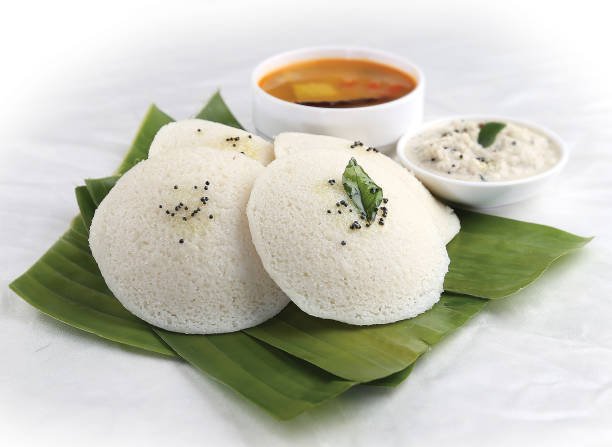
Idli is a steamed, low-calorie, fermented South Indian food that can support weight loss when consumed thoughtfully. It provides easily digestible carbohydrates, moderate protein, and beneficial probiotics that aid digestion and satiety. Controlling portions and pairing idli with protein-rich and fiber-rich foods makes it an effective addition to a fat-loss diet.
Idli is a soft, fluffy breakfast favorites across India, renowned for its simplicity, taste, and digestive benefits. At NFNA – National Fitness and Nutrition Academy, we help people understand how traditional foods like idli can fit into modern, science-backed diet plans. Many ask, is idli good for weight loss, and the answer lies in understanding its nutritional profile, calorie content, and how it is incorporated into your overall diet. When eaten in moderation, idli can support sustainable fat loss and digestive health.
What Makes Idli a Popular Choice in Healthy Diets?
Traditional Fermented Food with Proven Health Benefits
Idli is made by fermenting a mixture of rice and urad dal, creating a soft, fluffy texture while naturally producing probiotics. Fermented foods like idli can improve gut microbiota, aiding digestion and supporting metabolic health. Studies suggest that gut health can influence satiety and calorie utilization, making fermented foods like idli a smart choice for weight-conscious individuals. Our nutrition and dietician course covers the science of gut health and fermented foods as part of a comprehensive, evidence-based curriculum for aspiring nutrition professionals.
Steamed Preparation with Minimal Oil
One of the major reasons idli is considered healthy is their steamed cooking method. Unlike fried breakfasts such as parathas or deep-fried snacks, steaming preserves nutrients and keeps calories low. This makes idli ideal for people asking is idli good for weight loss, because they provide a filling breakfast without excess fat.
Easily Digestible Carbohydrates for Energy
Idli provides carbohydrates that are digested slowly, giving steady energy without causing rapid spikes in blood sugar. This is particularly beneficial for breakfast or pre-workout meals, as it prevents early hunger pangs and supports adherence to a calorie-controlled diet. Our nutrition courses in Kerala train students to understand how carbohydrate digestion and glycemic response influence fat-loss outcomes in real client meal plans.
Nutritional Value of Idli
Calories in One Idli
A standard idli contains approximately 35–40 calories, making it a low-calorie breakfast option. Its calorie content is easy to manage within a fat-loss diet, which answers the common question, is idli good for weight loss.
Macronutrient Content
- Carbohydrates: 7–8 grams per idli, providing slow-releasing energy
- Protein: 2–3 grams from urad dal, which helps maintain satiety and muscle health
- Fat: Less than 1 gram, keeping it low in fat
Micronutrients and Digestive Benefits
- B-Vitamins generated during fermentation improve energy metabolism and digestion
- Iron supports red blood cell formation and energy levels
- Probiotics enhance gut microbiota and may indirectly support metabolism
Idli’s combination of moderate protein, low fat, and digestible carbohydrates makes it suitable for anyone asking is idli good for weight loss.
Is Idli Good for Weight Loss? The Scientific Perspective
Low Calorie Density Supports Fat Loss
Idli’s low-calorie density allows you to consume multiple pieces without exceeding your daily caloric target. Maintaining a calorie deficit is fundamental for weight loss, making idli a smart breakfast or snack option.
High Satiety Despite Fewer Calories
Despite being low in calories, idlis can be filling when paired with protein and fiber-rich sides such as sambar and vegetables. This prevents mid-morning cravings and helps maintain a sustainable calorie-controlled diet. Our dietician course teaches students how to design exactly these kinds of balanced, satiety-focused meal combinations for clients working toward sustainable fat loss.
Fermentation and Digestive Health
Fermented foods like idli improve nutrient absorption and support a healthy gut microbiome. A balanced gut can contribute to better metabolism and appetite regulation, further emphasizing why idli can be a strategic food for weight management.
Balanced Energy Release
The combination of rice and lentils provides steady energy release, which prevents rapid blood sugar spikes and helps control appetite throughout the morning. People who wonder is idli good for weight loss can benefit from this balance of slow-releasing carbohydrates and protein.
How Idli Supports a Sustainable Weight Loss Diet
Simple Portion Control
Two to three idlis per meal, paired with protein and fiber sources, make it easy to control portions and calorie intake. Portion control is a major factor in achieving sustainable fat loss.
Ideal for a Balanced Breakfast
Idlis are most effective when combined with nutrient-rich accompaniments:
- Sambar for protein and fiber
- Coconut chutney for healthy fats
This combination ensures a balanced meal, supporting both energy and satiety.
Encourages Consistent Eating Habits
The simplicity of idli-based meals can promote diet adherence. Consistently eating wholesome meals reduces the temptation for high-calorie snacks and supports steady fat loss. Our nutrition courses in Kolkata prepare students to apply behavioral nutrition strategies like meal consistency and adherence coaching in their professional practice.
When Idli May Not Help with Weight Loss
Excessive Portions
Overeating idlis can increase calorie intake and counteract fat-loss efforts. Moderation is key.
High-Calorie Additions
Adding extra oil, ghee, or fried chutney increases the calorie content, which may undermine the benefits of eating idli.
Lack of Protein Balance
Eating idlis alone does not provide enough protein for muscle maintenance or optimal satiety. Pairing idli with protein-rich foods is essential for those asking is idli good for weight loss.
Best Ways to Eat Idli for Weight Loss
Pair with Protein Sources
- Lentil-based sambar
- Paneer or eggs on the side
Add Fiber to Meals
- Vegetable-rich sambar
- Fresh salads or lightly sautéed greens
Choose Whole Grain or Alternative Idli Varieties
- Ragi idli for higher fiber and minerals
- Oats idli for slow-digesting carbohydrates
- Millet idli for nutrient density and better satiety
Expert Nutrition Perspective from NFNA
At NFNA, we emphasize that weight loss depends on overall calorie balance, not just a single food. Traditional foods like idli fit perfectly into a fat-loss diet when consumed in moderation and paired with protein and fiber. Our students learn to design evidence-based meal plans, understand macronutrient balance, and apply practical strategies for client success. By combining scientific knowledge with traditional foods, sustainable fat loss becomes achievable and enjoyable.
Final Verdict: Is Idli Good for Weight Loss?
Idli can support weight loss when eaten in moderation and combined with protein and fiber. Its low-calorie, steamed preparation, digestible carbohydrates, and fermentation benefits make it an ideal choice for breakfast or light meals. Proper portion control, mindful pairing with nutrient-rich accompaniments, and balanced meal planning ensure that idli contributes positively to sustainable fat-loss goals. Looking to pursue a career in health and food science? Our health and nutrition courses are a great starting point for building the knowledge needed to guide others toward sustainable wellness.
At NFNA, we train aspiring nutritionists and fitness professionals to understand foods like idli scientifically, enabling evidence-based diet planning for clients seeking sustainable weight management.
Read Our Latest Blogs
Dietician Course Eligibility | Dietician Course Duration | How To Become A Nutritionist | Does Masturbation Cause Weight Loss | How To Take Chia Seeds For Weight Loss | Is Oats Good For Weight Loss | Is Poha Good For Weight Loss | Is Rice Good For Weight Loss | Is Corn Good For Weight Loss | Is Curd Good For Weight Loss
Frequently Asked Questions
Q1. How many idlis should you eat for weight loss?
Two to three idlis with protein-rich and fiber-rich sides are ideal. This ensures calorie control while providing sustained energy and satiety.
Q2. Can idli help in fat loss if eaten daily?
Yes, idli can be eaten daily if consumed in moderation and combined with protein sources. Balanced portions support calorie control and consistent weight management.
Q3. Is idli healthier than bread or paratha for weight loss?
Yes, idli is steamed, low in calories, and contain probiotics, unlike fried parathas or refined bread. This makes it a better option for sustainable fat loss.
Q4. Will ragi idli aid fat loss better than rice idli?
Yes, ragi idlis contain higher fiber, more micronutrients, and slower-digesting carbohydrates, which enhance satiety and support stable blood sugar levels.
Q5. What is the best meal combination with idli for weight loss?
Pair idlis with protein-rich sambar and fiber-filled vegetables or chutneys to create a balanced, low-calorie, and satiating meal.
Q6. Why are fermented foods like idli good for metabolism?
Fermented foods enhance gut microbiota and improve nutrient absorption. A healthy gut can support better metabolism and energy utilization.
Q7. How can idli be included in a pre-workout meal?
One or two idlis with sambar or a small protein source provide slow-releasing energy and moderate protein, fueling workouts without excess calories.
Q8. Is it okay to eat idli at night for weight loss?
Yes, idli can be eaten at night if portion sizes are controlled and protein or fiber is added. Avoid extra oil or ghee to maintain low calorie intake.