Curd, also called dahi, is good for weight loss when included in a balanced diet. It is rich in protein, probiotics, calcium, and essential nutrients that help control appetite, improve digestion, and support metabolism. Consuming curd regularly as part of a calorie-conscious diet can contribute to healthy and sustainable fat loss.
Curd is a traditional fermented food that has been consumed for centuries, especially in Indian households. At NFNA, we emphasize science-backed nutrition strategies, and curd often comes up as a question in weight management discussions. Many people wonder, is curd good for weight loss? The answer is yes, because curd is rich in protein that promotes fullness, probiotics that support gut health, and micronutrients like calcium and vitamin B12 that help regulate metabolism. Including curd as part of a balanced diet can be an effective way to manage weight while maintaining overall nutrition.
What Is Curd? Understanding Its Nutritional Value
How Curd Is Made
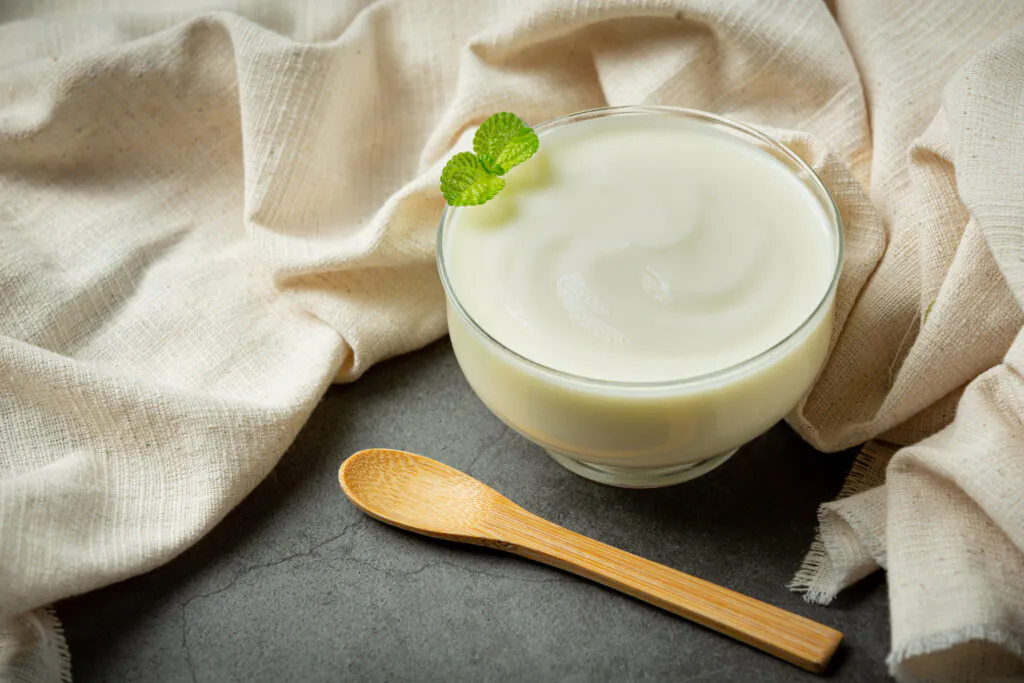
Curd is prepared by fermenting milk using natural bacteria, usually Lactobacillus bulgaricus and Streptococcus thermophilus. This process transforms milk into a thick, slightly tangy product that is easier to digest. Unlike commercially processed yogurt, curd is usually prepared at home or in traditional settings without added stabilizers or sugar.
- Fermentation enhances digestibility
- Improves the bioavailability of nutrients
- Encourages growth of beneficial gut bacteria
Nutritional Profile of Curd
Curd is low in calories yet provides essential nutrients that support weight loss and overall health. Key nutrients include:
- Protein for muscle maintenance and satiety
- Calcium for supporting fat metabolism
- Probiotics for gut balance and improved digestion
- Vitamin B12 for energy metabolism
- Potassium for electrolyte balance and hydration
Those pursuing a dietician course learn to evaluate fermented foods like curd through exactly this lens — analyzing their macronutrient and micronutrient composition to build effective, evidence-based fat-loss meal plans.
Why Fermented Foods Matter for Gut Health
Fermented foods like curd are crucial for maintaining a healthy gut microbiome. Probiotics found in curd improve digestion, enhance nutrient absorption, reduce bloating, and may positively influence metabolic processes. A healthy gut can help regulate appetite and support weight management, making curd a valuable addition to a weight-loss-focused diet.
Is Curd Good for Weight Loss? What Nutrition Science Says
High Protein Content Promotes Satiety
Curd is rich in protein, which increases feelings of fullness and helps control hunger. When consumed regularly, protein in curd can prevent overeating, making it easier to maintain a calorie deficit for weight loss.
Probiotics Improve Gut Health
Probiotics in curd help maintain a balanced gut microbiome, which supports digestion and reduces bloating. Improved digestion can enhance nutrient absorption and positively impact metabolic efficiency, both of which are important for fat loss.
Calcium May Support Fat Metabolism
Studies suggest that adequate calcium intake can enhance fat breakdown and influence energy regulation. The calcium in curd may contribute to body fat reduction, especially when combined with a balanced diet and regular exercise. Students enrolled in a nutrition and dietician course study the role of micronutrients like calcium in depth, learning how they influence fat metabolism and overall weight management outcomes.
Low Calorie Yet Nutrient Dense
Curd is naturally low in calories while providing essential vitamins and minerals. This makes it an ideal food for individuals aiming to lose weight without compromising on nutrition. Its nutrient density ensures you get the benefits of key micronutrients while staying within your daily calorie goals.
6 Science-Backed Benefits of Eating Curd During Weight Loss
- Helps Control Appetite: The protein and probiotics in curd increase satiety, reducing the likelihood of overeating between meals.
- Supports Gut Microbiome Balance: Beneficial bacteria in curd promote healthy gut flora, which is essential for optimal digestion and metabolism.
- Improves Digestion and Reduces Bloating: Fermentation breaks down lactose and other compounds, making curd easier to digest and helping reduce bloating.
- Supports Muscle Preservation During Fat Loss: Protein in curd helps maintain lean muscle mass, which is crucial for sustaining metabolic rate during weight loss.
- Provides Essential Micronutrients: Curd supplies calcium, vitamin B12, potassium, and other nutrients that support metabolic processes and overall well-being.
- Easy to Add to Balanced Meals: Curd can be incorporated into breakfast, snacks, smoothies, or as a side dish to enhance nutrient intake without adding excess calories.
Best Time to Eat Curd for Weight Loss
Morning or Breakfast
Eating curd in the morning supports digestion and provides protein to start the day, helping control hunger until the next meal.
Lunch
Including curd at lunch improves gut health and enhances nutrient absorption from your meal, which can support energy levels throughout the day.
Post-Workout
Post-workout curd intake provides protein for muscle recovery and electrolytes to replenish lost nutrients. Nutrition professionals trained through nutrition courses in Kerala are equipped to guide clients on strategic nutrient timing like this as part of their practical diet planning curriculum.
When to Avoid Eating Curd
Consuming curd late at night may cause discomfort or indigestion in some individuals. Personal tolerance should guide timing, as digestion efficiency varies from person to person.
How to Eat Curd for Weight Loss
- Plain curd with fresh fruits adds fiber and natural sweetness without extra sugar
- Curd with roasted seeds or nuts increases protein and healthy fat intake for prolonged fullness
- Using curd as a protein-rich snack can curb mid-day hunger
- Incorporating curd into smoothies or raita enhances meals without excessive calories
- Adding curd to balanced meal bowls with vegetables, grains, and lean protein provides a complete, nutrient-rich option
Common Myths About Curd and Weight Loss
- Myth 1: Curd causes weight gain
Truth: Weight gain occurs due to excess calories, not curd itself. - Myth 2: Curd should never be eaten at night
Truth: Timing depends on individual digestion tolerance; some people can eat curd at night without any issues. - Myth 3: Only Greek yogurt helps in weight loss
Truth: Homemade or plain curd provides protein and probiotics similar to Greek yogurt and can support weight loss equally well.
Who Should Be Careful When Eating Curd
- Lactose intolerance may cause bloating, gas, or discomfort
- Dairy allergies require avoidance of curd to prevent adverse reactions
- Consuming excessive flavored or sweetened curd can counter weight-loss goals due to added sugars
Moderation and personalized nutrition planning are key for optimal results. Those exploring nutrition courses in Kolkata develop the clinical judgment needed to offer this kind of individualized dietary guidance to clients with varying health conditions and sensitivities.
Expert Nutrition Tips from NFNA
- Combine curd with fiber-rich foods like oats, fruits, or vegetables to enhance satiety
- Maintain overall calorie balance in your diet to achieve weight loss goals
- Pair curd consumption with strength training to preserve lean muscle mass
- Avoid flavored or sweetened curd high in sugar
- Focus on holistic nutrition and lifestyle factors rather than relying on a single food
At NFNA, we teach evidence-based nutrition strategies that go beyond diet tips, emphasizing practical approaches for sustainable weight loss and overall health.
Conclusion
Curd is a nutrient-rich, fermented food that supports weight loss by improving satiety, digestion, and metabolism. It works best when incorporated into a balanced diet and combined with an active lifestyle. At NFNA, we encourage learning the science behind food choices to make informed decisions that promote long-term health.
Including curd as part of a structured meal plan, paying attention to portion sizes, and pairing it with a holistic diet approach can make weight loss both achievable and sustainable.
Explore NFNA Nutrition Programs
NFNA – National Fitness and Nutrition Academy provides evidence-based courses and certifications for those looking to improve personal health, design effective fat-loss meal plans, or become certified nutrition experts. Visit https://www.nfna.in/ to start your journey.
Read Our Latest Blogs
Protein Rich Non Veg Food | Fruits For Weight Gain | 10 Kg Weight Gain Diet Chart | How To Gain Weight At Home | Banana For Weight Gain | Is Oats Good For Weight Gain | How To Gain Weight On Face In 7 Days | Which Dry Fruit Is Best For Weight Gain | Sweet Potato For Weight Gain | Does Masturabation Cause Weight Gain Female
Frequently Asked Questions
Q1. How much curd should you eat daily for weight loss?
200 to 250 grams of curd per day is generally sufficient for adults. It provides protein, probiotics, and essential nutrients that support fat loss when included in a balanced diet.
Q2. Can curd reduce belly fat?
Curd does not target belly fat specifically, but its protein and probiotics can help with overall fat reduction, improved metabolism, and reduced bloating, indirectly supporting a flatter stomach.
Q3. Is curd better than yogurt for weight loss?
Plain or homemade curd and unsweetened yogurt provide similar nutritional benefits. The choice depends on personal taste, availability, and preference.
Q4. Will eating curd at night affect weight loss?
Eating curd at night is usually safe if it does not cause digestive discomfort. Total daily calorie intake and overall diet quality are more important factors than timing alone.
Q5. What are the best curd-based snacks for weight loss?
Plain curd with fresh fruits, roasted seeds or nuts, and smoothies made with curd are excellent low-calorie, nutrient-rich options to support weight loss.
Q6. Why is curd considered a weight-loss-friendly food?
Curd is high in protein, low in calories, and contains probiotics that enhance digestion and satiety. Its nutrient density supports metabolism and sustainable fat loss.
Q7. How does the probiotic content in curd support weight loss?
Probiotics improve gut health by balancing beneficial bacteria, enhancing digestion, and reducing bloating. A healthier gut supports nutrient absorption and may influence energy regulation and fat metabolism.
Q8. Can curd replace other protein sources in a diet?
Curd contributes valuable protein, but it should be combined with other protein sources like legumes, eggs, or lean meats to ensure a complete amino acid profile and meet daily protein needs.