
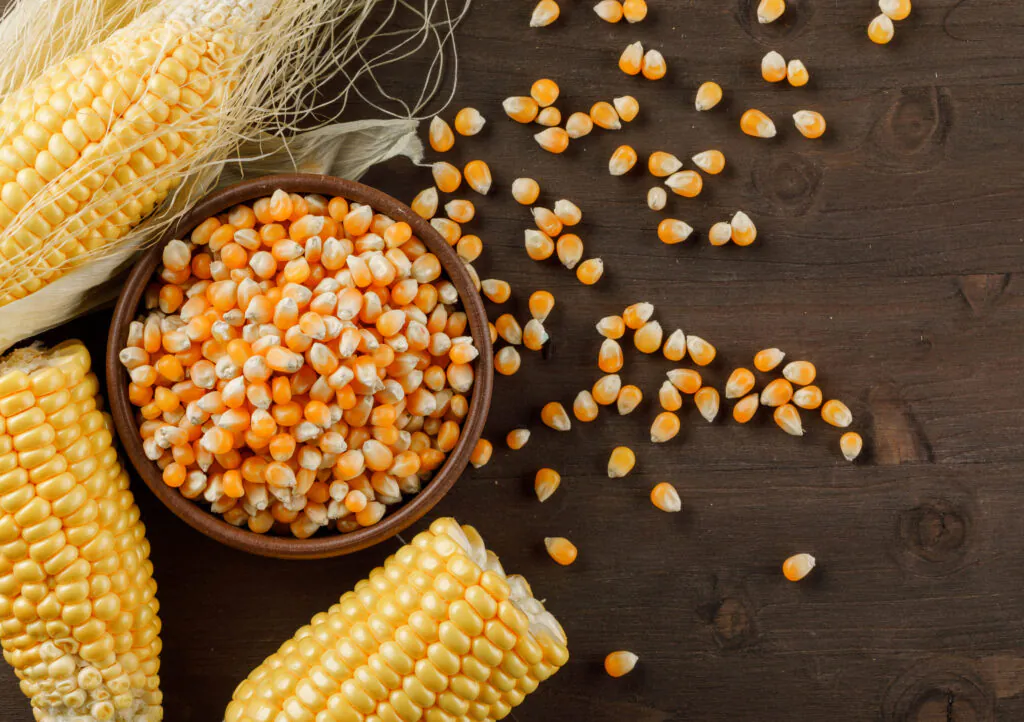
Is corn good for weight loss? Yes. Corn can support weight loss when consumed in moderation as part of a balanced diet. Its fiber for fullness, complex carbohydrates for sustained energy, and essential vitamins and minerals help improve metabolism. Portion control and healthy preparation are key for effective weight management. NFNA emphasizes evidence-based nutrition practices to maximize food benefits.
Is corn good for weight loss? Many people assume corn, being high in carbohydrates, may hinder weight-loss efforts. At NFNA (National Fitness and Nutrition Academy), we advocate evidence-based nutrition, showing that corn can actually support weight loss when included in the right portions and prepared healthily. Corn provides fiber, essential vitamins, minerals, and natural energy, which collectively help with satiety, metabolism, and overall diet balance. This article explores the nutritional profile of corn, its benefits, common myths, and expert tips for including it in a weight-loss diet.
Nutritional Profile of Corn
Corn is a naturally nutrient-dense whole food that fits well into a healthy eating plan. Here’s what one medium ear of corn provides:
- Calories: Approximately 90 to 100, offering moderate energy for daily activities
- Carbohydrates: Around 19 grams, mostly complex, providing long-lasting energy
- Fiber: About 2 to 3 grams, supporting digestion and enhancing fullness
- Fat: 1 to 2 grams, making it a low-fat grain option
- Vitamin B complex: Supports energy metabolism
- Magnesium: Helps with muscle and nerve function
- Potassium: Assists in fluid balance and heart health
- Antioxidants: Lutein and zeaxanthin protect eye health and overall wellness
Corn’s combination of fiber, vitamins, and minerals makes it more than just a source of carbohydrates—it can actively support weight management when eaten in moderation.
Calories in Corn
One medium ear of corn contains roughly 90–100 calories, mostly derived from carbohydrates. While some may worry about carbs affecting weight loss, the complex carbohydrates in corn provide a steady release of energy, keeping you fueled throughout the day. When included as part of a balanced diet, corn can help maintain energy levels without causing blood sugar spikes or excess calorie consumption. Students enrolled in a dietician course learn to evaluate foods like corn using exactly this kind of evidence-based caloric and macronutrient analysis.
Fiber Content
Corn contains soluble and insoluble fiber, both of which are essential for digestive health. Fiber slows the absorption of sugars, helps regulate blood sugar levels, and promotes a sense of fullness, making it easier to avoid overeating. For anyone asking, is corn good for weight loss? The fiber content is a major reason it can help support a calorie-controlled diet.
Vitamins and Minerals
Corn is rich in essential micronutrients, including:
- Vitamin B complex for energy production and metabolism
- Magnesium for nerve and muscle function
- Potassium for heart and fluid balance
- Antioxidants such as lutein and zeaxanthin for eye and cellular health
These nutrients not only support overall well-being but also contribute indirectly to weight management by improving metabolism and digestive efficiency. Those pursuing a nutrition and dietician course develop a thorough understanding of how micronutrients like these influence metabolic health and long-term weight management outcomes.
Is Corn Good for Weight Loss? (Direct Answer)
The answer is yes, corn can be good for weight loss when eaten in moderation and as part of a balanced diet. Here’s why:
- High fiber content promotes fullness and helps prevent overeating
- Whole corn is a natural food that reduces cravings compared to processed snacks
- Nutrients support metabolism and energy for daily activity
However, overconsumption of corn or eating highly processed corn products like corn chips or syrup can lead to increased calorie intake, potentially slowing weight-loss progress.
5 Reasons Corn Can Support Weight Loss
1. High Fiber Keeps You Full
Fiber in corn slows digestion and promotes a feeling of fullness. This can reduce snacking between meals and helps maintain a calorie deficit, which is essential for weight loss.
2. Low Fat Content
Corn is naturally low in fat, making it a lighter and more nutrient-dense choice compared to fried or creamy foods.
3. Provides Long-Lasting Energy
Corn contains complex carbohydrates that break down slowly, providing energy for workouts and daily activities without causing sudden sugar spikes.
4. Supports Gut Health
Fiber in corn promotes healthy digestion, supporting nutrient absorption and a balanced gut microbiome, both of which are important for efficient metabolism and weight control.
5. Naturally Gluten-Free Whole Food
Corn is a whole food that is naturally gluten-free, making it a versatile choice for those following gluten-free or whole-grain diets. Nutrition professionals trained through nutrition courses in Kerala are equipped to guide clients on incorporating naturally gluten-free whole foods like corn into practical, balanced fat-loss meal plans.
When Corn Might Not Help With Weight Loss
While corn is beneficial, certain factors can limit its weight-loss potential:
Portion Size Matters
Consuming large amounts of corn can add extra calories. Stick to 1–2 medium ears or ½–1 cup cooked corn per meal to stay on track with your goals.
Processed Corn Products
Avoid processed foods such as:
- Corn chips
- Corn syrup
- Deep-fried corn snacks
These products are high in empty calories, unhealthy fats, and added sugars, which can hinder weight loss.
Cooking Method
Healthy preparation methods include:
- Boiled corn
- Steamed corn
- Grilled corn
Avoid butter-heavy or creamy corn dishes, which significantly increase calorie content.
Best Ways to Eat Corn for Weight Loss
- Add corn to salads: Boosts fiber, texture, and nutrient content
- Use corn as a healthy snack: Roasted corn with light spices is filling and low in calories
- Combine corn with protein: Pair corn with beans, grilled chicken, or tofu for a balanced, satiating meal
These strategies make corn a versatile ingredient while keeping it supportive of weight-loss goals. Those exploring nutrition courses in Kolkata learn to build practical meal strategies like these as part of their applied diet planning training.
Common Myths About Corn and Weight Loss
Myth 1: Corn Makes You Gain Weight
Truth: Weight gain only occurs when you consume more calories than you burn. Corn itself does not cause weight gain.
Myth 2: Corn Is Just Sugar
Truth: Corn is composed of complex carbohydrates and fiber, not just simple sugars.
Myth 3: Corn Has No Nutritional Value
Truth: Corn contains fiber, vitamins, minerals, and antioxidants, making it a nutritious addition to your diet.
Expert Perspective: Nutrition Knowledge for Weight Management
Understanding foods like corn is crucial for effective weight-loss strategies. NFNA equips students and individuals with the knowledge to:
- Balance macronutrients
- Manage calorie intake
- Develop personalized diet strategies
- Prevent lifestyle-related diseases
Evidence-based education, like that provided by NFNA, ensures people can design sustainable, scientifically-backed weight-loss plans rather than relying on fads or myths.
Conclusion
So, is corn good for weight loss? Absolutely. Corn can be part of a healthy, balanced weight-loss diet when eaten in moderation and prepared using healthy cooking methods. Its fiber, vitamins, antioxidants, and complex carbohydrates make it a satisfying and nutritious option.
Key takeaways:
- Maintain portion control
- Prefer whole corn over processed corn products
- Incorporate corn as part of a balanced, nutrient-rich diet
By including corn wisely, you can enjoy its natural energy, nutrients, and fullness benefits while staying on track with your weight-loss goals.
Read Our Latest Blogs
Protein Rich Non Veg Food | Fruits For Weight Gain | 10 Kg Weight Gain Diet Chart | How To Gain Weight At Home | Banana For Weight Gain | Is Oats Good For Weight Gain | How To Gain Weight On Face In 7 Days | Which Dry Fruit Is Best For Weight Gain | Sweet Potato For Weight Gain | Does Masturabation Cause Weight Gain Female
Frequently Asked Questions
Q1. How does corn help with weight loss?
Corn is high in fiber and complex carbohydrates, which slow digestion, promote fullness, and provide sustained energy, supporting calorie management.
Q2. Can eating corn daily help me lose weight?
Yes, if consumed in moderation and as part of a calorie-controlled diet with balanced nutrients, corn can support weight loss.
Q3. Is corn better than rice for weight loss?
Corn contains more fiber per serving than white rice, which helps keep you full longer and may reduce overall calorie intake.
Q4. Will corn spike blood sugar?
Whole corn has a moderate glycemic index, meaning sugar is released slowly into the bloodstream, minimizing sudden spikes.
Q5. What is the healthiest way to eat corn?
Boiled, grilled, or steamed corn without butter, sugar, or heavy sauces is the healthiest option for weight management.
Q6. Why is corn considered a whole food?
Corn is minimally processed, retaining natural fiber, vitamins, and minerals that support overall health and satiety.
Q7. How much corn should I eat for weight loss?
Stick to 1–2 medium ears or ½–1 cup cooked corn per meal to enjoy its benefits without excess calories.
Q8. Can corn replace other grains in a weight-loss diet?
Yes, corn is a gluten-free alternative to grains like wheat or rice, providing similar fiber and energy benefits while supporting weight loss.