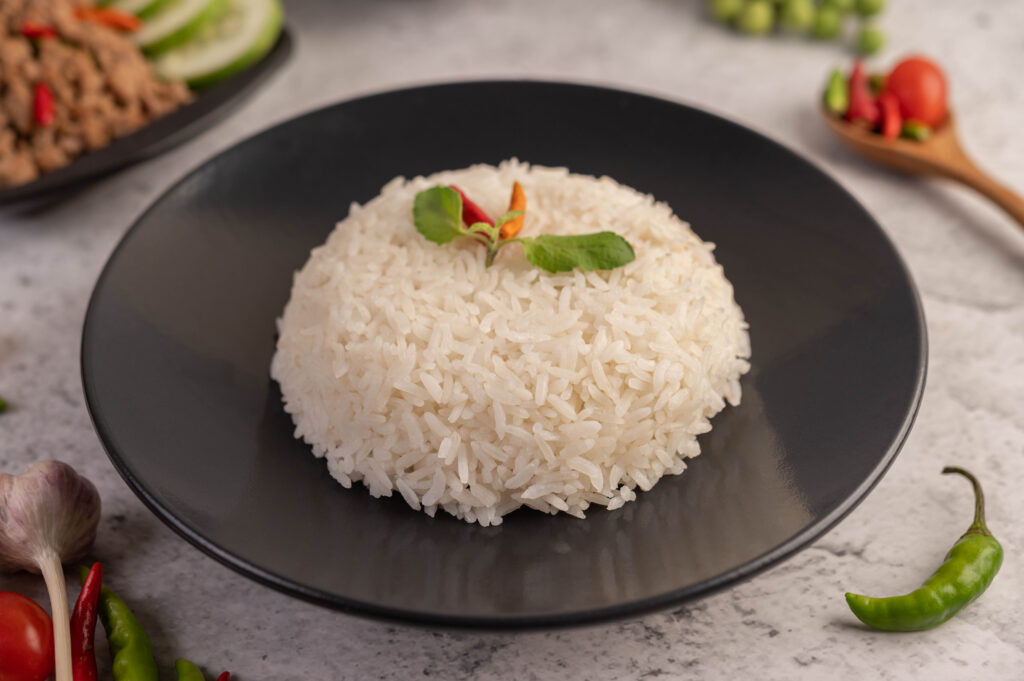
Is rice good for weight loss? Yes. Rice can support fat loss when consumed in proper portions, combined with protein and fiber, and included within a calorie-controlled diet. The type of rice, serving size, and overall meal composition determine how effectively rice can fit into a weight-loss plan.
Rice is one of the most widely consumed staple foods in the world, forming the backbone of countless meals across cultures. At NFNA (National Fitness and Nutrition Academy), we help people understand how staple foods like rice can be included in a healthy, balanced diet without compromising fat-loss goals. Many individuals ask, “is rice good for weight loss?” The answer is yes, but it depends on portion sizes, the type of rice, and how it is combined with other nutrients in your meals.
By understanding the nutritional profile of different rice types and evidence-based eating strategies, you can enjoy rice while still achieving your weight-loss goals. This article will explain how rice can support fat loss, which varieties are best, and practical tips to include rice in your daily meal plan effectively.
Understanding Rice Nutrition
Macronutrients in Rice
Rice is predominantly a carbohydrate source, providing essential energy for daily activities. While it contains minimal fat, it also offers a modest amount of protein, which can contribute to satiety when combined with other nutrient-dense foods. The macronutrient profile per 100 grams of cooked rice can be summarized as:
- White rice contains approximately 28 grams of carbohydrates, 2.7 grams of protein, 0.3 grams of fat, and 0.4 grams of fiber
- Brown rice contains approximately 23 grams of carbohydrates, 2.6 grams of protein, 1 gram of fat, and 1.8 grams of fiber
- Red rice contains approximately 22 grams of carbohydrates, 2.5 grams of protein, 1 gram of fat, and 2 grams of fiber
- Black rice contains approximately 21 grams of carbohydrates, 2.4 grams of protein, 1 gram of fat, and 2.5 grams of fiber
Key insight: Choosing whole-grain rice varieties such as brown, red, or black rice increases fiber intake and helps control blood sugar levels while supporting weight management.
Calories in Different Types of Rice
The caloric content of rice varies slightly depending on the type:
- White rice provides around 130 calories per 100 grams of cooked rice
- Brown rice provides around 111 calories per 100 grams
- Red rice provides around 110 calories per 100 grams
- Black rice provides around 100 calories per 100 grams
While the differences in calories are moderate, the nutrient density and fiber content make brown, red, or black rice better choices for those seeking sustainable weight loss.
Why Rice Is a Staple Food Worldwide
Rice is popular globally for several reasons:
- It provides a quick source of energy, fueling both the body and the brain
- It is easy to digest, making it suitable for all ages
- It is affordable and widely available, fitting into a variety of cultural and dietary patterns
Understanding rice’s nutritional value is essential when evaluating the question, “is rice good for weight loss?” Proper knowledge allows it to be included thoughtfully in any diet. Students pursuing nutrition courses in Bangalore develop exactly this kind of applied understanding of staple foods and their role in balanced, fat-loss-friendly meal planning.
Is Rice Good for Weight Loss?
The Role of Calories in Weight Loss
Weight loss fundamentally depends on consuming fewer calories than you expend. Rice contributes calories like any other carbohydrate, but it is not inherently fattening. Eating rice in controlled portions while maintaining an overall calorie deficit ensures it can fit into a fat-loss plan.
Rice and Satiety
Rice, especially when paired with high-fiber vegetables and a protein source, can promote longer-lasting fullness. Protein and fiber slow digestion, helping to prevent overeating and reducing cravings for high-calorie snacks. This makes rice a practical option for structured meals that support fat loss.
Why Rice Is Often Misunderstood
Many individuals mistakenly equate carbohydrates with weight gain. The reality is that excess calories from any source—not rice itself—lead to weight gain. By understanding portion sizes and pairing rice with protein and fiber, you can effectively include rice in a weight-loss diet. Nutrition professionals trained through nutrition courses in Chennai are well equipped to address these common misconceptions and guide clients toward evidence-based dietary decisions.
Best Types of Rice for Weight Loss
Choosing the right type of rice can influence how well it fits into your weight-loss goals:
- Brown Rice: High in fiber, digested slowly, helps maintain stable blood sugar levels, and promotes satiety
- Red Rice: Contains antioxidants, higher mineral content including iron and magnesium, and supports overall health
- Black Rice: Rich in polyphenols, has a lower glycemic impact than white rice, and may contribute to better metabolic health
- White Rice (When Consumed Mindfully): Easily digestible, convenient for portion-controlled meals, and works well when combined with protein and fiber
Selecting nutrient-dense varieties can enhance satiety and reduce the likelihood of overeating.
How to Eat Rice Without Gaining Weight
Follow Portion Control
- Limit servings to half a cup to one cup of cooked rice per meal
- Avoid freehand scooping to maintain accurate portion sizes
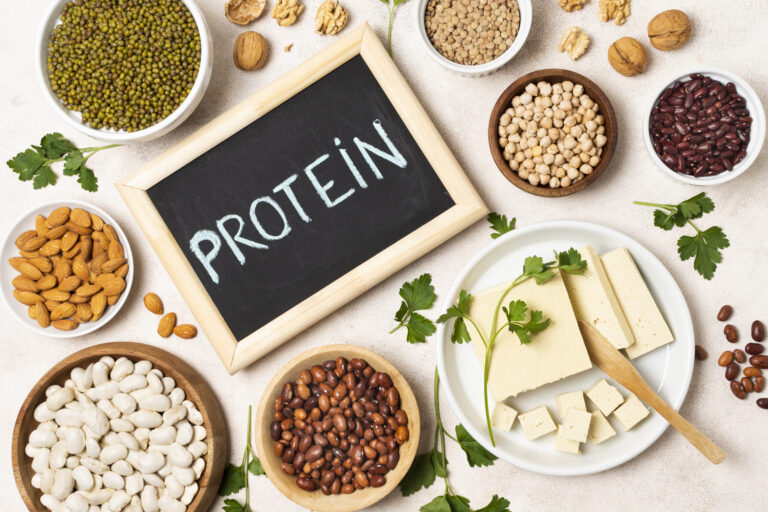
Combine Rice with Protein
- Rice with lentils (dal)
- Rice with grilled chicken
- Rice with tofu or paneer
Add High-Fiber Vegetables
- Fill half your plate with vegetables to increase fullness
- High fiber slows digestion and reduces overall calorie density
Avoid High-Calorie Add-Ons
- Avoid creamy sauces, excessive oil, or fried rice dishes
- Focus on simple cooking methods such as steaming or boiling
Those who have completed nutrition courses in Hyderabad learn to apply these exact portion and pairing strategies when designing practical meal plans for clients with fat-loss goals.
Rice vs Other Carbohydrates for Weight Loss
When considering alternatives, rice compares favorably with other carb sources:
- Rice has a moderate glycemic index and provides energy without excess fat
- Quinoa has higher fiber and protein content, offering slightly longer satiety
- Bread generally has a higher glycemic index and lower fiber than whole-grain rice
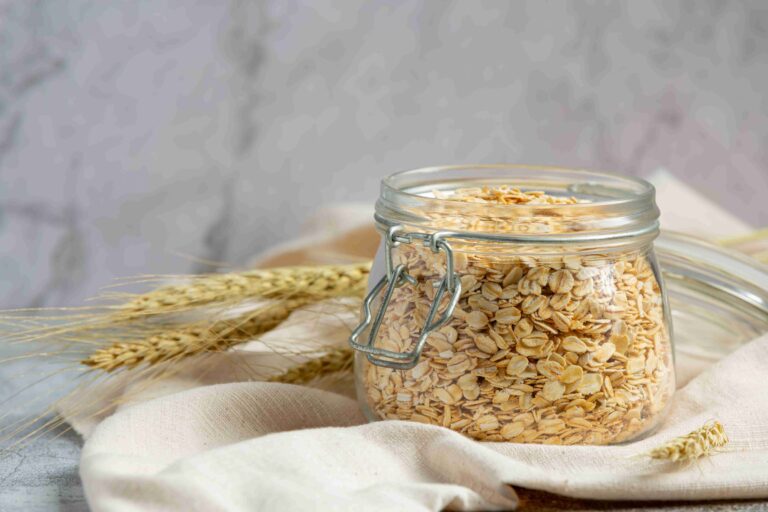
- Oats provide soluble fiber, which slows digestion and helps with fullness
Rice remains a practical and versatile carbohydrate when consumed mindfully within a balanced diet; for a lighter Indian alternative, explore our guide on Is poha good for weight loss.
Common Myths About Rice and Weight Loss
- Myth 1: Rice Always Causes Weight Gain
Rice does not automatically cause fat gain; excess calories do - Myth 2: You Must Eliminate Rice to Lose Fat
Rice can be included as part of a structured, calorie-controlled meal plan - Myth 3: Only Brown Rice Is Healthy
White rice is acceptable in moderation when paired with vegetables and protein
By understanding these myths, you can make informed decisions about including rice in your diet.
Sample Weight Loss Meal Plan Including Rice
- Breakfast: Idli for weight loss with sambar or a vegetable omelette with fruit
- Lunch: Brown rice with dal and a mixed vegetable salad
- Snack: Greek yogurt with a handful of nuts
- Dinner: Grilled chicken or paneer with steamed vegetables and a small portion of rice
This approach balances macronutrients and supports satiety throughout the day while maintaining a calorie deficit.
When Rice May Not Be Ideal
- Individuals with insulin resistance or diabetes may need to monitor high-GI rice
- Very low-carb diets may restrict rice to achieve specific goals
- Sedentary lifestyles with large rice portions may lead to caloric surplus
Context matters: rice can be beneficial when integrated thoughtfully into your eating pattern.
Expert Nutrition Insight
Nutrition professionals recommend:
- A balanced diet with appropriate macronutrient distribution
- Including whole grains, protein, and fiber in meals
- Adjusting rice portions to match individual metabolism, activity level, and lifestyle
Learning evidence-based nutrition empowers individuals to include staple foods like rice without compromising their weight-loss goals. Those exploring nutrition courses in Mumbai will find NFNA’s research-driven curriculum builds precisely this depth of applied dietary knowledge.
Why Learning Evidence-Based Nutrition Matters
Understanding nutrition scientifically helps you:
- Avoid common diet myths
- Design sustainable fat-loss diets
- Support yourself and others in achieving health goals
Knowledge of evidence-based nutrition allows rice and other staple foods to be incorporated sensibly into your meal plan.
Learn from Experts at NFNA
If you want to turn your passion for nutrition into expertise, NFNA provides:
- Applied nutrition and diet planning courses
- Clinical nutrition concepts and lifestyle disease nutrition
- Fitness and lifestyle coaching skills
- Real-world client consultation experience
If you want to help clients build sustainable diets around everyday foods like rice, our nutrition and diet management course at NFNA gives you the practical skills to do exactly that with confidence.
By learning from trained professionals, you can master evidence-based nutrition, confidently incorporate foods like rice into fat-loss plans, and help clients or yourself achieve sustainable results.
Start your journey with NFNA today to gain the skills, knowledge, and certification needed to become a confident, research-driven nutrition professional. Explore NFNA courses and transform your passion for health into expertise.
Final Verdict — Is Rice Good for Weight Loss?
Yes, rice can absolutely be part of a weight-loss diet. It works best when:
- Consumed in controlled portions
- Paired with protein and fiber
- Included within a calorie-controlled, balanced diet
Weight loss depends on overall dietary balance, not the elimination of individual foods. Understanding how to include rice effectively allows you to enjoy this staple while progressing toward your goals.
Read Our Latest Blogs
Protein Rich Non Veg Food | Fruits For Weight Gain | 10 Kg Weight Gain Diet Chart | How To Gain Weight At Home | Banana For Weight Gain | Is Oats Good For Weight Gain | How To Gain Weight On Face In 7 Days | Which Dry Fruit Is Best For Weight Gain | Sweet Potato For Weight Gain | Does Masturabation Cause Weight Gain Female
Frequently Asked Questions
Q1. How can rice help with weight loss?
Rice can contribute to weight loss when eaten in proper portions with protein and fiber, helping to maintain satiety and reduce overeating.
Q2. Can I eat rice every day while losing weight?
Yes, daily rice consumption is fine if portions are controlled and meals are balanced with vegetables and protein.
Q3. Is brown rice better than white rice for weight loss?
Brown rice is generally preferred due to higher fiber content, slower digestion, and improved blood sugar stability.
Q4. Will eating rice at night make me gain weight?
No, total daily calorie intake matters more than meal timing. Rice at night is acceptable if within your daily calorie goals.
Q5. What type of rice is best for fat loss?
Whole-grain varieties such as brown, red, or black rice are best due to fiber, nutrient density, and lower glycemic impact.
Q6. Why is rice often misunderstood as fattening?
Many people blame carbohydrates for weight gain, ignoring overall caloric intake and portion sizes.
Q7. How much rice should I eat per meal for weight loss?
Half a cup to one cup of cooked rice per meal is generally recommended for effective portion control.
Q8. Can rice help me feel full longer?
Yes, rice paired with protein and fiber can prolong satiety and prevent excessive snacking.