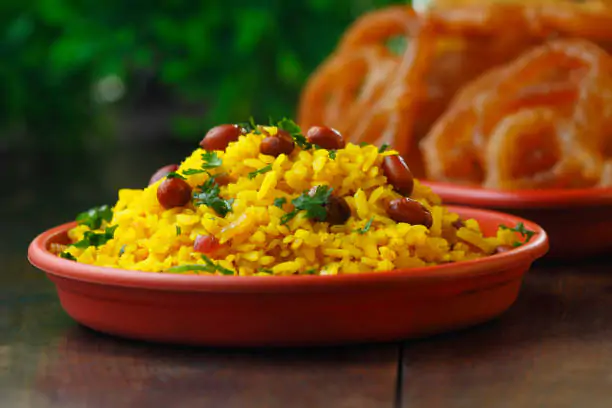
Poha can be a healthy and supportive option for weight loss when prepared mindfully with vegetables, protein, and minimal oil. It provides moderate calories, easily digestible carbohydrates, and some fiber, making it suitable for breakfast, pre-workout meals, or light snacks. Portion control and balanced preparation are key to making poha a weight-loss-friendly meal.
If you are wondering is poha good for weight loss, you are not alone. Poha is one of the most popular breakfast choices across India due to its light texture, quick preparation, and affordability. At NFNA, we emphasize evidence-based nutrition education, guiding people to make smart dietary choices that actually support fat loss and overall health including following the best Indian diet plan for weight loss. While poha can contribute to weight management, its effectiveness depends on portion size, the addition of vegetables and protein, and minimal use of oil. In this guide, we provide an in-depth analysis of poha, its nutritional value, and practical ways to make it weight-loss-friendly.
What Is Poha?
How Poha Is Made
Poha, also called flattened rice, is produced by parboiling rice grains and flattening them into thin flakes. This method gives poha a soft texture that cooks quickly and absorbs flavors easily. Its simplicity and versatility make it a staple in Indian kitchens. Poha is naturally light and easy to digest, which is why it is often recommended as a breakfast food, much like plain rice, and understanding whether rice is good for weight loss can help you compare the two.
Why Poha Is Popular in Indian Diets
Poha is widely consumed for several reasons:
- It is light on the stomach and easy to digest, making it suitable for mornings.
- It cooks quickly, allowing for a nutritious breakfast in under 15 minutes.
- It is inexpensive and widely available in almost all local markets.
- Poha is versatile and can be paired with a variety of vegetables, nuts, and proteins for added nutrition.
Different Types of Poha
There are several types of poha available, each with slightly different nutritional profiles:
- Thick poha, which is soft and fluffy, commonly found in Maharashtra and Madhya Pradesh.
- Thin poha, lighter in texture, popular in Gujarat.
- Red rice poha, which contains more fiber and nutrients than white poha, making it slightly more beneficial for weight management.
Nutritional Value of Poha (Per 100 g)
Calories in Poha
Poha contains moderate calories, usually around 130–150 kcal per 100 grams. This makes it suitable as a breakfast or light snack for people trying to lose weight. Controlled portions of poha can help maintain daily calorie balance, which is critical for fat loss.
Macronutrients
- Carbohydrates: 28–30 grams, providing quick energy and maintaining alertness in the morning.
- Protein: 2–3 grams, low on its own but can be increased with added nuts, sprouts, or paneer.
- Fat: 0.5–1 grams, unless extra oil or ghee is used. Minimal fat ensures a lighter meal for weight-conscious individuals.
Micronutrients
- Iron: Important for energy metabolism and preventing fatigue.
- B vitamins: Support digestion, nervous system function, and overall energy production.
- Fiber: Around 1–2 grams, depending on the type of poha. Red rice poha or vegetable additions improve fiber content.
Glycemic Index Consideration
Poha has a moderate glycemic index, meaning it can increase blood sugar levels moderately. Pairing it with protein and fiber slows digestion, keeps you full longer, and supports sustained energy, which is essential for weight management. Nutrition professionals trained through a dietician course in Mumbai understand these glycemic principles deeply and apply them when designing practical meal plans for clients.
Is Poha Good for Weight Loss? Expert Analysis
So, is poha good for weight loss? The answer is yes, when eaten mindfully. NFNA experts highlight several factors that make poha supportive for fat loss:
- Poha is a low-calorie breakfast option, helping control daily energy intake.
- Its easily digestible carbohydrates provide quick energy without making you feel heavy.
- When combined with vegetables, poha is high in fiber, which promotes satiety and reduces overeating.
- Balanced poha meals can help prevent mid-morning hunger, reducing the likelihood of snacking on unhealthy foods.
However, poha may not support weight loss if:
- Excess oil or ghee is added during cooking.
- Large portions are consumed.
- It lacks protein, which is essential for satiety and preserving lean muscle during weight loss.
Benefits of Poha for Weight Loss
Eating poha as part of a balanced meal can provide several advantages for individuals trying to lose weight:
- Keeps you full longer when combined with vegetables and protein.
- Supports healthy digestion due to its light, easy-to-digest nature.
- Naturally gluten-free, making it suitable for gluten-sensitive individuals.
- Easily customizable, allowing the addition of nuts, paneer, tofu, or sprouts for extra protein and micronutrients.
How to Make Poha Healthy for Weight Loss
NFNA experts recommend the following tips for making poha a weight-loss-friendly meal:
- Add high-protein ingredients such as peanuts, paneer, tofu, or sprouts.
- Increase fiber content by including vegetables like carrots, beans, peas, and capsicum.
- Use minimal oil, preferably one to two teaspoons, and sauté or steam the poha rather than frying it.
- Control portion size: approximately 150 grams of cooked poha is ideal for a breakfast serving.
Those who have completed a dietician course in Pune apply exactly these practical strategies when creating personalized meal plans for weight management clients.
Healthy Vegetable Poha Recipe for Weight Loss
Ingredients
- One cup of poha
- Half a cup of mixed vegetables (carrots, beans, peas, capsicum)
- One to two teaspoons of oil
- One tablespoon of peanuts
- Spices: mustard seeds, turmeric, green chili, coriander
Step-by-Step Preparation
- Rinse and drain poha thoroughly.
- Heat oil in a pan and sauté mustard seeds and vegetables.
- Add poha, peanuts, and spices.
- Mix well and cook for two to three minutes.
- Garnish with fresh coriander and serve warm.
Nutrition Benefits
- Provides moderate calories around 200 kcal per serving.
- Contains balanced carbohydrates, protein, and fiber.
- Rich in micronutrients like iron, B vitamins, and antioxidants from vegetables.
Best Time to Eat Poha for Weight Loss
Poha can fit into several times of the day depending on your goals:
- Breakfast: Provides energy for morning activities without being heavy.
- Pre-Workout Meal: Easily digestible carbs fuel workouts efficiently.
- Mid-Morning Snack: A smaller portion helps avoid unhealthy snacking later in the day.
Poha Compared to Other Breakfast Foods for Weight Loss
- Poha: Moderate calories, medium satiety, suitable for weight loss.
- Paratha: High calories, medium satiety, limited weight-loss benefits.
- White bread: Low in fiber, low satiety, not ideal for fat loss.
- Oats: High in fiber, high satiety, very beneficial for weight management.
Common Myths About Poha and Weight Loss
- Poha is only carbohydrates: With the addition of vegetables and protein, poha becomes a nutritionally balanced meal.
- Carbs prevent weight loss: Carbohydrates provide essential energy; moderation and combination with protein and fiber matter more.
- Skipping breakfast helps fat loss: Skipping meals can increase hunger and lead to overeating later in the day.
Learn the Science of Nutrition with NFNA
If you’re serious about understanding how nutrition truly affects weight loss, metabolism, and overall health, learning from experts can transform your knowledge, whether that means mastering a poha recipe or knowing whether oats are good for weight loss. At NFNA, National Fitness and Nutrition Academy, we provide evidence-based nutrition education designed by doctors, dietitians, and experienced professionals.
Our programs teach:
- Practical diet planning and weight management strategies
- Client consultation skills for wellness professionals
- The science behind macronutrients, micronutrients, and fat loss
- How to design balanced, sustainable meal plans for real results
Whether you want to guide clients or build a professional career in wellness, NFNA equips you with credible, research-backed knowledge to confidently make a difference. Aspiring professionals across the country, including those pursuing a dietician course in Kolkata, can access NFNA’s nationally recognized programs to build a trusted career in nutrition.
Start your journey with NFNA today and become a trusted nutrition professional.
Conclusion: Is Poha Good for Weight Loss?
In conclusion, poha can be a healthy addition to a weight-loss diet when prepared correctly. Pairing it with other nutrient-dense staples, such as understanding how to take chia seeds for weight loss, can add even more variety to your routine. Key factors include:
- Portion control to maintain calorie balance
- Adding vegetables for fiber and volume
- Including protein sources like peanuts, paneer, or sprouts
- Using minimal oil during preparation
If you’re looking to deepen your understanding of diet and weight management, our certified nutrition and diet course equips you with the science and skills to help yourself and others make informed food choices.
Weight loss depends on consistent balanced eating, calorie control, and healthy lifestyle habits. Poha is a versatile, nutritious, and satisfying meal that fits perfectly into a weight-loss-friendly diet. For those who want to turn their passion for nutrition into a profession, a dietician course in India provides the structured education and certification needed to guide others toward healthier lives.
Read Our Latest Blogs
Protein Rich Non Veg Food | Fruits For Weight Gain | 10 Kg Weight Gain Diet Chart | How To Gain Weight At Home | Banana For Weight Gain | Is Oats Good For Weight Gain | How To Gain Weight On Face In 7 Days | Which Dry Fruit Is Best For Weight Gain | Sweet Potato For Weight Gain | Does Masturabation Cause Weight Gain Female
Frequently Asked Questions
Q1. How can I make poha better for weight loss?
Adding vegetables, sprouts, peanuts, or paneer increases fiber and protein, making poha more filling and balanced while keeping calories controlled.
Q2. Can I eat poha every day during a weight-loss diet?
Yes, poha can be consumed daily if portion-controlled and prepared with minimal oil and nutrient-dense ingredients. Variety in vegetables and protein ensures balanced nutrition.
Q3. Is poha better than oats for weight loss?
Oats are higher in fiber, which promotes longer satiety, while poha is lighter and easier to digest. Both can support weight loss; choice depends on personal preference and lifestyle.
Q4. Will eating poha reduce belly fat?
Poha supports overall fat loss when part of a calorie-controlled diet, but no single food specifically targets belly fat. Consistency and overall nutrition matter.
Q5. What is the ideal poha serving for weight loss?
Around 150 grams of cooked poha per meal is ideal for breakfast. Adding vegetables and protein enhances satiety and nutrition.
Q6. Why is poha considered a good weight-loss breakfast?
Poha provides moderate calories, easily digestible carbs, and can be paired with vegetables and protein, which help maintain energy while controlling hunger.
Q7. How should I cook poha for maximum weight-loss benefits?
Use minimal oil, add vegetables for fiber, include a source of protein, and avoid excess toppings like sugar or fried ingredients.
Q8. What nutrients in poha support fat loss?
Carbohydrates provide quick energy, protein supports fullness, fiber slows digestion and promotes satiety, and iron plus B vitamins help maintain energy for physical activity.