
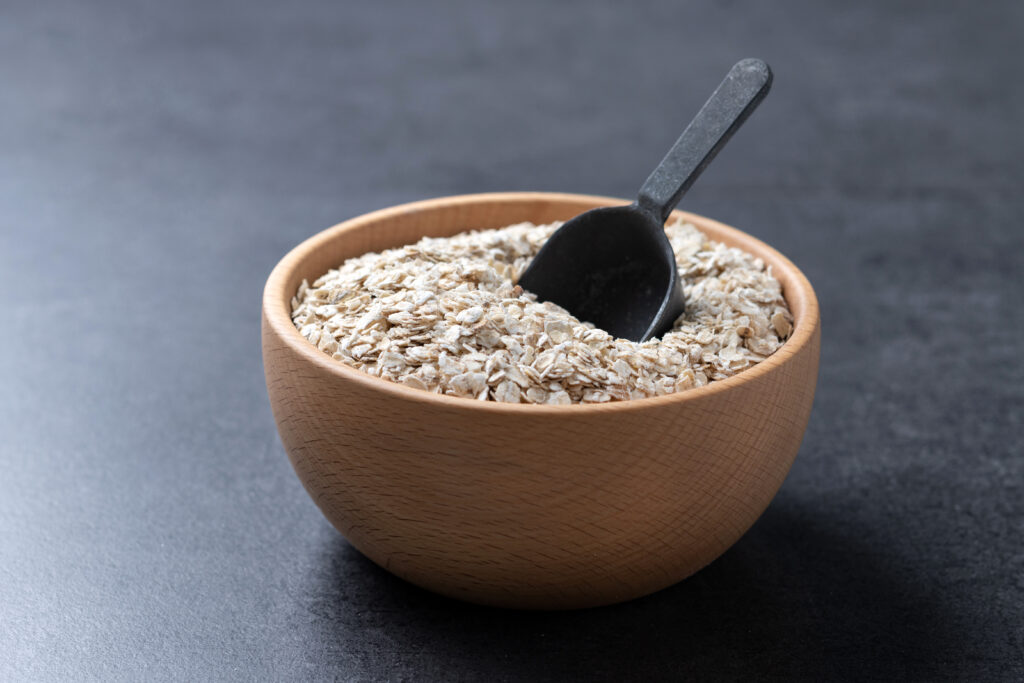
Oats are good for weight loss because they are nutrient-dense, rich in soluble fiber, and low in calorie density. Beta-glucan fiber increases satiety, supports healthy digestion, and stabilizes blood sugar levels. When eaten in balanced portions with protein and healthy fats, oats can be an effective tool for weight management.
Wondering is oats good for weight loss? At the National Fitness and Nutrition Academy (NFNA), we emphasize the importance of making food choices that support metabolism, fat loss, and overall health. Oats are a science-backed breakfast option that helps control hunger, maintain energy levels, and support weight management when incorporated correctly into a balanced diet. In this article, we explore how oats promote weight loss, the best ways to consume them, and expert tips to maximize their benefits.
What Are Oats? Understanding Their Nutritional Profile
Oats are whole grains derived from the plant Avena sativa. They are highly regarded as a functional food because they provide sustained energy, enhance digestion, and deliver essential vitamins and minerals that support overall health. Understanding the nutritional profile of oats is key to knowing why they are often recommended for weight management.
Key Nutrients Found in Oats
Oats are packed with nutrients that contribute to their weight-loss benefits:
- Complex carbohydrates that provide slow, sustained energy
- Dietary fiber, especially beta-glucan, which improves satiety and supports gut health
- Plant-based protein to help with muscle maintenance and fat metabolism
- Vitamins and minerals including magnesium, iron, zinc, and B vitamins
Why Oats Are Considered a Functional Food
Oats are considered functional because they impact physiological processes that support weight loss:
- Slow digestion reduces hunger and prevents overeating
- Sustained energy release prevents mid-morning energy crashes
- Supports metabolic health and helps regulate blood sugar
Is Oats Good for Weight Loss? The Science Explained
The question is oats good for weight loss is backed by several scientific factors. Oats support fat loss by influencing satiety, calorie control, blood sugar levels, and gut health.
High Fiber Content Improves Satiety
The soluble beta-glucan fiber in oats forms a gel in the stomach that slows digestion and increases fullness. This helps:
- Keep you satisfied for longer periods
- Reduce unnecessary snacking between meals
- Support calorie control and portion management
Stabilizes Blood Sugar Levels
Oats have a low glycemic impact and help regulate blood sugar:
- Slows glucose absorption into the bloodstream
- Prevents insulin spikes and subsequent energy crashes
- Helps maintain appetite control throughout the day
Low Calorie Density
Oats allow you to eat larger portions without consuming excessive calories:
- Provides volume and satisfaction in meals
- Supports calorie-controlled diets for weight loss
- Ideal for individuals trying to lose fat without feeling deprived
Supports Gut Health
Fiber in oats promotes healthy digestion:
- Encourages regular bowel movements
- Supports a healthy gut microbiome, which is linked to weight regulation
- Helps improve nutrient absorption and metabolic efficiency
At NFNA, our nutrition programs teach students to combine macronutrients such as protein, fiber, and healthy fats to maximize satiety, support fat loss, and create sustainable diet plans. Students enrolled in nutrition courses in Bangalore learn exactly these evidence-based dietary strategies as part of their practical training.
Types of Oats and Which Is Best for Weight Loss
Different types of oats vary in processing, nutrient retention, and satiety levels. Choosing the right type can influence weight-loss results.
- Steel-Cut Oats: Least processed and digested slowly, keeping you full for longer periods
- Rolled Oats: Moderately processed and easy to cook, providing balanced nutrition and convenience
- Instant Oats: Highly processed for quick preparation, but often contain added sugar; portion control is key
For weight loss, steel-cut and rolled oats are recommended because they release energy slowly, maintain fullness, and support blood sugar stability.
Best Ways to Eat Oats for Weight Loss
How you prepare and eat oats matters when considering is oats good for weight loss. Combining oats with protein, fiber, and healthy fats optimizes their fat-loss benefits.
High-Protein Oats Bowl
- Oats mixed with Greek yogurt for protein and probiotics
- Oats combined with whey protein for muscle repair and satiety
- Oats topped with nuts and seeds to increase healthy fat and protein content
Overnight Oats
- Prepares quickly without cooking
- Can be balanced with fruits, nuts, and protein sources
- Provides a nutrient-dense, calorie-controlled breakfast
Savory Oats
- Cook oats with vegetables and spices as a high-fiber alternative to refined carbohydrates
- Supports weight loss while keeping meals flavorful and satisfying
Nutrition professionals trained through nutrition courses in Chennai are equipped to design meal plans using exactly these preparation methods to help clients achieve sustainable fat-loss results.
Common Mistakes That Prevent Weight Loss With Oats
Even healthy oats can contribute to weight gain if consumed improperly. Avoid these mistakes:
- Adding excessive sugar or honey
- Using flavored instant oats with hidden sugars
- Ignoring portion sizes and calorie balance
- Failing to pair oats with protein or fiber-rich foods
By avoiding these pitfalls, oats can consistently contribute to a weight-loss-friendly diet.
Oats Compared to Other Breakfast Foods for Weight Loss
Oats outperform many common breakfast options when it comes to fat-loss support:
- Oats provide high satiety and long-lasting energy
- White bread leads to quick spikes in blood sugar and hunger
- Cornflakes are low in fiber and high in simple carbohydrates
-
Traditional Indian breakfasts like parathas or poha for weight loss may be moderate in calories but often lack sustained satiety
For individuals focused on weight management, oats are superior because they control appetite and stabilize energy throughout the morning. Those pursuing nutrition courses in Hyderabad study these food comparisons in depth as part of evidence-based diet planning modules.
Sample Oats Meal Plan for Weight Loss
A balanced daily plan incorporating oats can support sustainable fat loss:
- Breakfast: Oats with fresh fruits and nuts for fiber, protein, and healthy fats
- Lunch: Lean protein with vegetables and a small portion of complex carbs
- Dinner: Light protein-rich meals such as fish, chicken, or legumes with vegetables
- Snacks: High-protein options like Greek yogurt, nuts, or seeds to maintain satiety
Expert Nutrition Advice From NFNA
At NFNA, we teach that sustainable fat loss requires more than a single food. Key strategies include:
- Maintaining proper calorie intake tailored to your goals
- Combining strength training with high-protein, fiber-rich meals
- Using foods like oats as part of a balanced, science-backed nutrition plan
Our expert-led programs help students learn evidence-based strategies to achieve fat loss and overall wellness. Those exploring nutrition courses in Mumbai will find NFNA’s practical, research-driven curriculum a strong foundation for building a credible nutrition career.
Who Should Include Oats in Their Diet?
Oats can benefit a wide range of individuals:
- People trying to lose weight or manage body fat
- Individuals managing cholesterol or blood sugar levels
- Fitness enthusiasts seeking sustained energy
- Busy professionals looking for a quick and healthy meal
Moderation may be required for:
- People with gluten sensitivity
- Those following very low-carbohydrate diets
Final Verdict — Is Oats Good for Weight Loss?
Oats are nutrient-dense, high in fiber, and low in calorie density, making them an excellent choice for weight management. To achieve the best results:
- Focus on portion control
- Pair oats with protein and healthy fats
- Avoid added sugars and highly processed instant oats
- Combine with regular exercise and a balanced diet
When consumed strategically, oats can be a reliable and effective part of a fat-loss diet.
Read Our Latest Blogs
Protein Rich Non Veg Food | Fruits For Weight Gain | 10 Kg Weight Gain Diet Chart | How To Gain Weight At Home | Banana For Weight Gain | Is Oats Good For Weight Gain | How To Gain Weight On Face In 7 Days | Which Dry Fruit Is Best For Weight Gain | Sweet Potato For Weight Gain | Does Masturabation Cause Weight Gain Female
Frequently Asked Questions
Q1. How do oats help with weight loss?
Oats contain soluble fiber that slows digestion, increases fullness, regulates blood sugar, and reduces overall calorie intake, making them a powerful ally for fat loss.
Q2. Can eating oats every day help you lose weight?
Yes, daily consumption of oats can support weight loss if eaten in appropriate portions and paired with protein and fiber-rich foods to maintain satiety.
Q3. Is oats better than other breakfast foods for fat loss?
Yes, compared to white bread, cornflakes, and some traditional breakfasts, oats provide higher fiber, more sustained energy, and better appetite control.
Q4. Will eating oats prevent belly fat?
While oats alone cannot target belly fat, they support overall calorie control, metabolic health, and satiety, contributing to body fat reduction.
Q5. What is the healthiest type of oats for weight loss?
Steel-cut and rolled oats are the healthiest options because they are less processed, digest slowly, and maintain higher satiety and nutrient content.
Q6. Why does fiber in oats aid fat loss?
The soluble beta-glucan fiber in oats slows digestion, prolongs fullness, helps regulate gut microbiota, and reduces snacking between meals, which all support weight management.
Q7. How should you combine oats for maximum weight-loss benefits?
Combine oats with protein sources like Greek yogurt or whey, healthy fats from nuts or seeds, and fruits or vegetables to create balanced, nutrient-dense meals.
Q8. Can instant oats be part of a weight-loss diet?
Yes, but only unsweetened instant oats should be used. Avoid added sugar to maintain calorie control and blood sugar stability.