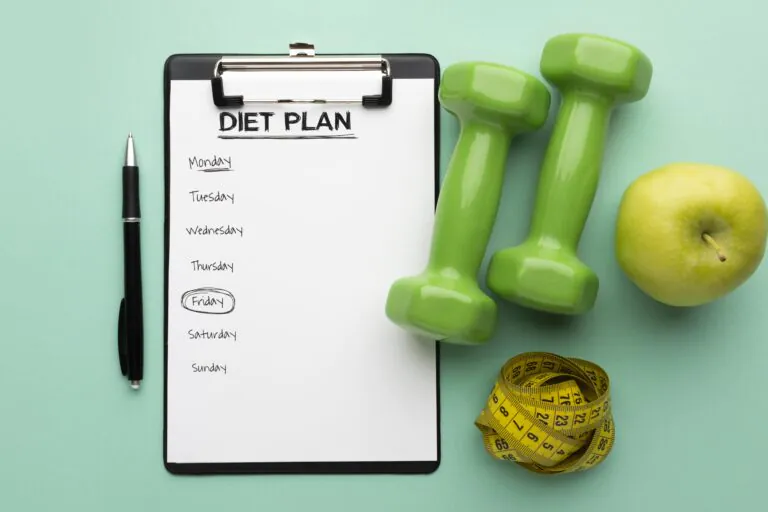

Quick Answer: Staying fit and fine requires consistent exercise, balanced nutrition, quality sleep, and effective stress management. Incorporating daily habits such as walking, strength training, mindful eating, and hydration helps maintain energy, strength, and overall well-being. Combining these habits with ongoing fitness education ensures long-term health and vitality.
Understanding how to keep fit and fine is essential for anyone looking to maintain physical strength, mental clarity, and long-term health. Fitness is not limited to gym sessions or extreme diets. It is about building sustainable habits that support your body and mind while improving energy, resilience, and longevity. By focusing on exercise, nutrition, rest, and knowledge, you can achieve a lifestyle where staying fit and fine becomes natural, achievable, and enjoyable.
What “Keeping Fit and Fine” Really Means
Keeping fit and fine goes beyond appearance or the number on a scale. It is a holistic concept that combines physical health, mental well-being, and nutritional balance.
- Physical Health: Engaging in regular exercise improves cardiovascular health, strengthens muscles, increases flexibility, and enhances endurance. Staying physically active allows your body to perform daily tasks efficiently while reducing the risk of chronic diseases.
- Mental Resilience: Mental wellness is a crucial aspect of keeping fit and fine. Practices such as meditation, mindful breathing, and stress management techniques enhance focus, reduce anxiety, and improve overall mood. A strong mind complements a strong body, ensuring that your fitness journey is sustainable.
- Nutritional Balance: Eating a balanced diet provides the energy needed for workouts, recovery, and daily activities. Understanding the right proportions of proteins, carbohydrates, and fats helps optimize performance and maintain a healthy weight. Good nutrition also supports mental health by improving focus, mood, and cognitive function.
- Consistency over Intensity: One of the most important principles of staying fit and fine is consistency. Short, daily efforts over time produce better results than occasional extreme workouts. Small lifestyle adjustments, practiced consistently, are key to long-term wellness.
Proven Daily Habits for Fitness Success
Daily habits are the foundation of knowing how to keep fit and fine. These are practices that can be incorporated into everyday life, no matter your schedule or fitness level.
- Move Every Day: Engage in at least 30 minutes of physical activity, including walking, jogging, or light stretching. Avoid prolonged sitting by taking breaks during work hours. Even simple activities like using stairs instead of elevators or walking during phone calls can increase daily movement.
- Strength Training:Incorporate resistance training two to three times a week. If you want structured, science-backed learning, a professional fitness trainer course can help you understand program design and exercise mechanics in depth.
- Hydration: Proper hydration enhances energy levels, aids digestion, and supports cognitive function. Drink at least two to three liters of water daily. Include natural electrolyte sources, such as coconut water or fruits, especially after intense workouts or exposure to heat.
- Sleep and Recovery: Sleep is vital for muscle repair, hormone regulation, and mental clarity. Aim for seven to nine hours of quality sleep per night. Incorporate rest days into your fitness routine to allow the body to recover fully, preventing fatigue and injury.
- Stress Management: Manage stress through practices such as mindfulness meditation, yoga, journaling, or even walking in nature. Reducing stress is essential for hormone balance, improved sleep quality, and better overall physical and mental health.
Nutrition Habits That Make You Stronger
Nutrition is a central pillar in learning how to keep fit and fine. Your diet fuels your body and mind, helping you perform better in workouts and recover faster afterward.
- Macronutrients:Include balanced proportions of protein, carbohydrates, and healthy fats. Those looking to combine exercise science with nutrition expertise can benefit from structured fitness and nutrition courses that integrate both disciplines.
- Balanced Diet: Focus on whole foods, including vegetables, fruits, whole grains, lean proteins, and healthy fats. Avoid extreme or fad diets that promise rapid results but are unsustainable in the long run.
- Hydration and Digestion: Drink plenty of water and consume foods rich in fiber to maintain healthy digestion. Probiotics, such as yogurt or fermented foods, can also improve gut health, which is closely linked to energy and fitness.
- Meal Timing: Plan meals around your activity level. Eating a balanced meal or snack before workouts provides energy, and post-workout nutrition supports recovery and muscle growth.
- Mindful Eating: Avoid overeating by paying attention to hunger and fullness cues. Mindful eating helps maintain a healthy weight and reinforces sustainable nutrition habits essential for staying fit and fine.
Fitness Strategies at Every Age
The methods for how to keep fit and fine evolve as we age. Age-appropriate adjustments help maintain health while preventing injury.
- In Your 20s and 30s: Focus on building strength and endurance. Individuals in South India who prefer classroom-based guidance can explore a structured fitness trainer course in Kerala for practical and theoretical training.
- Mid-Life (30s to 40s): As metabolism naturally slows, emphasize strength, flexibility, and joint-friendly workouts. Incorporate core exercises to support posture and prevent back pain.
- After 40: Prioritize balance, flexibility, and recovery. Low-impact activities such as swimming, yoga, or cycling reduce joint stress while maintaining fitness levels.
- Older Adults: Safety is the priority. Focus on gentle strength exercises, mobility drills, and activities that improve balance. Even moderate movement, performed consistently, supports longevity and overall wellness.
Expert Tips That Actually Work
Learning how to keep fit and fine is easier when you apply proven strategies:
- Set Realistic Goals: Break down your long-term fitness goals into manageable milestones. Achieving smaller goals builds motivation and consistency.
- Create Accountability: Join a class, train with a partner, or track your progress digitally. For those in North India aiming to enter the field professionally, enrolling in a recognized fitness trainer course in Delhi can provide structured accountability and expert mentorship.
- Motivation Hacks: Reward yourself for milestones achieved. Celebrate consistency rather than perfection.
- Track Progress: Keep a journal, note personal records, and monitor changes in strength, endurance, or flexibility. Progress tracking ensures you can adjust your routine and celebrate improvement.
How Education Helps You Stay Fit and Fine
Understanding how to keep fit and fine is enhanced by education. Evidence-based knowledge allows you to make informed decisions about exercise, nutrition, and lifestyle.
- Science-Based Fitness Knowledge: Learning anatomy, physiology, and exercise science ensures you perform workouts safely and effectively.
- Nutrition Knowledge: Understanding macronutrients, meal planning, and dietary balance improves energy, recovery, and overall health.
- Professional Courses: Certified courses in personal training or nutrition allow you to gain skills that benefit both personal wellness and career growth.
- Empowered Decision Making: Education enables you to create personalized fitness plans that suit your body type, goals, and lifestyle.
Common Fitness Myths Debunked
Myth 1: You must spend hours in the gym
Reality: Focused, consistent workouts yield better results than occasional extreme sessions
Myth 2: Carbs make you fat
Reality: Complex carbohydrates provide essential energy for workouts and daily activity
Myth 3: Strength training makes women bulky
Reality: Women require specific training and hormones for muscle bulking, so regular strength training enhances tone without bulk
Myth 4: You can out-exercise a poor diet
Reality: Nutrition is equally important; exercise alone cannot compensate for an unhealthy diet
Myth 5: Older adults cannot build strength
Reality: Safe, age-appropriate training helps maintain and even improve strength at any age
How to Keep Fit and Fine — 6-Point Action Plan
- Daily Movement: Walk, stretch, or do light cardio consistently
- Balanced Diet: Include proteins, carbohydrates, fats, and micronutrients
- Strength and Flexibility Training: Incorporate functional exercises and stretching routines
- Rest and Recovery: Ensure quality sleep and allow time for recovery between workouts
- Track Habits: Monitor progress and maintain accountability through journaling or apps
- Ongoing Learning: Stay informed about fitness and nutrition to adjust routines effectively
Ready to Take Your Fitness Journey to the Next Level?
Unlock the science behind staying fit and fine with evidence-based courses from National Fitness and Nutrition Academy (NFNA). Whether your goal is to maintain lifelong health, improve your nutrition knowledge, or pursue a professional career in fitness, NFNA provides the tools and expertise you need.
Explore NFNA Programs:
- Enroll in the Applied Nutrition Diploma to master nutrition for personal and professional growth
- Start your Personal Training Career with certified courses designed for all experience levels
Take the first step today and empower yourself with the knowledge to live healthier, stronger, and more confident every day.
Read Our Latest Blogs:
5 Day Gym Workout Schedule | Gym Workout Diet Chart | 6 Day Gym Workout Schedule For Beginners | Difference Between Strength Training And Weight Training | Strength Training For PCOS | Strength Training For Athletes | How Much Protein In A Banana | How Much Protein In Soya Chunks | How Much Protein In 1 Glass Milk | How Much Protein In Paneer
Frequently Asked Questions
Q1. How can I stay fit and fine without a gym membership?
You can stay fit and fine through home workouts, walking, running, bodyweight exercises, and stretching. Consistency and progressive intensity are key to maintaining results.
Q2. Can I stay fit and fine with a busy lifestyle?
Yes. Incorporating short workouts, taking walking breaks, practicing mindful eating, and prioritizing sleep can help you maintain fitness even with limited time.
Q3. Is it possible to keep fit and fine after 50?
Absolutely. With age-appropriate exercises focusing on strength, flexibility, balance, and low-impact cardio, staying fit and fine at 50 and beyond is achievable.
Q4. Will diet alone help me keep fit and fine?
Diet is essential but not sufficient alone. Exercise, sleep, and stress management are equally critical components of a sustainable fitness plan.
Q5. What is the best way to keep fit and fine daily?
The best way is to combine daily physical activity, a balanced diet, hydration, quality sleep, and stress management while tracking habits consistently.
Q6. Why is education important for staying fit and fine?
Education empowers you to make informed decisions about workouts, nutrition, and lifestyle, ensuring safety, effectiveness, and long-term sustainability.
Q7. How often should I exercise to keep fit and fine?
Engage in 3 to 5 days per week of combined cardio, strength, and flexibility training. Short, consistent sessions are more effective than sporadic, intense workouts.
Q8. Can mindfulness help me stay fit and fine?
Yes. Mindfulness, meditation, and stress-reduction practices improve mental resilience, hormone balance, and recovery, which directly supports overall fitness and well-being.