Quick Answer: If you are looking to know how much protein in soya chunks, the answer is that 100 grams of dry soya chunks contain approximately 52 grams of high-quality protein. Cooked soya chunks provide about 17 grams per 100 grams due to water absorption. Soya chunks are low in fat, high in fiber, rich in minerals like iron and calcium, and are an excellent plant-based protein source for vegetarians and vegans.
Protein is one of the most essential nutrients for the human body, supporting muscle growth, tissue repair, metabolism, and overall health. For vegetarians, vegans, and fitness enthusiasts, finding a high-protein, plant-based food is critical. If you are asking how much protein in soya chunks you can consume in a day, the answer is around 52 grams per 100 grams of dry soya chunks. These versatile chunks can be easily included in daily meals. In this article, we will discuss the full nutritional profile of soya chunks, their health benefits, comparisons with other protein sources, possible side effects, and practical ways to add them to your diet.
For those interested in building deeper knowledge of nutrition science and diet planning, a structured dietician course in india can help develop strong fundamentals in applied and clinical nutrition.
What Are Soya Chunks?
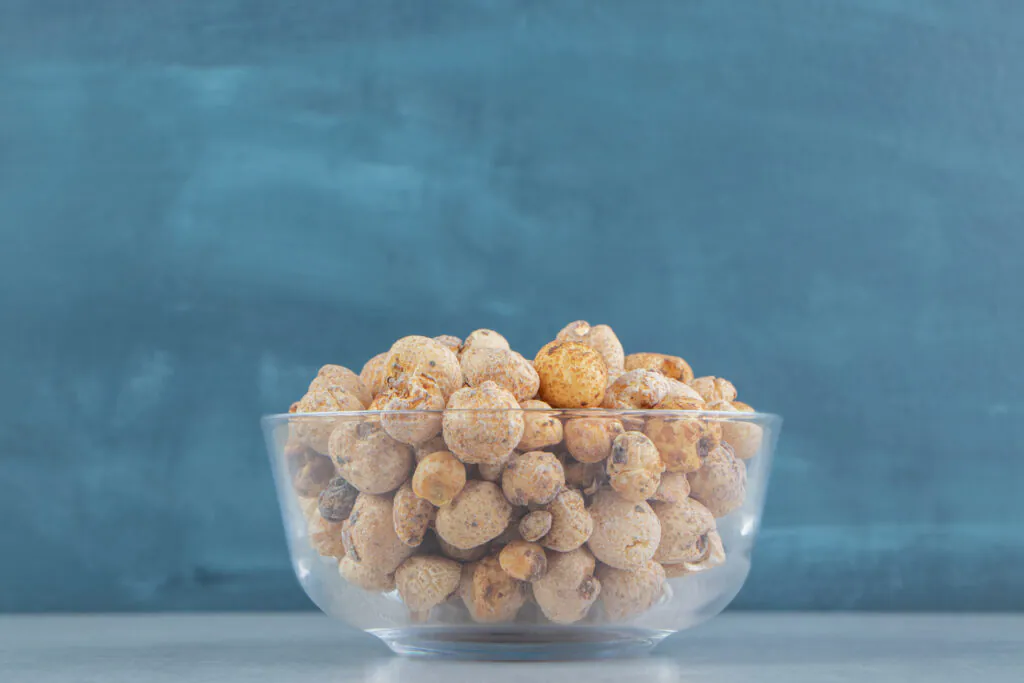
Soya chunks, also known as textured soy protein or textured vegetable protein, are made from defatted soy flour, which is the byproduct obtained after extracting soybean oil. These chunks are highly valued for their protein content and versatility.
Soya chunks are widely used in vegetarian and vegan diets as a replacement for meat because of their texture and high protein concentration. They have a neutral taste and can absorb the flavors of spices, sauces, and herbs, making them ideal for curries, stir-fries, soups, salads, and snacks. Including soya chunks in your diet is one of the easiest ways to meet daily protein requirements without consuming animal products, especially when compared to dairy options like checking how much protein in paneer.
Learning how to guide others on plant-based protein choices is a key skill taught in a dietician course in kolkata. Soya chunks are also considered a complete protein source because they contain all nine essential amino acids necessary for the human body, making them especially important for those who do not consume meat or dairy products.
How Much Protein Is There in Soya Chunks Per 100 Grams?
If you are specifically searching for how much protein in soya chunks, here is the detailed answer. Dry soya chunks are extremely protein-rich.
Protein content in soya chunks:
- Dry soya chunks contain approximately 52 grams of protein per 100 grams
- Cooked soya chunks contain approximately 17 grams of protein per 100 grams because they absorb water and expand in size
It is important to note that the protein content decreases per 100 grams after cooking due to water absorption, but the overall protein intake remains high if the portion of dry soya chunks is measured correctly. Soya chunks are considered one of the highest protein vegetarian foods and are often recommended for athletes, bodybuilders, and individuals looking to increase their protein intake without consuming animal products.
Understanding protein timing and portion control is also a core concept covered in a certified fitness trainer course.
Full Nutritional Profile of Soya Chunks Per 100 Grams Dry
Soya chunks are not only rich in protein but also contain other important nutrients that contribute to overall health. Understanding their complete nutritional profile helps in planning a balanced diet. Here is what 100 grams of dry soya chunks contain:
- Protein content in soya chunks: 52 grams of protein, which is a complete protein containing all nine essential amino acids
- Calories: 336 calories per 100 grams, making them a high-energy food
- Carbohydrates: 33 grams of carbohydrates, providing energy for daily activities
- Dietary fiber: 13 grams of fiber, aiding in digestion and promoting gut health
- Fat: 0.5 grams of fat, making them extremely low in fat and heart-healthy
- Minerals: Calcium 160 mg, essential for strong bones and teeth
- Iron 16 mg, which supports blood health and prevents anemia
Because of this nutritional profile, soya chunks are an excellent food to include in vegetarian and vegan diets, especially for those who want high protein content with minimal fat intake. Professionals who want to combine nutrition planning with strength training often enhance their skills through personal training courses.
Why Soya Chunks Protein Is Important
The protein content in soya chunks makes them highly beneficial for multiple aspects of health and fitness.
Benefits of protein in soya chunks:
- Supports muscle growth and repair after exercise
- Helps in weight management by promoting a feeling of fullness
- Reduces cholesterol levels and supports heart health
- Provides essential minerals like iron and calcium
- Maintains overall metabolic functions
Soya chunks can also be compared to other protein sources to understand their value:
Protein comparison in soya chunks:
- Dry soya chunks provide 52 grams of protein per 100 grams
- Paneer provides 18 grams per 100 grams and is rich in calcium
- Tofu provides 8 grams per 100 grams and is versatile in cooking
- Eggs provide 13 grams per 100 grams but are not suitable for vegans
- Chicken provides 27 grams per 100 grams as an animal-based protein
Soya chunks outperform many vegetarian sources of protein in terms of density and completeness, making them an ideal choice for high-protein diets.
Health Benefits of Soya Chunks Beyond Protein
Apart from protein, soya chunks offer several other health benefits:
- Muscle repair and growth: The high protein content in soya chunks supports recovery after workouts and helps build lean muscle mass
- Weight management and appetite control: The combination of protein and fiber promotes satiety, reducing the likelihood of overeating
- Heart health: Low in fat and cholesterol-free, soya chunks help maintain healthy cholesterol levels
- Digestive health: Dietary fiber in soya chunks supports regular bowel movements and improves gut health
- Hormonal balance: Contains phytoestrogens that may benefit hormonal health, particularly in women
Soya chunks are therefore not only a rich protein source but also a food that supports overall health and wellness comparable in some ways to protein in 200g chicken breast for those who eat meat.
Are There Any Side Effects of Too Much Soya Chunks?
While soya chunks are generally safe and healthy, consuming them in excessive amounts may cause mild side effects. These include:
- Hormonal effects: High intake of phytoestrogens from soya may slightly influence hormone levels in sensitive individuals
- Thyroid considerations: Overconsumption could affect thyroid function in people with existing thyroid conditions
- Digestive discomfort: Eating large amounts may lead to gas or bloating due to high fiber content
To enjoy the benefits of soya chunks safely, it is recommended to consume around 25 to 50 grams of dry soya chunks per day. This ensures you receive enough protein without causing unwanted side effects pairing them with dairy sources like checking the protein content in curd can help balance your overall intake.
How to Include Soya Chunks in Your Daily Diet
Soya chunks can be easily included in meals to boost protein intake. Here are some practical tips:
Preparation
- Soak or boil soya chunks in water for 10 to 15 minutes before cooking
- Squeeze out excess water to improve texture and absorb spices better
Meal ideas
- Add to curries, stir-fries, and soups for a high-protein boost
- Include in salads or wraps for a quick and nutritious meal
- Use in snacks like soya cutlets or protein balls
Pairing
- Combine with grains like rice or quinoa and vegetables for a balanced meal
- Add herbs, spices, and sauces to enhance flavor and nutrition
Consuming soya chunks regularly is one of the most effective ways to increase daily protein intake naturally.
Who Should Eat Soya Chunks and Who Should Be Cautious
Soya chunks are ideal for:
- Vegetarians and vegans seeking plant-based protein
- Athletes, bodybuilders, and fitness enthusiasts
- Individuals looking to manage weight or cholesterol
Caution is advised for:
- People with thyroid disorders
- Individuals with soy allergies
- Those sensitive to high-fiber foods who may experience digestive discomfort
Ready to Deepen Your Nutrition Knowledge?
Understanding foods like soya chunks is just the beginning. If you want to learn the science behind nutrition, design effective diets, or build a professional career in fitness and health, NFNA India’s expert-led academy offers certified courses with lifetime mentorship and industry support.
Enroll with NFNA today and transform your passion for health into a rewarding profession. Explore courses, learn from top dietitians and trainers, and unlock your potential in the booming world of nutrition and fitness.
Conclusion
If you want to know how much protein in soya chunks is packed per serving, 100 grams of dry soya chunks provide around 52 grams of complete, high-quality protein. They are low in fat, rich in fiber, contain essential minerals, and are extremely versatile in cooking. Including soya chunks in daily meals is an effective way to meet protein requirements, support muscle growth, aid weight management, and maintain overall health.
Soya chunks are one of the best vegetarian protein sources available today, offering both nutritional value and versatility in everyday diets.
Read Our Latest Blogs:
High Protein Vegetarian Foods In India | Protein Rich Indian Breakfast | Upper Body Strength Training | Gym Workout For Belly Fat | 5 Day Gym Workout Schedule | Gym Workout Diet Chart | 6 Day Gym Workout Schedule For Beginners | Difference Between Strength Training And Weight Training | Strength Training For PCOS | Strength Training For Athletes
Frequently Asked Questions
Q1. How much protein is in 100 grams of cooked soya chunks?
Cooked soya chunks provide approximately 17 grams of protein per 100 grams because water absorption reduces protein density compared to dry soya chunks.
Q2. Can soya chunks help in muscle gain?
Yes. The high-quality protein in soya chunks supports muscle repair and growth, making it suitable for bodybuilders and fitness enthusiasts.
Q3. Is soya chunks better than paneer for protein?
Yes. Dry soya chunks contain around 52 grams of protein per 100 grams, which is much higher than paneer, which contains only 18 grams per 100 grams.
Q4. Will eating too many soya chunks affect hormones?
Excessive consumption of soya chunks may slightly affect hormones due to phytoestrogens, but moderate intake is safe for most people.
Q5. What are the side effects of consuming too many soya chunks?
Possible side effects include digestive issues such as gas or bloating and mild hormonal effects in sensitive individuals. Moderation is key.
Q6. Why are soya chunks considered a complete protein?
Soya chunks contain all nine essential amino acids, making them a complete protein source, which is rare in plant-based foods.
Q7. How should soya chunks be cooked for maximum protein retention?
Soak or boil the soya chunks until soft, then cook in curries, stir-fries, or salads without overcooking to preserve protein content.
Q8. Can soya chunks be included in a vegan diet?
Absolutely. Soya chunks are entirely plant-based and provide a high-protein alternative suitable for vegan diets.