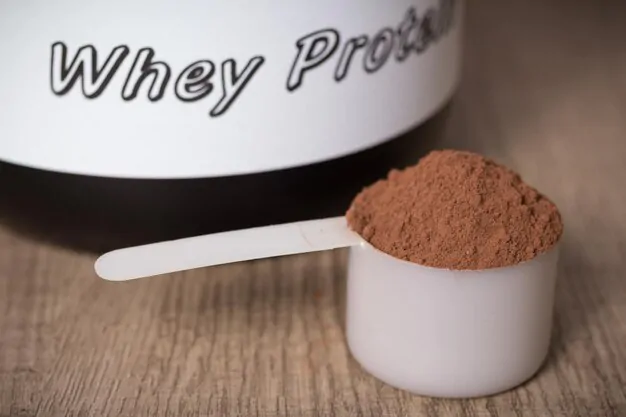
Understanding 1 scoop of whey protein calories is essential for anyone serious about fitness, nutrition, and body composition goals. On average, 1 scoop of whey protein calories ranges between 100 and 150, depending on the type and brand. Knowing this helps you plan your daily calorie intake accurately, whether your goal is muscle gain, fat loss, or maintenance.
Whey protein is one of the most popular supplements in the fitness world because it provides a concentrated source of high-quality protein that supports muscle repair, recovery, and overall health. Tracking 1 scoop of whey protein calories allows you to align your supplementation with your personal nutrition plan, avoid overconsumption, and maximize the benefits of your training. At NFNA, we focus on evidence-based nutrition to help you make informed choices and achieve your fitness goals efficiently.
What Is Whey Protein and Why It’s Popular
Whey protein is a protein derived from milk during the cheese-making process. It is a complete protein, which means it contains all nine essential amino acids that the body cannot produce on its own. This makes whey protein highly valuable for muscle repair, recovery, and growth, and explains why it has become a staple in fitness nutrition.
Types of Whey Protein
- Whey Protein Concentrate; Typically contains 70 to 80 percent protein, with small amounts of carbohydrates and fats. It is often more flavorful and more affordable than other forms. The calorie content varies, so tracking 1 scoop of whey protein calories is important for accuracy.
- Whey Protein Isolate: Highly purified protein, usually 90 percent or higher, with very low carbohydrates and fats. Ideal for those who want to minimize calorie intake while maximizing protein content. 1 scoop of whey protein calories in isolates is often lower than concentrates.
- Whey Protein Hydrolysate: Pre-digested whey that is absorbed quickly by the body, often used in post-workout recovery formulas. 1 scoop of whey protein calories for hydrolysate usually falls between 100 and 120, making it a light but effective option.
Whey protein is widely used because it helps improve muscle synthesis, recovery, and overall performance. It is suitable for beginners and professional athletes alike. By knowing 1 scoop of whey protein calories, you can plan your nutrition with precision.
The Calorie Content: How Many Calories in 1 Scoop of Whey Protein
When it comes to 1 scoop of whey protein calories, understanding the differences between protein types and brands is key. On average, calories per scoop range from 100 to 150. The exact calorie content depends on factors like protein type, flavoring, and serving size.
Typical calorie and nutrient breakdown for 1 scoop of whey protein:
Whey Protein Concentrate
- Calories per scoop: 130 to 150
- Protein: 20 to 25 grams
- Carbohydrates: 3 to 5 grams
- Fat: 2 to 4 grams
Whey Protein Isolate
- Calories per scoop: 100 to 120
- Protein: 24 to 27 grams
- Carbohydrates: 1 to 3 grams
- Fat: 0.5 to 1 gram
Whey Protein Hydrolysate
- Calories per scoop: 100 to 120
- Protein: 25 to 28 grams
- Carbohydrates: 1 to 2 grams
- Fat: 0.5 to 1 gram
Knowing 1 scoop of whey protein calories is essential for tracking your macronutrients and ensuring that you meet your protein requirements without exceeding your calorie goals.
Nutritional Breakdown of 1 Scoop of Whey Protein
A single scoop of whey protein offers more than just protein; it provides a balance of macronutrients and micronutrients to support overall health and fitness.
Protein
Protein in whey is a complete source, rich in essential amino acids such as leucine, isoleucine, and valine. These amino acids help with muscle repair, recovery, and growth, making whey protein ideal for post-workout supplementation. 1 scoop of whey protein calories often delivers 20 to 28 grams of protein, depending on the type.
Carbohydrates
While the carbohydrate content is low, it provides a small amount of energy to support workouts and recovery. Concentrates have slightly higher carbs than isolates and hydrolysates.
Fats
Fat content in whey protein is minimal, but it contributes to hormone production and cellular function, supporting overall wellness.
Micronutrients
Some whey proteins also provide minerals and vitamins like calcium, magnesium, and B-complex vitamins, which support bone health, energy metabolism, and recovery.
A single scoop is a nutrient-dense option, providing essential nutrients in a convenient form while keeping calorie intake controlled.
Factors That Affect Calorie Count in Whey Protein
The calorie content of whey protein can vary based on several factors. Understanding these helps you make better decisions about your intake of 1 scoop of whey protein calories.
- Brand and Formulation: Sweeteners, flavorings, and other additives can increase the calorie content.
- Processing Method: Whey protein concentrates generally have slightly higher calories than isolates.
- Serving Size Accuracy: Using a heaping scoop instead of a level scoop can add 20 to 30 calories.
- Mixing Liquid: Mixing whey with water keeps calories minimal, while milk or juice increases total calories.
Tracking 1 scoop of whey protein calories carefully ensures accurate nutrition planning and helps you achieve your fitness goals.
How to Incorporate Whey Protein into Your Diet
Integrating whey protein into your diet is easy and versatile. Here are some ways to make the most of 1 scoop of whey protein calories:
- For Muscle Gain: Mix whey protein with milk, a banana, and oats for a post-workout recovery shake.
- For Weight Loss: Blend whey protein with water and fiber-rich ingredients like chia seeds or psyllium husk to keep calories low.
- As a Meal Replacement: Combine whey protein with fruits, nut butter, and oats for a convenient and nutrient-dense meal.
- Creative Options: Use whey protein in pancakes, smoothies, and baked goods to enhance taste while controlling 1 scoop of whey protein calories.
Proper planning helps you maximize the benefits of whey protein while staying within your caloric targets.
Choosing the Right Whey Protein for Your Goals
Different whey proteins are suited for specific fitness objectives. Choosing the right type ensures that 1 scoop of whey protein calories fits your goals.
- Lean Muscle: Whey isolate is ideal because of its high protein and low carbohydrate and fat content.
- Bulking: Whey concentrate or blended proteins provide extra calories for energy surplus and muscle growth.
- Recovery: Hydrolysate is absorbed quickly, perfect for post-workout nutrition.
- Vegan Alternatives: Plant-based proteins can serve as an alternative for those avoiding dairy, though calorie content may vary.
Reading nutrition labels and checking for certifications ensures that you get a quality product while accurately tracking 1 scoop of whey protein calories.
Expert Insight from NFNA
Understanding 1 scoop of whey protein calories is key for personalized nutrition. NFNA instructors emphasize the importance of tracking calories and macronutrients to ensure every scoop contributes effectively to your fitness and wellness objectives.
“Tracking calorie content in supplements is essential for aligning nutrition with fitness goals. Each scoop of whey protein can make a difference when used strategically.” – NFNA Instructor
Conclusion
Whey protein is a versatile, nutrient-dense supplement that goes beyond simply providing protein. By understanding 1 scoop of whey protein calories, you can make informed decisions for muscle gain, weight management, or recovery. Proper tracking ensures that your protein intake aligns with your overall dietary goals, maximizing the benefits of your training. Incorporate whey protein strategically, and each scoop can contribute to a healthier, stronger, and fitter you. If you want to deepen your understanding of supplementation, macronutrient planning, and clinical nutrition, pursuing a nutrition and dietetics certification at NFNA gives you the evidence-based expertise and practical skills to turn your passion for fitness nutrition into a professional career.
Visit NFNA.in to start your journey to becoming a certified nutrition expert today.
Frequently Asked Questions
Q1. How many calories are in 1 scoop of whey protein?
On average, 1 scoop of whey protein calories ranges from 100 to 150, depending on the type and brand.
Q2. Is whey protein effective for weight loss?
Yes, whey protein can support weight loss by providing satiety and helping maintain lean muscle mass while keeping calories in check.
Q3. Does flavored whey protein have more calories?
Flavored whey proteins often contain sweeteners and additives, which slightly increase 1 scoop of whey protein calories compared to unflavored versions.
Q4. Which is better for calories—whey isolate or concentrate?
Whey isolate generally has fewer calories and less fat and carbohydrate, making it ideal for those closely monitoring 1 scoop of whey protein calories.
Q5. Can whey protein replace meals?
Whey protein can supplement meals, but whole foods are recommended for a balanced intake of micronutrients.
Q6. How much protein does 1 scoop provide?
Typically, 1 scoop of whey protein provides 20 to 28 grams of high-quality protein, depending on the type.
Q7. Does mixing whey protein with milk affect calories?
Yes, mixing with milk adds carbohydrates and fat, increasing the total 1 scoop of whey protein calories.
Q8. Can whey protein help with post-workout recovery?
Absolutely. The amino acids in whey protein support muscle repair, reduce recovery time, and improve strength gains.