
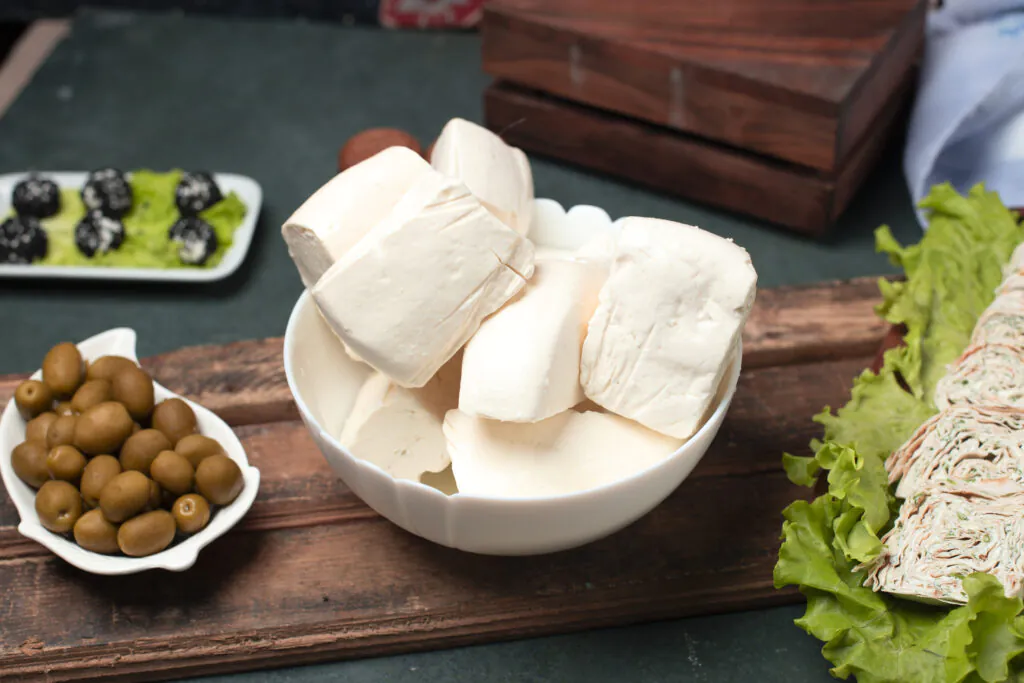
If you are curious about how much protein in 100 gm paneer and why it is considered a staple in Indian fitness and health diets, this article provides the answer in detail. Paneer is one of the richest vegetarian protein sources, offering approximately 18 to 25 grams of high-quality protein per 100 grams, depending on the type and preparation.
Protein is essential for muscle building, repair, and overall body function. Paneer not only provides protein but also supplies calcium, phosphorus, vitamin B12, and healthy fats, making it an ideal food for vegetarians, athletes, and fitness enthusiasts. In this guide, we will explore how much protein in 100 gm paneer, compare it with other protein sources, discuss its health benefits, and share practical tips for incorporating paneer into your daily diet to maximize nutrition and wellness.
What is Paneer and Why is It Important?
Paneer, also called Indian cottage cheese, is made by curdling milk with an acidic ingredient like lemon juice or vinegar. It is widely used in Indian cuisine for its versatility, flavor, and nutritional value. Knowing how much protein in 100 gm paneer is particularly important for those who aim to meet their daily protein requirements through vegetarian sources.
Paneer is not just a source of protein but also a nutrient-dense food that contributes to overall health. Key nutrients in paneer include:
- Protein: 18 to 25 grams per 100 grams depending on fat content and preparation
- Calcium: Essential for strong bones and teeth
- Phosphorus: Supports energy metabolism and cell function
- Vitamin B12: Important for red blood cell formation and nerve health
- Healthy fats: Provide energy and support hormone production
Paneer is also culturally significant in India, forming part of traditional meals and snacks. Its combination of high-quality protein and essential nutrients makes it an excellent food for fitness enthusiasts, dietitians, and anyone interested in a balanced, nutritious diet.
How Much Protein in 100 gm Paneer?
Understanding how much protein in 100 gm paneer is crucial for anyone trying to build muscle, lose weight, or maintain overall health. The protein content can vary depending on the type of milk used, whether it is full-cream or low-fat, and the method of preparation. On average:
- Full-cream paneer contains approximately 25 grams of protein per 100 grams
- Low-fat paneer contains approximately 18 grams of protein per 100 grams
Paneer provides a slow-digesting protein called casein, which releases amino acids gradually. This makes it ideal for muscle recovery, sustained energy, and satiety.
Protein content of paneer compared to other vegetarian and non-vegetarian sources:
- Full-cream paneer: 25 grams protein per 100 grams
- Low-fat paneer: 18 grams protein per 100 grams
- Tofu: 8 grams protein per 100 grams
- Chicken (cooked): 27 grams protein per 100 grams
- Eggs: 13 grams protein per 100 grams
- Lentils: 9 grams protein per 100 grams
Clearly, paneer is among the top vegetarian protein sources. Knowing how much protein in 100 gm paneer helps you calculate daily protein intake and meet nutritional goals efficiently.
Paneer vs Other Protein Sources
Paneer stands out as a high-protein vegetarian food, but it is also useful to compare it with other protein sources to understand its value:
- Chicken and fish have slightly higher protein per 100 grams but are not vegetarian
- Eggs are moderately high in protein but may not fit vegan or vegetarian diets
- Tofu is a plant-based option with less protein than paneer
- Lentils and pulses provide protein but in lower amounts and often need combination with other foods for a complete amino acid profile
Advantages of Paneer:
- Rich in protein and calcium
- Easily digestible
- Ideal for vegetarians and those avoiding meat
- Supports muscle growth, bone strength, and overall health
Knowing how much protein in 100 gm paneer allows vegetarians and fitness enthusiasts to plan meals that match their dietary needs without compromising on protein quality.
Health Benefits of Paneer Protein
Muscle Building and Repair
Paneer is an excellent source of casein protein, which is absorbed slowly by the body. Eating paneer after a workout provides sustained amino acids that help repair muscles and stimulate growth. If you are tracking how much protein in 100 gm paneer for muscle gain, incorporating full-cream or low-fat paneer can make a noticeable difference in recovery and strength development.
Weight Management
High-protein foods like paneer increase satiety, helping you feel fuller for longer and potentially reducing overall calorie intake. For people aiming to control weight, understanding how much protein in 100 gm paneer can help structure meals that support metabolism and fat loss.
Bone Health and Calcium Support
Paneer provides a combination of protein and calcium, essential for strong bones and teeth. Protein supports the structure of bone, while calcium ensures density and strength. Consuming paneer regularly can be particularly beneficial for older adults or children, helping prevent bone-related health issues.
Hormonal and Metabolic Health
Paneer is rich in vitamin B12, potassium, and healthy fats, which play an important role in hormonal balance, nerve function, and metabolism. Including paneer in your diet ensures your body gets high-quality protein along with micronutrients essential for overall health.
Best Ways to Include Paneer in Your Diet
Paneer is incredibly versatile and can be easily incorporated into meals to meet protein requirements:
- Bhurji or scrambled paneer for breakfast or snacks
- Paneer tikka or grilled paneer for a high-protein snack
- Salads, wraps, and sandwiches combined with vegetables
- Paneer smoothies with milk or yogurt for post-workout recovery
- Curries and stir-fries paired with high-fiber foods
Tips for Meal Planning:
- For muscle gain, choose full-cream paneer to increase protein and calorie intake
- For weight management, use low-fat paneer and pair it with vegetables
- Combine paneer with vitamin C-rich foods to improve protein absorption
Tracking how much protein in 100 gm paneer in each meal ensures you meet daily protein targets efficiently.
Expert Tips to Maximize Protein Absorption
- Pair paneer with vitamin C-rich foods like bell peppers or citrus fruits
- Avoid deep-frying; prefer grilling, baking, or sautéing
- Consume post-workout or before bedtime to maximize muscle recovery
- Include a mix of paneer and other protein sources for balanced nutrition
These strategies ensure your body gets the full benefit of how much protein in 100 gm paneer in each meal.
Who Should Include Paneer in Their Diet?
Paneer is highly beneficial for:
- Gym-goers, athletes, and bodybuilders looking for vegetarian protein
- Vegetarians and vegans transitioning to include dairy
- Children and older adults for bone health and growth
- Individuals managing weight or blood sugar
Knowing how much protein in 100 gm paneer helps these groups structure meals to meet specific health and fitness goals.
Final Thoughts
Paneer is a protein powerhouse that provides 18 to 25 grams of high-quality protein per 100 grams along with essential vitamins and minerals. Understanding how much protein in 100 gm paneer allows you to plan meals effectively for muscle building, weight management, and overall wellness. Whether you are a vegetarian, athlete, or health-conscious individual, paneer is a versatile food that should have a place in your daily diet.
Take Your Nutrition Knowledge to the Next Level with NFNA
If you are passionate about nutrition, fitness, and food science, it’s time to transform your knowledge into a career. NFNA, India’s leading institute for Nutrition and Fitness Education, offers certified courses with expert guidance to help you achieve your professional goals.
- Learn from certified doctors, dietitians, and fitness experts
- Gain industry-recognized certifications
- Build your own fitness and nutrition brand online or offline
Explore NFNA courses today and turn your passion for nutrition into a successful career.
Frequently Asked Questions
Q1. How much protein in 50 gm paneer?
50 grams of paneer provides approximately 9 to 12 grams of protein depending on whether it is full-cream or low-fat.
Q2. Can I eat 200 gm of paneer daily?
Yes, 200 grams of paneer provides 36 to 50 grams of protein, making it suitable for active adults, but ensure overall calorie intake is balanced.
Q3. Is paneer better than tofu?
Paneer generally contains more protein and calcium than tofu. However, tofu is lower in fat, so the choice depends on dietary goals.
Q4. Does cooking reduce paneer protein content?
Minimal reduction occurs with cooking. Light grilling, sautéing, or steaming preserves most protein content.
Q5. Is paneer good for people with diabetes?
Yes, especially low-fat paneer, as it contains minimal carbohydrates and provides protein without spiking blood sugar.
Q6. Can children eat paneer daily?
Yes, paneer supports growth and bone development, making it an ideal daily protein source for children.
Q7. How does paneer compare to whey protein?
Whey protein is faster-digesting and higher in protein per gram, but paneer is a natural, whole-food source that provides additional nutrients like calcium and vitamin B12.
Q8. Does paneer help in weight loss?
Yes, due to its high protein content, paneer increases satiety, helping control hunger and reduce calorie intake, which supports weight management.