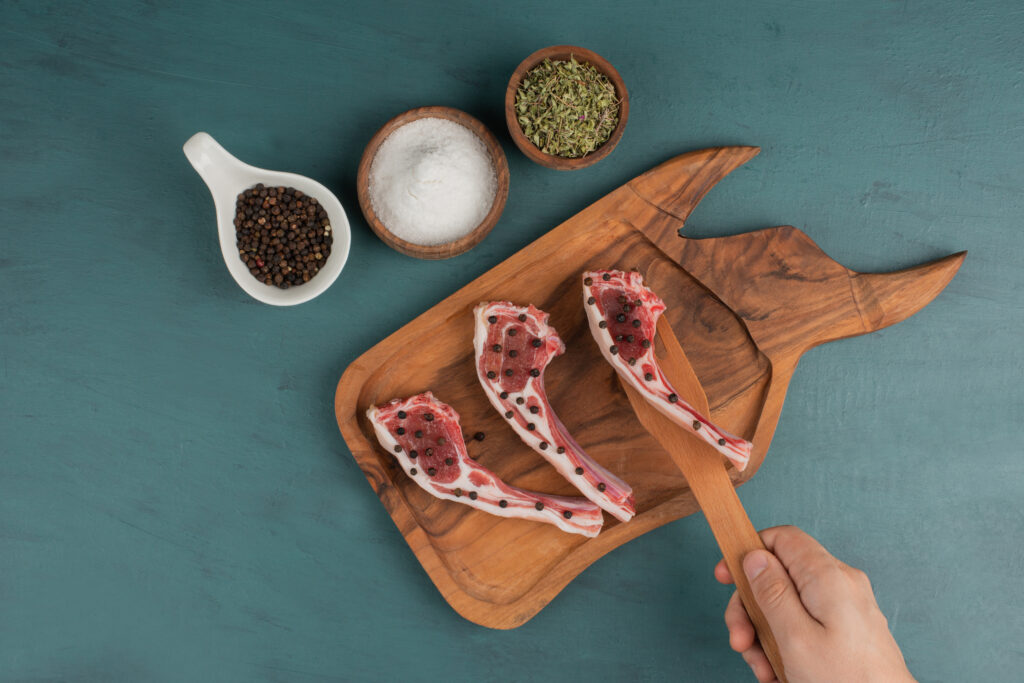
Goat meat nutrition facts show that goat meat is a lean, high-protein red meat that is naturally lower in fat and saturated fat than many other meats. It also provides essential nutrients like iron, zinc, vitamin B12, potassium, and selenium, making it a nutritious choice when enjoyed as part of a balanced diet.
If you’re curious about goat meat nutrition facts, you’re not alone. Goat meat is gaining recognition as a lean, nutrient-rich source of protein that fits well into many healthy eating patterns. Understanding its nutritional profile can help you make informed dietary choices. At NFNA (National Fitness and Nutrition Academy), our evidence-based nutrition and fitness courses in delhi teach students how to evaluate foods scientifically and apply nutrition principles in real-life health and wellness.
What Is Goat Meat?
Goat meat, often referred to as chevon or cabrito depending on the age of the animal, is one of the most widely consumed red meats across the world. It is especially popular in Asia, Africa, the Middle East, the Caribbean, and parts of Europe due to its distinctive flavor and impressive nutritional profile.
Unlike many other red meats, goat meat is naturally lean. It contains less fat and fewer calories while delivering high-quality protein and important vitamins and minerals. This combination has contributed to its growing popularity among individuals seeking healthier protein alternatives.
When discussing goat meat nutrition facts, it is important to remember that the exact nutritional values can vary based on the animal’s age, the cut of meat, and the cooking method.
Goat Meat Nutrition Facts (Per 100 g Serving)
The following values are approximate and may vary slightly depending on the cut and preparation.
|
Nutrient |
Approximate Amount |
|
Calories |
122 kcal |
|
Protein |
23 g |
|
Total Fat |
2.6 g |
|
Saturated Fat |
0.8 g |
|
Carbohydrates |
0 g |
|
Cholesterol |
63 mg |
|
Iron |
3.7 mg |
|
Zinc |
4 mg |
|
Vitamin B12 |
1.2 mcg |
|
Potassium |
385 mg |
|
Phosphorus |
180 mg |
|
Selenium |
8 mcg |
These goat meat nutrition facts highlight why goat meat is often considered a nutrient-dense food. It provides substantial protein while remaining relatively low in fat compared to many traditional red meats.
Health Benefits of Goat Meat
1. Excellent Source of High-Quality Protein
Protein is essential for building and repairing muscles, supporting immune function, producing enzymes, and maintaining healthy tissues.
A 100-gram serving of goat meat delivers around 23 grams of complete protein, containing all the essential amino acids your body requires. This makes goat meat an excellent option for athletes, active individuals, and anyone looking to increase their protein intake. Those wanting to study such protein science in depth can explore a nutrition and dietician course to build relevant expertise.
2. Naturally Lower in Fat
One of the biggest advantages highlighted by goat meat nutrition facts is its naturally low fat content.
Compared to several other red meats, goat meat contains significantly less total fat and saturated fat. This allows people to enjoy red meat while reducing overall fat intake, particularly when choosing lean cuts and healthy cooking methods.
3. Rich in Iron
Iron plays a vital role in producing healthy red blood cells and transporting oxygen throughout the body.
Goat meat provides highly bioavailable heme iron, which is generally absorbed more efficiently than iron from plant-based foods. Adequate iron intake supports energy production and helps maintain normal body functions. If you’re also tracking your daily energy intake, how many calories in maggi offers a useful comparison point.
4. Supports Energy Production
Vitamin B12 is an essential nutrient involved in DNA synthesis, nerve function, and energy metabolism.
Goat meat naturally contains vitamin B12, making it a valuable food for supporting healthy energy production and maintaining normal neurological function.
5. Provides Important Minerals
Besides protein, goat meat supplies several essential minerals, including:
- Zinc for immune health
- Phosphorus for healthy bones and teeth
- Potassium for normal muscle and nerve function
- Selenium, an antioxidant that helps protect cells from oxidative stress
These nutrients contribute to overall health and well-being when consumed as part of a varied diet. Building this kind of mineral and metabolic knowledge further is exactly what a dietician course can help you achieve.
6. May Support Heart-Conscious Eating
Although goat meat is classified as red meat, it contains relatively low amounts of saturated fat compared to many other options.
Choosing lean cuts, controlling portion sizes, and pairing goat meat with vegetables, whole grains, and legumes can support a balanced dietary pattern.
Goat Meat vs Beef: Which Is Healthier?
Many people compare goat meat with beef when choosing a healthier protein source.
|
Nutrient (100 g) |
Goat Meat |
Beef |
|
Calories |
Lower |
Higher |
|
Protein |
Similar |
Similar |
|
Total Fat |
Lower |
Higher |
|
Saturated Fat |
Lower |
Higher |
|
Iron |
High |
High |
|
Zinc |
High |
High |
|
Cholesterol |
Slightly Lower |
Slightly Higher |
From a nutritional perspective, goat meat nutrition facts indicate that goat meat generally contains fewer calories and less fat while still providing comparable protein and essential minerals.
However, both meats can fit into a healthy diet depending on individual nutritional needs, portion sizes, and preparation methods.
Goat Meat vs Chicken
Chicken is another popular source of lean protein. While skinless chicken breast is exceptionally lean, goat meat offers several nutritional advantages.
|
Feature |
Goat Meat |
Chicken |
|
Protein |
High |
High |
|
Iron |
Higher |
Lower |
|
Vitamin B12 |
Higher |
Lower |
|
Zinc |
Higher |
Lower |
|
Fat |
Low |
Very Low (breast) |
|
Flavor |
Rich |
Mild |
Chicken remains an excellent lean protein choice, but goat meat provides more iron, vitamin B12, and zinc, making it particularly beneficial for people looking to increase their intake of these nutrients.
Is Goat Meat Good for Weight Loss?
People aiming to manage their weight often look for foods that are filling yet relatively low in calories.
According to available goat meat nutrition facts, goat meat is rich in protein and relatively low in fat. Protein helps promote satiety, meaning it may help you feel fuller for longer after meals.
That said, no single food causes weight loss on its own. Sustainable weight management depends on your overall dietary pattern, regular physical activity, adequate sleep, and lifestyle habits. If you’re focused on activity levels too, learning how many steps to burn 500 calories can help you plan your routine.
Choosing grilled, roasted, baked, or slow-cooked goat meat instead of deep-fried preparations can help reduce unnecessary added fats and calories.
Is Goat Meat Good for Heart Health?
Heart health depends on many lifestyle factors, including diet quality, physical activity, smoking status, and medical history.
Because goat meat contains less saturated fat than many other red meats, it may be a suitable option for people who enjoy red meat but want to moderate their saturated fat intake.
Healthy cooking methods such as grilling, baking, steaming, or slow cooking can further support heart-conscious eating habits. Pairing goat meat with vegetables, legumes, and whole grains also contributes to a more balanced meal. Pairing this with good hydration habits matters too does water have calories is worth understanding alongside your daily food choices.
Who Can Include Goat Meat in Their Diet?
Goat meat can be enjoyed by a variety of individuals, including:
- Adults seeking lean sources of protein
- Athletes and physically active individuals
- Older adults requiring adequate protein intake
- People looking to diversify their protein sources
- Individuals aiming to increase their iron and vitamin B12 intake
Since nutritional needs vary from person to person, those with specific medical conditions or dietary restrictions should consult a qualified nutrition professional for personalised guidance. Professionals trained through a dietician course in delhi are well-equipped to offer this kind of personalised support.
How to Cook Goat Meat While Preserving Its Nutritional Value
The cooking method influences both flavour and nutritional quality.
Healthy cooking methods include:
- Slow cooking for tougher cuts
- Grilling with minimal added fat
- Baking or roasting
- Pressure cooking to retain tenderness
To make meals even healthier:
- Trim visible fat before cooking.
- Limit excessive oil and butter.
- Use herbs and spices instead of excess salt.
- Serve with vegetables and whole grains for a balanced plate.
Are There Any Risks of Eating Goat Meat?
Goat meat can be part of a healthy diet when consumed in moderation.
Keep these points in mind:
- Cook meat thoroughly to ensure food safety.
- Avoid excessive consumption of processed meats.
- Practise portion control.
- Store and handle raw meat safely to reduce the risk of foodborne illness.
As with any food, balance and variety remain key components of healthy eating.
Final Thoughts
Understanding goat meat nutrition facts can help you make more informed dietary choices. Goat meat is a lean, protein-rich red meat that supplies valuable nutrients such as iron, zinc, vitamin B12, potassium, and selenium while naturally containing less fat than many other red meats. Like all foods, it offers the greatest health benefits when enjoyed as part of a balanced, varied diet and prepared using healthy cooking methods. For those wanting to build this kind of nutrition knowledge further, nutrition courses in kolkata offers a great starting point.
Learn Evidence-Based Nutrition with NFNA
Knowing the nutritional value of foods is only one aspect of becoming a nutrition professional. At NFNA (National Fitness and Nutrition Academy), our expert-led nutrition and dietician courses help you understand food science, nutrient metabolism, dietary planning, and evidence-based nutrition practices. Whether you’re looking to build a career in nutrition or deepen your knowledge of healthy eating, NFNA provides practical, industry-relevant education to help you succeed. Explore our courses today and take the next step toward becoming a confident nutrition professional.
Q1. How much protein does goat meat contain?
A 100-gram serving of goat meat typically provides around 23 grams of high-quality protein, making it an excellent source of complete protein.
Q2. Can goat meat be part of a balanced diet?
Yes. Goat meat can be included as part of a balanced diet when eaten in appropriate portions alongside vegetables, fruits, whole grains, and other nutrient-rich foods.
Q3. Can people trying to lose weight eat goat meat?
Yes. Thanks to its high protein content and relatively low fat levels, goat meat can fit into a calorie-controlled eating plan when prepared using healthy cooking methods.
Q4. Is goat meat healthier than beef?
Goat meat generally contains fewer calories, less fat, and less saturated fat than many cuts of beef while providing similar amounts of protein and important minerals.
Q5. Is goat meat considered a lean red meat?
Yes. Goat meat is widely regarded as one of the leanest types of red meat available.
Q6. Will eating goat meat help build muscle?
Goat meat provides complete protein, which supports muscle growth and repair when combined with regular resistance training and an overall balanced diet.
Q7. What nutrients are found in goat meat?
Goat meat contains protein, iron, zinc, vitamin B12, phosphorus, potassium, selenium, and several other essential nutrients that support overall health.
Q8. Why is goat meat becoming more popular?
Growing awareness of goat meat nutrition facts, its lean protein content, and its lower fat profile compared to many other red meats has contributed to its increasing popularity among health-conscious consumers.