
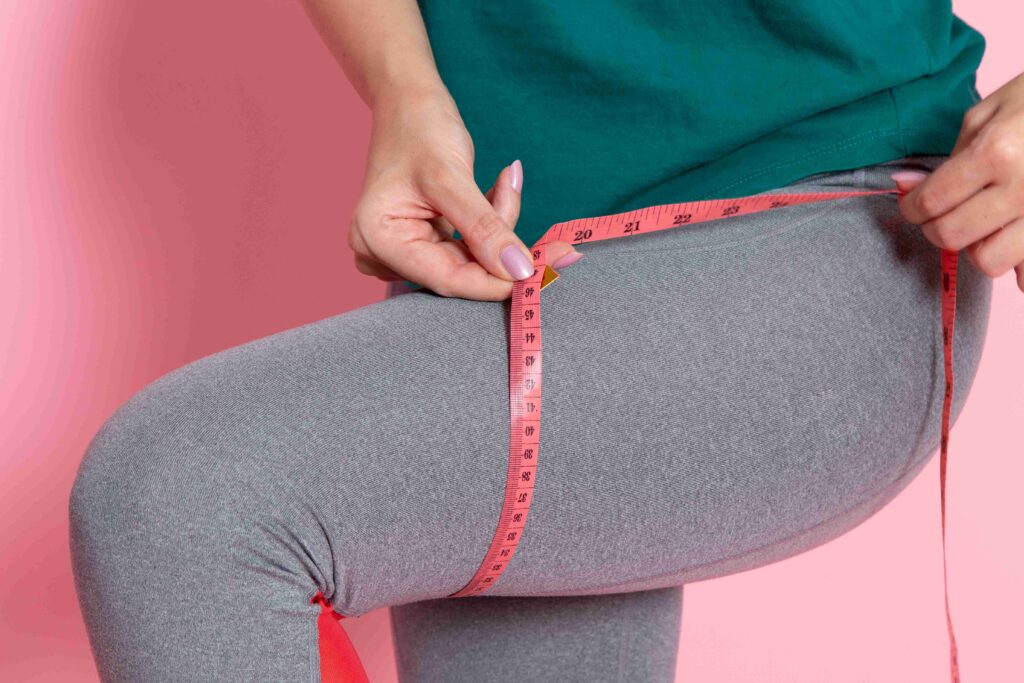
How to lose weight in thighs starts with reducing overall body fat rather than targeting the thighs alone. A balanced calorie deficit, strength training, regular cardio, a protein-rich diet, quality sleep, and consistency are the most effective ways to achieve leaner thighs. Spot reduction is a myth, but healthy lifestyle changes can help reduce thigh fat over time.
If you’re wondering how to lose weight in thighs, the answer lies in improving your overall health rather than relying on quick fixes. At NFNA, we believe sustainable fat loss is achieved through science-backed nutrition and fitness strategies. If you’d like to build this expertise yourself, NFNA also offers health and nutrition courses for anyone looking to turn this knowledge into a career. This guide explains what truly works, what doesn’t, and how you can build habits that support long-term results.
Why Does Fat Accumulate in the Thighs?
Many people notice that fat tends to accumulate around the thighs, hips, and lower body. While this can be frustrating, it’s completely normal and is influenced by several factors.
Genetics
Your genes play a significant role in determining where your body stores fat. Some individuals naturally carry more fat around the thighs, while others store it around the abdomen or arms.
Hormones
Hormonal changes, particularly in women, can encourage fat storage in the lower body. Estrogen often contributes to fat accumulation around the hips and thighs, making these areas more resistant to fat loss.
Lifestyle Habits
Daily habits also influence body fat levels. Common contributors include:
- Eating more calories than your body burns
- Sitting for long periods
- Limited physical activity
- Poor sleep quality
- Chronic stress
Improving these habits is the first step toward healthier body composition.
Can You Lose Weight Only in Your Thighs?
One of the biggest misconceptions about fat loss is the idea of spot reduction.
Scientific research consistently shows that exercising one body part does not selectively burn fat from that specific area. Doing hundreds of squats every day won’t directly eliminate thigh fat if your overall body fat remains unchanged.
Instead, your body decides where fat is lost based on genetics, hormones, and overall energy balance.
If you’re searching for how to lose weight in thighs, focus on reducing total body fat while strengthening the muscles in your legs for improved definition and shape.
Expert Insight: Stronger thigh muscles can improve muscle tone and appearance, but fat loss happens across the entire body—not just one specific area.
How to Lose Weight in Thighs Naturally
If your goal is how to lose weight in thighs safely and sustainably, these evidence-based strategies offer the best long-term results.
Create a Moderate Calorie Deficit
Weight loss happens when your body burns more calories than it consumes.
Rather than following restrictive diets, aim for a moderate calorie deficit that supports gradual fat loss while preserving muscle mass. If you’re unsure how big that deficit should be, understanding how many calories burn to lose 1kg can help you set realistic, sustainable targets. Losing weight slowly is generally easier to maintain and less likely to affect your energy levels.
Prioritise Protein
Protein plays an essential role in maintaining muscle during weight loss.
Including protein-rich foods such as:
- Eggs
- Fish
- Chicken
- Lentils
- Greek yogurt
- Cottage cheese
- Tofu
can help you stay full for longer while supporting recovery after exercise.
Eat More Whole Foods
Whole foods provide essential nutrients without excessive calories.
Choose foods like:
- Fresh vegetables
- Fruits
- Whole grains
- Beans
- Lean meats
- Healthy fats
- Nuts and seeds
Reducing highly processed foods can naturally improve calorie control without feeling deprived. Understanding the science behind how these nutrients affect the body is also the focus of specialised food science courses, for those curious to go deeper into nutrition as a subject.
Stay Hydrated
Water supports normal body functions and may help manage appetite throughout the day.
Drinking enough fluids also supports exercise performance and recovery. You may have also heard claims about warm water and metabolism; if you’re curious whether does hot water help lose weight actually holds up, it’s worth separating fact from myth before changing your routine.
Best Exercises for Thigh Fat Loss
Exercise supports fat loss by increasing calorie expenditure while preserving muscle.
Strength Training
Strength training should ideally be performed two to four times each week. If you enjoy guiding others through workouts like these, a fitness trainer course in bangalore could be a natural next step toward turning that interest into a profession.
Effective exercises include:
- Squats
- Walking lunges
- Bulgarian split squats
- Romanian deadlifts
- Step-ups
- Glute bridges
Strength training should ideally be performed two to four times each week.
Cardio Exercise
Cardio helps burn calories and improves heart health.
Some excellent choices include:
- Brisk walking
- Cycling
- Running
- Swimming
- Stair climbing
- Rowing
- HIIT workouts
Combining cardio with strength training often produces the best overall results. If you’re curious how intense a HIIT session needs to be, knowing how many jumping jacks to burn 500 calories gives a useful benchmark for structuring your workouts.
Increase Daily Movement
Structured workouts are important, but everyday activity matters just as much.
Simple habits include:
- Taking the stairs
- Walking after meals
- Standing regularly during work
- Household chores
- Gardening
- Parking farther away
These activities increase your daily calorie expenditure without requiring a gym. For those based outside Bangalore, a fitness trainer course in mumbai offers a similar path for anyone wanting to build a career around helping others stay active.
Foods That Support Healthy Fat Loss
While no single food burns thigh fat, nutritious eating supports sustainable weight management.
|
Food |
Benefit |
|
Lean protein |
Supports muscle maintenance |
|
Oats |
Rich in fibre and keeps you full |
|
Eggs |
High-quality protein |
|
Greek yogurt |
Protein and calcium |
|
Lentils |
Fibre and plant protein |
|
Fruits |
Vitamins and antioxidants |
|
Leafy vegetables |
Low in calories and nutrient-dense |
|
Nuts |
Healthy fats in moderation |
Eating balanced meals consistently is far more effective than relying on fad diets.
Healthy Habits That Help Reduce Body Fat
Small daily habits often make the biggest difference over time.
Sleep Well
Aim for seven to nine hours of quality sleep each night. Poor sleep may affect appetite-regulating hormones and make healthy choices more difficult.
Manage Stress
Long-term stress can influence eating behaviours and make weight management more challenging.
Helpful techniques include:
- Meditation
- Walking
- Deep breathing
- Yoga
- Spending time outdoors
Stay Consistent
Consistency is more important than perfection.
Missing one workout or enjoying an occasional treat won’t ruin your progress. What matters is returning to healthy habits consistently.
Measure More Than Weight
The weighing scale doesn’t always reflect improvements.
Track:
- Body measurements
- Fitness progress
- Energy levels
- Strength gains
- How your clothes fit
These indicators often show progress before the scale changes.
Common Mistakes That Slow Progress
Many people unknowingly make mistakes that delay results.
Avoid these common pitfalls:
- Believing spot reduction works
- Following extremely low-calorie diets
- Skipping strength training
- Depending only on cardio
- Ignoring protein intake
- Expecting immediate results
- Comparing your journey with others
If you’re learning how to lose weight in thighs, remember that sustainable progress takes time and consistency.
How Long Does It Take to Lose Weight in Thighs?
This is one of the most frequently asked questions.
The timeline varies depending on factors such as:
- Starting body fat percentage
- Genetics
- Nutrition
- Activity level
- Sleep
- Hormonal health
Most health professionals recommend aiming for gradual, sustainable weight loss rather than rapid changes. Over time, consistent healthy habits will contribute to overall fat loss, including the thighs.
Understanding how to lose weight in thighs means accepting that everyone’s body loses fat at a different pace.
When Should You Seek Professional Guidance?
Sometimes weight loss becomes difficult despite your best efforts.
Professional advice may be beneficial if you have:
- PCOS
- Thyroid disorders
- Diabetes
- Menopause-related weight gain
- Obesity
- Repeated dieting history
- Persistent weight-loss plateaus
A qualified nutrition professional can help create a personalised approach based on your health needs and lifestyle. Those looking to become that trusted professional themselves often start with a diploma in nutrition and dietetics, which builds the clinical foundation needed to guide others safely.
Expert Tips for Long-Term Success
If you’re serious about how to lose weight in thighs, focus on building habits you can maintain for years rather than weeks.
Remember these simple principles:
- Eat enough protein every day.
- Lift weights regularly.
- Include cardio several times a week.
- Stay physically active throughout the day.
- Sleep well.
- Drink enough water.
- Avoid chasing quick fixes.
- Be patient with your progress.
Healthy fat loss is a gradual process, but consistent effort produces lasting results.
Learn the Science Behind Sustainable Weight Loss with NFNA
Understanding how to lose weight in thighs goes beyond following trending workouts or restrictive diets. Sustainable results come from applying evidence-based nutrition and fitness principles that support overall health.
At NFNA (National Fitness and Nutrition Academy), you’ll gain access to scientifically grounded education designed by experienced doctors, registered dietitians, certified nutritionists, and fitness professionals. Whether you want to deepen your understanding of healthy weight management or build a career in nutrition and wellness, NFNA’s practical, research-backed learning approach equips you with the knowledge to make informed decisions and achieve lasting results.
Q1. How can I lose weight in my thighs naturally?
The most effective approach combines a calorie-controlled diet, strength training, cardio exercise, adequate protein intake, and consistent healthy habits that reduce overall body fat.
Q2. Can walking help reduce thigh fat?
Yes. Walking increases calorie expenditure and supports overall fat loss. Combined with healthy eating and strength training, it can contribute to slimmer thighs over time.
Q3. Can squats alone reduce thigh fat?
No. Squats strengthen your leg muscles but cannot specifically burn fat from your thighs. Overall fat loss is necessary.
Q4. Is it possible to lose fat only from the thighs?
No. Current scientific evidence shows that spot reduction is not possible. Fat loss occurs throughout the body according to genetics and overall energy balance.
Q5. Will running make my thighs slimmer?
Running helps burn calories and improve cardiovascular fitness, which may contribute to overall fat loss, including the thighs, when combined with a balanced diet.
Q6. What foods support healthy thigh fat loss?
Protein-rich foods, vegetables, fruits, whole grains, legumes, and healthy fats support sustainable fat loss by improving satiety and providing essential nutrients.
Q7. What exercise is best for losing thigh fat?
A combination of strength training exercises such as squats and lunges, along with cardio activities like walking, cycling, or swimming, provides the best results.
Q8. Why is thigh fat often difficult to lose?
Thigh fat is influenced by genetics and hormones, making it one of the last areas where many people notice fat loss. Consistency with nutrition and exercise is the key to long-term success.