
Pregnant women should avoid raw or undercooked meat, raw eggs, high-mercury fish, unpasteurized dairy products, alcohol, excessive caffeine, and unhygienically prepared foods. These foods can increase the risk of foodborne infections, exposure to harmful substances, and pregnancy complications. Choosing fresh, properly cooked, and hygienically prepared meals supports both maternal health and fetal development.
Understanding the foods to avoid during pregnancy in India is essential for protecting both mother and baby. Certain foods can increase the risk of infections, nutritional imbalances, or exposure to harmful substances that may affect pregnancy outcomes. At NFNA, we advocate evidence-based nutrition practices that help expecting mothers make safer dietary choices while ensuring optimal nourishment throughout pregnancy. Mothers looking to build a complete picture of safe eating can also refer to a structured diet chart for pregnant women that outlines recommended foods alongside restrictions.
Why Certain Foods Become Unsafe During Pregnancy
Pregnancy is a unique phase where your body works harder to support the growth and development of your baby. While nutrition becomes more important than ever, food safety also deserves equal attention.
Hormonal and immune changes during pregnancy can make women more susceptible to foodborne illnesses. Infections that may cause mild symptoms in healthy adults can sometimes lead to severe complications during pregnancy. For a broader understanding of how pregnancy nutrition works trimester by trimester, exploring a comprehensive guide on diet during pregnancy Indian food can provide helpful context alongside food safety guidelines.
How Pregnancy Changes Your Immune System
During pregnancy, the immune system adapts to prevent the body from rejecting the developing fetus. These natural changes may reduce resistance to certain bacteria, viruses, and parasites found in contaminated foods. Hindi-speaking mothers can also follow a pregnancy diet chart in Hindi that outlines safe and unsafe foods in an accessible format.
This makes food safety precautions particularly important for expecting mothers.
Increased Risk of Food-Borne Infections
Foodborne infections can result in:
- Severe vomiting and diarrhea
- Dehydration
- High fever
- Nutrient deficiencies
- Pregnancy complications
Preventing exposure to contaminated foods is one of the simplest ways to reduce these risks. Mothers who want structured guidance on building a safer diet can explore evidence-based nutrition courses that cover food safety and maternal nutrition in practical detail.
Preventing exposure to contaminated foods is one of the simplest ways to reduce these risks.
How Unsafe Foods Can Affect Fetal Development
Some foods contain harmful microorganisms or environmental contaminants that may affect fetal development. These substances can interfere with normal growth, particularly during the early stages of pregnancy when vital organs are forming. Those seeking a deeper clinical understanding of these risks may benefit from enrolling in a dietician course that covers food safety, contamination, and maternal dietary planning comprehensively.
Unsafe Foods During Pregnancy in India List
Many commonly consumed foods become risky when they are raw, undercooked, improperly stored, or contaminated.
Raw or Undercooked Eggs
Raw eggs may contain Salmonella bacteria, which can cause food poisoning.
Foods that may contain raw eggs include:
- Homemade mayonnaise
- Certain desserts
- Raw cake batter
- Soft-set eggs
Always consume eggs that are thoroughly cooked. Professionals looking to counsel pregnant women on food safety can explore a structured nutrition and dietician course that combines dietary science with practical client guidance.
Raw Meat and Undercooked Chicken
Undercooked meat can carry harmful bacteria and parasites.
Avoid:
- Rare or medium-rare meat
- Undercooked kebabs
- Improperly cooked chicken
- Street-side meat preparations with questionable hygiene
Meat should always be cooked completely before consumption. Those interested in the science behind food contamination can also explore food science courses that explain microbiology, food safety principles, and preparation practices in structured detail.
Raw Seafood and Shellfish
Raw seafood may contain parasites, viruses, and harmful bacteria.
Avoid:
- Raw oysters
- Raw prawns
- Sushi containing raw fish
- Undercooked shellfish
If consuming seafood, ensure it is thoroughly cooked. Aspiring nutrition professionals can also consider a dietician course in India that prepares them to guide clients on safe food practices during pregnancy and other life stages.
Raw Foods to Avoid in Pregnancy India
Certain raw foods require extra caution.
Raw Sprouts
Raw sprouts can harbour bacteria due to the warm, humid conditions used during cultivation.
Examples include:
- Moong sprouts
- Alfalfa sprouts
- Mixed bean sprouts
Cooking sprouts significantly reduces contamination risks. Those who wish to understand the nutritional science behind safe food preparation can explore a diploma in nutrition and dietetics that covers food safety, dietary assessment, and maternal nutrition in depth.
Unwashed Fruits and Vegetables
Fresh produce can carry:
- Soil-borne bacteria
- Pesticide residues
- Harmful microorganisms
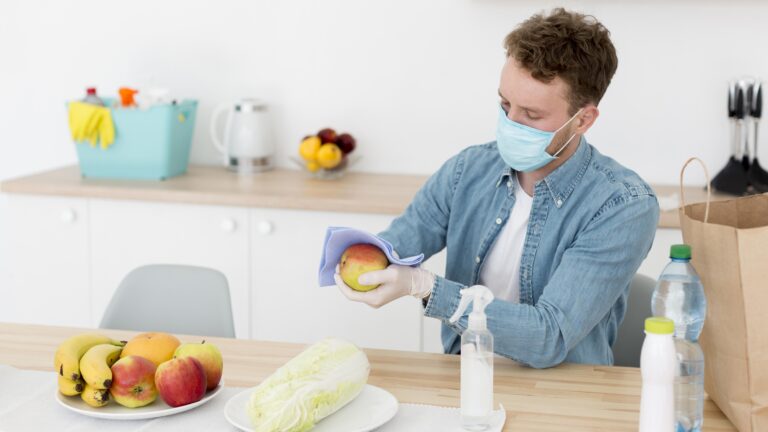
Always wash fruits and vegetables thoroughly before eating.
Freshly Cut Fruits from Roadside Vendors
Pre-cut fruits may become contaminated through improper handling, storage, or exposure to environmental pollutants.
High Mercury Fish to Avoid During Pregnancy in India
Fish is a valuable source of protein and omega-3 fatty acids, but certain fish species contain elevated levels of mercury.
Why Mercury Is Dangerous During Pregnancy
Mercury is a toxic heavy metal that can accumulate in fish over time.
Excessive mercury exposure may affect:
- Brain development
- Nervous system development
- Cognitive function
High Mercury Fish to Avoid During Pregnancy India
Pregnant women should avoid:
- Shark
- Swordfish
- Marlin
- King mackerel
- Large tuna species
These fish tend to accumulate higher mercury levels due to their position in the food chain.
Safer Fish Options
Lower-mercury alternatives include:
- Rohu
- Catla
- Sardines
- Anchovies
Always consume fish that has been cooked properly.
Unpasteurized Dairy Products and Soft Cheeses
Dairy products provide calcium and protein, but certain types can pose risks during pregnancy.
Understanding Listeria Risk
Unpasteurized dairy products may contain Listeria monocytogenes, a bacterium linked to serious pregnancy complications.
Dairy Products to Avoid
Avoid:
- Raw milk
- Unpasteurized paneer
- Homemade dairy products prepared under unhygienic conditions
- Imported soft cheeses made from unpasteurized milk
Safe Dairy Alternatives
Choose:
- Pasteurized milk
- Yogurt
- Fresh curd
- Pasteurized paneer
- Fortified dairy products
Packaged Foods to Avoid in Pregnancy India
Not all packaged foods are harmful, but highly processed foods should be consumed sparingly.
Instant Noodles and Processed Snacks
Many processed snacks contain:
- Excess sodium
- Refined flour
- Artificial flavour enhancers
Frequent consumption may compromise overall diet quality.
High-Sodium Packaged Foods
Excess sodium intake can contribute to:
- Water retention
- Swelling
- Increased blood pressure
Examples include:
- Packaged chips
- Salted snacks
- Instant soups
Processed Meats and Frozen Ready-to-Eat Foods
Limit:
- Sausages
- Salami
- Frozen processed meat products
These foods often contain preservatives and excessive sodium.
Sugary Beverages and Artificial Drinks
High-sugar beverages may contribute to:
- Unhealthy weight gain
- Blood sugar fluctuations
- Increased risk of gestational diabetes
Foods That Cause Miscarriage Risk India: Facts vs Myths
One of the most searched topics among expecting mothers involves foods believed to increase miscarriage risk.
It is important to separate scientific evidence from popular myths.
Foods That May Increase Risk When Consumed Improperly
Some foods may contribute to complications due to contamination or excessive consumption.
Examples include:
- Raw sprouts
- Alcohol
- Unpasteurized dairy
- Undercooked meat
These foods do not directly cause miscarriage but may increase certain risks if consumed regularly.
Common Indian Pregnancy Food Myths
- Does Pineapple Cause Miscarriage? There is no strong scientific evidence that moderate pineapple consumption causes miscarriage in healthy pregnancies.
- Does Spicy Food Harm the Baby? Spicy foods do not harm the fetus, although they may worsen heartburn or digestive discomfort in some women.
- Is Saffron Unsafe During Pregnancy? Moderate saffron consumption is generally considered safe. Excessive amounts should be avoided.
- What About Papaya? Ripe papaya is generally safe when consumed in moderation. Unripe papaya contains latex compounds and is often avoided as a precaution.
Drinks and Beverages to Limit During Pregnancy
Excess Caffeine
Moderate caffeine intake is generally acceptable, but excessive consumption should be avoided.
Sources include:
- Coffee
- Tea
- Energy drinks
- Certain soft drinks
Energy Drinks
Energy drinks often contain:
- High caffeine levels
- Excess sugar
- Herbal stimulants
They are generally not recommended during pregnancy.
Alcohol
No safe level of alcohol consumption during pregnancy has been established.
Avoid:
- Wine
- Beer
- Spirits
- Cocktails
Herbal Supplements Without Medical Advice
Many herbal products lack sufficient safety data for pregnancy and should only be used under professional guidance.
Street Foods and Restaurant Foods to Be Careful With
Street food is an important part of Indian food culture, but certain precautions are necessary during pregnancy.
- Chaat and Raw Garnishes: Raw onions, coriander, and chutneys may become contaminated if handled improperly.
- Cut Fruits from Vendors: Avoid pre-cut fruits sold in open environments.
- Dairy-Based Desserts: Improper refrigeration may increase the risk of bacterial contamination.
- Summer Food Safety Concerns: India’s hot climate can accelerate food spoilage, particularly during the summer months.
Choose freshly prepared foods whenever possible.
Safe Food Alternatives for Indian Pregnant Women
Instead of focusing only on restrictions, pregnant women should prioritize nutrient-rich alternatives.
Healthy Protein Sources
- Lentils
- Chickpeas
- Paneer
- Eggs
- Well-cooked fish
- Lean chicken
Safe Fruits and Vegetables
- Apples
- Oranges
- Bananas
- Guava
- Carrots
- Spinach
Wash thoroughly before consumption.
Calcium-Rich Foods
- Milk
- Yogurt
- Paneer
- Sesame seeds
Iron-Rich Indian Foods
- Green leafy vegetables
- Lentils
- Beans
- Jaggery
- Lean meat
Final Thoughts
Pregnancy is a time when every food choice matters. While most healthy foods can continue to be part of your diet, understanding which foods may pose risks helps create a safer environment for both mother and baby. Focusing on fresh, nutritious, and properly prepared meals can significantly reduce the risk of foodborne illness while supporting healthy fetal development. Hindi-speaking mothers can also refer to a pregnancy diet chart in Hindi for accessible guidance on safe and nourishing food choices throughout their pregnancy journey.
Those who wish to deepen their understanding of maternal nutrition more formally may find value in a diploma in nutrition and dietetics that cover food safety, lifecycle nutrition, and evidence-based dietary planning in detail
Learn Prenatal and Postnatal Nutrition with NFNA
Pregnancy nutrition requires specialised knowledge that goes far beyond general healthy eating advice. Understanding maternal nutrient requirements, food safety, supplementation, gestational health conditions, and infant development is essential for nutrition professionals who want to support mothers effectively.
NFNA Prenatal and Postnatal Nutrition Course is designed to provide evidence-based, practical training in maternal and child nutrition. Whether you are an aspiring nutritionist, healthcare professional, dietetics student, or wellness practitioner, the program equips you with the knowledge and confidence needed to guide women through pregnancy, postpartum recovery, and early infant nutrition.
Explore NFNA’s Prenatal and Postnatal Nutrition programs and take the next step toward building expertise in one of the most impactful areas of nutrition practice.
Frequently Asked Questions
Q1. How can I identify unsafe foods during pregnancy?
Unsafe foods are typically raw, undercooked, unpasteurized, contaminated, or excessively processed. Always prioritize fresh, hygienically prepared, and fully cooked foods.
Q2. How much caffeine is safe during pregnancy?
Most health authorities recommend limiting caffeine intake to around 200 mg per day, though individual recommendations may vary.
Q3. Can I eat papaya during pregnancy?
Ripe papaya is generally considered safe in moderation. Unripe papaya is often avoided due to its latex content.
Q4. Can I eat street food while pregnant?
Occasional consumption may be acceptable if hygiene standards are high. Freshly prepared hot foods are generally safer than raw or pre-prepared items.
Q5. Is packaged food harmful during pregnancy?
Not all packaged foods are harmful, but heavily processed products high in sodium, sugar, and preservatives should be limited.
Q6. Will eating spicy food harm my baby?
No. Spicy food does not harm the fetus, although it may cause digestive discomfort or heartburn in some pregnant women.
Q7. What fish should pregnant women avoid in India?
Pregnant women should avoid high-mercury fish such as shark, swordfish, marlin, and large tuna species.
Q8. Why are raw foods risky during pregnancy?
Raw foods may contain harmful bacteria, parasites, or viruses that increase the risk of foodborne illness and pregnancy complications.